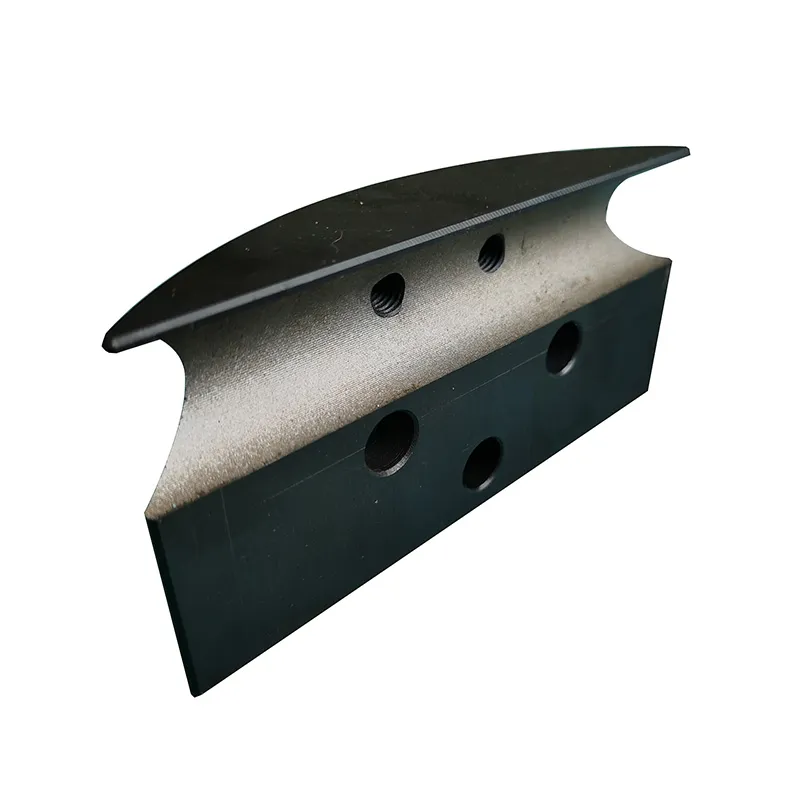
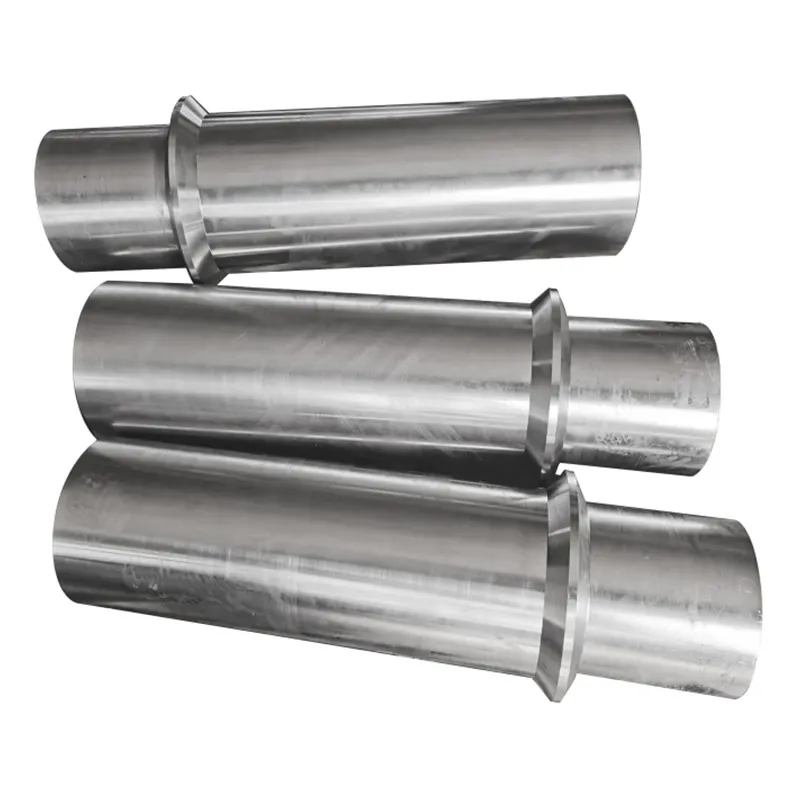
When most people hear 'CNC machining precision,' they immediately think of tight tolerances, like ±0.001 inches or 5 microns. That's the brochure talk. The real story, the one that keeps shop floor managers up at night, is about consistency, not just a number on a spec sheet. It's the difference between hitting a tolerance on one perfect part and holding it across a run of five hundred, through tool wear, thermal drift, and material inconsistencies. That's where the real skill, and the real cost, lies.
The Illusion of the Perfect Print
I've seen so many drawings come in with every single feature flagged at some insane tolerance, like ±0.0002. It screams that the designer has never stood by a machine. They're covering their bases, but it makes the job needlessly expensive. True precision in CNC machining starts with a smart design. Can that tolerance be relaxed if it's on a non-critical face? Does the part really need that finish on every surface? A good machinist, or a good partner like QSY, will push back on those prints. It's not about cutting corners; it's about applying precision where it matters. Wasting effort on non-critical dimensions is a surefire way to blow the budget before the first tool even touches metal.
Material choice is the silent dictator of precision. You can program the most elegant toolpath for aluminum, but try the same approach on a gummy 304 stainless or a hardened tool steel, and you'll watch your precision evaporate. The material fights back. It deflects, it heats up, it work-hardens. Working with the special alloys QSY mentions—nickel-based, cobalt-based—adds another layer. These aren't just harder metals; they behave differently under the cutter. Your feeds, speeds, and even the toolpath strategy have to be built around the material's personality, not just its hardness rating. Getting precision here is less about the machine's capability and more about the programmer's material knowledge.
Then there's the setup. This is where 80% of precision errors are born, in my experience. A vise that's a thousandth out of parallel, a workpiece not seated flat because of a tiny burr, a collet with a speck of dust—it all multiplies. I learned this the hard way early on, chasing a runout issue on a lathe part for hours, only to find a nearly invisible chip wedged under the jaw. The machine was perfect; my process wasn't. Now, the first half-hour of any job is just cleaning, checking, and indicating. It feels slow, but it's the fastest way to a good part.
Tools, Thermal Drift, and the March of Time
Tool wear isn't linear, and it's the enemy of batch precision. You can dial in a brand-new endmill and get beautiful results. But after fifty parts, that tool has lost a micron of its edge. The part still looks good, but the dimensions have subtly shifted. For true high-precision runs, you need a wear compensation strategy. This might mean scheduled tool changes before failure, in-process probing to measure and adjust offsets automatically, or designing features to be finished with a dedicated, fresh tool. It's a running battle against entropy.
Thermal expansion is the ghost in the machine. A CNC mill isn't a static block of iron; it's a living thing that grows as it heats up. Running a high-speed machining job for four hours will change the machine's geometry from start to finish. The spindle expands, the ballscrews get warm, the castings shift. For ultra-precision work, you either need a machine with a phenomenal thermal management system, or you have to soak the machine—let it run its warm-up cycle until it reaches a stable temperature. And even then, the ambient shop temperature matters. A 10-degree Fahrenheit swing from morning to afternoon can throw off a long-running job. I've seen parts pass QC at 9 AM and fail at 3 PM on the same CMM because nobody accounted for the shop heating up.
This is where a company's longevity, like QSY's 30 years, translates directly into precision. It's not just about having modern machines (though that helps). It's about having the tribal knowledge. They know how their specific machines behave. They know that Machine 3 runs a little warm on the Y-axis, so they compensate in the program. They've built up libraries of proven parameters for different materials—not just generic steel, but for the specific grade of cast iron or stainless they're using that week. This institutional memory is a precision tool you can't buy.
Measurement: The Final, Flawed Judge
You can't talk about precision without talking about how you measure it. This is another huge gap between theory and practice. A part might measure perfectly on a handheld micrometer, but that only checks one point. True geometric precision—flatness, perpendicularity, concentricity—needs a CMM or a vision system. And even then, you're at the mercy of the calibration schedule, the operator's skill, and the cleanliness of the part. I've argued with QC more than once where the difference was a fingerprint on the measuring surface or a different datum selection. Defining CNC machining precision requires first defining exactly how, where, and with what it will be measured.
The human factor in measurement is massive. Fatigue, eye strain, even the pressure applied with a hand tool can vary. That's why for critical features, you move to automated gauging or fixture-based checks. It removes the variable. But setting up that perfect inspection fixture is an art in itself. It has to be more precise than the part it's checking, and it has to account for how the part will be used. Checking a part in a free state versus checking it clamped as it would be in assembly can give two different answers. Which one is right?
Precision in Context: The Casting Link
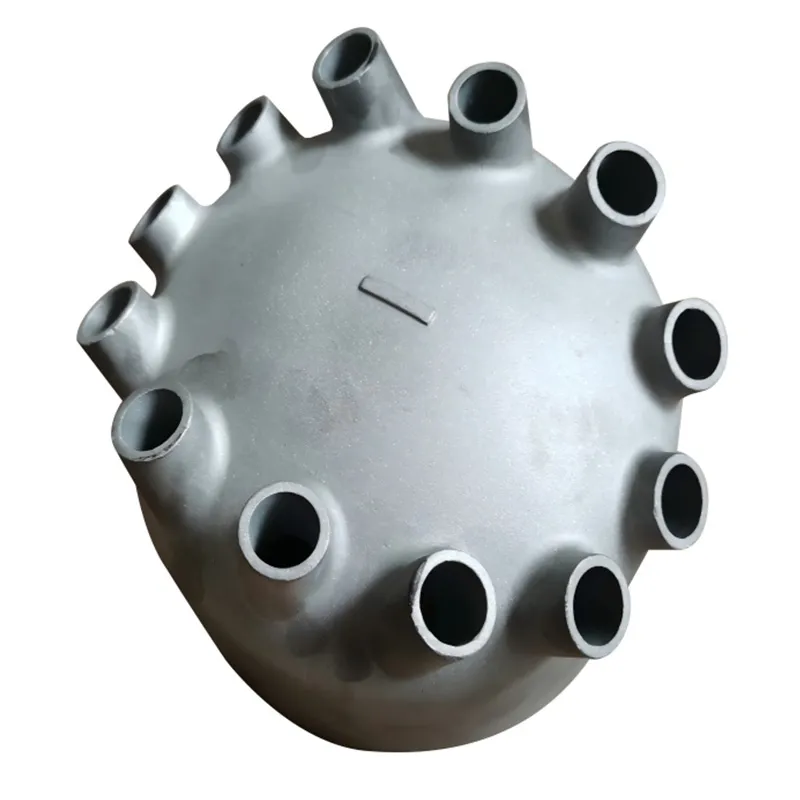
This is where QSY's model is interesting. They do both casting and CNC machining. This is huge for precision. If you're machining a bought-in casting, you start with an unknown. There might be hard spots, internal shrinkage, or inconsistent stock allowance. You're fighting the casting from the first cut. But if the machining team is under the same roof as the foundry, like at QSY, they can collaborate from the start. The foundry can be told, We need an extra 0.5mm of stock on this face for cleanup, or Can you put the gate here to avoid this critical surface? The machinist gets a casting designed to be machined precisely. That upstream control is a massive, often overlooked, component of final part accuracy.
For example, with investment casting, you can get near-net-shape parts. The precision machining then becomes about hitting critical bores, threads, and sealing surfaces, rather than removing vast amounts of material. This changes the entire stress state of the part during machining. Less material removal means less chance of the part moving or distorting as you cut it. The machining process becomes more stable and predictable from part one to part one thousand.
The Real Cost of Chasing Zero
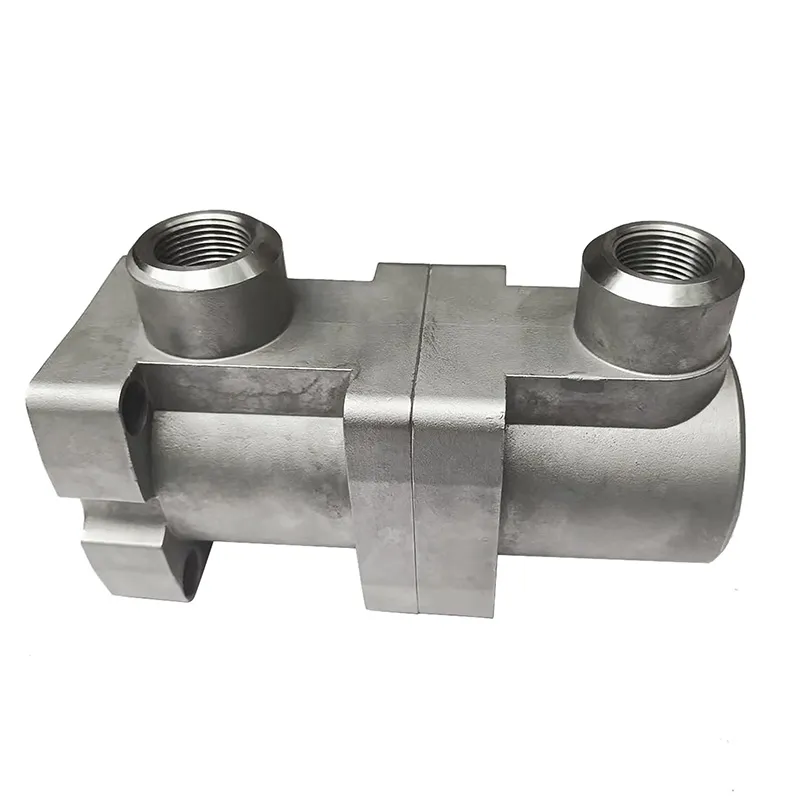
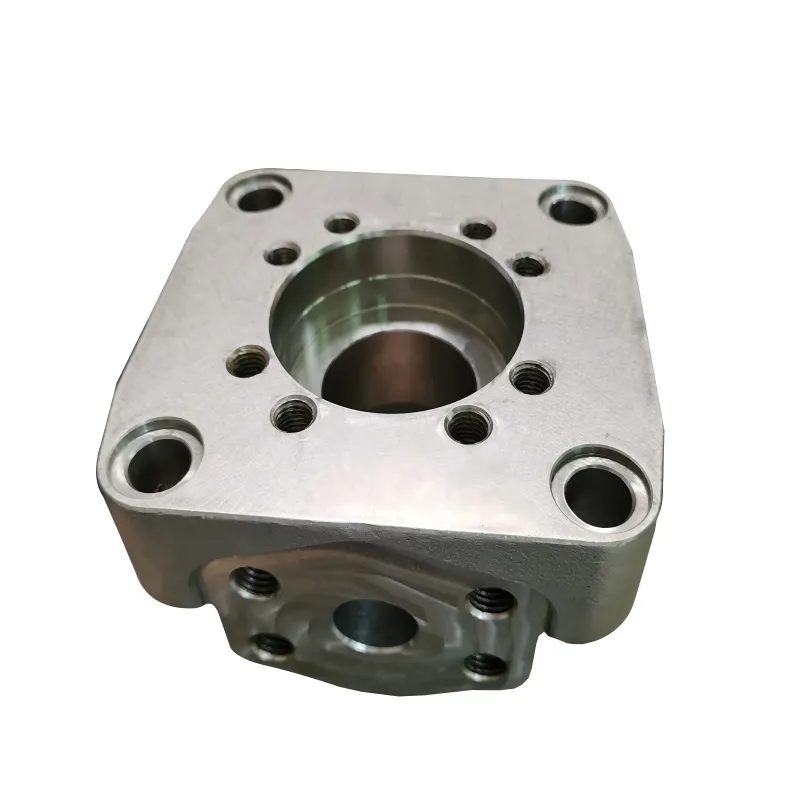
Every order of magnitude in precision increase costs exponentially. Going from ±0.010 to ±0.005 might mean a faster feed rate and a sharper tool. Going from ±0.001 to ±0.0005 might require a climate-controlled room, super-precision spindles, diamond tooling, and hours of metrology. The question always has to be: what does the application actually need? A hydraulic valve body needs precision on the sealing lands and spool bore, but the exterior might be fine at a much looser tolerance. Applying blanket, ultra-high precision is a luxury few applications can justify.
Sometimes, the pursuit of perfect precision on the drawing can make the part less functional. I remember a shaft that needed a press-fit bearing. The designer specified a mirror finish and a crazy-tight diameter tolerance. In reality, a slightly rougher finish (within reason) gives the press-fit adhesive something to bite into, creating a stronger bond. We had to have that conversation. Precision isn't an abstract goal; it's a functional requirement. It serves the part's purpose in the real world, with real forces, real temperatures, and real assembly processes.
So when I think about CNC machining precision now, I don't just see a number. I see a chain: a sensible design, a suitable material, a stable process, a sharp and understood tool, a controlled environment, and a relevant measurement plan. Break any one link, and the precision falls apart. It's a holistic discipline, not a switch you flip on the machine control. It's the daily grind of paying attention to a hundred small details that most people never see. That's what separates a part that simply fits from a part that works, reliably, year after year. And that's ultimately what companies that last in this field, like Qingdao Qiangsenyuan Technology, are really selling.