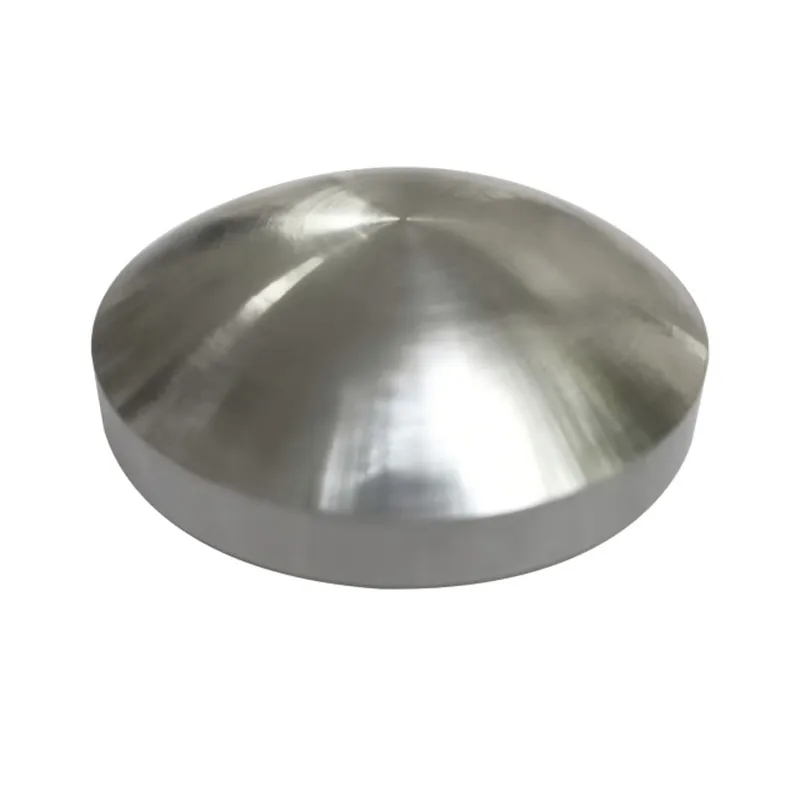
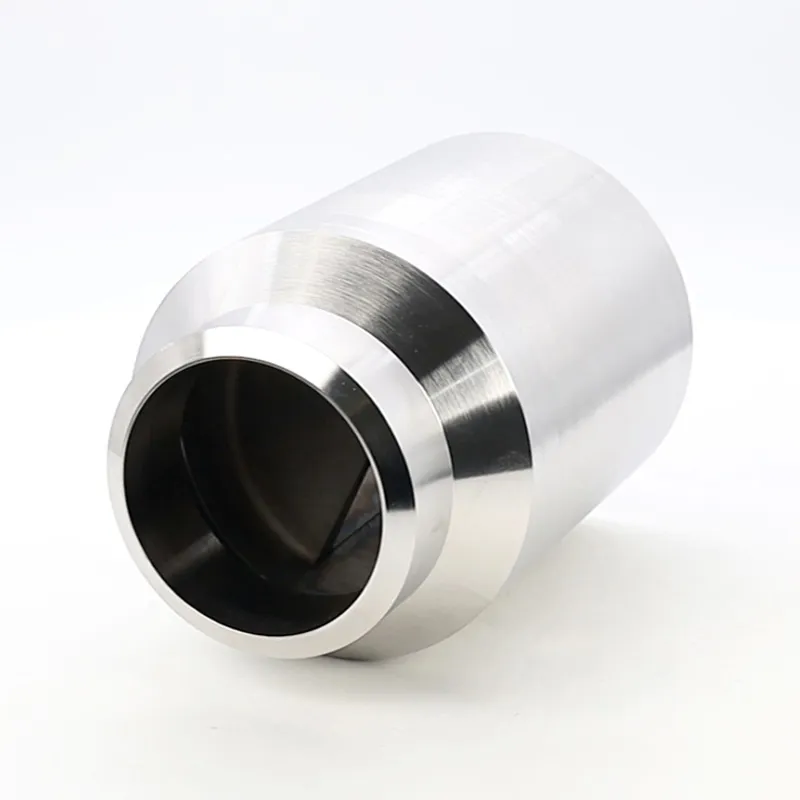
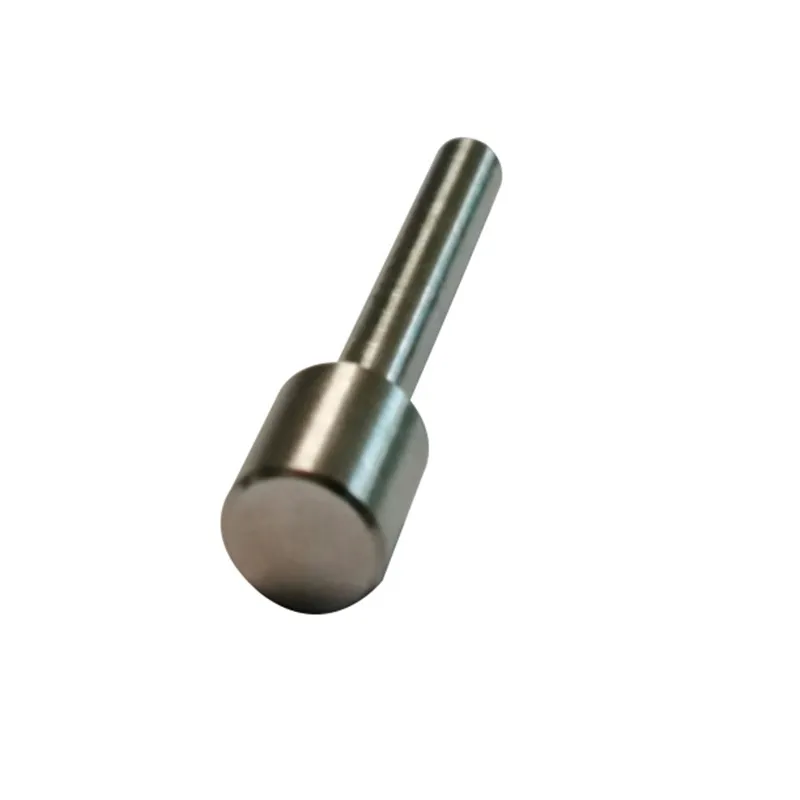
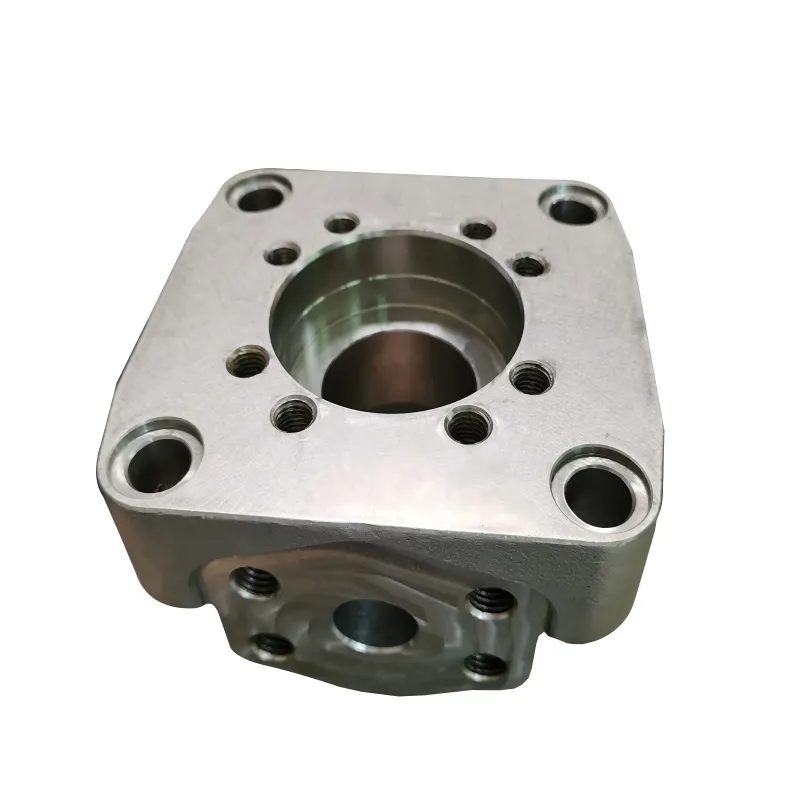
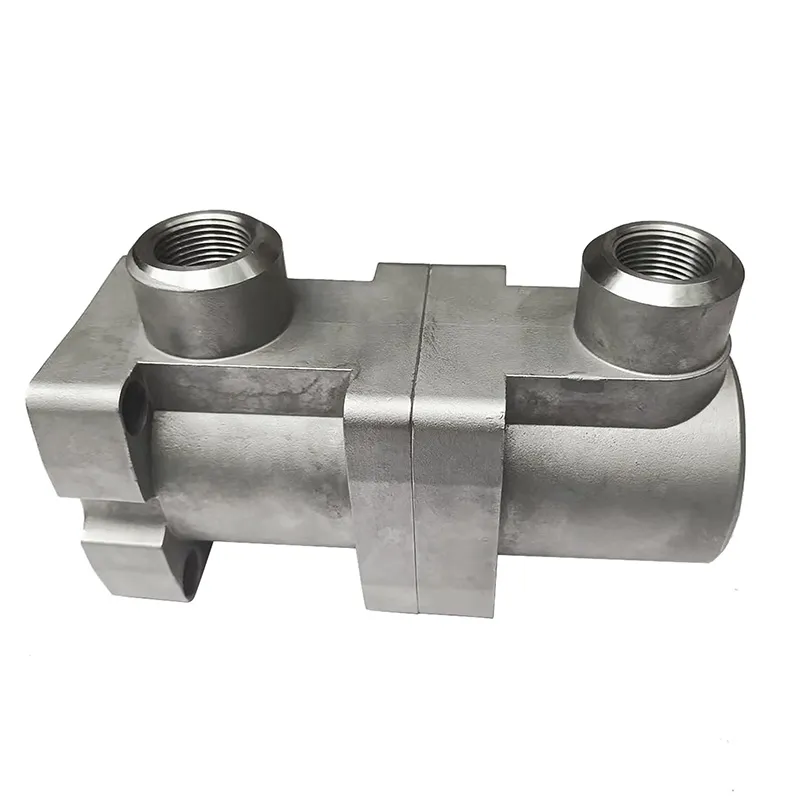
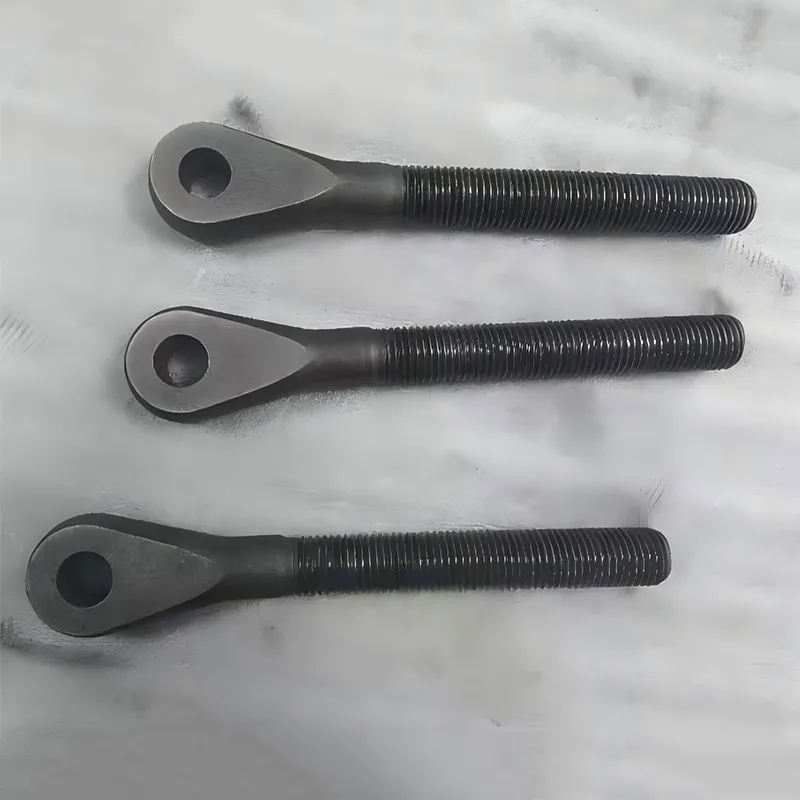
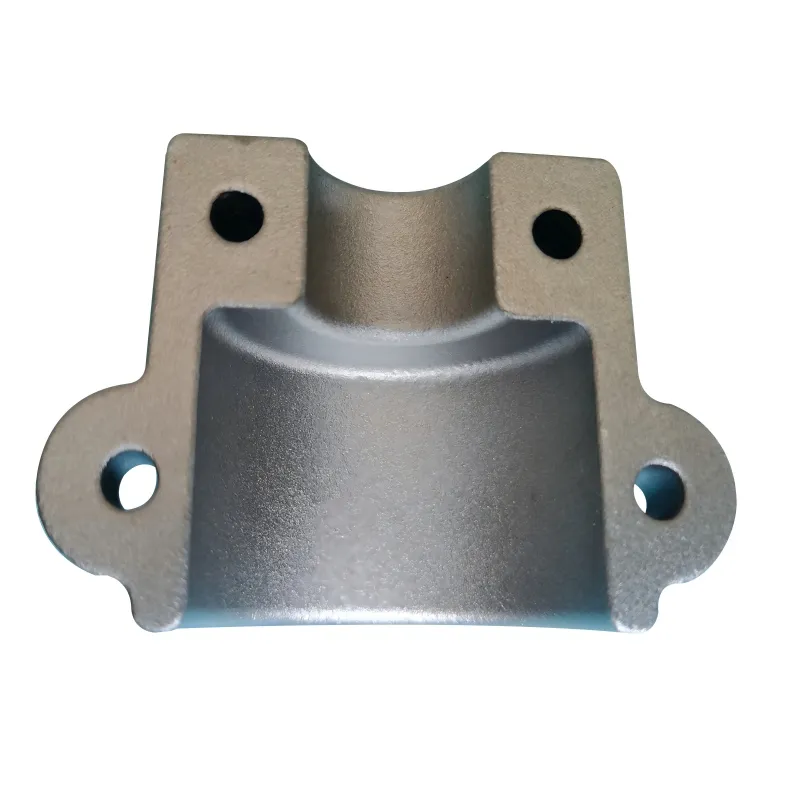
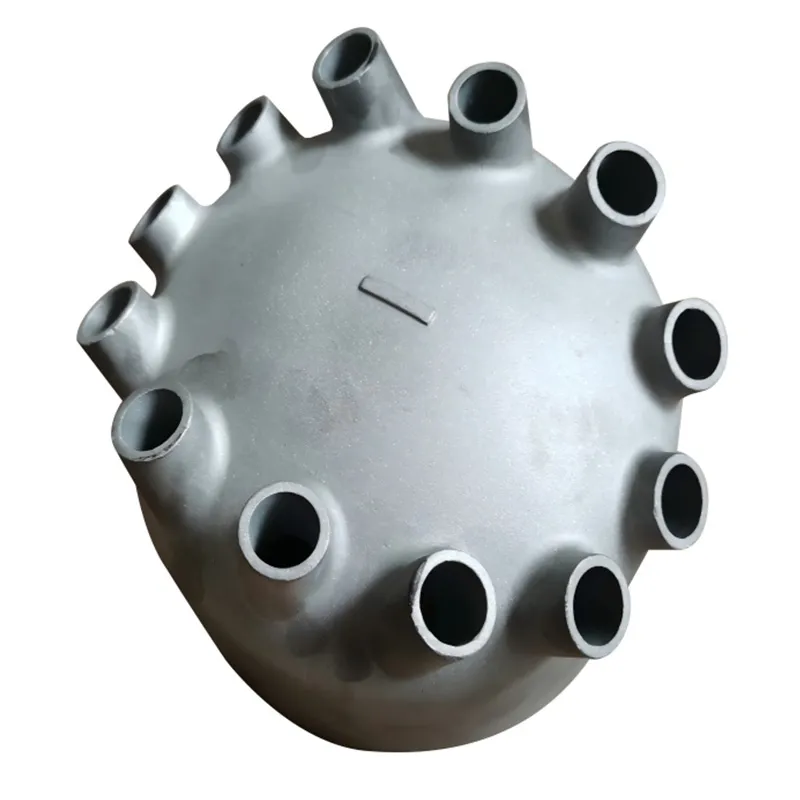
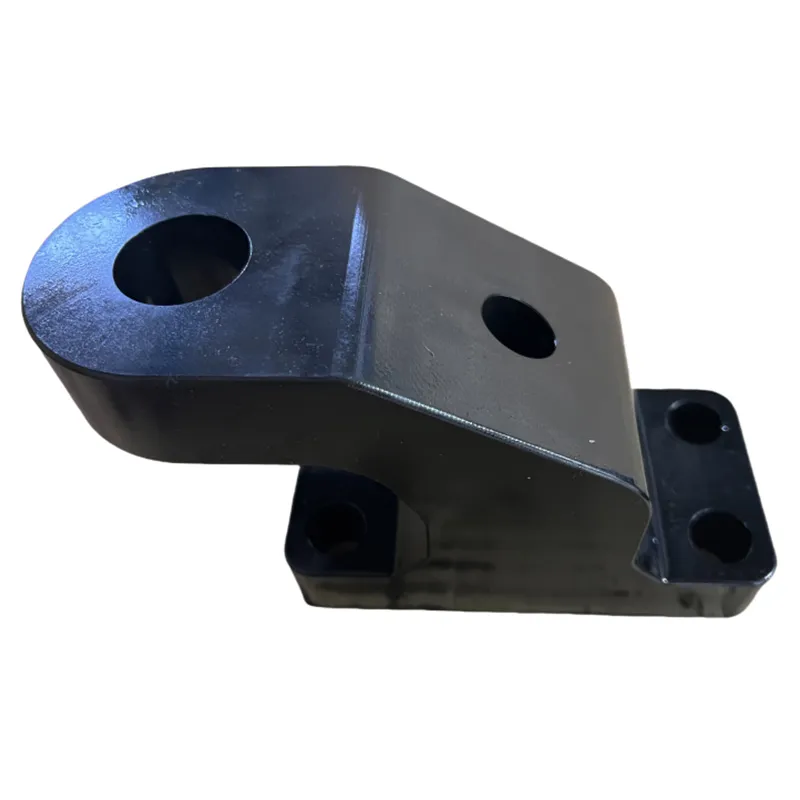
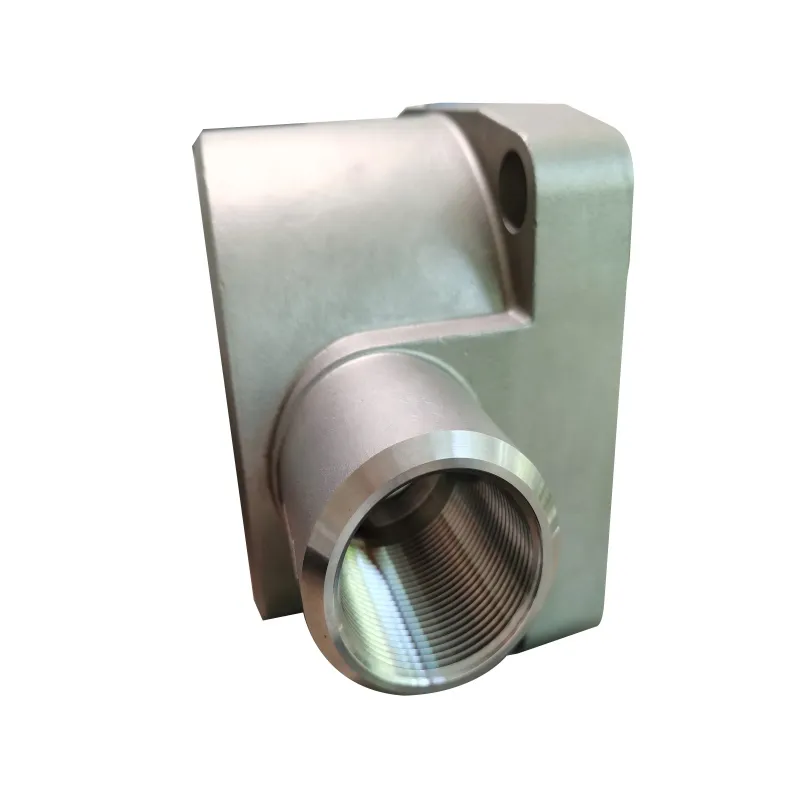
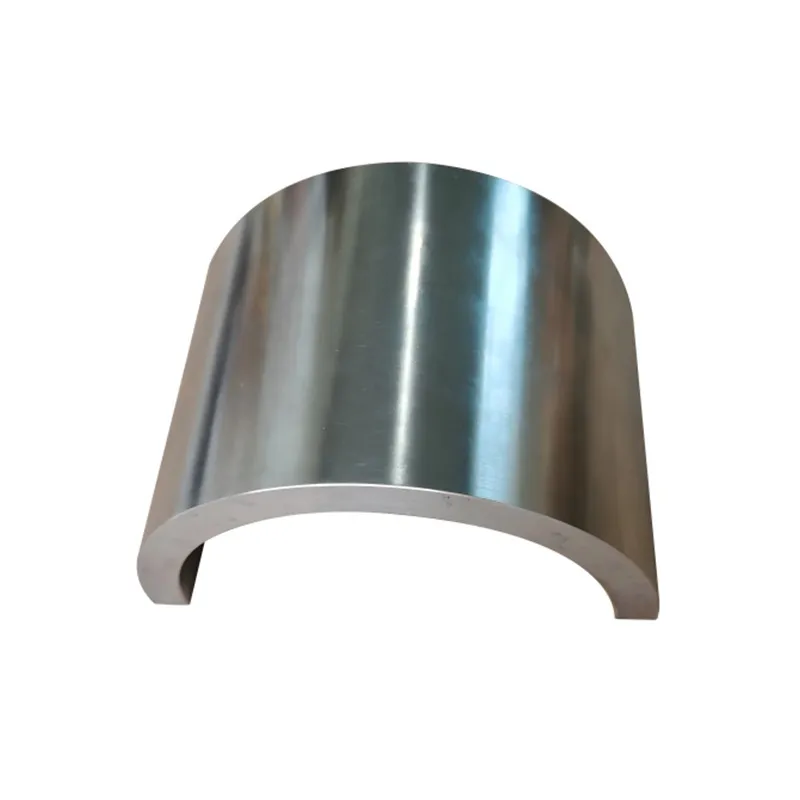
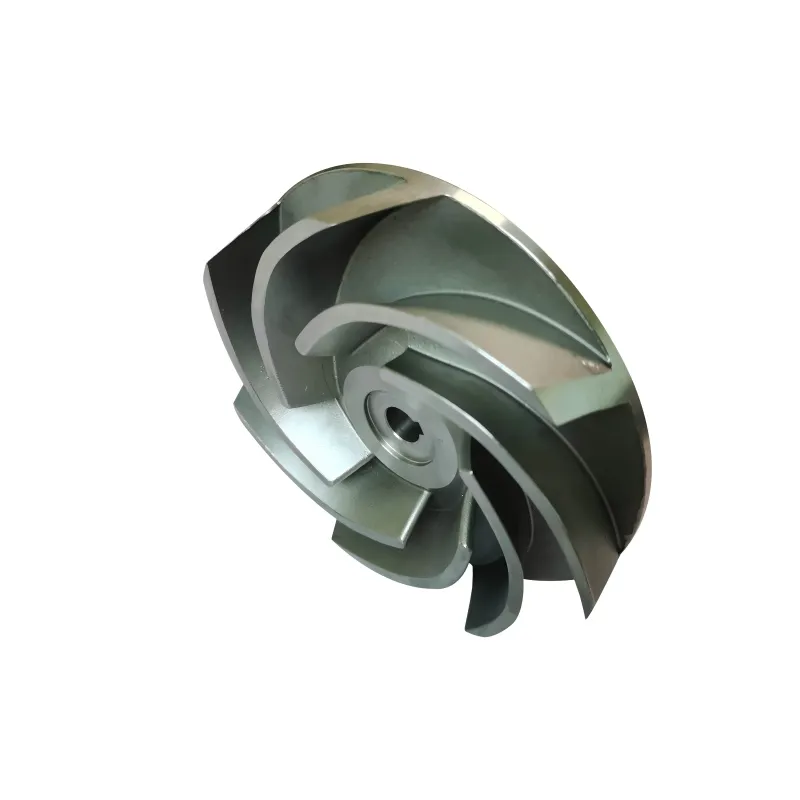
You see that term everywhere—CNC precision machining company. It’s become a bit of a buzzword, hasn’t it? A lot of shops stamp it on their website the moment they buy a used VMC. But true precision isn't just about having the machine; it's about what happens before the spindle even starts. The real gap often lies in process control and material understanding, not just the spec sheet. I've seen too many projects derailed by a supplier who had the right equipment but the wrong approach.
The Foundation Isn't Just Metal, It's History
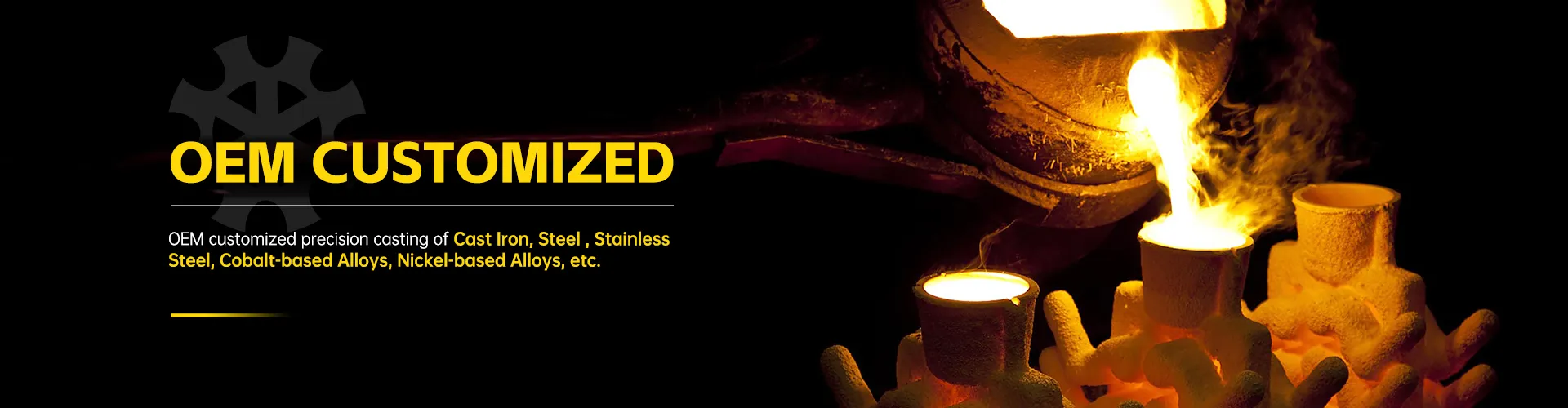
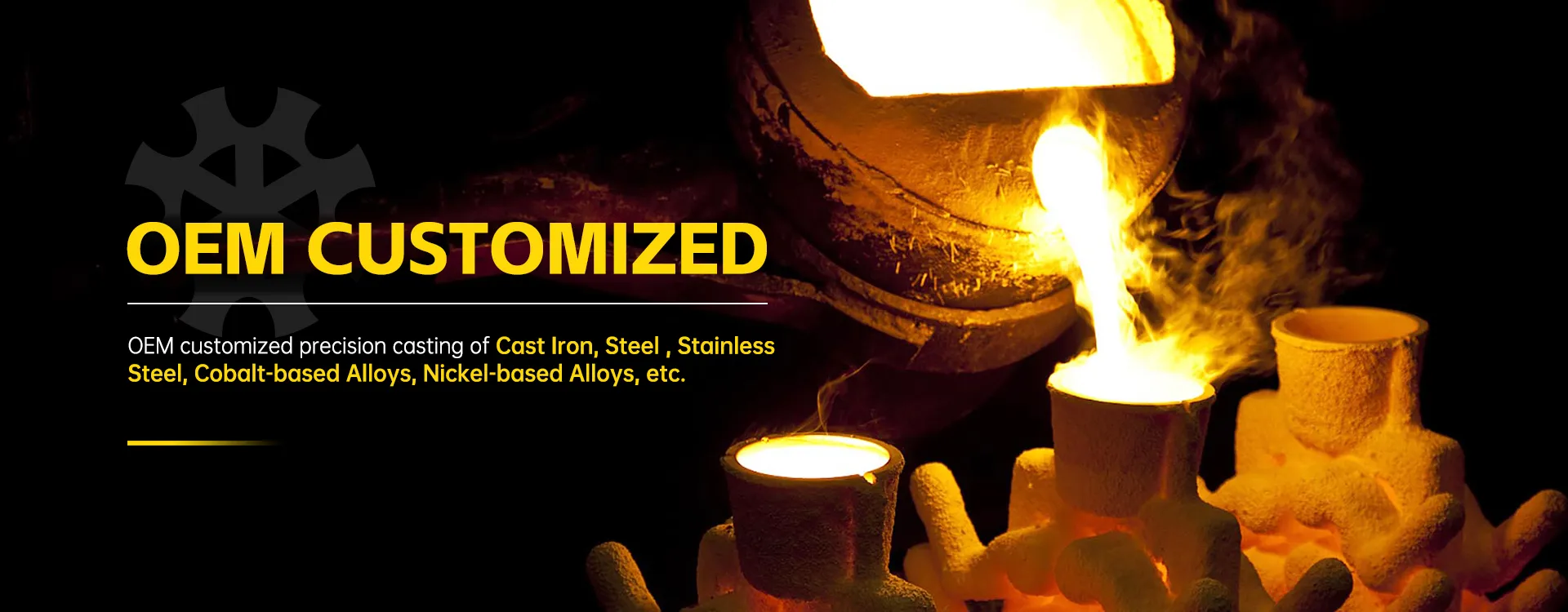
This is where longevity starts to mean something. Take a company like Qingdao Qiangsenyuan Technology Co., Ltd. (QSY). When you've been in casting and machining for over 30 years, you're not just cutting metal; you're managing the legacy of the material itself. They handle everything from shell mold to investment casting, then bring it in-house for machining. That continuity matters. If you're machining a nickel-based alloy investment casting, the guy running the CNC needs to know how that specific batch of molten metal was poured and cooled. That internal history affects tool path strategy and clamping forces in a way an external machine shop can never fully anticipate.
It creates a different kind of accountability. When the foundry and the machine shop are under one roof, the post-mortem on a scrapped part is brutally honest. Was it a machining chatter issue, or was there a subsurface shrinkage cavity from the casting stage? I remember a project for a hydraulic manifold where we had persistent seal surface leaks. An external machine shop kept re-machining to a tighter tolerance, but the problem was traceable to a slight porosity in the original steel casting that only became apparent under pressure. A vertically integrated operation like QSY's can catch that thread earlier because their machining team talks directly to their foundry team. The feedback loop is shorter.
This isn't theoretical. Working with special alloys like cobalt or nickel-based ones isn't like machining mild steel. The material cost is staggering, and the machining time is long. You can't afford to be on the fifth iteration. The precision has to be built in from the very first operation—the pattern making for the cast. If that foundation is off by even a few thou accounting for shrinkage, you're fighting an uphill battle with the CNC later, no matter how accurate your Haas is. A true CNC precision machining company embedded in a foundry understands this dance intimately.
Precision is a Process, Not a Tolerance
Everyone quotes tight tolerances. +/- 0.001 inches, +/- 0.0005, you name it. The real test is how you hold it on part number 1 and on part number 1,000, especially with varying material batches. For a standalone machine shop buying raw castings or bar stock, the incoming material is a black box. For an integrated player, it's a known variable. On their site, tsingtaocnc.com, you can see their scope—cast iron, steels, stainless, those special alloys. The precision machining capability is informed by decades of knowing how each of these behaves under a tool.
I learned this the hard way early on. We sourced some 17-4 PH stainless castings from one vendor and sent them to a highly-touted machine shop for finishing. The first article was perfect. By batch three, we had dimensional drift and terrible tool wear. The issue? Inconsistent heat treatment from the foundry affecting the machinability. The machine shop was brilliant at cutting, but they were reacting, not controlling. An integrated CNC precision machining company controls the thermal cycle and the metallurgy upstream. They can normalize the material behavior before it hits the CNC bed, making the precision far more repeatable.
It changes the conversation from Can you hold this tolerance? to How do we set up the entire value chain to guarantee this tolerance? This involves boring, practical details. Like having dedicated, temperature-controlled staging areas for castings to normalize before machining. Or designing fixtures that reference off of casting datum points that are meaningful for the final assembly, not just convenient for the machinist. It's less sexy than talking about 5-axis simultaneous milling, but it's what makes precision consistent.
The Tooling Mindset in a Prototype World
There's a perceived conflict between high-mix, low-volume prototype work and the ruthless efficiency needed for precision. Some shops specializing in prototypes get sloppy with process documentation because every part is different. Others doing high-volume work can't adapt. A company that has grown through both casting and machining often has a hybrid mindset. They treat every job, even a one-off, with the discipline of a production run, because in their world, that one-off might be a prototype for a casting mold that will later run for thousands.
I appreciate when I see a machine shop that still does manual programming at the control for complex edits, but has a solid DNC system for proven programs. It shows a blend of art and system. Visiting a facility like QSY's, you'd likely see this. Old-school craftsmen who can eyeball a casting and know where to take the first cut, working alongside newer CNC mills. This is crucial for complex investment cast parts with thin walls. The CAM program might be perfect, but the craftsman knows to take a spring pass at a lower feed rate because he can see the part flex slightly in the fixture. That's un-codifiable precision.
This extends to tooling management. For special alloys, using the exact same grade of insert, the same coating, from the same supplier batch matters. A shop deeply involved in this material spectrum doesn't just order generic stainless steel inserts. They'll have specific grades for Inconel versus Hastelloy, and their tool crib is organized accordingly. It sounds trivial, but swapping an insert from a different batch can change cutting forces enough to affect dimensional stability on a delicate, semi-finished casting. The devil is in these specifics.
When Precision Meets the Real World of Delivery
All the technical capability is worthless if the part arrives late or the communication is opaque. This is another area where the integrated model shows its stripes. If you're dealing with a pure-play machine shop and there's a delay from the foundry, it's a blame game. With a single-source supplier like Qingdao Qiangsenyuan Technology Co., Ltd., the responsibility is consolidated. They own the entire timeline from furnace to finished part. This forces a more realistic and controlled scheduling discipline.
Their website, tsingtaocnc.com, mentions their specializations plainly. No over-the-top promises. That's a good sign. In my experience, shops that list specific capabilities like shell mold casting alongside CNC machining are usually more straightforward to deal with. They know their bottlenecks. For instance, they'll tell you upfront that a complex cobalt-chrome alloy part will need an extra week for slow cooling in the foundry to prevent stress, which then impacts the machining schedule. That's valuable intel for my production planning.
The quote process also becomes more meaningful. Instead of getting a machining quote based on a theoretical perfect casting, you get a quote for the entire manufacturing process. This includes the cost of potential salvage operations. Say a casting comes out with a minor defect in a non-critical area. Their in-house team can assess in minutes if it can be welded and re-machined, and what that does to the cost and timeline. An external machine shop would just reject the casting, sending you back to square one with the foundry. This holistic control is, ironically, what allows a true CNC precision machining company to be more flexible and reliable.
So, What Are You Really Looking For?
At the end of the day, when you're searching for a partner, you're not just looking for a shop with a clean floor and new DMG Mori machines. You're looking for ingrained knowledge. The kind that comes from having poured thousands of heats of metal and then having to machine them all. It's about seeing the entire journey of the part. Does the company understand the genealogy of the billet or casting they're putting in the vise?
That's the filter I use now. Can they talk to me about the interaction between the gating system of an investment casting and the resulting grain flow direction, and how that influences their tool path strategy for a critical bore? If they can, they're thinking like a manufacturer, not just a subcontractor. They're a partner in the actual making.
Companies that have evolved this way, like QSY with its three-decade foundation, represent a different tier. The CNC precision machining they offer isn't a standalone service; it's the final, critical phase of a controlled manufacturing symphony. The precision is baked in much earlier. And in a world full of machine shops that just cut metal, that foundational control is what separates a vendor from a true capability partner. It's the difference between getting a part that meets the print, and getting a part that simply works, reliably, every time.