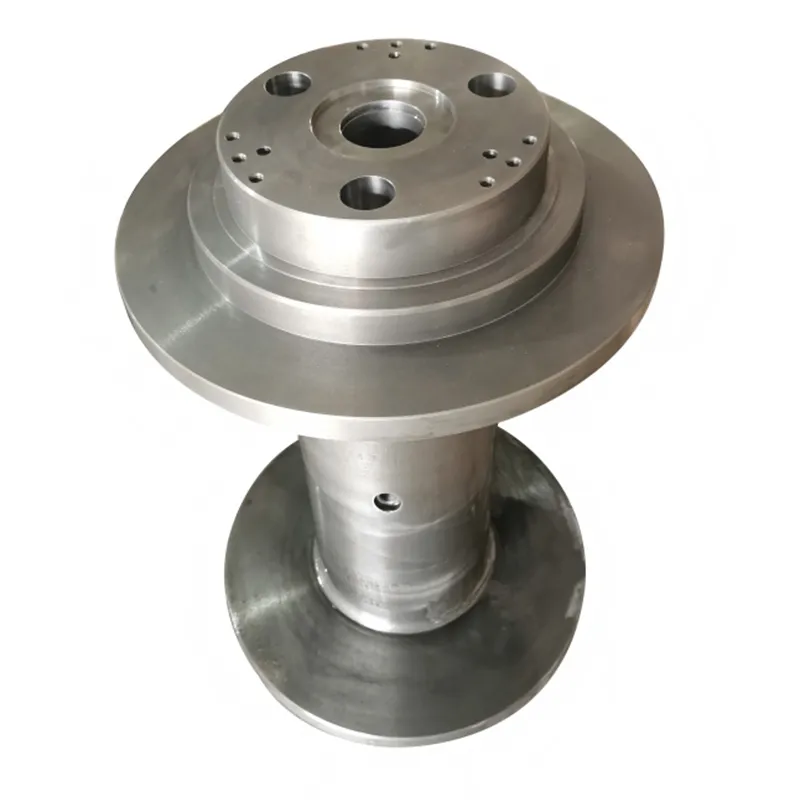
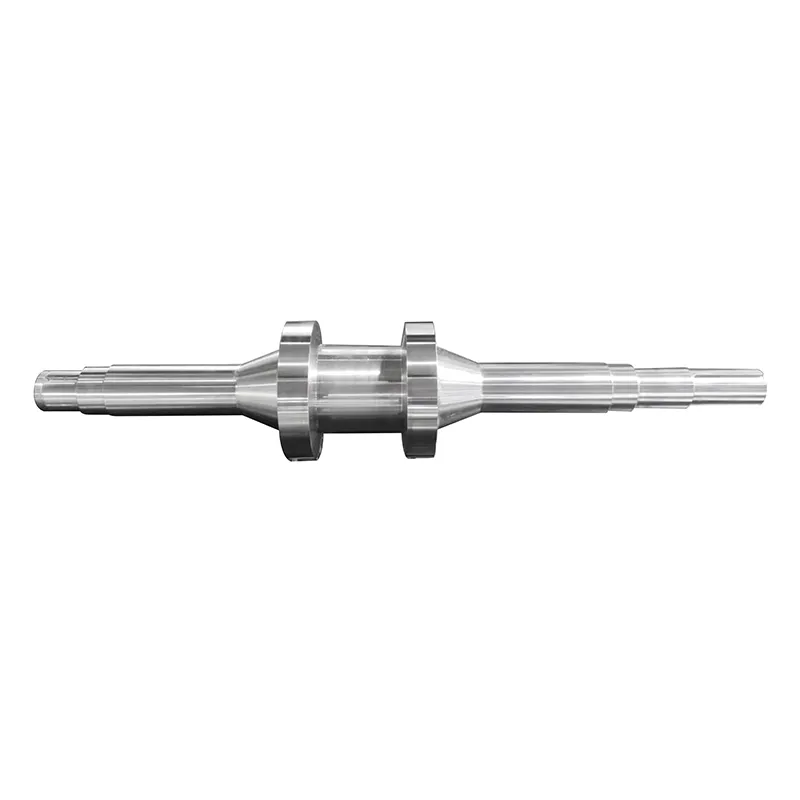
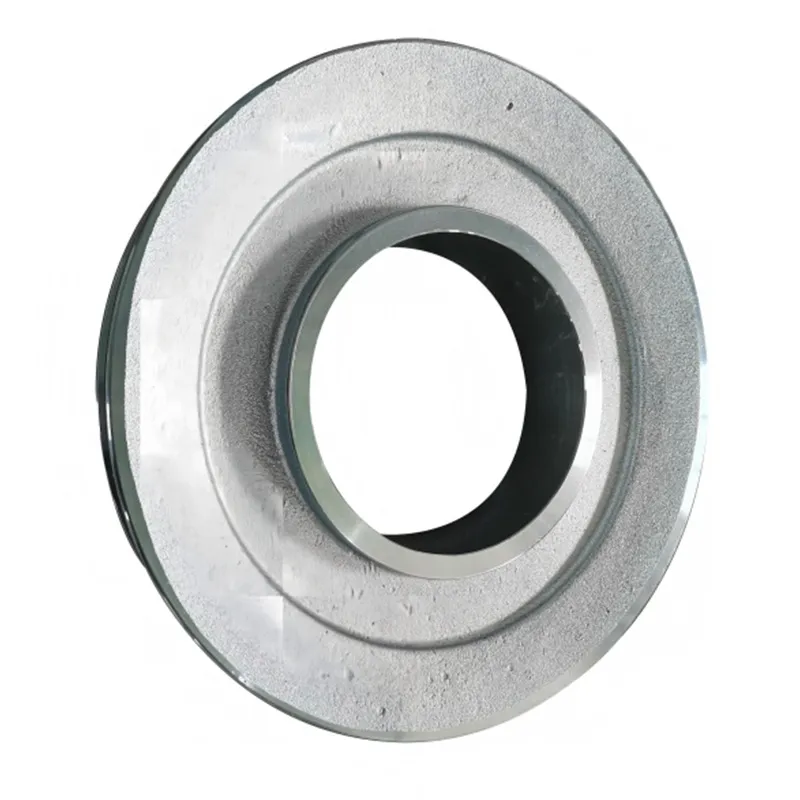
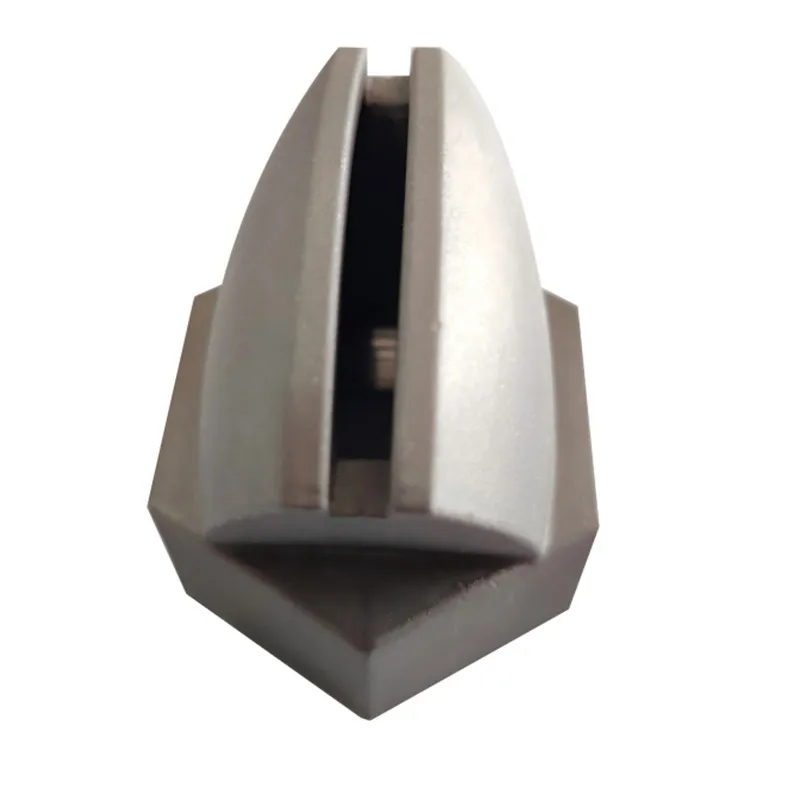
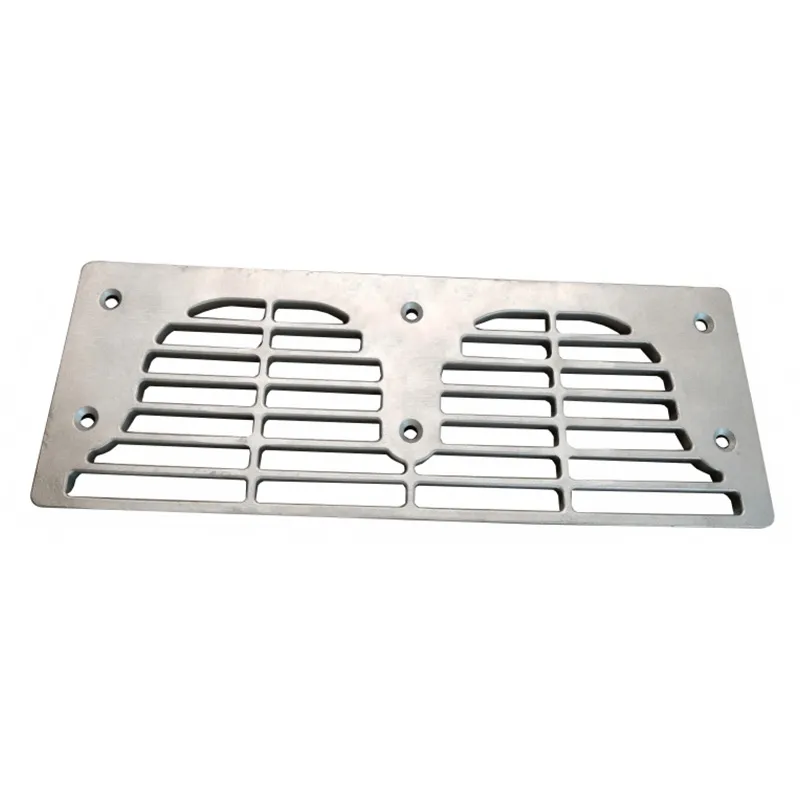
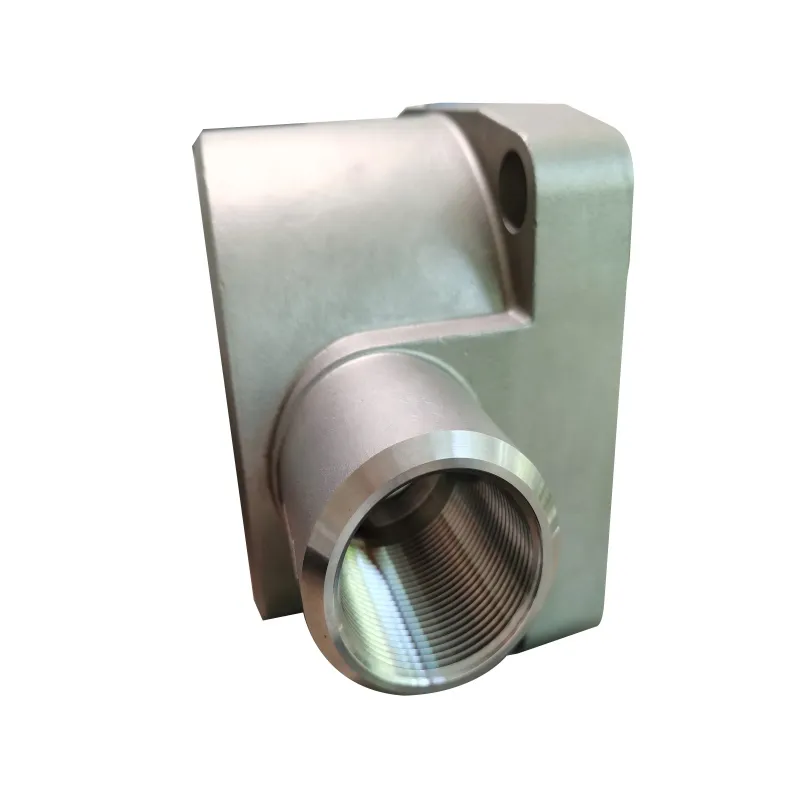
You hear 'CNC precision machining parts' and the mind jumps to shiny, perfect components straight off the machine. That's the marketing ideal. The reality, the daily grind, is about managing the gap between that ideal and the physical part in your hand. It's about the thousand variables between the CAD model and the final deburred piece. Too many clients, and honestly some shops, treat it like a commodity service—upload a drawing, get parts. It's not. It's a negotiation with material, tooling, and tolerance stacks.
The Foundation: It Starts Before the Machine Spins
I've seen projects fail at the quote stage. A drawing comes in for a complex CNC precision machining parts in 17-4 PH stainless, tight concentricity callouts across multiple bores. The price gets approved, but the initial process plan was rushed. We didn't spend enough time with the machinist on the floor, walking through the fixturing strategy. The first article failed on runout because we planned to flip the part once, but the stresses released after the first op threw the second op out. We had to redesign the fixture, add a stress relief step, and eat the cost. Lesson? The most critical CNC work happens at the computer and the planning table, not the controller.
Material choice is another classic pitfall. Everyone wants 304 or 316 stainless for corrosion resistance. But for CNC precision machining parts requiring fine threads or intricate features, 303 is often the smarter play because of its machinability. The trade-off in corrosion resistance might be acceptable, but you need to have that conversation. We worked with a client on a fluid manifold who insisted on 316. The tool wear was brutal, thread quality suffered, and lead times ballooned. We finally got them to test 316L with a specific sulfur content for better machining. It worked. You have to push back, educate.
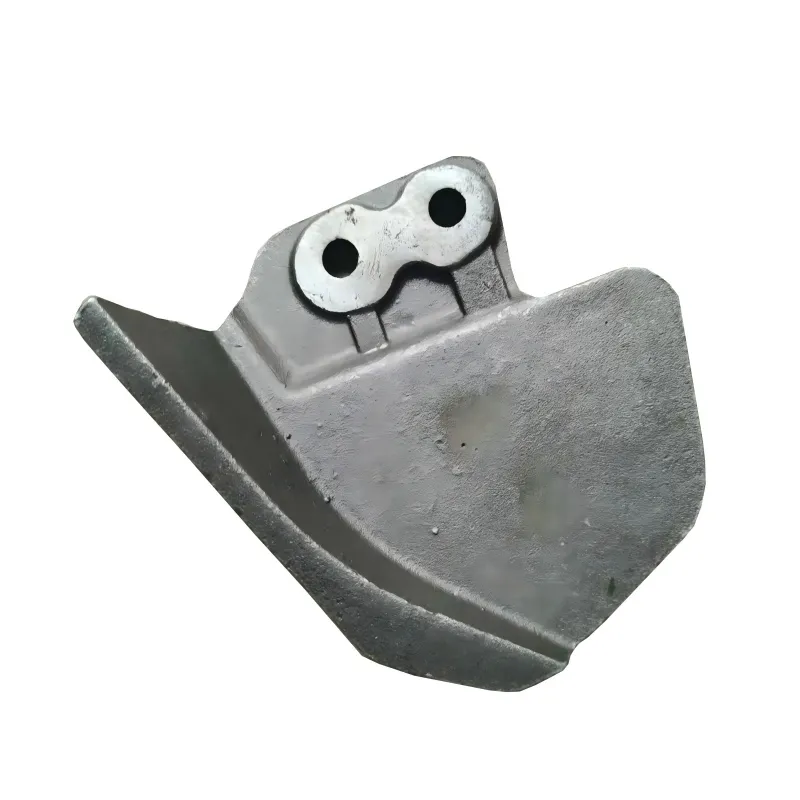
This is where a partner with foundry experience shows its value. Take Qingdao Qiangsenyuan Technology Co., Ltd. (QSY). They've been in casting and machining for decades. When you source a raw casting from their shell or investment process for subsequent CNC precision machining parts finishing, they understand the grain structure, the potential for hard spots, the likely stress points from the casting process itself. That knowledge informs how they set up the first machining operation—where to take heavy cuts, where to go light. It prevents surprises halfway through machining a costly nickel-based alloy casting.
Tolerances: The Illusion of Perfection
GD&T symbols on a screen are clean. Holding them isn't. A true position of ?0.05mm on a deep bore in ductile iron sounds straightforward until you factor in tool deflection, coolant pressure, and temperature drift over an 8-hour run. You're not holding a tolerance; you're holding a process. We implement statistical process control on critical dimensions, but even that requires judgment. When do you stop and adjust? Chasing the last micron on every part can triple the cost. The real skill is knowing which tolerances are functional and which are just copy-pasted from an old drawing.
Surface finish is another one. Ra 0.4μm looks great on paper. Achieving it consistently on an internal contour in cobalt-based alloy is a different beast. It often means slower feeds, specific toolpath strategies (climb milling vs. conventional becomes critical), and sometimes a separate finishing tool with almost no wear. The cost driver isn't the machining time alone; it's the tooling consumption and the increased inspection overhead.
I recall a batch of valve bodies for QSY where the sealing surface finish was critical. The print called for an Ra 0.8. We hit it, but during a pressure test prototype, it leaked. The issue wasn't the average roughness (Ra) but the profile—we had tiny periodic marks from a slightly imperfect insert. The Ra meter read fine, but the function failed. We switched to a wiper insert and a different toolpath overlap. The Ra number barely changed, but the surface profile did, and the seal worked. The spec sheet doesn't always tell the whole story.
The Tooling & Setup Dance
Your machine is only as good as your tooling and your setup person. For high-volume CNC precision machining parts, we use dedicated fixtures, often hydraulic or pneumatic. But for low-volume, high-mix work, which is most of what we do, it's about modular fixturing. The goal is to get the part as rigid as possible with the fewest setups. Every time you re-clamp, you introduce error.
Tool wear compensation is mostly automated now, but knowing when to compensate is manual. You develop a sense for it—the sound of the cut changes, the chips look different (color, shape). For example, machining their specialty nickel-based alloys, the chips should come off a certain way—continuous and straw-colored. If they start turning blue and breaking short, the tool is getting dull and work hardening the material. If you wait for the machine's load monitor to alarm, you might have already ruined the part's surface integrity.
Coolant isn't just for cooling. In deep-hole drilling for these parts, it's about chip evacuation. We had a job drilling 8mm holes, 120mm deep, in 4140 steel. Standard through-tool coolant wasn't enough; chips packed up and snapped the drill. We switched to a high-pressure coolant system (over 1000 psi) and a dedicated pecking cycle. Problem solved, but it required changing the machine's plumbing and reprogramming. These are the unglamorous, time-sinking details.
Inspection: The Final Reality Check
The CMM report is the final judge. But you can't CMM every part. First-article inspection is exhaustive. For production runs, you identify critical-to-function dimensions and maybe 3-5 key process control dimensions. You check those on a frequency—first/last piece, or every 10th piece. The rest? You trust your process.
But trust is built on data. We log everything: tool life, offset adjustments, material batch, even ambient temperature on the shop floor if it's a super-tight tolerance job. Over time, you see patterns. You learn that a new batch of aluminum 6061 from one supplier machines differently than from another. You adjust your feeds and speeds accordingly before you even make the first cut.
For complex cast-to-machine parts like those QSY produces, inspection often involves checking machining features back to unmachined casting datums. This tells you if the casting was sound to begin with. We once found that a series of bolt holes were out of position not because of our machining, but because the casting's core had shifted slightly. Having the integrated capability to investigate both the casting and machining under one roof, as they do, speeds up root-cause analysis immensely. It turns a blame game into a problem-solving session.
The Human Factor & The Bottom Line
At the end of the day, CNC precision machining parts is a craft supported by technology. The programmer needs to think like the machinist who will run the job. The machinist needs to understand the programmer's intent. There's a constant feedback loop. A perfect toolpath in simulation might be unstable in reality because the part has a thin wall that vibrates. The machinist adds a temporary support, informs the programmer, and maybe the next revision of the CAD model includes a strengthening rib.
Cost is always the tension. Precision costs money—in equipment depreciation, skilled labor, tooling, and measurement. The value isn't in the part itself; it's in the part working perfectly, every time, in the client's assembly. A cheap part that causes a field failure costs a hundred times more to fix. Our role is to guide clients to the right level of precision—not the highest possible, but the right one for the function, the budget, and the lifecycle of their product.
So when you look at a CNC precision machining parts supplier, don't just look at their machine list. Look at their problem-solving history. Ask how they handle a failed first article. Ask about their relationship with their material suppliers. Ask to see their tool life logs for a similar material. The answers to those questions tell you far more than any glossy brochure. Companies that have weathered the cycles, like QSY with its 30-year history, have inevitably built that deep, often hard-won, process knowledge into their DNA. It's the only thing that consistently bridges that gap between the perfect model on the screen and the reliable part in the box.