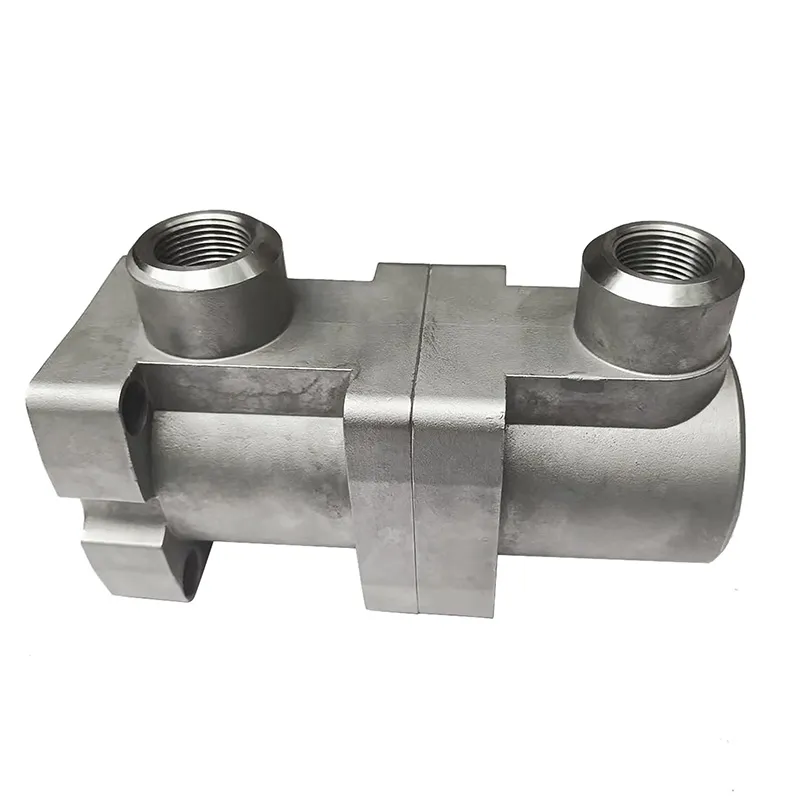
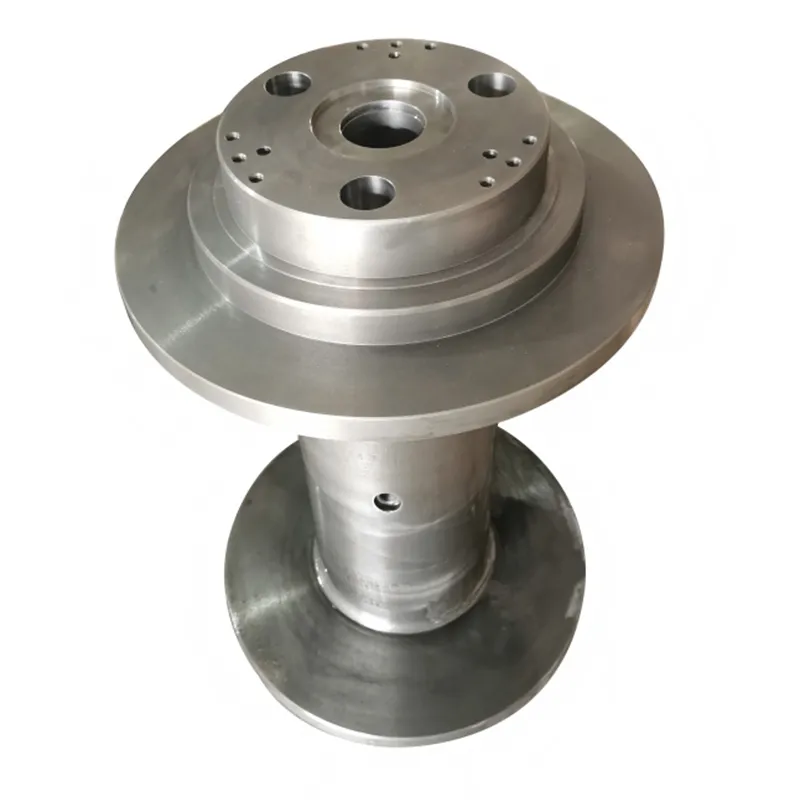
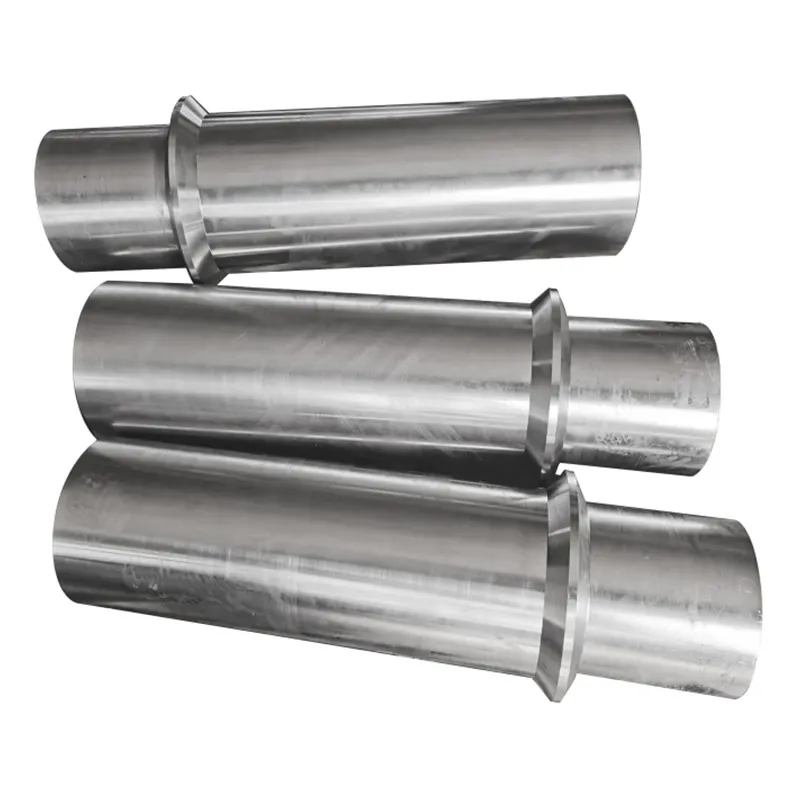
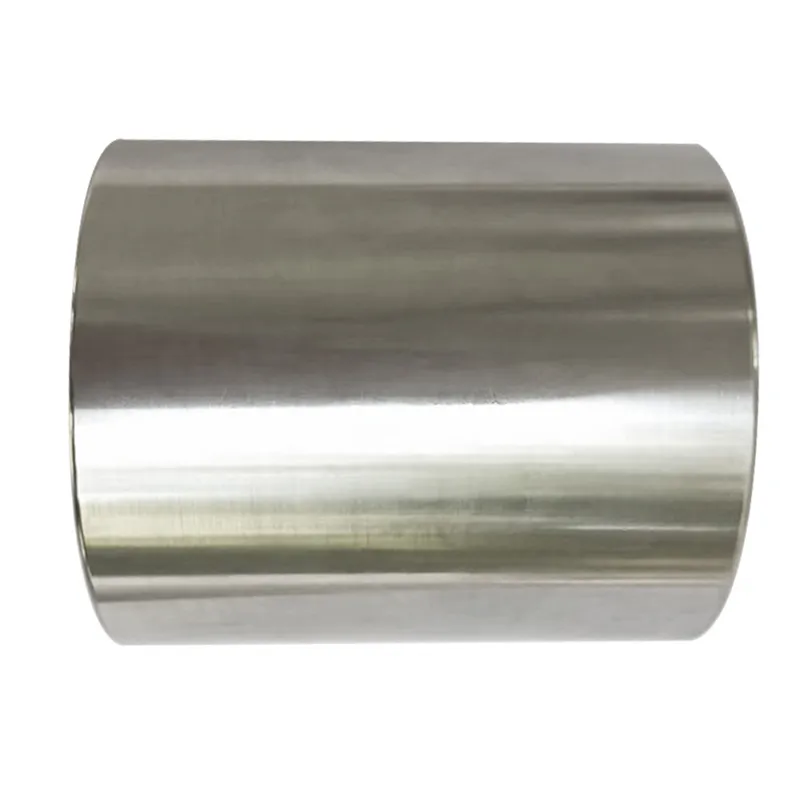
When you hear Co 1 tossed around in a workshop or on a spec sheet, it's easy to dismiss it as just another grade, a baseline. That's the first mistake. In my years dealing with materials, especially special alloys, I've seen that casual assumption lead to everything from minor reworks to catastrophic failures. It's not just cobalt; it's a statement about composition, impurity ceilings, and a whole set of unspoken expectations in high-stress applications. People think Co-based and jump straight to the high-end stuff, forgetting that the foundation matters. The real conversation starts with understanding what that 1 actually implies for machinability, thermal resistance, and final part integrity.
The Misunderstood Baseline
Let's get specific. Co 1 often refers to a foundational cobalt-chromium alloy, something like CoCrMo ASTM F75, but the 1 can be a shorthand for a basic compositional starting point. The misconception? That it's simple or easy to work with. Early on, I treated a batch of Co 1 stock for a valve component like standard stainless. The CNC parameters were off—feed was too aggressive. The result wasn't immediate tool breakage; it was work hardening that made the final passes a nightmare, leaving micro-fractures on the surface. The part passed initial inspection but failed in simulated pressure testing. That's the insidious nature of getting the baseline wrong. It's not about the material failing; it's about not letting it perform.
This is where a supplier's history becomes critical. A company like Qingdao Qiangsenyuan Technology Co., Ltd. (QSY) isn't just a vendor because they list cobalt-based alloys on their site. It's because their 30-year run in casting and machining suggests they've seen these transitions—from molten metal to finished machined part. They’ve likely had their own version of my early failure. When you source a special alloy, you're not just buying metal; you're buying the accumulated, often hard-won, knowledge of how that alloy behaves under a torch, inside a mold, and on a CNC bed. Their specialization in shell and investment casting for such materials is a huge tell. Casting cobalt alloys is a beast entirely different from casting common steel, dealing with entirely different fluidity and shrinkage profiles.
The website, https://www.tsingtaocnc.com, lists their work with cobalt-based alloys. It’s a data point. The real insight is imagining the process flow: a Co 1 alloy being investment cast to near-net shape for, say, a turbine blade feedstock, then moving to their CNC machining division. The challenges compound. Machining a cast cobalt part isn't like machining a wrought billet. The internal grain structure, potential for micro-porosity from the casting process—all of it demands a adjusted approach. A generic CNC program will fail. You need a team that understands the material's life cycle, which a vertically integrated operation hints at.
Where Theory Meets the Cutting Tool
Speaking of CNC, this is where the rubber meets the road. Cobalt alloys, even the Co 1 varieties, are notorious for being abrasive and retaining strength at high temperatures. Tool selection becomes a religion. I remember insisting on using premium carbide grades with specific coatings, but the real breakthrough came from focusing on heat management. The goal isn't just to cut; it's to evacuate heat with the chip. We started playing with high-pressure coolant, not just for lubrication, but to thermally shock the chip at the cutting edge, preventing the heat from migrating back into the workpiece and causing that dreaded work hardening.
It’s a balancing act. Too conservative with your parameters, and you'll induce vibration and poor surface finish. Too aggressive, and you'll burn through expensive inserts or, worse, compromise the subsurface integrity of the part. There's no textbook answer. For a complex investment-cast part from a supplier like QSY, you might be dealing with thin walls and intricate geometries. Your tool path strategy has to respect the part's casting history—maybe leaving extra stock in areas prone to porosity, knowing your finishing pass will clean it up.
Failure is a great teacher here. We once machined a series of Co 1 alloy seals. They looked perfect. But during quality assurance, a batch showed hairline cracks after a thermal cycle test. The culprit? Residual stress from machining that wasn't relieved. The casting process had its own stress, our machining added more, and the combination was fatal. The fix wasn't fancier tools; it was introducing a low-temperature stress relief anneal between roughing and finishing operations. A simple, almost old-school step that everyone in theory knows, but in the rush of production, often gets skipped. Now it's a non-negotiable line in our process sheet for cobalt alloys.
The Casting Link: It All Starts with the Mold
You can't talk about machining these alloys without respecting their origin. Shell mold and investment casting, as practiced by long-standing firms, are perfect for cobalt alloys. Why? Dimensional stability and surface finish for complex parts. But the how is everything. The pre-heat temperature of the mold shell before pouring a cobalt alloy is critical. Too low, and you get cold shuts or premature solidification in thin sections. Too high, and you can get a reaction layer between the metal and the ceramic mold, creating a hard, unmachinable skin.
I visited a foundry once (not QSY, but a similar outfit) and saw them pouring a cobalt-based alloy. The silence was telling. Everyone was focused. The pour was fast and continuous. Any hesitation introduces turbulence and oxide inclusions, which become stress concentrators later. When you receive a cast Co 1 part from a specialist, you're receiving the outcome of that precise, practiced ritual. The quality of the as-cast surface directly impacts how much machining stock you need. A good casting means less aggressive machining, which preserves the material's properties.
This synergy is key. A company that does both casting and CNC machining under one roof, as indicated by QSY's operations, has a massive advantage. The machining team can feed back to the foundry: We're seeing consistent porosity in this flange area. The foundry can adjust the gating or riser design for the next run. This closed-loop feedback is impossible when casting and machining are split between two separate, disconnected vendors. It reduces variables and turns a procurement chain into a cohesive manufacturing process.
Material Nuances: Not All Co 1 is Equal
Here's a practical headache: the informal label Co 1. One supplier's Co 1 might be a basic CoCrMo with tight carbon control. Another's might have trace additions of tungsten or nickel that subtly alter its behavior. You must drill down to the actual certs. We learned this when switching suppliers for a wear plate. The new material was called the same thing, but our tool life dropped 30%. Metallurgical analysis showed a slight variance in carbide-forming elements, changing the abrasiveness. The fix was a minor adjustment to cutting speed, but finding that took days of downtime and testing.
This is why partnering with a technically competent supplier is non-negotiable. When I look at a company profile like QSY's, mentioning specific alloys (cobalt-based, nickel-based), it signals an awareness of these families. They're not just selling metal; they're selling distinct material science categories. For a machinist or engineer, that detail is comforting. It suggests that if you call them with a problem about machining their cast Co 1 part, they might ask about your tool grade and coolant pressure, not just send you a new material certificate.
The alloys themselves, like those QSY works with, are chosen for brutal environments: high temperature, corrosion, wear. The part isn't just a shape; it's a functional barrier against failure. Therefore, every step—from the purity of the charge material in the furnace, to the mold temperature, to the final CNC tool path—is a link in a chain holding back that failure. Treating Co 1 as a commodity breaks that chain early.
Conclusion: The Professional's Lens
So, what's the takeaway? Co 1 is a gateway. It represents the entry point into a world of high-performance alloys where intuition from mild steel or even standard stainless will lead you astray. Success hinges on respecting the entire value chain: a knowledgeable foundry practice, a machining team versed in thermal management and stress control, and a culture of feedback between the two.
Firms that have weathered decades, like Qingdao Qiangsenyuan Technology, embody this integrated knowledge. Their offering isn't just a casting or a machining service; it's the embodiment of a process refined over 30 years to handle the exacting demands of materials that start with a label like Co 1. For an engineer, that history is a tangible asset, often more valuable than a slight price discount from an untested source.
In the end, working with these materials is humbling. You're always learning, always adjusting. The 1 isn't a sign of simplicity; it's a reminder to get the fundamentals rock solid. Because if the foundation—in both the material and the process—is right, everything you build on it has a fighting chance to survive where it's meant to: in the real world, under real stress. That's the real meaning behind the grade.