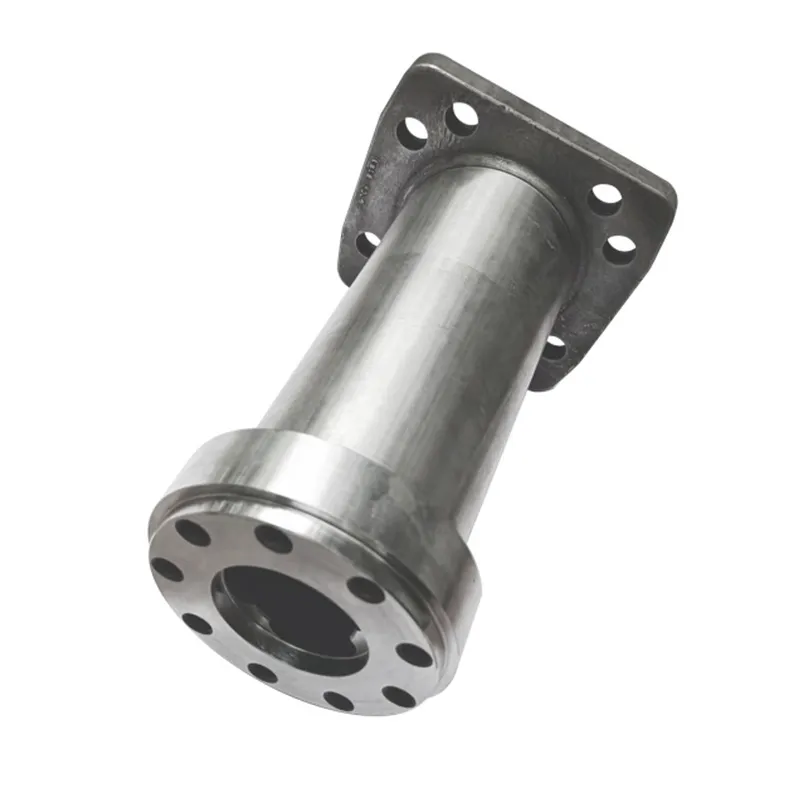
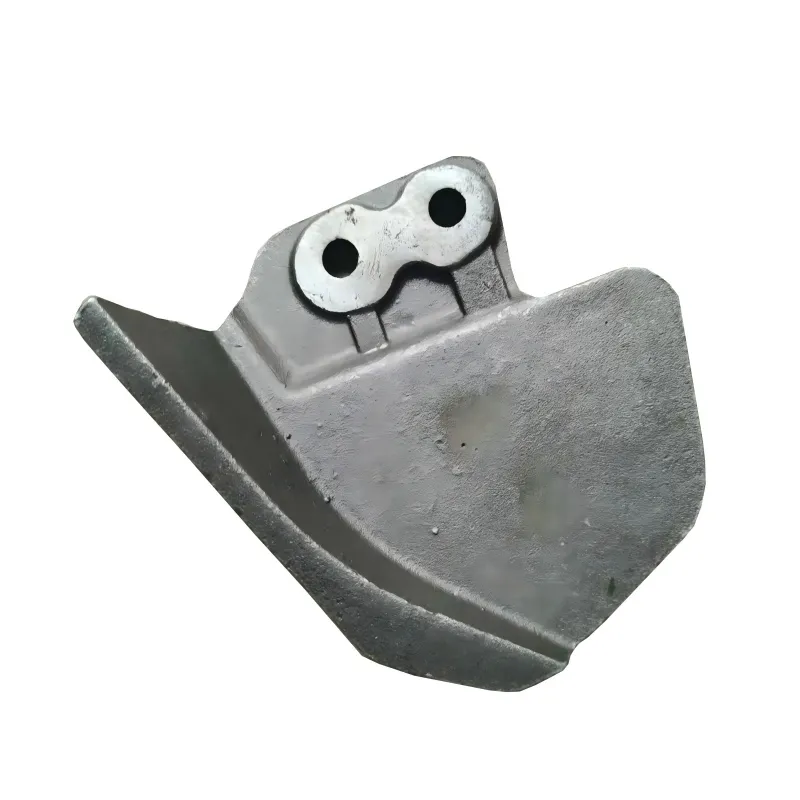
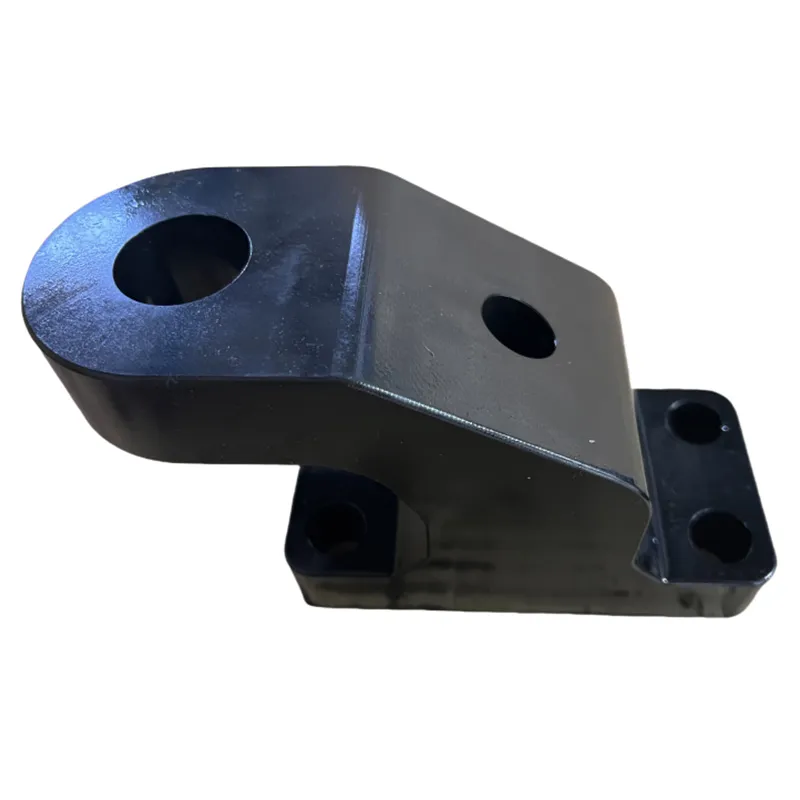
When you see Co 20 on a spec sheet or a material certificate, the immediate thought is often about cobalt content. That’s the first trap. In our three decades of handling cobalt-based alloys for investment casting and precision machining, I’ve learned that the number following 'Co' is rarely that straightforward. It’s a shorthand, a nod to a family of alloys, and its interpretation can make or break a component's performance in the field. Many procurement teams see it and think they're getting a standardized, off-the-shelf material. The reality is messier and far more interesting. It points to a group of alloys where cobalt is the base, but the devil—and the performance—is in the other 20-ish percent of the composition and, critically, the processing history.
The Misunderstood Designation
Let's clear this up: Co 20 isn't a single, rigidly defined alloy like 304 stainless. It's more of a commercial or common industry label that typically points to cobalt-chromium alloys, often falling under standards like ASTM F75 or similar. The '20' loosely references a key alloying element's range, often chromium, which sits around 26-30%, or sometimes molybdenum. The cobalt content is actually the majority, often over 50%. So the name is almost a misdirection. I’ve spent hours on calls explaining this to engineers who were convinced their drawing was wrong. They'd specify Co 20 expecting a precise chemistry, and we'd have to backtrack to the actual performance requirements: wear resistance, corrosion resistance at high temps, biocompatibility? That dictates the real recipe.
This ambiguity is where foundries and machinists earn their keep. At our shop, Qingdao Qiangsenyuan Technology Co., Ltd. (QSY), we see this specification come in for parts destined for severe service—valve trim in corrosive hydrocarbon processing, or wear plates in agri-machinery. The initial conversation always drills down from the generic Co 20 to the specific need. Was the last part failing by galling? Or was it a corrosion fatigue issue? The alloy adjustments from there are subtle but decisive.
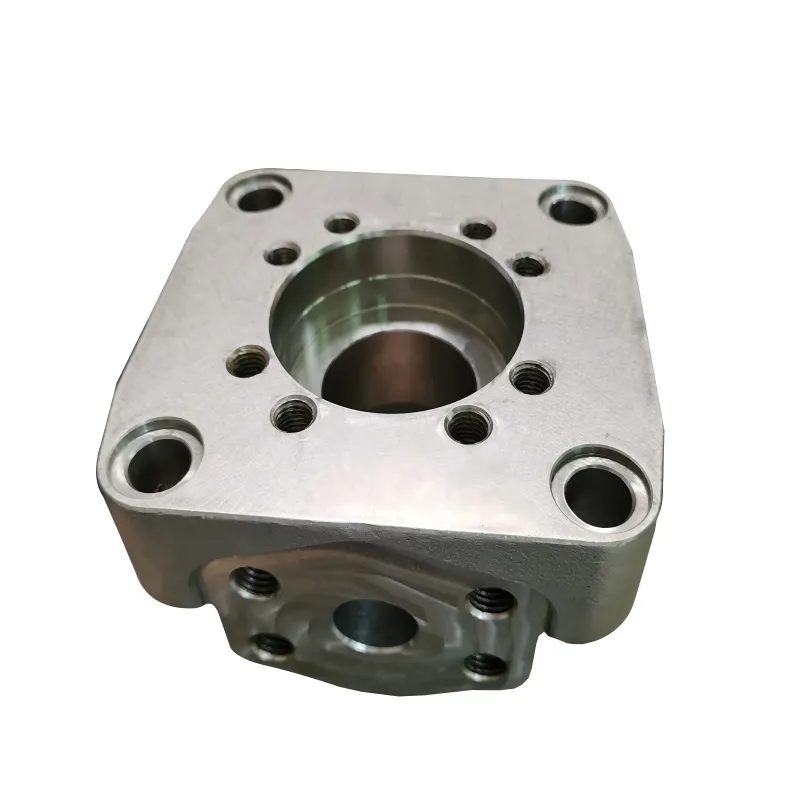
I recall a project for a directional control valve component, maybe five years back. The client's legacy spec just said Co 20. They were experiencing premature leakage. We analyzed the failed part and found it wasn't the bulk corrosion resistance that was the problem; it was a combination of low hardness and poor carbide distribution at the sealing face. The 20 alloy they'd been using was essentially a cast F75, which is fine for many things, but not for that specific abrasive-corrosive synergy. We proposed a modified composition with tighter control on carbon and a different thermal processing cycle post-casting. The result wasn't a different alloy name, just a better version of what Co 20 could be for them. That part is still running, I'm told.
From Melt to Machine: The Process is the Product
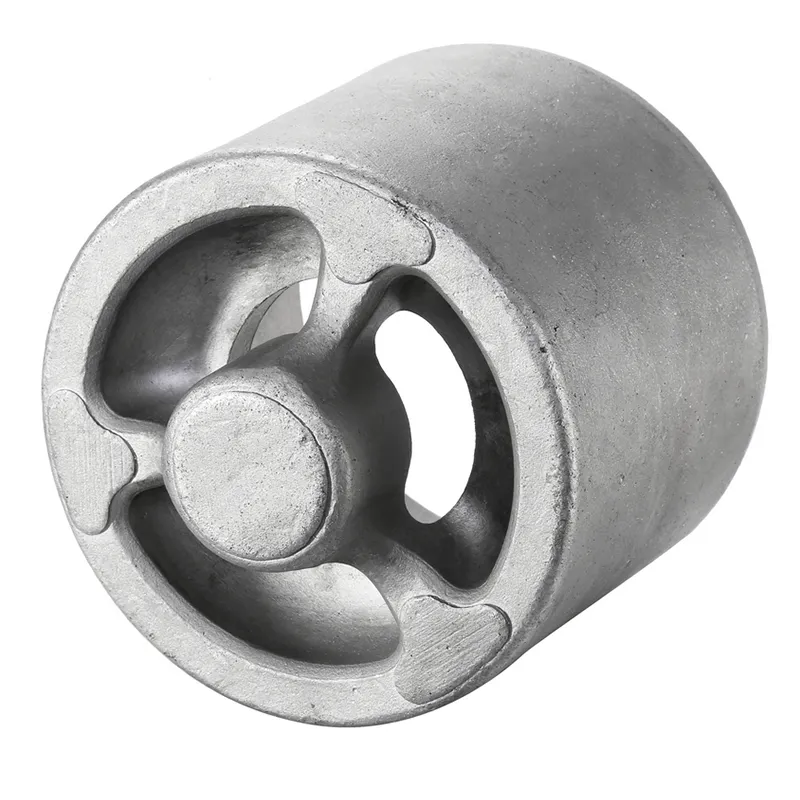
You can't talk about these materials without getting your hands dirty with the process. The properties of a cobalt-chromium alloy are less about the nominal chemistry you start with and more about how you solidify it and treat it afterward. This is where our integrated approach at QSY matters. Controlling the journey from shell mold casting to final CNC machining under one roof isn't just about efficiency; it's about traceability and preventing contamination or property loss at hand-off points.
In investment casting, the pour temperature and cooling rate for a Co 20-type alloy are critical for minimizing micro-porosity and controlling grain structure. Too fast, and you risk stress; too slow, and the carbide phases can become too coarse and brittle. We've logged thousands of pours, and the notebook (now a database) is full of small adjustments—a 15-degree Celsius shift in superheat, a change in mold pre-heat—that solved specific issues like hot tearing on a particular flange geometry. This isn't textbook stuff; it's tribal knowledge built from failed casts and successful ones.
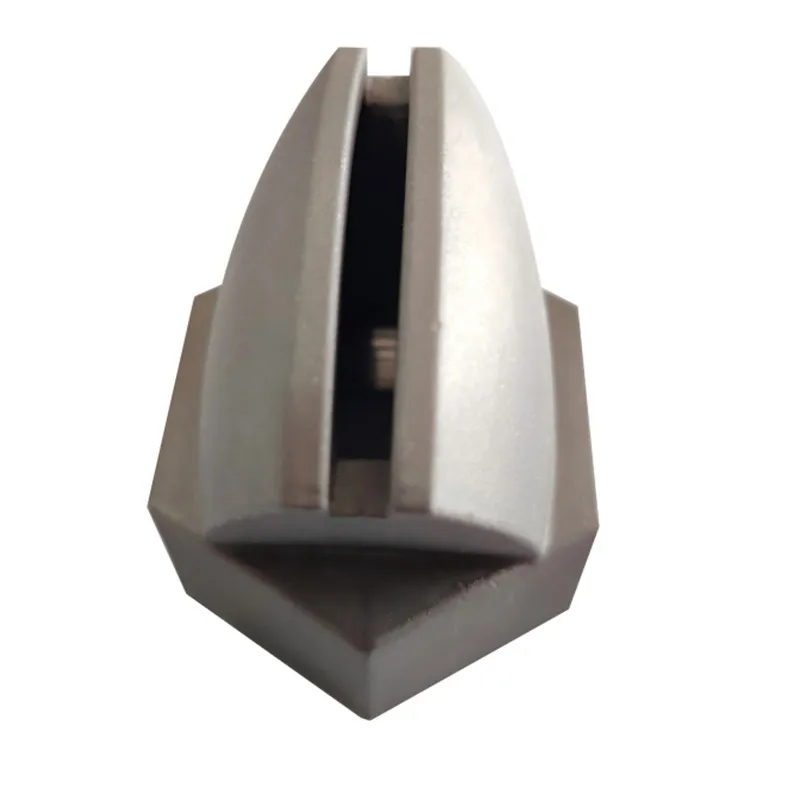
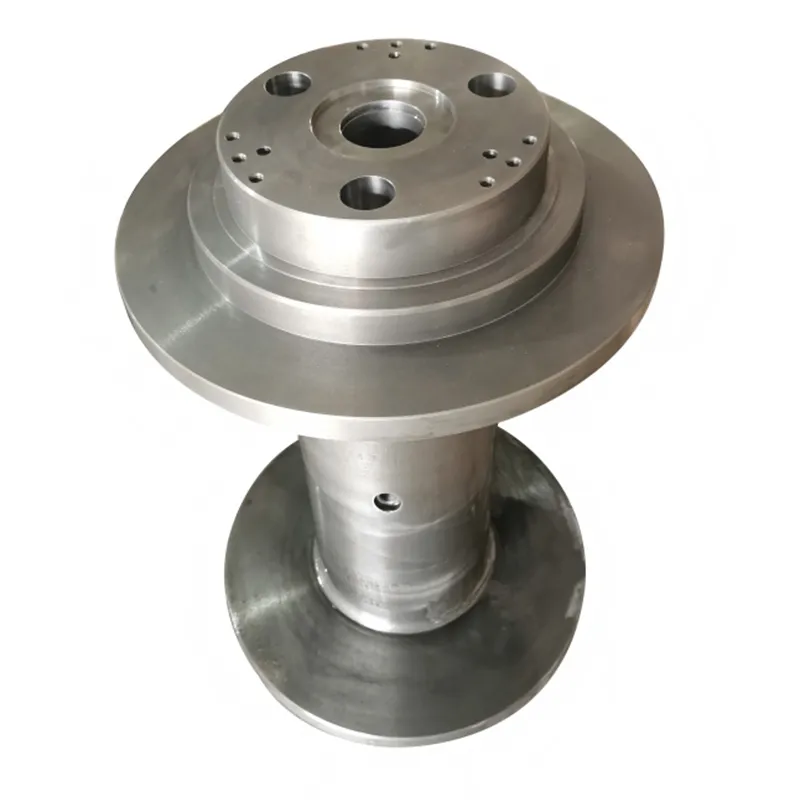
Then comes machining. People underestimate how tough these alloys are to cut. They work-harden in an instant. A slightly dull tool or an aggressive feed rate doesn't just wear the tool; it alters the surface integrity of the part, creating a strained, brittle layer that can initiate cracks in service. We learned this the hard way early on, scrapping a batch of high-value castings because the turned surfaces showed micro-cracks under dye penetrant inspection. The solution was a regimen of sharp, coated carbide tools, high-pressure coolant exactly at the cutting edge, and conservative, consistent parameters. It's slower, but it's the only way to deliver a part that performs as the alloy is meant to. The QSY website mentions our CNC capabilities, but the real value is applying that precision to these notoriously difficult materials.
The Alloying Nuances: More Than Just Cobalt
Dwelling on the cobalt base alone is a mistake. The magic—and the engineering—is in the other box. Nickel is often there for solid solution strengthening and to stabilize the austenitic structure. Chromium, as mentioned, is for the passive oxide layer that provides corrosion resistance. But then you get into the carbon content, which forms those hard carbides. Too little carbon, and wear resistance suffers; too much, and you compromise ductility and machinability. Molybdenum and tungsten are added for solid solution strengthening, elevating high-temperature performance.
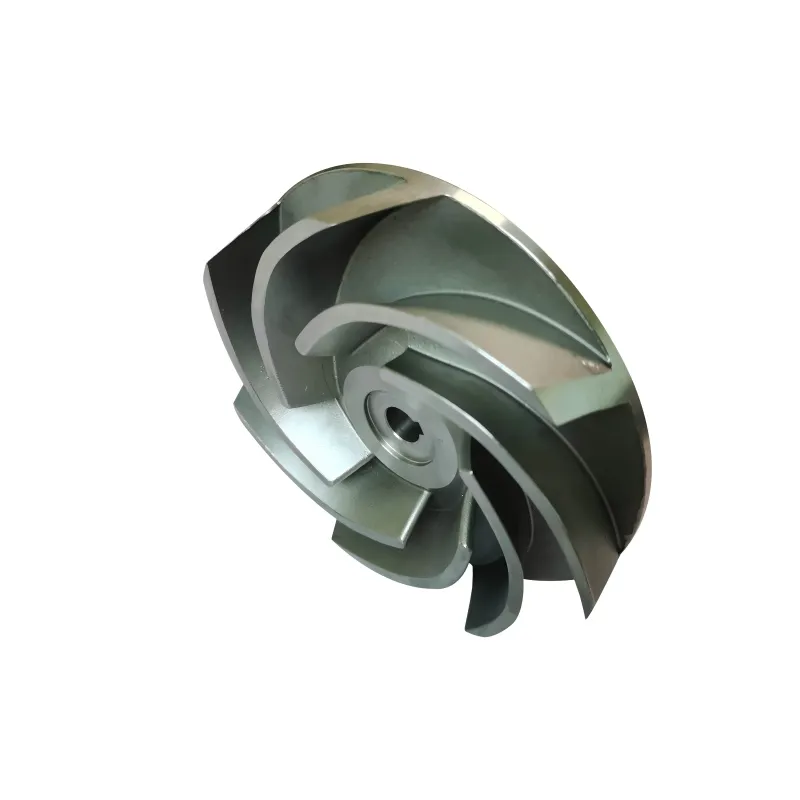
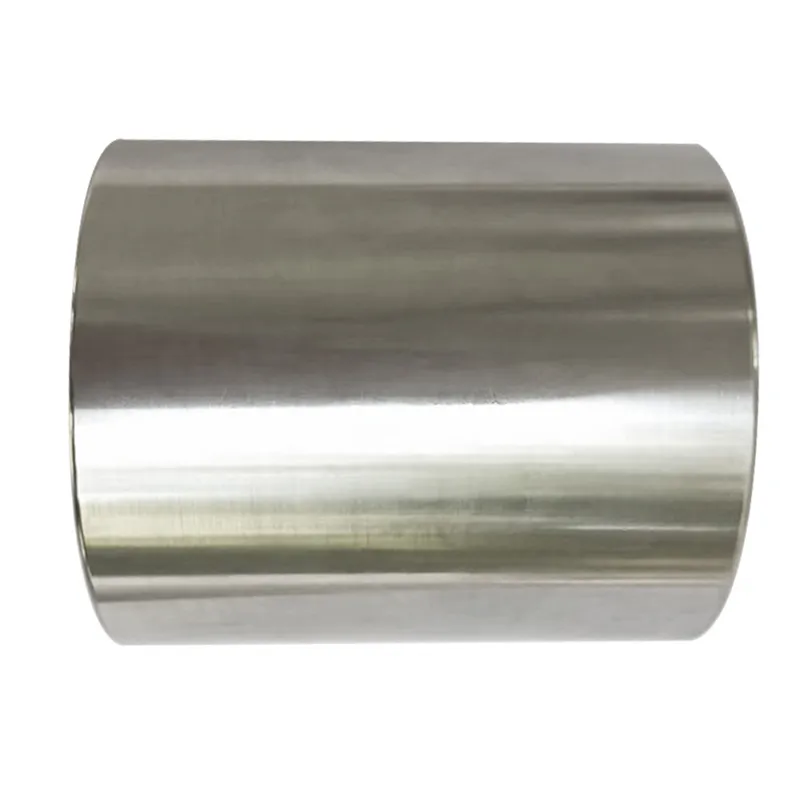
We worked on a pump shaft sleeve for a geothermal application where the environment was high-chloride and high-temperature. A standard Co 20 formulation was underperforming. The fix involved tweaking the molybdenum and tungsten balance to improve the stability of the protective oxide film under thermal cycling, and slightly reducing carbon to improve thermal shock resistance. It was a bespoke grade, but it grew out of that core Co 20 family tree. This is the norm, not the exception, for demanding applications.
Selecting the right variant often comes down to the primary degradation mode. Is it pure abrasion? A higher carbon variant might be best. Is it corrosion with intermittent impact? Then toughness and corrosion resistance take priority, pointing to a lower carbon, higher nickel/chromium version. Having a partner like QSY, with deep experience in both casting and machining these variants, is crucial because the manufacturability changes with each tweak. An alloy that casts beautifully might be a nightmare to machine, and vice versa.
Failure as a Teacher: When Co 20 Isn't Enough
Not every story has a clean success. Early in my time here, we had a batch of cast turbine blade seals returned. They were specified as a common cobalt-chromium alloy, which we processed as our standard Co 20-type melt. They passed all standard mechanical and chemical tests. But in service, they deformed under load earlier than expected. The post-mortem analysis revealed the issue: while the bulk chemistry was fine, we had missed the client's unspoken (and undrawn) requirement for a minimum creep rupture strength at a specific temperature. Our standard heat treatment, adequate for 90% of applications, didn't develop the specific carbide morphology needed for that extra margin.
That was a pivotal lesson. Now, meets spec isn't the end of the conversation. We probe for the operational environment: continuous operating temperature, thermal cycles, loading type, mating materials. A spec sheet for Co 20 is a starting point for a technical discussion, not a finish line. We built a small library of characterized microstructures from different processing routes, so now we can often show customers, This is what you get with Route A, and this is the improvement in grain boundary strength with Route B. It makes the conversation tangible.
Another common pitfall is assuming these alloys are impervious. They're highly corrosion-resistant, but not immune. We saw a case of stress corrosion cracking on a beautifully machined component in a chemical plant. The culprit was trace sulfur compounds in the process stream, which these alloys can be sensitive to. The solution wasn't a different alloy, but a design change to reduce stress concentrations and a slight surface treatment. It reinforced that material selection is a system problem.
The Real-World Application Tapestry
So where does this all come together? Look at any industry pushing materials to their limits. In oil and gas, it's downhole tool components and valve seats facing sour gas. In food processing, it's wear parts that must resist corrosion from acidic products and frequent sterilization. In power generation, it's wear rings and seals in pumps handling abrasive fly ash slurries. In each case, Co 20 is the entry ticket, but the final material passport is stamped with a dozen small, critical adjustments.
The value of a manufacturer isn't just in melting and pouring to a standard. It's in the accumulated judgment—knowing when a slight deviation in the iron content (an often-ignored tramp element) might affect high-temperature stability for a particular client, or how to adjust machining feeds after a solution heat treatment to avoid pulling carbides out of the surface. This is the unglamorous, detail-oriented work that defines quality.
At the end of the day, Co 20 is a conversation starter. It signals a need for a material that sits in that unique space between stainless steels and nickel superalloys—often offering a better wear-corrosion-toughness balance for the price. But its successful application hinges on moving past the label. It requires a partnership with a supplier who understands that the number is just a pointer, and the real destination is a component that survives and thrives in the exact hell you need it to. That's the journey we're engaged in every day, from the furnace at QSY to the final quality sign-off on the shipping crate.