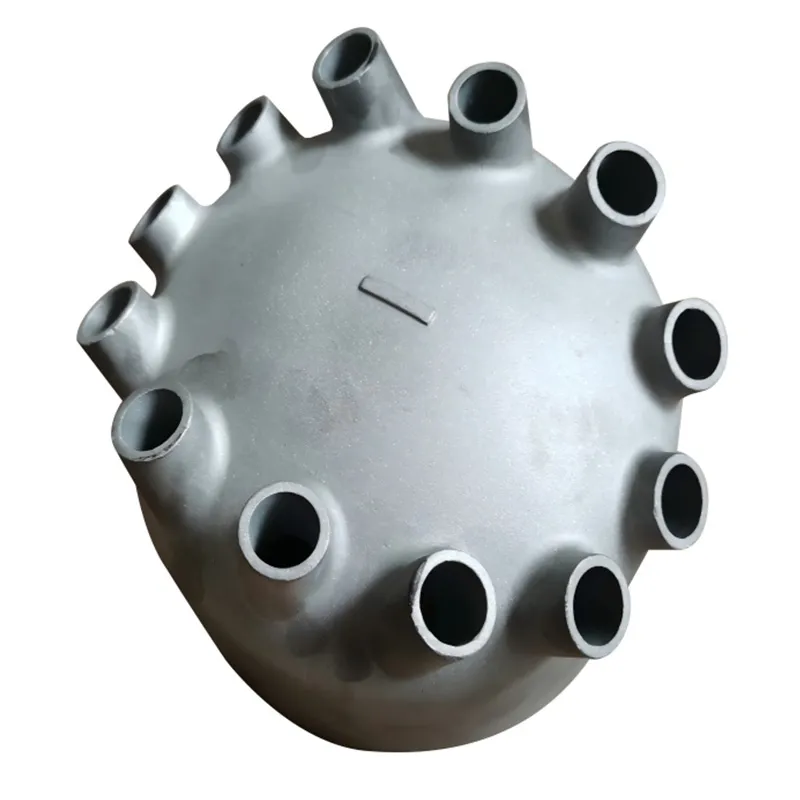
When you hear 'Co 4' tossed around in workshops or procurement meetings, it often triggers a specific, sometimes overly simplistic, image: a go-to cobalt-based alloy for extreme wear and heat. But that label can be misleading if you're not deep in the material specs. It's not a single, universal grade like 304 stainless; it's more of a family shorthand, and the devil is in the detailed composition—the specific blend of cobalt, chromium, tungsten, and carbon that dictates whether your part survives a furnace liner application or fails prematurely in a high-stress valve seat. I've seen projects stall because someone assumed all Co 4 behaves the same. It doesn't.
The Reality Behind the Specification Sheet
Procurement documents love a neat box: Material: Co 4. But handing that to a foundry or machine shop is just the start of the conversation. The first practical hurdle is traceability and the actual certified mill sheet. We're talking about alloys often used in aerospace or severe service valves, so you can't just take a supplier's word for it. I recall a batch for downhole tool components where the chemistry was technically within a broad 'Co 4' range, but the tungsten was on the absolute lower limit. The parts machined fine, but their abrasive wear resistance in field testing was about 15% below projections. The spec was met, but the application's intent wasn't. That's the gap between paperwork and performance.
This is where long-term partnerships with vertically integrated suppliers matter. A company like Qingdao Qiangsenyuan Technology Co., Ltd. (QSY), with their three decades in casting and machining, typically has a more nuanced approach. They wouldn't just see 'Co 4' on a drawing; their process likely starts with verifying the exact grade standard (is it ASTM F75, a Stellite variant, or a proprietary blend?) and then tailoring their shell mold or investment casting process to it. The solidification behavior of these alloys is tricky—shrinkage is a major issue. You can't pour it like cast iron.
The machining side amplifies these material subtleties. Cobalt alloys work-harden rapidly. If your toolpath strategy is wrong, you're not cutting the material; you're just beating it into a harder, more brittle surface layer that will shatter your next carbide insert. Coolant pressure and direction are non-negotiable; you need to keep the cut zone cold and wash away chips instantly to prevent re-welding. It's a different rhythm compared to steel.
Investment Casting: Where Geometry and Alloy Meet
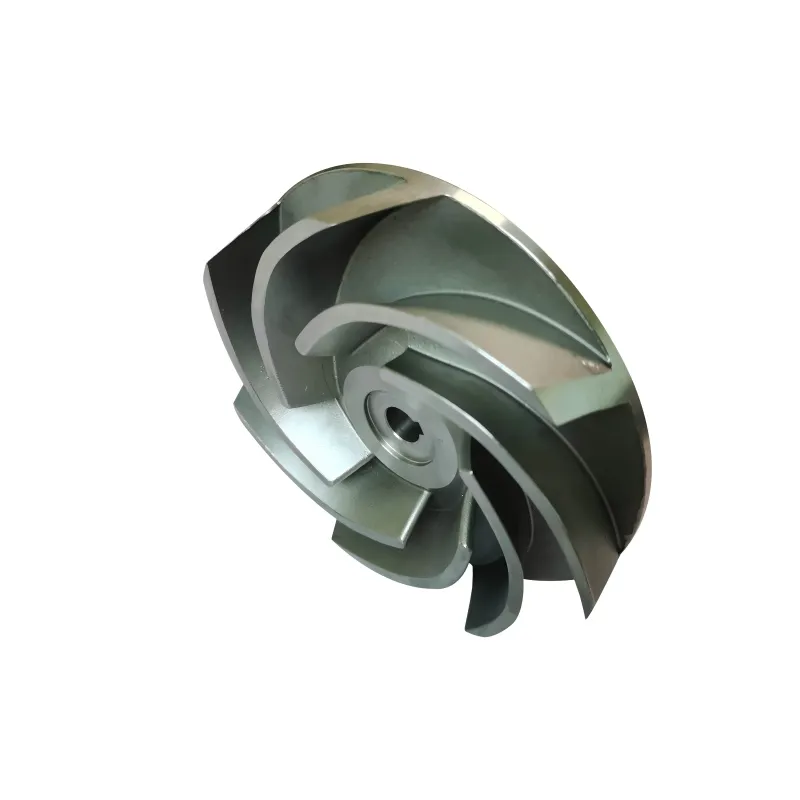
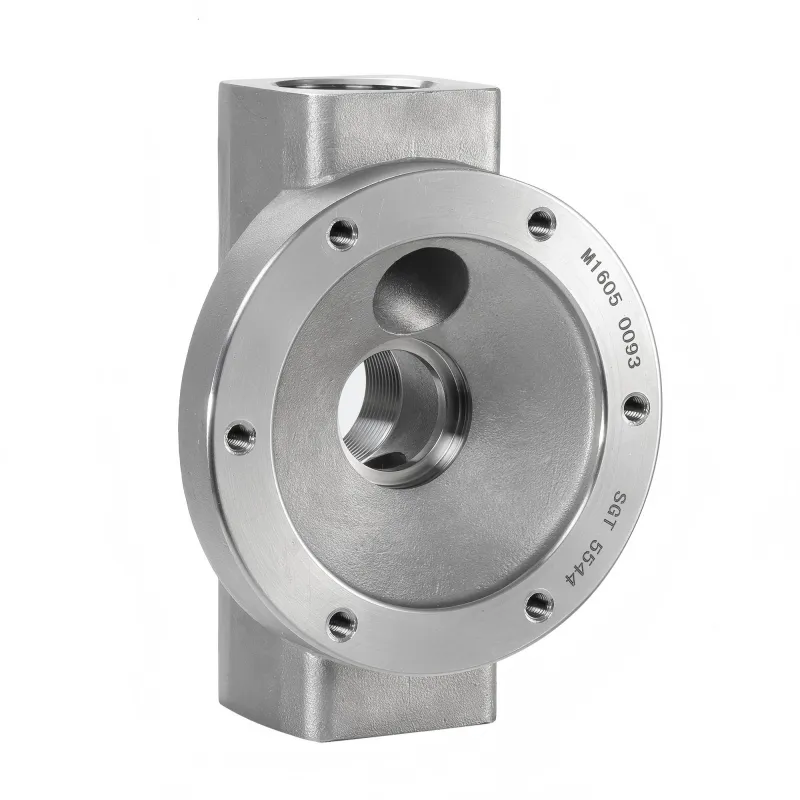
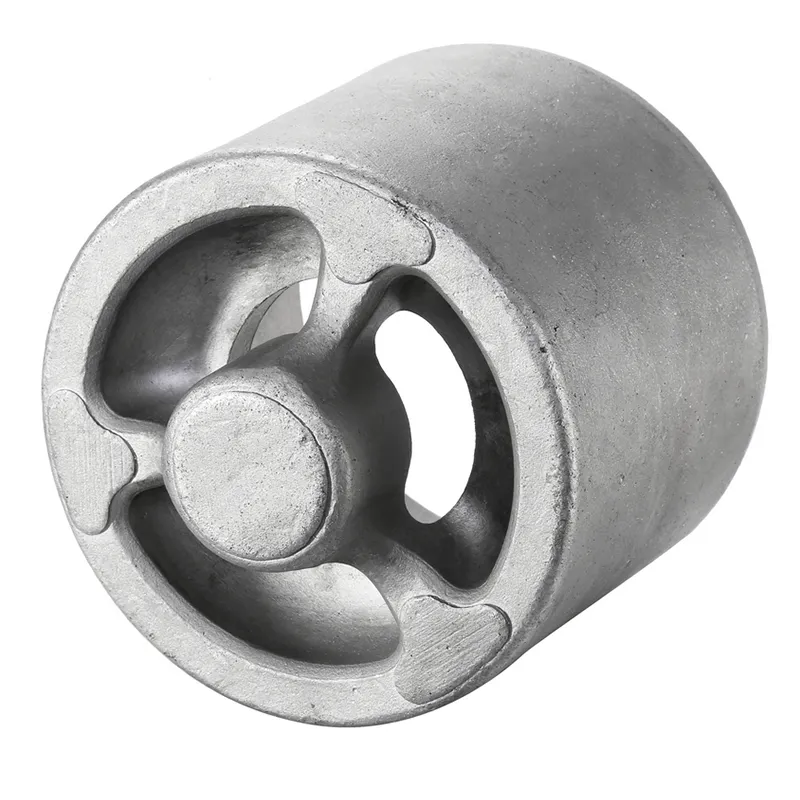
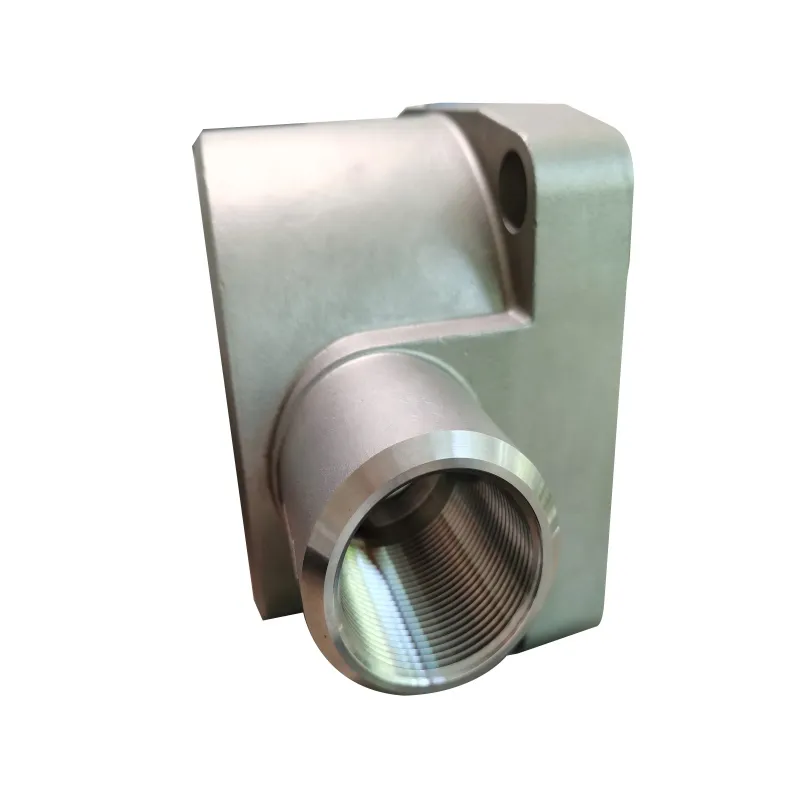
For complex components—think turbine blades or intricate fuel injector parts—investment casting is often the only viable route for Co 4 alloys. The wax pattern process allows for those internal channels and thin walls that are unmachinable. But here's a detail often overlooked: the ceramic shell formulation. Cobalt alloys have a high melting point and can be reactive. A standard shell meant for stainless steel might cause surface contamination or a poor finish. Suppliers with deep material experience, which you can gauge from their portfolio at sites like https://www.tsingtaocnc.com, will have dedicated shell systems for reactive alloys. It's a capital and knowledge investment that separates specialists from generalists.
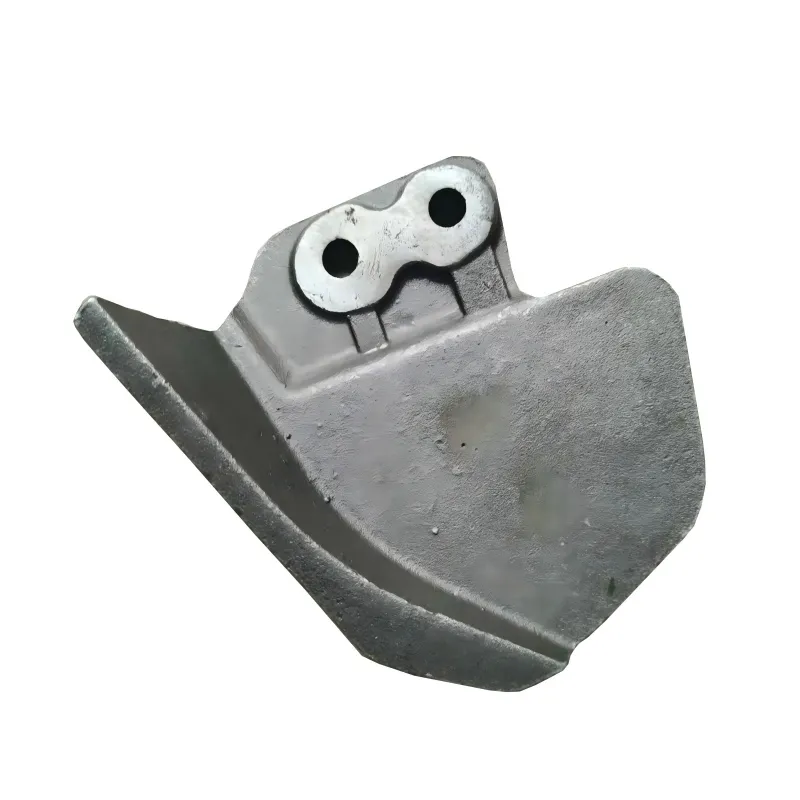
We attempted a switch to a new, lower-cost investment caster for some pump wear plates. The drawings called for Co 4. The samples looked perfect visually. But during the first high-pressure slurry test, micro-cracks propagated from what turned out to be ceramic inclusions in the shell mold that fused with the alloy surface. The failure analysis pointed to the shell binder system. We had to scrap the entire batch and re-source. The cost of failure dwarfed any initial savings. The lesson was that with these materials, the foundry's process is as critical as the alloy ticket.
Post-casting, heat treatment is another minefield. Stress relieving is almost always necessary, but solution treating and aging cycles for cobalt alloys are incredibly sensitive. Too much time or a few degrees too high, and you can precipitate brittle phases that kill toughness. It's not a set and forget oven cycle. You need precise furnace control and often, vacuum or controlled atmosphere to prevent surface degradation. QSY's mention of working with special alloys suggests they've navigated this; it's not a capability you develop overnight.
CNC Machining: The Art of Removing the Hardest Material
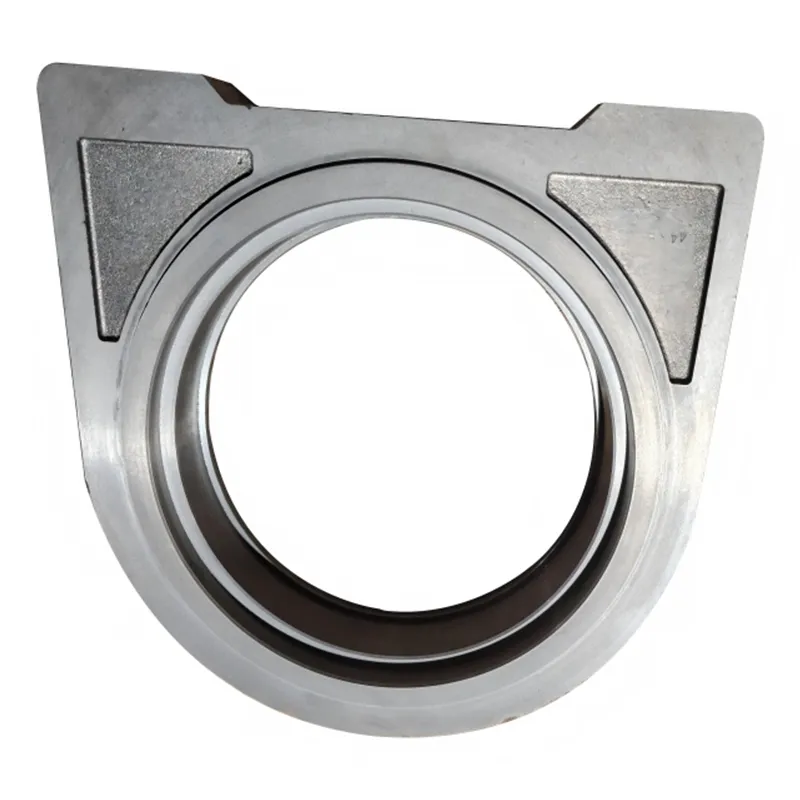
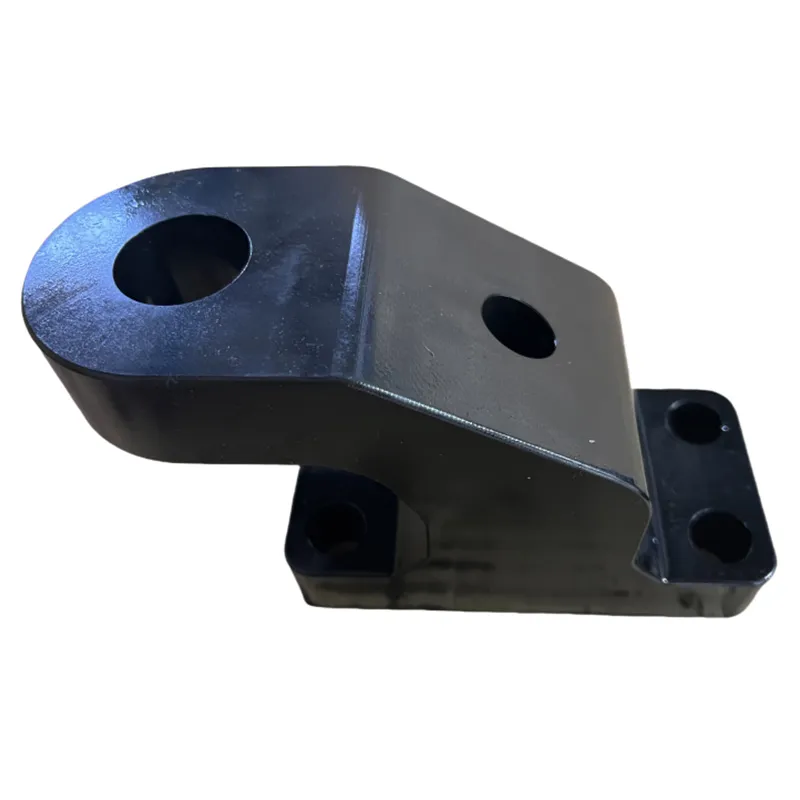
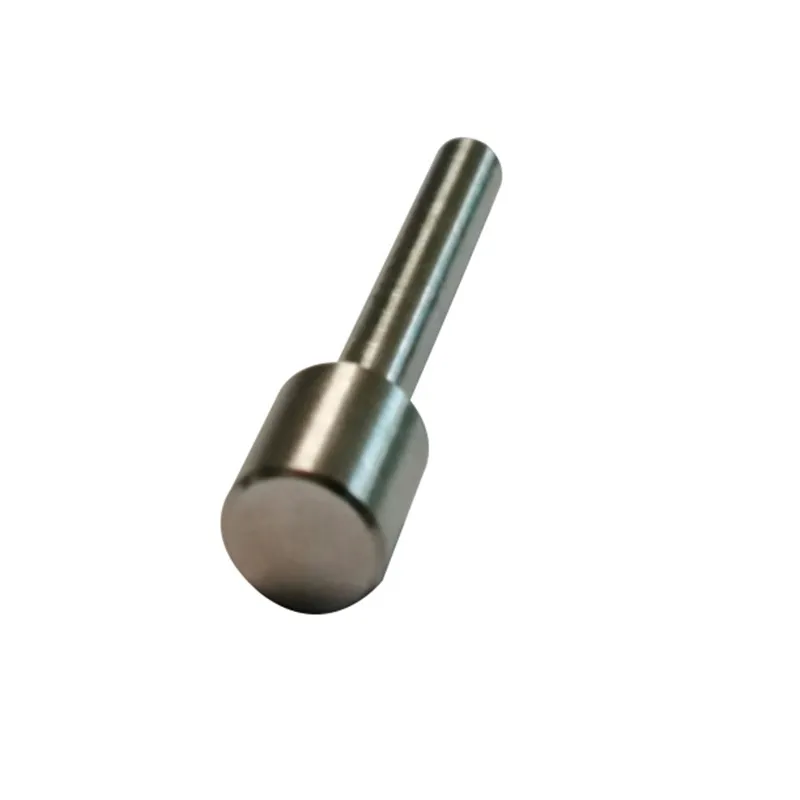
This is where theoretical knowledge meets the screaming of a spindle. Machining cast Co 4 components to final dimensions is where profit margins can be erased. Tool wear is exponential. We standardized on specific sub-micron grain carbide grades, sometimes moving to ceramic or CBN (cubic boron nitride) for finishing passes. But even then, tool life is measured in minutes, not hours. A successful run depends on rigid toolholding (no runout allowed), a massively rigid machine tool, and absolutely optimized feeds and speeds.
A practical tip we learned the hard way: never interrupt a cut. If you pause or perform an interrupted cut by design, you invite catastrophic tool failure. The strategy is to use trochoidal milling paths to maintain constant tool engagement and manage heat. It's slower in programming but faster in real-world machine time because you're not changing inserts every other part.
Furthermore, the CNC machining of these alloys generates stringy, sharp chips that are red-hot. Chip management is a safety and quality issue. We had to retrofit high-pressure coolant systems specifically for these jobs to break and evacuate chips. The shop floor for a Co 4 run looks different—it's louder, hotter, and there's a palpable tension until the first good part comes off.
Material Sourcing and the Supply Chain Lens
Where does the raw Co 4 alloy come from? This is a geopolitical and logistical question as much as a technical one. Cobalt is a strategic material. Its supply chain has volatility. A reliable partner doesn't just machine the material; they help you secure it. They have established relationships with master alloy producers or can advise on acceptable alternative grades within the Co 4 family that might have better availability without compromising the core function.
During the supply chain disruptions a few years back, we had a project for medical implant prototypes that specified a very specific surgical-grade CoCr alloy. The lead time from the primary mill was 40 weeks. A capable integrated supplier suggested a switch to a similar-grade stock they had certified for a previous aerospace job, with a slight adjustment to the post-casting heat treatment to match the mechanical properties needed. It saved the project. That kind of problem-solving comes from experience, not just a machine shop manual.
This is the value of a one-stop service model for critical components. When casting, heat treatment, and CNC machining are under one roof, as with an integrated provider, the feedback loops are tight. The machinists can tell the foundry team if a particular batch is gummy or causing unusual tool wear, which might trace back to a slight deviation in the melt chemistry or cooling rate. That internal dialogue is impossible when you're farming out each step to different vendors.
Concluding Thoughts: It's a Process, Not Just a Purchase
So, when you're dealing with Co 4, you're not really buying a material. You're buying a deeply integrated manufacturing process capability. The keyword is just the entry point. The real cost and success are determined by everything that happens after the PO is cut: the melt practice, the mold design, the thermal cycles, and the machining strategy.
Looking at a company profile like QSY's—30 years in casting and machining, calling out cobalt-based alloys specifically—that tells me they've likely built institutional knowledge around these challenges. Their website, https://www.tsingtaocnc.com, isn't just a sales portal; for a technical buyer, it's a signal of their stated specialization areas. You'd still audit their capabilities, but it narrows the field from general machine shops to those who probably understand why your Co 4 component can't be treated like a block of mild steel.
In the end, success with these alloys is about respecting their complexity. It's a collaboration between a designer who understands the service environment, a metallurgist who specifies the exact grade, and a manufacturing partner who has the scars and the solutions from doing it before. The term 'Co 4' is just the beginning of that conversation.