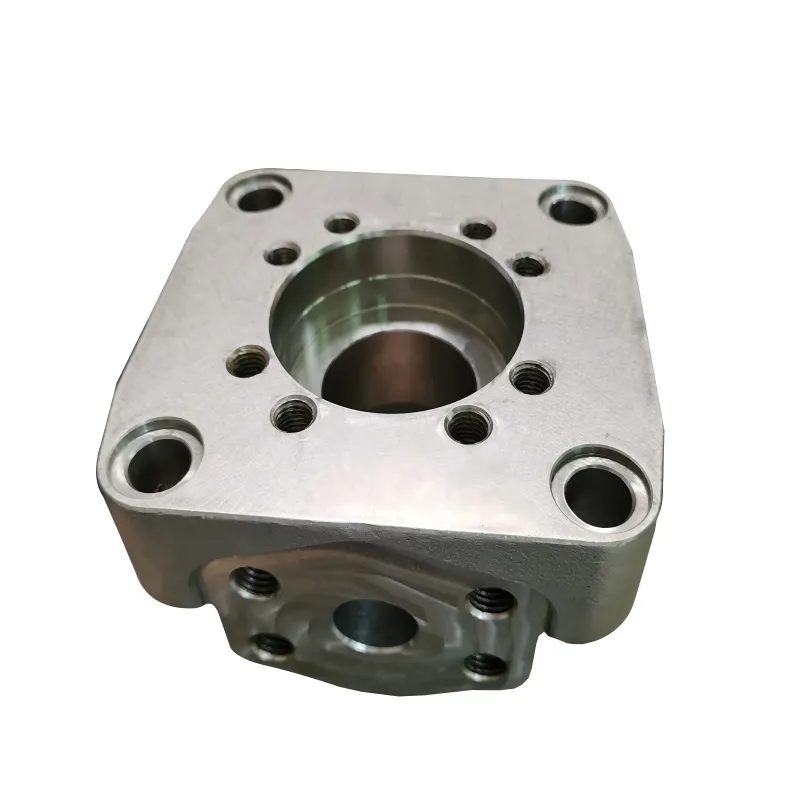
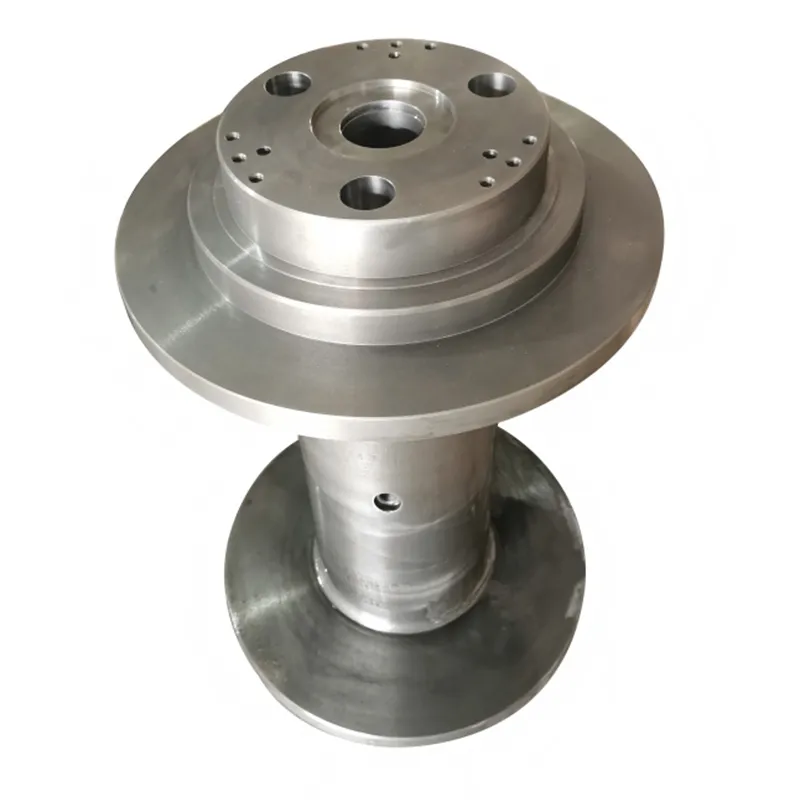
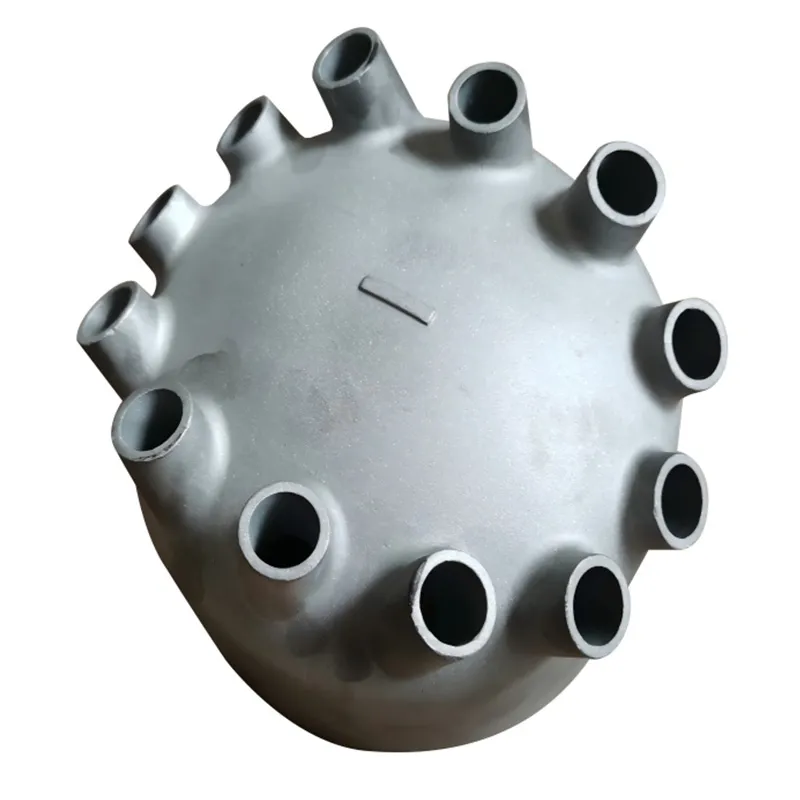
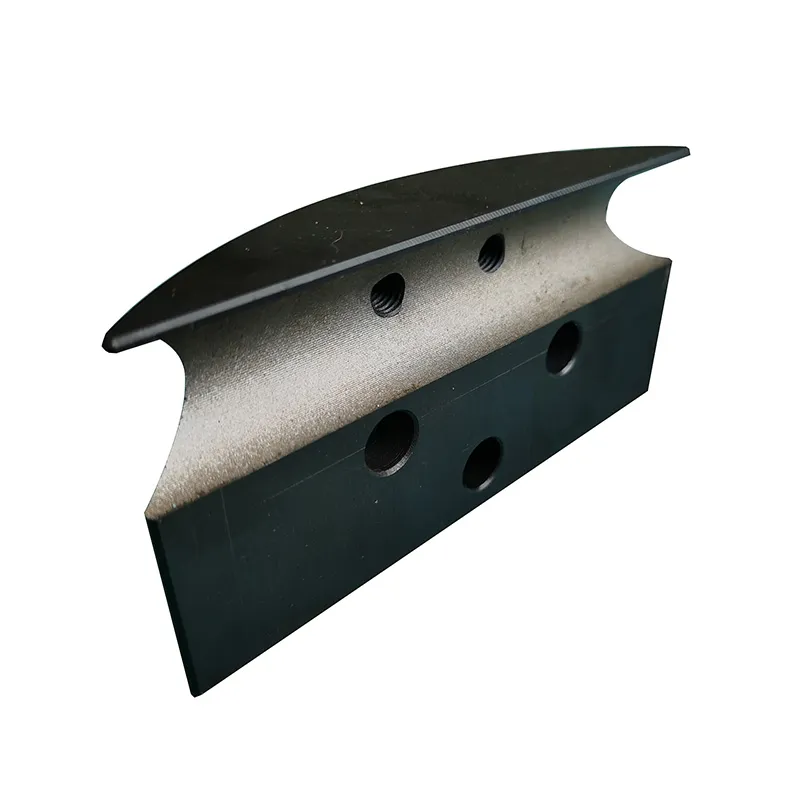
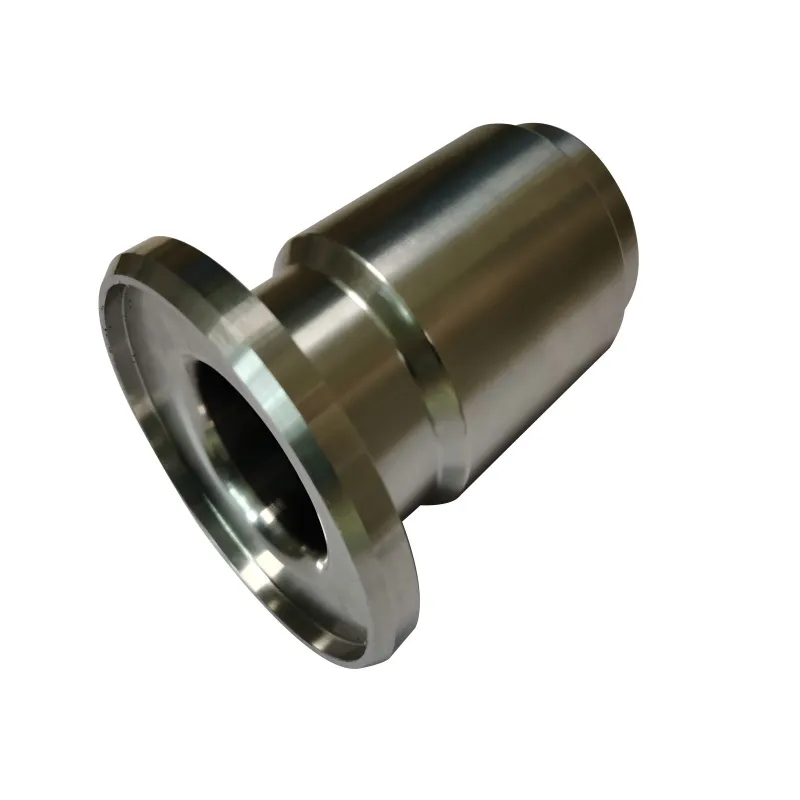
Look, when you hear 'Co 6', if you're not deep in the casting or machining of high-performance alloys, you might just think of a cobalt grade. But that's where the first pitfall is. It's not just a material spec; it's a signal for a whole set of challenges and decisions on the shop floor. I've seen too many drawings come in with just 'Co 6' or similar callouts, and the immediate next question from our planning team is always, Okay, but what are we really dealing with here? The nominal composition is one thing—everyone can look up that it's a cobalt-based alloy, often with significant chromium and tungsten for wear and corrosion resistance. The reality of machining it, getting a sound casting without micro-cracks, or even sourcing a consistent billet? That's the real 'Co 6'. It represents a category where the theoretical data sheet meets the practical, often messy, world of making parts that don't fail under extreme heat or abrasion.
The Spec Sheet vs. The Lathe
We had a project a while back, a valve component for severe service. The print specified a cobalt-based alloy meeting Co 6 general characteristics. The customer provided a data sheet, all pristine numbers. Our first move at QSY wasn't to program the CNC; it was to run a small batch of test coupons from the sourced material. Why? Because the machinability rating on paper is almost meaningless. You need to feel it. We started with standard carbide inserts for high-temperature alloys. The result? Premature edge chipping, inconsistent surface finish, and more heat going into the part than we liked. The Co 6 material, with its work-hardening tendency, was fighting back. The spec sheet didn't talk about that specific batch's slight variation in tungsten content, which just enough to turn a difficult job into a nightmare.
This is where the 30 years in casting and machining kicks in. You develop a gut feeling. We switched to a more aggressive approach with specialized, sharp-edged ceramic inserts at higher speeds but lower depths of cut. It sounds counter-intuitive—ceramics on cobalt? But it was about managing the heat zone and preventing the material from hardening ahead of the tool. The feed and speed calculations from software were a starting point, but the final parameters came from the sound of the cut and the color of the chip. The chips needed to be silverish, not blue. Blue means too much heat retention, risking metallurgical damage to the subsurface of the part. It's a visual and auditory QA check that no automated system fully replaces.
The casting side for such alloys, which we handle through our investment casting line, presents a different puzzle. With cobalt-based alloys, the solidification range and thermal conductivity are critical. Pour too cool, you get mistruns. Pour too hot, you promote large, brittle grain growth. For a complex, thin-walled component we did last year, we had to design a custom gating and risering system that wasn't in any textbook. It was based on previous failures—we'd seen shrinkage porosity congregate in a particular junction. The solution involved a non-standard chill placement to directionalize solidification. It worked, but it added cost and time. That's the hidden tax of working with materials like Co 6. The value isn't in the raw metal per kilogram; it's in the accumulated knowledge of how to shape it reliably.
Sourcing and the Consistency Gambit
Let's talk about the raw material. You can't just order 'Co 6' from a mill and expect uniformity. The variance between melts, even from reputable suppliers, can be enough to throw off your entire machining setup. We learned this the hard way early on. We qualified a process for machining a seal ring from a specific bar stock. The first 100 pieces were perfect. The next batch, from a different lot number of the 'same' material, started causing insert wear to triple. Tool life projections went out the window. The culprit? Trace elements, likely something like tantalum or carbon content at the very edge of the spec limit, altering the alloy's behavior under the tool's shear stress.
Now, our standard practice, especially for critical components, is to insist on a certificate of analysis for the specific lot and run our own spark test or, better yet, a quick spectroscopy if the volume justifies it. It's an extra step that some clients grumble about, but it saves monumental headaches downstream. This is a core part of the reliability Qingdao Qiangsenyuan Technology Co., Ltd. promises. It's not glamorous, but controlling the input is 50% of winning the battle with superalloys. We sometimes partner with smaller, specialty melt shops that cater to the aerospace sector because their process control is tighter, even if the lead time is longer. For a standard cobalt alloy pump part, the commercial-grade melt might be fine. For a turbine blade guide, it won't fly.
This inconsistency also bleeds into the casting process. The fluidity of the molten metal, which affects how well it fills a intricate shell mold, can vary. A melt that's slightly off its ideal temperature window can result in cold shuts or surface defects that are a nightmare to find and repair post-casting. We've moved to more real-time monitoring during the pour—pyrometers, thermal imaging cameras on the pour cup—to catch these deviations as they happen. It's not foolproof, but it turns a potential batch scrap into a manageable, small-scale correction.
The Welding and Repair Conundrum
Here's a scenario that doesn't get enough airtime: repair. A customer sends in a worn Co 6 component, maybe a drill bit bushing or a wear plate. Can you build up the worn area and re-machine it? The textbook answer is yes, cobalt alloys are often weldable. The real-world answer is, It depends, and it's risky. The heat-affected zone (HAZ) from welding can create a pocket of material with completely different properties—brittle, crack-sensitive phases can form. We attempted this on some agricultural machinery wear parts, using a matching cobalt-based alloy filler wire and a precise TIG process.
The initial results looked good. The weld bead was sound. But during the subsequent machining pass to bring it back to dimension, micro-cracks propagated from the HAZ. The part was junk. The lesson? For true repair of high-stress components, welding is often a last resort. Sometimes, it's more economical to just cast and machine a new part from scratch. For less critical applications, you might get away with it, but you have to implement a strict pre-heat and post-heat (PWHT) regimen, which adds cost and complexity. We now have a simple decision matrix: cost of new part vs. cost of repair + risk of failure in service. More often than not, with materials at this level, casting a new one wins.
This ties back to the design phase. When we consult with clients at the design stage, if we see a component destined for a cobalt alloy like Co 6, we often push for designs that are easier to cast in one piece and machine efficiently, rather than designs that might require future assembly or repair welding. It's a subtle shift from just being a manufacturer to being a manufacturing partner. It saves them trouble and cost over the lifecycle of the part.
Beyond the Metal: The Real Cost Driver
Finally, the biggest misconception is focusing solely on the per-kilogram price of the Co 6 alloy. The metal cost is significant, yes, but it's often not the main driver. The real cost is in the manufacturing yield and the tooling consumption. A 10% scrap rate on aluminum is one thing. A 10% scrap rate on cobalt alloy is a financial disaster. Every step—from the investment casting process where a shell crack ruins a cluster, to the CNC machining where a $150 insert lasts for 3 parts instead of 10—amplifies the loss.
We track something called 'cost per good part' religiously for these jobs. It factors in everything: material, mold costs, machining time, tooling, inspection, and the expected scrap. Optimizing for this metric is what separates shops that dabble in superalloys from those that survive on them. For us, it might mean investing in slower, more precise wire-EDM for certain features instead of trying to mill them, just to guarantee no tool deflection or work-hardening issues. It might mean designing custom fixtures that dampen vibration during milling, because chatter on a cobalt alloy surface can initiate fatigue cracks.
The takeaway? When you're evaluating a supplier for a component involving Co 6 or its cousins, don't just ask for their material certs. Ask about their typical yield rates for similar geometries. Ask about their standard tooling strategies and expected tool life. Ask if they've ever had to salvage a batch through welding or HIP (Hot Isostatic Pressing) and what the outcome was. Their answers will tell you far more about their capability than a shiny brochure. It's in these gritty, unglamorous details that the true expertise with materials like this resides, the kind built over decades, like the foundation at QSY, where the lesson is always: respect the material, question the spec, and trust the process you've honed through trial and, occasionally, error.