When you hear Co T400, the first thing most procurement guys think is cobalt alloy, good wear resistance, done. That's the surface-level take, and honestly, it's where a lot of shops get tripped up. It's not just a material code; it's a behavior. Over three decades in casting and machining, I've seen the gap between the datasheet promise and the shop floor reality with these alloys. Everyone talks about its high-temperature strength and corrosion resistance, but the real story is in the chip formation, the tool wear patterns, and the way it responds to different cooling strategies. It's a material that demands respect, not just a purchase order.
The Foundry Floor Reality with Cobalt Alloys
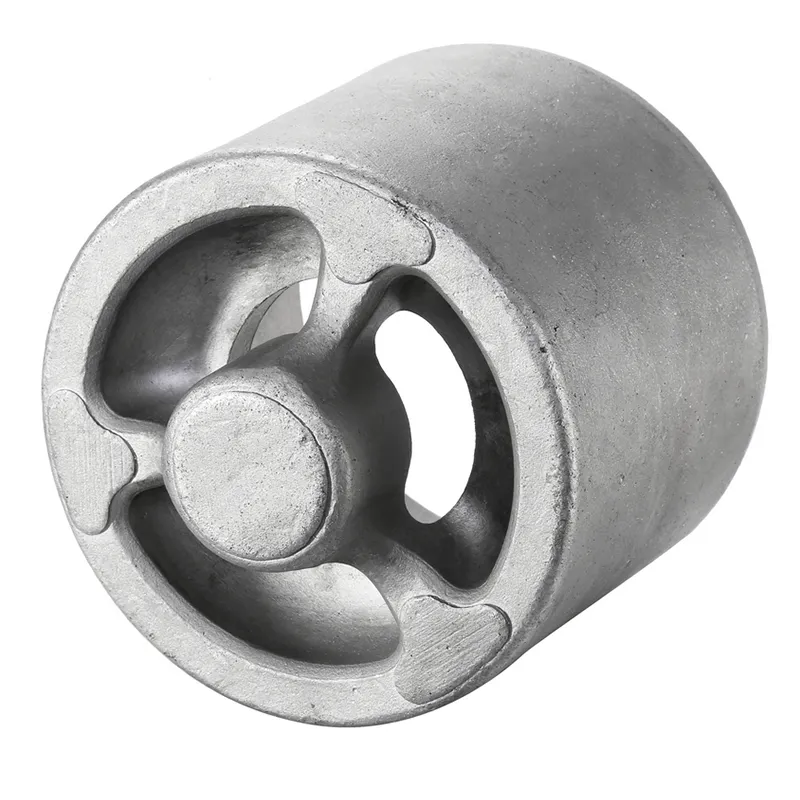
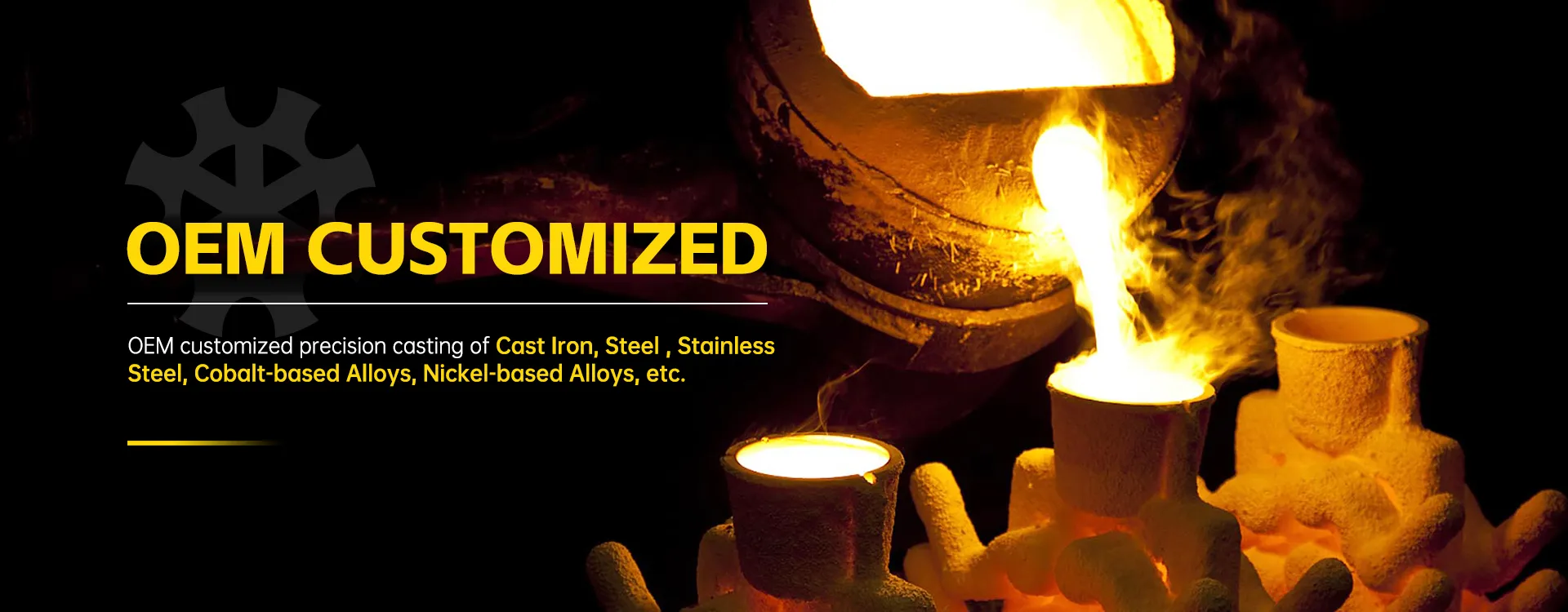
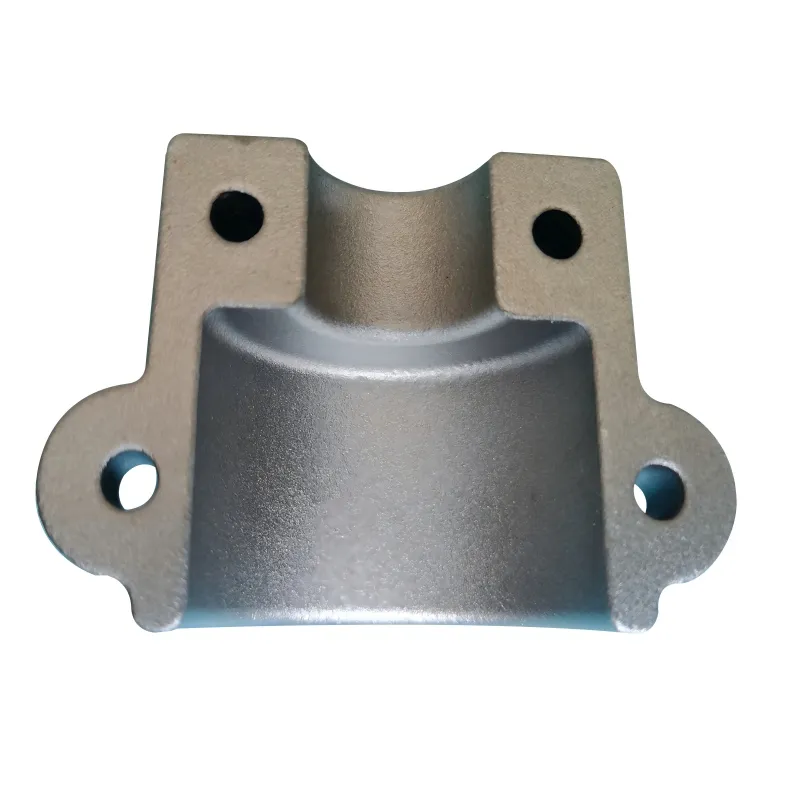
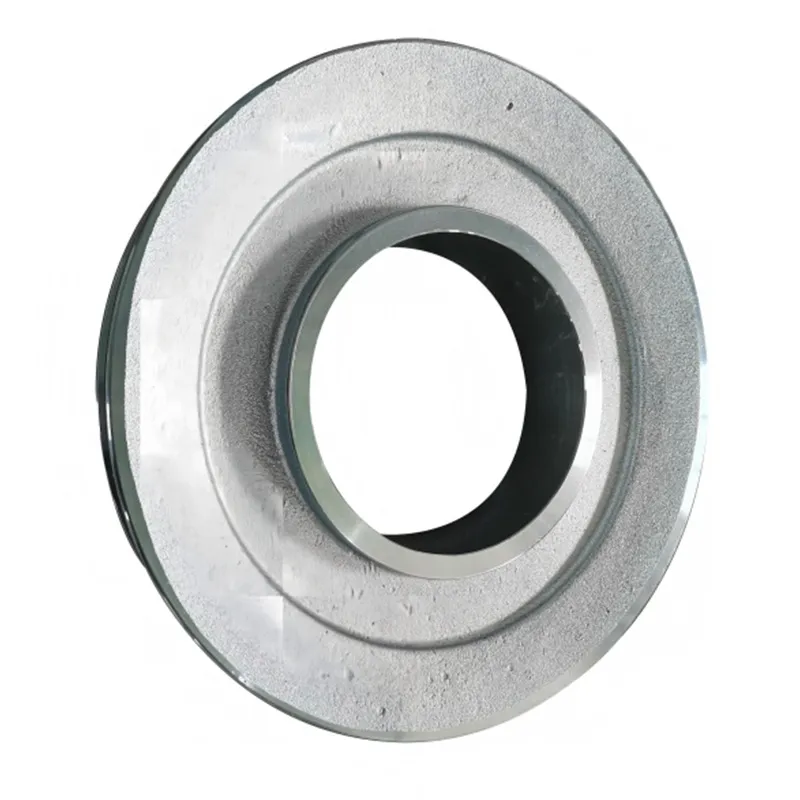
Our work at Qingdao Qiangsenyuan Technology Co., Ltd. (QSY) often starts long before the CNC machine spins up. With a material like Co T400, the casting process sets the stage for everything that follows. We specialize in shell mold and investment casting for a reason—dimensional stability and surface integrity. Pouring cobalt-based alloys isn't like pouring standard stainless. There's a different thermal dynamic, a different solidification pattern. If you get the gating or risering wrong at this stage, you're just machining a very expensive, very hard piece of scrap later. I've seen parts come out of the mold looking perfect, only for machining to reveal subsurface porosity that kills a tool in seconds. The synergy between our foundry and machine shop is non-negotiable for this grade.
One specific headache with the 400-series cobalt alloys is the segregation of carbides. In investment casting, you can get a beautifully fine grain structure, but if the cooling rate isn't meticulously controlled, those hard carbides cluster. Then, when you go to machine it, your cutter doesn't encounter a uniform material. It hits these microscopic, abrasive pockets that cause unpredictable, accelerated flank wear. It doesn't show up on a hardness test report, but it screams at you on the tool monitor. This is where the 30 years of pattern recognition comes in—knowing how to read the cast structure before the first operation even begins.
We learned this the hard way on an early aerospace component job. The prints called for Co T400, and we sourced the alloy, cast it to spec, and proceeded to machining. The first few parts were fine, but then tool life became wildly inconsistent. We blamed the tooling, the parameters, everything. After tearing our hair out, we went back to the cast blanks with metallurgical analysis. The issue was subtle carbide banding, a result of a slight inconsistency in our pour temperature that the spec allowed for. The fix wasn't in the machining program; it was in tightening our foundry process controls beyond the standard. Now, for critical components, we treat the as-cast microstructure as the first and most important inspection point.
CNC Machining: The Dance of Parameters and Patience
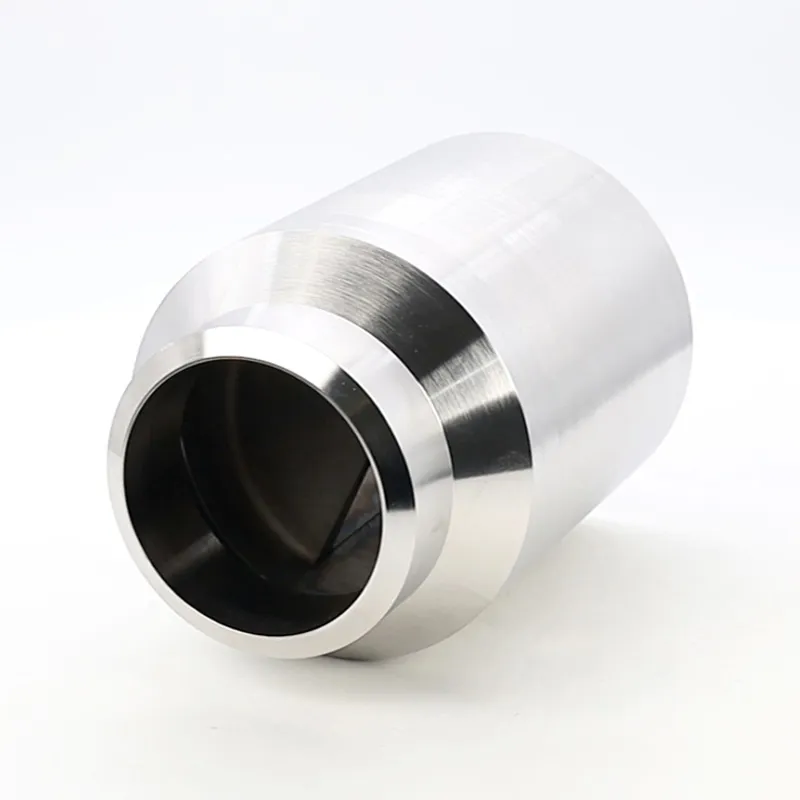
Okay, so you have a sound casting. Now the real dance begins. Machining Co T400 is where theoretical feeds and speeds meet the grinding reality. You can't just throw a standard carbide insert at it and hope for the best. We've had the most consistent success with dedicated grades of submicron carbide, sometimes moving to ceramic or CBN for finishing passes on hardened conditions. But the insert is only half the story. Rigidity is everything. Any chatter, any harmonic vibration, and the material seems to work-harden aggressively, creating a cascading failure.
The biggest mistake I see is programmers treating it like super-alloy Inconel. The cutting forces are different. With Co T400, you need to maintain a consistent, positive cut. Pecking cycles in drilling, for instance, can be detrimental if you let the tool rub at the bottom of the hole. It creates localized heat and work hardening that can snap the next drill. We moved to constant-pressure feed drilling with specialized coolant-through drills, and breakage rates dropped dramatically. It's these little nuances—the kind you only learn from snapping a few $300 drills—that make the difference between profit and loss on a job.
Coolant isn't just for cooling here; it's a lubricity agent and a chip-evacuation partner. We run high-pressure, high-volume systems. The chip from Co T400 can be stringy and tough. If it doesn't clear the cut zone immediately, it re-cuts, marring the surface finish and loading the tool. We once had a deep pocket milling operation where everything was perfect on the simulation. On the floor, we got terrible finish and rapid tool wear. The issue? The coolant pressure wasn't strong enough to evacuate chips from the deep corner. A simple hardware change to a dual-nozzle setup directed right into the cut zone solved it. The lesson: never assume the machining environment is secondary to the toolpath.
Application-Driven Compromises and Material Selection
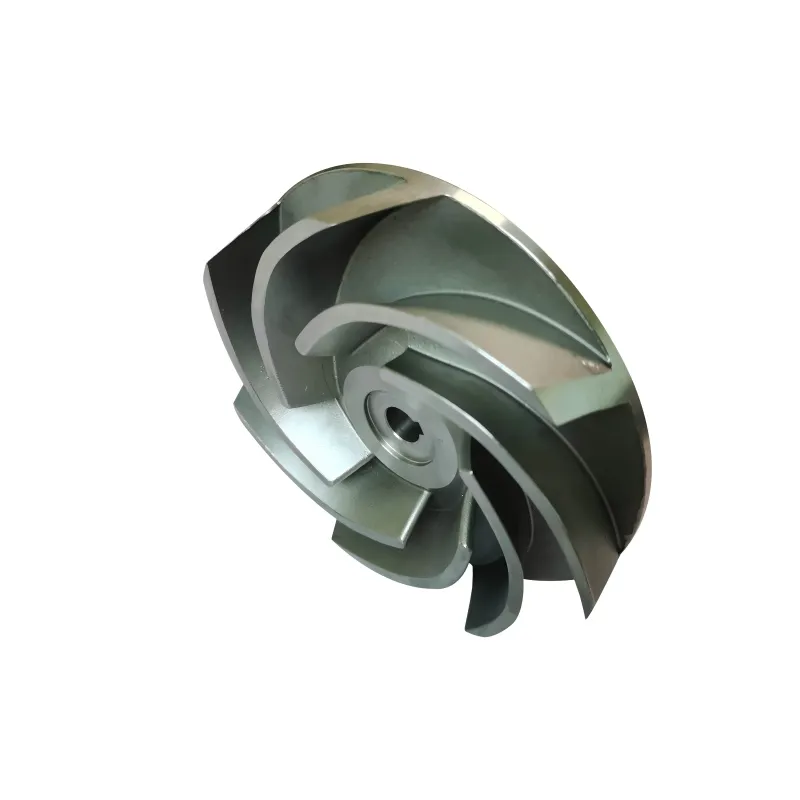
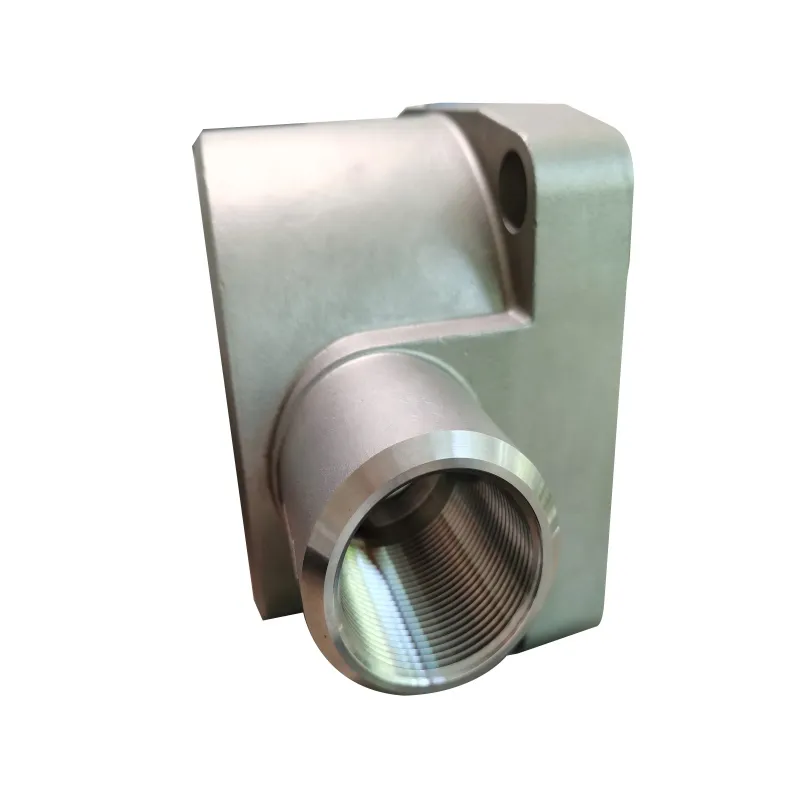
Why even use Co T400? It's expensive and a pain to machine. The answer is always in the application's demands. We frequently supply components for severe service valves, pump wear parts, and aerospace fittings. In these cases, the combination of erosion-corrosion resistance and maintained strength at elevated temperatures makes it the only choice. But Co T400 isn't a monolith. The exact properties can shift based on the heat treatment post-casting. Sometimes a client asks for maximum hardness, not realizing the trade-off in machinability and even impact toughness.
We had a client insist on a Rockwell C hardness at the very top of the range for a wear plate. We machined it, but the yield was terrible due to micro-cracking during finishing. We proposed a compromise: a slightly lower bulk hardness, but with a specific heat treatment to create a hardened, wear-resistant surface layer while retaining a tougher core. It performed better in the field and was far more economical to produce. This is the consultancy part of our job at QSY—not just making the print, but advising on the most manufacturable and functional version of the design. Blindly following a material spec without understanding the why is a recipe for frustration.
This brings me to a related point: the allure of equivalent materials. In cost-down phases, engineers might look at nickel-based alloys or even hardened stainless steels. For some functions, they might work. But for true galling resistance in mating parts, or for environments with sulfidation or hot ash abrasion, the cobalt-based matrix of Co T400 is distinct. We've run comparative field tests for clients, and the difference in service life can be orders of magnitude. It's not an upgrade; it's a specific solution for a specific set of problems.
Failures, Learnings, and Process Integration
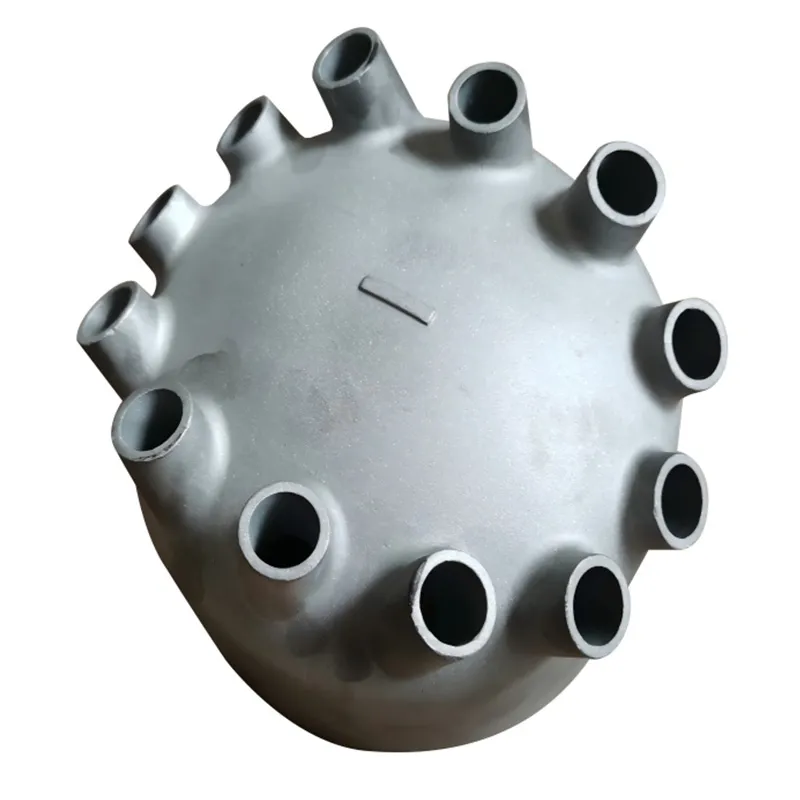
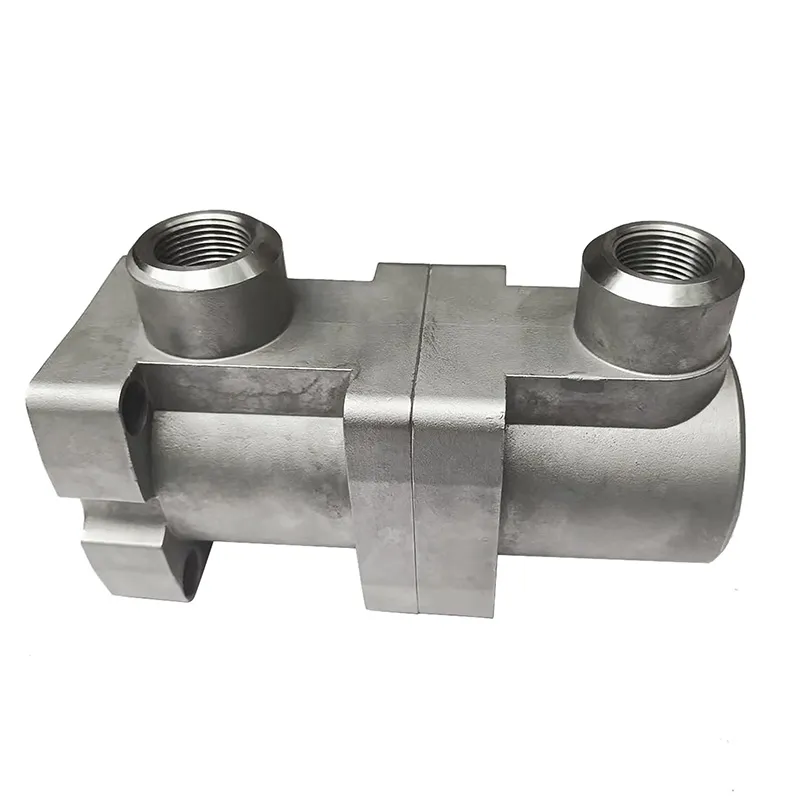
You don't get good at this without some scars. One of our most instructive failures was a batch of complex, thin-walled manifolds. The casting was challenging but successful. During the CNC machining on our 5-axis mills, we experienced catastrophic distortion on the final finishing pass. We had relieved all the internal stress through thermal treatment, or so we thought. The issue was residual stress from the machining process itself. The roughing passes, done with aggressive parameters to save time, had induced enough localized stress that when we took the final light cut to achieve tolerance, the part sprung.
The fix was counter-intuitive: we had to slow down. We developed a multi-stage roughing strategy with intermittent stress-relief steps (vibratory stress relief, in this case) between operations. It added time to the cycle, but it made the process predictable and eliminated scrap. This experience fundamentally changed our approach to machining high-value, complex castings from difficult materials. It's now part of our standard process flow for critical Co T400 components. You can find some of this hard-won philosophy embedded in the approach we document for clients on our site at https://www.tsingtaocnc.com.
This kind of learning is why a vertically integrated operation like QSY's has an edge. The feedback loop is short. When machining has a problem, the foundry team is right there to discuss the cast structure. When the foundry tries a new technique, the machinists feel the results immediately. For a material as nuanced as Co T400, this integration is priceless. It moves the conversation from blame (your casting is bad) to joint problem-solving (how do we adjust the process for this geometry?).
Looking Ahead: Not Just a Commodity
Moving forward, the conversation around materials like Co T400 is shifting. It's not just about buying pounds of alloy. It's about buying a manufactured solution that includes the process knowledge to make it perform. Additive manufacturing is knocking on the door for some of these applications, but for high-integrity, high-volume components, casting followed by precision CNC machining still offers an unbeatable combination of property control and cost.
The next frontier for us is in even tighter integration of simulation. We're using finite element analysis (FEA) to model the casting process to predict those troublesome carbide distributions, and then feeding that data into CAM software to potentially adjust toolpaths based on predicted material heterogeneity. It's early days, but the goal is to move from reactive problem-solving to predictive process control. The material is the constant; our ability to understand and manipulate the process around it is the variable we keep working on.
So, when you're evaluating Co T400 for a project, look past the data sheet. Think about the casting soundness, the machining strategy, the heat treatment interplay, and the total cost of ownership, not just the material cost per kilo. The quality lies in the seams between the manufacturing steps, and that's where decades of focused experience, like what we've built at Qingdao Qiangsenyuan, finally pays off. It's the difference between a part that meets spec and a component that survives in the field.