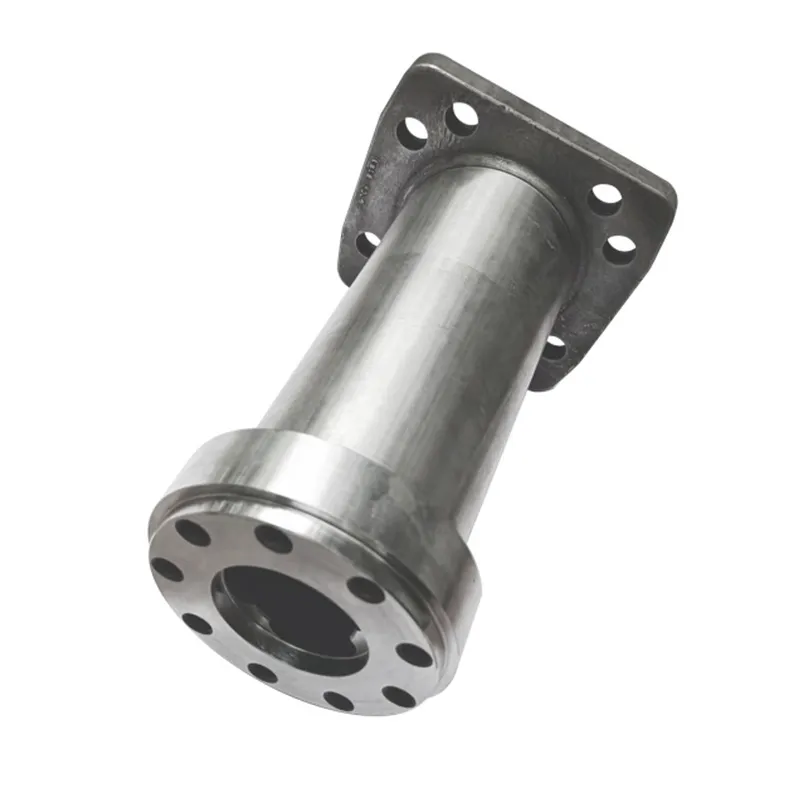
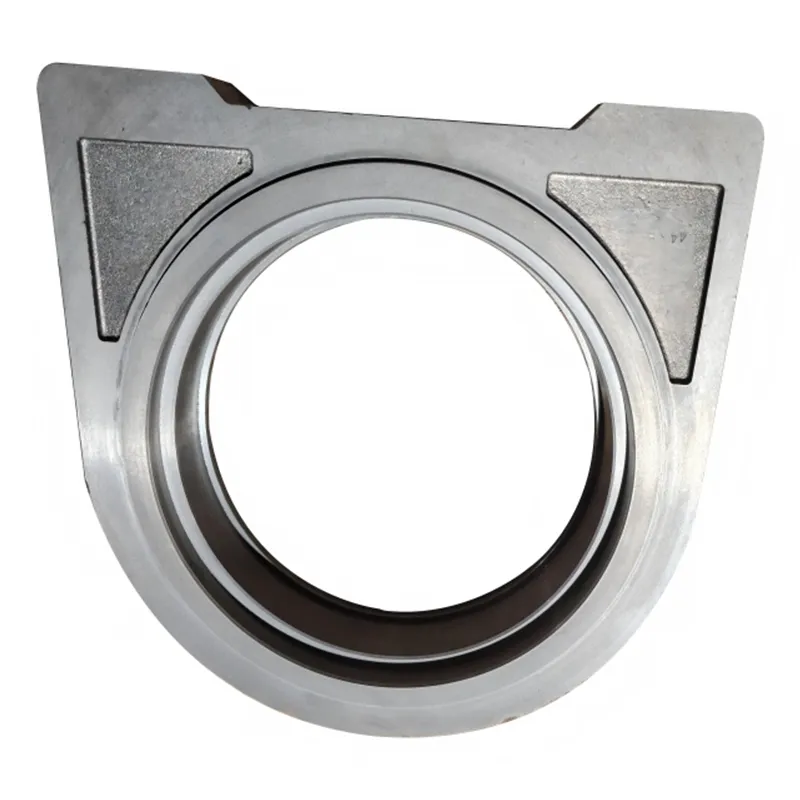
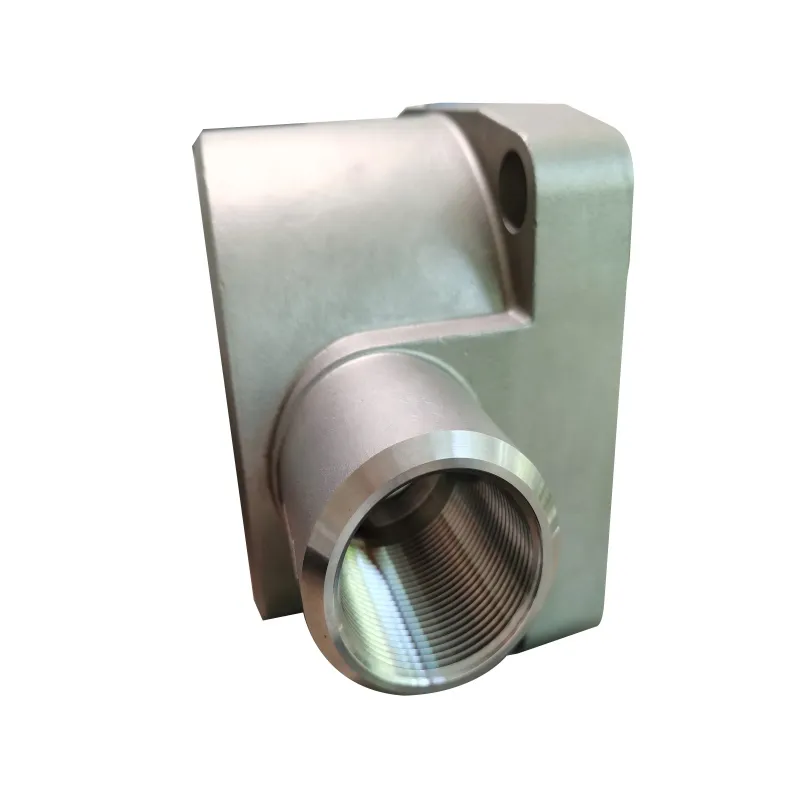
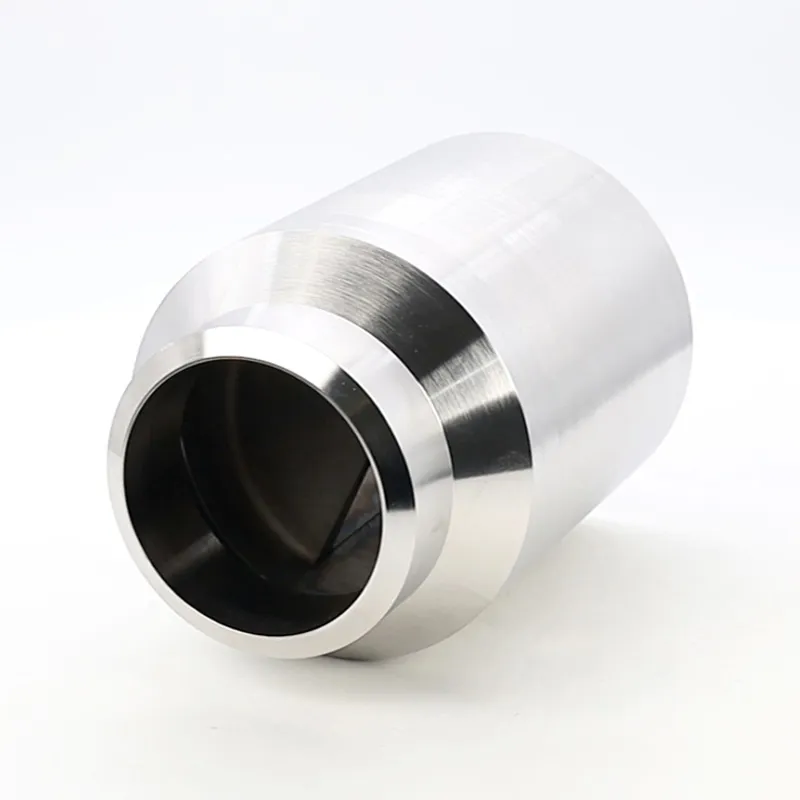
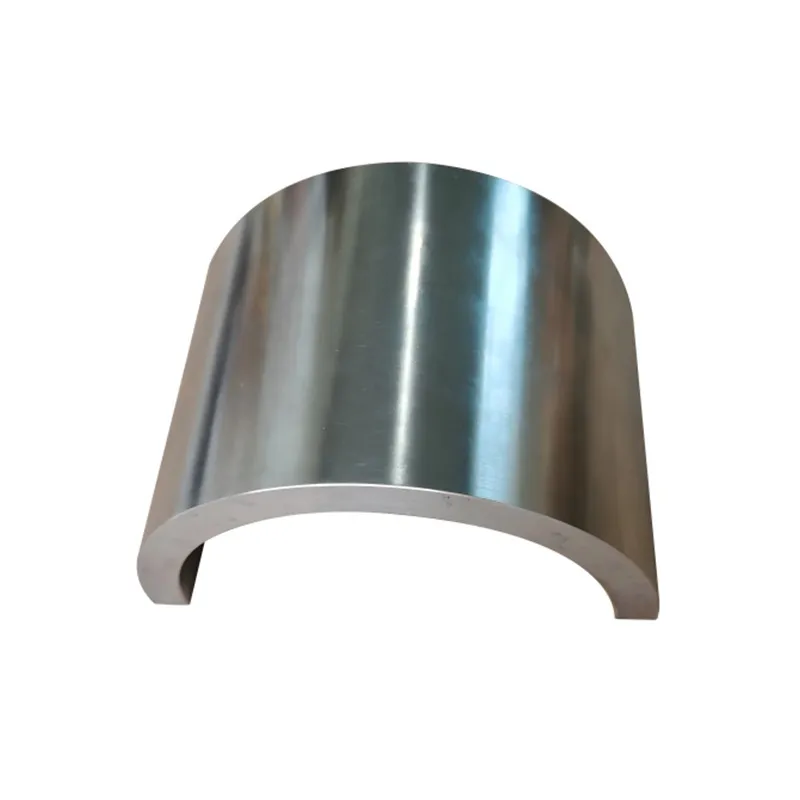
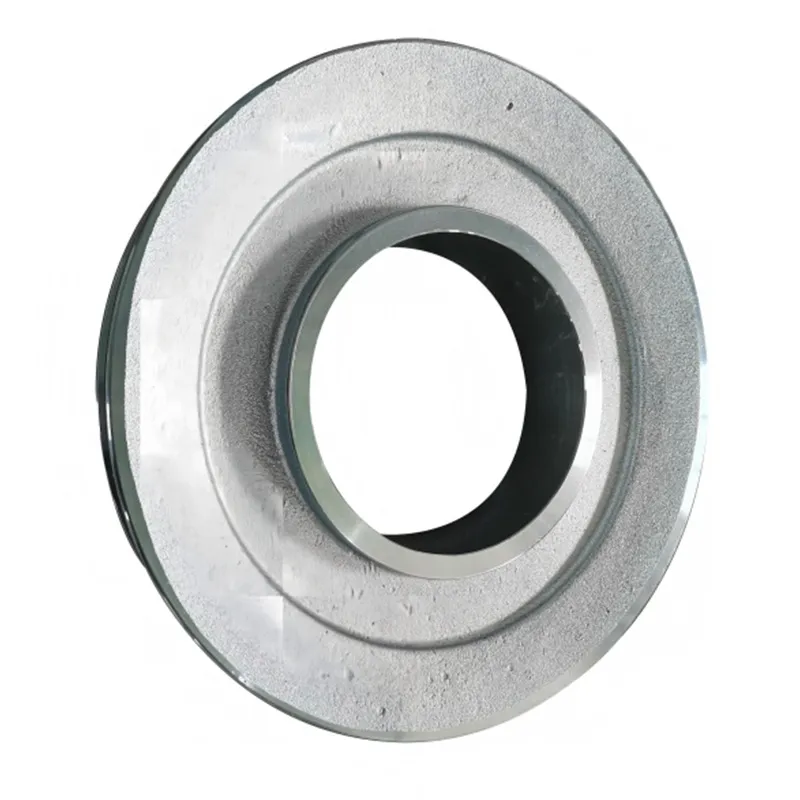
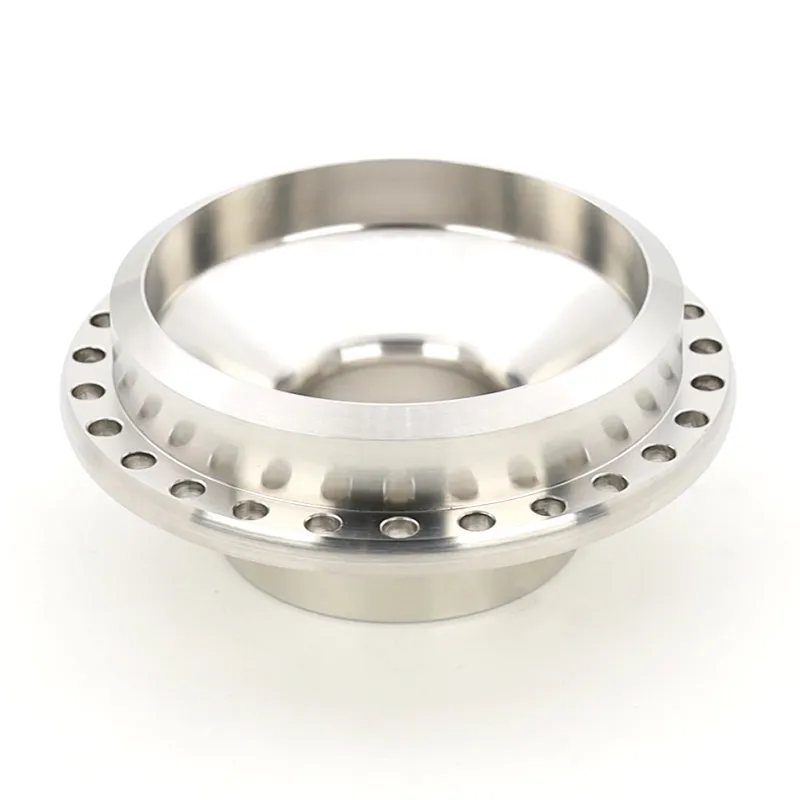
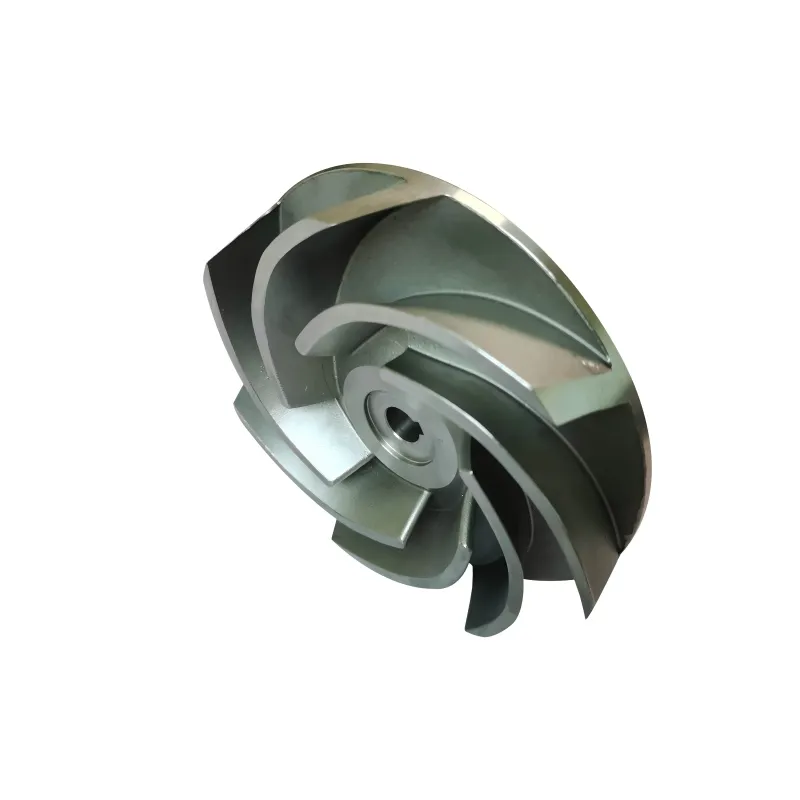
When you hear Co T800, the mind jumps straight to datasheet numbers: high hardness, wear resistance, maybe a vague association with extreme environments. That's the first mistake. In our shop, it's never about the alloy alone; it's about the marriage between the material's temperament and the process that tames it. I've seen too many projects falter because they treated Co T800 or similar cobalt-based alloys as just a super material to be thrown at a problem. The reality is messier, more nuanced, and frankly, where the real work—and cost—lies.
The Alloy Isn't the Product; The Process Is
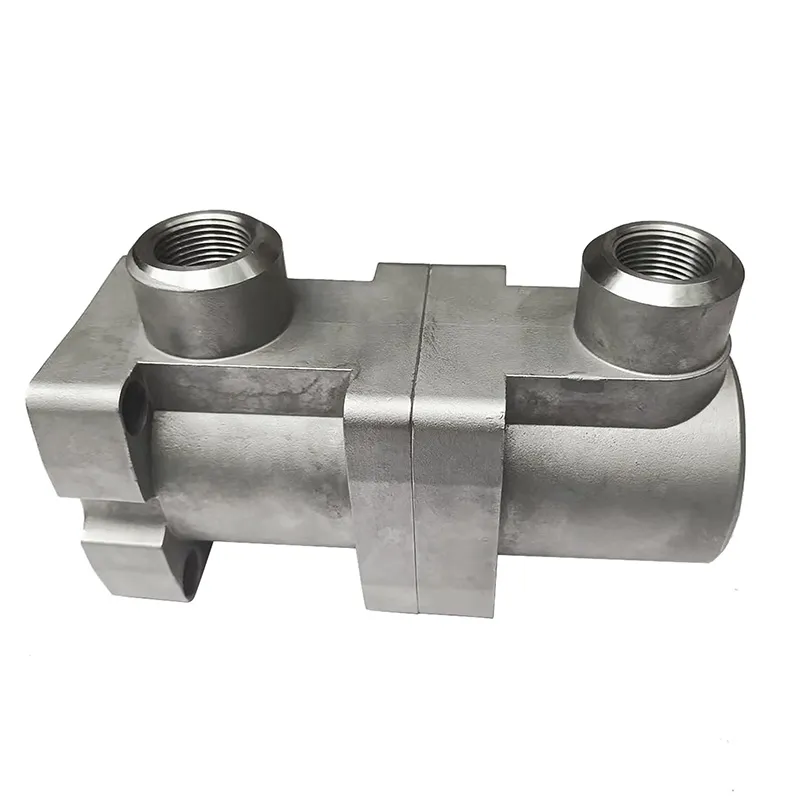
We got a request a while back for a valve component in Co T800. The client's specs were aggressive, focusing purely on the final hardness and corrosion specs. The initial drawing called for thin walls and sharp internal geometries. Anyone with foundry experience knows that's a red flag with these alloys. The high melting point and solidification characteristics of cobalt-based superalloys like Co T800 aren't forgiving. In shell mold or investment casting, which we specialize in at Qingdao Qiangsenyuan Technology Co., Ltd. (QSY), you're fighting shrinkage porosity and hot tearing from the moment the metal hits the mold. The alloy wants to behave a certain way; you have to design the gating system, the risers, even the mold pre-heat temperature, to coax it into the shape you need. It's a negotiation, not a command.
This is where the 30 years in casting and machining QSY mentions isn't just a marketing line. It's a library of failed patterns and successful compromises. For that valve, we had to go back to the client and argue for design changes—slightly thicker sections, radiused corners where they wanted sharp edges. It wasn't a downgrade; it was making the part actually castable without hidden defects that would cause failure in service. The client thought they were buying a material. They were really buying our process knowledge to make that material work.
And the machining side? That's another layer. Post-casting, you have this incredibly hard, abrasion-resistant part. CNC machining it isn't like machining mild steel. Tool wear is exponential. We've learned through trial and error—and a pile of broken inserts—that specific carbide grades, reduced feed rates, and high-pressure coolant aren't suggestions; they're the only way to get a finished dimension without destroying your tooling budget. The machining time for a Co T800 component can be triple that of a stainless steel one, a cost factor often overlooked in initial quoting.
Material Synergy and Misplaced Hype
There's a tendency to see Co T800 as a standalone solution. In practice, its value is often in synergy. We frequently use it in conjunction with other materials. Imagine a pump assembly where the housing is in duplex stainless (for structural integrity and general corrosion resistance) but the critical wear faces, the seat or the impeller edge, are clad or cast as inserts from Co T800. This isn't just about saving money; it's about engineering logic. Putting the extreme material only where it faces extreme conditions.
I recall a project for a coal slurry nozzle. The base was a tough, low-alloy steel. But the orifice, facing constant abrasive flow, was specified as Co T800. The challenge was joining them. Welding cobalt alloys to steel isn't trivial—dilution, cracking, stress. We ended up using a precision-cast Co T800 insert that was mechanically fitted and then sealed with a specialized braze, a technique refined over several iterations. The initial attempts with direct deposition welding failed spectacularly, with cracks propagating from the fusion line. That failure was more instructive than any textbook.
This gets to a core point: working with special alloys like nickel-based or cobalt-based ones isn't a commodity service. When a company like ours lists those capabilities, it's implying a depth of metallurgical support and practical failure analysis. It's not just we can pour it. It's we know how it fails, and we design our process to avoid those failure modes.
The Reality of Supply and Finish
Let's talk about the raw material itself. Co T800 isn't sitting in warehouse bins like 304 stainless. The cobalt content alone dictates a volatile price and lead time tied to global markets. For a foundry, this means careful inventory planning and very clear communication with clients about cost fluctuations. You can't just order a quick top-up. This affects everything from prototyping speed to production scheduling for a series of castings.
Then there's surface finish and inspection. Because these parts often go into critical service, the inspection regime is brutal. Dye penetrant testing is standard, often supplemented with radiography for critical sections. A tiny speck of porosity that might be acceptable in a general engineering casting is a reject here. We've had to adjust our shell molding processes—finer ceramic grains, controlled drying environments—specifically for these high-integrity alloys to minimize surface defects. It adds steps, it adds cost, but it's non-negotiable.
And finishing? Sometimes the as-cast surface, after careful shell removal and blasting, is the desired state for a coating substrate. Other times, it needs a machined finish. The hardness of Co T800 means grinding might be required instead of milling for final tolerances. Each choice branches into a different cost and timeline path. A proper quote has to map these paths out, not just give a per-kilo price for the metal.
When It's the Right Call (And When It Isn't)
So when does specifying Co T800 make undeniable sense? In environments of combined severe abrasion and elevated temperature, or where galling and metal-to-metal wear are primary failure modes. Think turbine blade tips, wear plates in high-temperature furnaces, or certain chemical processing components where corrosion from acids combines with erosive particle flow. Its performance isn't just marginally better; it can be orders of magnitude longer life, justifying the premium.
But I've also seen it misapplied. A client once wanted it for a marine component primarily facing uniform seawater corrosion. For that, a high-grade duplex or super duplex stainless steel, or even a nickel-copper alloy, would have been more cost-effective and technically suitable. Co T800's corrosion resistance is good, but its superpower is wear resistance. Using it where that superpower isn't needed is an expensive mistake. Part of our job is sometimes to talk clients out of an exotic alloy, steering them to a more appropriate material from the range we handle, like a specific stainless or cast iron grade.
The decision matrix is complex. It involves calculating total cost of ownership, not just unit part cost. A cheaper part that fails every six months and requires a plant shutdown to replace is infinitely more expensive than a Co T800 part that runs for five years. But you need the data and the field experience to make that case convincingly.
Conclusion: Knowledge as the Critical Ingredient
Ultimately, Co T800 is just a designation. The value is unlocked not by purchasing the alloy, but by partnering with a fabricator who understands its soul. At QSY, the decades in casting and machining translate to a pragmatic, sometimes stubborn, focus on manufacturability. It's about knowing that a slight tweak to the draft angle can mean the difference between a clean ejection and a cracked shell. It's about having the CNC programs and tooling strategies already debugged for hard materials, so you're not paying for our learning curve.
The industry is full of suppliers who can source the material. Far fewer have the ingrained, sometimes painful, experience to consistently shape it into a reliable, high-performance component. That's the gap. When you work with these materials, you're not buying metal. You're buying confidence, built one rejected casting, one optimized tool path, and one successful field deployment at a time. The spec sheet for Co T800 tells you what it is. The right partner tells you, shows you, what you can actually do with it.