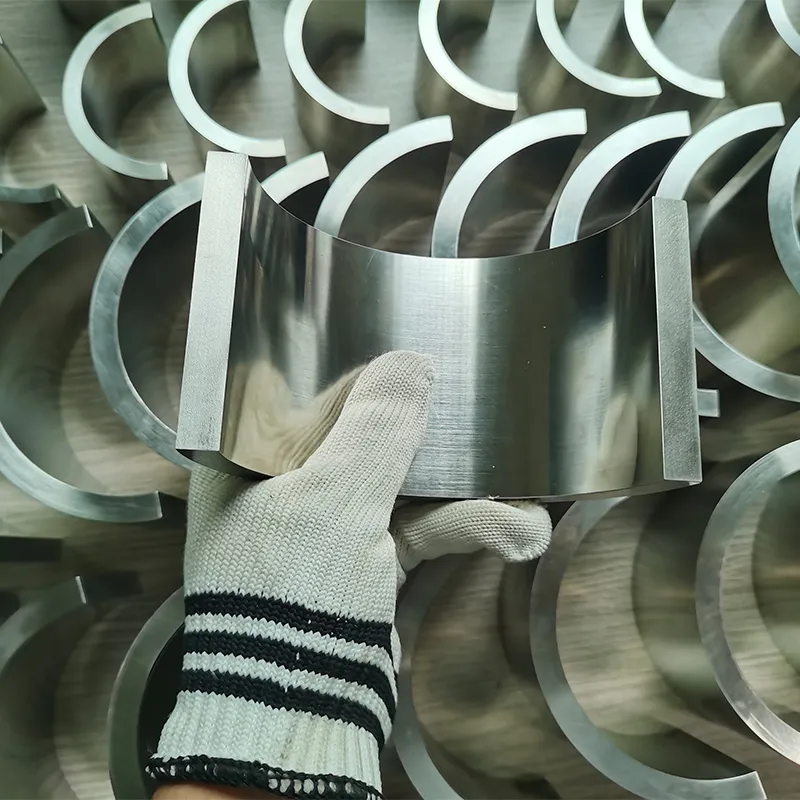
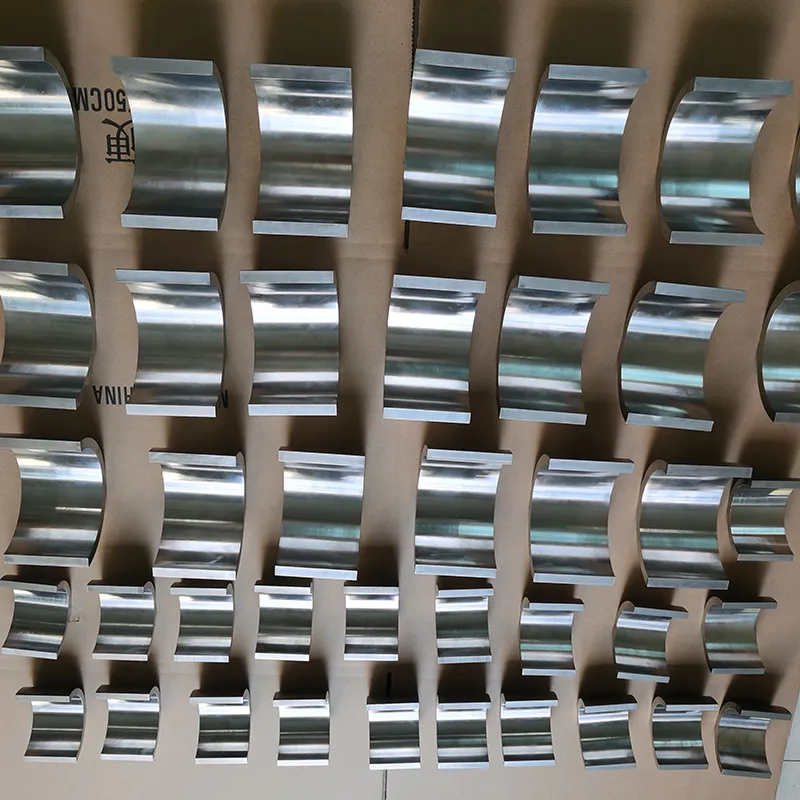
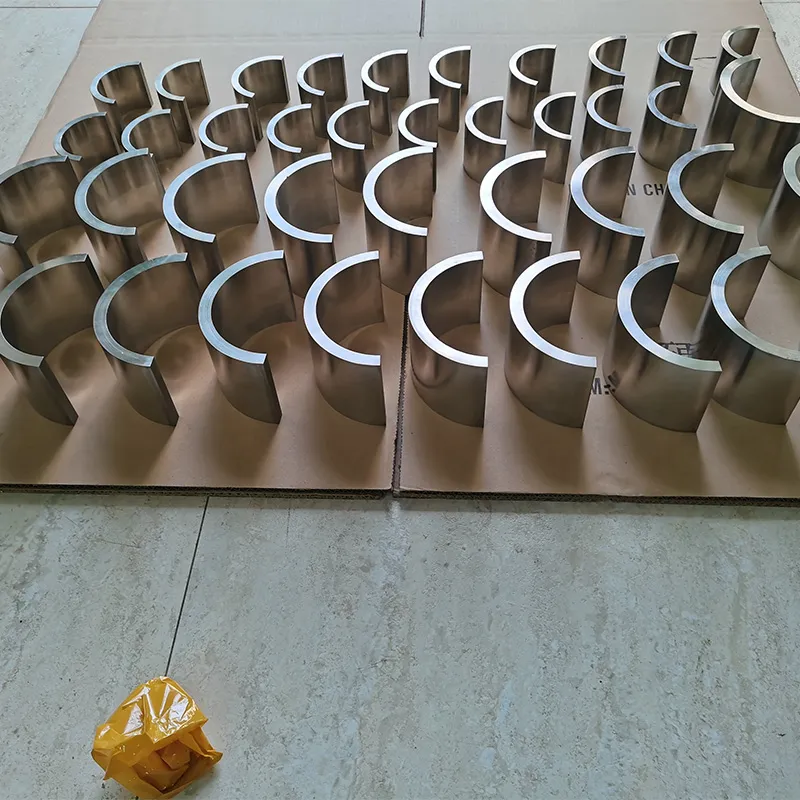
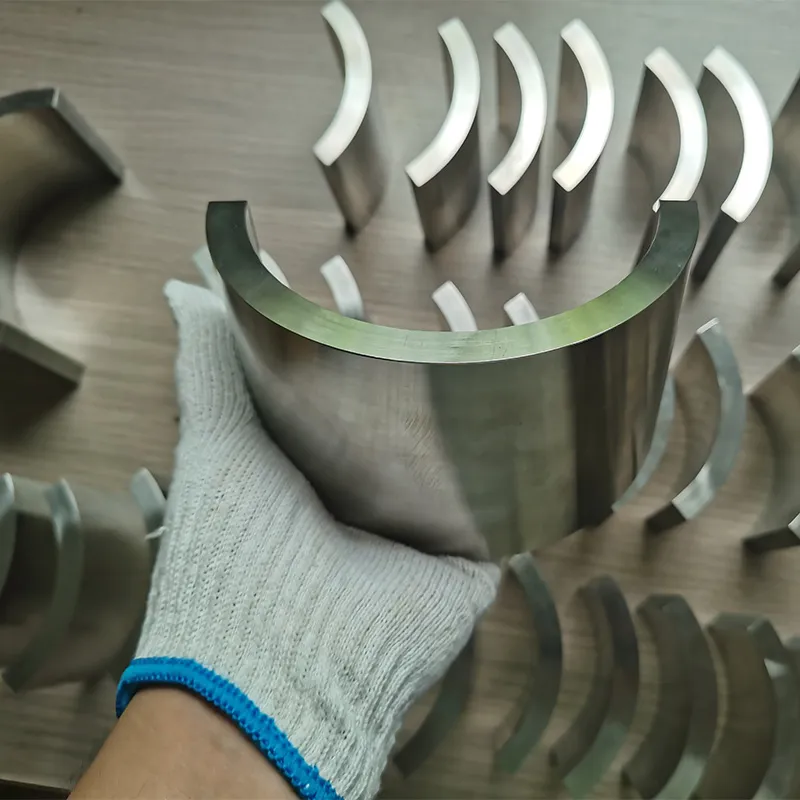
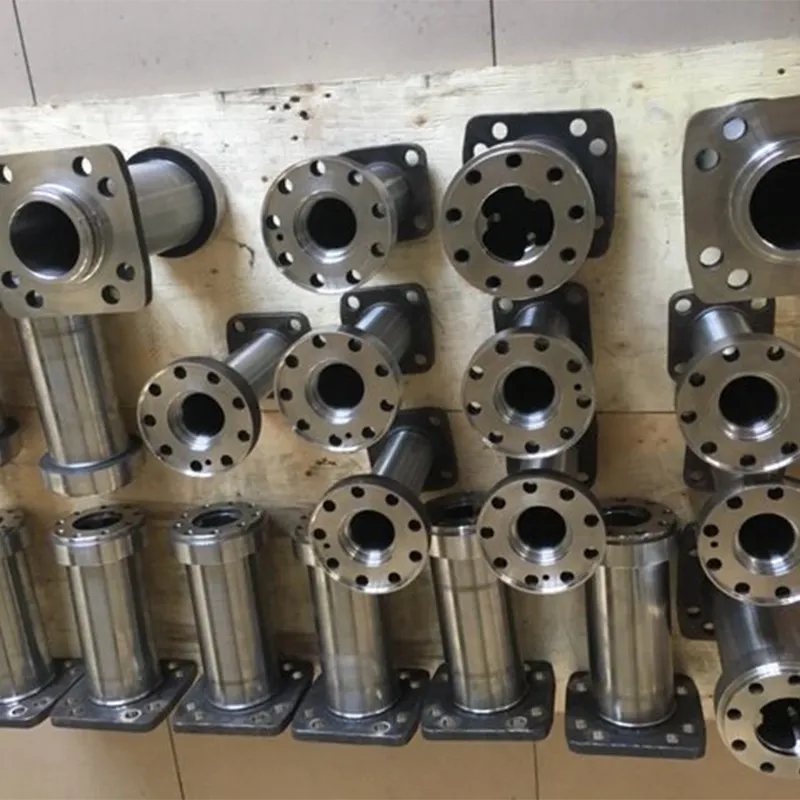
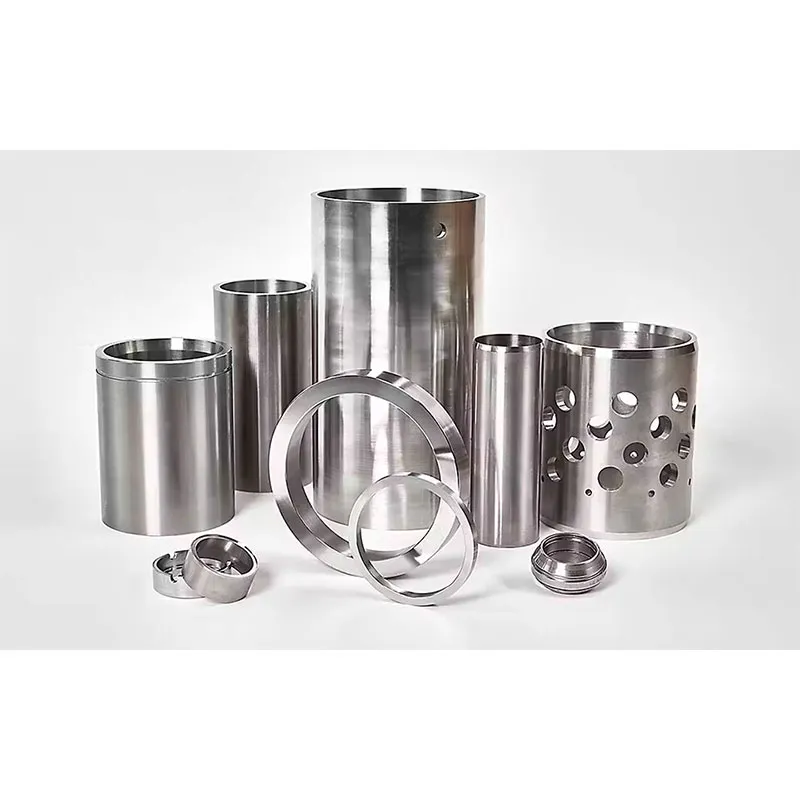
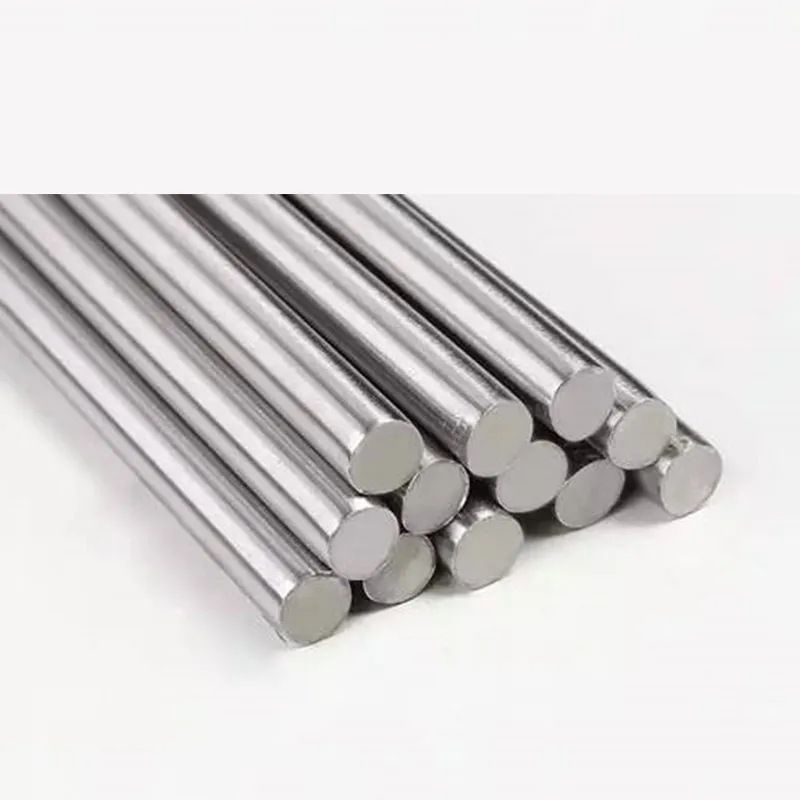
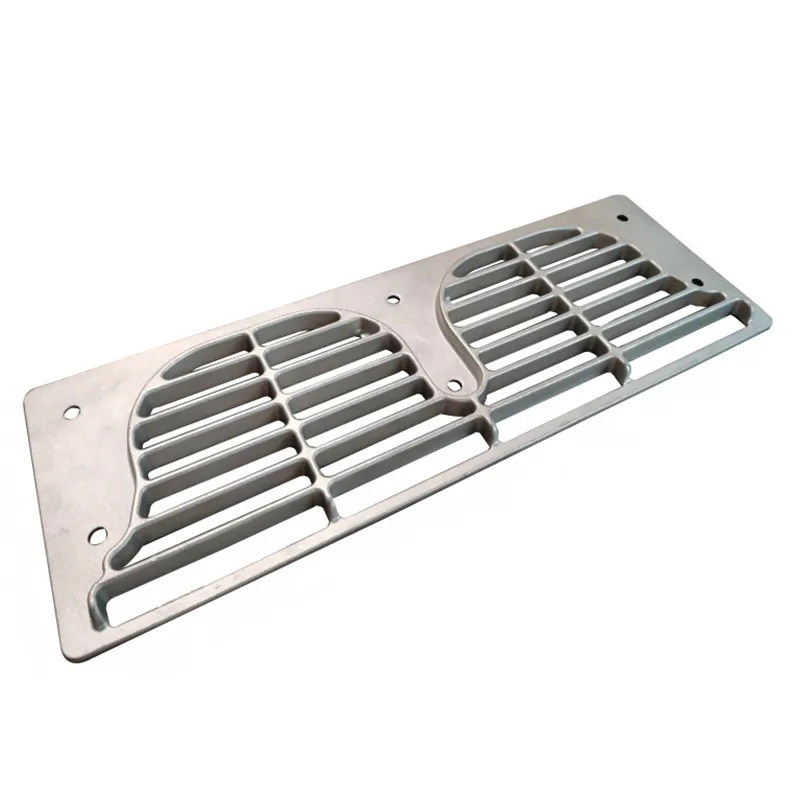
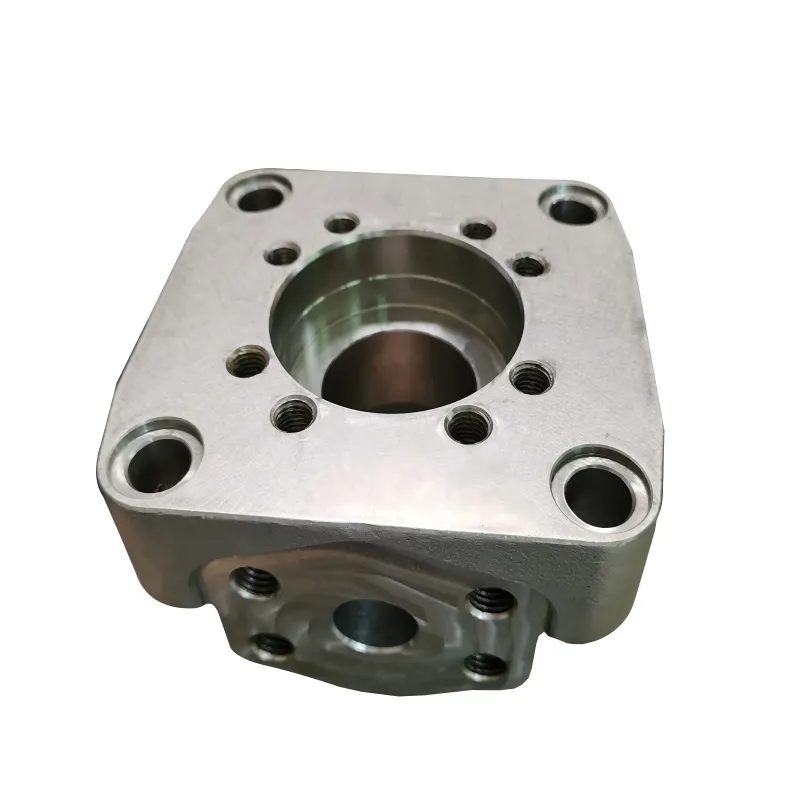
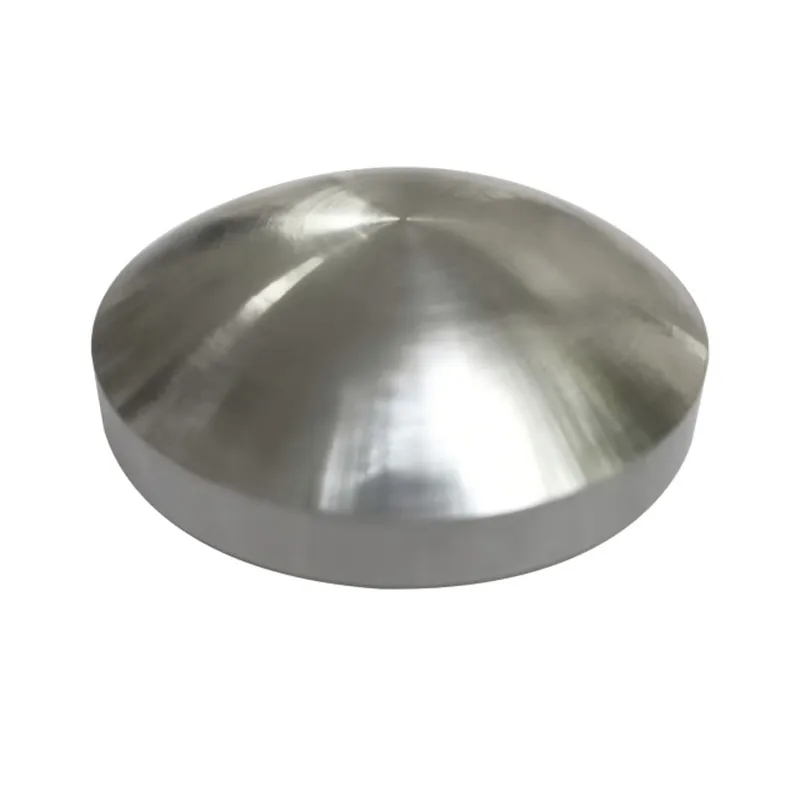
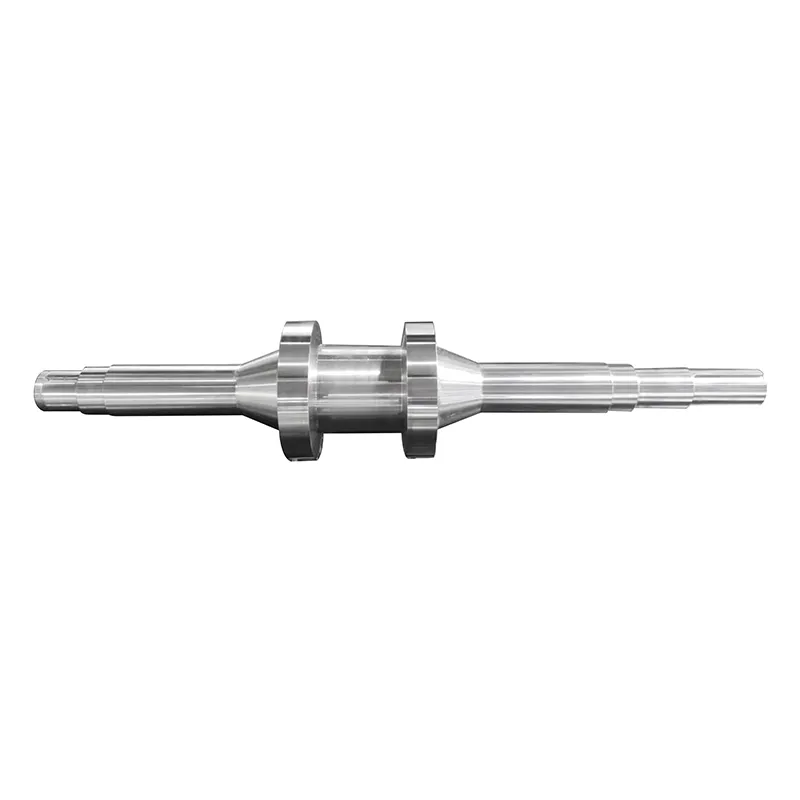
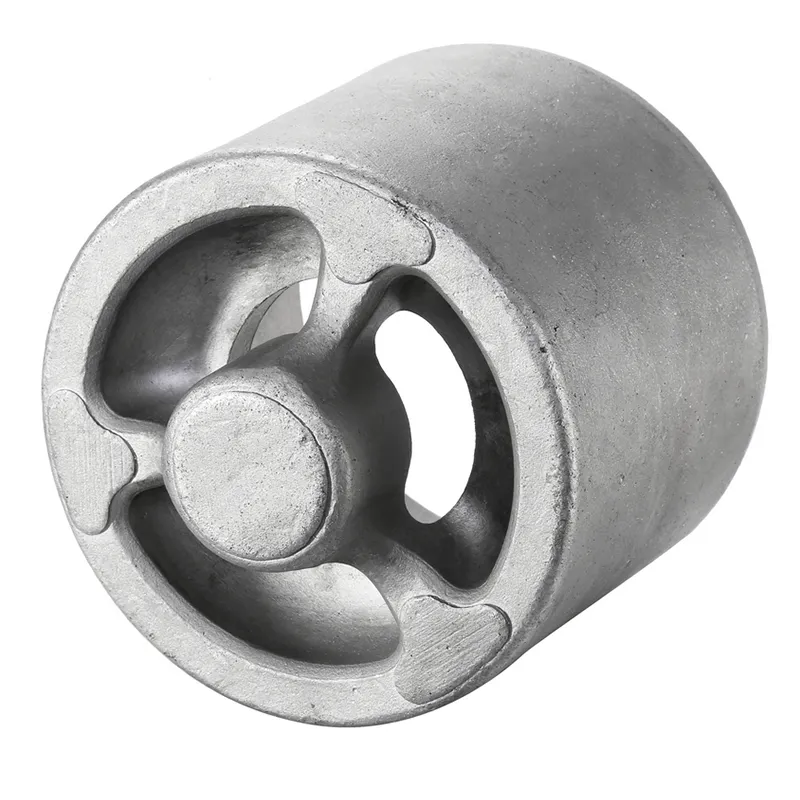
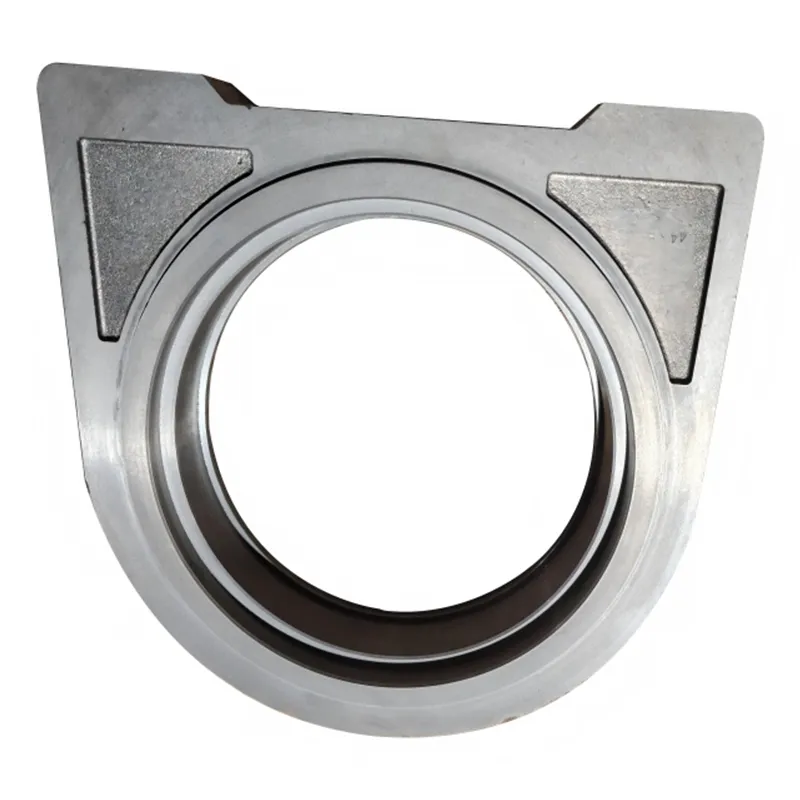
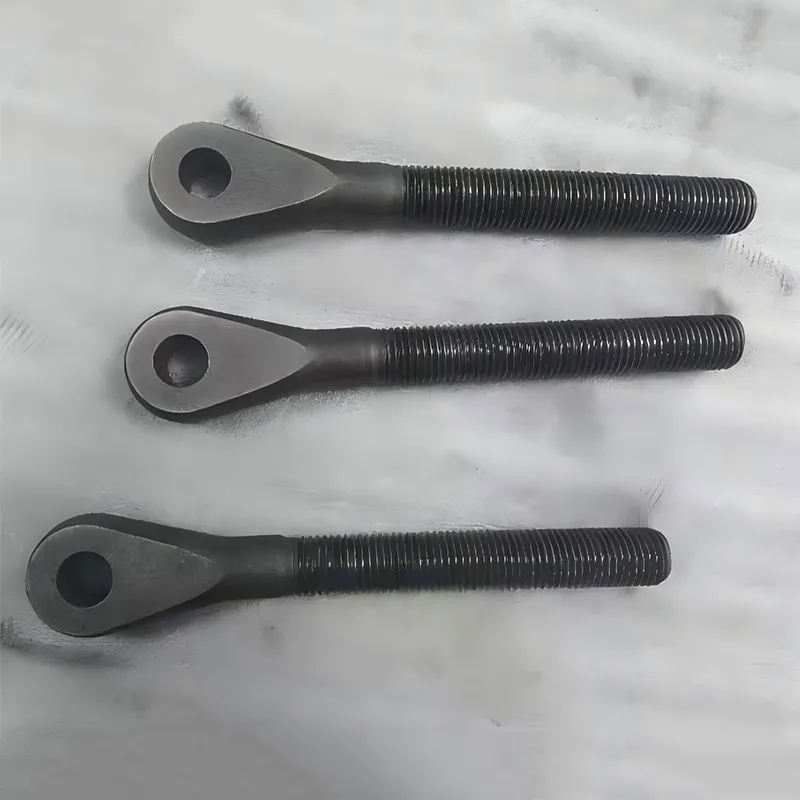
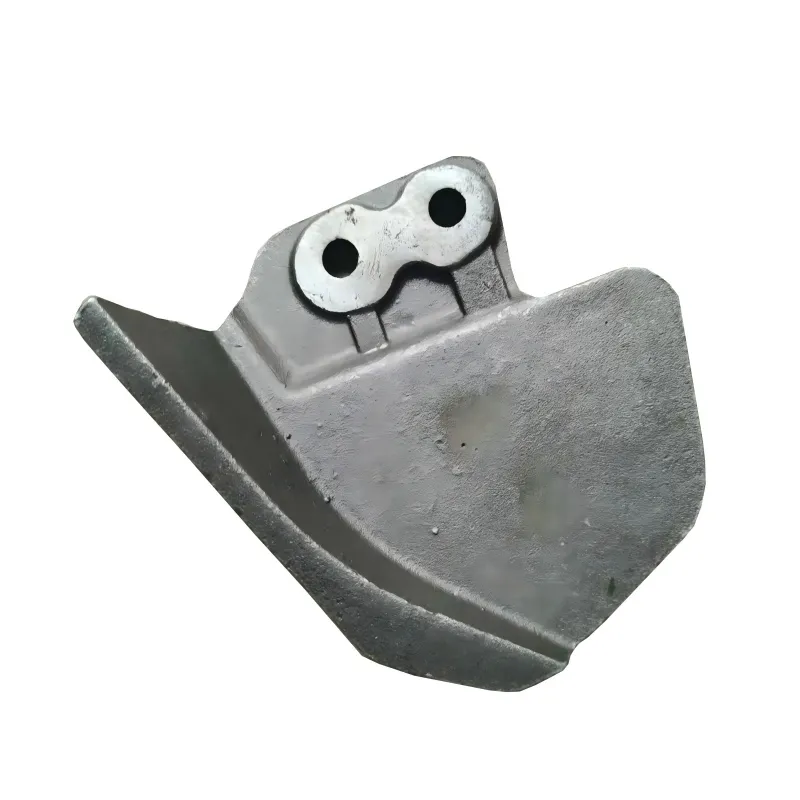
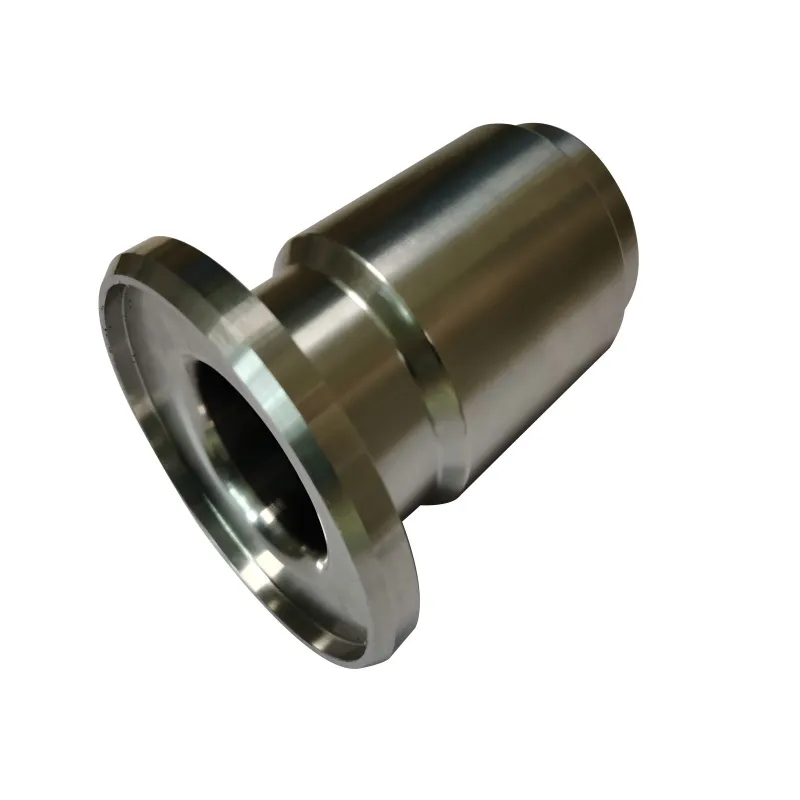
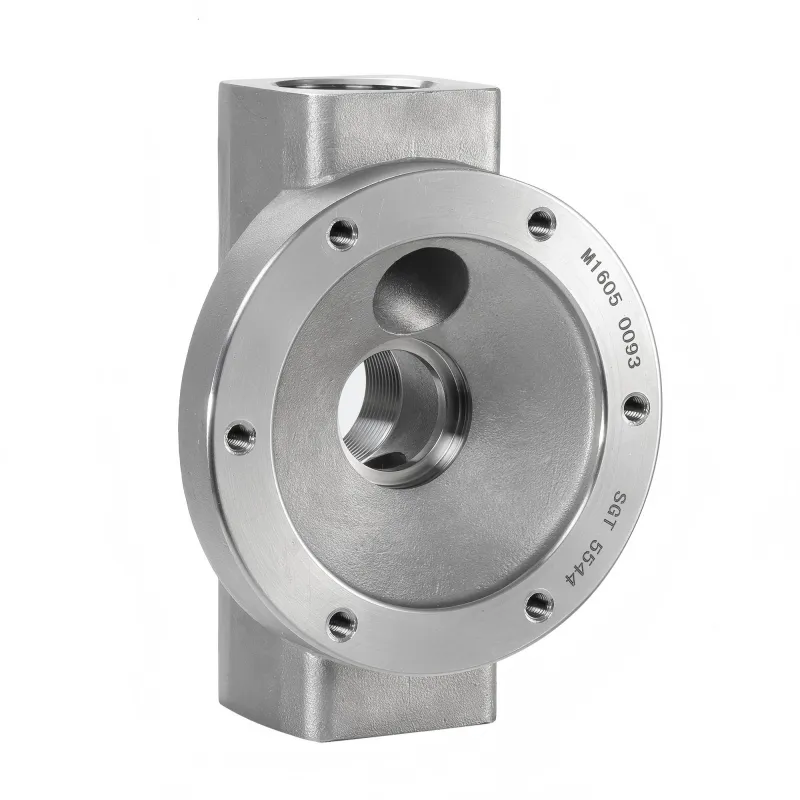
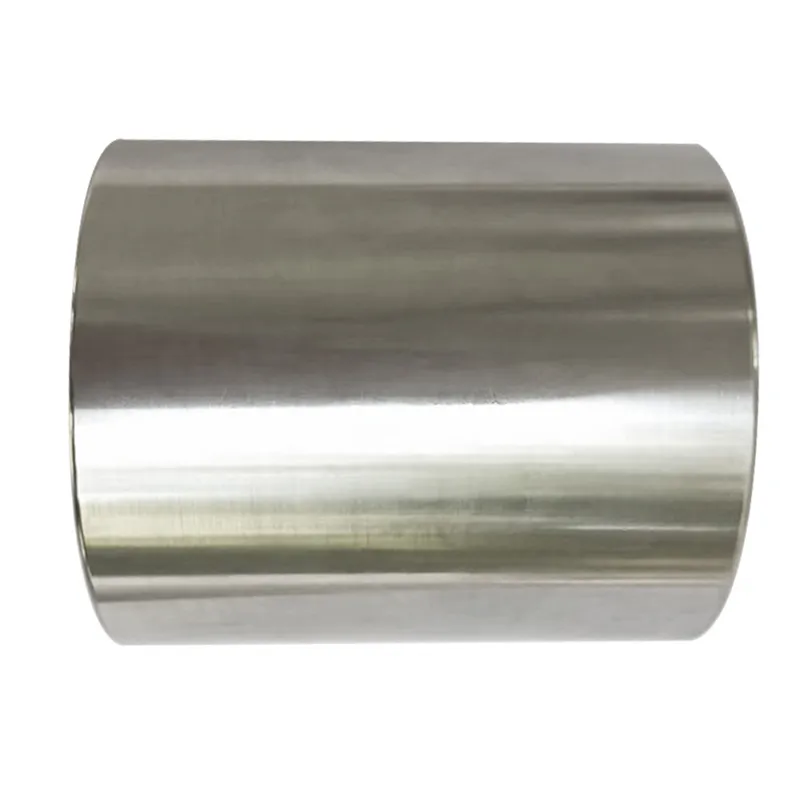
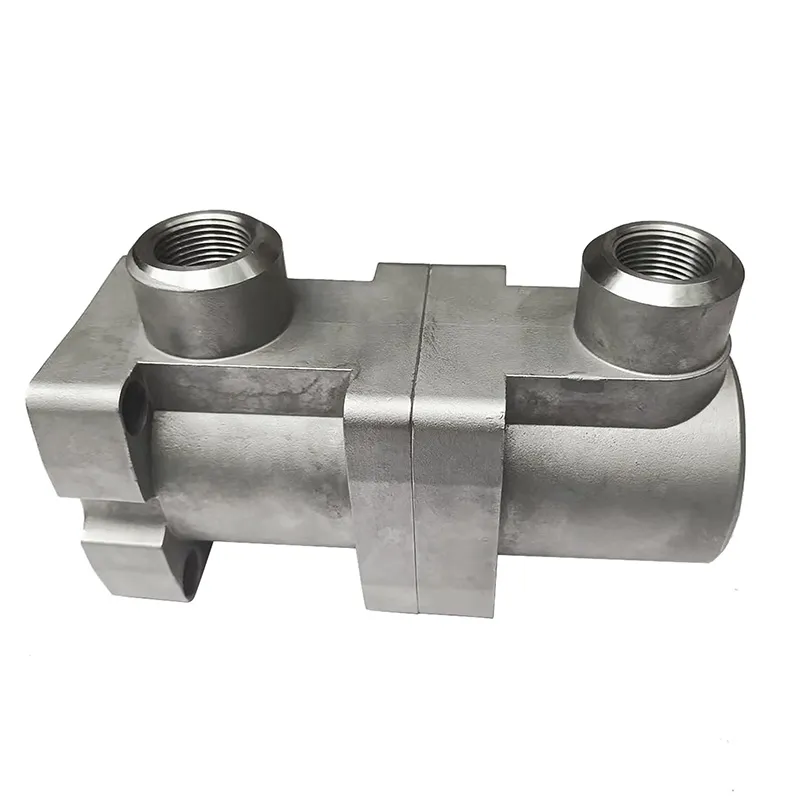
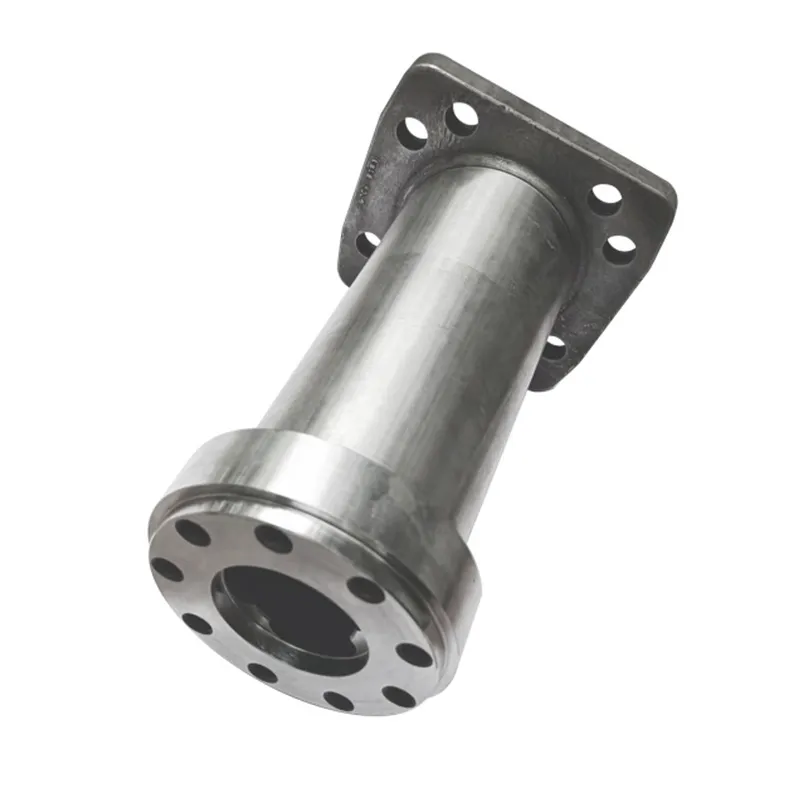
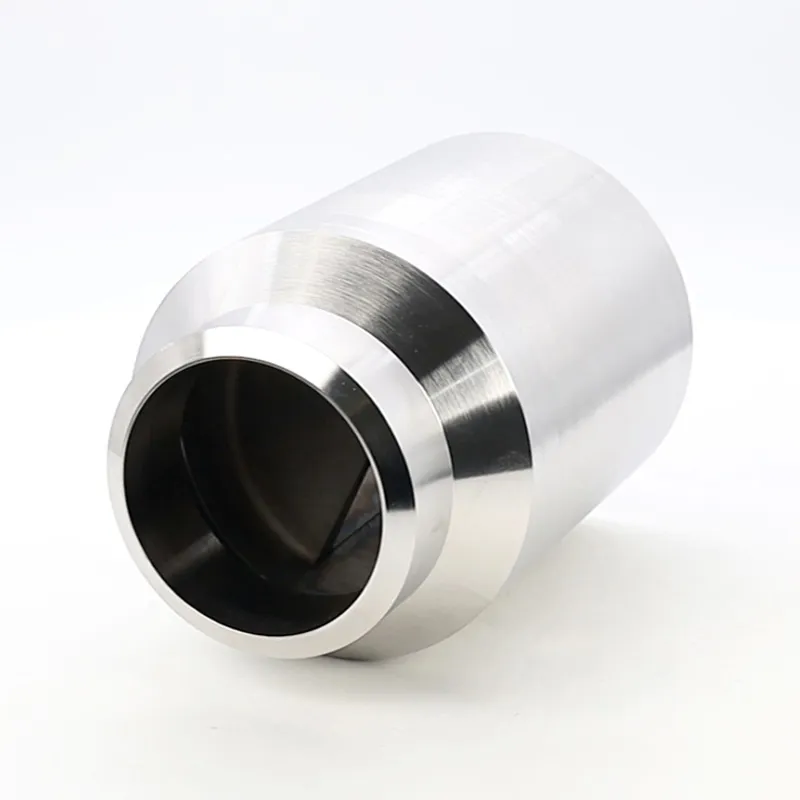
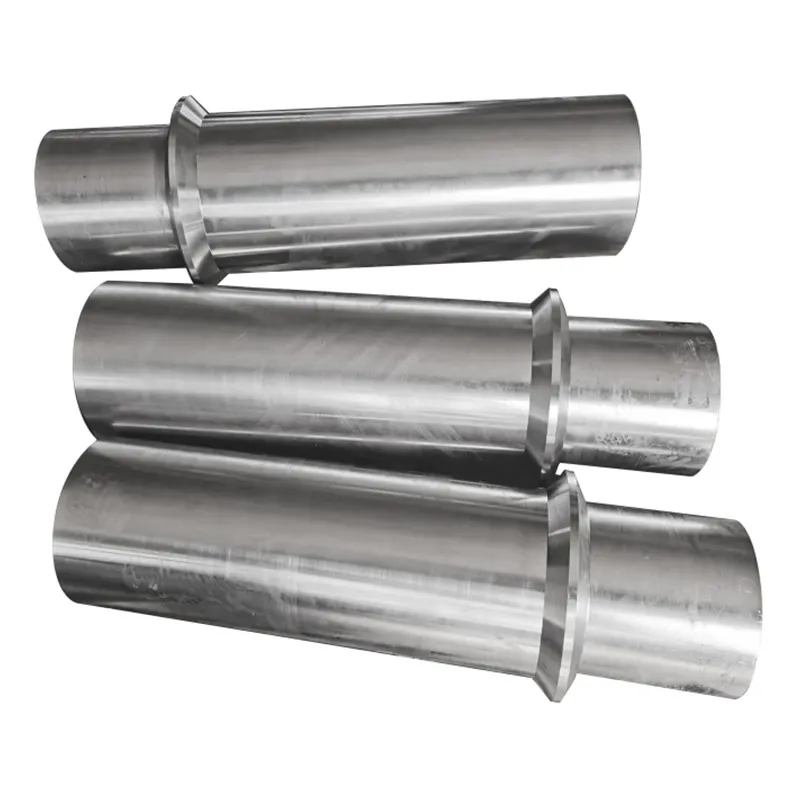
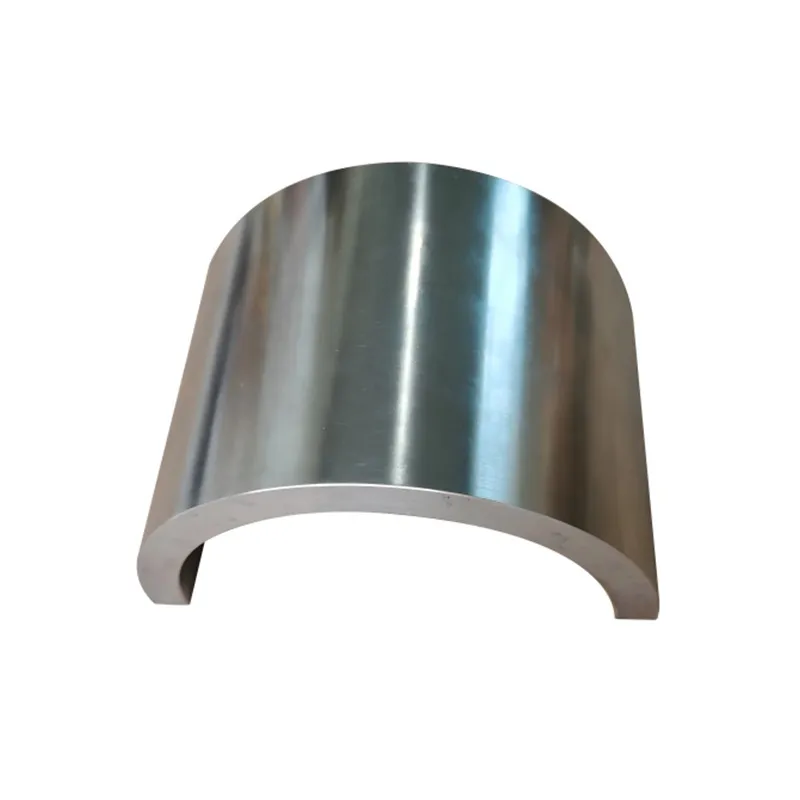
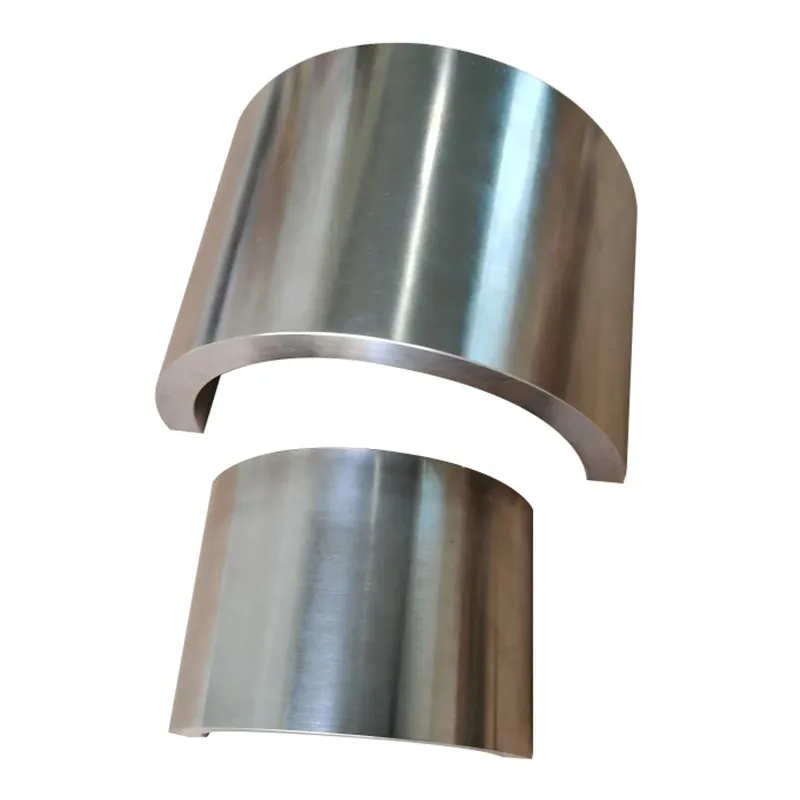
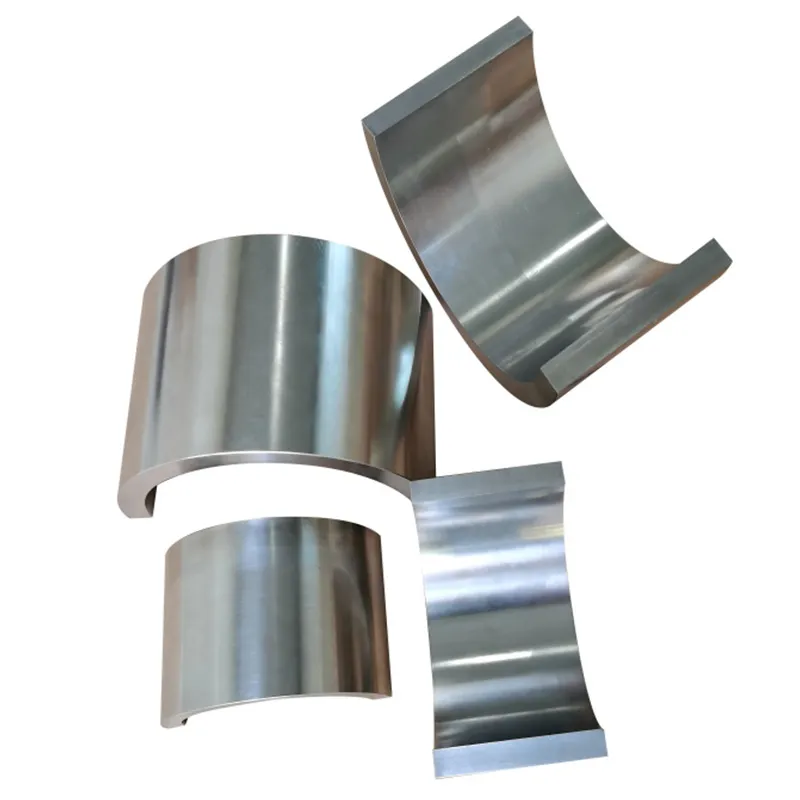
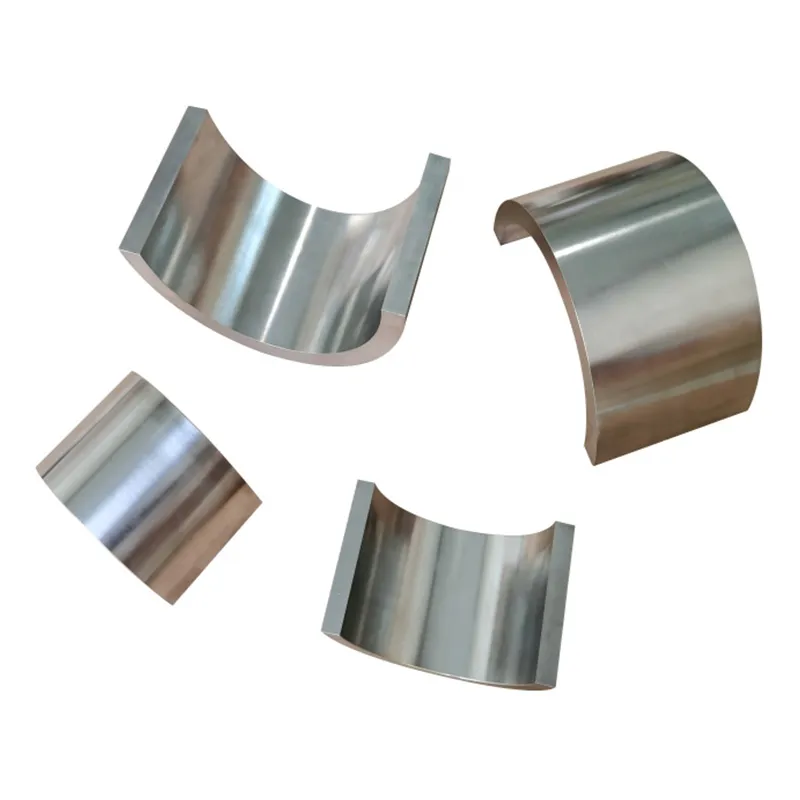
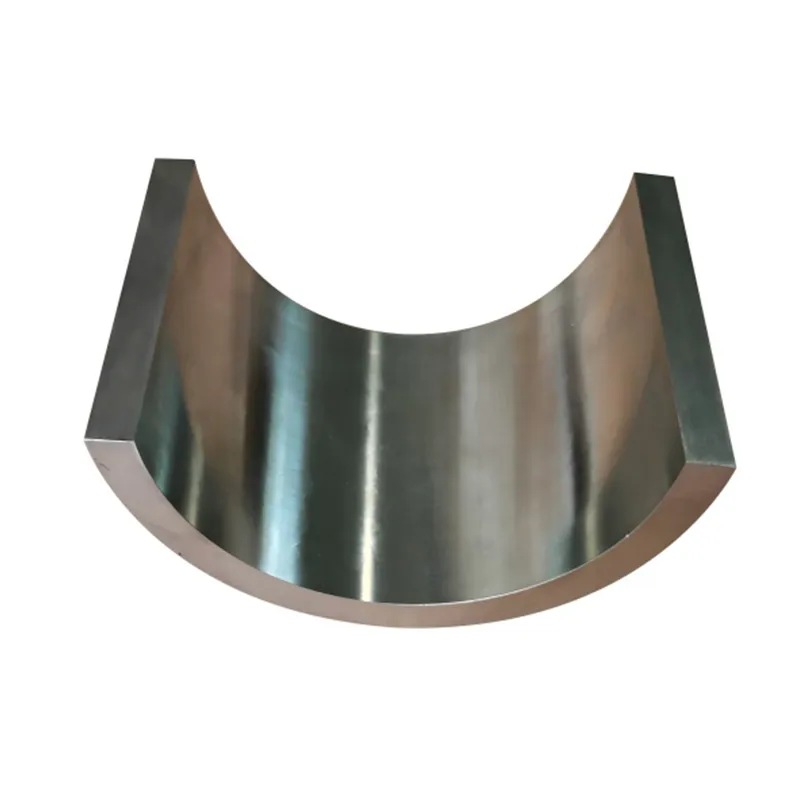
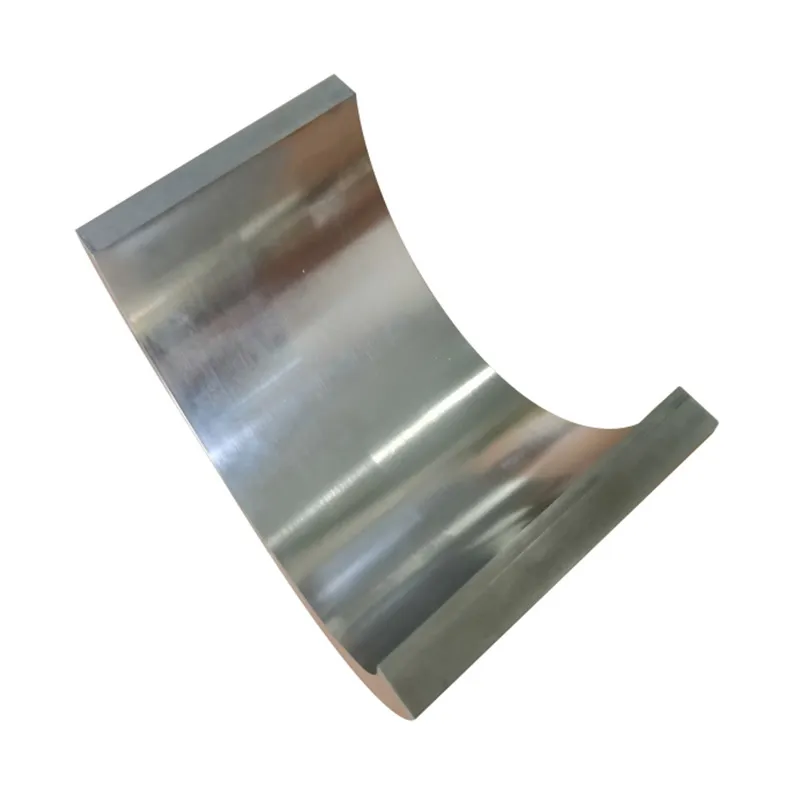
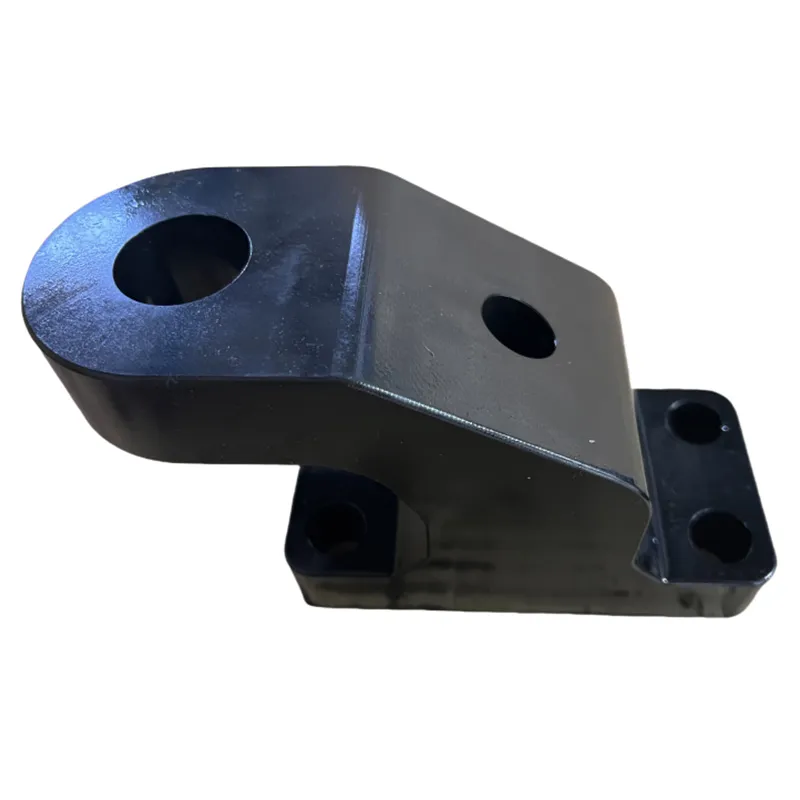
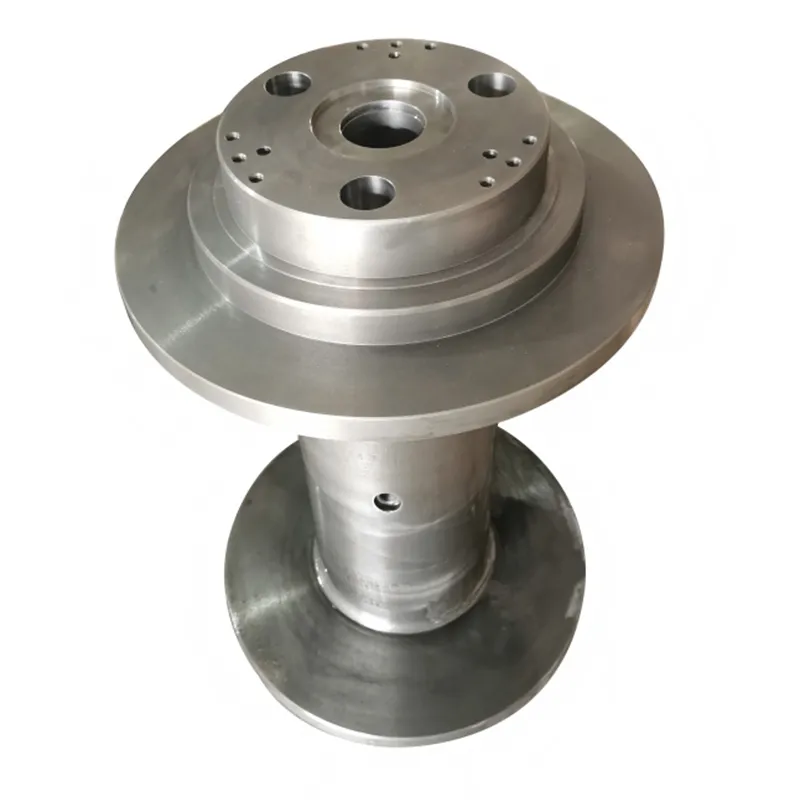
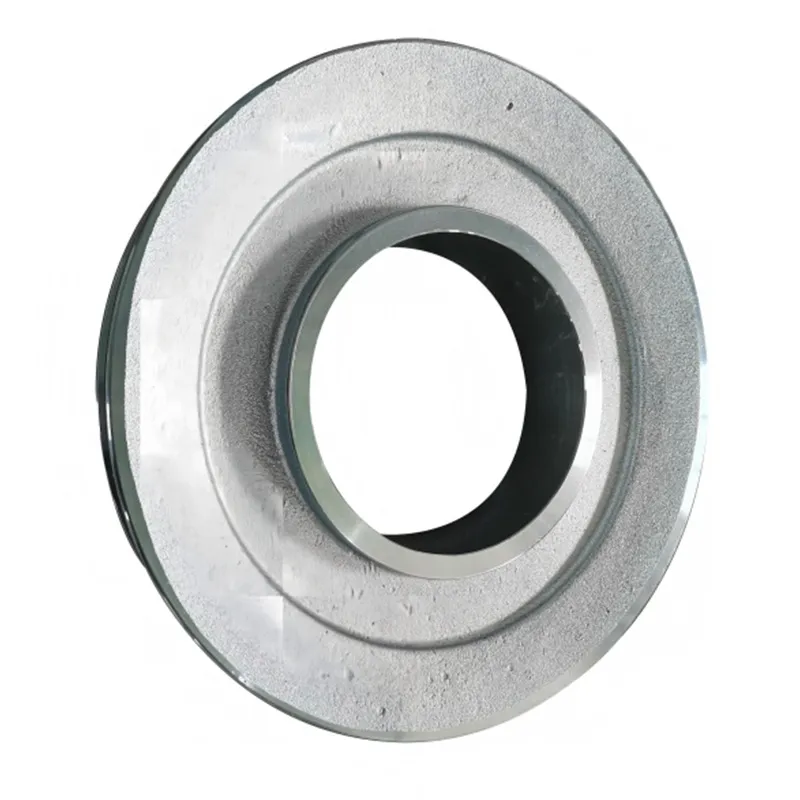
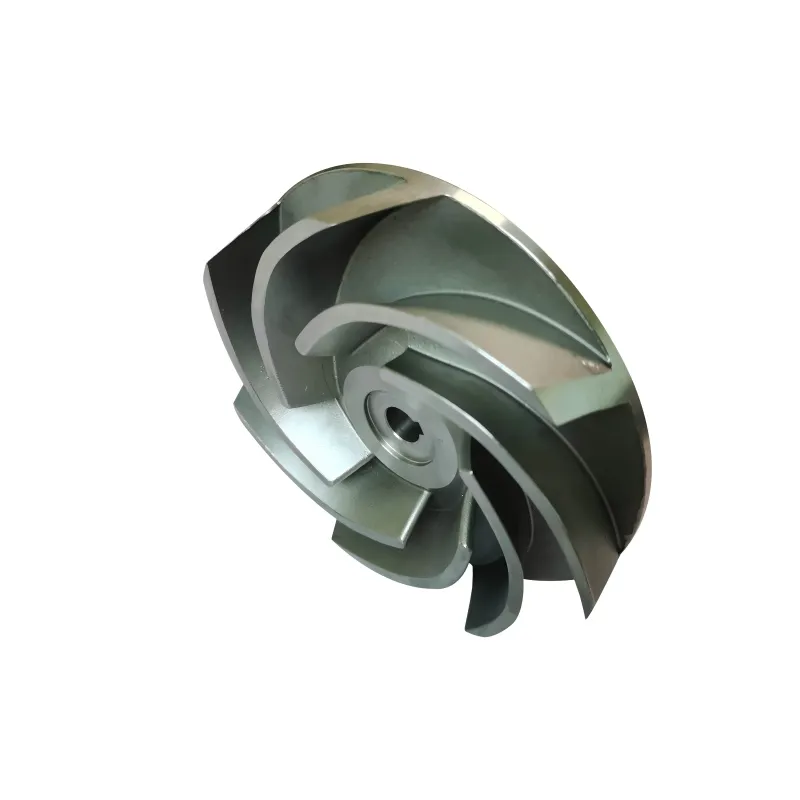
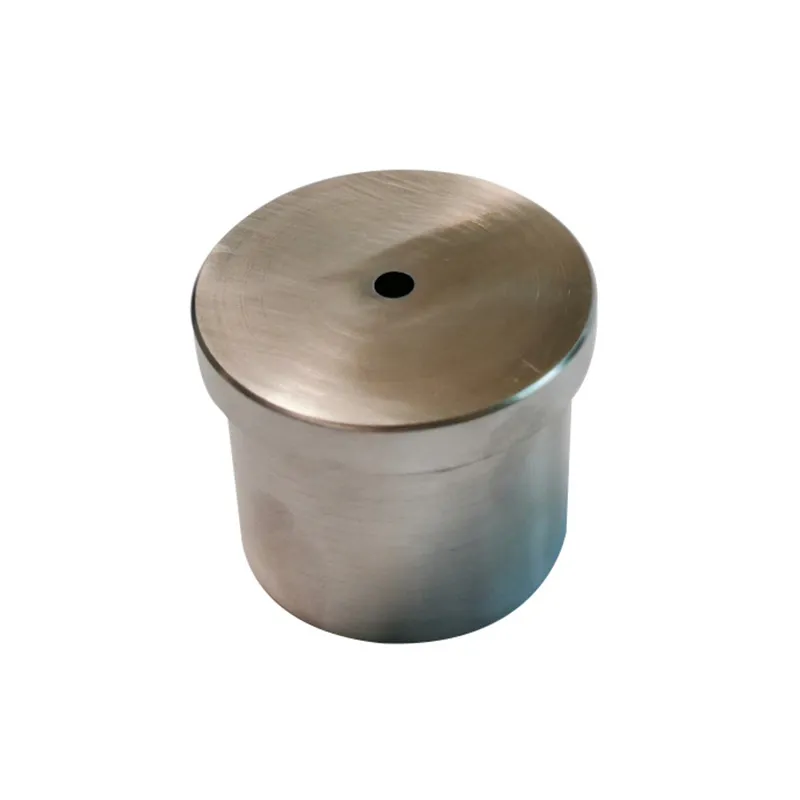
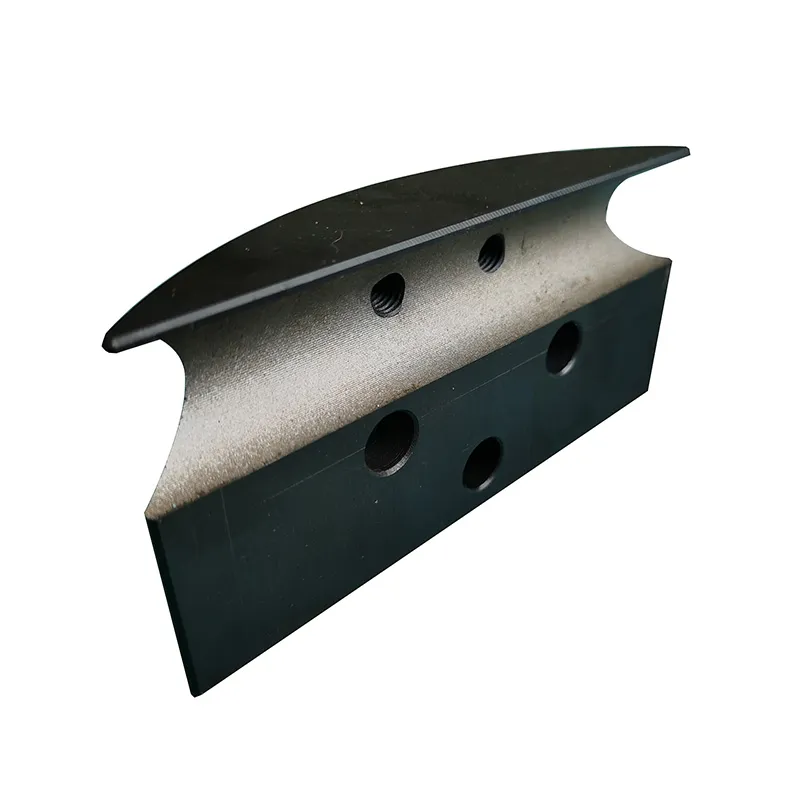
The main function of cobalt alloy bushings and inserts is to replace conventional bearings and support mechanical rotation. In many equipment environments, such as petrochemicals, food and pharmaceuticals, pickling equipment, and hot-dip galvanizing production lines, corrosive environments exist, and conventional bearings cannot withstand such working conditions. Stellite materials, with their high temperature resistance, corrosion resistance, and impact resistance, are perfectly suited for these environments. Therefore, Stellite bushings and inserts can perfectly replace conventional bearings.
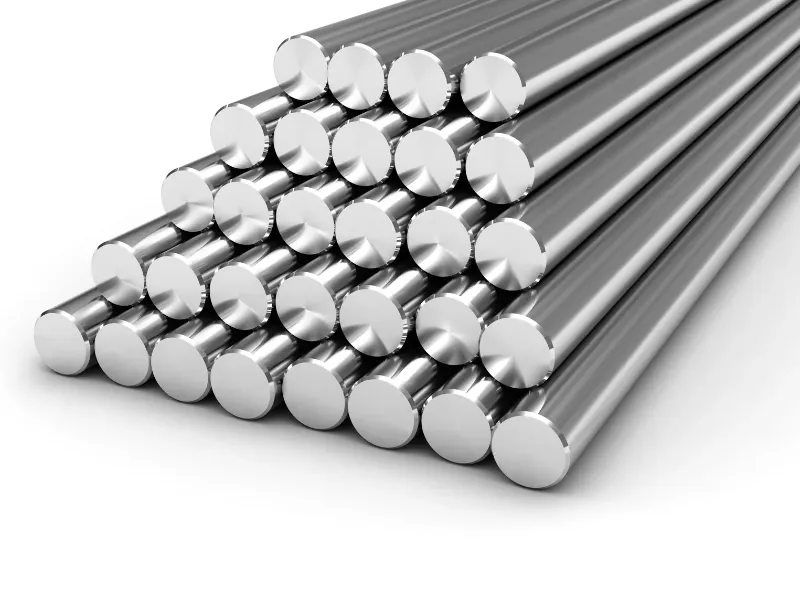
“AMS 5387 Cobalt alloy” is a class of cobalt-chromium-tungsten (molybdenum) high-temperature wear-resistant alloys. These materials exhibit excellent and stable mechanical properties under extreme working conditions where high temperature, wear, and corrosion coexist. The bushings we process use alloy 6 material. This material is the most commonly used cobalt alloy material and has extremely excellent high-temperature resistance, corrosion resistance, and wear resistance.
Due to the excellent properties of its material, cobalt alloy 6 bushings have many advantages in many aspects of mechanical performance:
1.Excellent wear resistance and anti-seizing: High hardness and low friction coefficient.
2.Excellent high-temperature performance: Good hardness retention at high temperatures, and wear resistance far exceeding tool steel.
3.Good corrosion resistance: Resistant to corrosion from various media, including seawater and non-oxidizing acids.
4.Excellent impact resistance: The cobalt matrix provides good toughness and can withstand thermal shock.
Material Composition and Mechanical Performance Parameters:
1.Cobalt alloy 6 Composition Table
| Chemical Composition |
| Elements |
C |
Mn |
Si |
Cr |
Ni |
Mo |
| Percentage(%) |
0.9-1.4 |
≤ 1.0 |
≤ 1.5 |
27.0-31.0 |
≤ 3.0 |
≤ 1.5 |
| Elements |
W |
Fe |
P |
S |
Co |
|
| Percentage(%) |
3.5-5.5 |
≤ 3.0 |
≤ 0.04 |
≤ 0.04 |
Bal. |
|
2.Mechanical Properties:
(1).Tensile Strength (T.S): 793-896 MPa
(2).Yield Strength (Y.S): 541-662 MPa
(3).Elongation (E.L): ≤ 2%
(4).Hardness: HRC 37-45
Manufacturing Process:
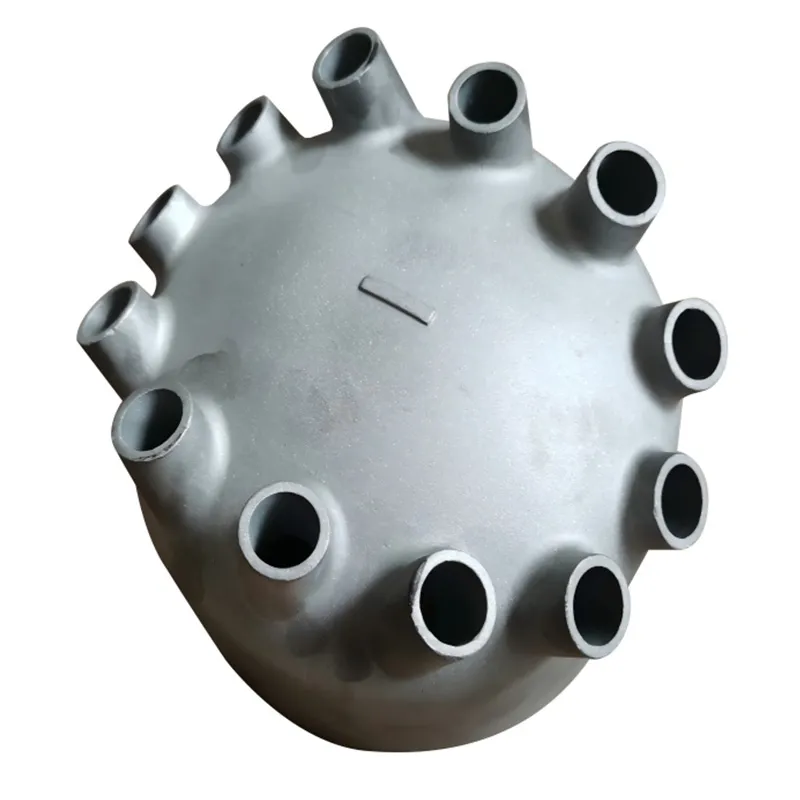
The parts are manufactured using the investment casting process, which is the most commonly used precision casting process. Because cobalt-based alloy raw materials are expensive, investment casting significantly reduces material waste by improving casting accuracy. Through extensive testing and continuous research and development, we have mastered mature special alloy casting and precision machining processes. After casting, the parts undergo precision machining to meet the accuracy requirements of the assembly surfaces. After all casting and machining processes are completed, we conduct dimensional inspections to ensure all dimensions are within specifications.
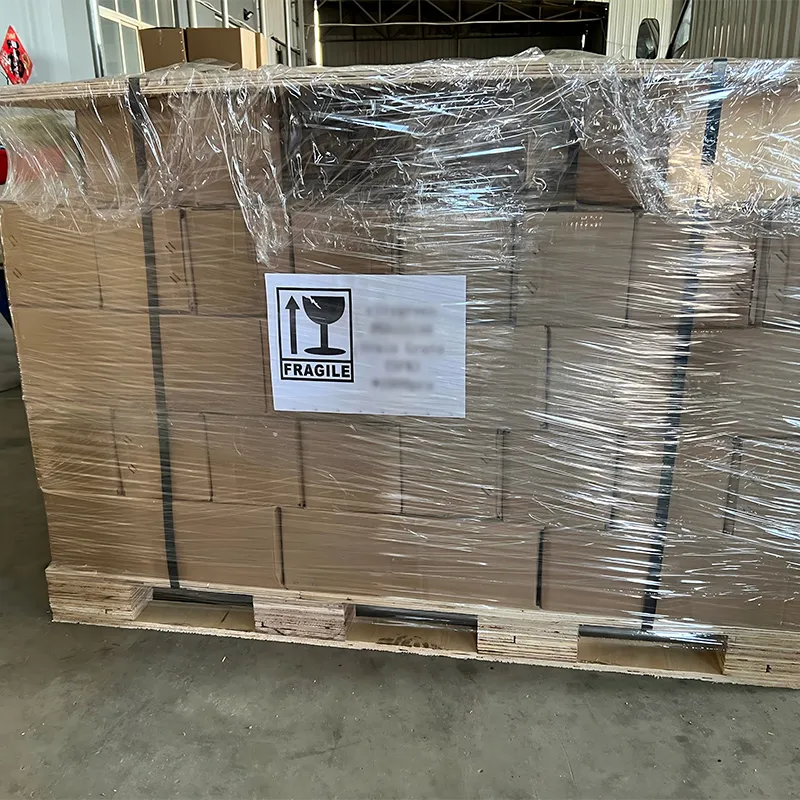
After all inspections are passed, we will package and ship the products. We maintain order tracking and customer follow-up, providing the most professional after-sales service and constantly paying attention to customer suggestions and new needs.