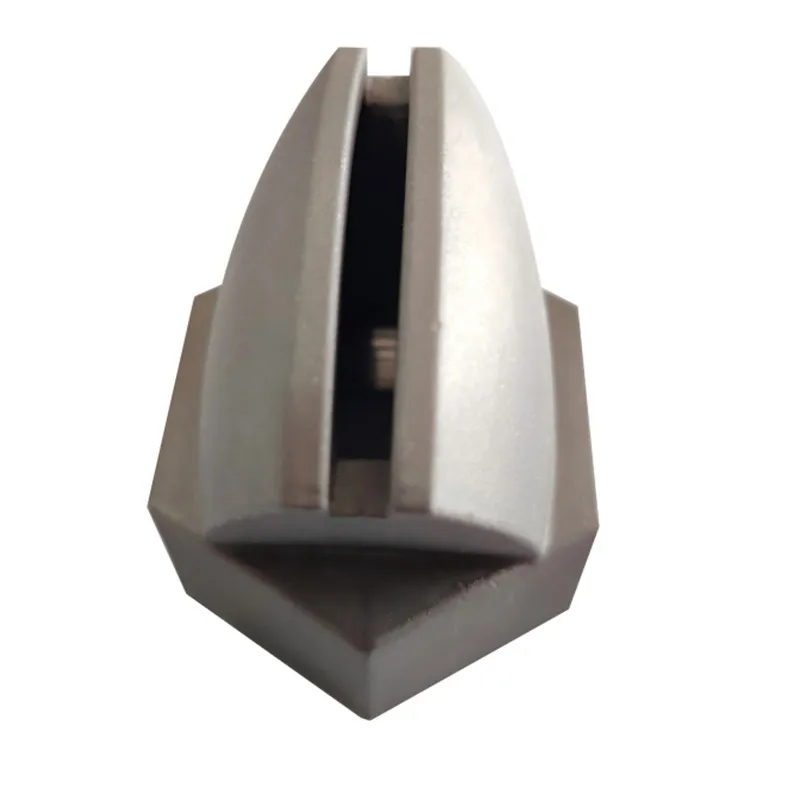
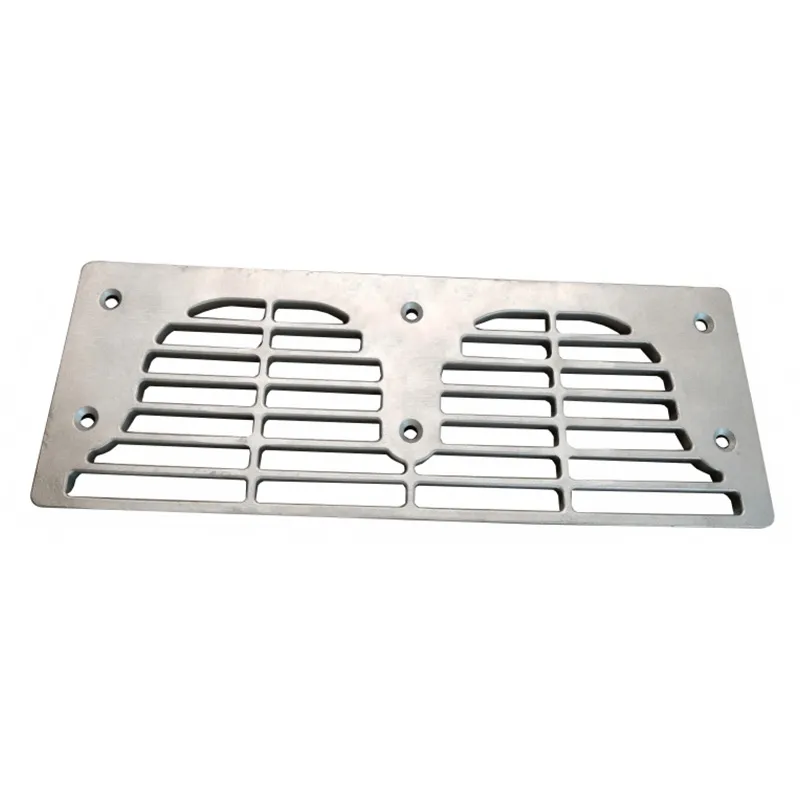
When you hear 'cobalt alloy', the immediate association is often extreme hardness and high-temperature performance. That's not wrong, but it's a starting point that glosses over the real, gritty challenges of working with it. The industry sometimes treats it as a magic bullet, a drop-in solution for wear or heat. In my experience, that mindset leads straight to expensive failures. The truth is, its behavior is deeply tied to its specific composition and, critically, the processes used to shape it. It's not just a material; it's a relationship between chemistry and craftsmanship.
The Foundry Floor Reality
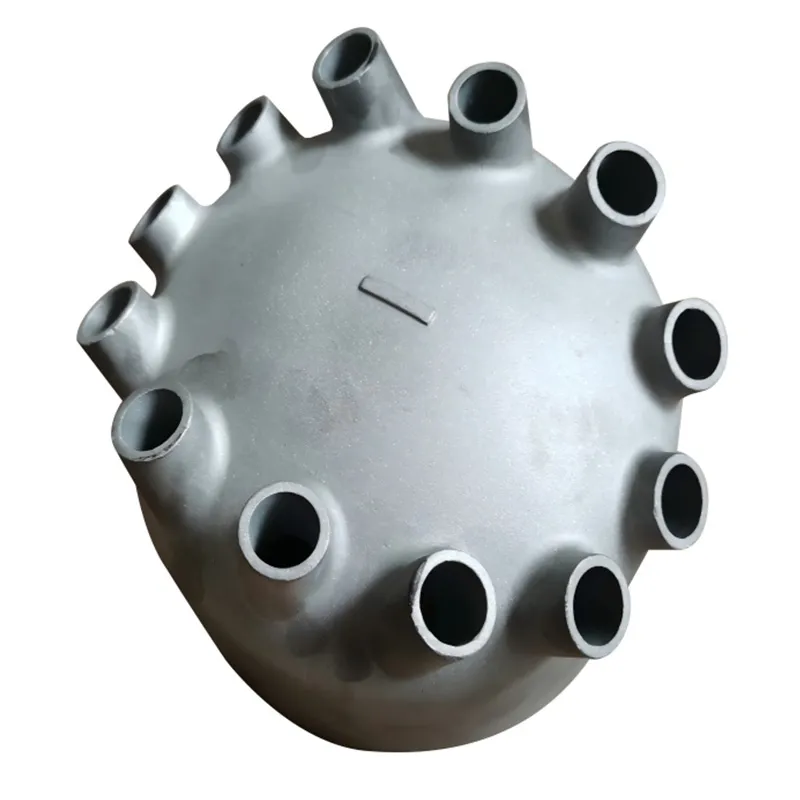
Let's talk casting. With cobalt alloy, especially the grades high in chromium and tungsten like Stellite 6 or 21, the pouring temperature is a dance on a knife's edge. Too cool, and you get cold shuts and incomplete filling in thin sections. Too hot, and you risk excessive grain growth and carbide segregation, which utterly destroys the wear properties you're paying for. I've seen parts come out of the mold looking perfect, only to fail prematurely in service because the melt practice was off by a few degrees or the cooling rate wasn't controlled. It's a material that punishes estimation.
This is where a foundry's pedigree matters. A shop that's only ever poured cast iron will struggle. You need controlled atmosphere melting, often argon or vacuum, to prevent oxidation of reactive elements like chromium. I recall a project years ago where we sourced some cast cobalt alloy turbine seals from a generalist foundry. The dimensional specs were met, but in testing, they showed catastrophic oxidation at temperature. The culprit? Traces of oxygen pickup during pouring that created brittle oxides at the grain boundaries. The part was technically cast, but functionally useless.
This aligns with what you see from specialists who have lived with these materials. Take Qingdao Qiangsenyuan Technology Co., Ltd. (QSY). Their three-decade focus on shell and investment casting for special alloys isn't just a marketing line. For a cobalt-based alloy, the shell mold system (often a zirconia-based ceramic) and the precise de-waxing and firing cycles are part of the material's final microstructure. Getting that right consistently is the difference between a component and a paperweight. Their website, https://www.tsingtaocnc.com, details their work with these alloys, and it's the accumulation of such process-specific knowledge that defines capability, not just a list of material names.
Machining: Where Theory Meets the Tool
If casting is a delicate birth, machining is a controlled battle. The work-hardening tendency of many cobalt alloys is legendary. You cannot approach it like machining steel. A slightly dull tool, an incorrect feed rate, and you've instantly hardened the surface layer, making the next pass impossible and likely chipping your carbide insert. The swarf should come off as a hot, glowing, continuous chip. If you're getting dust or segmented chips, you're already losing.
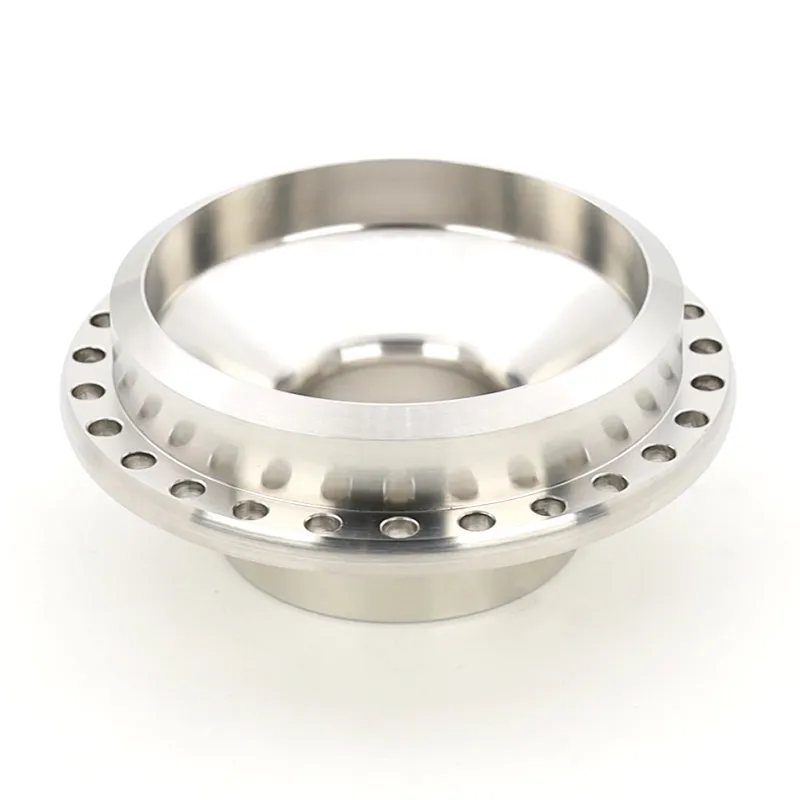
The setup is everything. Rigidity is non-negotiable. Any chatter or deflection will cause instant tool failure. We learned this the hard way trying to mill a complex profile on a Stellite seat. We used a standard CNC program for steel, just reducing speeds and feeds. It was a disaster. The tool lasted minutes, and the surface finish was torn. The solution wasn't just slower speeds; it was a complete re-think: specialized geometries (positive rake, sharp edges), high-pressure coolant directed exactly at the cutting edge to manage heat and break chips, and trochoidal milling paths to keep engagement constant. It's a subtractive process that demands additive knowledge.
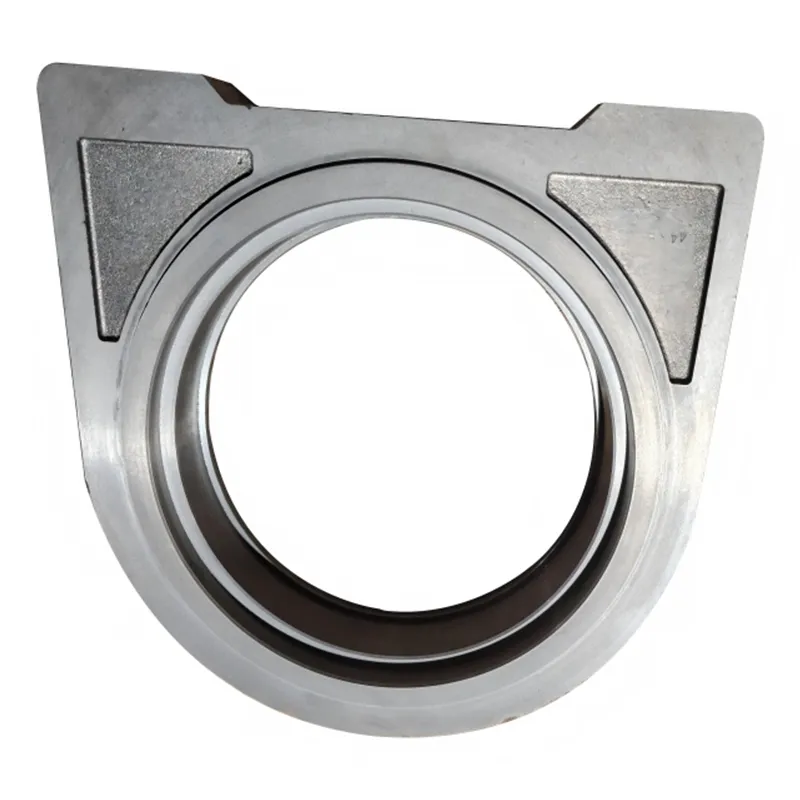
This is the value of integrated shops. A facility that offers both casting and CNC machining under one roof, like QSY, has a tangible advantage for cobalt alloy parts. The machinists there aren't seeing a mysterious, ultra-hard blank arrive at their door. They're often involved from the pattern stage, understanding the part's residual stresses from casting, the expected hardness zones, and the likely inclusions. This continuity allows for process optimization that is impossible when casting and machining are siloed. The feedback loop is direct: a machinist finds an area of unexpected hardness and can walk back to the foundry to discuss the pour or heat treatment for that batch.
The Alloy Choice Trap
Not all cobalt alloys are created equal, and the application dictates the grade in ways that aren't always obvious. Stellite 6 is the workhorse for general wear resistance. Stellite 12 offers higher carbide content for more abrasive wear. But then you have grades like Haynes 25 (L-605) or 188, which are designed more for high-temperature strength and oxidation resistance in aerospace, with different machining and welding characteristics. Specifying the wrong one is a costly error.
I remember a case where a client insisted on using Stellite 6 for a high-temperature exhaust valve seat because they had a stock of it. It performed poorly, suffering from oxidative wear and slight deformation. The issue wasn't the material's quality; it was simply the wrong alloy family for that specific combination of heat and atmosphere. We switched to a nickel-based alloy with an aluminum oxide-forming element, which solved the problem. The lesson? Cobalt-based alloys are not a monolithic solution for hot and hard. Their matrix (whether cobalt-rich or more complex) and carbide structure define their niche.
This is where a supplier's material range becomes critical. A company that lists cobalt-based alloys, nickel-based alloys, etc. is signaling an understanding that the material selection is a foundational engineering decision. They're not just pushing what they have; they're equipped to have the conversation about whether a cobalt alloy is even the right answer, or if a different superalloy would perform better. That consultative approach is born from seeing both successes and failures across applications.
Welding and Repair: The Art of the Possible
Repairing or building up worn cobalt alloy components via welding is its own specialized world. It's often the most cost-effective way to extend the life of a large, expensive part like a turbine blade or a extrusion screw. But it's fraught with pitfalls. The primary enemy is cracking, either hot cracking during solidification or stress cracking from the intense localized heat input.
The standard practice is to use matching composition filler metal, but even then, pre-heat and interpass temperature control are absolutely vital. You're essentially creating a small, controlled casting pool. Too fast, and you lock in stresses. Too slow, and the heat-affected zone becomes too large, potentially altering the base metal's properties. I've spent hours on a repair weld for a large forging die, only to hear the dreaded ping of a crack forming as it cooled, simply because we skipped the slow, controlled post-heat treatment in an insulating blanket.
Successful repair often comes down to tribal knowledge. The best welders develop a feel for the puddle's fluidity and color. This isn't something you get from a datasheet. It's why long-standing operations build such institutional knowledge. When a company like QSY mentions 30 years in casting and machining, that timeline implies they've also seen and likely performed their share of repair and reclamation work on these tricky materials, accumulating the nuanced, unwritten rules that govern success.
Looking at the Grain Structure
Ultimately, trusting a cobalt alloy component means trusting its microstructure. A certificate of conformance for chemistry is just the first page of the story. The real narrative is written in the grain size, the distribution and morphology of the carbides, and the absence of defects. You need to look at it. A macro-etch can reveal pouring issues, shrinkage, or cold shuts. Microscopy at 100x or 500x tells you if the hard, wear-resistant carbides are evenly dispersed or clustered in brittle networks.
This is the final, non-negotiable quality check. We've rejected batches that passed all dimensional and chemical checks because the metallography showed severe dendritic segregation. The part would have worn unevenly and failed quickly. This level of scrutiny is part of the package when you work with serious suppliers. It's the difference between buying a material and buying a performance guarantee. The density, the soundness, the microstructure—these are the tangible outputs of all that process control talked about earlier.
So, when evaluating a source, look for evidence of this holistic control. Can they provide not just a casting, but the story behind it? Can they discuss heat treatment curves, cooling rates, and microstructural targets? The ability to do so, born from decades of focus as seen with entities like Qingdao Qiangsenyuan Technology, is what separates a parts vendor from a true manufacturing partner for demanding cobalt alloy applications. The material is only as good as the process that shapes it, from liquid to finished part.