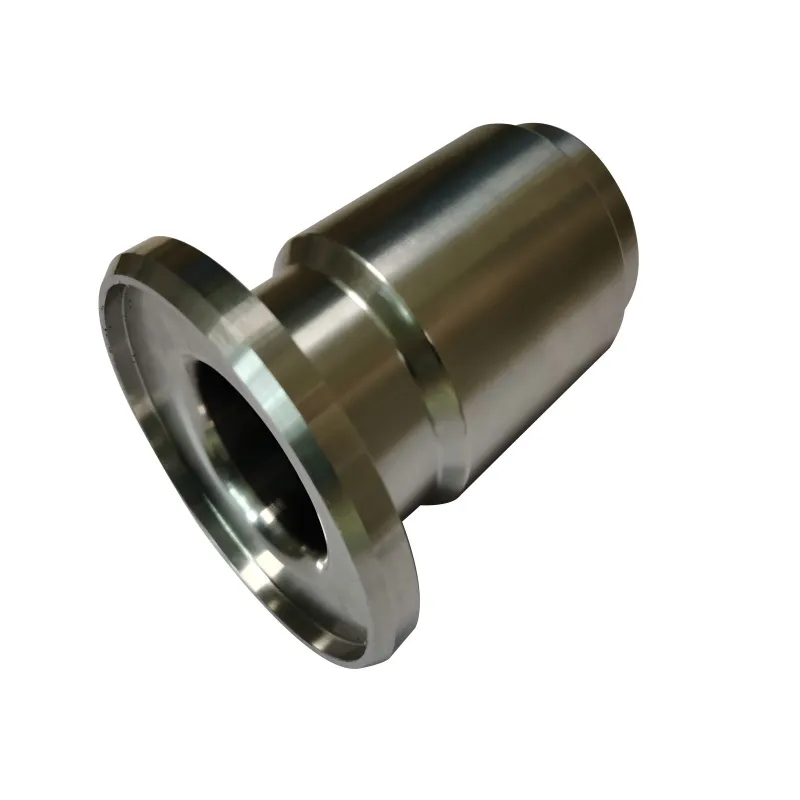
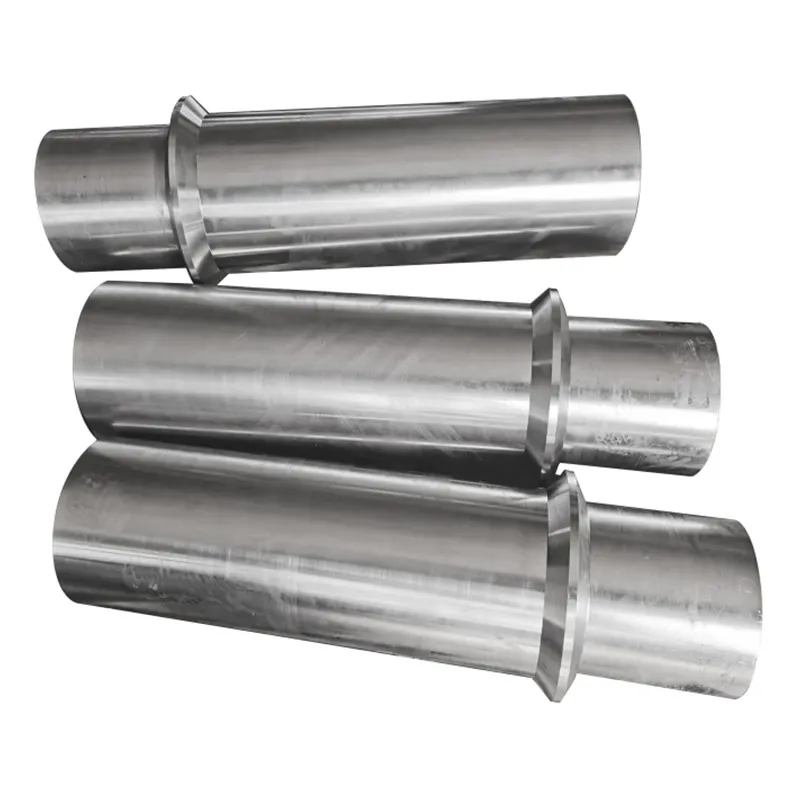
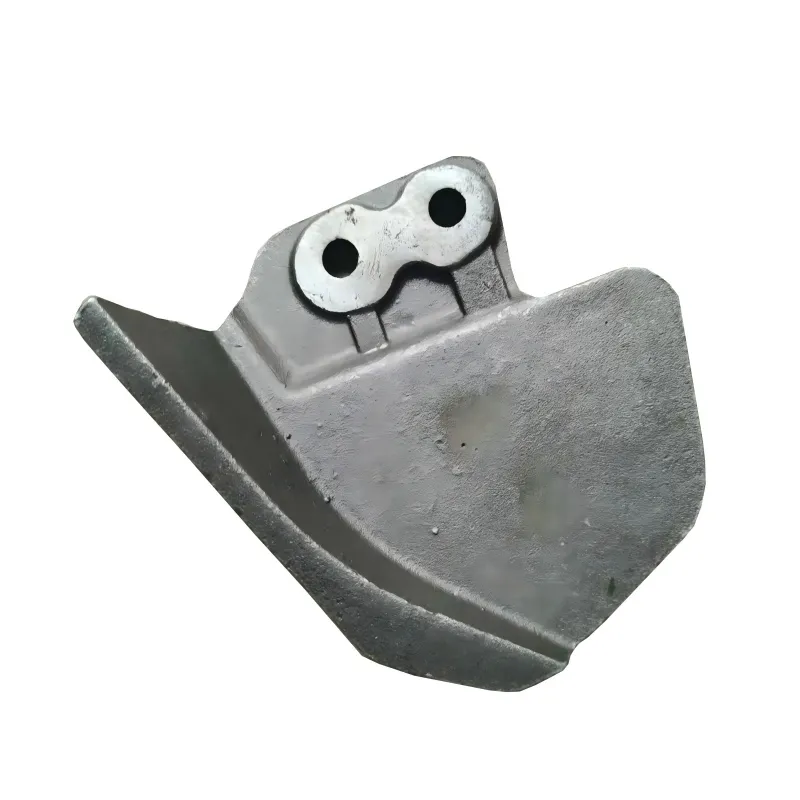
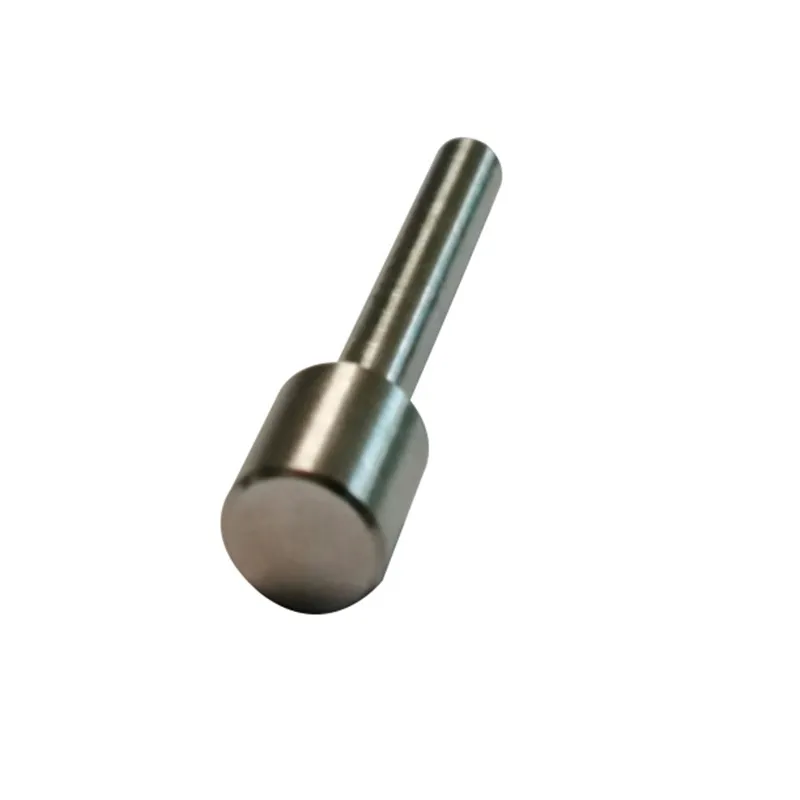
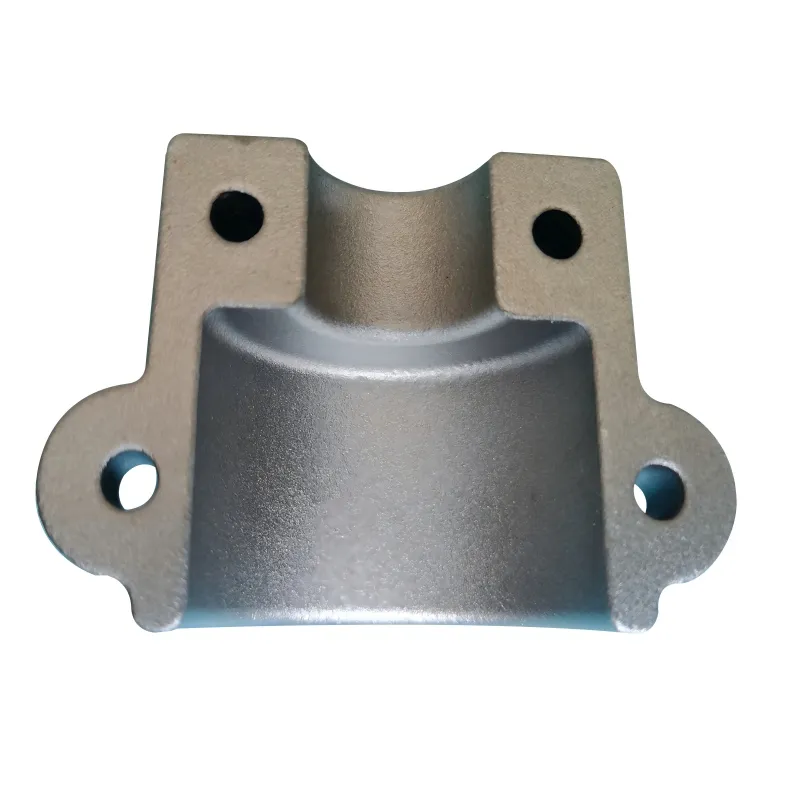
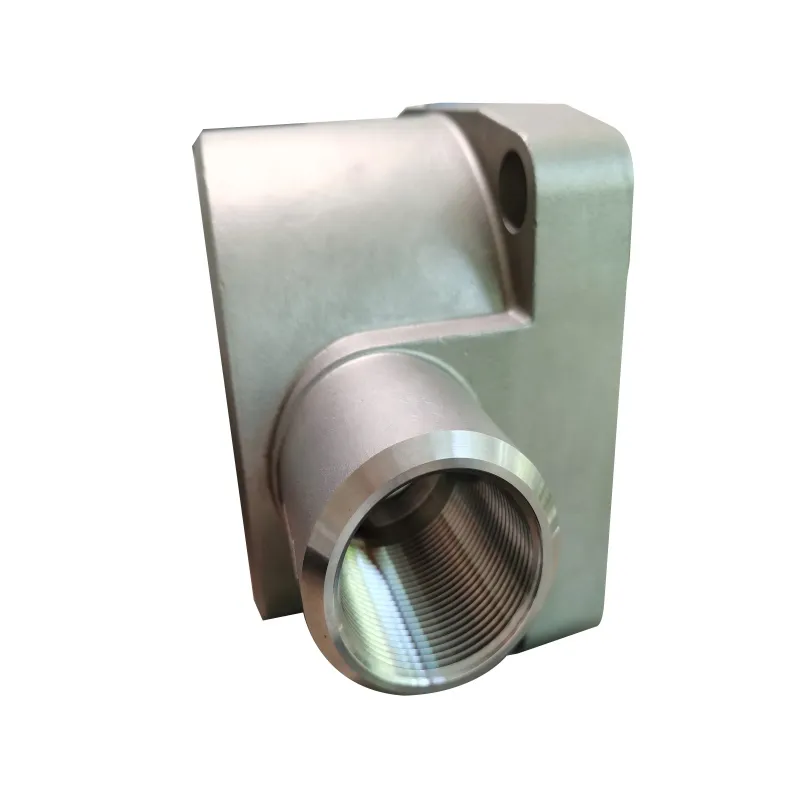
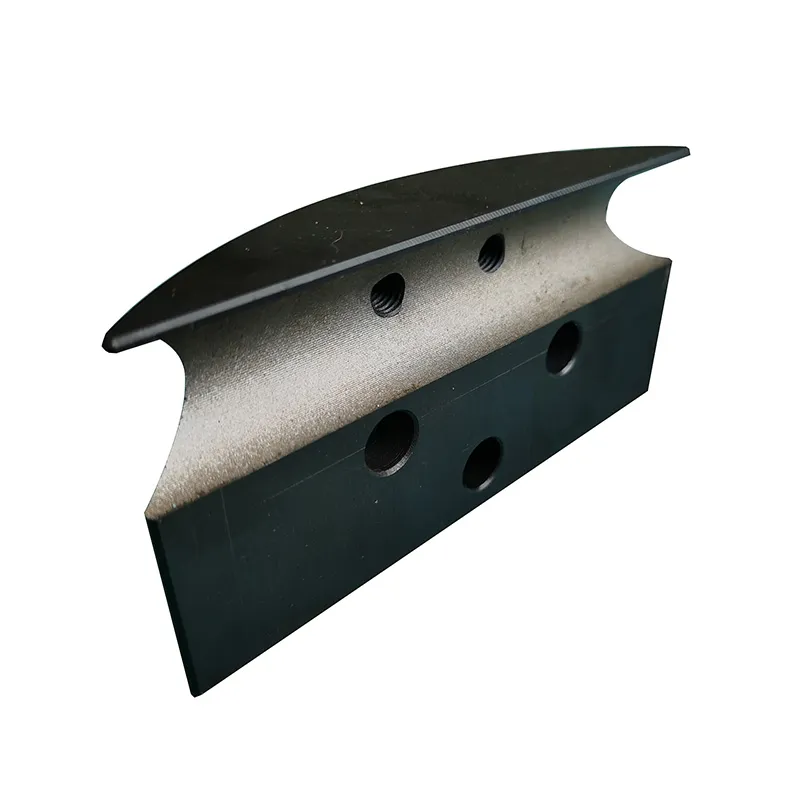
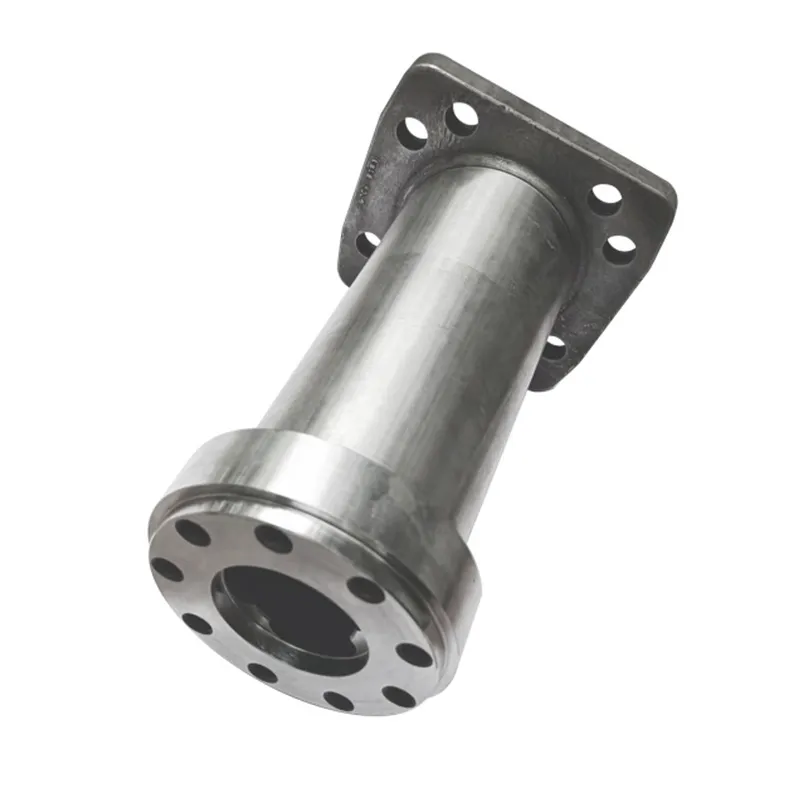
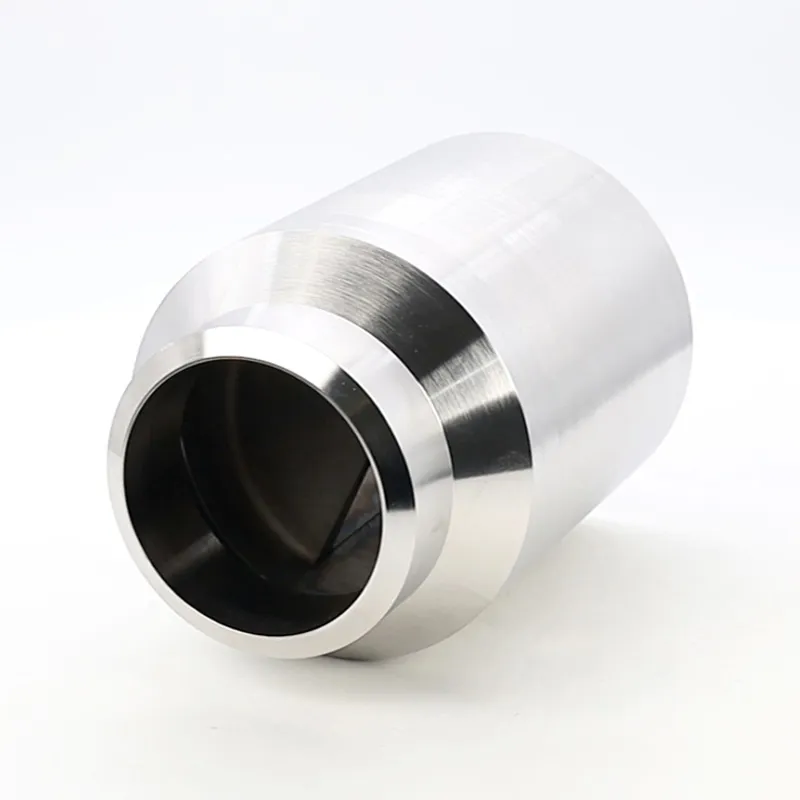
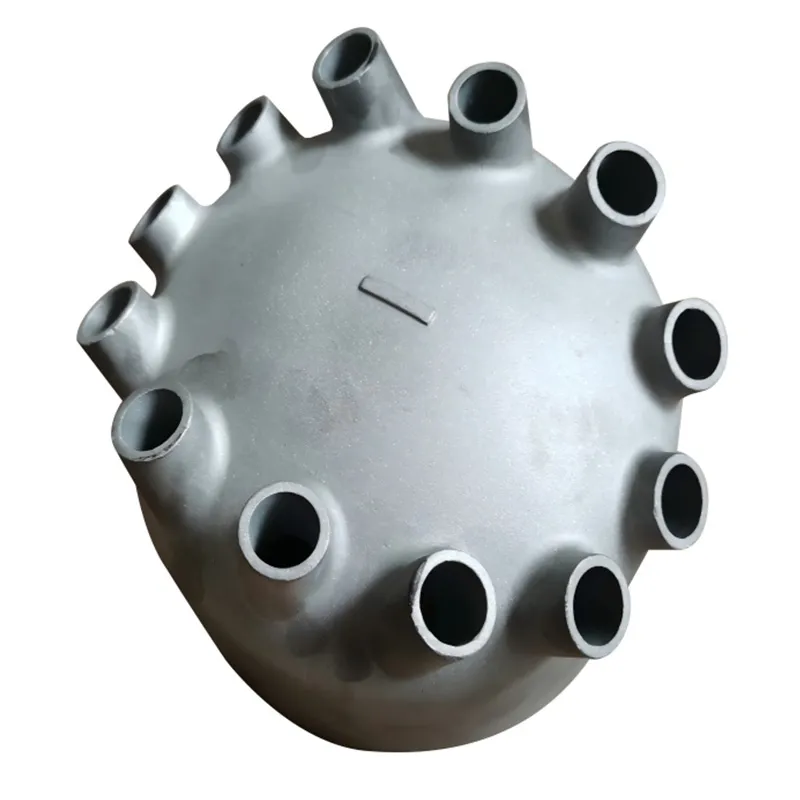
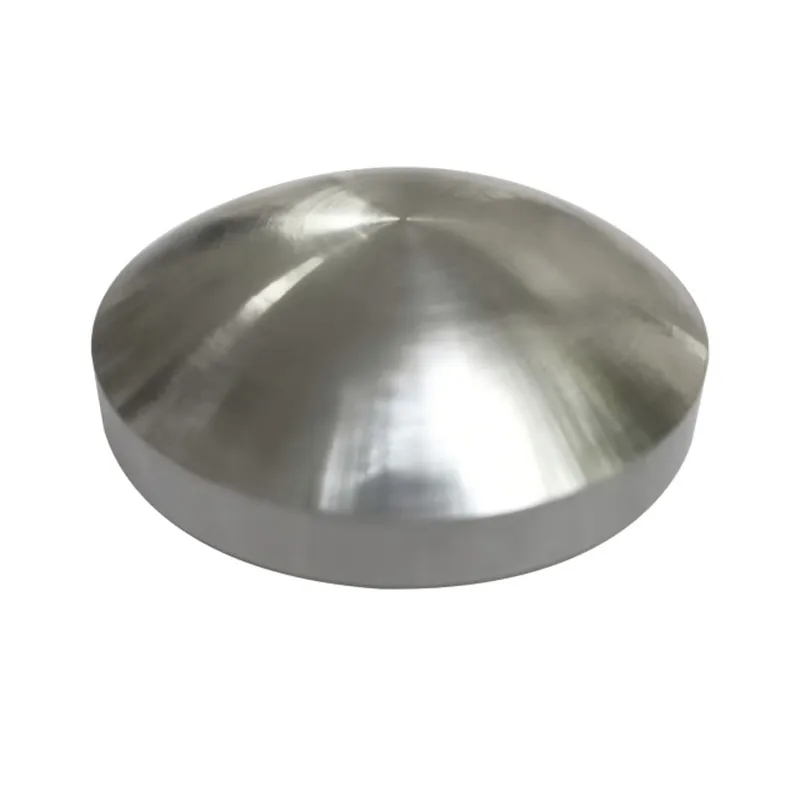
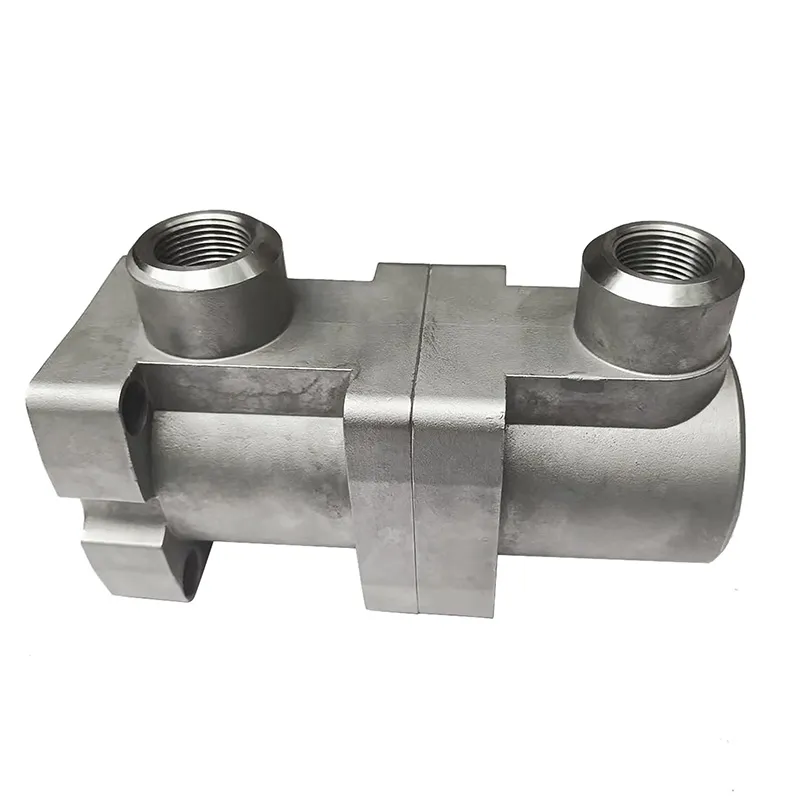
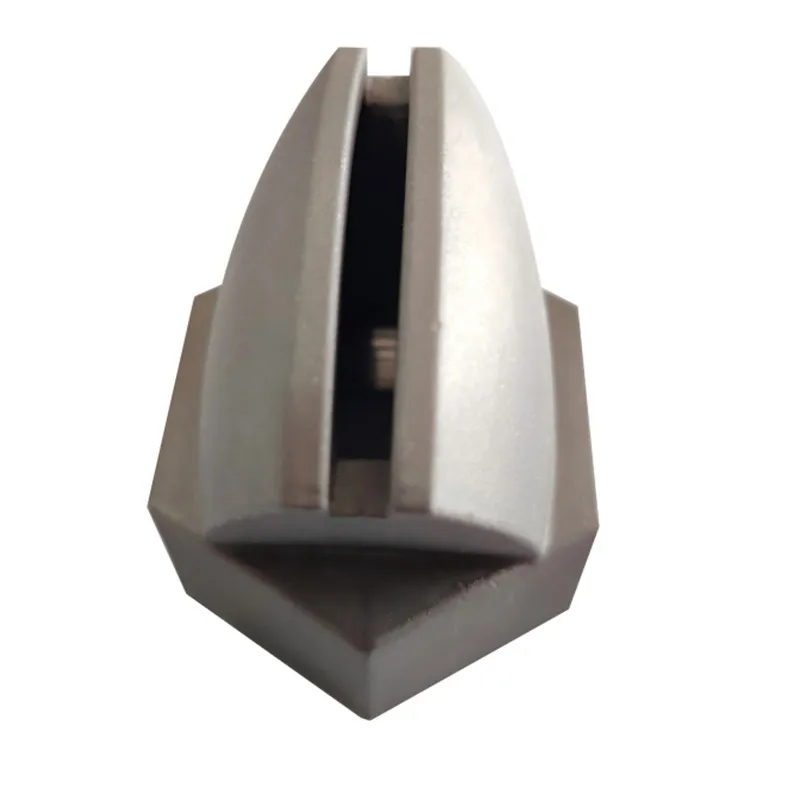
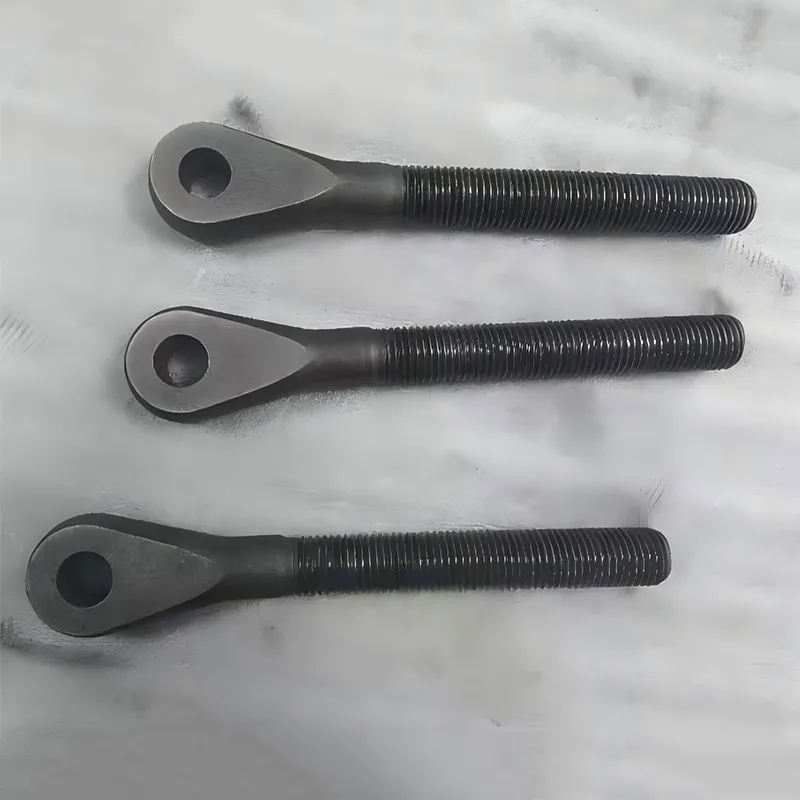
You see 'cobalt alloy machining parts' on a drawing or an RFQ, and the first thought isn't always about the material's excellent wear and corrosion resistance. Often, it's a quiet groan about the upcoming battle with tool life, workholding, and thermal management. There's a common misconception that throwing a high-end CNC at any superalloy will yield perfect parts. That's where the real work, and the costly mistakes, begin. I've seen shops quote these jobs based solely on the raw material cost per kilo, completely overlooking the exponential wear on their tooling and the sheer time needed for a reliable process. It's not just hard metal; it's a different beast altogether.
The Core Challenge: It's Not Just Hardness
The primary issue with cobalt alloys, say something like Stellite 6 or Haynes 25, isn't merely their Rockwell C hardness. It's their work-hardening tendency and low thermal conductivity. You take a cut, the area right under the cutting edge immediately hardens, and all the heat from the cut stays in the tool tip, not the chip. This combination is a perfect recipe for rapid crater wear and notch wear at the depth of cut line. You can't just run it like tool steel. A common early mistake is using a grade meant for stainless. It might work for a few passes, but then you're changing inserts every other part, killing your margin.
Tool geometry becomes non-negotiable. You need a very positive rake to reduce cutting forces and a sharp, honed edge to slice rather than push the material. But that sharp edge is fragile, so the substrate and coating have to be top-tier. We settled on fine-grain carbide with a tough PVD AlTiN coating after burning through several other types. The coolant? It has to be high-pressure, through-tool, and aimed perfectly. Not for lubrication so much, but to forcibly evacuate the chip and try to pull heat away from the interface. Even then, you're managing heat, not eliminating it.
I recall a batch of valve seats for a severe-service application. The print called for a mirror-like finish on the sealing surface. We got the dimensions perfect, but the finish was inconsistent, showing tiny tears. The problem was tool deflection and a slight built-up edge forming, which then broke off and scored the surface. The solution wasn't a faster feed; it was slowing down, reducing the radial depth of cut, and using a brand-new, dedicated toolpath that maintained constant tool engagement. It added 15% to the cycle time, but it was the only way to get the part off the machine ready for use, not for a secondary polishing operation.
Process Anchors: From Fixturing to Finishing
Fixturing is another silent killer. Cobalt alloys spring. You think you've got it clamped solid for a heavy roughing pass, but the material's inherent stress and the cutting forces can make it move minutely, or worse, vibrate. That vibration translates directly into chatter marks and accelerated tool failure. We moved to modular, tombstone-style fixtures with custom machined soft jaws that provide maximal surface contact. The goal is to support the part as rigidly as possible, often at the expense of quick changeover. For thin-walled sections, like on some burner nozzle components, we sometimes have to rough, stress relieve, then finish. It's a two-step dance you must account for in the quote.
Drilling and threading are their own special hell. Peck drilling is a must, with a full retract to clear chips. A packed flute in cobalt alloy will snap a drill instantly. For threading, we almost exclusively use thread milling now. It's slower than tapping, but the control is absolute. You can adjust size with tool offset, the cutting forces are lower and radial, and if a thread mill insert chips, you replace one tooth, not scrap a part with a broken tap lodged in it. The cost of a thread mill is trivial compared to the cost of the near-finished part you're machining.
Finishing passes often require a different mindset. Where you might take a 0.5mm finish pass in steel, in cobalt you might need to take two lighter passes of 0.25mm to avoid re-hardening the surface from excessive pressure. Surface speed and feed need to be in a very specific sweet spot. Too slow, and you're rubbing, generating heat and work-hardening the surface. Too fast, and you thermally shock the tool. This sweet spot is rarely on the recommended speed/feed chart from the tooling supplier; you find it through test cuts and listening to the machine.
A Real-World Snag: The Simple Profile
Let me give you a concrete example, a component we ran for a client in the power generation sector. It was a relatively simple-looking profile—a forged cobalt alloy ring needing an internal groove and several cross-holes. The material was a Co-Cr-W alloy. The initial plan was to turn the groove and drill the holes. The turning went okay with specialized inserts, but the drilling was a disaster. Standard HSS-co drills would barely make one hole before dulling. We switched to solid carbide drills, but the breakage rate was high due to the interrupted cut from the existing groove.
The solution was anything but elegant. We had to change the entire sequence. Machine the cross-holes first, while the part was still a solid ring, using a rigid setup and a carbide drill with a variable helix. Then, we turned the internal groove. It added a second setup, which we hadn't planned for. The lesson? With cobalt alloys, the machining sequence is as critical as the tool selection. You have to plan for rigidity at every stage, and sometimes that means doing operations in an order that seems illogical for a softer material. This is the kind of practical knowledge that separates a shop that can handle cobalt from one that truly machines it reliably.
This is where long-term experience with specific alloys pays off. A company like Qingdao Qiangsenyuan Technology Co., Ltd. (QSY), with their three decades in casting and machining special alloys, would have internal databases for this. They've likely seen enough variations of cobalt and nickel-based alloys to have established proven process templates for families of parts. Visiting their site at tsingtaocnc.com, you can see they list these materials as a core specialty. It's not just a line item; it implies a depth of accumulated trial-and-error, the kind that prevents the drilling sequence mistake I just described.
Beyond the Machine: The Full Value Chain
Success with cobalt alloy parts isn't confined to the shop floor. It starts with the blank. The consistency of the stock material—whether it's a casting, a forging, or bar stock—is paramount. Inconsistent hardness or internal voids from the casting process will turn a stable process into a nightmare. We learned to source from reputable mills and foundries that provide full material certs and who understand the machining implications of their product. A good partner will sometimes even advise on heat treatment states for machinability.
Quality control also shifts. Dimensional checks are standard, but you're also looking for surface integrity. We use dye penetrant testing as a matter of routine on critical fatigue surfaces to check for micro-cracks induced by machining. Verifying the absence of surface recast or white layer is crucial. Sometimes, a final low-stress grinding or abrasive flow machining pass is specified to ensure the surface is in the right condition for service. You're not just delivering a shape; you're delivering a metallurgically sound component.
Finally, the economics. The high cost of tooling, fixturing, and machine time (often on premium 5-axis or turning centers) means these parts are never high-volume commodities. They're low-volume, high-value components for aerospace, medical implants, or chemical processing. The relationship with the client is different. It becomes collaborative, often involving joint process development. You're selling your capability and reliability, not just a per-part price. A shop's longevity, like QSY's 30-year history, becomes a tangible asset here—it's a proxy for stability and accumulated knowledge.
The Takeaway: Respect the Material
So, what's the real summary on machining cobalt alloy parts? It demands respect. You can't bully the material. You have to understand its personality—its tendency to fight back, to harden, to cling to heat. The process is a negotiation between removing metal and preserving your tools and the part's surface integrity. Every parameter matters more.
The shops that do this well, and profitably, are the ones that have moved past the basic specs. They've invested in the right equipment, yes, but more importantly, they've invested the time to build proprietary knowledge. They know which cobalt alloy variant they're dealing with, they have a library of proven toolpaths and sequences, and they control every variable from raw material to final inspection.
It's a niche, but a critical one. When you need a component that can withstand extreme wear, temperature, and corrosion, cobalt alloys are often the only answer. And getting that part from a print to a functioning piece of equipment requires a machinist who thinks like a metallurgist and an engineer, all while listening to the faint sounds coming from the spindle. It's never just a simple machining job.