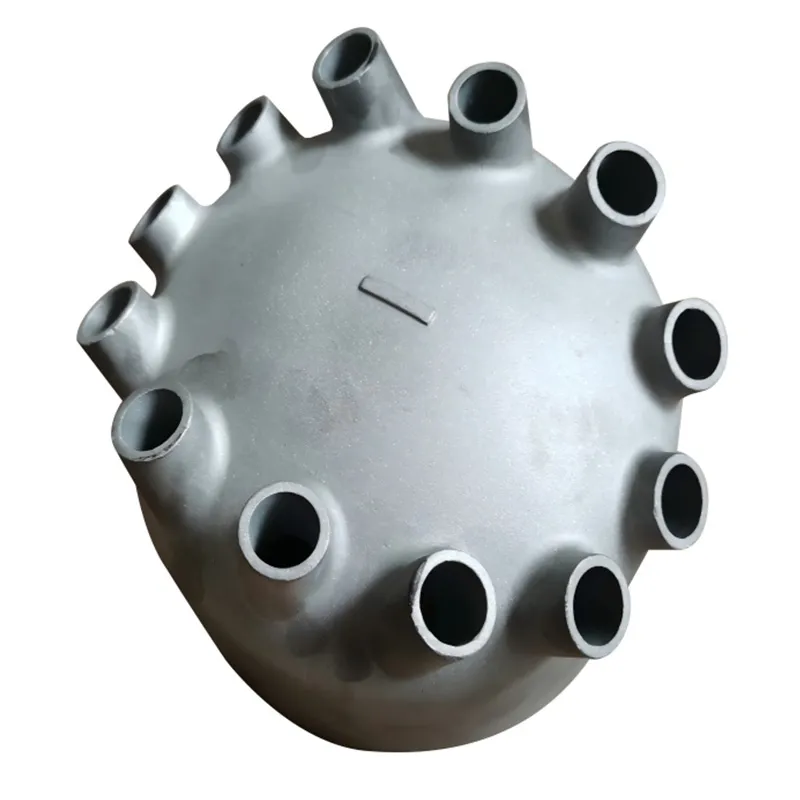
When you hear 'cobalt-based alloy,' the immediate association is extreme environments—jet engine blades, turbine seals, high-temperature valves. That's not wrong, but it's a limited view. In my years dealing with these materials for industrial components, I've seen the fixation on temperature specs lead to some poor design choices. The real challenge isn't just that they can take the heat; it's making them work reliably in a system with other, less exotic materials, dealing with thermal cycling, galling, and the sheer cost of getting the geometry right. It's a material that punishes assumptions.
The Alloy Isn't the Starting Point; The Failure Is
You don't just decide to use a cobalt-based alloy. You're usually forced into it. A common entry point is a recurring failure in a mechanical part made from a hardened steel or even a nickel alloy. I recall a client with a continuous caster line—their guide rolls, made from a high-grade tool steel, were wearing out in weeks. The issue wasn't just abrasion; it was a combination of moderate heat (around 600-700°C), oxidation, and cyclic stress causing micro-cracking. Switching to a generic cobalt alloy from a catalog didn't solve it. The first prototype, using Co-6 (Stellite 6), showed better wear but cracked under thermal shock. We had to step back.
The lesson was that cobalt-based is a vast family. For that roll, we needed a balance. We moved to an alloy with higher carbon and tungsten content for abrasion resistance, but also a tweaked chromium and molybdenum ratio for better thermal fatigue life. It's this balancing act that defines the job. The data sheets give you baseline properties, but the interaction in service is what matters. You're not just buying a material; you're engineering a performance window.
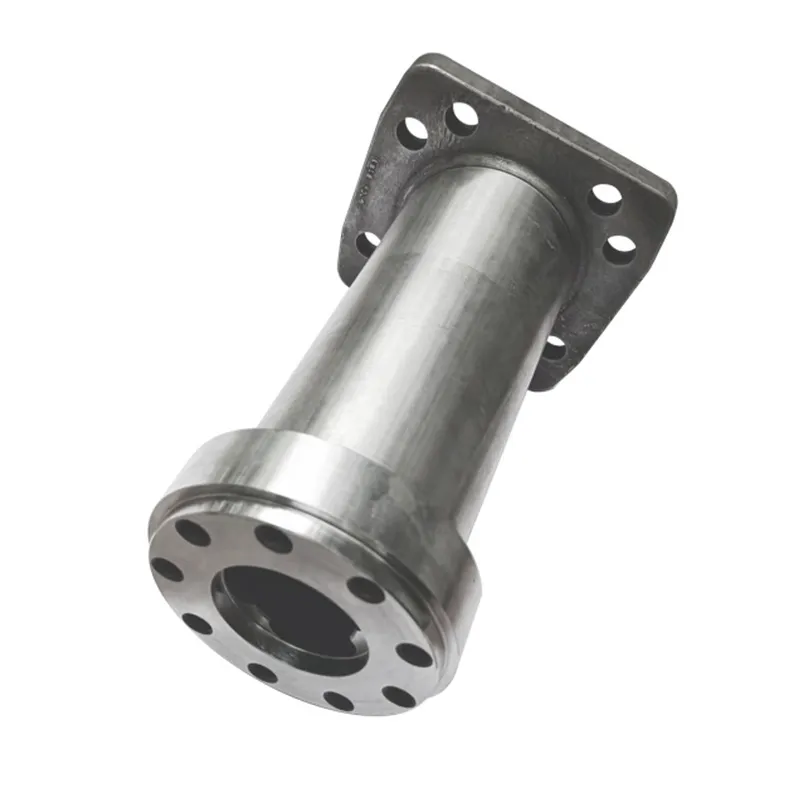
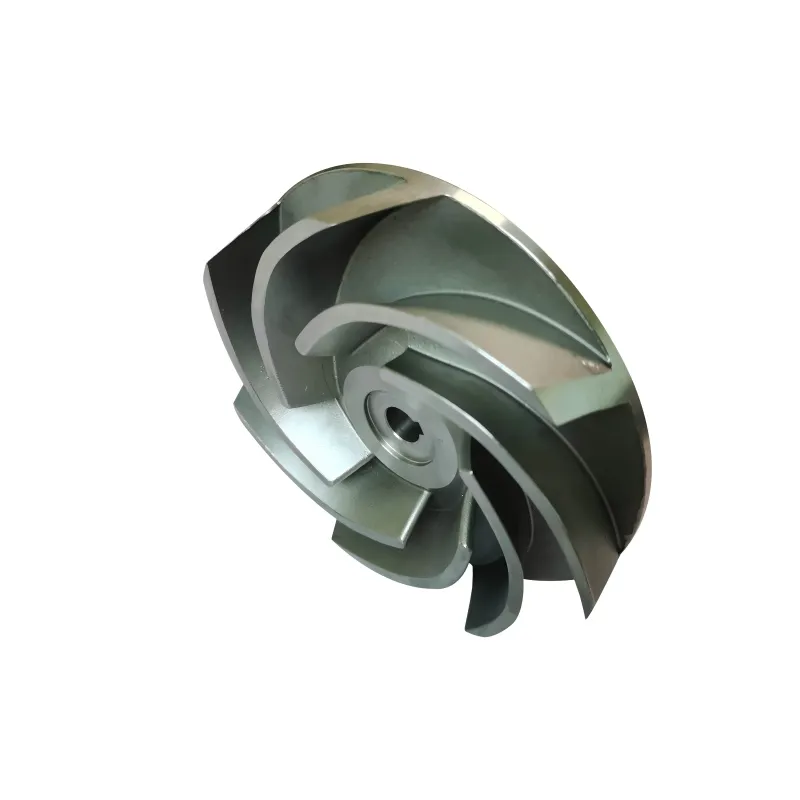
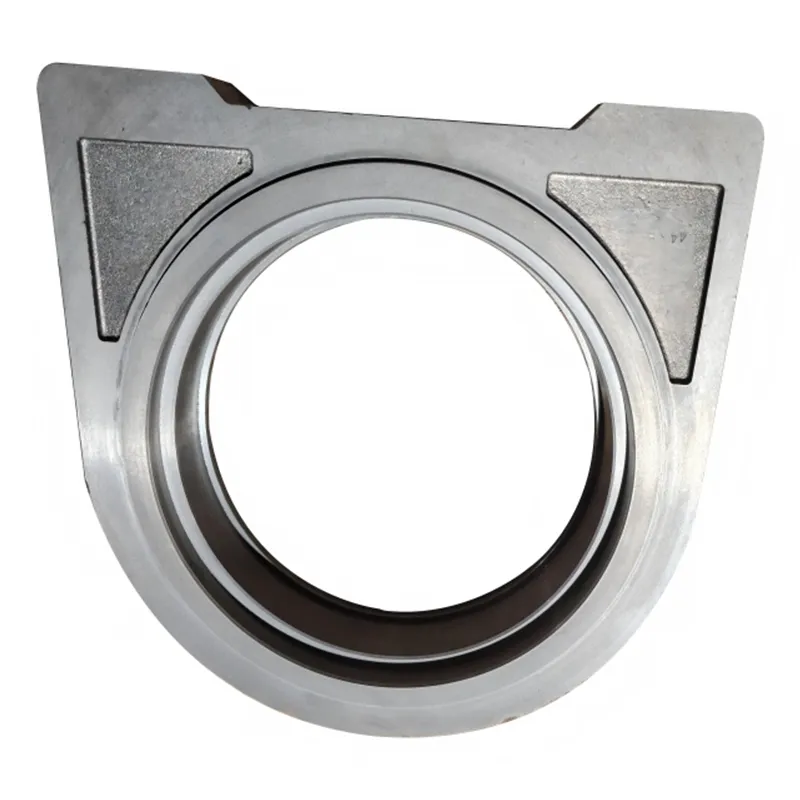
This is where long-term foundry partners become critical. A shop that just pours metal won't cut it. You need one that understands the solidification behavior of these alloys—how they're prone to hot tearing, how sensitive they are to pouring temperature. I've worked with Qingdao Qiangsenyuan Technology (QSY) on several prototypes. Their three decades in shell and investment casting, specifically listing cobalt-based alloys as a specialty, meant they knew to use pre-heated molds and controlled cooling rates for a complex pump seal ring we developed. That part would have cracked in a dozen places with a less experienced shop.
Machining: Where the Real Cost and Headaches Hide
Everyone worries about the raw material cost per kilo. The smarter worry is about the cost per finished chip. Machining cobalt alloys is a different beast. They work-harden rapidly. A slightly dull tool or an aggressive feed rate doesn't just wear the tool; it creates a hardened skin on the workpiece that makes the next pass nearly impossible, often ruining the part.
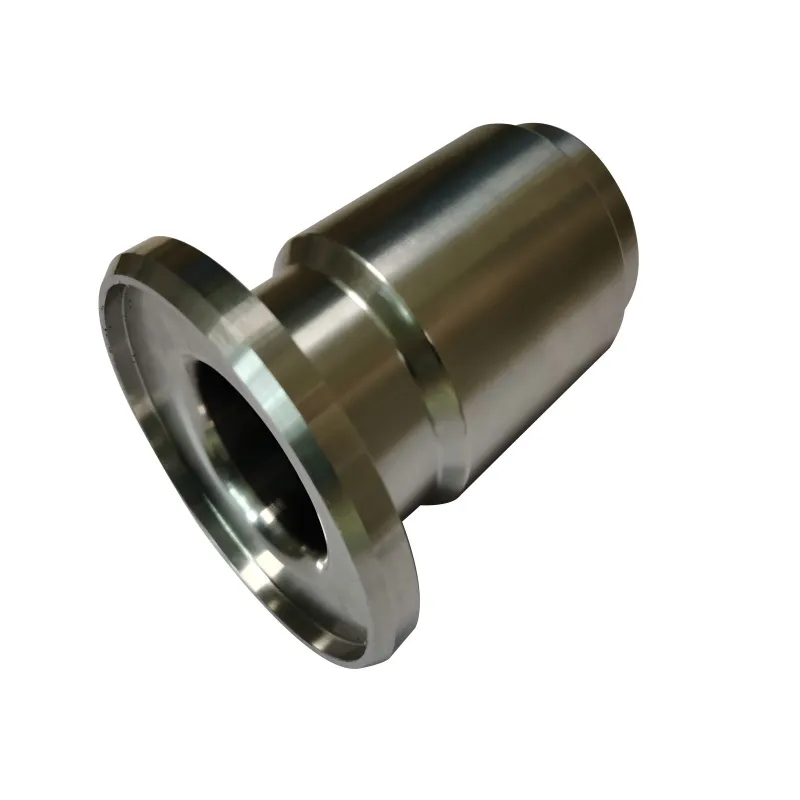
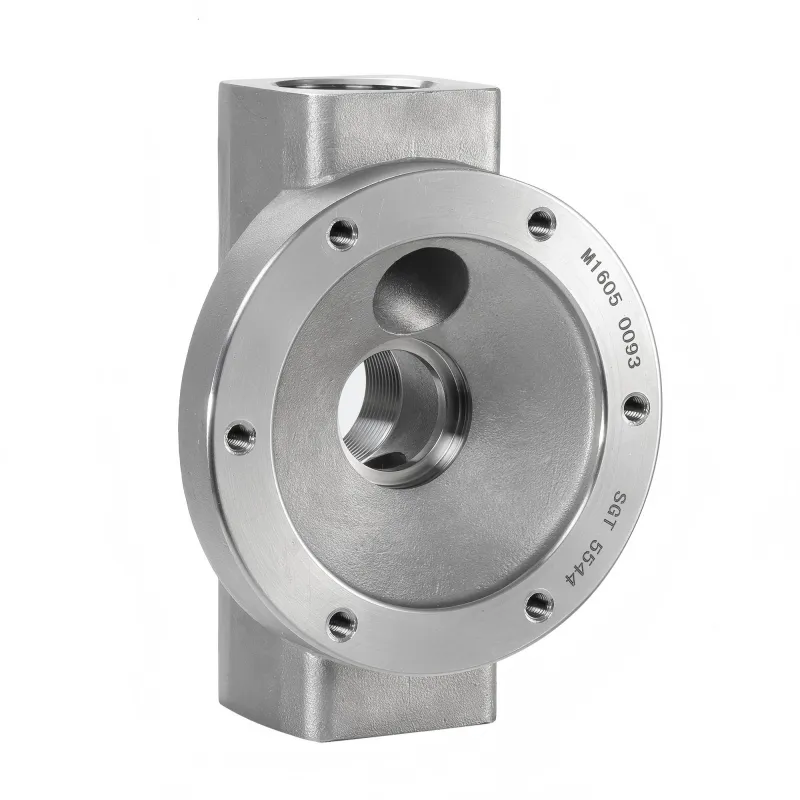
We learned this the hard way on a batch of valve seats. The CNC program that worked beautifully on 316 stainless was a disaster. It led to chattered surfaces, broken inserts, and dimensions out of spec. The solution wasn't just slower speeds and feeds. It was a complete tooling strategy: rigid tool holders, specific carbide grades with sharp edges and positive rakes, and high-pressure coolant aimed precisely at the cutting edge to manage heat and evacuate chips. It's a costly, iterative process.
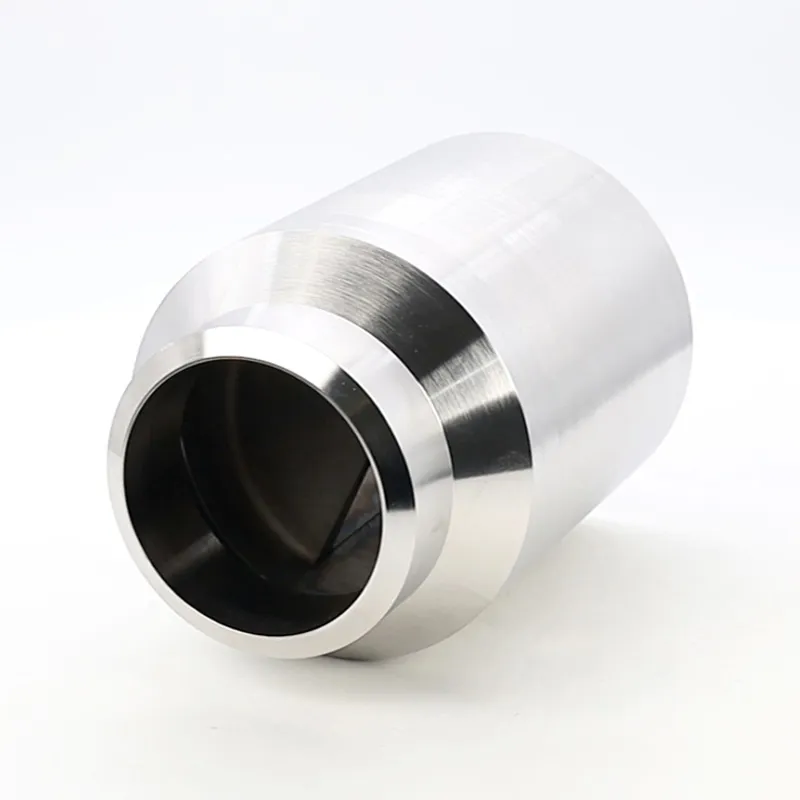
This is another area where the full-service capability of a manufacturer matters. A company like QSY, which handles both the casting and the CNC machining in-house, has a significant advantage. They can design the casting process with machining in mind—adding strategic stock allowances, considering fixturing points—so the part transitions from a raw casting to a finished component with fewer handoffs and less risk. For us, this integration cut lead time on a turbine vane cluster by almost 30% because the machinists and foundry guys were solving problems together from day one.
The Good Enough Trap and Material Substitution
There's constant pressure to substitute. Can't we use a cheaper nickel alloy or a surface coating? Sometimes, yes. But often, it's a false economy. I was involved in a project for a chemical processing pump where the spec called for a Co-28Cr-6Mo alloy for its combined corrosion and cavitation resistance. A vendor proposed a nickel-copper alloy with a welded overlay of a cobalt alloy. It was cheaper upfront.
It failed in under six months. The overlay delaminated. The lesson was that for dynamic, load-bearing mechanical parts subject to erosive and corrosive media, the homogenous property of a solid cobalt alloy is irreplaceable. The substrate and the coating will always have a boundary that can be a failure initiation point. You substitute at your own peril, and it usually requires a full-scale field test to prove it, which costs more than just doing it right the first time.
This is a core part of the value proposition for specialists. When you engage with a foundry that lists these special alloys as a core competency, like you see on QSY's website, you're not just accessing their furnaces. You're accessing three decades of accumulated judgment on when these materials are necessary and when they might be overkill. That consultancy is baked into the process.
Case in Point: A Success and a Lingering Question
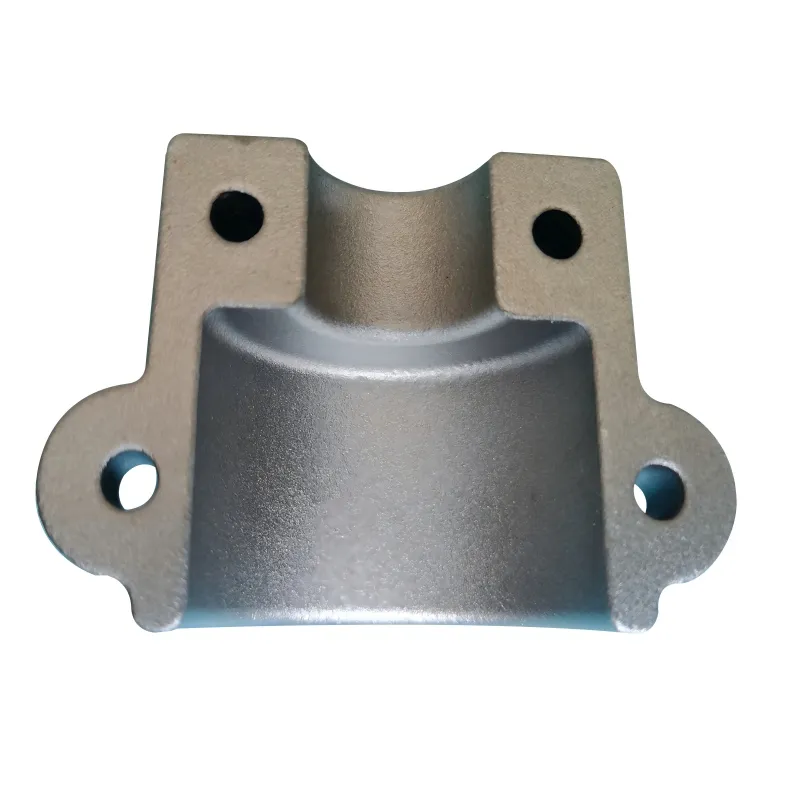
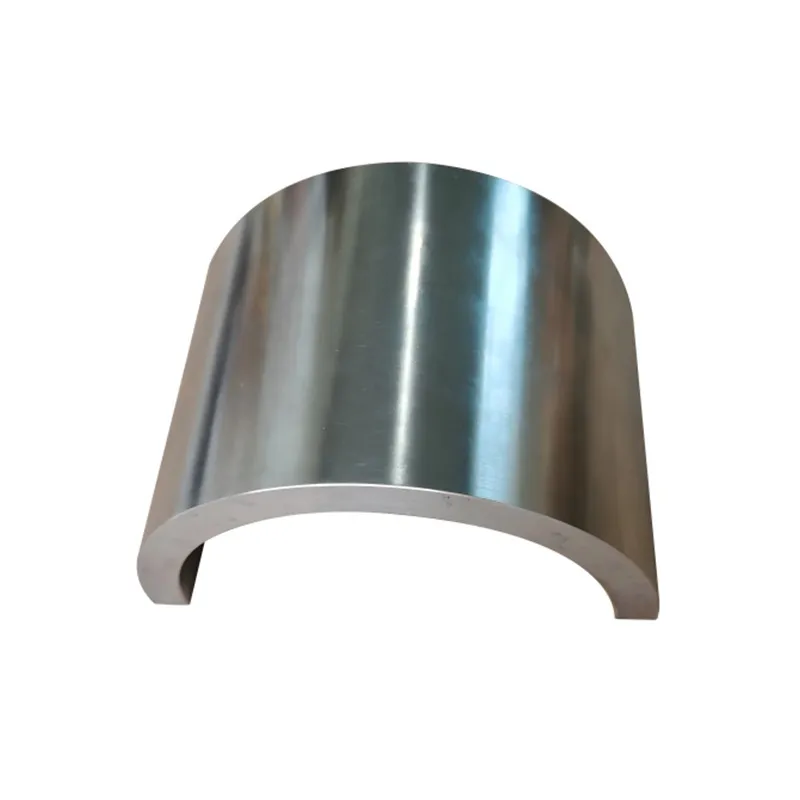
A clear success was a set of wear plates for a hot shear in a steel mill. The environment was brutal: intermittent contact with 900°C steel, water spray cooling, and immense abrasive wear. We used a cobalt alloy with high carbide volume. The casting process via shell molding at QSY was key—it gave us the dimensional stability and surface finish needed for a part that was largely net-shape, minimizing expensive machining on those hardened surfaces. The parts outlasted the previous solution by a factor of five. That's the win you chase.
But not every story is that clean. We recently tested a new, proprietary cobalt alloy for a downhole tool component. It promised phenomenal wear resistance. In the lab, it was stellar. In the field, it shattered on the first high-impact load. The post-mortem showed an issue with intergranular brittleness that wasn't apparent in standard ASTM tests. It set the project back months. It's a reminder that with these advanced materials, there's no substitute for a real-world, application-specific validation program. The material science is only half the story.
Looking Ahead: Additive and the Future Geometry
Everyone's talking about additive manufacturing for these alloys. It holds promise for impossible geometries—internal cooling channels, lattice structures. But for now, for most high-volume, high-reliability cobalt-based alloy parts, casting is still king. The metallurgical integrity and isotropic properties of a well-cast part are hard to beat with a layer-by-layer process that can introduce new types of defects.
That said, we're watching it closely. The ability to print a near-net-shape preform of a complex fuel nozzle and then finish it with precision CNC machining could be a game-changer. It would reduce material waste dramatically. Companies that have already mastered both casting and machining, like the team at Qingdao Qiangsenyuan Technology Co., Ltd., are well-positioned to integrate such technologies when they mature for critical components. Their experience with the material's behavior in both liquid and solid states is the foundational knowledge you need to vet any new process.
So, where does that leave us? Cobalt alloys aren't a magic bullet. They're a highly specialized tool. The key to using them effectively is to start with the failure mode, respect the intricacies of their manufacture and machining, and partner with fabricators who have the scars to prove they know what they're doing. The goal is never just to make a part out of a fancy alloy; it's to make a component that disappears into reliable, uninterrupted service. That's the real measure of success.