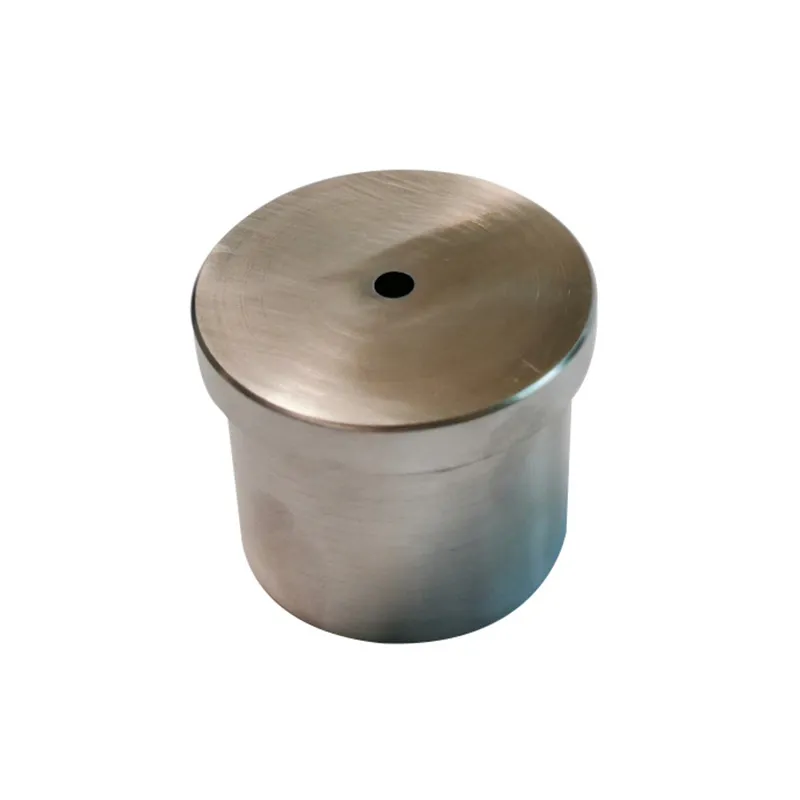
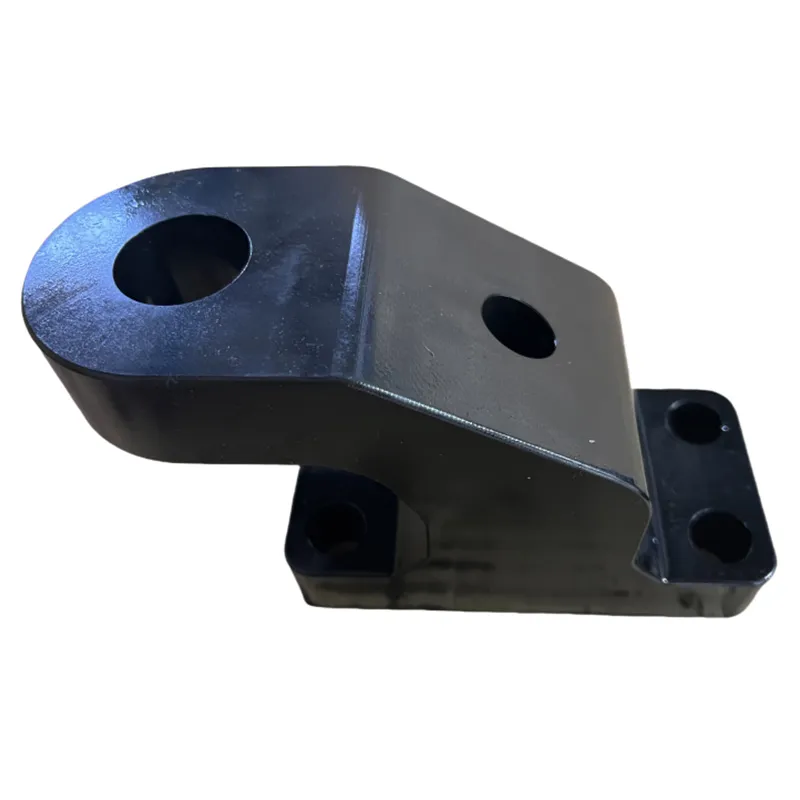
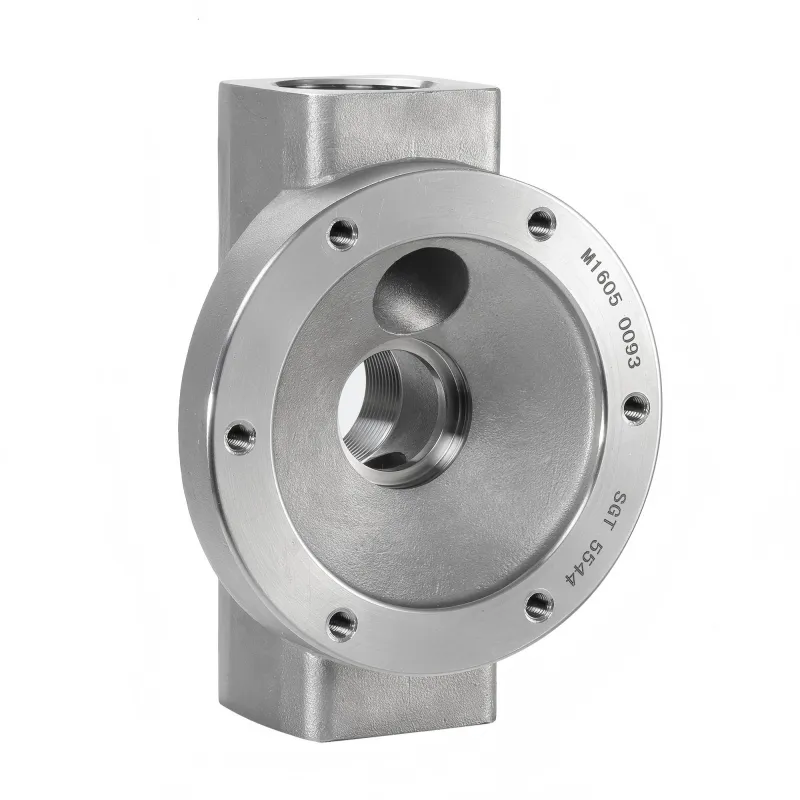
You hear 'cobalt based alloy parts' and immediately think 'high-end,' 'aerospace,' 'medical implants.' That's not wrong, but it's an incomplete picture. The reality in the foundry and machine shop is far messier, full of compromises and unexpected behaviors that data sheets don't always prepare you for. There's a common misconception that because it's a 'superalloy,' it forgives poor process control. In my experience, it's the exact opposite; it demands more rigor, not less, and punishes assumptions brutally.
The Alloy Isn't Just the Alloy
When we quote a job for, say, a turbine seal segment in cobalt based alloy, the first battle is often material sourcing. Not all Co-Cr-W or Co-Cr-Mo grades are created equal, even under the same AMS or ASTM spec. Trace elements from different melts, the grain structure of the bar stock or revert material—these subtly change machinability and, crucially, the stress response during investment casting. We learned this the hard way years ago on a run of burner nozzles. The chemistry was 'in spec,' but the parts developed micro-cracks during shell removal post-cast. The culprit? A slightly off-balance silicon content from a new supplier that affected hot tear resistance. The spec was a wide gate, and we walked right into it.
This is where long-term partnerships with reputable material suppliers become non-negotiable. It's less about the certificate and more about consistency batch-to-batch. For a company like Qingdao Qiangsenyuan Technology (QSY), with three decades in casting and machining, establishing that supply chain trust has been a core part of operating. You can't build reliability on inconsistent feedstock. Their work across cobalt based alloy parts, nickel alloys, and specialty steels means they've likely seen these material vagaries play out repeatedly, shaping their procurement philosophy.
The other layer is the 'form' of the alloy. Are we starting with virgin bar for machining? Using revert in our own induction furnace for investment casting? Or handling precision-cast components sent to us for finish machining? Each path has a different set of challenges. A cast cobalt alloy component will have a different internal stress state and potentially inclusions compared to a wrought billet. Your CNC program and toolpath strategy must account for that variability from the first cut.
Investment Casting: Where the Magic and Headaches Happen
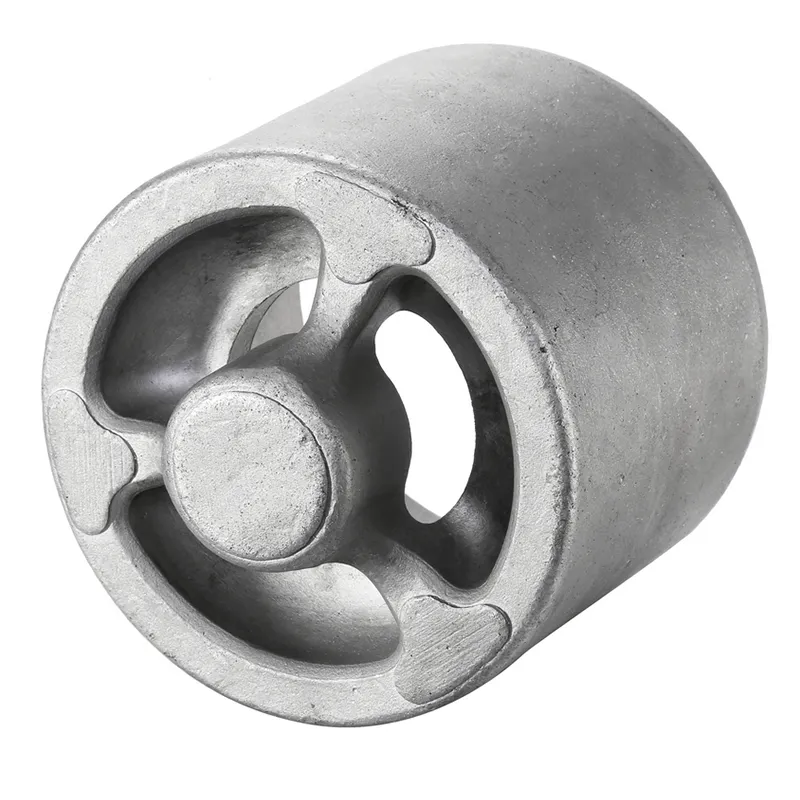
Shell mold and investment casting are the go-to for complex, near-net-shape cobalt based alloy parts. The dimensional stability and surface finish are excellent, but the process window is narrow. Cobalt alloys have high melting points and often poor thermal conductivity. This leads to steep thermal gradients during solidification. If your gating and risering system isn't designed perfectly—and I mean perfectly for that specific part geometry—you'll get shrinkage porosity or hot spots that become crack initiation sites.
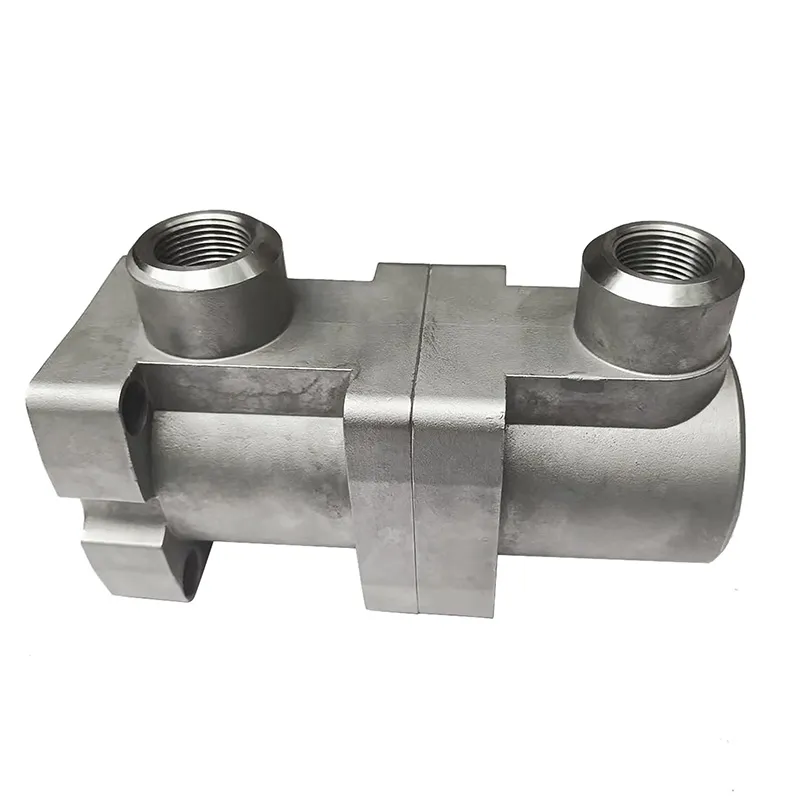
We once spent weeks trying to eliminate porosity in the thick flange of a valve component. The data sheet said good castability. Our initial gating followed standard rules for steel. It failed. We had to move to a more aggressive, hotter gating approach to keep the metal fluid longer in that section, which then risked mold erosion. It was a balancing act solved through iterative trials, not textbook theory. This is the unglamorous R&D that happens on the shop floor.
Post-cast, the shell removal is critical. These alloys work-harden significantly. If you're too aggressive with mechanical knockout, you can induce surface stresses that later interact with machining stresses, leading to distortion. We often use a combination of vibration and careful thermal shock. Even then, you're never quite sure until the first part goes on the CMM. This phase requires a patience that runs counter to production schedule pressures.
Machining: The Art of Controlled Aggression
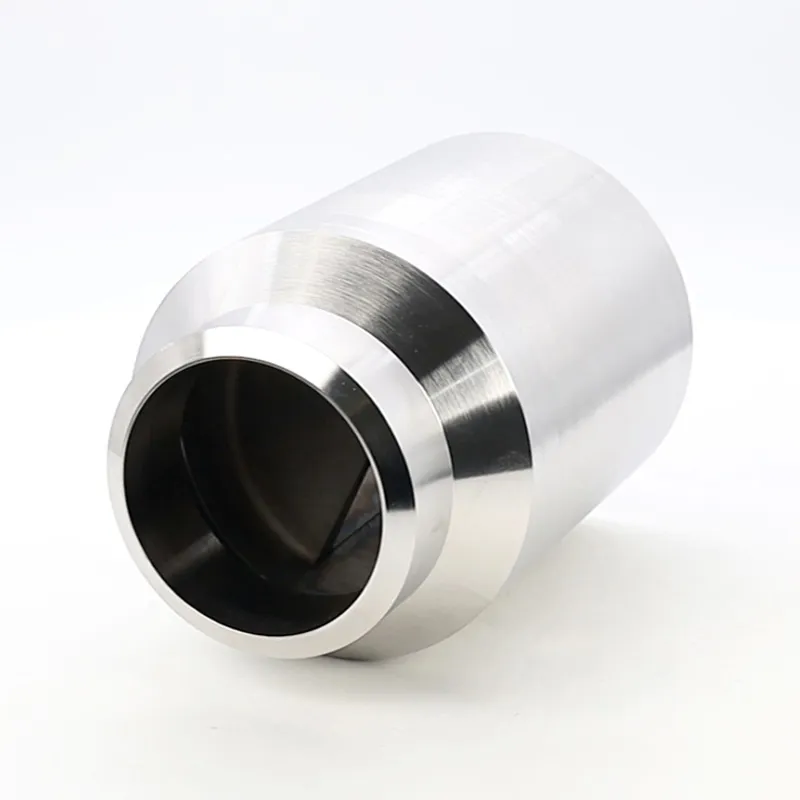
Machining cobalt based alloy parts is where theoretical tool life meets reality. These materials retain high strength at elevated temperatures, which means they don't 'soften' at the cutting edge. Instead, they abrade and work-harden the surface you're trying to cut. The key is to maintain constant, positive engagement with sharp, specialized tooling—carbide grades designed for high-temperature alloys, with specific coatings like AlTiN.
A classic mistake is to slow down feed rates to be 'safe.' This often makes things worse, causing the tool to rub instead of shear, generating more heat and accelerating work-hardening. You need to be aggressively within the correct parameters. Coolant is another debate. High-pressure, through-tool coolant is almost mandatory to evacuate chips and manage heat, but the delivery must be flawless. Any interruption leads to instant tool failure. I've seen a $200 end mill destroyed in seconds because a coolant line got a minor kink.
Fixturing is half the battle. Due to the high cutting forces and the residual stresses from casting, parts can move. You need robust, often custom, fixtures that support the part without inducing clamping stresses that will spring back later. For a complex turbine blade root form, we might spend as much time designing and proving out the fixture as the machining program itself. It's not uncommon to have a first-article run where the part is perfect but permanently stuck in the fixture because you underestimated the clamping force needed to prevent chatter.
Real-World Application and Failure Modes
Most of these parts aren't just sitting on a shelf; they're in punishing environments. Think of exhaust valves in high-performance engines or wear pads in chemical processing equipment. The failure mode we're often trying to prevent isn't catastrophic fracture, but gradual degradation like high-temperature oxidation, sulfidation, or fretting wear.
I recall a case with a client who needed wear-resistant guides for a hot forming line. They initially used a hardened tool steel, which failed rapidly. We proposed a cobalt based alloy like Stellite 6 for its hot hardness and galling resistance. The parts performed well, but after six months, they showed unexpected brittle cracking. The root cause? The operating cycle involved rapid quenching from a high temperature, which we hadn't fully accounted for. The thermal shock induced stresses that, combined with the alloy's inherent low ductility at lower temperatures, caused fatigue cracks. The solution wasn't a material change, but a design tweak to add relief features to manage the stress concentration. It was a lesson in looking beyond the material's datasheet properties to the full system interaction.
This is where a fabricator's experience across different alloys pays off. A shop that has worked extensively with stainless steels for corrosion and cobalt based alloys for wear develops an intuition for these failure mode trade-offs. They can ask the right questions about the operating environment that a designer might not think to specify.
The Business of Making Them: Consistency Over Hype
Ultimately, producing reliable cobalt based alloy parts isn't about having the shiniest 5-axis machine (though that helps). It's about process control and institutional knowledge. It's about documenting what worked and, more importantly, what didn't on the last similar job. It's about having metallurgists who can read a fracture surface and machinists who can listen to the sound of a cut and know it's going wrong.
Companies that last in this niche, like QSY (Qingdao Qiangsenyuan Technology), typically have that depth. Their 30-year history in shell mold and investment casting, coupled with in-house CNC machining, suggests they've internalized these lessons. They're not just selling a part; they're selling the capability to navigate the entire journey from molten metal to a finished, precision component that will survive in a demanding application. For a buyer, that end-to-end control is often more valuable than a marginal cost saving, as it reduces the risk of catastrophic, expensive field failures.
The market for these parts is growing, especially in energy and specialized industrial machinery. But the barrier to entry is high. It's not a commodity business. Success hinges on respecting the material's personality, investing in the right people and processes, and understanding that sometimes, the best solution involves talking a client out of a cobalt alloy and into a high-grade stainless steel that will perform adequately at a fraction of the cost and headache. Knowing when not to use it is as important as knowing how to make it.