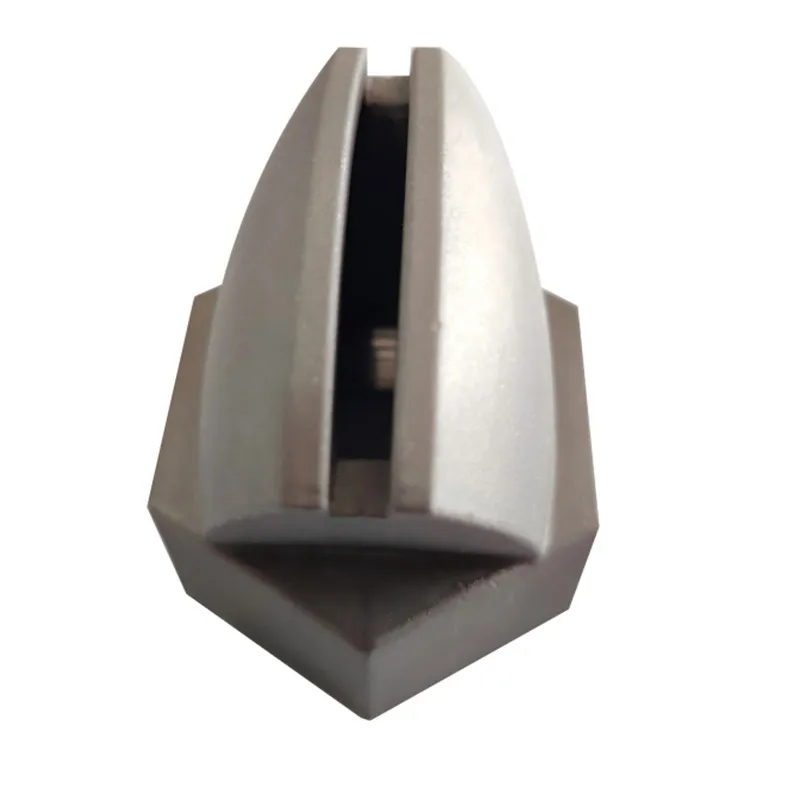
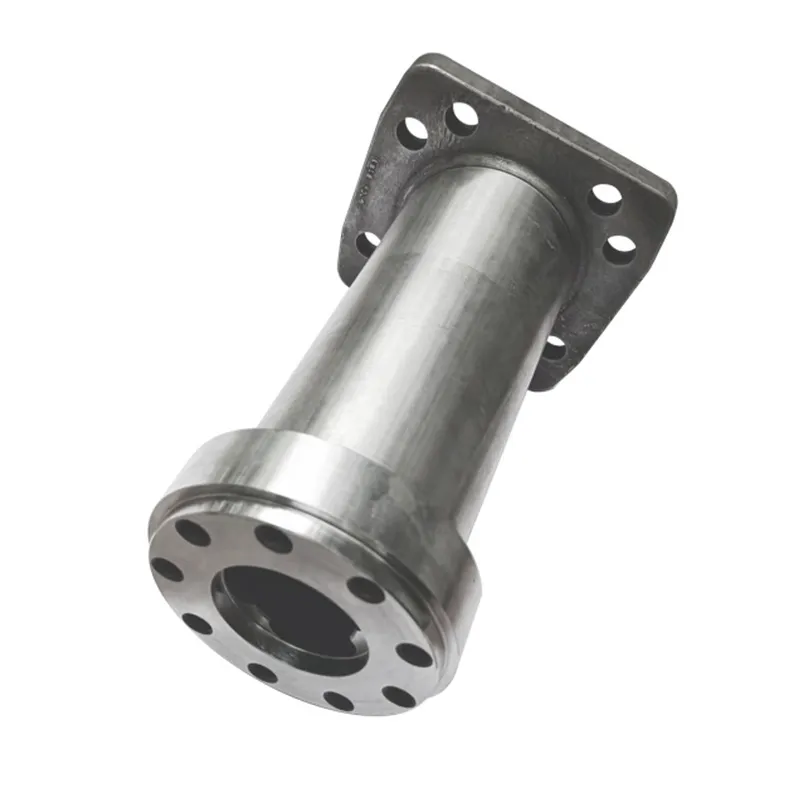
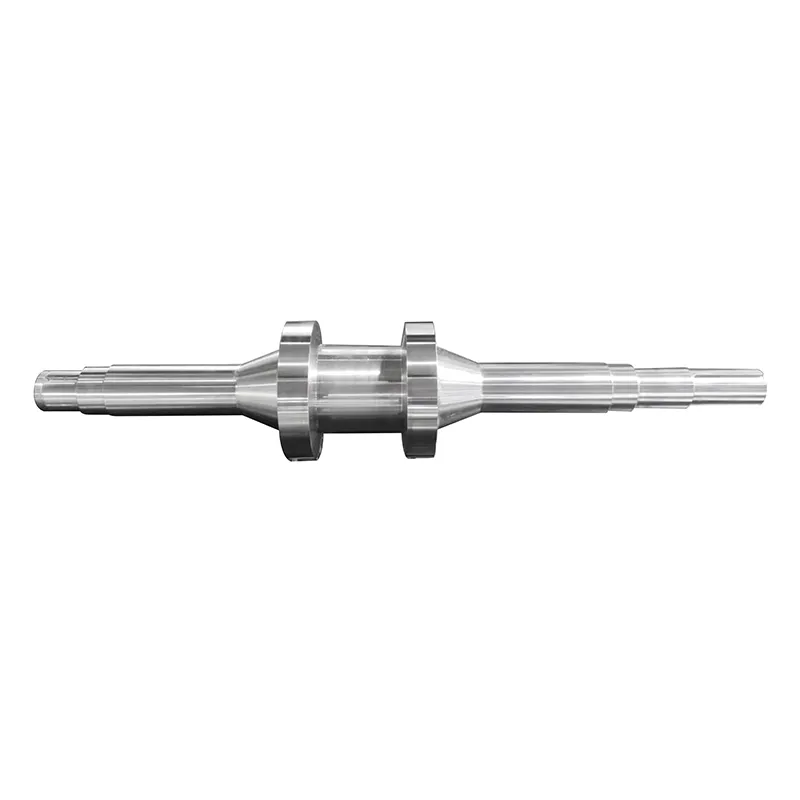
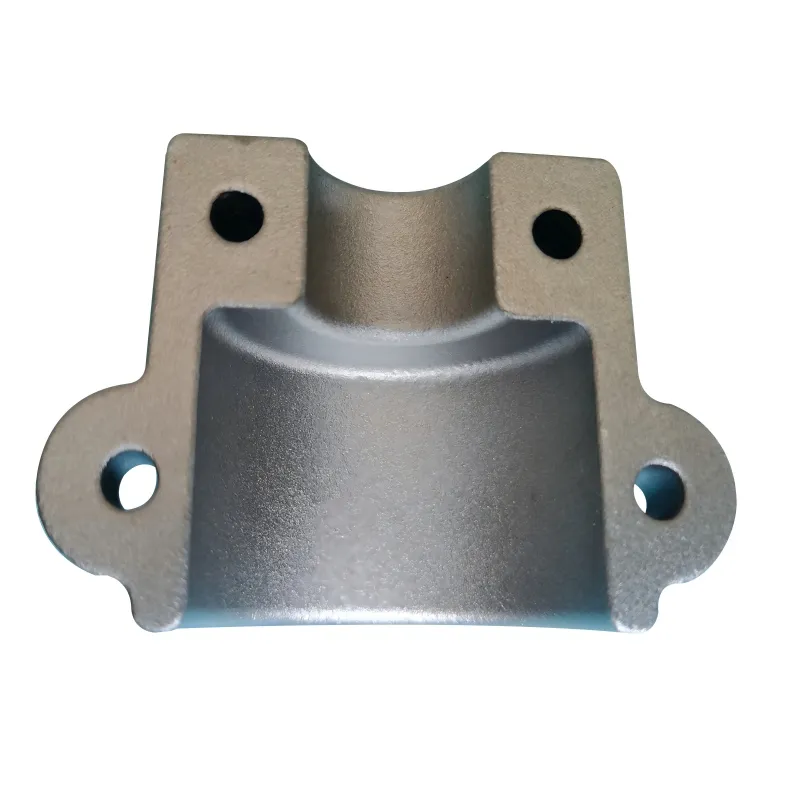
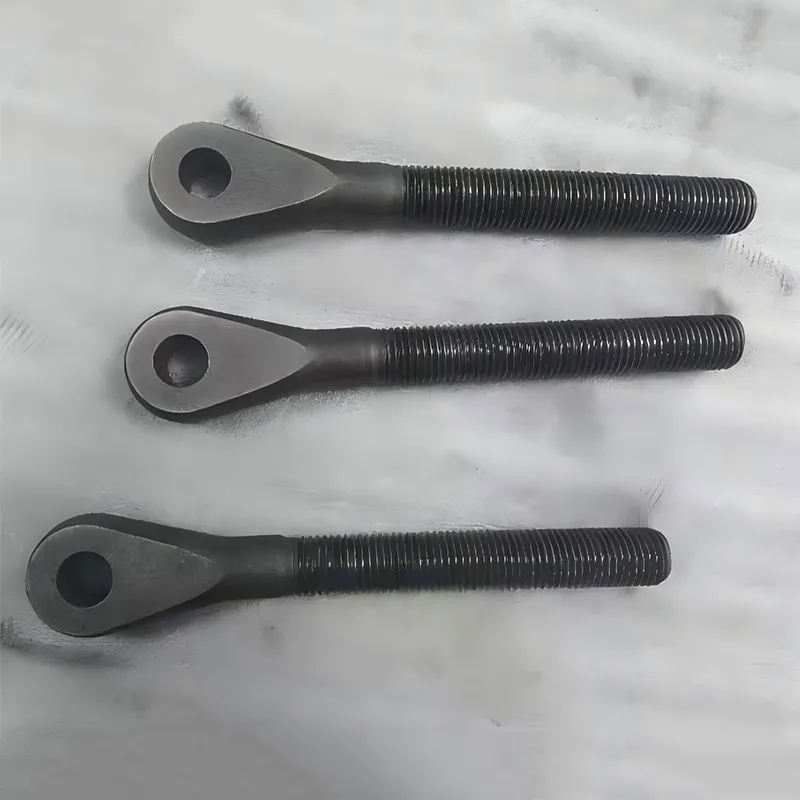
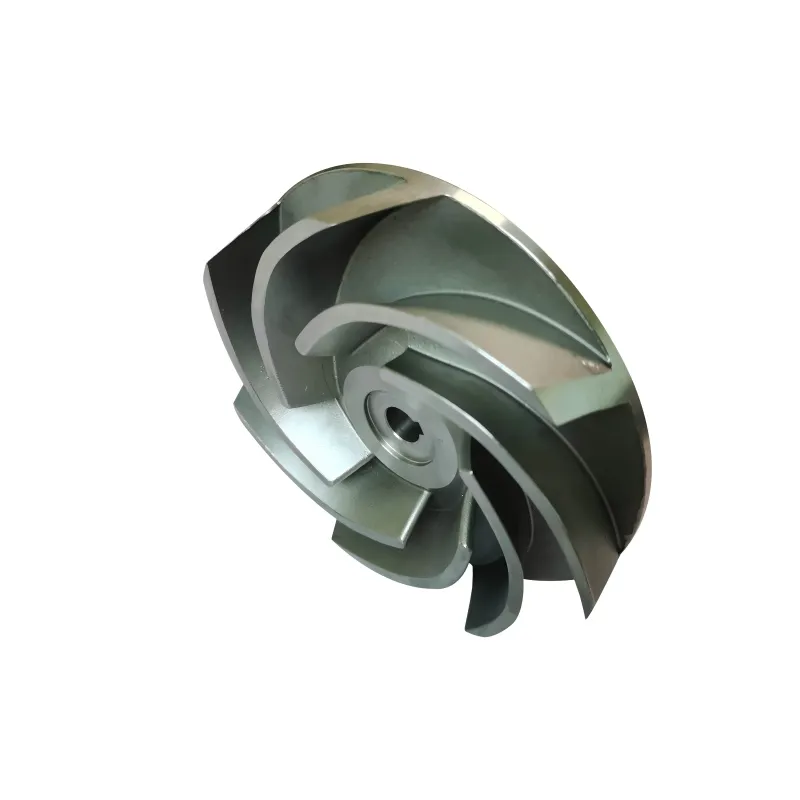
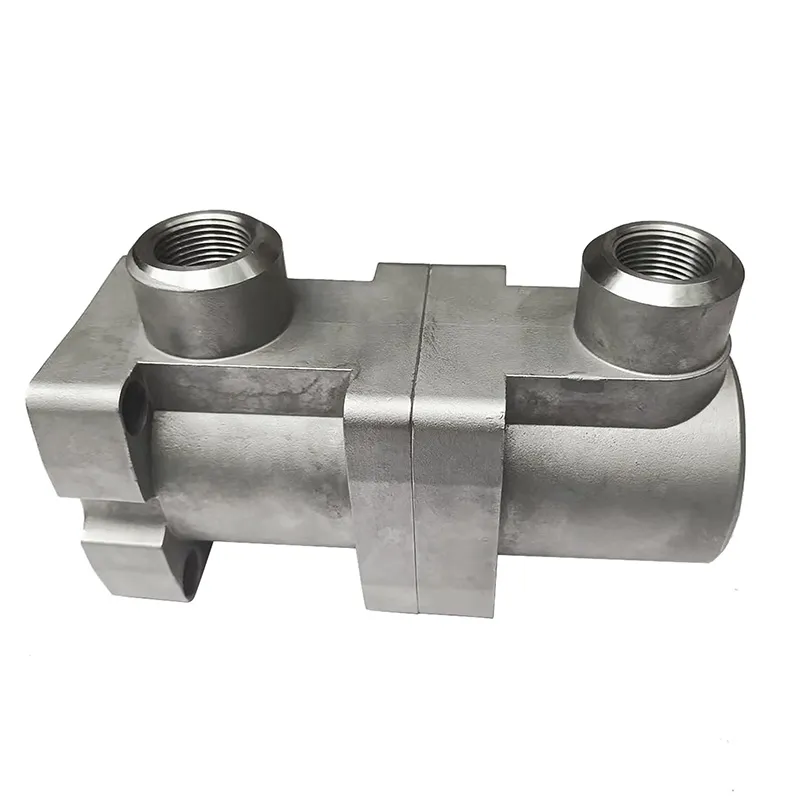
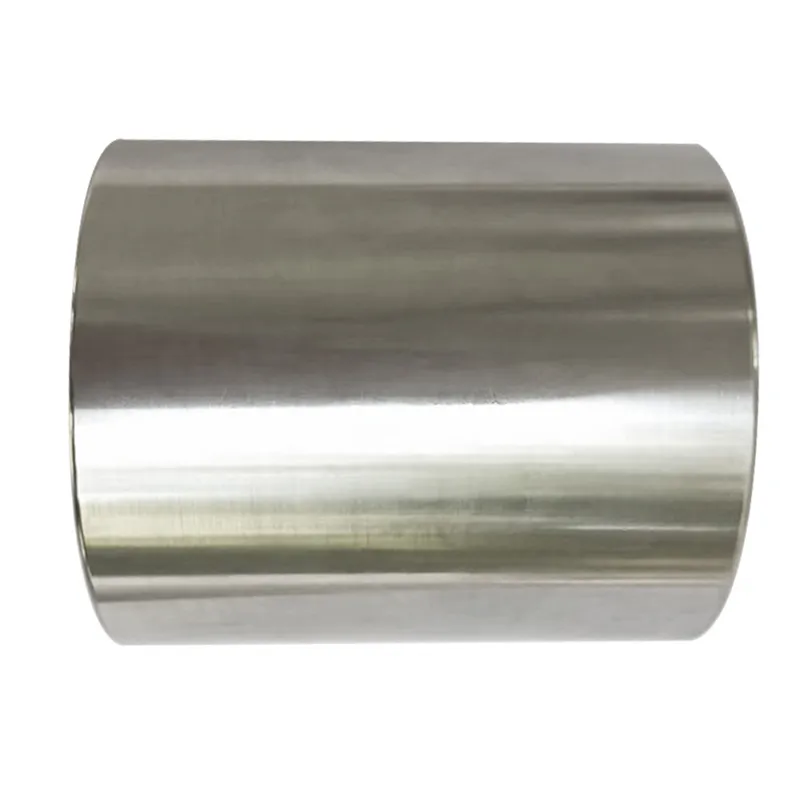
When most people hear 'construction machinery parts', they picture a generic bucket tooth or a track link. That's the first mistake. In reality, it's a world defined by the unseen: the tolerance on a hydraulic valve block's port, the grain structure of a forged axle under stress, or how a seemingly minor alloy shift in a pump housing can mean the difference between a machine running for a season or a decade. It's not just about replacing what's broken; it's about understanding why it broke and what you're putting back into a system that endures vibrations, impacts, and pressures most engineers only simulate. I've seen too many projects focus solely on the CAD model, forgetting that the part's true test begins the moment the engine turns over on a muddy, tilted site.
The Foundation: It Starts with the Casting
You can't machine a good part from a bad casting. It's that simple. Early on, I learned this the hard way by sourcing a batch of counterweight brackets from a supplier who promised the world on dimensional accuracy but skimped on process control. The parts machined fine, looked perfect. But within six months on cranes, hairline cracks appeared near the mounting points. The failure analysis pointed to sand inclusions and inconsistent cooling in the mold—defects buried beneath the surface. That's when you realize the part's life is dictated long before the CNC spindle ever starts. The foundry process isn't a commodity; it's the genetic code of the component.
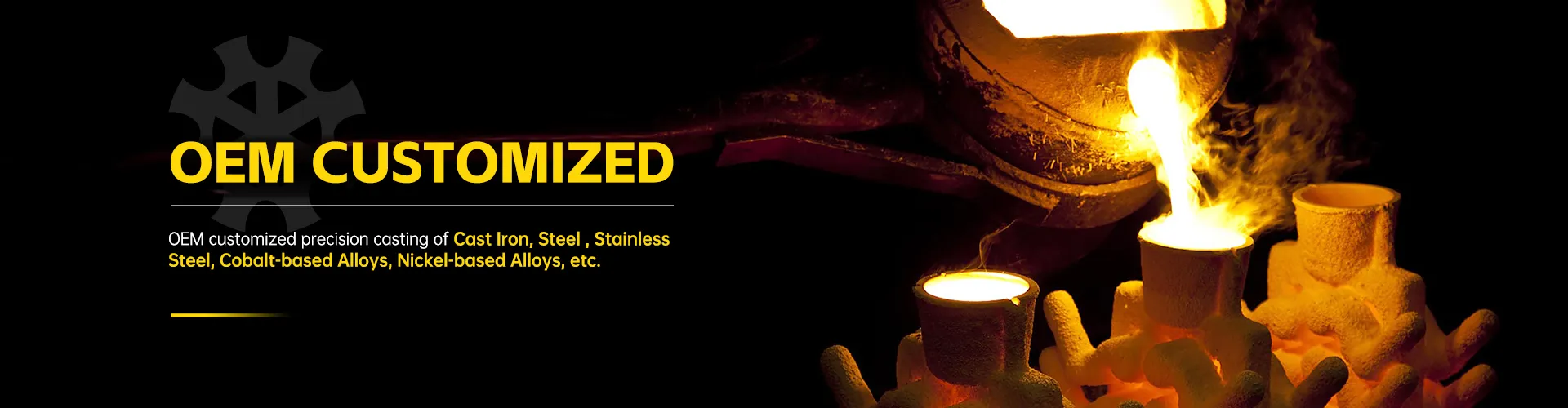
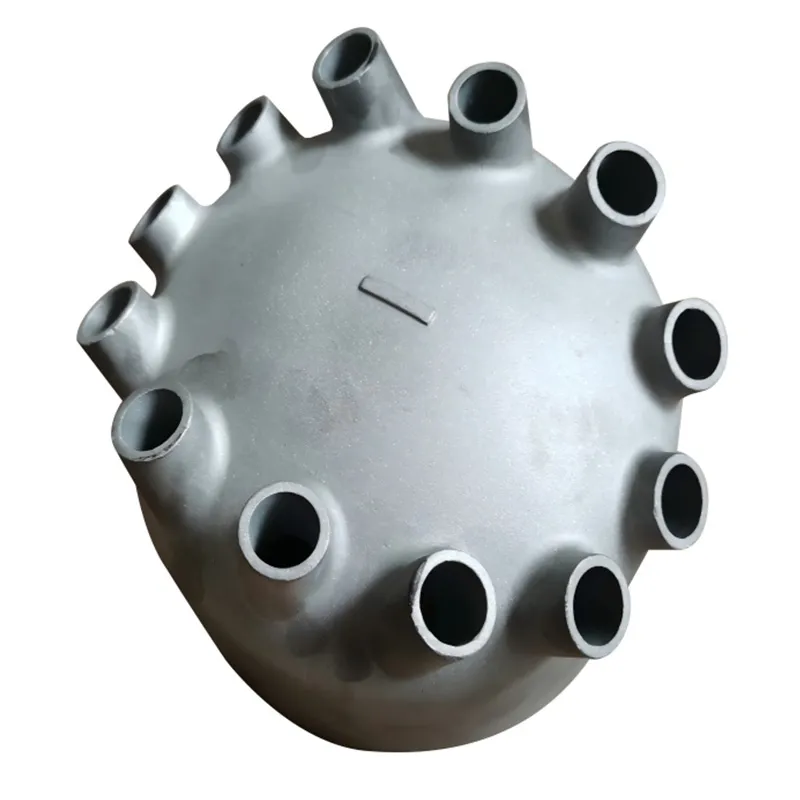
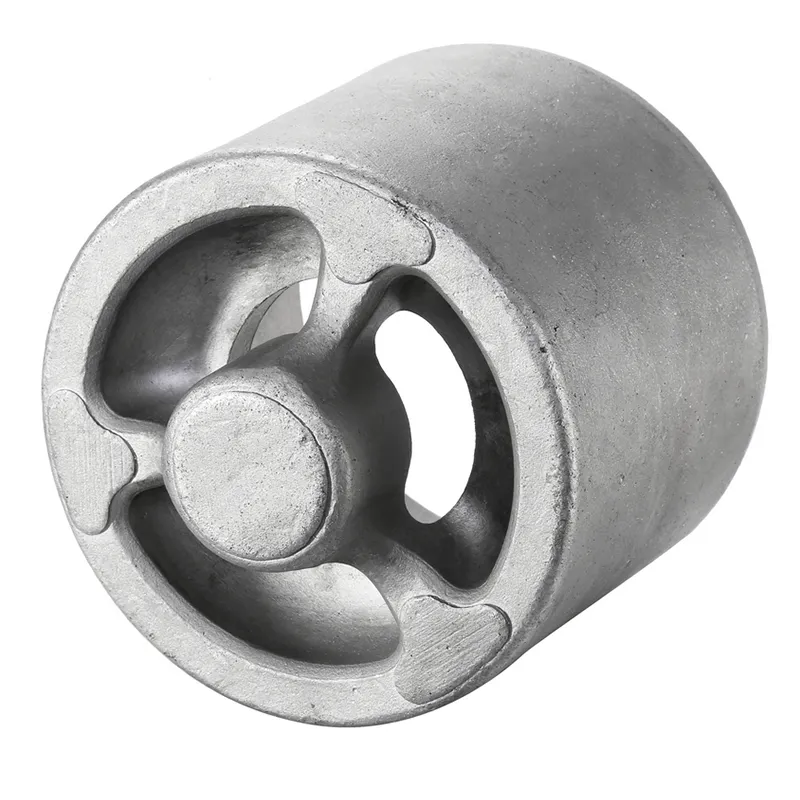
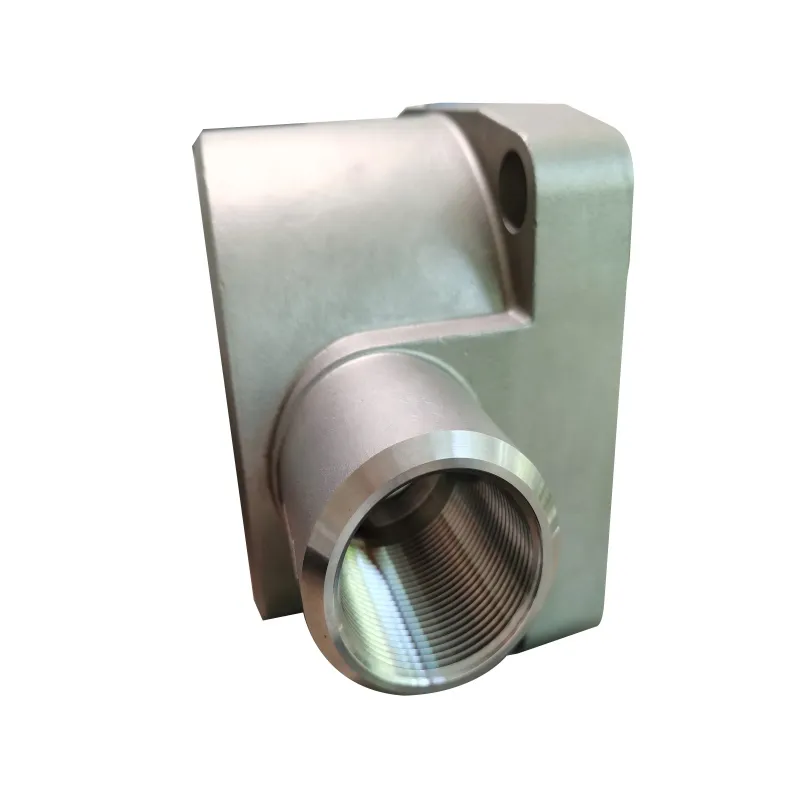
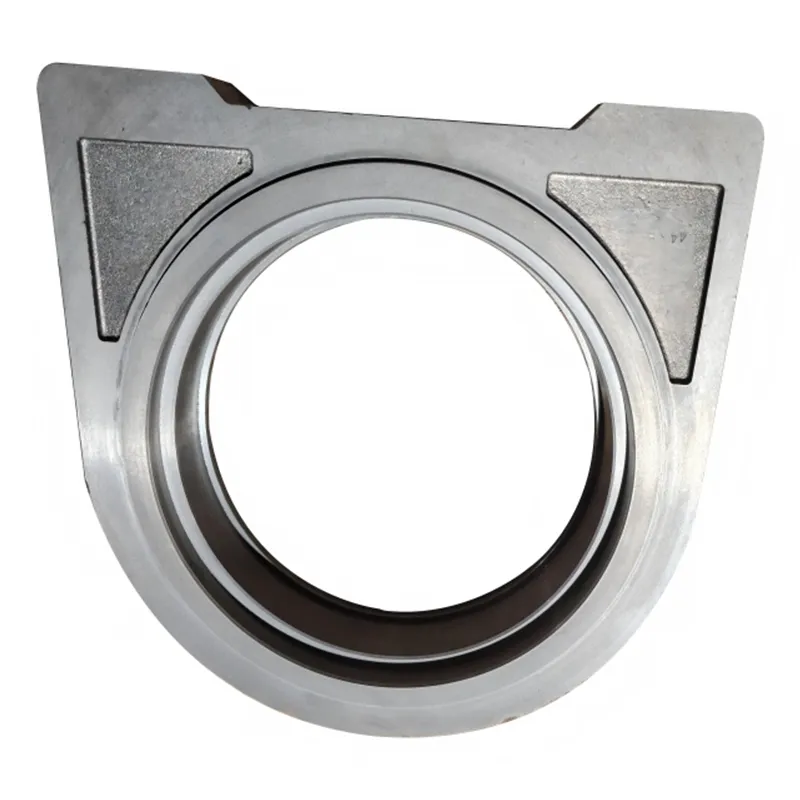
This is where the specialization of a foundry matters immensely. Take a company like Qingdao Qiangsenyuan Technology Co., Ltd. (QSY). With over 30 years in casting and machining, their focus on shell mold casting and investment casting for complex, high-integrity parts is exactly the niche that matters for machinery. Shell molding gives you that superior surface finish and dimensional stability for things like intricate gear cases or valve bodies, where sealing surfaces are critical. Investment casting, on the other hand, is for those impossibly complex, thin-walled geometries you find in fuel system components or small linkages. They aren't just pouring metal; they're controlling the environment in which it solidifies.
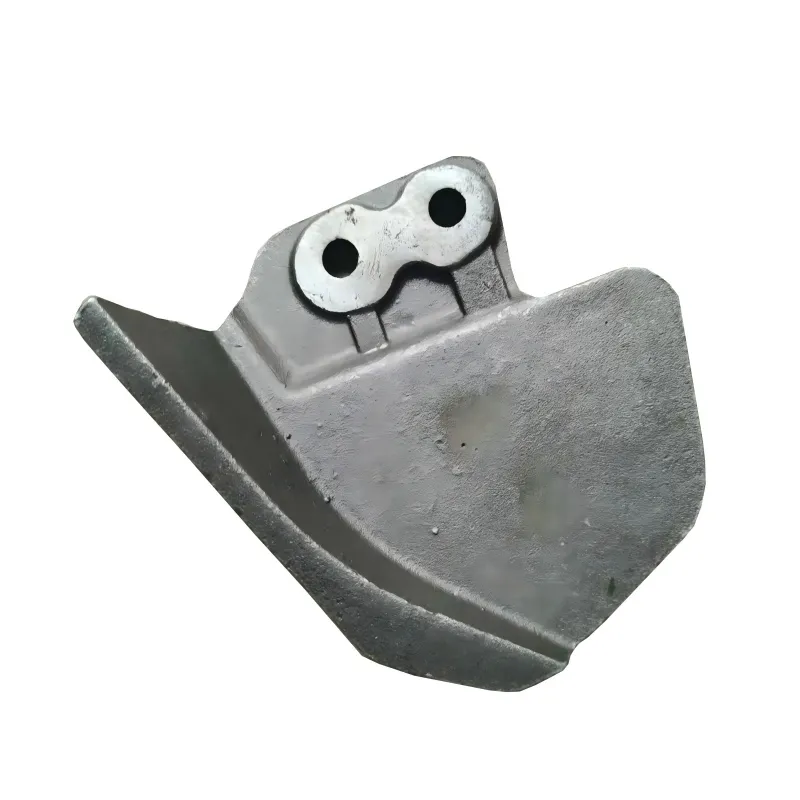
The material choice here is another layer of judgment. It's not just steel. For a high-wear bucket adapter, you might go for a through-hardened alloy steel. For a component in a high-vibration, high-fatency area like an excavator's swing frame bracket, you might need a notch-tough, low-alloy steel with specific Charpy impact values. And for extreme environments—think components near a diesel engine's exhaust or in a slurry pump—that's where the special alloys come in. QSY lists cobalt-based and nickel-based alloys, which tells me they're equipped for the tough jobs, like manufacturing wear plates for crushers or heat-resistant shrouds. Choosing the right material isn't an academic exercise; it's a cost-per-operating-hour calculation.
The Precision Cut: Where Machining Tells the Truth
This is where the blueprint meets the metal, and often, where assumptions fall apart. A perfect casting can be ruined by poor machining. I remember a project involving a slew ring for a large crawler crane. The bearing raceways needed a mirror finish and micro-geometry accuracy within microns. The first shop we tried had the right-sized CNC machining centers, but their workholding and toolpath strategy introduced harmonic vibrations. The finish looked okay to the eye, but under a profilometer, it showed peaks and valleys that would lead to premature spalling. We had to scrap the whole batch.
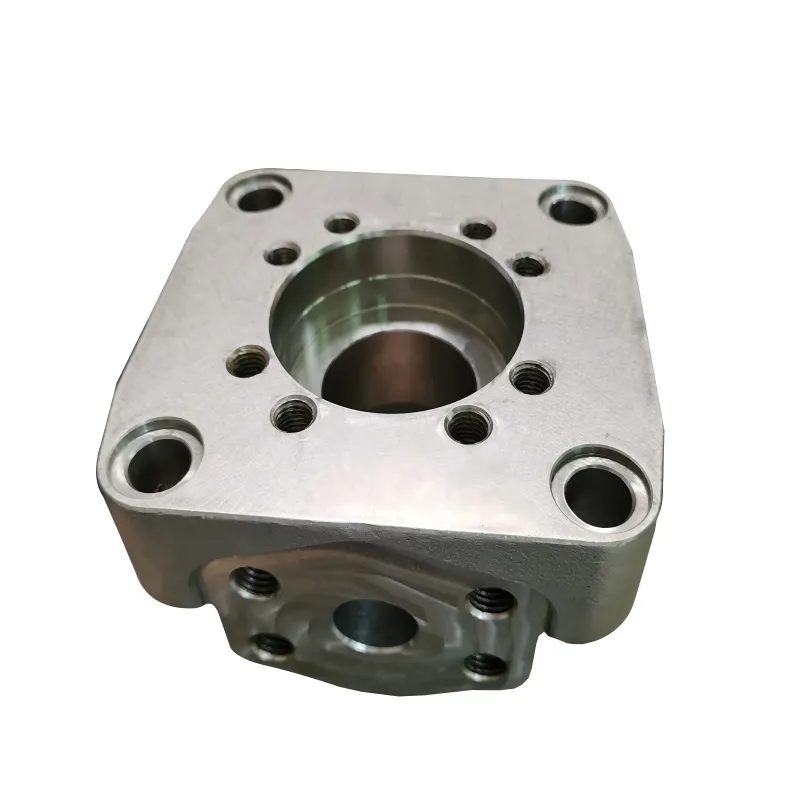
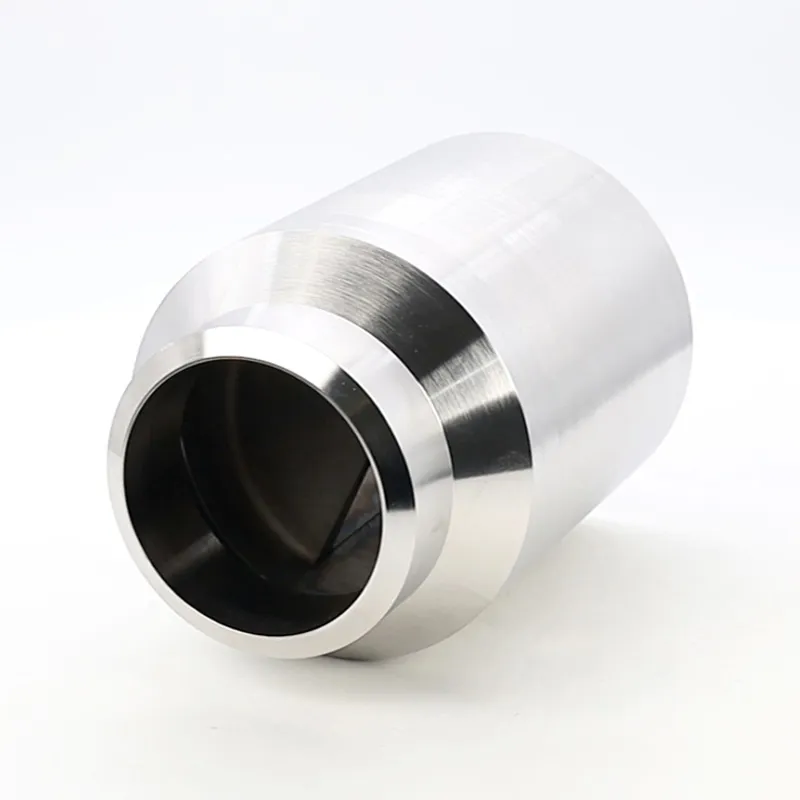
The lesson? Machining for construction machinery parts isn't about making chips; it's about managing stress and preserving integrity. Heavy interrupted cuts on a ductile iron differential case require different insert geometries, coatings, and cooling strategies than finishing a stainless steel hydraulic manifold. Rigidity is everything—not just of the machine tool, but of the entire system: fixture, tool holder, insert. A shop that understands this will often talk about their processes in terms of sequences, how they rough, semi-finish, and finish, allowing the material to relax between operations to avoid locking in machining stress.
This integrated approach is what separates a parts vendor from a solutions provider. Visiting a facility's website, like https://www.tsingtaocnc.com, you look for clues of this integration. Do they show both casting and machining capabilities under one roof? For critical parts, this continuity is a massive advantage. It means the machining team knows the specific casting characteristics of the blanks they're receiving—the potential hard spots, the shrinkage allowances. They can adjust their CNC programs accordingly from the start, rather than discovering issues mid-production. It reduces lead time, but more importantly, it drastically improves traceability and consistency, which is gold when you're dealing with a fleet manager who needs to know exactly what part is going into his $800,000 excavator.
The Real Test: Failure Analysis and Iteration
Nobody in this business gets everything right the first time. The real expertise is built in the failure analysis lab and on the phone with a frustrated site manager. One case that comes to mind was a series of premature failures on final drive flanges for wheel loaders. The parts met all the original material specs (a common carbon steel), but were shearing under high-torque, multi-directional loading. The fix wasn't a heavier part; it was a redesign. We switched to a higher-grade alloy, changed the heat treatment to a quench and temper process for better core toughness, and added a slight radius in a previously sharp corner on the spline. The subsequent batch outlasted the machine's service interval.
This process is iterative and deeply collaborative. It requires the parts manufacturer to be more than an order-taker. They need the metallurgical knowledge to suggest alternative materials or treatments, and the engineering support to modify designs for manufacturability and durability. Can they do a finite element analysis (FEA) simulation on a proposed design change? Can they perform hardness tests, microstructure analysis, or even spectrographic analysis to verify material composition? These are the behind-the-scenes capabilities that turn a part from fits and functions to robust and reliable.
It also forces you to think in systems. A pin might fail not because of the pin itself, but because the bushing it rotates in has worn asymmetrically, creating a bending moment it was never designed for. So when you're sourcing a replacement, you might need to look at the adjacent wear parts as a kit. This systemic view prevents the costly cycle of repeated failures and builds trust. It's why long-term relationships with suppliers who have deep process knowledge, like those with decades in casting and machining, are invaluable. They've seen these failure modes before and have a library of practical solutions, not just theoretical ones.
Sourcing and the Supply Chain Reality
Let's talk logistics and economics, because that's where projects live or die. The ideal part—perfectly cast, meticulously machined, from an ideal alloy—is useless if it arrives three weeks late to a mining site in Australia, holding up a $200,000-per-day operation. Sourcing construction machinery parts is a constant balance between quality, cost, and lead time. And cost here is total cost: unit price, freight, inventory holding cost, and the monumental cost of downtime.
This is where geographic and capability clusters matter. A region with a dense ecosystem of foundries, forging houses, and machine shops, like the one QSY operates in, creates efficiencies. They have local access to material suppliers, heat treaters, and surface coating specialists. This network effect compresses lead times and fosters problem-solving. I've had situations where a design flaw was identified, and because the foundry and machine shop were in the same industrial park, engineers from both sides met the same afternoon at the inspection bench to hash out a solution. You lose that agility with a fragmented, purely transactional supply chain.
Digital storefronts like the company's website are now the first point of contact. But the savvy buyer looks past the glossy product photos. You look for technical data sheets, material certifications (like Mill Test Reports), and evidence of quality management systems (ISO 9001, IATF 16949, etc.). You look for whether they list specific machinery brands—certain CNC brands are synonymous with heavy-duty precision. The description for QSY mentioning their work with special alloys and long history is the kind of signal that prompts a deeper conversation, not just a request for quote on a drawing. It tells me they're equipped for complex, low-volume, high-value parts rather than just commodity items.
Looking Ahead: The Quiet Evolution
The future of these parts isn't necessarily in radical new materials (though composites are creeping in), but in smarter manufacturing and integration. We're seeing more demand for embedded sensor ports in components for condition monitoring. Imagine a hydraulic cylinder barrel with a machined port for a pressure transducer, or a gearbox housing designed with an integrated mount for a vibration sensor. The part becomes a data node. This requires even closer collaboration between the OEM's design team and the parts manufacturer's machining team from the very first concept.
Additive manufacturing (3D printing) for metals is also starting to play a role, not for mass-produced track shoes, but for those one-off, complex, low-volume fixtures, jigs, or even prototype components used in the machinery's own assembly line. It's another tool. The core, however, will remain subtractive for the foreseeable future. The sheer volume of metal removal and the required structural integrity for a 40-ton excavator's boom pivot point still demands a massive block of forged steel and a 5-axis mill, not a printer.
So, when you boil it all down, dealing with construction machinery parts is a practice in applied physics and practical economics. It's about respecting the entire chain, from the molten metal to the final quality audit, and partnering with fabricators who see themselves as engineers, not just shop floor operators. The goal is always the same: to make the part disappear. Not in a literal sense, but in the sense that it performs its function so reliably, under such brutal conditions, that the machine operator never has to think about it. And that only happens when every link in its creation chain is forged with the same intention.