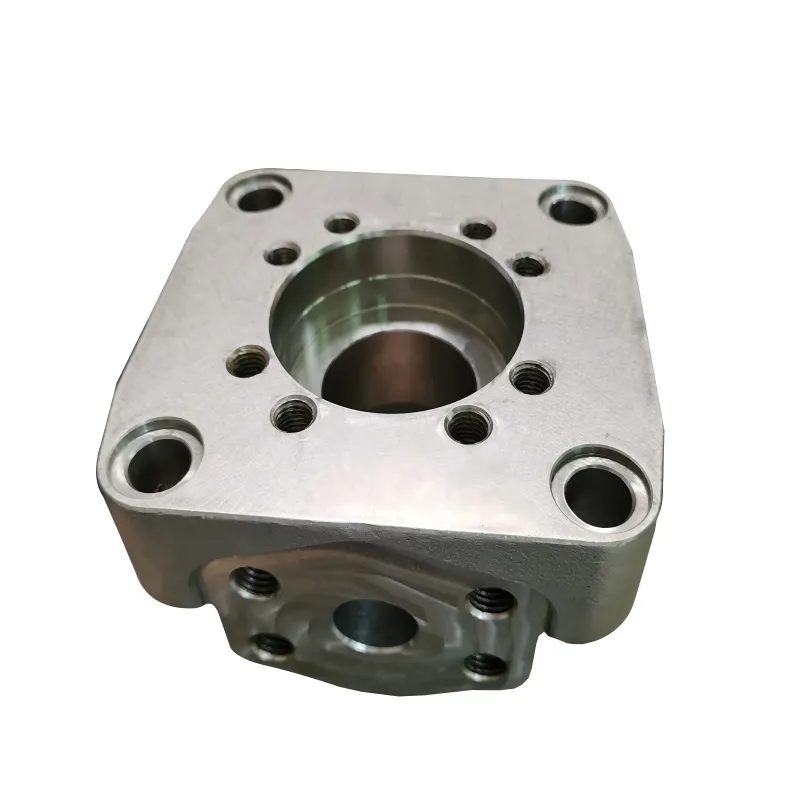
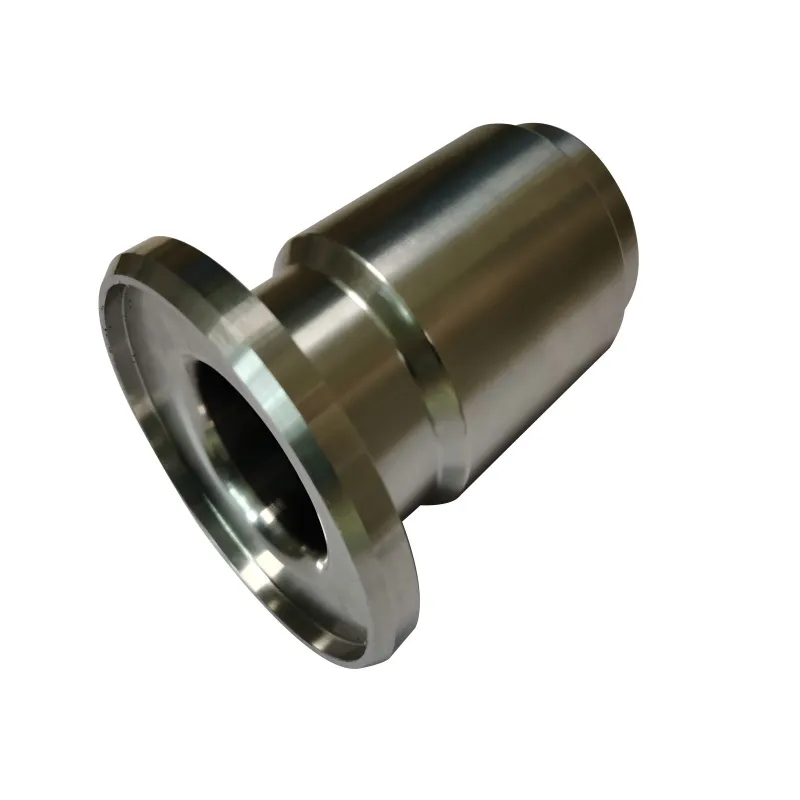
When most people hear 'corrosion-resistant parts', they immediately think 316 stainless steel and call it a day. That's the first, and often most expensive, mistake. Resistance isn't a binary switch; it's a sliding scale against specific enemies—chlorides, acids, caustics, high-temperature oxidation. I've seen too many projects where the material was corrosion-resistant on paper but failed in months because the spec focused on the alloy family, not the actual chemical environment it would live in. It's not just about picking a fancy material code; it's about understanding the attack.
The Illusion of Stainless
Let's get this straight: all stainless steels are not created equal for corrosion. 304 is fine until you introduce even mild chlorides, then you get pitting. 316 adds molybdenum, buys you some time, but in a hot, salty, stagnant environment? It'll still give up. I recall a client who insisted on 316 for marine pump components, arguing it was the marine grade. They ignored the design—tight crevices where seawater could sit and concentrate. Six months later, we were looking at classic crevice corrosion. The part was technically the right material, but the application was all wrong. The fix wasn't a more exotic alloy, but a design change to eliminate the crevice, paired with a switch to a duplex stainless like 2205. Sometimes the engineering is more critical than the material ticket.
This is where the foundry and machining partnership becomes non-negotiable. You can't just order a corrosion-resistant casting. The process integrity dictates the final performance. If you have inclusions, porosity, or inconsistent microstructure from poor casting practice, you've created perfect initiation sites for corrosion, regardless of the alloy. A company that gets this, like Qingdao Qiangsenyuan Technology (QSY), has to control the process from melt to finish. Their three decades in shell and investment casting mean they've likely seen how a tiny slag inclusion can become a failure point. It's this granular, process-level control that separates a part that lasts from one that just looks good on arrival.
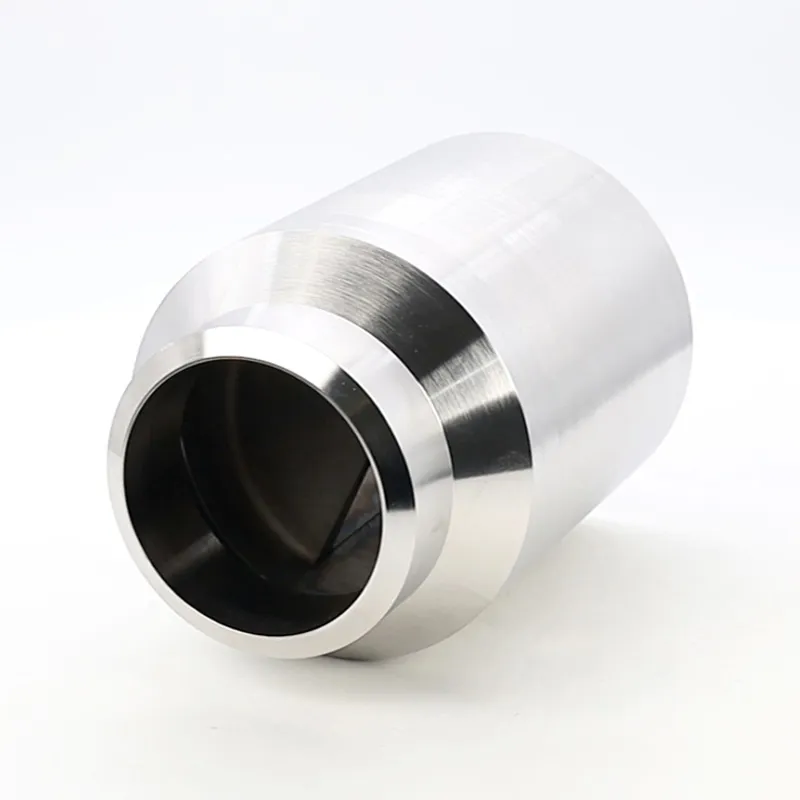
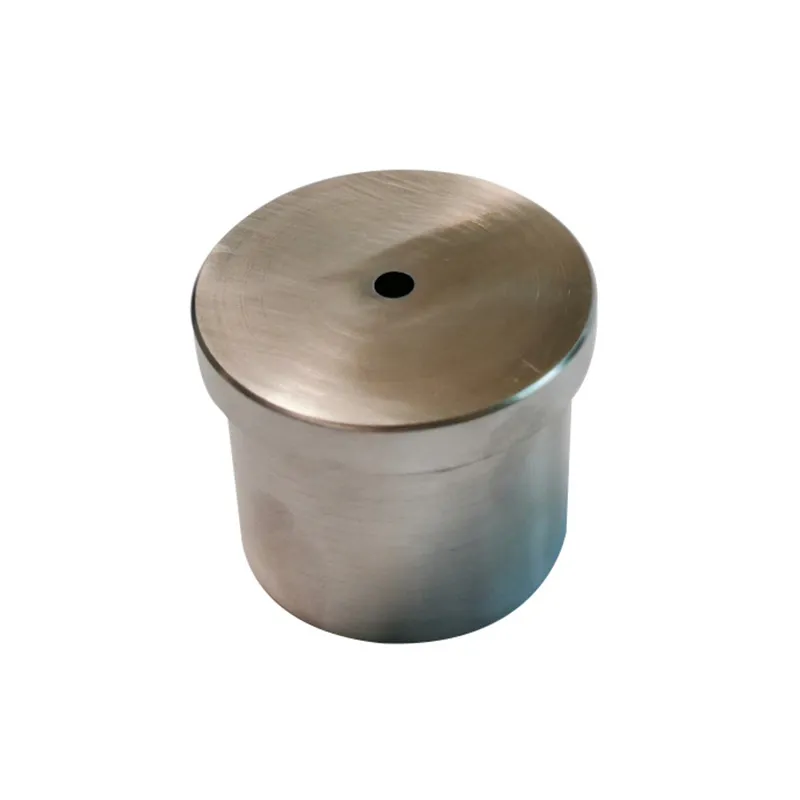
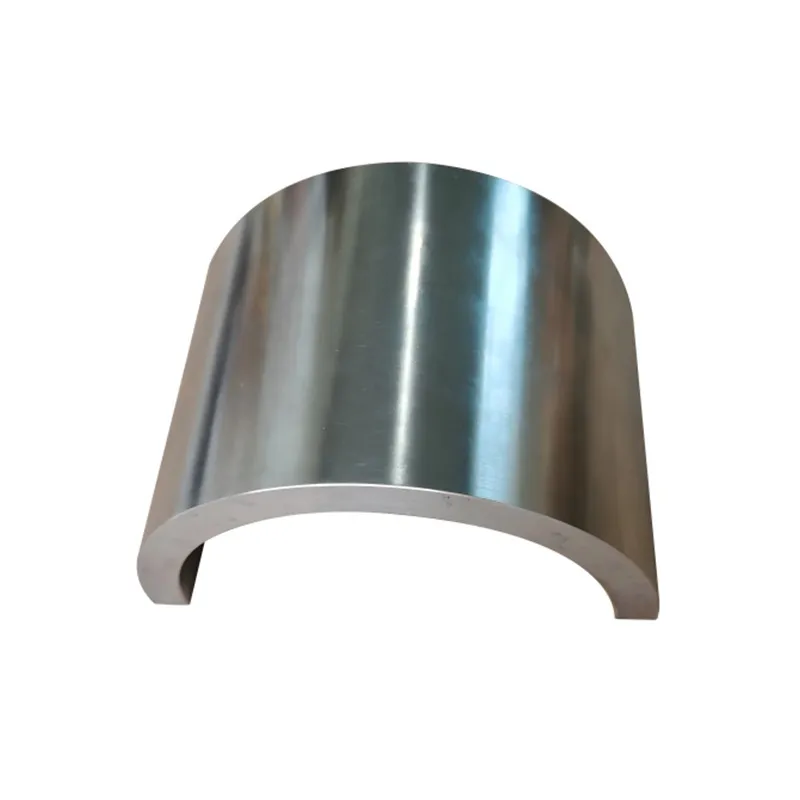
And surface finish—it's criminally overlooked. A rough, as-cast surface has a massively higher surface area and can trap corrosive media. For true corrosion-resistant parts, the path often includes precision machining post-casting to achieve a specific Ra (roughness average) value. A smooth, properly passivated surface on a stainless part is its first and best defense. QSY's integration of casting with in-house CNC machining is key here; they can ensure the final machined surface isn't contaminating the substrate with embedded iron from tools, which would create galvanic cells. It's these invisible details that matter.
The Alloy Gambit: Nickel, Cobalt, and Knowing When to Spend
Stepping beyond stainless, you enter the realm of special alloys—nickel-based like Inconel 625, Hastelloy C-276, or cobalt-based like Stellite. This is where cost balloons, but so can performance, if and only if it's justified. The knee-jerk reaction to a harsh environment is to throw Inconel at it. I've been guilty of this. But Inconel 625 is phenomenal for oxidation and a wide range of acids, yet can be susceptible to stress corrosion cracking in certain chloride environments if not heat-treated correctly. You're not just buying an alloy; you're buying the entire thermal and mechanical processing history.
We had a failure in a heat exchanger tube sheet made from a nickel-based alloy. The corrosion was bizarre, highly localized. After a metallurgical post-mortem, it traced back to an intermediate heat treatment that wasn't perfectly controlled, leaving sensitized grain boundaries. The alloy was correct, but the process recipe failed. This is why I pay attention to a supplier's command over the entire value chain. A brief look at QSY's scope—working with these special alloys across casting and machining—suggests they have to manage that entire thermal history. You can't just outsource the heat treatment and hope for the best when dealing with corrosion-resistant parts for critical service.
Sometimes, the answer is surprisingly mundane. For a highly caustic environment, a carefully specified cast iron with high nickel content (Ni-Resist) can outperform more expensive options and be far easier to machine. The trick is having the experience to know that alternative exists. It's not always about the most high-tech material on the chart.
The Machining Compromise
Here's a dirty secret: machining can ruin a perfectly good corrosion-resistant part. The heat and stress from cutting tools, especially with these gummy, work-hardening alloys like stainless or nickel-based ones, can alter the surface microstructure. You can create a thin, stressed, martensitic layer that's highly susceptible to corrosion. I've seen shiny, beautifully machined Hastelloy parts fail at the threads because the machining process generated too much heat and wasn't followed by a proper stress-relief or re-passivation step.
This is where integrated manufacturing shines. If the same entity doing the investment casting at QSY's facility is also handling the CNC machining, they have the incentive and the knowledge to sequence the operations correctly. They know the stock allowance needed to cleanly remove any casting skin or surface contamination. They understand the cutting parameters for their own castings' microstructure. It reduces the risk of introducing a weakness during what should be a value-add step.
Tool selection is another battlefield. Using the wrong grade of carbide or incorrect coolant can lead to micro-welding, built-up edge, and a compromised surface. It sounds basic, but it's a common pitfall in job-shop scenarios where they might run aluminum one day and Inconel the next without changing the setup philosophy.
Real-World Grit: The Valve Body Story
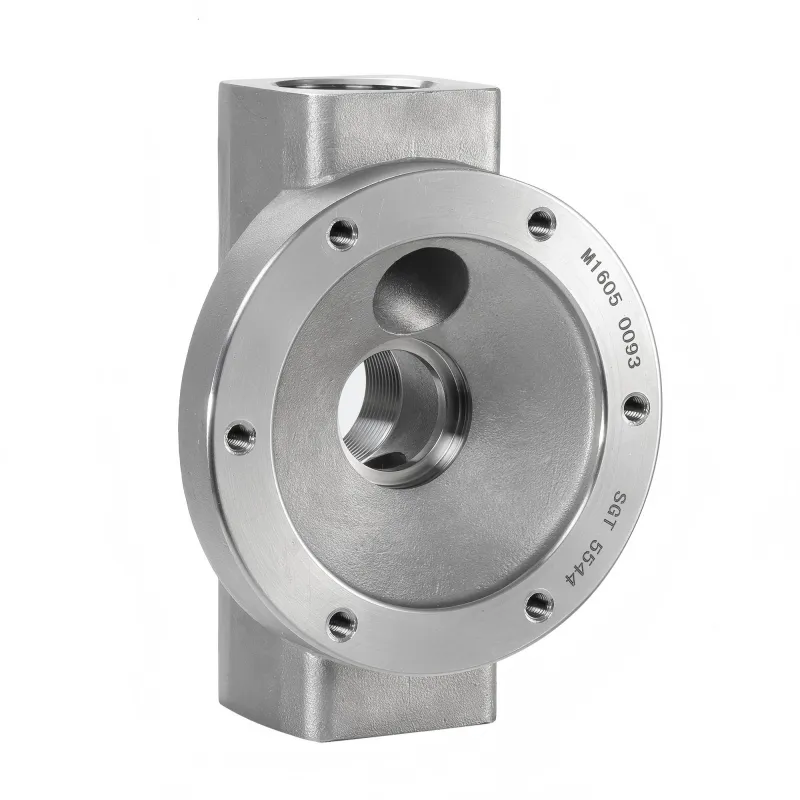
Let me describe a concrete win, not from a brochure but from the field. A client needed a large, complex valve body for a sour gas application (H2S present). The specs called for extreme resistance to sulfide stress cracking. A standard CF8M (316 equivalent) casting was out of the question. We went through a material selection dance: duplex stainless? super duplex? finally landing on a nickel-based alloy casting.
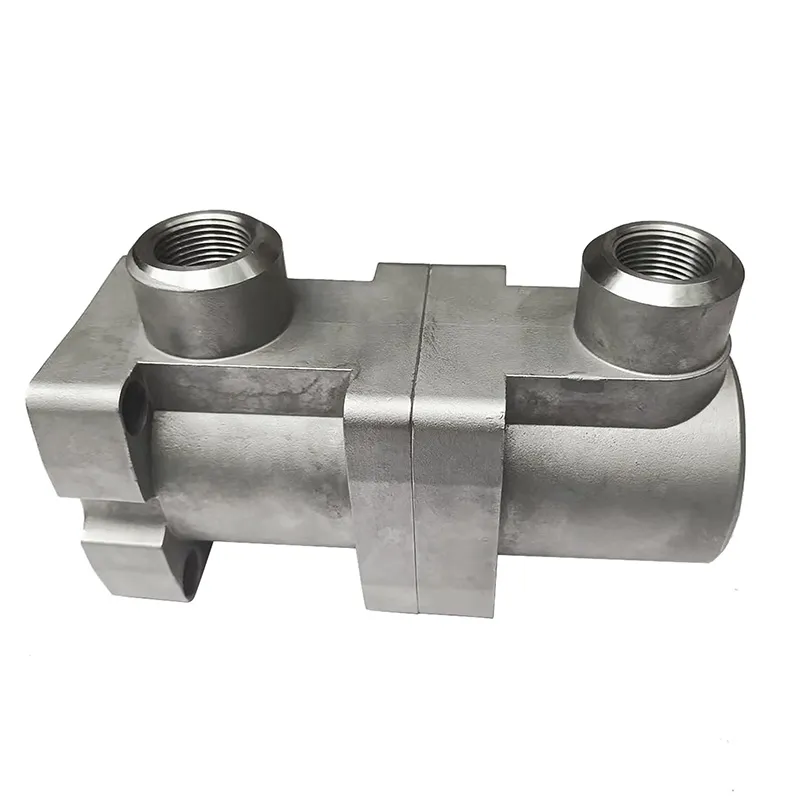
The challenge was the sheer size and section thickness variations. Achieving a sound, homogeneous casting without shrinkage defects in such an alloy is a foundry art. Then, the machining: the bore tolerances were tight, and any tool chatter or deflection would create a poor surface finish, a potential crack initiation site. The project succeeded because the foundry (a partner with a profile similar to QSY's long-term casting focus) simulated the solidification, used controlled pouring techniques, and then their own machinists took over, using rigid setups and conservative cuts to finish the bores. The part wasn't just a material; it was a testament to process control. That valve body is still in service, which is the only metric that counts.
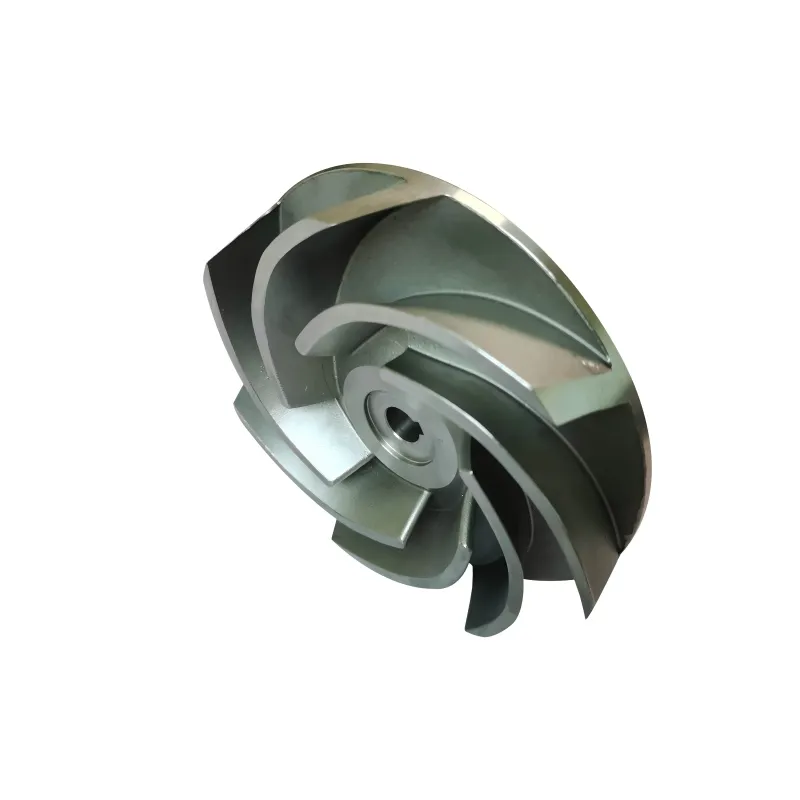
Failures are more instructive. Early on, I sourced some pump impellers in 17-4 PH stainless, thinking the precipitation hardening would give great strength and corrosion resistance. What I didn't account for was that the specific heat treatment to achieve H900 condition, while maximizing strength, can reduce corrosion resistance in some media. We got strength, but in that particular acidic slurry, we saw unexpected pitting. We had to backtrack and specify a different aging treatment (H1150), sacrificing some tensile strength for the needed corrosion performance. The lesson: the alloy is just the starting point; its condition is the contract.
The Supplier Equation: More Than a Price Quote
So, when you're sourcing true corrosion-resistant parts, you're not just buying a shape made of a certain metal. You're buying metallurgical expertise, process discipline, and often, diagnostic capability. Can the supplier discuss heat treatment charts for the alloy they're casting? Can they explain their passivation process for stainless? Do they understand how their machining parameters affect surface integrity?
A company's longevity, like QSY's 30+ years in casting and machining, is a decent proxy for this. It means they've likely navigated these failures and learned. Their mention of specializing in shell and investment casting for materials including those special alloys tells me they're set up for the complex, high-performance stuff where corrosion is a primary concern. Investment casting, in particular, is great for achieving complex, near-net-shape geometries in these difficult-to-machine alloys, which itself is a corrosion-avoidance strategy (less machining = less risk of surface damage).
Ultimately, the spec sheet is the beginning of the conversation, not the end. The part that survives is born from a collaboration between sound design, precise material selection in a specific condition, and meticulous, controlled manufacturing. It's messy, iterative, and full of trade-offs. But when it works, the part just... disappears into reliable service, which is the whole point.