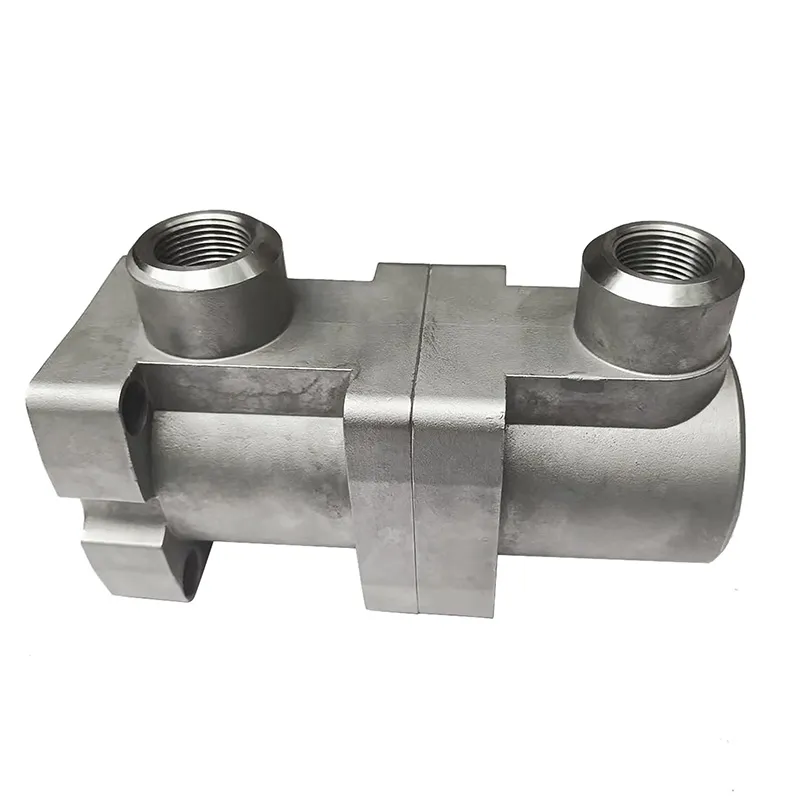
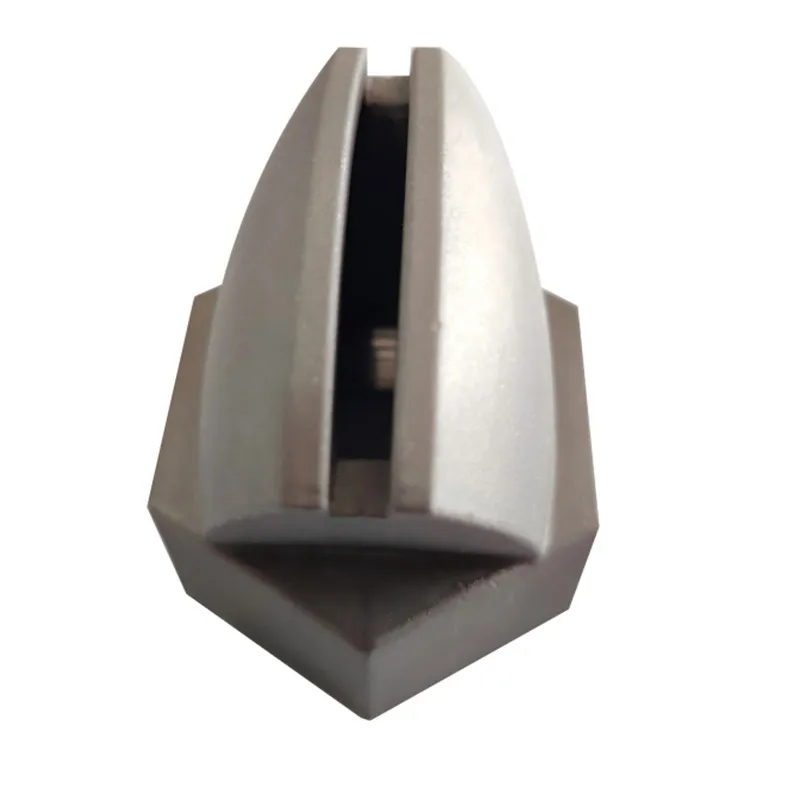
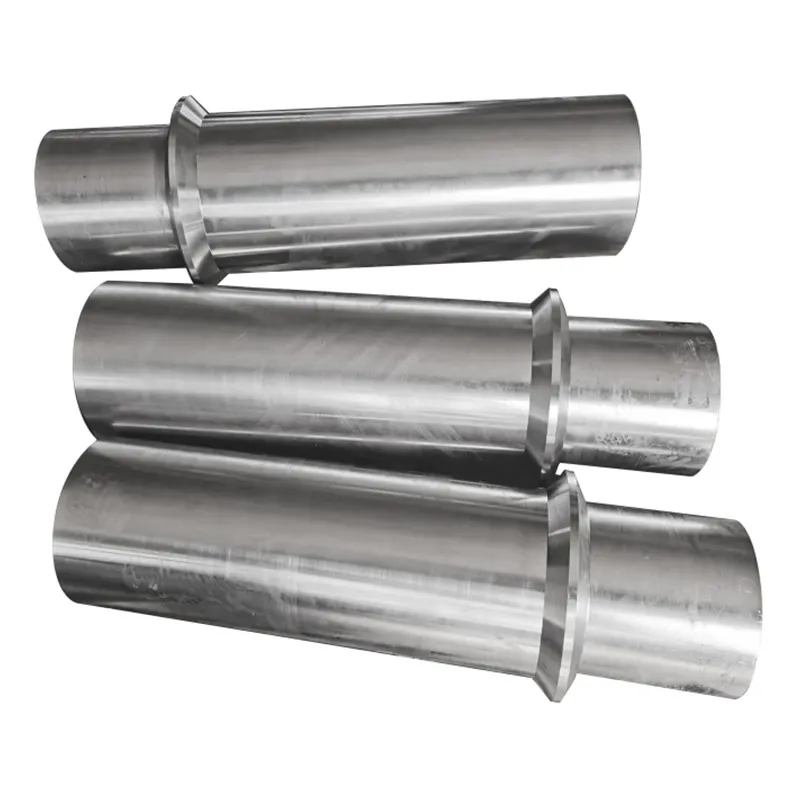
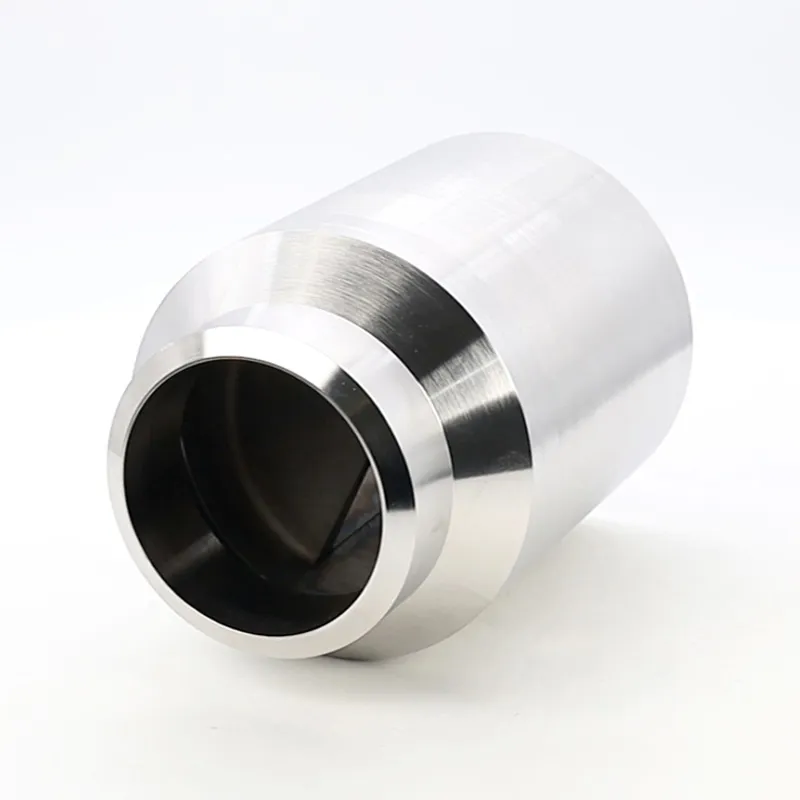
When you hear 'CPP investment casting,' the immediate association for most is the standard ceramic shell process. But that's where the first common pitfall lies. In my years dealing with complex geometries and high-integrity parts, I've seen too many specs that treat CPP—typically meaning Cast Polypropylene patterns—as just another expendable pattern material. The reality is more nuanced. Its application, especially in conjunction with advanced alloys, demands a specific touch that isn't always covered in generic guides. Many assume it's all about the burnout cycle, but the story starts much earlier, with the pattern assembly and the slurry room conditions. I recall a project early on where we faced persistent shell cracks on a stainless steel manifold; we chased furnace settings for weeks before realizing the issue was the wax-CPP blend's thermal expansion mismatch during dewaxing. That was a hard lesson.
The Core of the Process: It's Not Just About the Mold
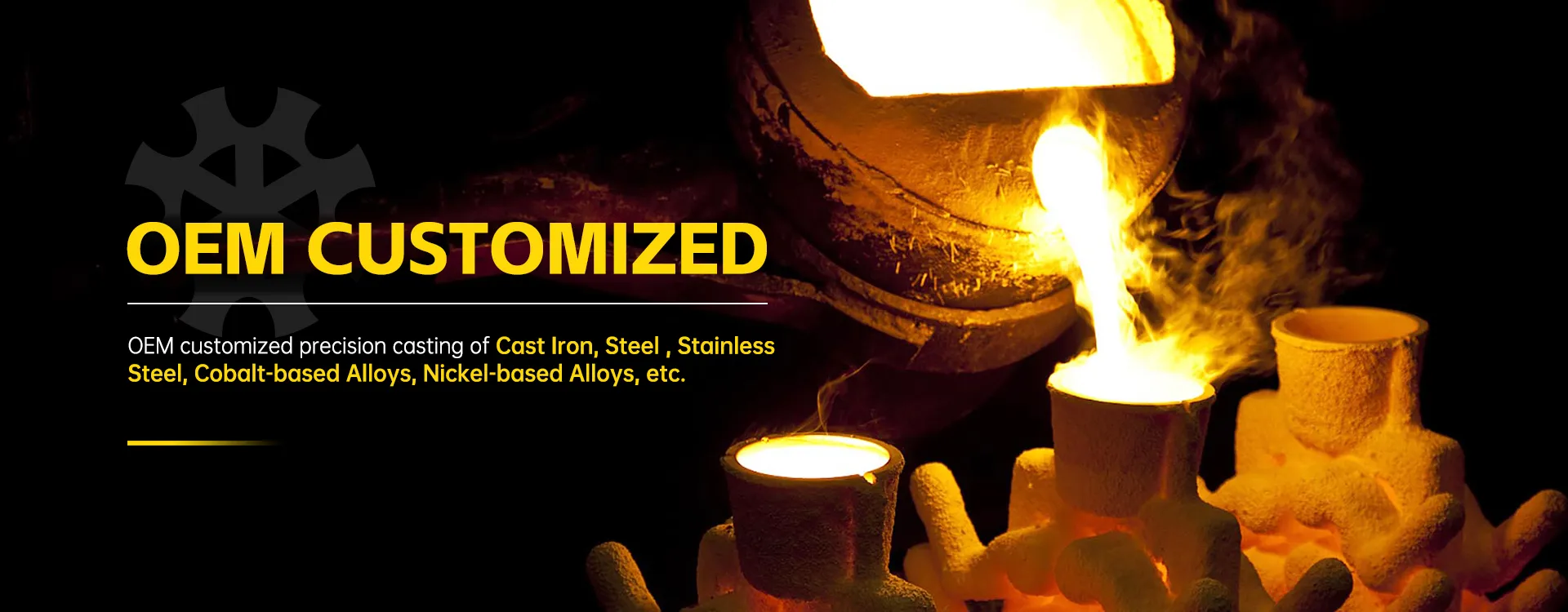
Let's break down the CPP advantage. Its primary benefit is dimensional stability for larger, flatter patterns compared to pure wax. For a company like Qingdao Qiangsenyuan Technology Co., Ltd. (QSY), which handles a broad spectrum from intricate jewelry-sized pieces to hefty industrial components, this material choice becomes strategic. On their platform, tsingtaocnc.com, you can see their focus on investment casting across diverse materials. The CPP process shines when you're dealing with the steel and nickel-based alloys they specialize in. The pattern needs to hold its shape not just during assembly, but through the critical first coat dip. If the slurry temperature is off, or the ambient humidity too high, you can get poor adhesion on that CPP surface, leading to inclusions later. It's a subtle thing that you only learn by ruining a batch.
Where the real expertise comes in is the transition to shell building. The standard stucco sand might not be the best friend for a CPP pattern. We've had better results with a finer, more angular zircon sand for the first couple of coats to really key into the polymer surface. This isn't textbook stuff; it came from trial and error. QSY's long tenure, noted in their 30+ years of operation, suggests they've navigated these material-specific learning curves. Their work with cobalt-based alloys and nickel-based alloys is particularly telling. These alloys pour at extreme temperatures, so the shell built on a CPP pattern must have exceptional thermal shock resistance. A weak shell from a poor first coat will fracture, causing a runout or finning defect. It's a spectacular and expensive failure.
Another practical detail often overlooked is the gating system design for CPP patterns. Because the material is slightly more rigid, it can withstand larger, more direct sprue attachments, which can improve feeding for heavy sections. But this rigidity also means it's less forgiving of handling damage. I remember a batch of patterns for a pump housing that developed hairline cracks at the gate junctions from rough handling after assembly. We didn't catch it until after dipping, and the result was shell leaks during dewaxing. The entire lot was scrap. It taught us that the pattern handling protocol for CPP needs to be even more stringent than for wax.
Material Synergy: Where CPP Meets Metal
The choice of pattern material is meaningless without considering the final metal. This is where a foundry's material portfolio becomes critical. QSY's listing of stainless steel, cast iron, and special alloys isn't just a menu; it dictates their process parameters. Pouring a high-nickel alloy into a shell formed from a CPP pattern requires a meticulously controlled burnout. Any residual carbon from the pattern can cause carburization on the surface of the casting, compromising corrosion resistance. We learned to use a longer, oxidative burnout cycle for such cases, sometimes even adding a low-temperature pre-heat stage to slowly volatilize the CPP before ramping up to sintering temperatures.
For components like valve bodies or turbine blades in nickel-based alloys, the surface finish requirement is paramount. The CPP pattern's surface finish directly transfers to the ceramic mold. Any sink mark or flow line on the pattern will be faithfully reproduced. Therefore, the quality of the initial CPP pattern injection molding is paramount. It's not a commodity item. We've switched suppliers before because of consistent surface pitting on the patterns that led to costly finishing operations on the final castings. Sometimes, the fix was as simple as adjusting the injection mold's venting, but diagnosing it took cross-departmental sleuthing between the pattern shop and the foundry floor.
Conversely, for some carbon steel or cast iron applications, the demands are different. Here, the focus might be on cost-effectiveness for larger runs. CPP patterns can be more durable for repeated shell assembly, but you must weigh that against the initial tooling cost for the plastic injection mold versus a wax die. For short runs, it might not make sense. I've seen projects where the upfront cost analysis killed the CPP approach, pushing us back to traditional wax for a batch of 50 pieces. The financial practicality is as much a part of the process as the metallurgy.
The Machining Handshake: From Casting to Finished Part
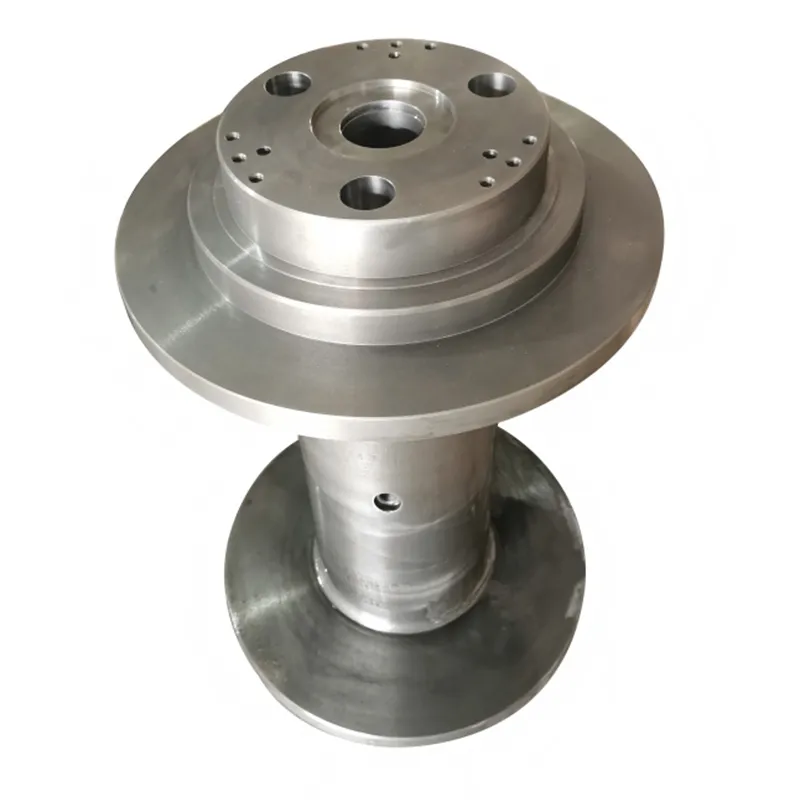
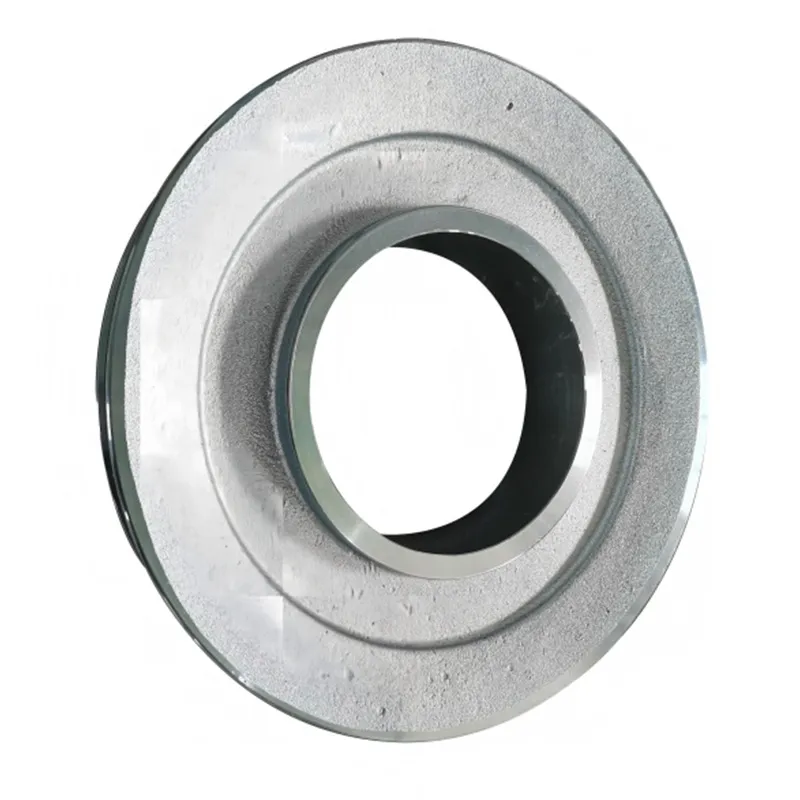
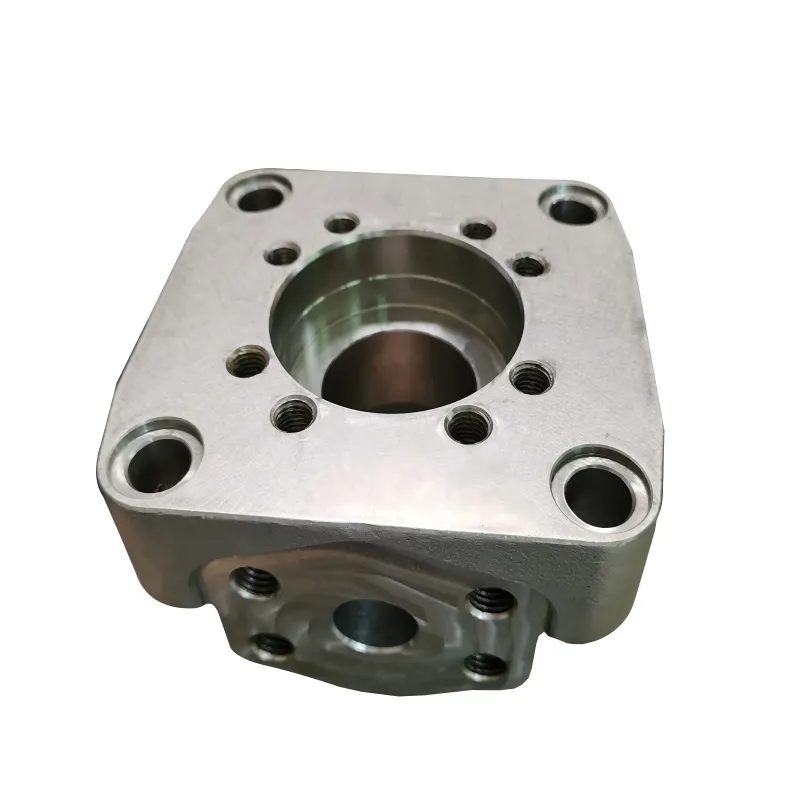
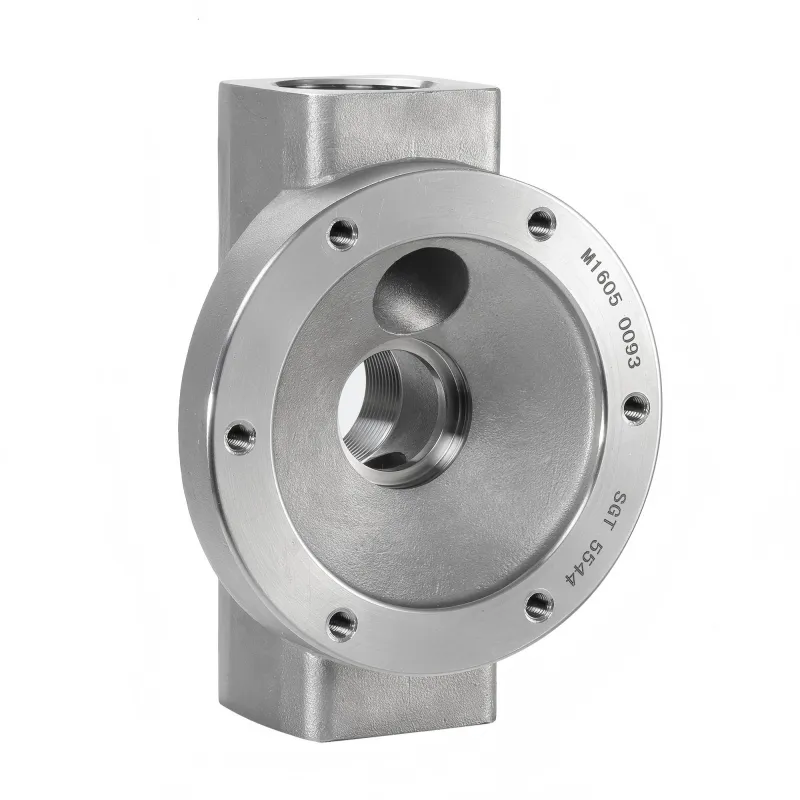
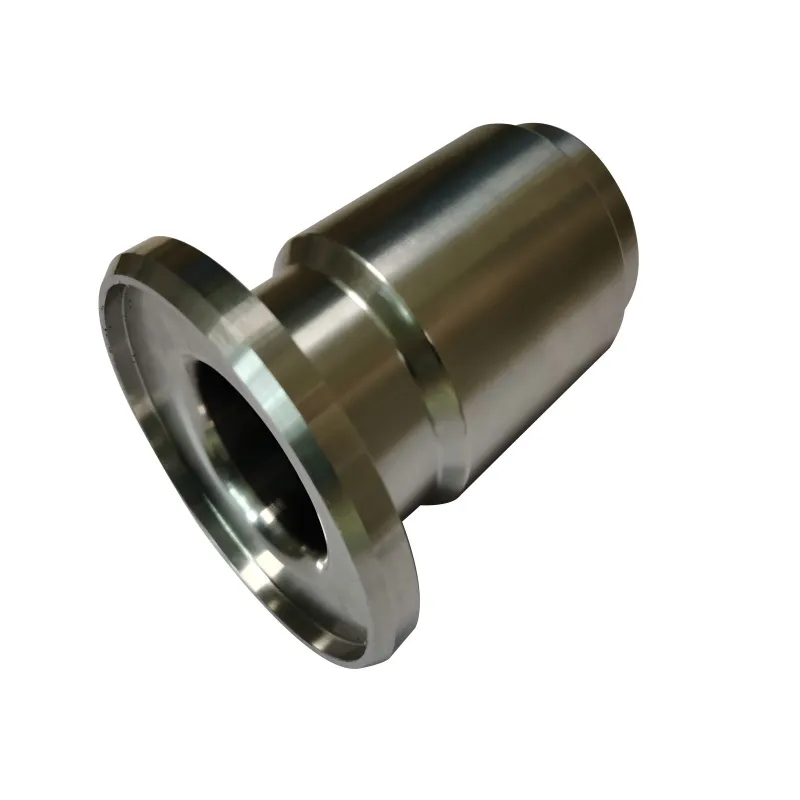
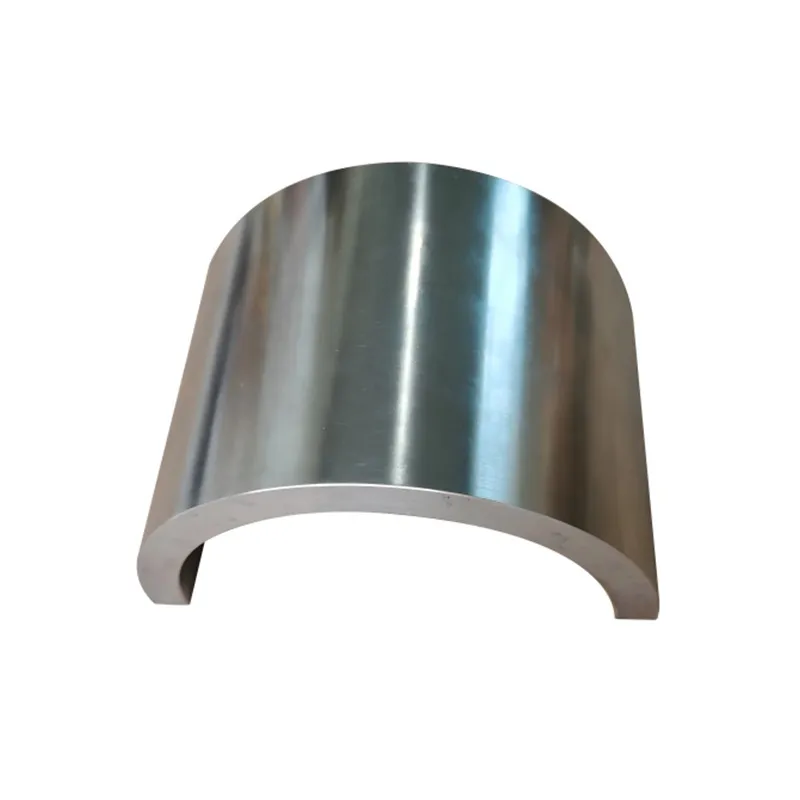
No discussion is complete without touching on post-casting operations. A key strength of a vertically integrated provider like QSY, offering both investment casting and CNC machining, is the control over the entire workflow. When you cast from a CPP pattern, the dimensional consistency you gain translates directly to machining efficiency. The machinist isn't fighting to find a datum surface on a wildly variable casting. We aim for near-net-shape, but 'near' is a relative term. A well-executed CPP process can hold tighter as-cast tolerances, which means less stock to remove during CNC milling or turning.
This is crucial for hard-machining alloys like cobalt-based alloys. Removing excess material is time-consuming and wears down tooling. By optimizing the casting process to minimize excess, the overall part cost drops significantly. It's a synergy that's often underestimated. I've collaborated on projects where the machining team provided feedback on recurring hard spots or inconsistent wall thickness, and we traced it back to the pattern design or shell drying process. That closed-loop feedback is invaluable and is something you typically only get under one roof.
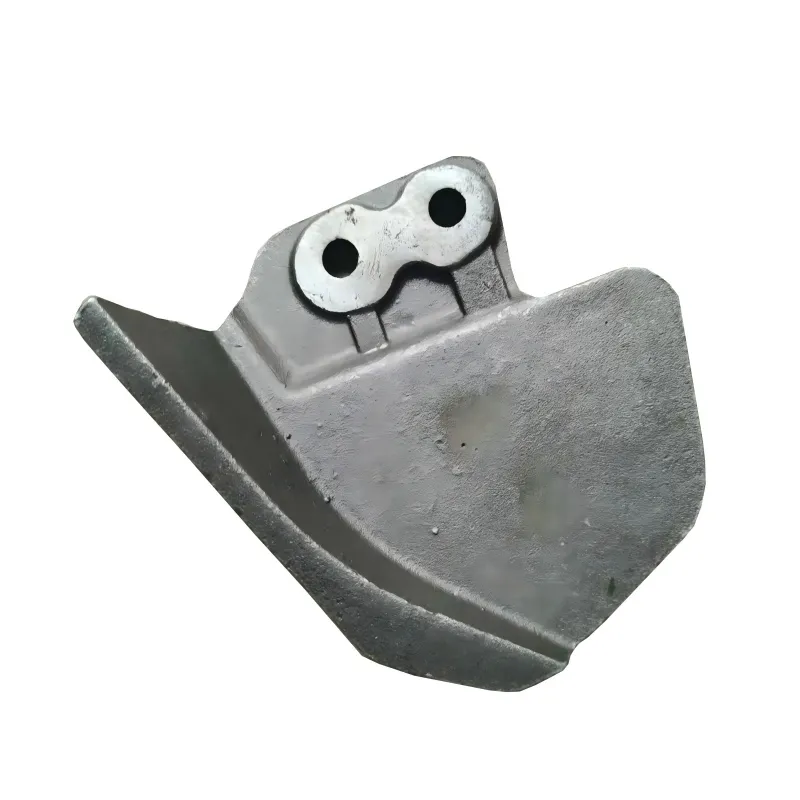
There's also the issue of fixturing. A casting from a dimensionally stable CPP pattern allows for more reliable fixture design on the CNC bed. We once had a job for a series of brackets where the locating pads on the casting were so inconsistent from wax pattern shrinkage that each one needed individual indication. Switching to a CPP pattern for that part family standardized those pads, cutting machining time per unit by about 15%. It's these cumulative, practical gains that define success, not just the casting yield.
Operational Realities and Failure Modes
In the day-to-day, theory meets reality. A major operational consideration with CPP is waste stream management. The burnout fumes are different from pure wax. You need good ventilation and often afterburners to meet environmental standards. It's an added cost that must be factored in. Furthermore, the spent shell material is more contaminated with polymer residue, which can complicate recycling or disposal compared to cleaner wax-based shells. This isn't a deal-breaker, but it's a real logistical factor that a seasoned operation will have systems for.
Failure analysis is another area rich with lessons. A common defect we chased was called 'veining'—fine, vein-like projections on the casting surface. It was especially prevalent on large, flat surfaces cast from CPP patterns. The root cause? It often pointed back to the shell. The theory we settled on was that the CPP, during its more aggressive thermal expansion, created micro-cracks in the first ceramic coat. The molten metal then penetrated these cracks. The solution involved tweaking the slurry formulation for better green strength and modifying the drying airflow to be more uniform, preventing stress concentrations in the shell. It took months of DOE (Design of Experiments) runs to pin it down.
Then there's the human factor. Training technicians to handle and assemble CPP patterns requires a different mindset. They can't rely on the slight flexibility of wax to 'bend' a misaligned joint into place. The assembly must be precise from the start. We introduced simple jigs and visual guides for complex assemblies, which drastically reduced assembly-related shell faults. It's these small, process-specific adaptations that separate a functional line from a high-yield one.
Concluding Thoughts: A Tool in the Arsenal
So, is CPP investment casting a silver bullet? Absolutely not. It's a specialized tool. Its value is unlocked when you have the right application: parts requiring superior dimensional stability, often in larger sizes or with specific geometries, and paired with metals that benefit from that precision. For a firm like QSY with deep experience across materials and processes, it's one of the key techniques that allows them to tackle the challenging projects—the special alloy components for aerospace, energy, or heavy industry where failure is not an option.
The journey with any process like this is iterative. You adopt the core principle, you encounter the unique failures, you adapt, and you refine. The 30-year history hinted at by QSY speaks to that cycle of learning. The real knowledge isn't just in knowing how to run the process, but in knowing when to use it, how to adapt it for the metal at hand, and how to integrate it seamlessly with downstream steps like machining. It's this holistic, slightly gritty, experience-driven understanding that turns a technical specification into a reliably manufactured component. That, in the end, is what this trade is all about.