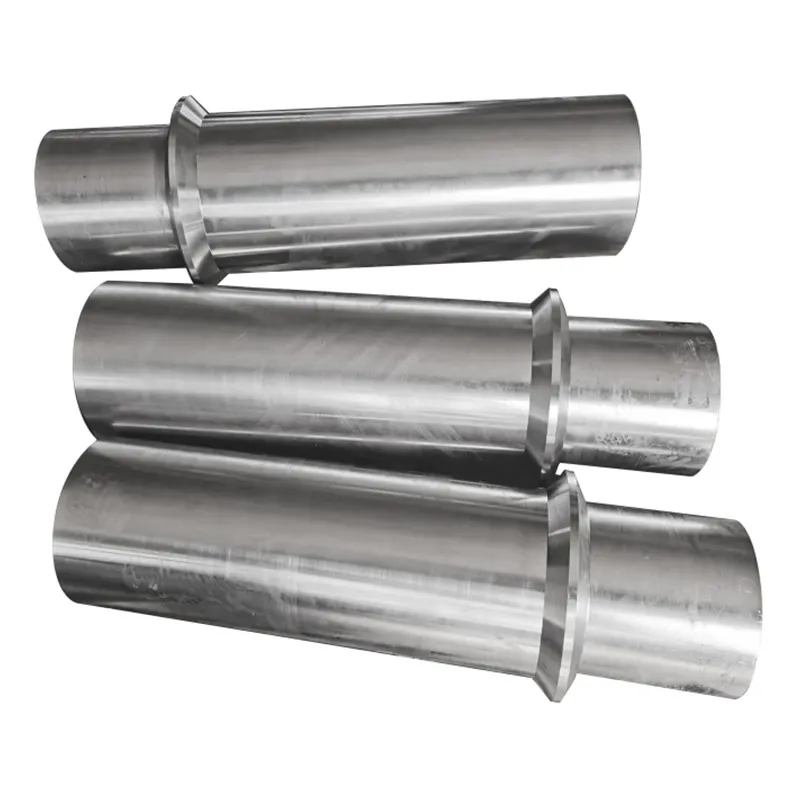
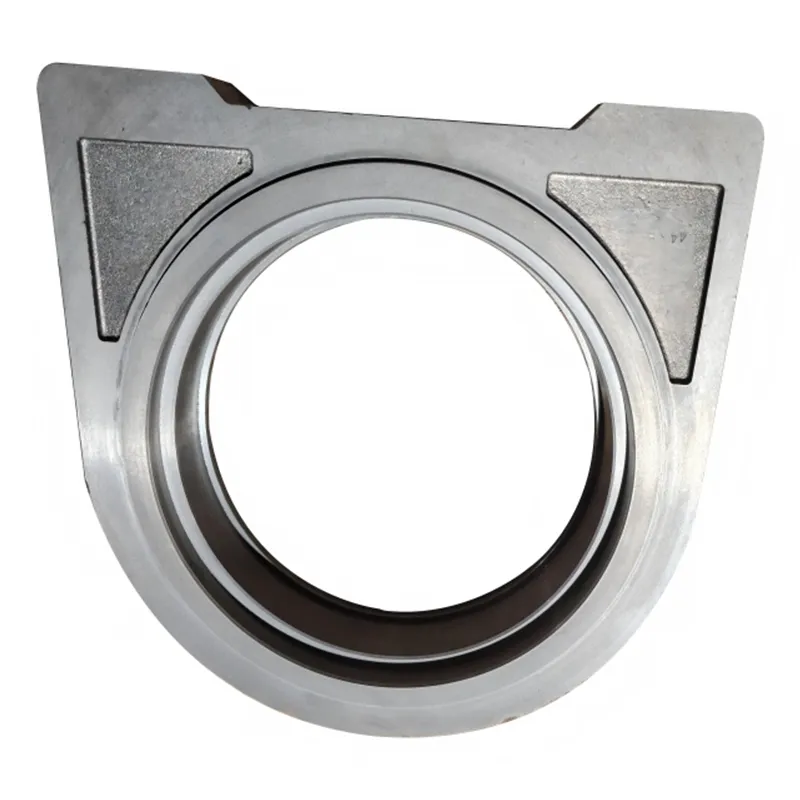
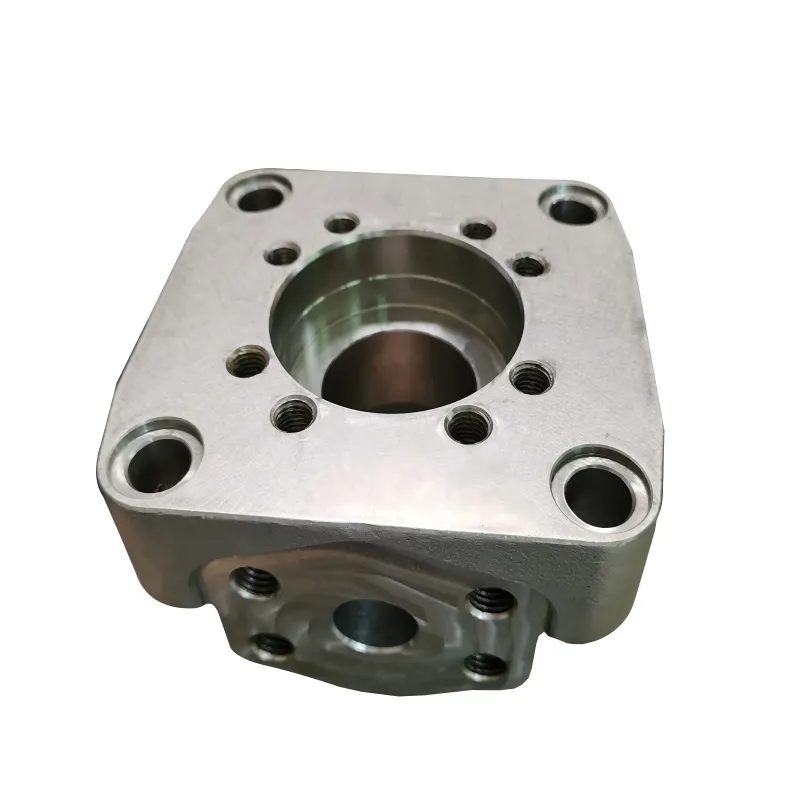
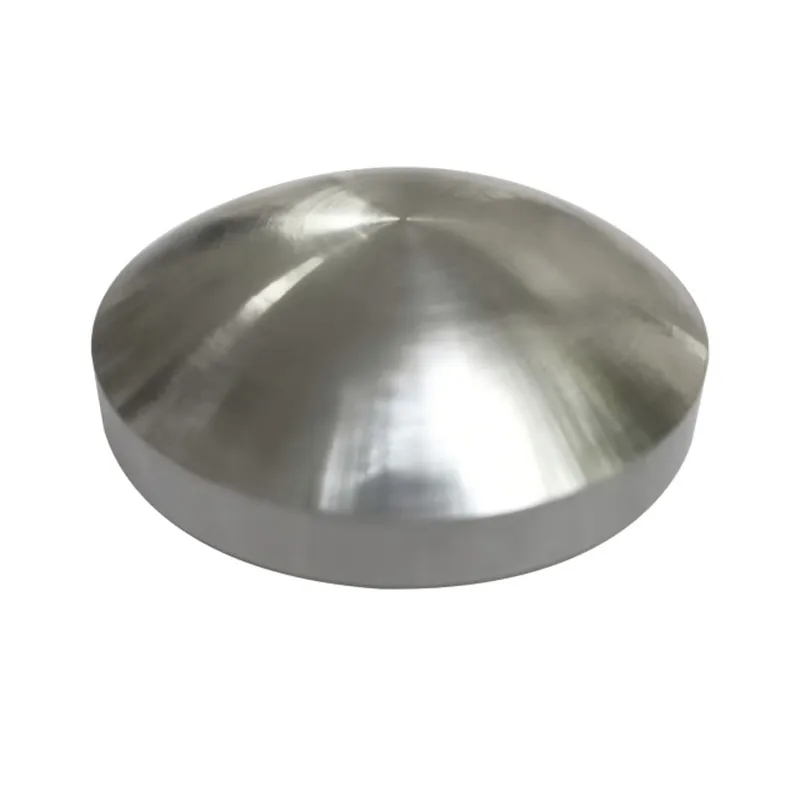
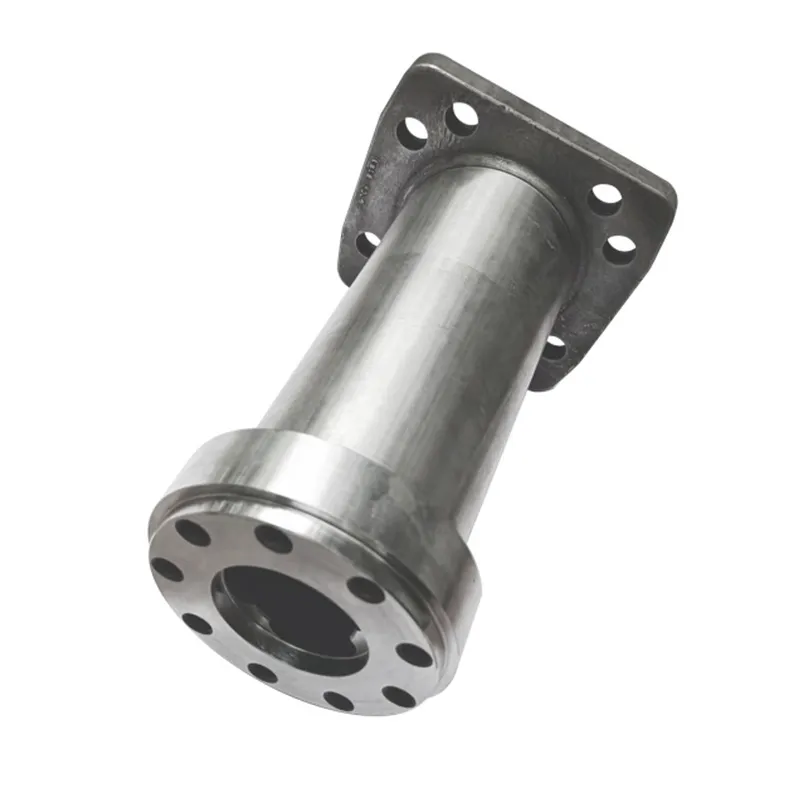
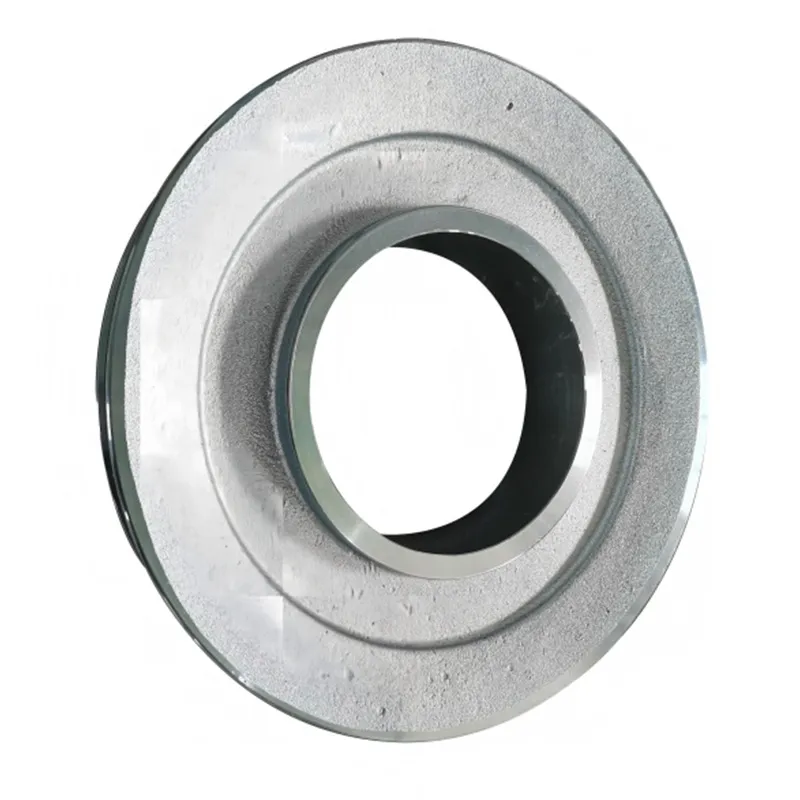
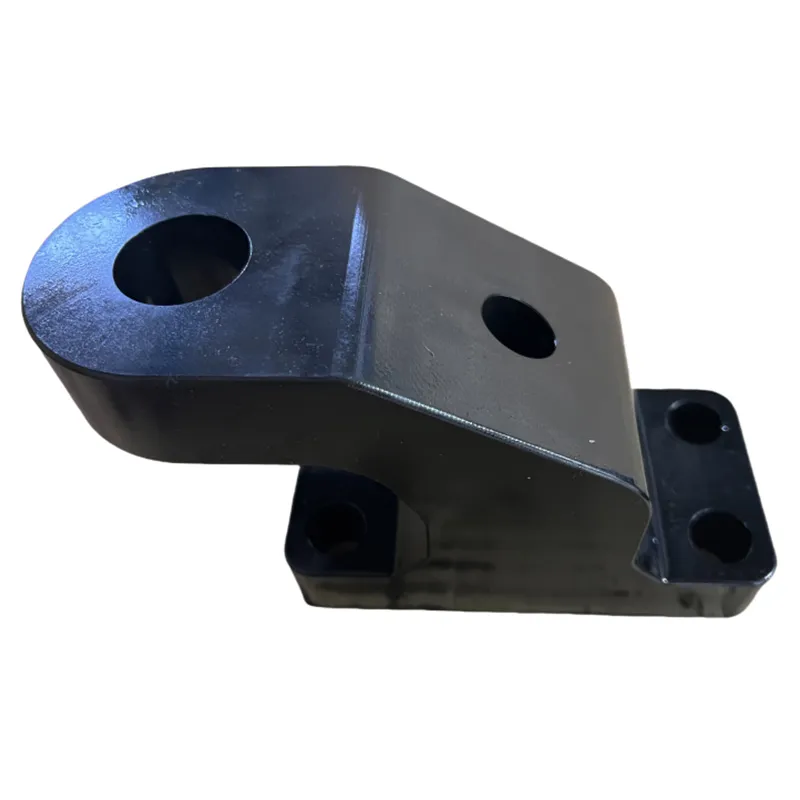
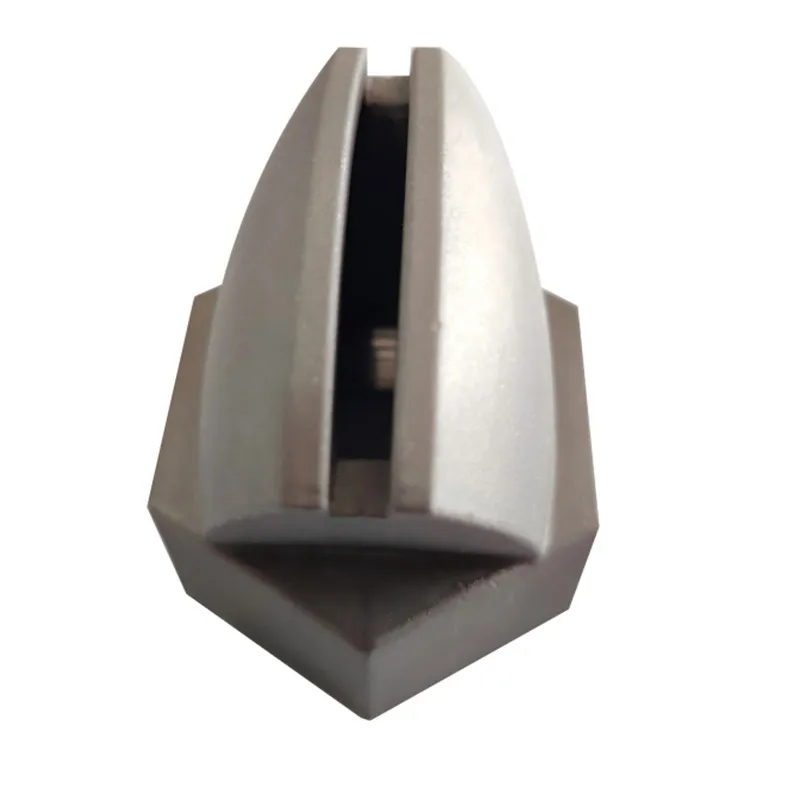
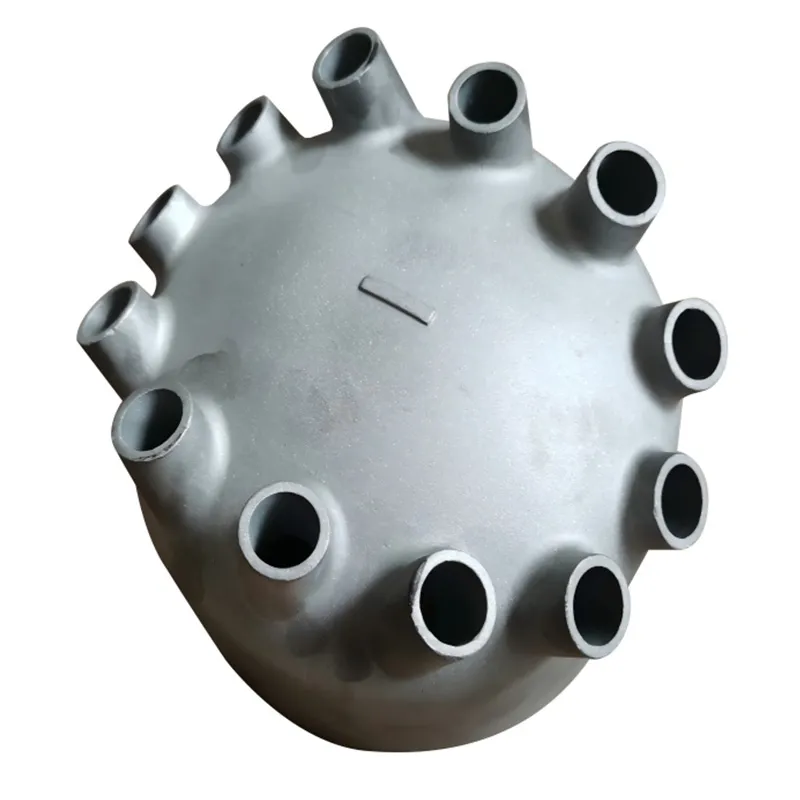
When most people hear 'custom investment casting', they picture a flawless, net-shape part straight out of the ceramic shell, ready for assembly. The brochures and websites make it look like magic. The reality, the part that actually pays the bills and keeps clients coming back, is all about managing the unseen: the shrinkage factors that aren't in the textbook for your specific alloy blend, the way a particular core print design can warp the entire shell during dewax, or the surface finish trade-off when you're chasing both thin walls and internal complexity. It's not just about making a mold; it's about foreseeing the entire chain of events from 3D model to finished, machined component.
The Foundation: It Starts (and Often Stumbles) with the Pattern
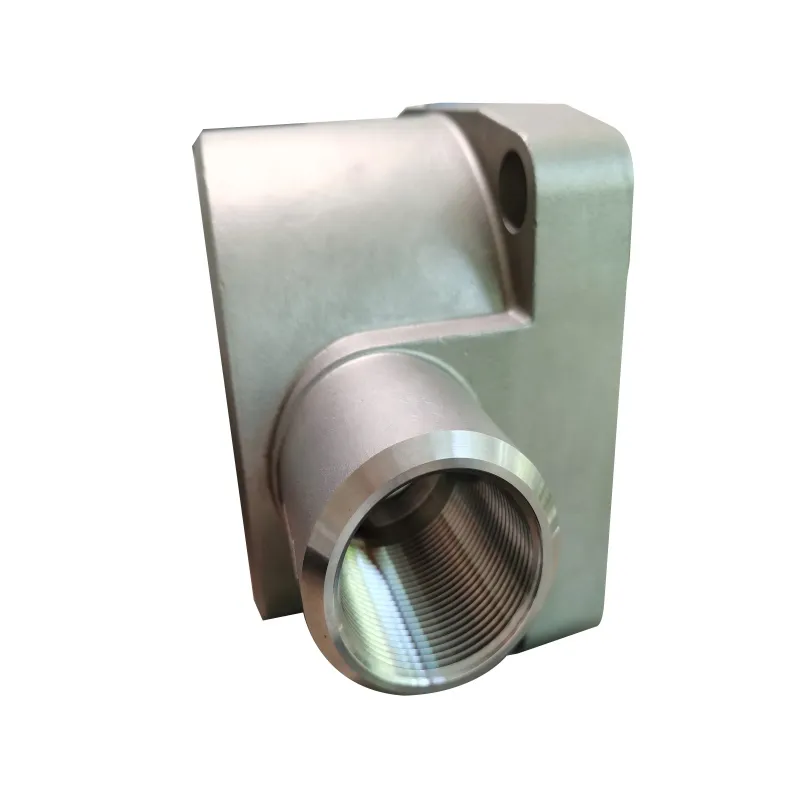
Everyone focuses on the metal, but the real first step is the pattern tooling. I've seen projects get derailed here more than anywhere else. You can't just take a CAD model and mill a pattern die. You have to apply the shrink rule, but which one? The published rate for 316 stainless is a starting point, but in practice, it changes with the geometry. A long, thin feature will constrain shrinkage differently than a bulky section. We learned this the hard way early on, producing a batch of valve bodies that were dimensionally perfect on the CMM except for the critical flange face – it was off by just enough to cause a sealing issue. The alloy shrunk as predicted, but the pattern didn't account for the differential cooling. Now, we build in compensation based on part topology, not just a blanket percentage.
Then there's the pattern material itself. For low-volume custom investment casting, rapid prototyping like SLA or wax printing is tempting. It's fast. But for a run of even 50 pieces, the consistency of a machined aluminum or steel die is worth the upfront cost. A printed wax pattern's surface has a texture, a slight stair-step, that transfers to the ceramic shell and then to the metal. If you need a Ra 63 microinch or better as-cast surface, that's a problem. The initial savings evaporate with extra finishing costs.
This is where a partner's experience shows. A company like Qingdao Qiangsenyuan Technology Co., Ltd. (QSY), with their three decades, has likely built thousands of pattern dies. That library of historical data on how different shapes behave in the mold is invaluable. It's the difference between a theoretical shrink and a proven, tweaked one for a turbine blade versus a pump housing.
The Shell Game: Ceramics, Stucco, and Drying Time
The shell building process is where art meets science. The primary slurry coat is critical for surface finish, but the backup coats are for strength. The choice of stucco – zircon, fused silica, alumino-silicate – depends on the alloy's pouring temperature and the part's thermal needs. Pouring a nickel-based superalloy? You're almost certainly using a zirconia-based face coat and stucco to prevent metal-mold reaction. But that's expensive. For many carbon steel applications, a fused silica system works perfectly well and cuts cost.
Drying time between dips is a silent killer of schedules and quality. Rush it, and you trap moisture. The steam pressure during the subsequent high-temperature dewax can crack the shell from the inside out. We once lost a whole tree of aerospace brackets because a humidity spike in the drying room wasn't accounted for. The shells looked perfect until they exploded in the dewax autoclave. Now, we monitor ambient conditions as closely as the slurry viscosity.
Shell thickness is another judgment call. Thicker is stronger, but it also means more material cost, longer heating times for the mold before pour, and potentially worse cooling rates for the metal. For a thin-walled component, you need a robust shell to prevent breakage during handling, but you don't want a thermal mass that slows solidification and creates grain structure issues. It's a balance you learn from feel, often by breaking a few test shells to check permeability and strength.
Dewax and Burnout: The Unseen Transformation
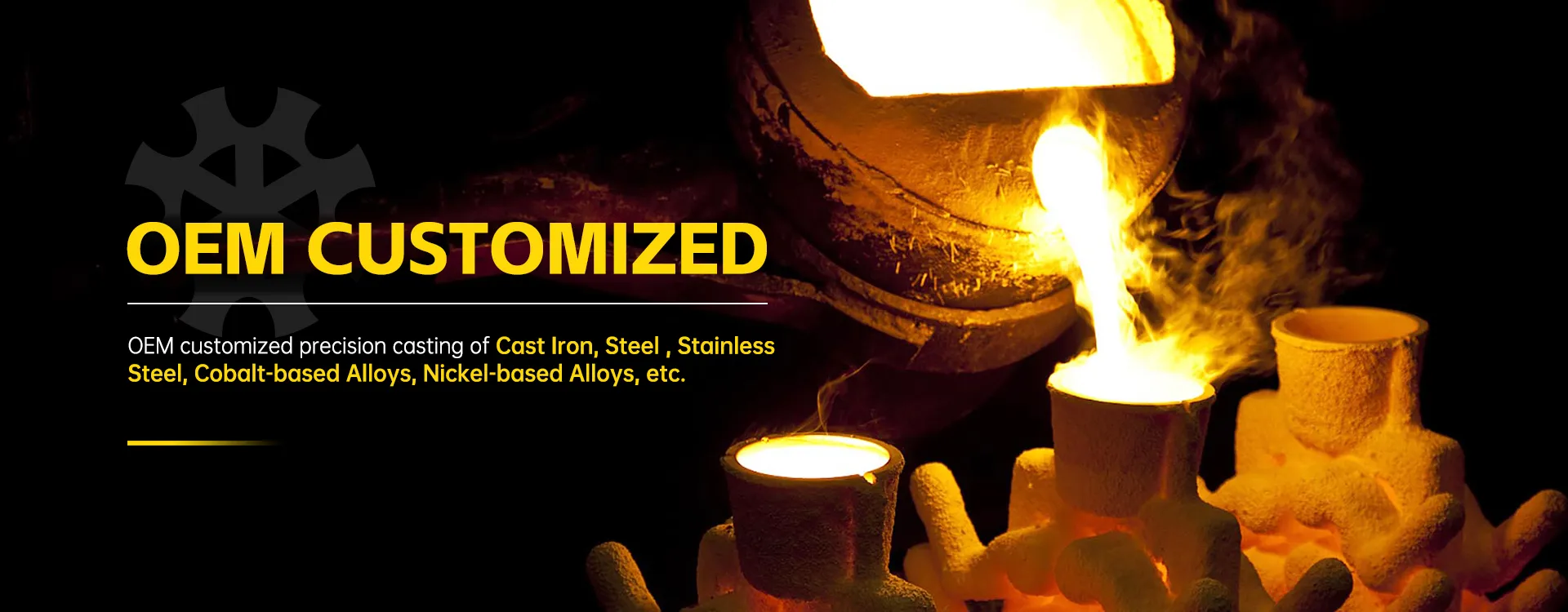
Dewax isn't just melting out wax. Modern autoclaves use high-pressure steam to melt and vaporize it rapidly. The key is speed and pressure control – get the wax out before it expands enough to crack the ceramic. But after dewax, you have an empty, fragile shell. The burnout cycle then fires it to around 1000°C to burn out any residual pattern material, sinter the ceramic particles together for strength, and bring the mold up to temperature for pouring. If the ramp rate is too fast, thermal shock causes cracks. Too slow, and you're wasting furnace time and energy. This is pure process craft, often specific to the shell system and part size.
Metallurgy and Pouring: Where the Liquid Decision Happens
This is the moment of truth. You have a hot mold and a furnace of molten metal. The choice of material seems straightforward from the spec sheet, but the melt practice is everything. For instance, with stainless steels, controlling the nitrogen content is crucial for corrosion performance. You can't just throw scrap into the induction furnace. The charge makeup needs to be controlled.
Degassing is another critical step, especially for aluminum alloys or steels requiring high fatigue strength. Hydrogen pickup from moisture is the enemy. You'll see it later as porosity in radiographs. We work with a range from cast iron to special alloys like cobalt-based Stellite, and each has its own dance. Pouring a cobalt alloy for a wear-resistant valve seat is a different beast from pouring ductile iron for a gear housing. The superheating temperature, the pouring speed to avoid turbulence, the use of chills in the mold to direct solidification… all these choices are made in minutes based on the heat's analysis and the part's geometry.
QSY's mention of working with special alloys like nickel-based and cobalt-based ones is a signal of capability. These aren't easy materials. They have high melting points, are often reactive, and require precise thermal management to achieve their desired properties (like creep resistance in a turbine part). Handling these materials confidently means they've invested in the right furnace technology and have the metallurgical expertise to back it up.
The Aftermath: Cleaning, Finishing, and the CNC Handshake
Once the casting has cooled and you've broken off the shell, you're left with a rough part attached to its gating system. The knockout process needs care – you don't want to damage the fragile features you just created. Then comes cut-off, usually with a abrasive wheel or band saw. After that, grinding to remove the gate stubs. This is manual, skilled labor. A grinder who knows the part can save you machining time later; one who doesn't can grind away critical datum surfaces.
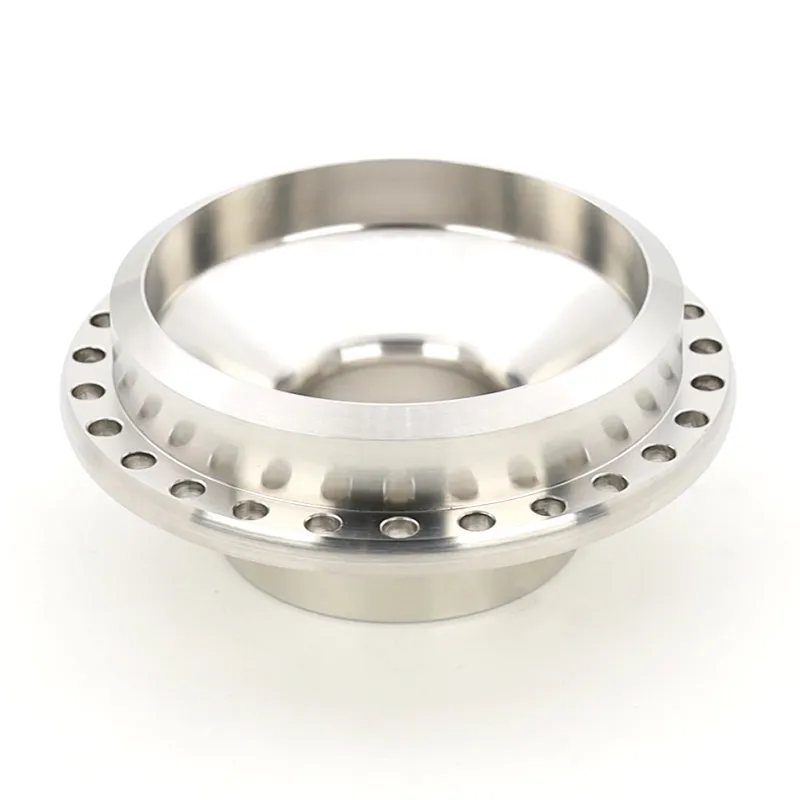
This is where the integration with CNC machining becomes non-negotiable for precision components. Very few investment castings are truly net-shape for functional applications. You need machined faces for sealing, drilled and tapped holes with precise thread classes, or bored diameters with tight tolerances. The big advantage of investment casting here is that it gives you a near-net-shape preform, minimizing the amount of expensive alloy you have to machine away. It also provides consistent and minimal stock allowance, which lets the machinist run more aggressive, predictable tool paths.
Having both casting and machining under one roof, as QSY does, eliminates a huge point of friction. The casting team knows exactly what stock to leave for the machinists. The machinists understand the potential casting anomalies (like slight core shifts or minimal surface porosity) and can program the first operation to clean up the most critical surfaces first. This synergy is what turns a good casting into a reliable, high-performance component. Trying to coordinate this across two separate suppliers is a headache of logistics, blame-shifting, and added lead time.
Conclusion: The Real Custom is in the Judgment
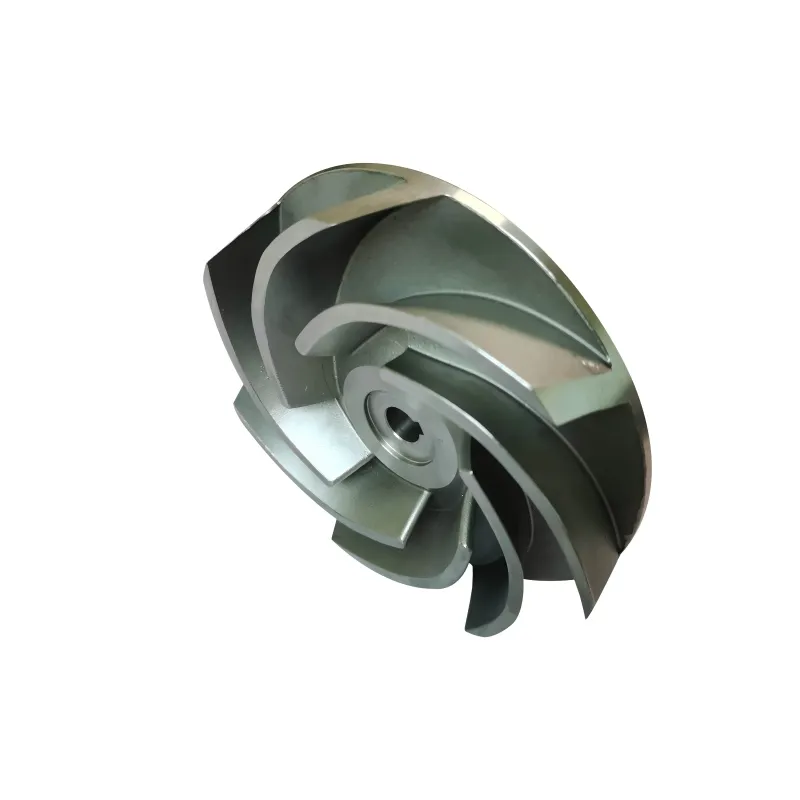
So, what does custom really mean here? It's not just about making a unique shape. It's about the accumulated judgment applied at every single step of the process. It's choosing the right shrink factor for this lobe on the impeller. It's deciding to add an extra ceramic coat on one face of the shell because the thermal model shows a hot spot. It's tweaking the gating design from the last similar job to improve yield by 5%.
The value of a long-standing operation isn't just in their equipment list; it's in their mental database of solved problems. When they look at a new drawing, they're not just seeing lines; they're visualizing the pattern die, the shell build, the pour, the solidification fronts, and the final machining setup. That's the custom in custom investment casting – a fully engineered manufacturing process, not just a molding service. The part that arrives at the customer's dock is the result of a hundred small, informed decisions, most of which never make it into the quote document.