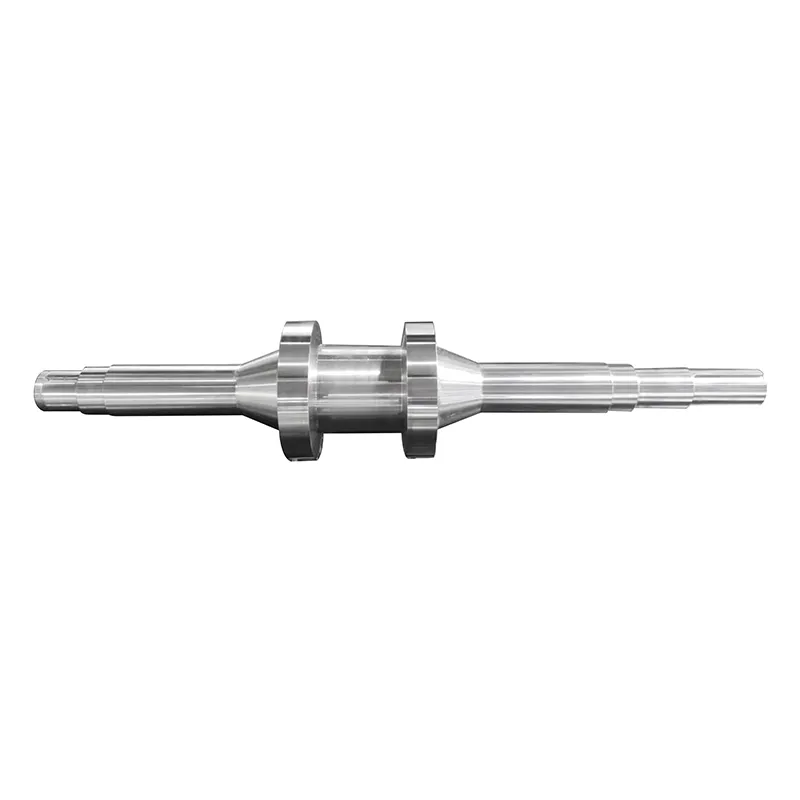
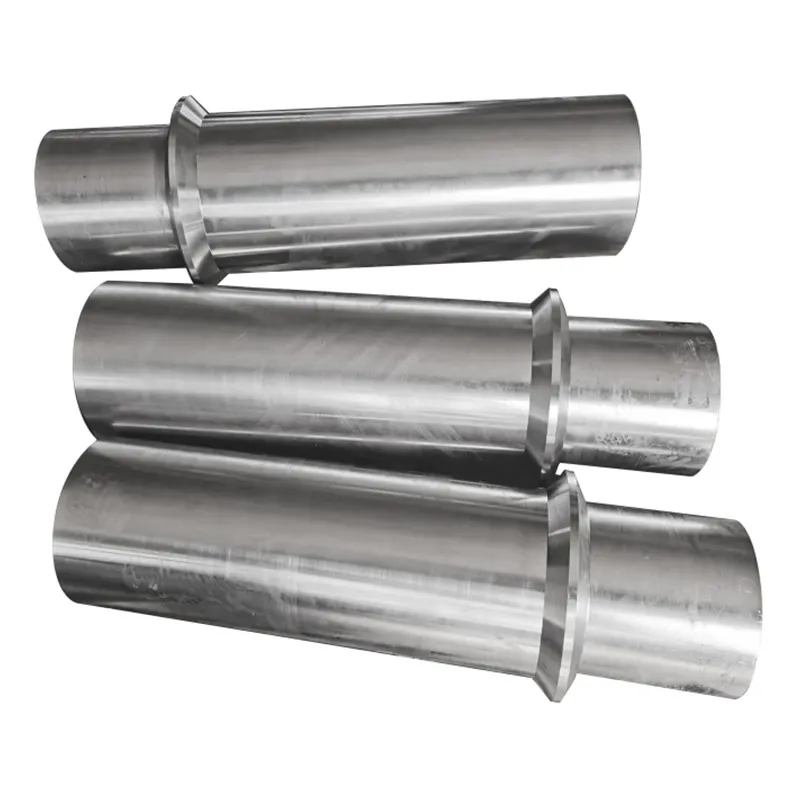
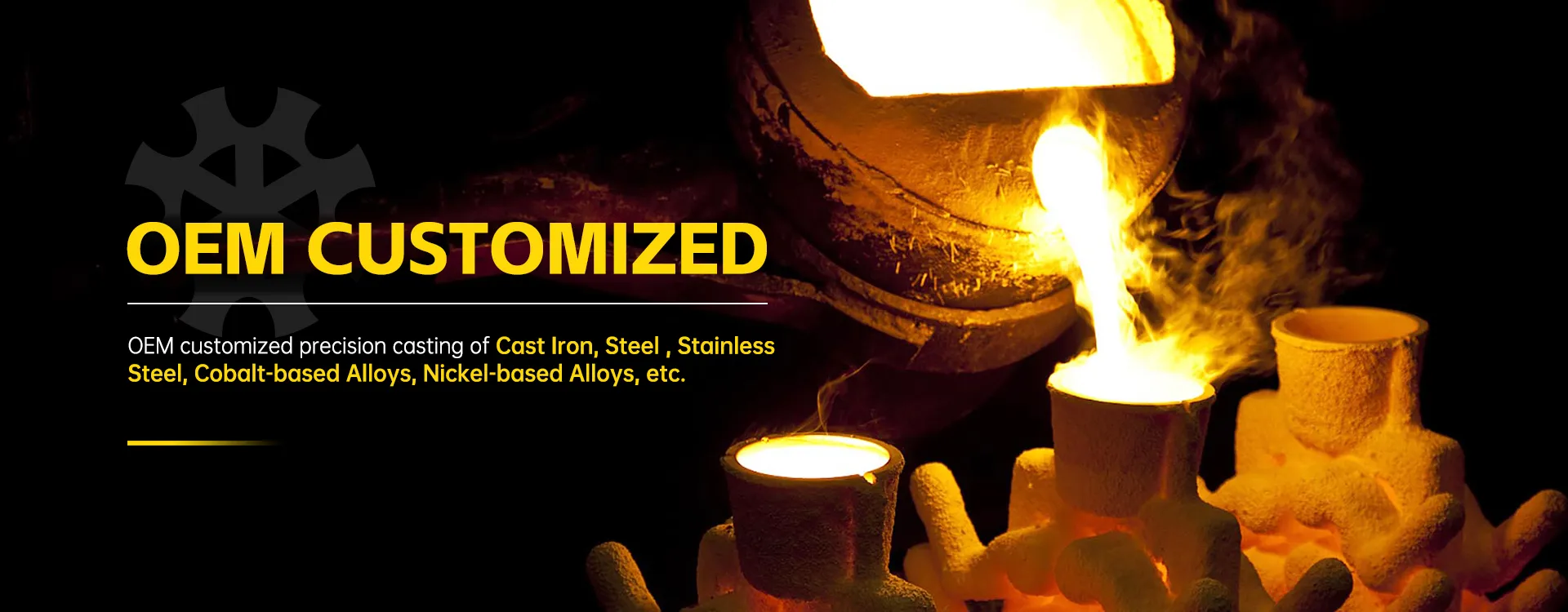
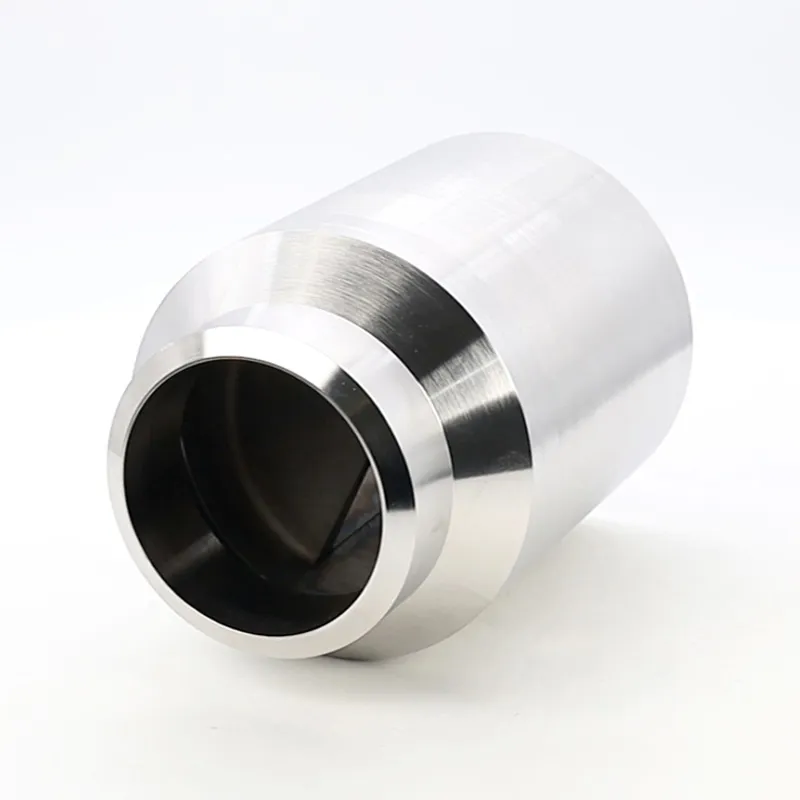
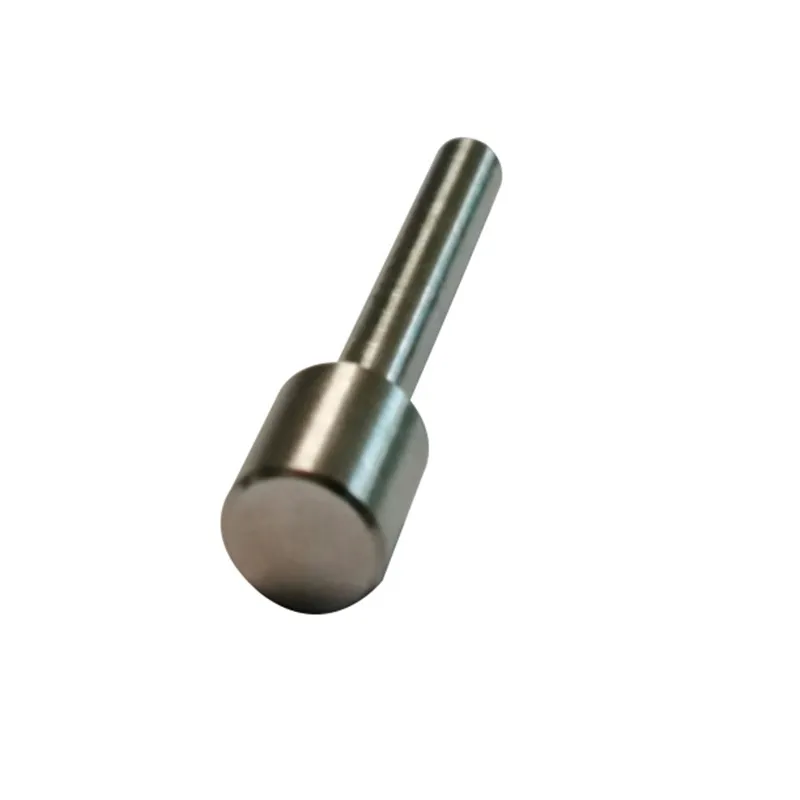
When most people hear 'custom metal casting', they picture a simple translation from CAD file to finished part. That's the first, and biggest, misconception. It's not a photocopier. It's a negotiation between design intent and physical law, where material behavior, thermal dynamics, and the sheer weight of molten metal have the final say. I've seen too many beautifully engineered designs land on the shop floor only to reveal fundamental flaws for volume production—undercuts that trap cores, wall thickness transitions that guarantee shrinkage porosity, or aesthetic surfaces specified in alloys that are murder to finish. The 'custom' part isn't just about making a unique shape; it's about customizing the entire process, from the gating system to the heat treatment, to make that shape viable. It starts with understanding what you're really asking the metal to do.
The Foundry Floor Reality Check
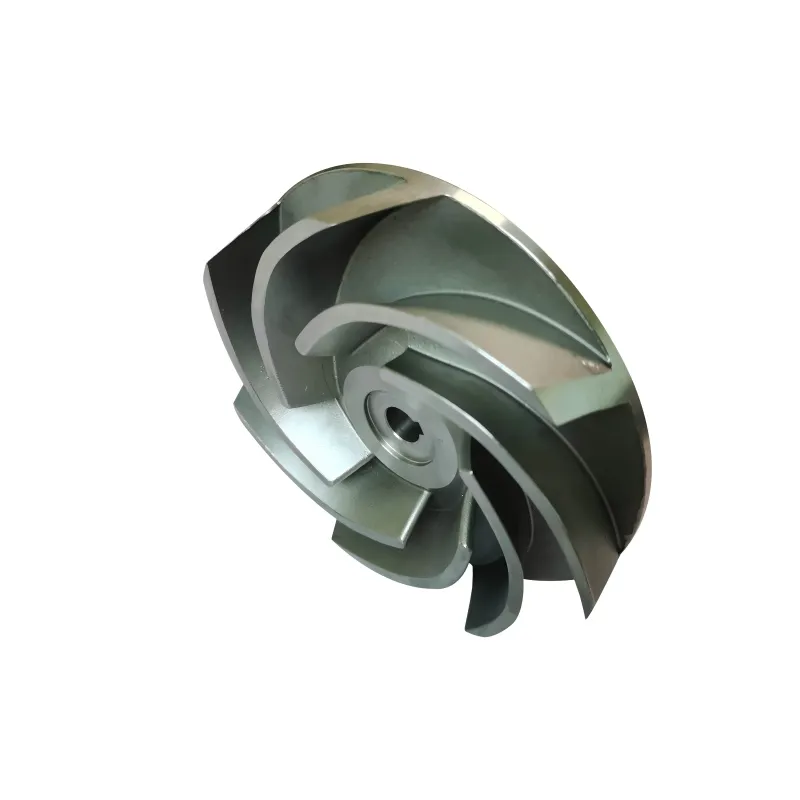
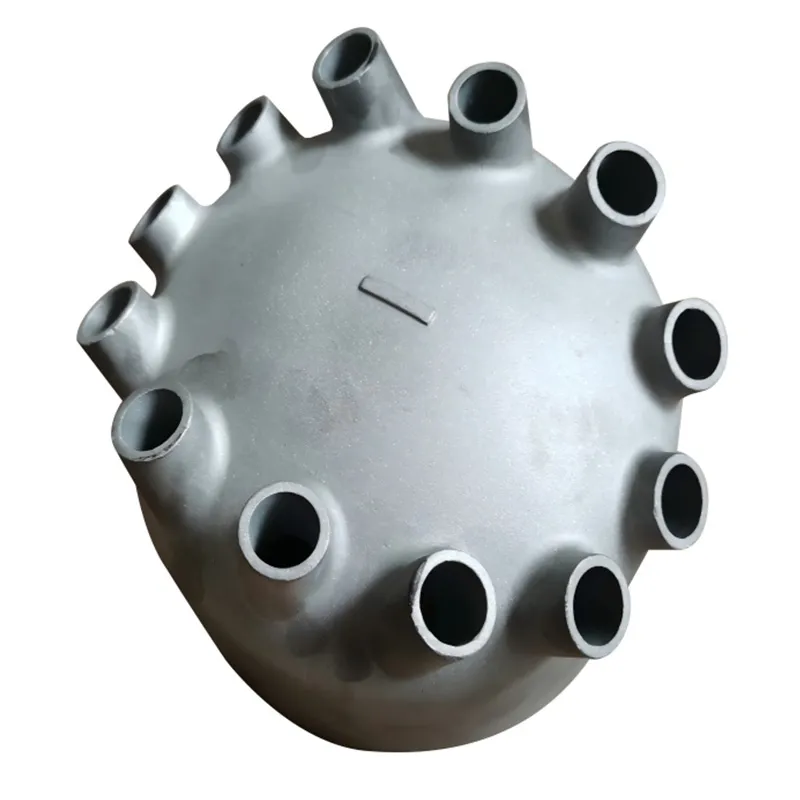
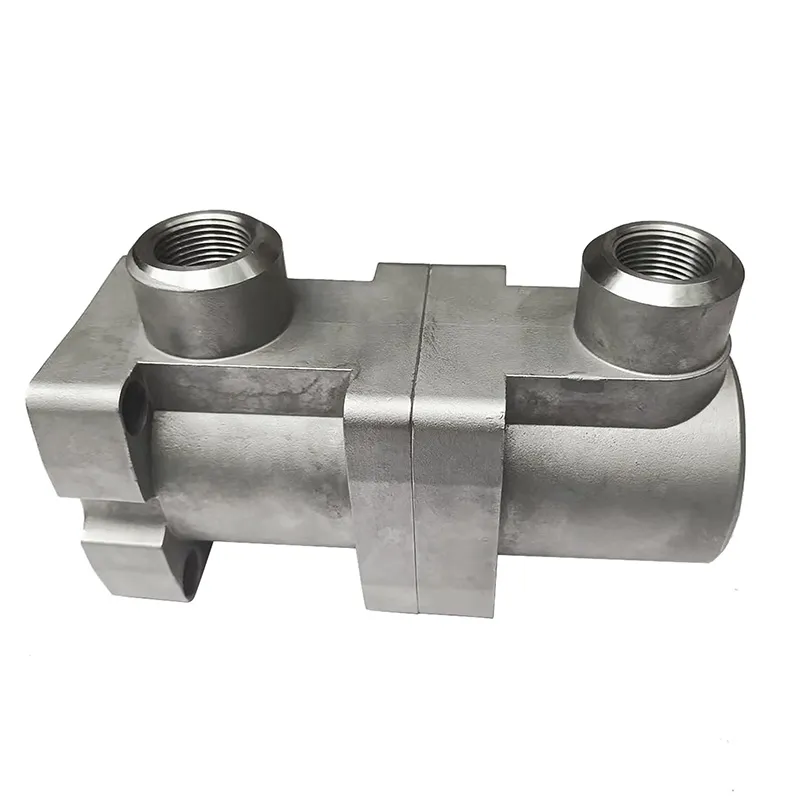
Let's talk about the shell mold process, one of our core methods at QSY. It's often lumped in with investment casting, but the reality on the floor is grittier. You're building up a ceramic shell around a foam or wax pattern, layer by layer. The precision is good, but the real art is in the slurry viscosity and the stucco sand grain size. Get it wrong, and the shell either lacks strength to handle the pour or becomes so impermeable it traps gases, leading to blowholes. I recall a batch of stainless steel pump housings a few years back. The design had these deep, narrow channels. The shells looked perfect coming out of the dryer, but during the pour, we got catastrophic shell cracking. The problem wasn't the metal; it was that the shell's thermal shock resistance couldn't handle the rapid, uneven heating from the geometry. We had to go back, adjust the binder formulation, and slow down the initial pour rate. It added cost and time the client hadn't anticipated, but it was that or scrap the entire run.
That's where the 30 years of operation Qingdao Qiangsenyuan Technology Co., Ltd. (QSY) talks about comes into play. It's not just a number; it's a mental library of these failures and near-misses. You develop a feel. When a new drawing comes in for custom metal casting, you're not just checking dimensions. You're mentally simulating the fill, the solidification pattern, where the hot spots will be. You're looking at that thin flange connected to a massive boss and thinking, That's going to pull and warp unless we adjust the cooling. This preemptive judgment is what separates a part that passes QC from one that performs reliably in the field.
Material choice is another minefield. Clients often default to 304 stainless for corrosion resistance. But for parts requiring high strength and wear resistance at elevated temperatures, like certain turbine components, that's a poor choice. We've had to guide clients toward special alloys, like nickel-based or cobalt-based alloys. These are a different beast entirely. Their melting characteristics are different, they're more prone to hot tearing, and they demand specific heat treatment protocols. Machining them later, which we also handle in-house with our CNC division, requires specialized tooling and feeds/speeds. The point is, true customization means aligning the alloy's inherent properties with the part's functional requirements from the very first conversation.
Investment Casting: Precision with a Catch
Now, for true complexity and surface finish, we go to investment casting (lost-wax). This is where you get those near-net-shape parts with minimal draft. But 'minimal' isn't 'zero'. I still have to explain that to designers. The wax pattern itself has to be extracted from a metal die, so there are always draft angles, even if they're half a degree. The other catch is the ceramic core. For internal passages, you need a core that can withstand the metal pour but then be chemically leached out afterward. Designing a core that is both strong enough and removable is a sub-specialty in itself. We once worked on a manifold with intersecting internal channels. The core geometry was so fragile it kept breaking during wax injection. The solution involved redesigning the core with internal supports that would later dissolve, adding steps and cost. The client's initial quote was based on a standard process; the final cost reflected the actual complexity.
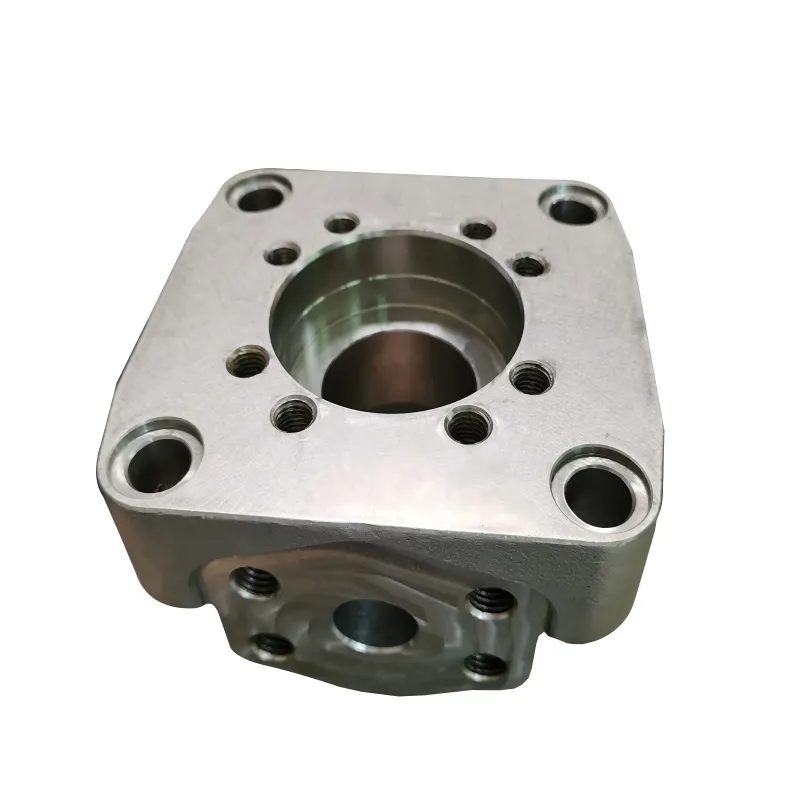
This ties back to the integrated service QSY provides. Because we handle both the custom metal casting and the subsequent CNC machining under one roof, we have a critical advantage. We can design the casting process with machining in mind. Maybe we add a little extra stock (a finishing allowance) on a specific datum face to ensure the machinist has a clean, uniform surface to clamp on to. Or we might suggest shifting a parting line by a few millimeters to avoid having it run through a critical sealing surface that needs a perfect finish. This synergy isn't theoretical; it prevents headaches downstream. A part that casts beautifully but can't be held securely in a CNC vise is a failed part.
Quality control is narrative, not a snapshot. A tensile test report gives you a number, but it doesn't tell you why a batch of cast iron parts showed variation in hardness. You have to read the story. Was it a slight fluctuation in the carbon equivalent of the melt? Did the cooling rate in the shakeout area differ because the load was packed tighter? We log these parameters obsessively. For a recent run of ductile iron brackets, we tracked the mold temperature at pour, the post-casting cooling time, and the precise austempering oven cycle for every single pallet. When the customer asked for an audit trail, we could provide the full genealogy of their parts. That's the depth of control modern custom metal casting demands.
When Special Means Problematic
Working with special alloys, like the nickel-based ones we often process, is a constant exercise in constraint management. These alloys are chosen for extreme environments—high heat, high corrosion, high stress. But their very properties make them difficult to cast. They have high melting points, which means more aggressive thermal attack on the mold materials. They often have a narrow freezing range, meaning they go from liquid to solid very quickly, which can lead to mistruns if the gating isn't perfectly designed to fill the mold rapidly and turbulently.
I remember a project involving a cobalt-based alloy valve seat for the oil & gas industry. The alloy was incredibly wear-resistant, but it was also prone to a defect called freckling – localized chemical segregation that shows up as spots on a macro-etch. The cause? Too slow a solidification rate. We had to redesign the mold with additional chills—copper or iron inserts that suck heat out of specific areas—to force the metal to solidify faster and more uniformly. It took several pilot casts, sectioning and etching samples each time, to get the chill placement and size right. This isn't in any standard playbook; it's iterative, hands-on problem-solving.
The takeaway here is that specifying a premium material doesn't automatically grant you a premium part. It requires a foundry that knows how to coax that material into shape. It requires processes like vacuum melting or protective atmosphere pouring to prevent oxidation. It requires post-casting HIP (Hot Isostatic Pressing) to close any residual micro-porosity. When you look at the capabilities listed on a site like https://www.tsingtaocnc.com, the list of materials and processes isn't just a menu. It's a shorthand for a set of accumulated, hard-won competencies in handling each of those material families.
The Machining Handoff: Where Casting Intent Meets Cutting Tools
This is where many integrated shops fall down. The casting department delivers a part that's to print, but the machining department treats it like a piece of billet stock. They don't consider the casting's inherent stresses, the potential for hard spots from uneven cooling, or the skin effect (the outer layer of a casting often has a different microstructure). We avoid this by having a continuous workflow. The same engineer who oversees the casting solidification simulation will often consult on the CNC machining plan.
A practical example: machining a mounting face on a steel casting. If you take too aggressive a cut on the first pass, you can actually distort the part by relieving internal stresses unevenly. The machinist needs to know to take lighter, sequential cuts, maybe even flip the part and machine in stages to balance the stress relief. This kind of tribal knowledge gets passed on when both processes are under one roof. The machinist learns what a good casting from our own foundry feels and sounds like on the mill, and the foundry engineer learns what the machinist needs for a stable setup.
Ultimately, the value of a true custom metal casting partner lies in this holistic view. It's not about selling you a casting or a machining service. It's about delivering a functional component that meets your performance criteria. That might mean advising you to change a material to improve machinability, suggesting a design tweak to eliminate a costly secondary operation, or catching a potential failure mode before the metal is ever poured. It's messy, non-linear, and full of compromises. But getting it right—that's the craft.
The Unspoken Economics of Iteration
Finally, let's be blunt about cost. The dream of a perfect first article is just that—a dream. For truly custom, complex parts, you should budget for and expect at least one iteration of the prototype process. The first run is a learning run. It validates the mold design, the gating, the cores, the process parameters. We might do a first pour, cut up the parts, perform non-destructive testing, and find we need to move a riser or change a vent. This isn't incompetence; it's responsible engineering. A shop that promises a perfect part from a cold start on a complex job is either lying or planning to hide the flaws.
This is why long-term relationships with a foundry like QSY are so valuable. That first project establishes a baseline. The foundry learns your standards, your inspection criteria, your tolerance for feedback. You learn their communication style, their strengths, and how they handle problems. The next project goes smoother. The third project might have a lead time half as long because so much is already understood. The cost of that initial iteration pays dividends down the line.
So, when you're looking at custom metal casting, look beyond the equipment list and the ISO certificates. Look for the stories behind them. Ask about a time they had a major failure and how they solved it. The answer will tell you more about their capability than any brochure. The goal isn't to never have a problem; it's to have the experience and the integrity to fix it, learn from it, and bake that knowledge into the next pour. That's what you're really buying.