When someone types 'custom metal casting near me' into a search bar, I know exactly what they're after—and it's often not just about proximity. There's a common misconception that 'near me' automatically means better, faster, or cheaper. In reality, especially with industrial processes like casting, it's about finding a capable partner, not just a local vendor. Proximity can help with logistics, sure, but if the foundry down the road only does sand casting in grey iron and you need a complex stainless steel investment casting with tight tolerances, you're out of luck. The search is really for competent, specialized capacity that aligns with your specific project needs, whether it's three miles away or three hundred.
The Reality Behind Local in Metal Casting
Let's talk about what local actually means in this context. In my years dealing with sourcing, I've seen clients get fixated on a 50-mile radius, only to discover the local shop's equipment is outdated or they lack the metallurgical expertise. For instance, a client once insisted on a local foundry for a series of ductile iron pump housings. The shop was 20 minutes away. The issue? Their quality control was inconsistent, leading to porosity issues that weren't caught until machining, which was done elsewhere. The geographical convenience was completely negated by the cost and delay of rework. So, 'near me' should factor in capability density, not just distance on a map.
This is where a company's longevity and specialization become critical markers. Take a firm like Qingdao Qiangsenyuan Technology Co., Ltd. (QSY). They've been in the casting and machining game for over 30 years. That's not just a number; it speaks to accumulated process knowledge, especially in niche areas like shell mold casting and investment casting. When you've been operating that long, you've seen the evolution of alloys, the shifts in industry demands, and you've likely solved thousands of little problems that never make it to a textbook. That kind of ingrained expertise is what you're truly searching for, whether they're in your city or based in an industrial hub like Qingdao.
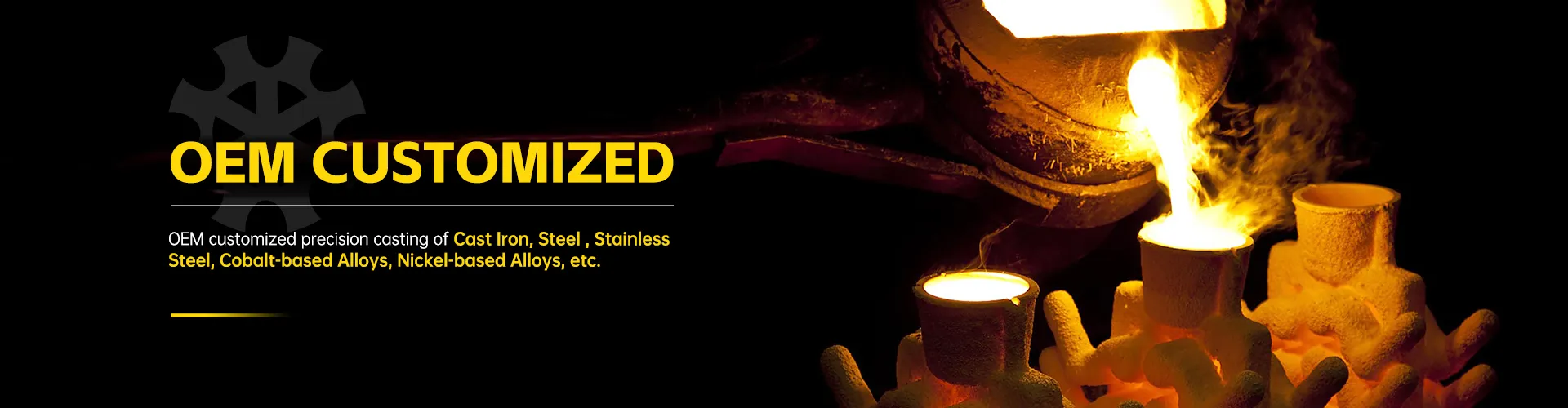
Their material range—from standard cast irons and steels to challenging cobalt-based and nickel-based alloys—is another tell. A shop that works with special alloys isn't just running standard programs. It implies they have controlled furnace environments, understand heat treatment intricacies for these materials, and have likely dealt with aerospace, medical, or high-temperature energy sector clients. That's a different league from a job shop pouring basic aluminum.
Decoding Process Specialization: Shell vs. Investment
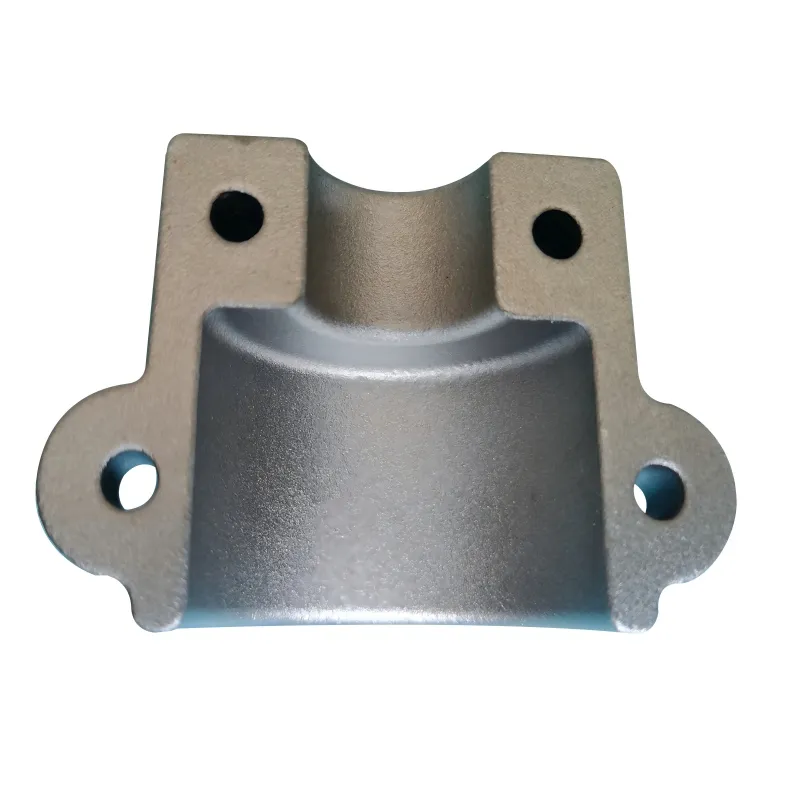
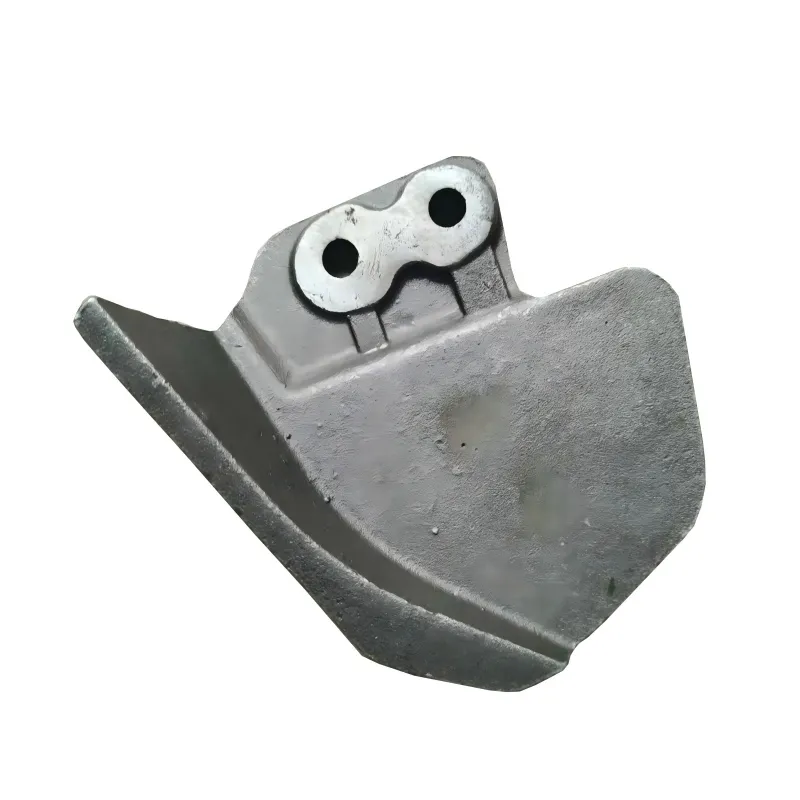
When you drill down, the keyword custom often dictates the process. A broad search like 'custom metal casting near me' glosses over this. Shell molding, which QSY lists, is fantastic for medium-volume runs of steel or iron parts that need a better surface finish and dimensional accuracy than traditional sand casting. Think of valve bodies, gear blanks. The process is relatively fast and cost-effective for what it delivers. But it has its limits on extreme complexity and very thin walls.
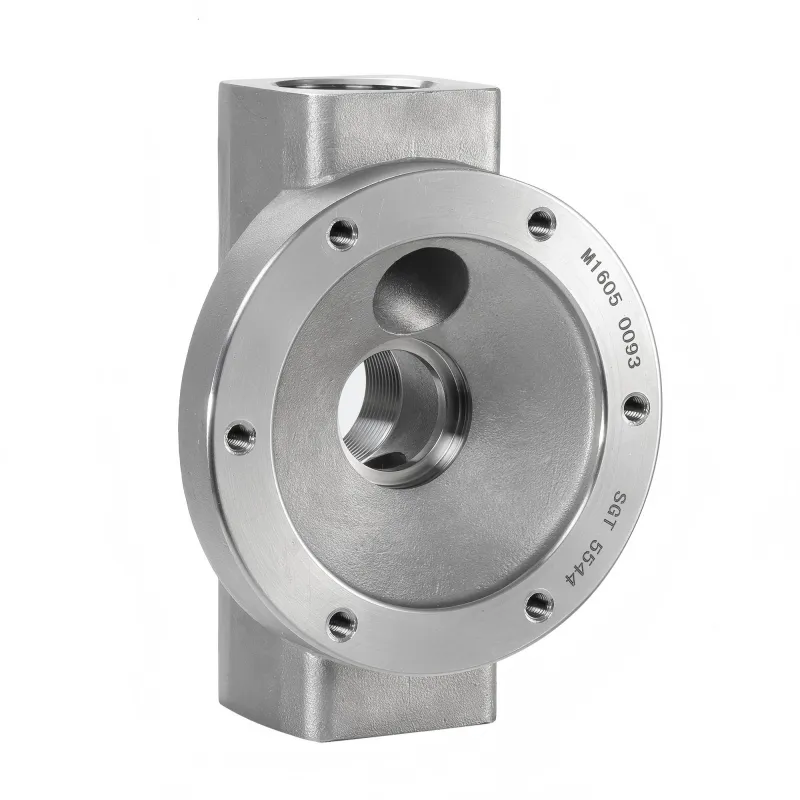
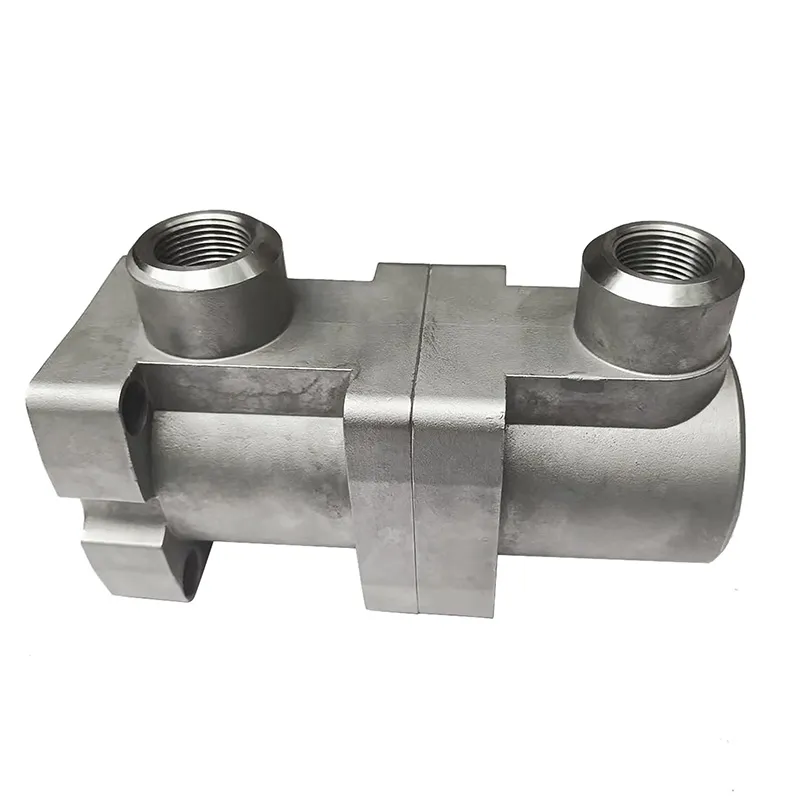
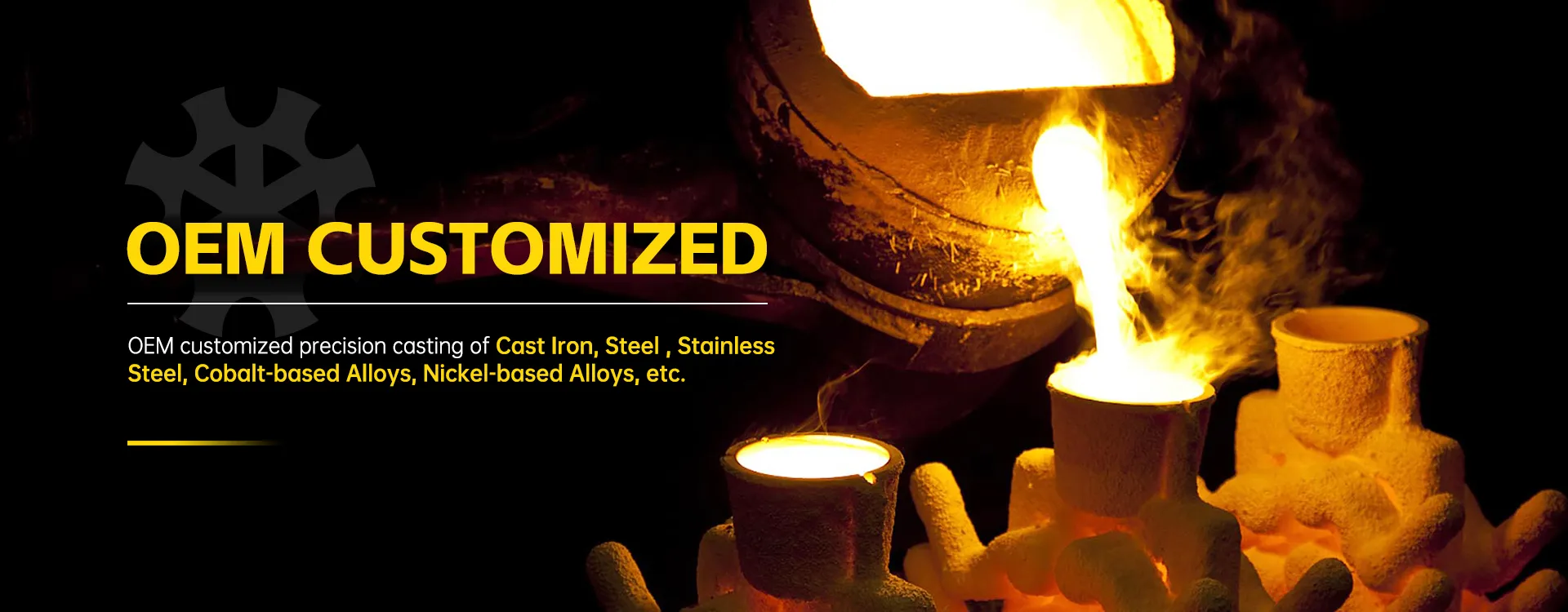
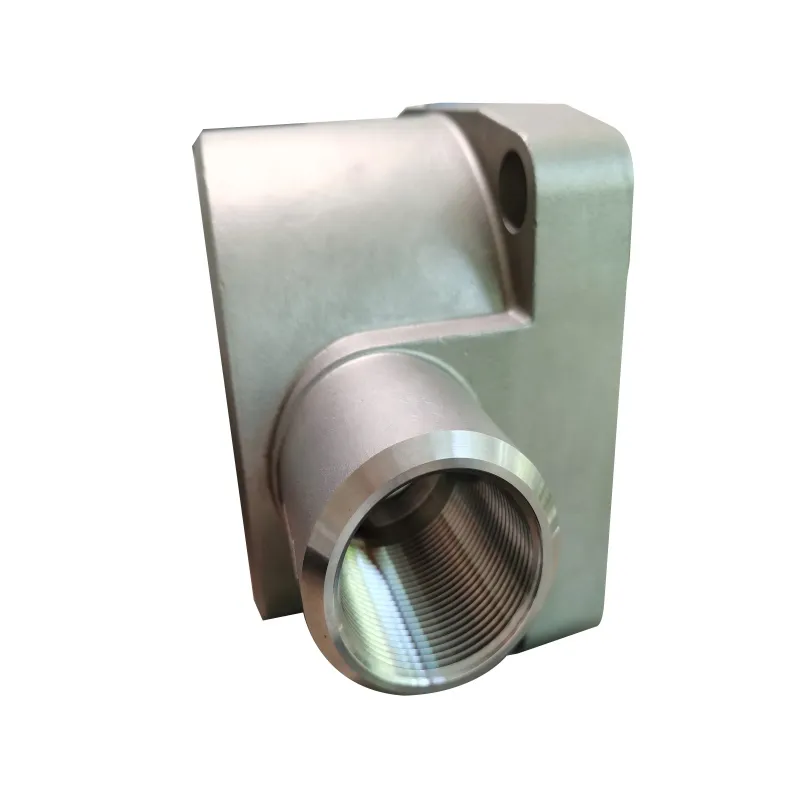
Investment casting, on the other hand, is the go-to for complex, near-net-shape parts. I remember prototyping a component for a fluid handling system with internal channels that were impossible to machine. We went the investment casting route. The wax pattern process allowed for that complexity, but the devil was in the details: the gating design to prevent turbulence, the ceramic shell formulation to handle the thermal shock of the stainless steel we were using. A foundry skilled in this, like one with three decades of focus, would have that gating design library in their collective memory. It's these unspoken competencies that matter.
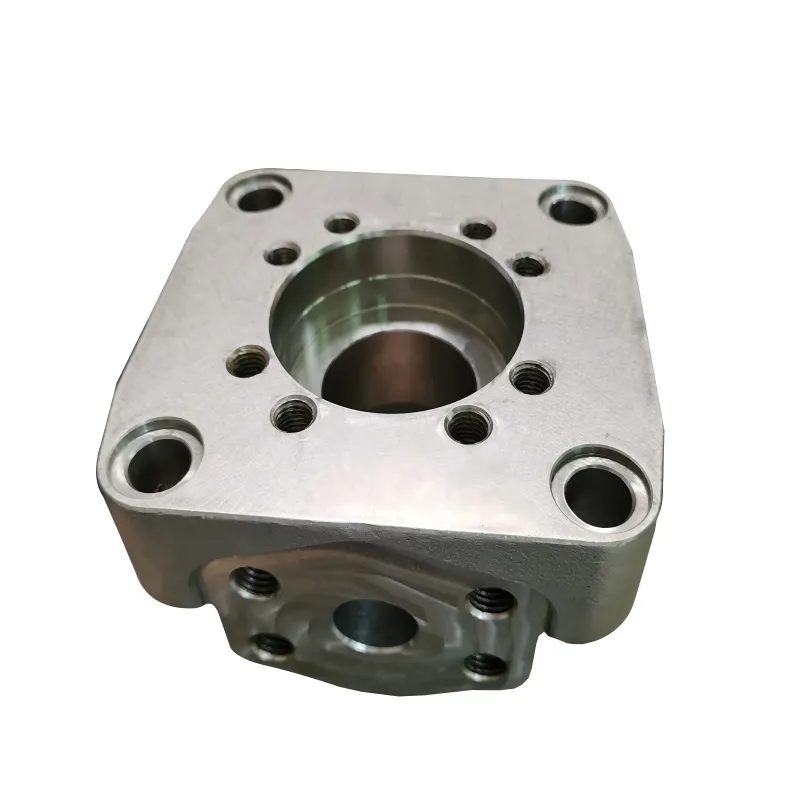
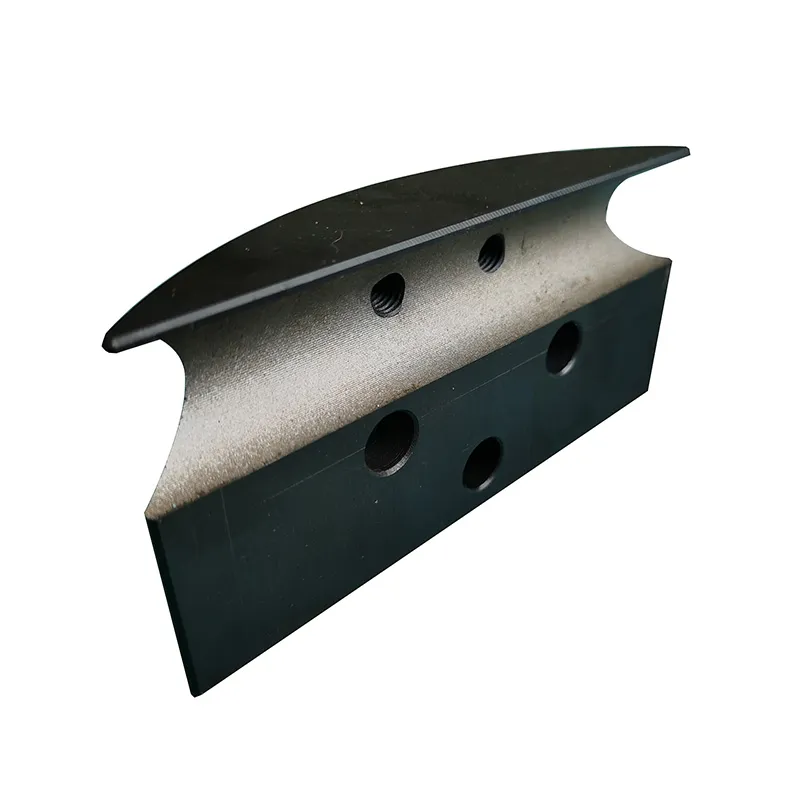
The real synergy, and where many custom projects land, is when casting is paired with CNC machining. Most cast parts aren't ready out of the mold. They need facing, drilling, tapping. Having machining in-house, as QSY does, is a massive advantage. It consolidates responsibility. I've been burned by having a casting made at one shop and shipped to another for machining. When a mismatch occurred—say, a datum was slightly off in the casting—it turned into a finger-pointing exercise. An integrated provider handles the entire value chain, so there's no debate over where a tolerance was lost. Their website, https://www.tsingtaocnc.com, reflects this integrated service model, which is a significant point of credibility.
Practical Considerations Beyond the Search Query
So, you've found a potential near me candidate, or perhaps a specialized overseas partner like QSY that offers the right process mix. What next? The first step is never just to ask for a quote. It's to engage in a feasibility discussion. A competent foundry will ask a dozen questions: about the part's function, load conditions, preferred alloy (and why), critical dimensions, post-casting treatments needed. If they just say send the drawing, be cautious.
One practical hurdle often overlooked is pattern or tooling. For shell or investment casting, you need a master pattern or mold. This is an upfront cost and time investment. For low volumes, this can dominate the unit price. A good partner will advise on design modifications to make the pattern more durable or the casting easier to eject, saving money in the long run. This is where 30 years of experience pays off—they've optimized countless designs for manufacturability.
Another consideration is quality documentation. Depending on your industry, you might need material certs, first-article inspection reports, or even witness points for testing. A mature operator will have this process streamlined. It's worth asking early: What's your standard inspection protocol for a prototype run? For production? The answers separate hobbyists from professionals.
When Near Me Truly Matters
All this isn't to say locality is irrelevant. It matters intensely in a few scenarios. One is for bulky, heavy castings where shipping cost becomes prohibitive. A one-tonne iron baseplate is a good candidate for a local source. Another is during the development phase, where you might need to visit the shop frequently for first-article inspections or to discuss modifications face-to-face. For ongoing production, if you operate a Just-In-Time inventory system, the shorter, more reliable supply chain of a local vendor can be critical.
But even then, local can be elastic. With a proficient partner, modern communication and reliable logistics can make a specialist a continent away feel responsive. The key is their system. Do they provide regular photo updates during tooling and first cast? Is their project management proactive? I've had smoother experiences with dedicated overseas account managers than with distracted local sales reps.
Ultimately, the search for custom metal casting near me is a search for a solution, not a location. It's about matching your technical requirements—the alloy, the process, the precision, the volume—with a foundry's core competencies. A firm like QSY, with its deep specialization in specific casting processes and materials, and its vertical integration with machining, represents a capability cluster. That's what you're really trying to find near your project's needs. The ideal result isn't just a shop you can drive to, but a partner whose expertise feels immediately accessible and reliably aligned with the challenges on your desk.