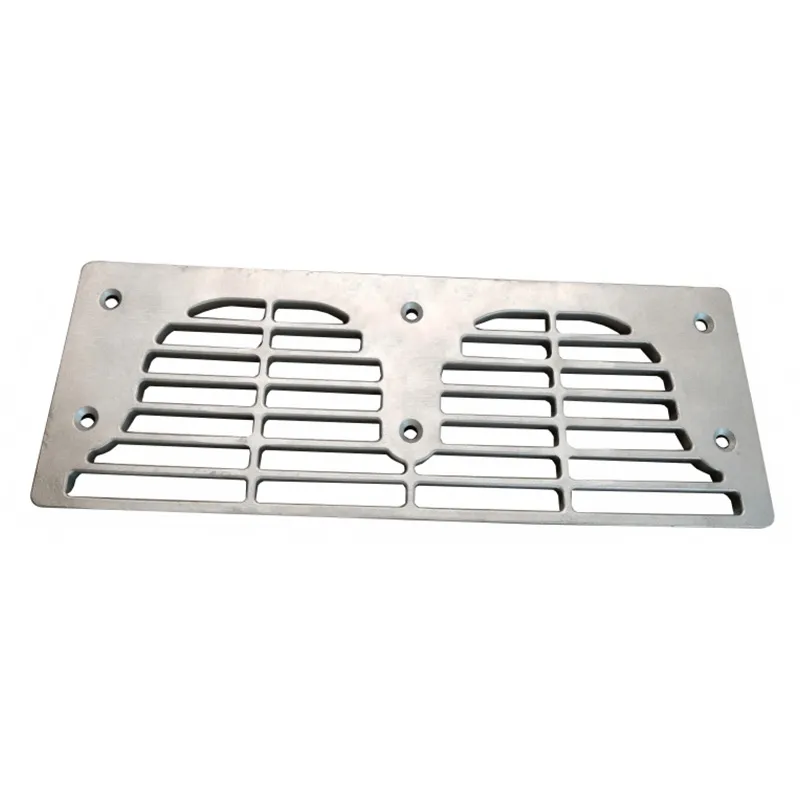
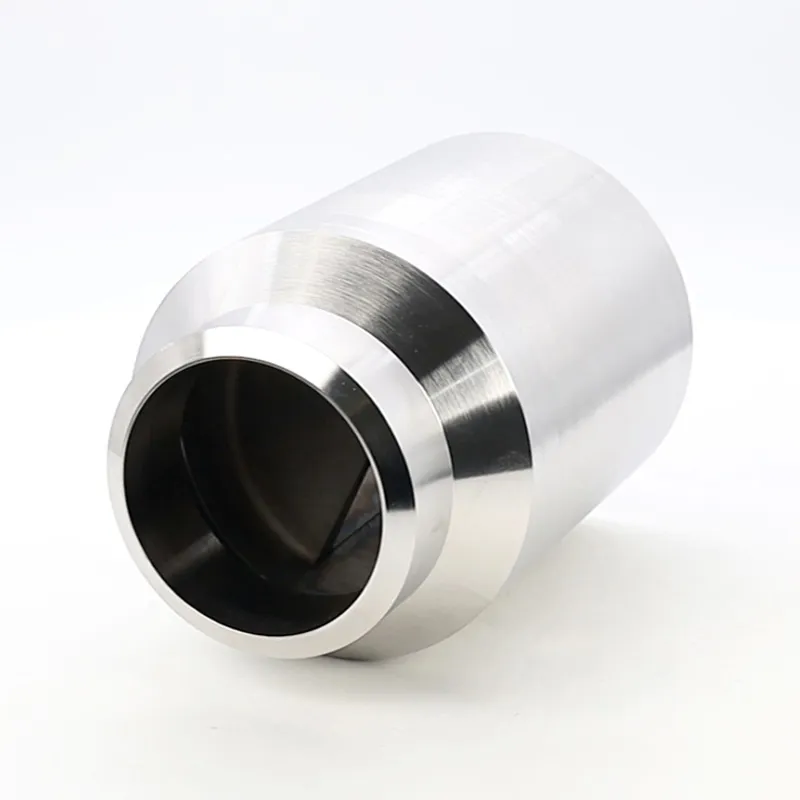
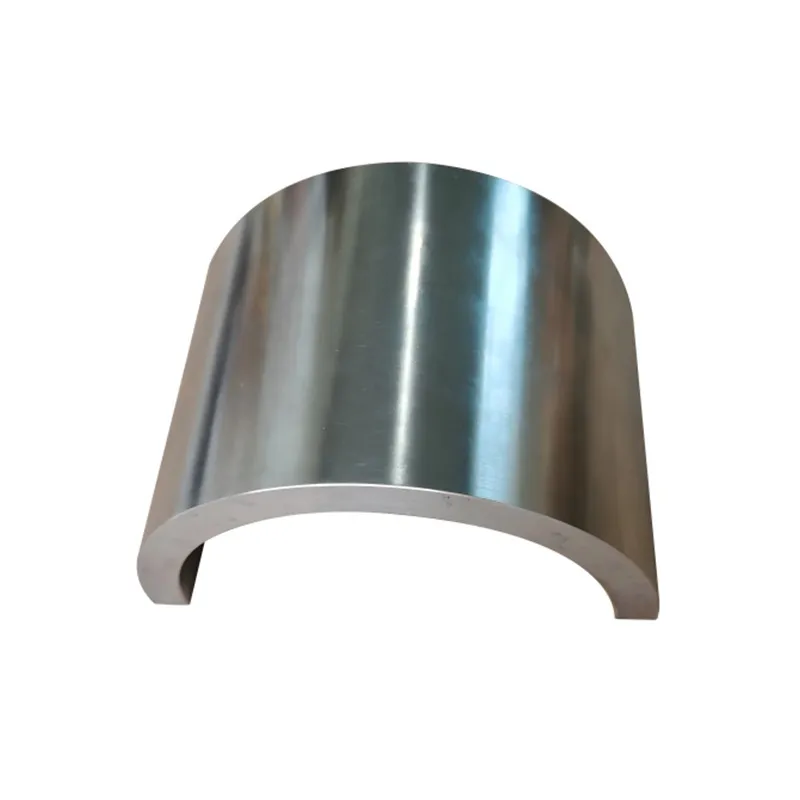
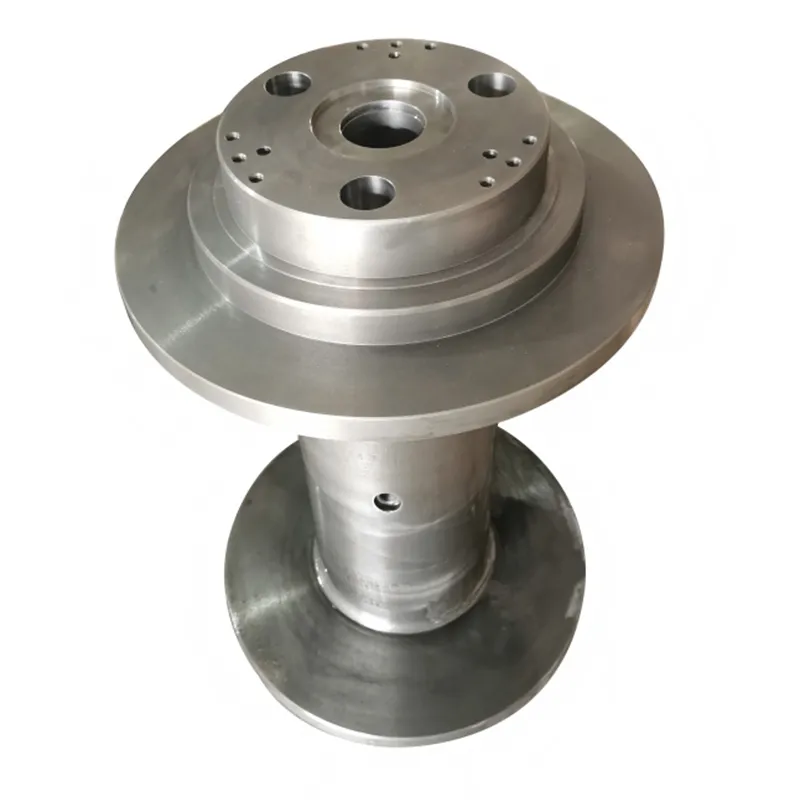
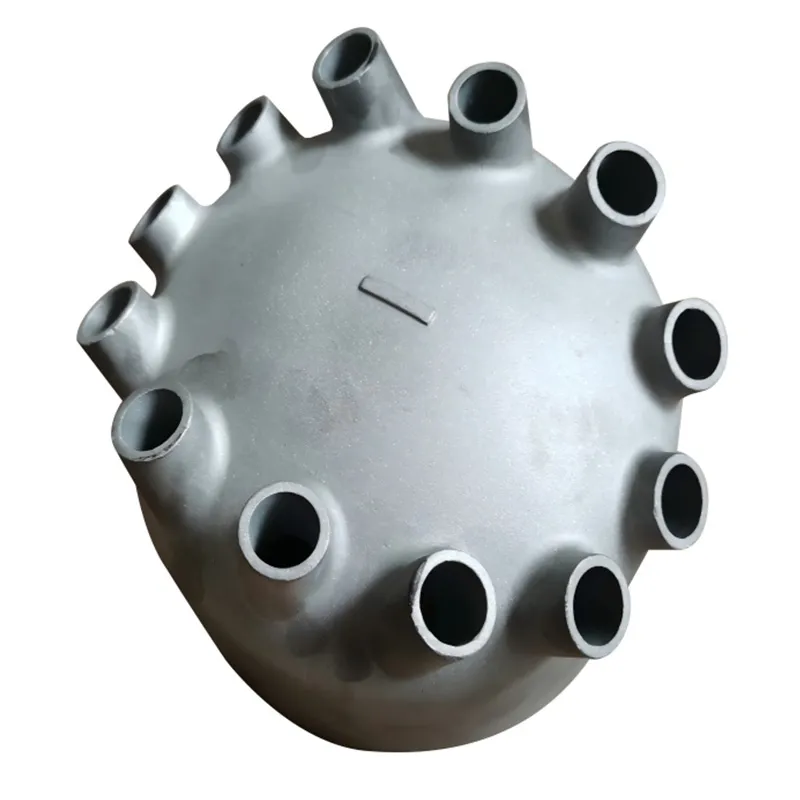
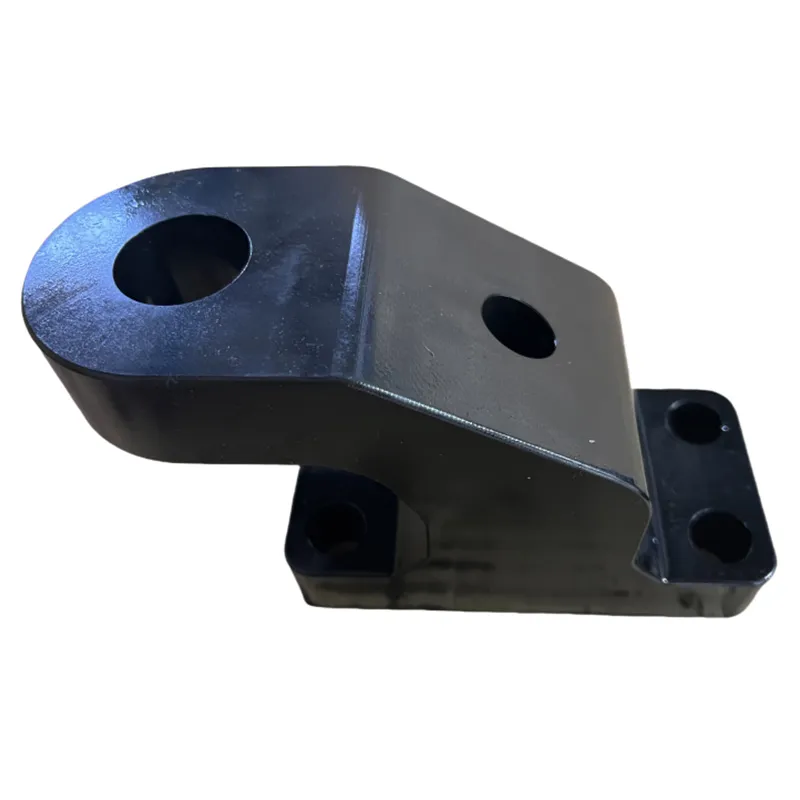
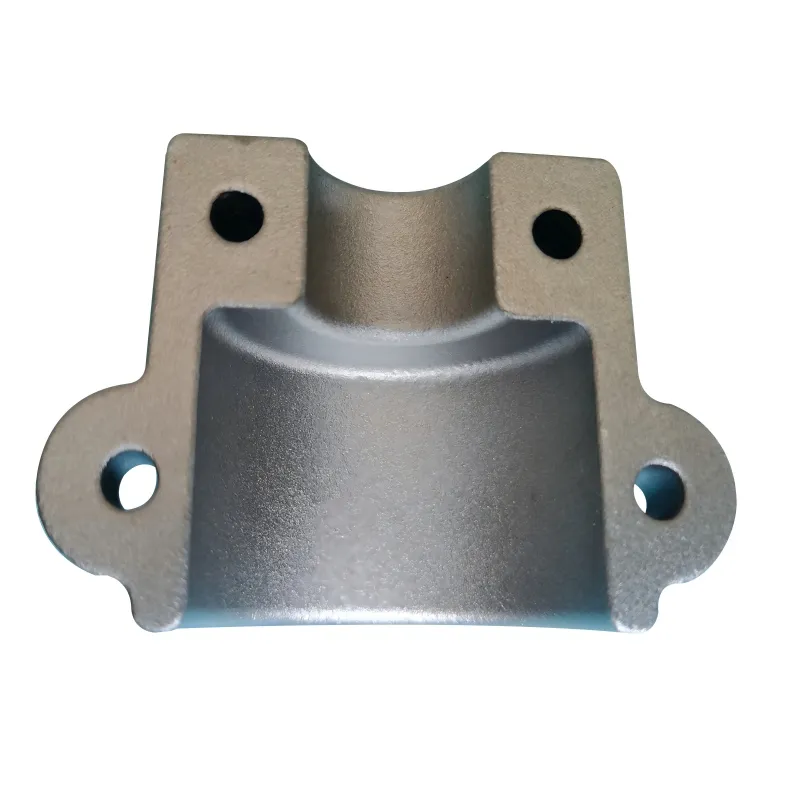
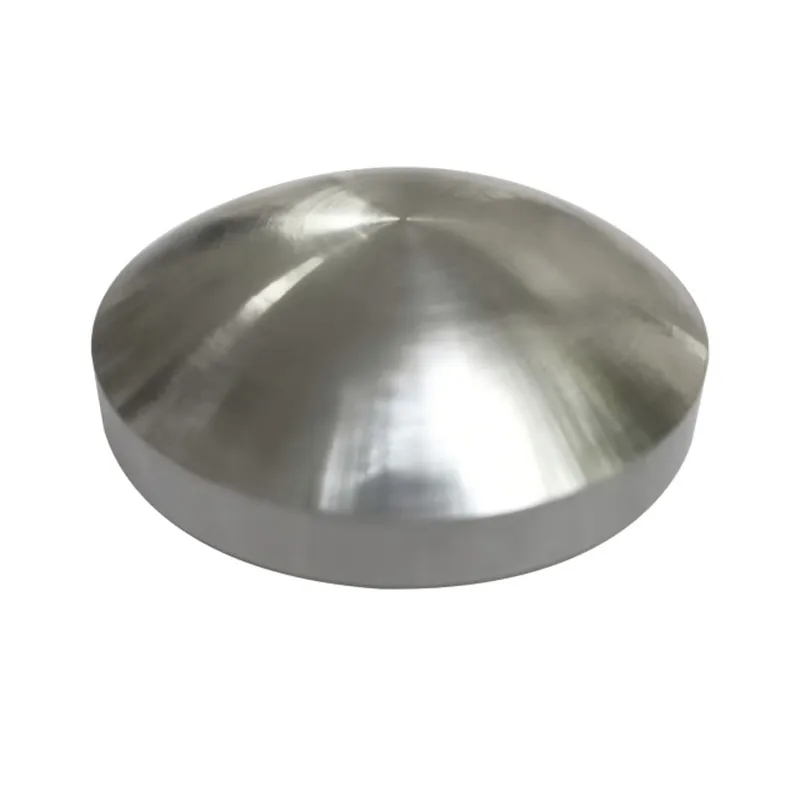
When most people hear 'custom sand casting', they picture a rough, one-off part, maybe for a restoration project or a prototype. That's part of it, sure, but it's the tip of the iceberg. The real depth—and where the headaches and triumphs live—is in using it for what it is: a highly adaptable, cost-effective process for low to medium volume runs of complex geometries that other methods can't touch without insane tooling costs. The misconception is that it's just 'simple' or 'old-school'. It's not. It's about controlled variables in what is inherently a bit of a chaotic process. Getting that control right is the whole game.
The Core of Customization Isn't Just the Shape
So, what makes it 'custom'? It's not merely following a client's drawing. It starts with the pattern. For true custom work, we're often talking about machined foam (like EPS) or wood patterns, built for that specific job. The pattern is the first critical decision point. Do you invest in a more durable pattern if you anticipate repeat orders? I've seen shops lose money by cheaping out on the pattern, only to have it warp after a few uses, throwing off the entire casting dimensionally. The pattern is the foundation, literally and figuratively.
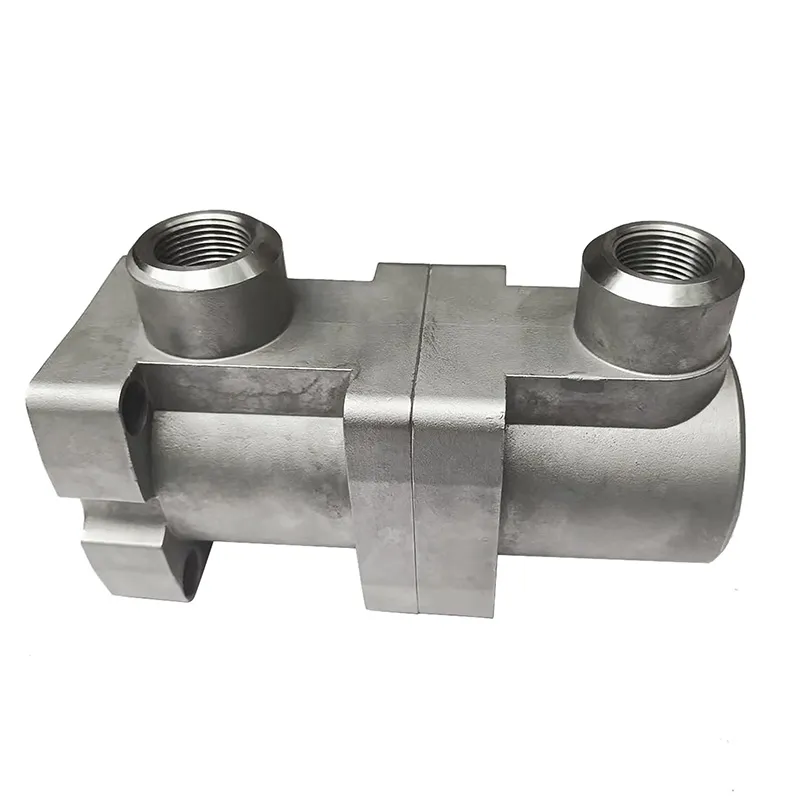
Then comes the sand itself. Green sand, resin-bonded, sodium silicate... each has its place. For a complex internal passage in a pump housing, you might need a resin sand core with precise strength to hold its shape under the metal but still collapse for shakeout. Choosing the wrong binder system is a classic pitfall. I recall a batch of ductile iron brackets that kept getting hot tears. We chased the metal chemistry for days before realizing the sand mixture was too strong, restricting contraction. Switched the formulation, problem solved. The sand isn't just a mold; it's an active participant in the quality of the final part.
This is where experience from a full-service foundry matters. A place like Qingdao Qiangsenyuan Technology Co., Ltd. (QSY), with their decades in casting, understands this interplay. They don't just pour metal into a hole in the ground. The 'custom' aspect is embedded in these upfront engineering choices—pattern design, sand selection, gating and risering strategy—all tailored to the specific alloy and part function. You can see their approach to different processes, like shell molding and investment casting, on their site at tsingtaocnc.com. That breadth informs their sand casting work; they know when another process might be better and can advise accordingly, which is a mark of a credible partner.
Material Choice: It's Not Just Iron
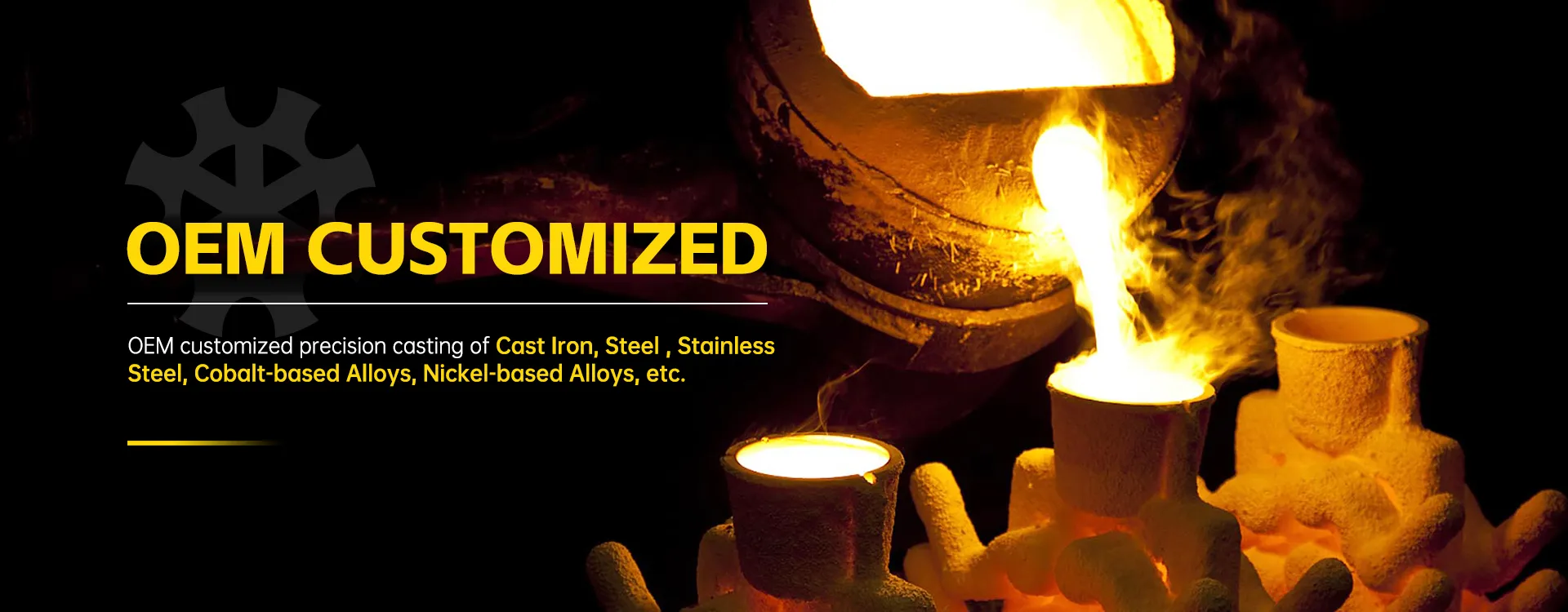
Another common oversight is associating sand casting only with gray iron or basic carbon steel. That's a massive limitation. The flexibility of the process allows for a wild range of materials. We've done custom sand casting runs in high-alloy steels, stainless grades like CF-8M, and even nickel-based alloys for corrosive environments. The catch? Each material behaves wildly differently during solidification.
Pouring a simple low-carbon steel is one thing. Pouring a heavy-section casting in a stainless steel that wants to shrink significantly and is prone to segregation is another beast entirely. The risers need to be larger, hotter, and placed differently. The cooling rate needs more control. You can't use the same rules of thumb. This is where QSY's mention of working with special alloys like nickel-based ones becomes relevant. That experience translates directly into avoiding costly defects like shrinkage cavities or cracks in more exotic materials when using the sand process.
I remember a job for a mining client needing a wear-resistant component. The initial spec was a standard manganese steel. Through discussion—prompted by seeing similar challenges on their portfolio—we proposed a modified alloy with better flow characteristics for the intricate sand mold, which improved as-cast surface finish and reduced finishing time. The 'custom' was in the material adaptation, not just the shape. It saved them money on post-casting machining.
The Handoff: Where Casting Meets Machining
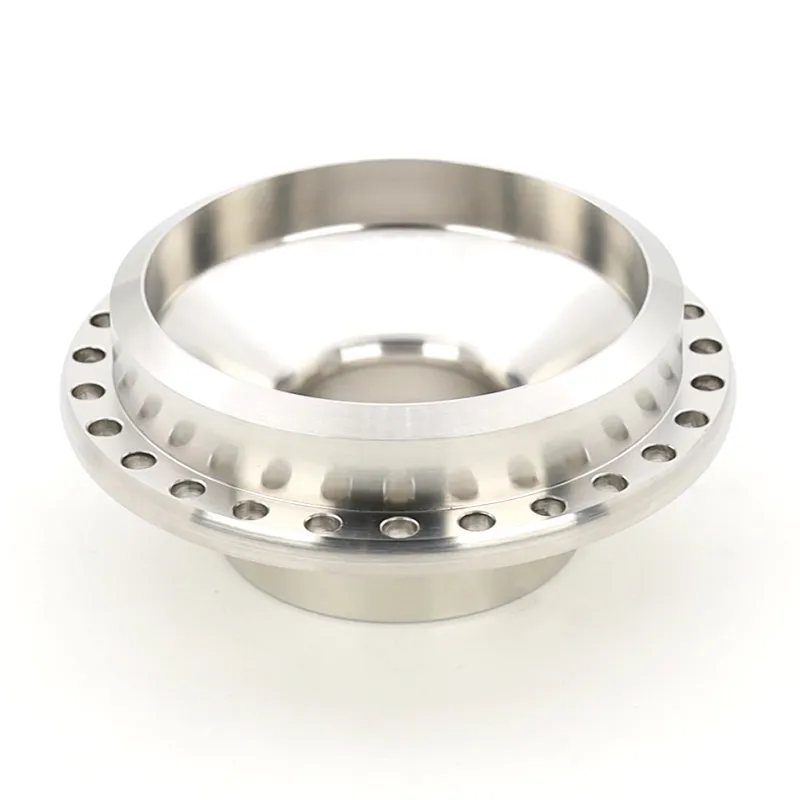
This is the critical juncture that many pure-play foundries struggle with, but it's non-negotiable for functional parts. Almost no custom sand casting comes out ready to install. It needs machining. Dimensional consistency from casting to casting is king here. If your foundry process isn't stable, your machinist is going to have a nightmare trying to locate datums, with tool chatter and broken bits as a result.
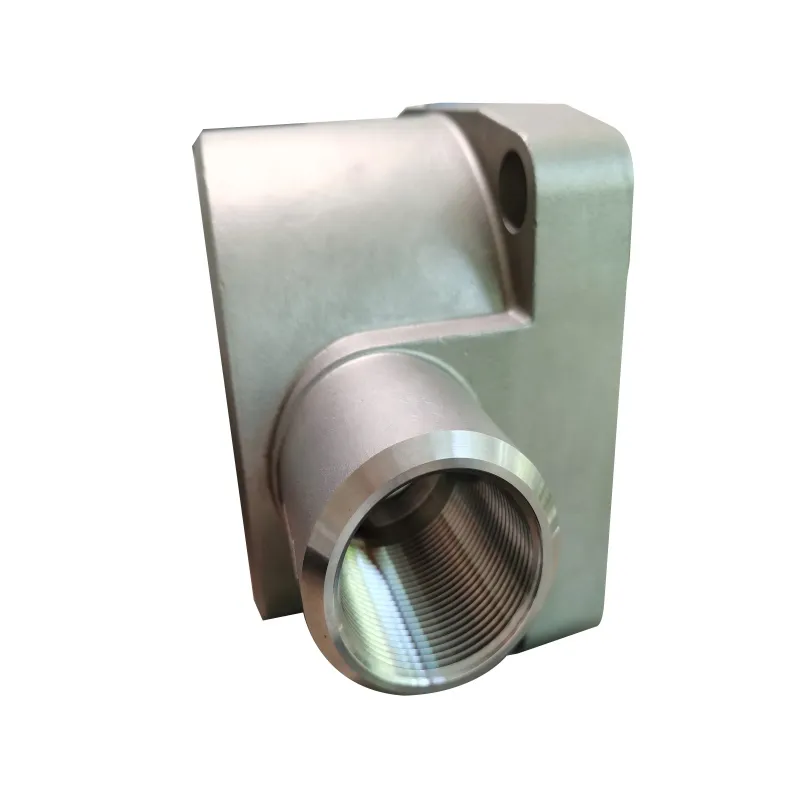
The ideal scenario is a vertically integrated provider. This is why QSY's model of offering both casting and in-house CNC machining is so practical. They can design the casting with machining in mind—adding minimal stock allowance in critical areas, ensuring core prints provide solid clamping locations, perhaps even casting in preliminary datum features. The feedback loop is tight. If the machining team finds a consistent thin wall or a hard spot, they can walk back to the foundry floor and adjust the process for the next batch. It eliminates the finger-pointing between separate vendors.
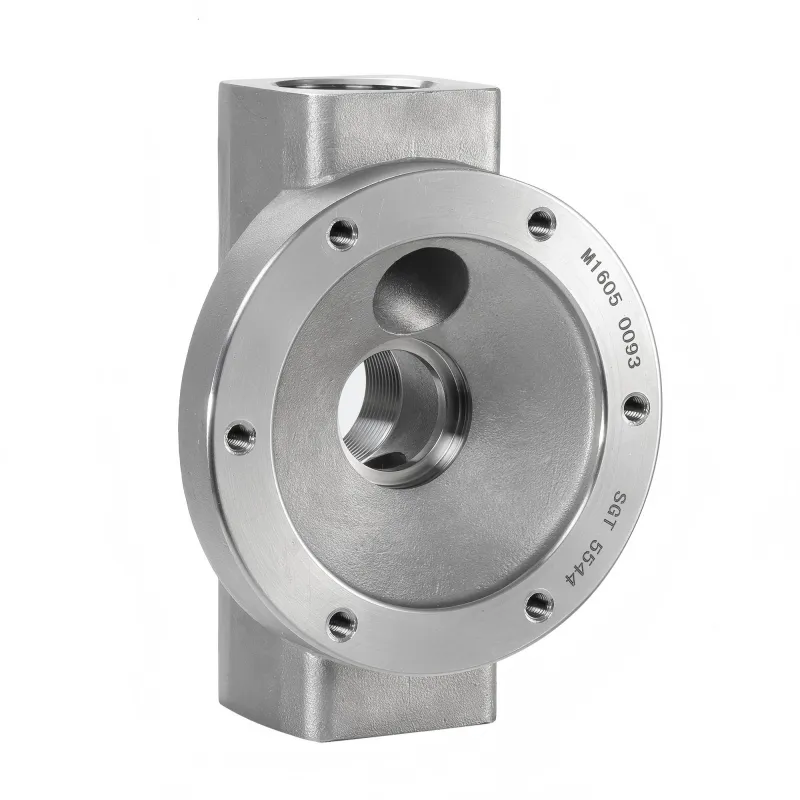
We learned this the hard way early on. Supplied a batch of valve bodies to a machine shop that wasn't familiar with castings. They treated them like billets, took too aggressive a cut on the first pass, and hit a sand inclusion beneath the surface. Part scrapped, relationship strained. Now, we either machine in-house or provide extremely detailed inspection reports and setup suggestions to the client's machinist. The casting is only half the product; the machined finished part is the deliverable.
When Custom Means Problem-Solving
Sometimes, the value of custom sand casting isn't in making something new, but in replicating or repairing something old and obsolete. This is a whole niche. No drawings exist, just a broken, worn-out part. The process involves reverse engineering, sometimes by physically measuring the old part, sometimes by 3D scanning. You then have to account for wear and intended clearances in your new pattern.
I had a project for a vintage printing press. The main gear housing was cracked. We had to carefully piece the original together, create a mold from it, and then design a pattern that would cast a new one with the same external geometry but with improved internal ribbing for strength. The sand process allowed us to capture all the original's subtle draft angles and logos perfectly. It's bespoke in the truest sense. A process like investment casting would have been overkill and far more expensive for a single piece.
These jobs are high-touch, full of uncertainty, and can't be rushed. You're not just a foundry; you're a restoration partner. It requires patience and a willingness to sometimes make a test casting to check fit before committing to the final alloy. It's the antithesis of high-volume production, and it highlights the adaptability of sand casting like nothing else.
The Reality Check: Tolerances and Surface Finish
Let's be brutally honest. If you need +/- 0.005 tolerances across a 20-inch part and a mirror finish, custom sand casting is the wrong starting point. You'll spend a fortune on machining to get there. The as-cast tolerance is typically in the range of +/- 0.030 for the first inch, plus an incremental allowance. The surface will have a texture, the characteristic rough sand grain impression.
The key is managing expectations and designing for the process. This means communicating clearly with the design engineer upfront. Can that tolerance be opened up? Can that critical surface be identified so we add extra stock there for a clean-up machined finish? I've sat in meetings where we've redlined drawings together, moving draft angles, adjusting wall thickness uniformity to avoid hot spots, specifying as-cast for non-critical surfaces to save cost.
It's a collaborative engineering effort. A foundry that just takes an order without this dialogue is setting everyone up for failure. The goal is to leverage the economic advantage of casting while minimizing secondary operations. That's the sweet spot. Looking at a company's long-term operation, like QSY's 30+ years, often indicates they've mastered this client collaboration aspect. They've likely seen every design flaw imaginable and can guide you away from them before the metal is ever poured, which is an intangible but huge value.
In the end, successful custom sand casting feels less like manufacturing and more like a craft-informed science. It's about making a series of informed, sometimes intuitive, judgments—from pattern to sand to pouring temp to machining plan—to turn a loose pile of sand and molten metal into a precise, functional component. It's messy, demanding, and incredibly satisfying when it all comes together right. The process hasn't been replaced by more modern methods because its fundamental flexibility is still unmatched for a certain class of problems. You just have to know what those problems are, and respect the process enough to work with its grain, not against it.