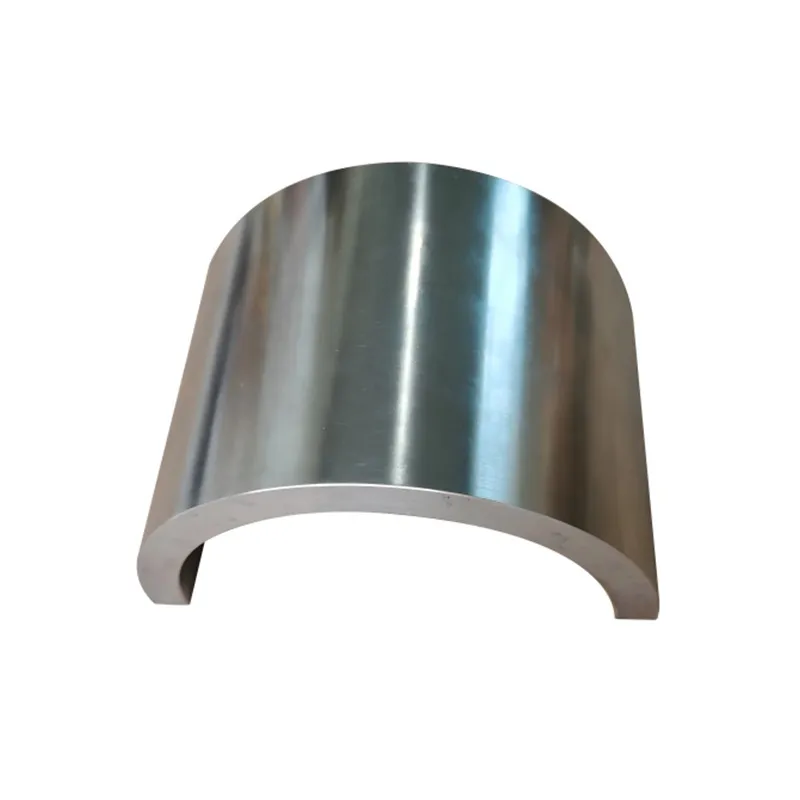
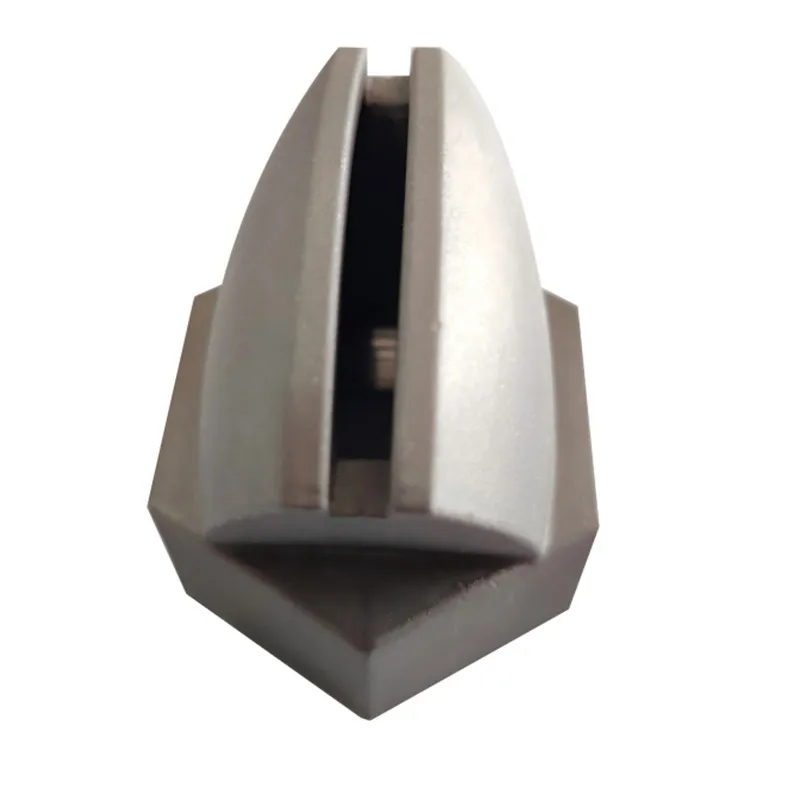
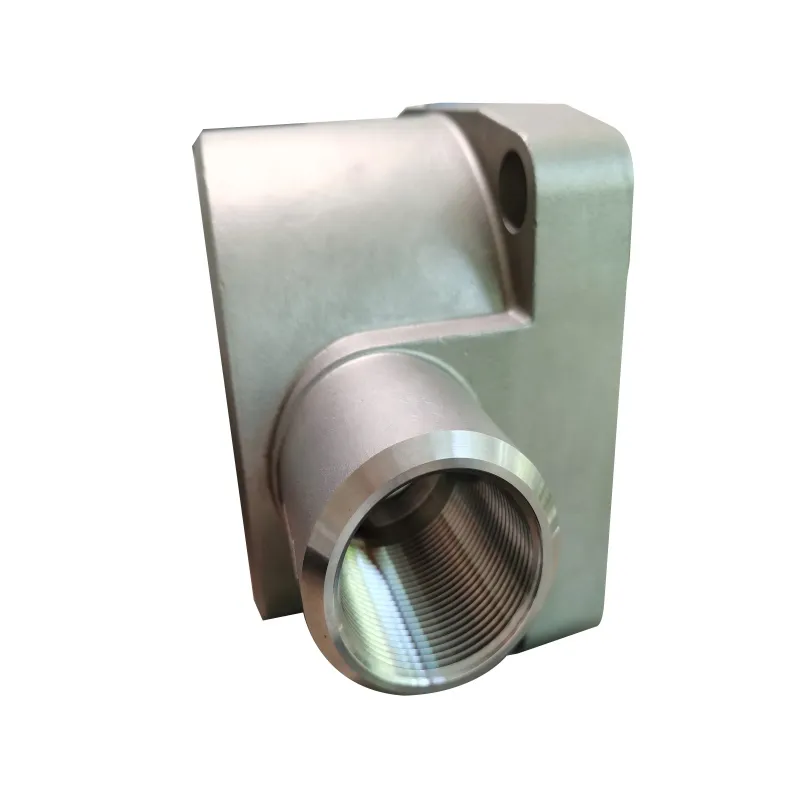
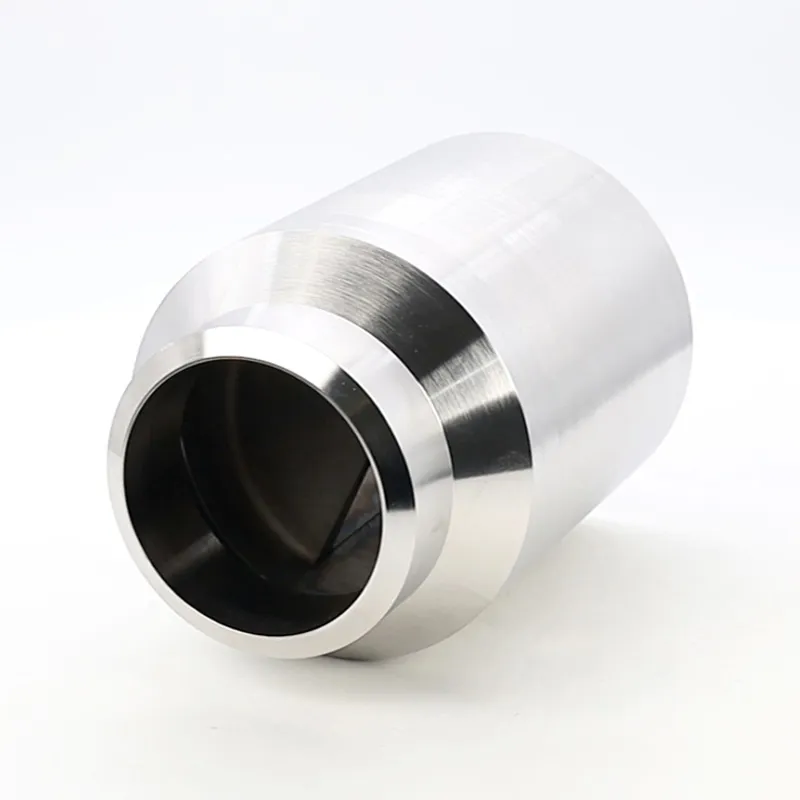
When most people hear 'customized precision casting', they picture a perfect, shiny part arriving in a box, exactly to spec. The reality is messier, more iterative, and frankly, where the real work happens. It's not just about making a mold from a 3D model; it's a dialogue between design intent and foundry physics, a process where 'precision' is earned through compromise and deep material knowledge, not just programmed into a machine.
The Shell Game: More Than Just Sand
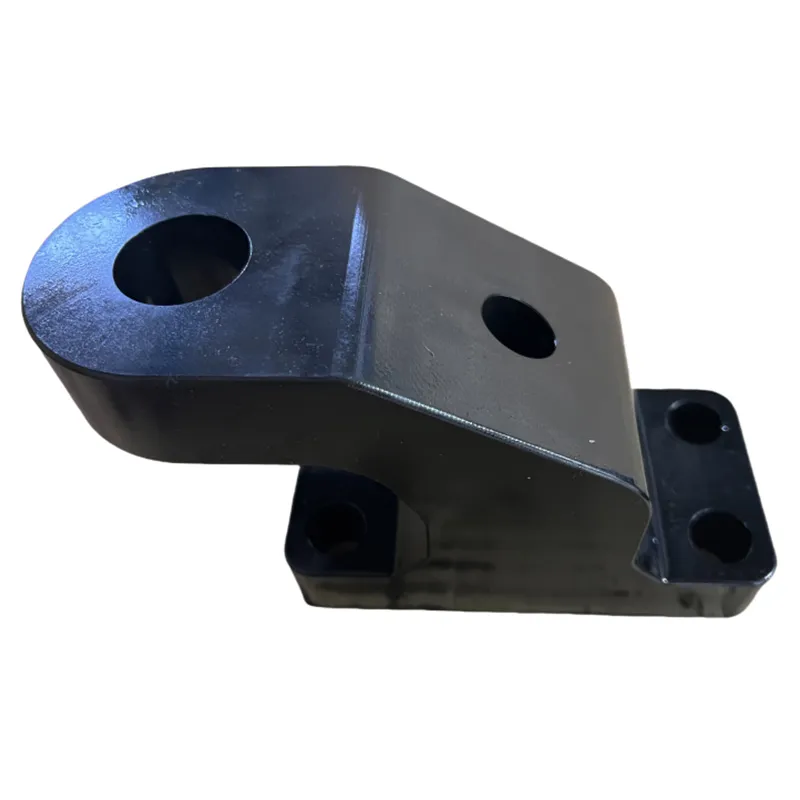
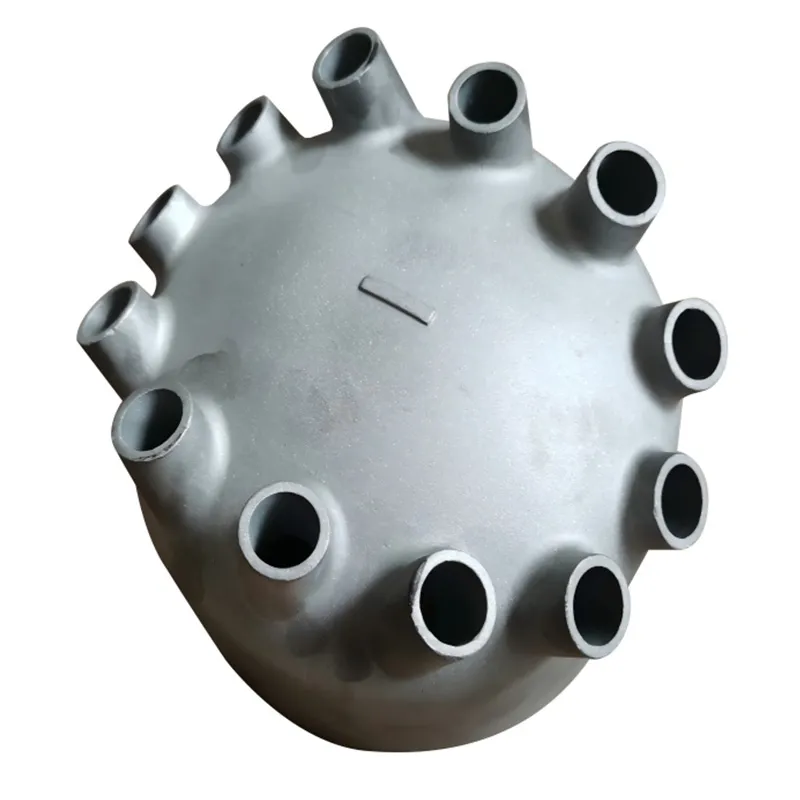
Let's talk about shell mold casting, one of our core methods at QSY. The term itself is a bit of a misnomer for outsiders—it's not about being fragile. It's about building up that ceramic shell layer by layer, a process that feels almost artisan. The precision here is in the slurry viscosity, the stucco grain size, the drying environment. Get one wrong, and your dimensional stability is shot. We've seen designs with gorgeous, thin walls that simply cannot withstand the thermal shock during pouring, leading to cracks or incomplete fills. That's the first customization hurdle: adjusting the design for manufacturability without gutting its function. Sometimes that means adding subtle draft, or negotiating a slightly thicker section. The client's perfect CAD model often meets its first reality check here.
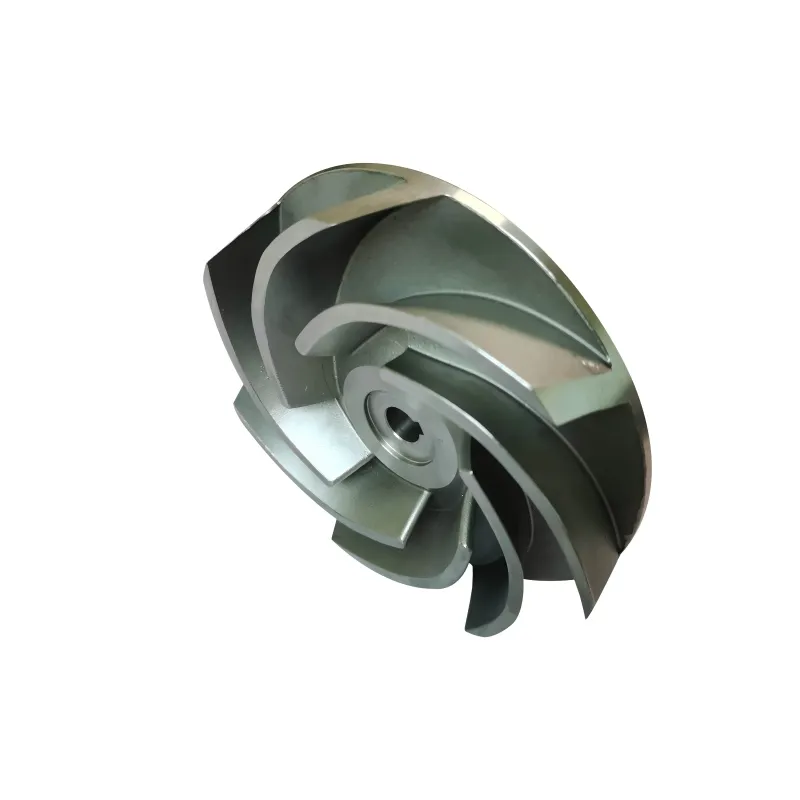
I recall a project for a pump housing in duplex stainless steel. The client wanted extremely complex internal channels. The shell molding process could capture the detail, but the challenge was the alloy itself—its solidification shrinkage pattern was tricky. We had to go through three iterations of riser and gating design, literally cutting open the scrap castings to see how the metal flowed and shrank. The final gating system looked nothing like the textbook version. That's customized precision: the process is tailored to the specific geometry and the specific material. You can't separate the two.
This leads to a common pitfall: over-specifying tolerances. Engineers love to blanket a drawing with tight ISO 2768-mK tolerances. But on large or complex shell-molded parts, holding a ±0.5mm tolerance across a 500mm span is a different beast than on a small bracket. We often have to push back, explaining where the natural variance will occur due to mold expansion or contraction, and where we can genuinely hold extreme precision through controlled processes. It's about applying precision where it counts, not everywhere.
Investment Casting: The Detail Devil
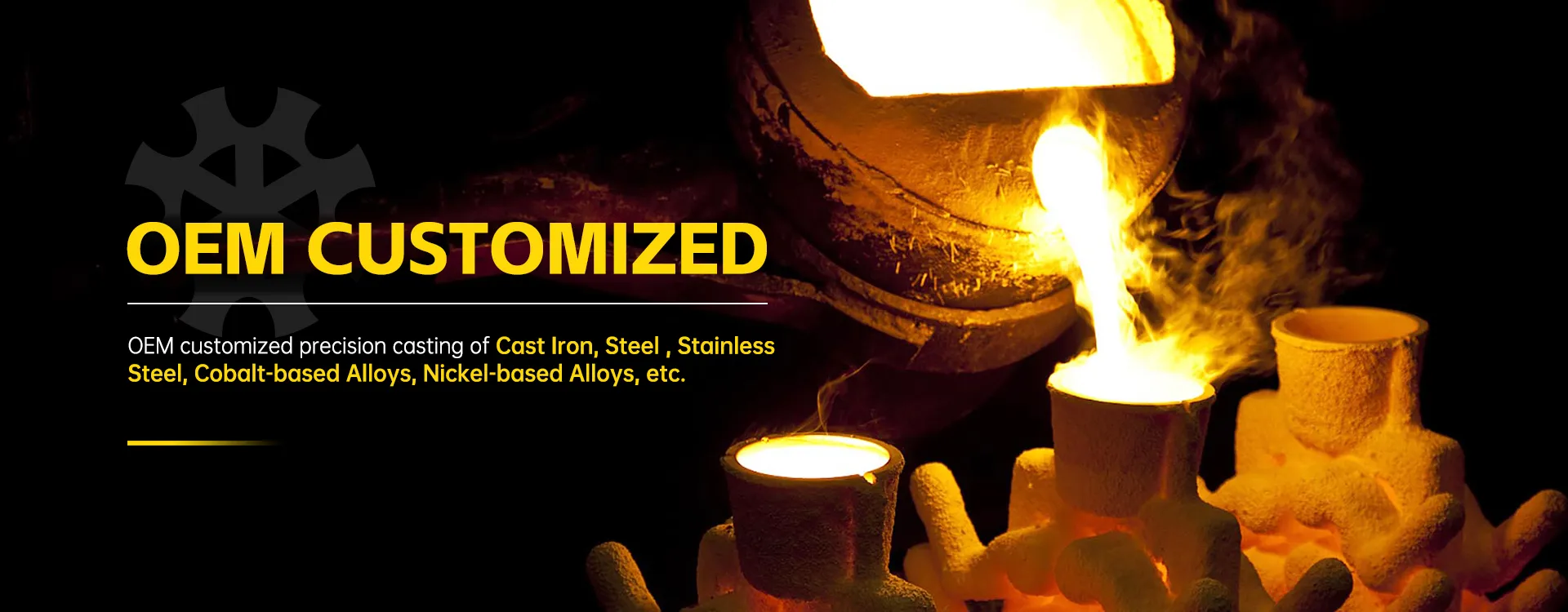
Now, investment casting (lost-wax) is where you go for the truly intricate stuff—think turbine blades, surgical instruments. The wax pattern injection is its own dark art. The pressure, temperature, and cooling rate determine the final wax dimension, which directly translates to the metal part. Any stress in the wax shows up later. We once had a batch of parts for a marine component where the wax patterns looked perfect, but after dewaxing, fine hairline cracks appeared in the shell. The culprit? A slight fluctuation in the workshop humidity during wax assembly, causing differential cooling. A tiny environmental factor wrecked a whole batch. Customization here means controlling every variable in the chain, often building environmental buffers into the process that aren't in any manual.
Material choice becomes paramount. On our site, tsingtaocnc.com, we list working with special alloys like nickel-based ones. These aren't just drop-in replacements for steel. Pouring temperature for a nickel-based superalloy is drastically higher, which affects the shell material's behavior—it needs higher refractoriness. The thermal contraction of the alloy post-casting is also different. If you've designed the tooling for a stainless steel part and suddenly switch to a cobalt alloy without adjusting the wax die dimensions to compensate for the different shrinkage factor, your 'precision' casting will be the wrong size. The customization is baked into the very first tooling design, informed by the alloy.
Post-casting, the journey isn't over. With investment cast parts, especially for high-integrity applications, you're often looking at HIP (Hot Isostatic Pressing) to close internal micro-porosity. This is another negotiated step. It adds cost and time, but for parts facing fatigue stress, it's non-negotiable. Deciding this with the client is part of the custom process flow.
CNC Machining: The Necessary Partner
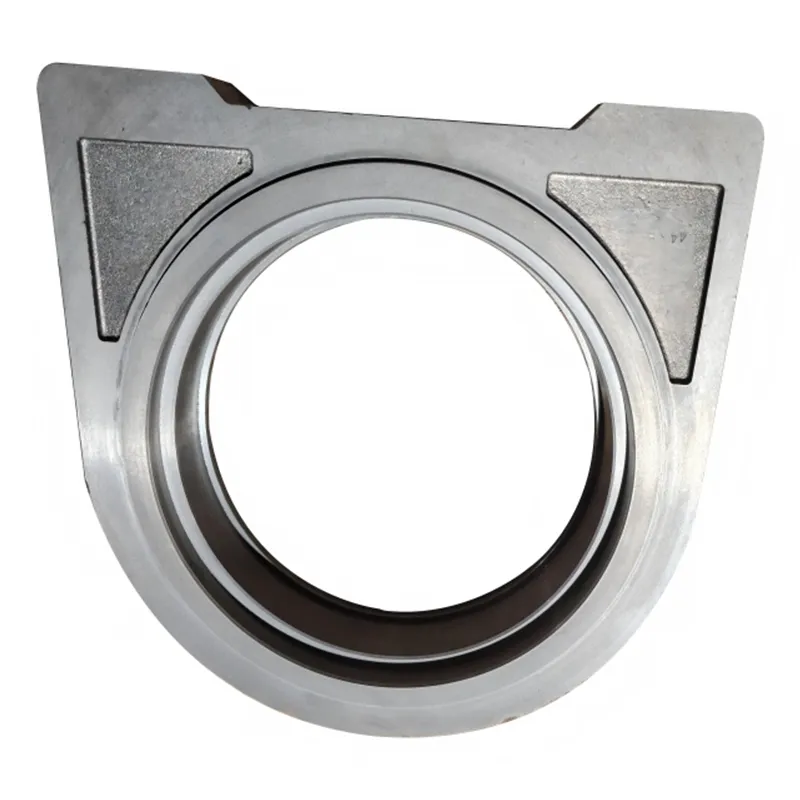
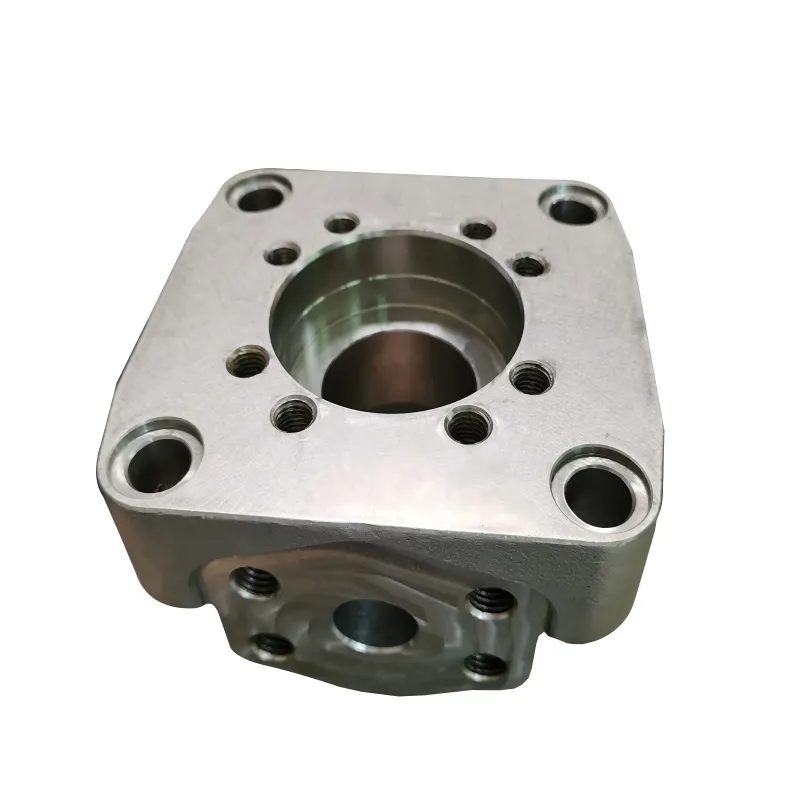
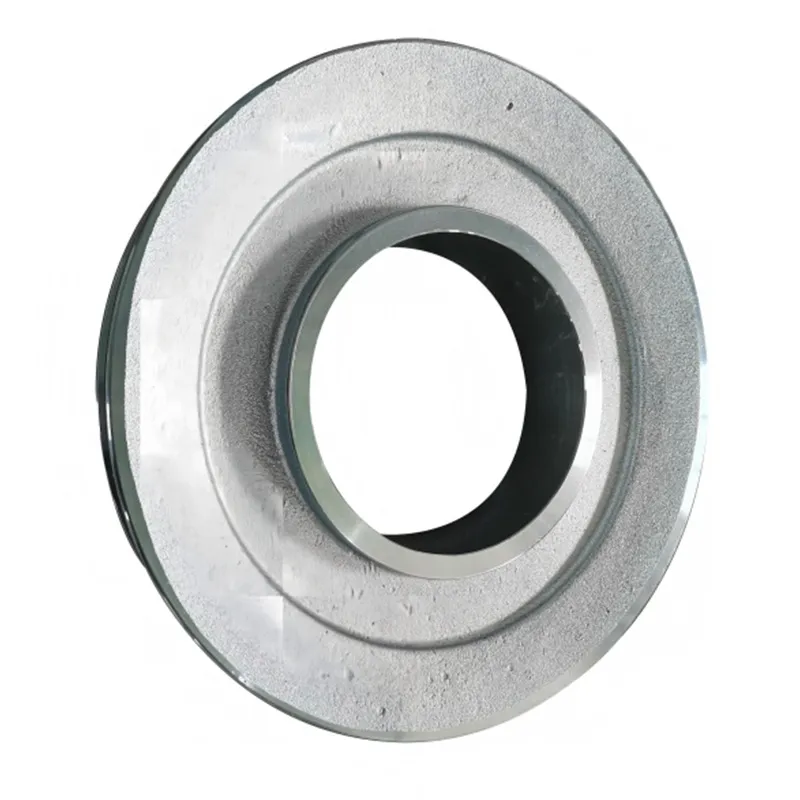
This is where Qingdao Qiangsenyuan's full-service model makes sense. Very, very few precision castings are 'net-shape' ready for use. Most have critical surfaces, mating faces, or threaded holes that need machining. The synergy is crucial. Our machining team knows how our foundry team works. They know where to expect parting lines, potential slight distortion, or where extra stock is reliably provided. This internal handoff is a huge part of delivering a final precise component.
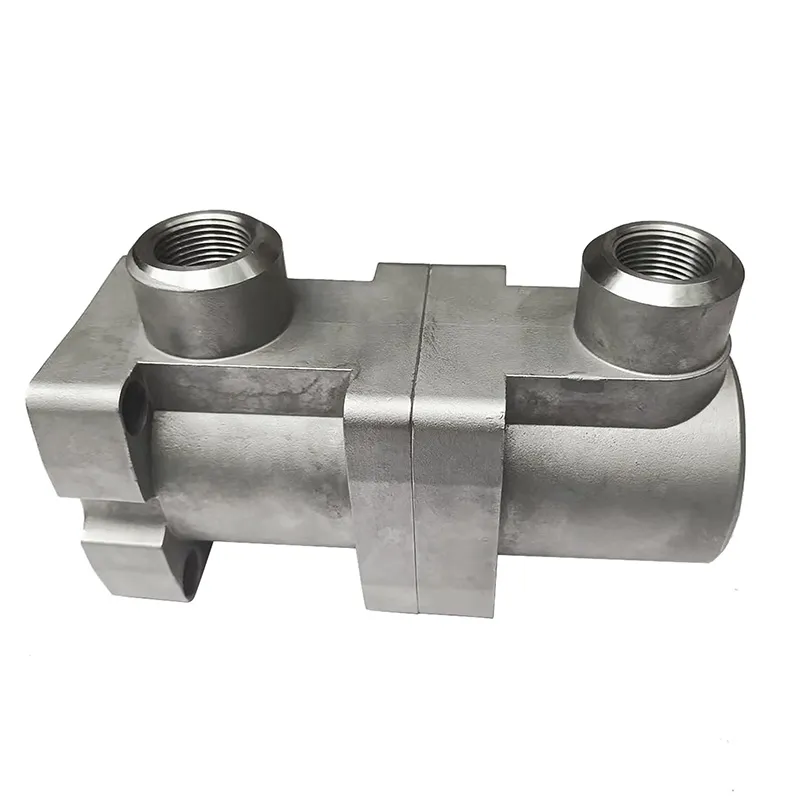
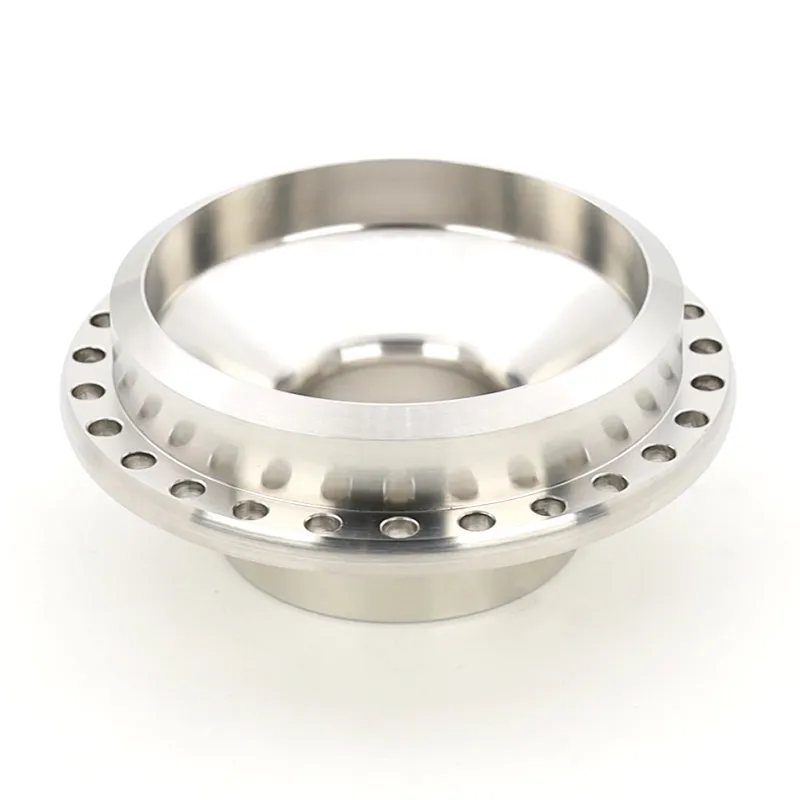
We machined a series of valve bodies in cast steel recently. The as-cast surfaces were fine, but the flange bolt hole pattern and sealing surface needed absolute flatness and positional accuracy. Because we did both, we could design the casting with integrated machining datums—little pads cast specifically for the CNC machine to clamp and reference from. This is a subtle but powerful form of customization. It's not just making a part; it's designing the entire journey from molten metal to finished good. An external machine shop wouldn't have that insight, potentially leading to fixturing problems and scrap.
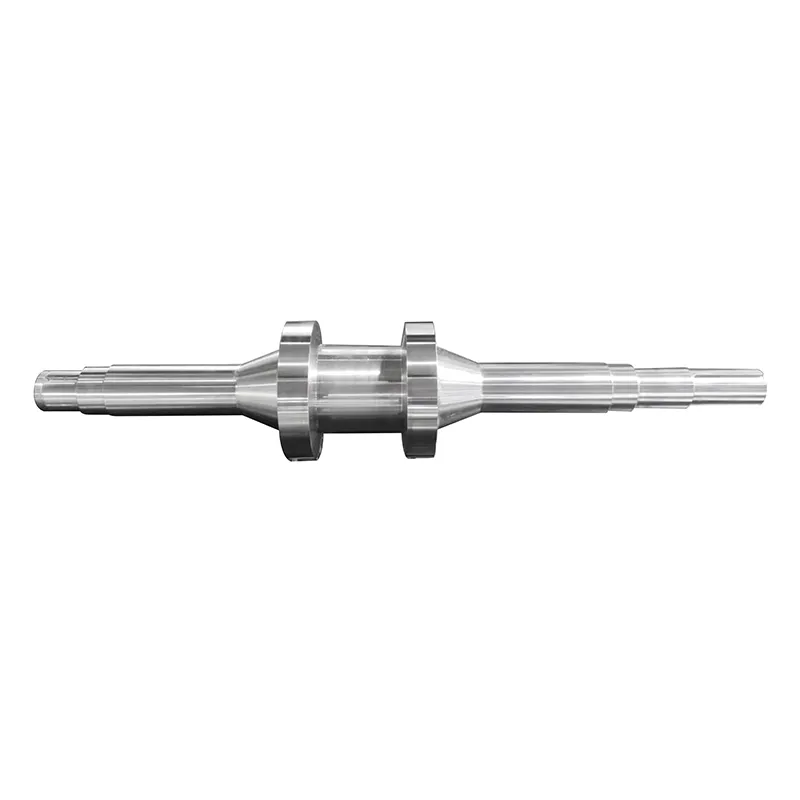
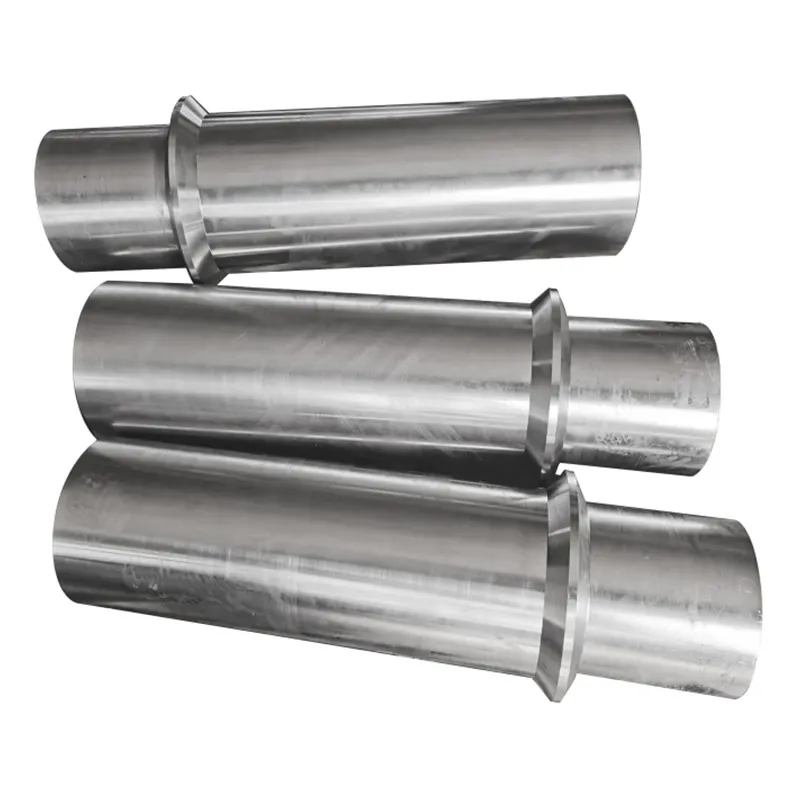
The choice of machining parameters also depends on the as-cast condition. A part in hardened 17-4PH stainless steel will be cut differently than one in 316L. Our 30 years in both casting and machining means we've built up a library of these parameters, which is another intangible layer of 'precision'—the precision of process knowledge.
Material Nuances: Where Theory Meets the Pouring Cup
Speaking of materials, the list on our intro—cast iron, steel, stainless, special alloys—isn't just a menu. Each family behaves like a different animal. Gray iron flows beautifully and is forgiving, but it's brittle. Ductile iron adds magnesium treatment variables. Stainless steels, especially the austenitic 300 series, have high shrinkage and are prone to hot tearing if the mold rigidity isn't spot-on.
The special alloys, like the nickel-based ones, are in a league of their own. They're often for extreme environments: high temperature, high corrosion. But their casting window is narrow. The melt must be clean, the pouring speed exact, and the mold temperature controlled to prevent premature chilling. We learned this the hard way early on with a NiCrMo alloy. The chemistry was perfect, but the mechanical tests failed. The issue was micro-shrinkage dispersed throughout. The solution wasn't in the chemistry ladle; it was in pre-heating the molds to a specific profile to promote directional solidification. That's the kind of material-specific process tuning that defines high-end customized precision casting.
This is why you can't just quote from a weight-based price list for these jobs. The process development is part of the cost. A new alloy or an extreme geometry often means a test pour, sectioning, NDT, and mechanical testing before we even greenlight the production run. That's the real investment in precision.
The Human Factor in a Digital Process
With all this talk of process and material science, the human element is still irreplaceable. Simulation software is great—we use it—but it's a guide. The final judgment call on gating design, or interpreting an X-ray radiograph for a borderline defect, comes from experience. A pattern maker feeling the wax for stress, a furnace operator judging the metal's surface meniscus for the right pour temperature... these are uncodified skills.
I think of a veteran technician we have, who's been with QSY for over two decades. He can look at the color of the molten steel in the furnace and tell you within a rough range what temperature it is, and more importantly, if it's 'quiet' and ready to pour. That instinct, built from seeing thousands of pours, prevents turbulence and gas entrapment that no sensor can fully guard against. In an era of automation, this tacit knowledge is the ultimate customization factor for a foundry. It's what turns a standard procedure into a customized precision casting solution.
Ultimately, that's what the term should mean. It's not a standard product line. It's a collaborative, problem-solving engagement that starts with a concept and ends with a functional, reliable component. It's as much about managing expectations, communicating constraints, and applying hard-won lessons as it is about metallurgy and geometry. The precision is in the partnership as much as in the product.