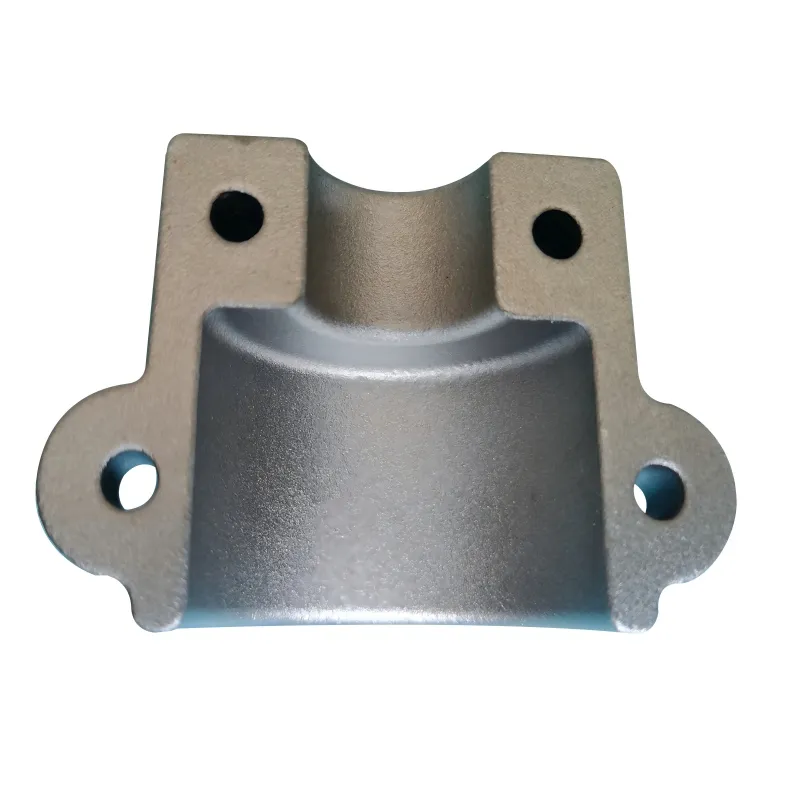
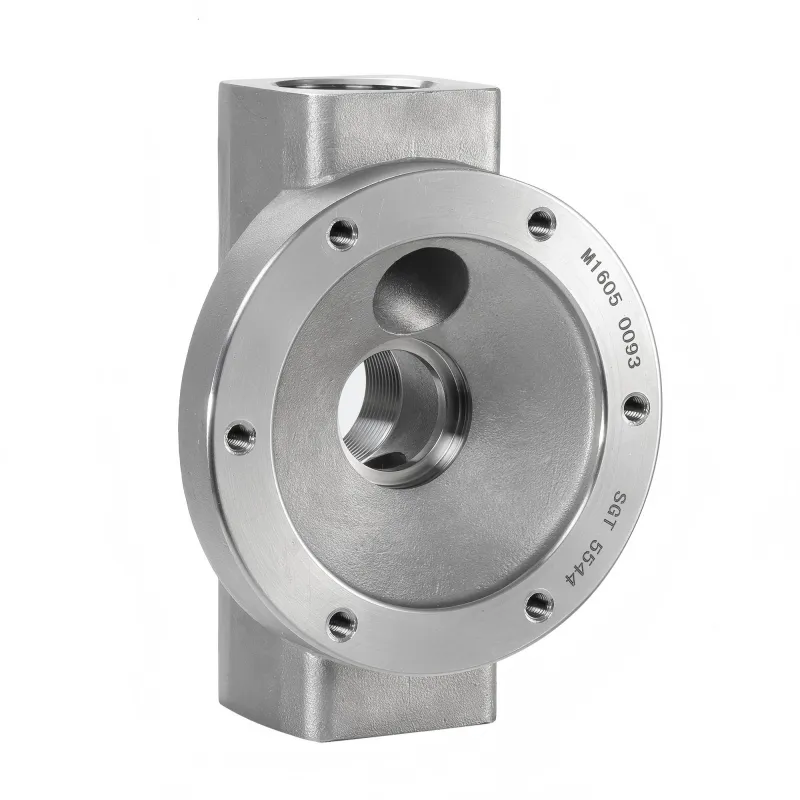
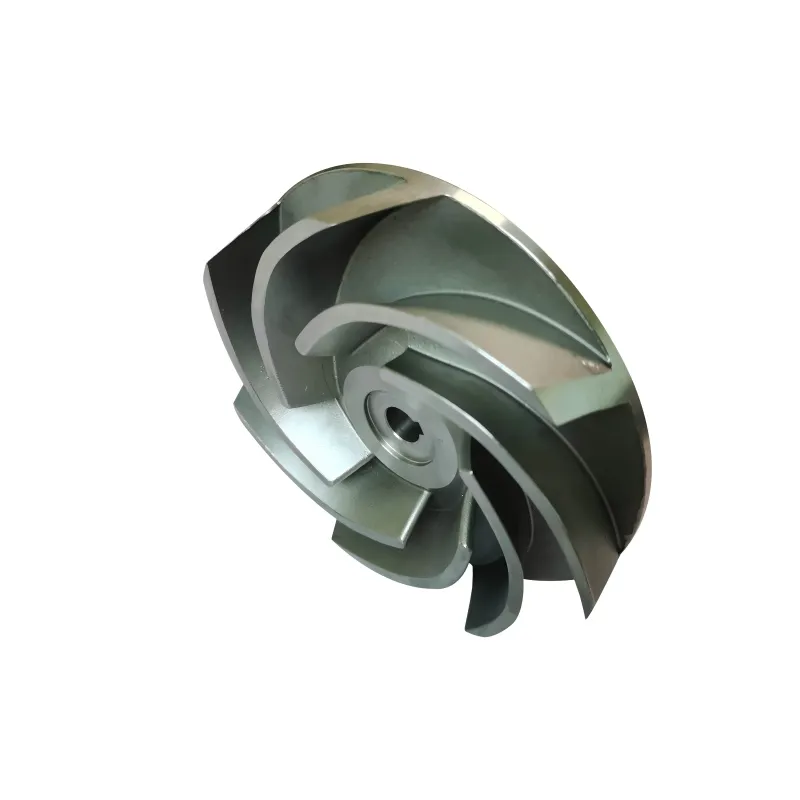
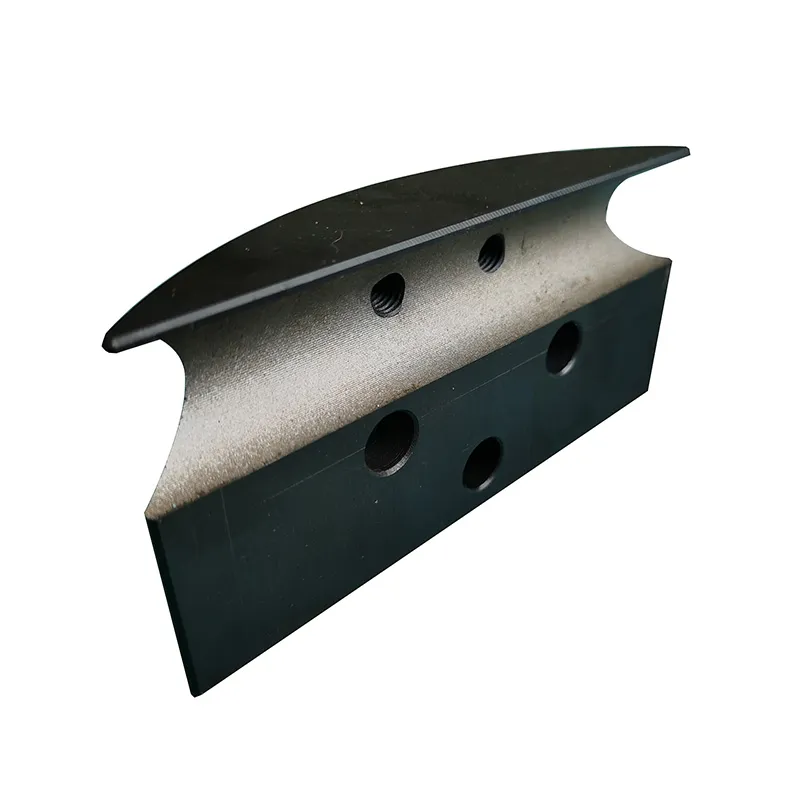
If you ask someone to define investment casting, you'll often get a textbook line: it's a precision casting process using a ceramic shell. That's not wrong, but it's like describing a car as a four-wheeled vehicle—it misses the entire point of what makes it tick. In the real world, especially after three decades in this game, the definition is in the details, the compromises, and the sheer problem-solving it demands. It's not just about making complex shapes; it's about managing the chaos of thermal expansion, gating design nightmares, and the eternal battle against surface defects. Many think it's just for fancy aerospace parts, but that's a common misconception. I've seen it used for everything from a simple pump impeller to a medical implant where a single pore could mean failure.
The Core of the Process: Wax, Shell, Pour
Let's start with the basics as they happen on the floor. The heart of investment casting is the wax pattern. It sounds simple, but the wax blend itself is a proprietary science. Too soft, and it deforms during handling; too brittle, and it cracks when you're trying to assemble a complex tree. At our shop, we've spent years tweaking this. You inject wax into an aluminum mold—often made via CNC machining for precision—to create the replica of the final part. Then, you manually or robotically weld these patterns onto a central wax sprue to form a tree. This step is deceptively critical. The angle and junction design here dictate the flow of metal later. Get it wrong, and you'll have turbulence that pulls inclusions into the casting or creates cold shuts.
The next phase is building the ceramic shell. This is where the term investment comes from—you're investing the pattern with a refractory material. It's a dip-and-dunk process: first a fine zirconia or alumina slurry, then a coarse stucco of fused silica or mullite. You repeat this 6 to 9 times, drying between coats. The skill isn't just in the repetition; it's in judging the slurry viscosity day-to-day. Humidity affects it. Temperature affects it. If the primary coat is too thin, metal penetration ruins the surface finish. Too thick, and it can trap gases or crack during dewaxing. I remember a batch for some stainless steel valve bodies where we rushed the drying. The shell looked perfect, but during the autoclave dewax, the steam couldn't escape fast enough through the thick inner coat. The shells exploded from internal pressure. Total loss. That's the reality—the definition includes these failure points.
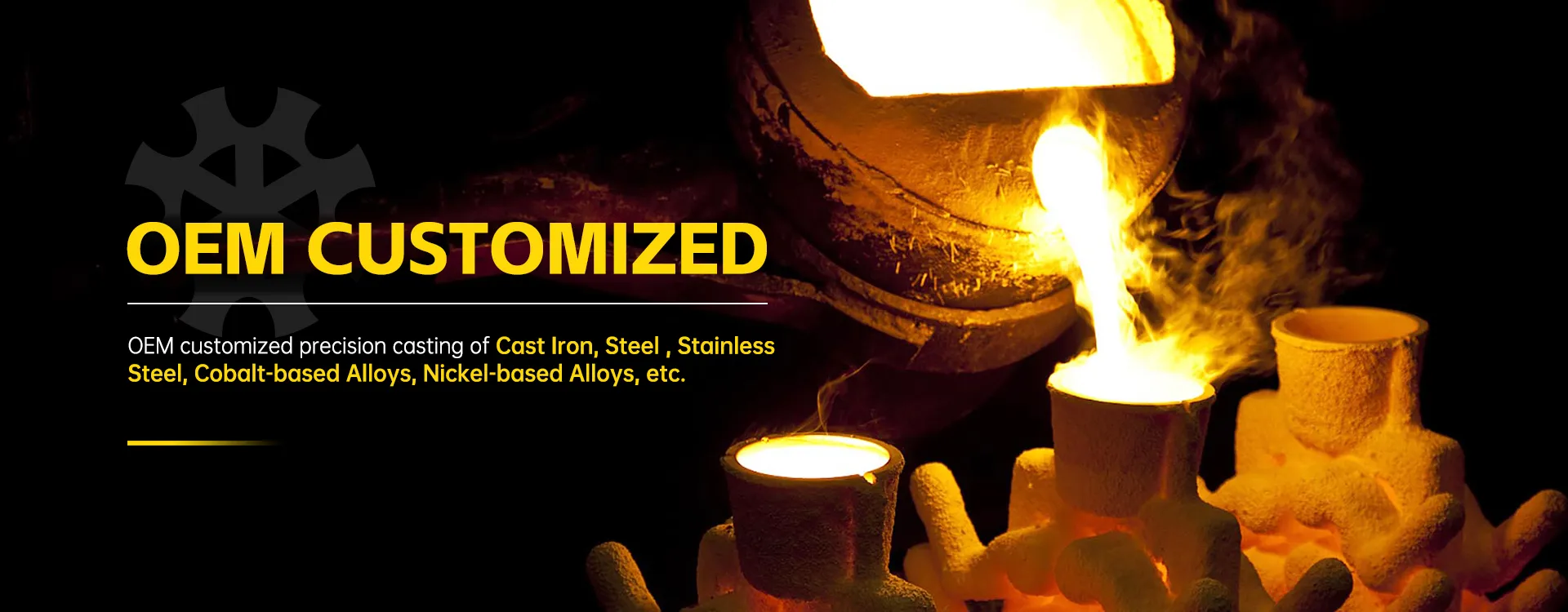
After dewaxing and firing, you're left with a hollow, preheated ceramic mold. Pouring is its own art. For materials like nickel-based alloys or cobalt-based alloys, which we handle regularly, you're dealing with extreme pouring temperatures and rapid solidification. You don't just pour; you need to control the thermal gradient. Pour too slow, and the metal chills before filling thin sections. Pour too fast, and you erode the fragile ceramic interior, introducing sand-like defects. The mold is still around 1000°C when the molten metal hits it. That thermal shock is a defining moment—literally. A successful pour results in a near-net-shape part, but the definition of success is having enough margin in the design to allow for subsequent CNC machining to hit tight tolerances.
Where the Definition Gets Real: Material Challenges
Talk to any foundry veteran, and they'll tell you that to truly define investment casting, you have to talk materials. It's not a one-size-fits-all process. The choice of alloy dictates every parameter upstream. Take 17-4 PH stainless steel. It's a common workhorse, but it's sensitive to cooling rates. If the shell cooling isn't controlled, you can get undesirable phases that kill the mechanical properties. Then you have the superalloys, the nickel-based and cobalt-based ones. These are for extreme environments—turbine blades, exhaust components. Their definition of castability is harsh. They have high melting points and are prone to forming harmful topologically close-packed (TCP) phases if the solidification isn't meticulously managed.
This is where experience trumps theory. The textbook might say use a fast pour for thin sections. But with a cobalt-based alloy, a fast pour can lead to hot tearing because the alloy has a long freezing range. You need to balance pour speed with mold preheat temperature. We learned this on a project for a petrochemical client. The part was a complex catalyst support grid in a nickel-chromium alloy. The first runs resulted in catastrophic hot tears in the webbing. The solution wasn't in the gating; it was in backing off the mold preheat by about 50°C to create a steeper thermal gradient, encouraging directional solidification. That adjustment is never in the basic definition, but it's the essence of the craft.
And let's not forget ferrous materials like carbon and alloy steels. They're more forgiving on shrinkage but can be brutal on the shell. The high heat can cause metal-shell reaction, leading to a hard, glassy surface defect called metal penetration. To combat this, the formulation of the primary slurry coat is critical—often requiring special refractory filters or additives. It's a constant dialogue between the material scientist and the foundry engineer. When we say we specialize in these materials at QSY, it means we've built a library of these subtle, corrective process recipes over 30 years. It's not a marketing line; it's a logbook of solved problems.
The Machining Handshake: From Casting to Finished Part
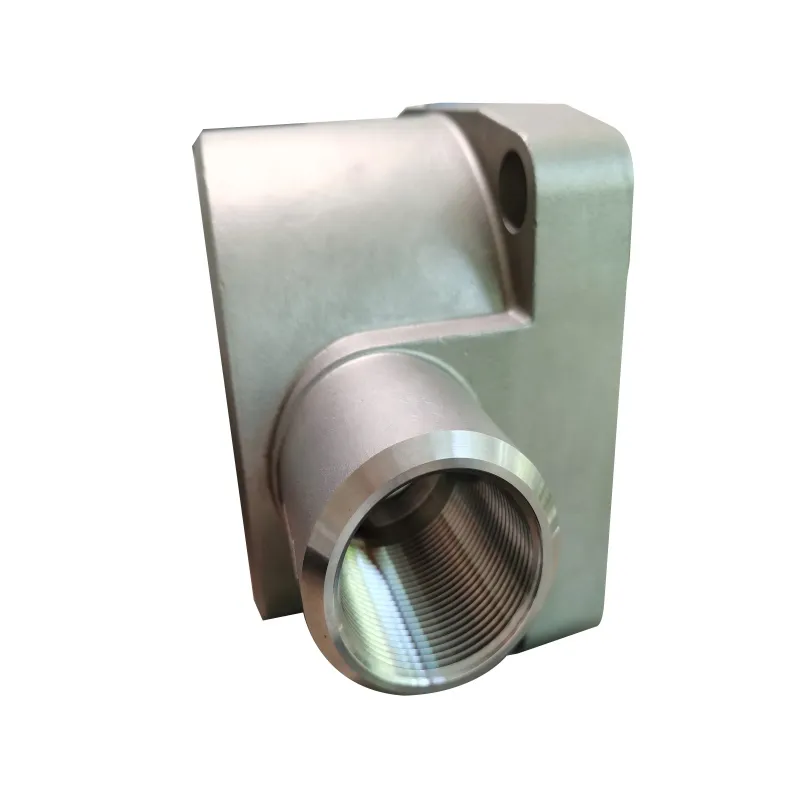
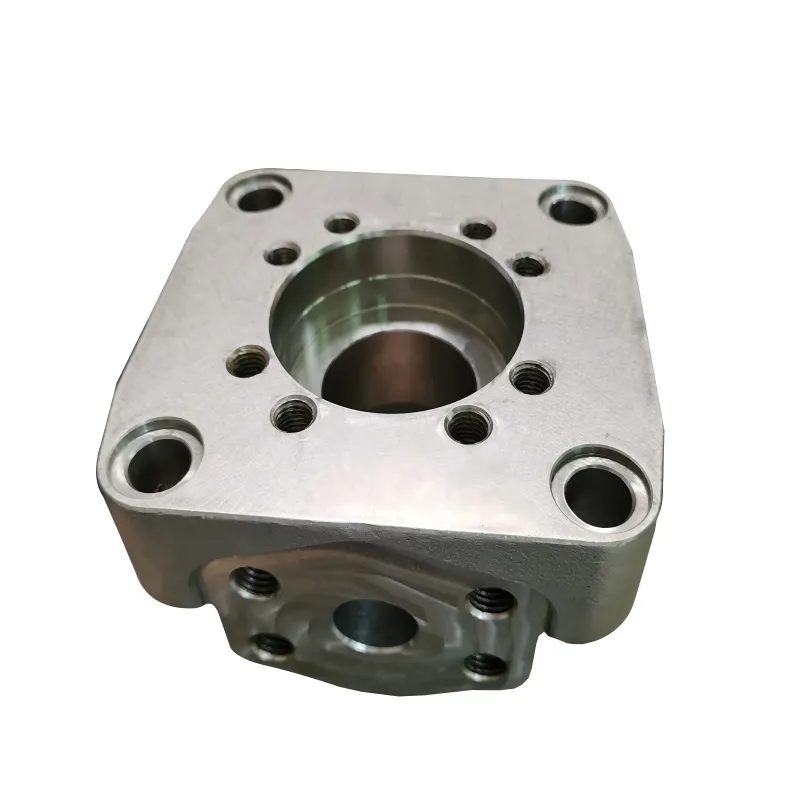
No definition of investment casting is complete without discussing what happens after the shell is knocked off. You're left with a casting that has gates and runners attached, and some surfaces will need machining. This is the critical handoff. The promise of investment casting is near-net shape, but near is a flexible term. For a hydraulic manifold, you might have critical bore tolerances within 0.05mm. The casting process alone can't hold that. This is where integrated facilities, like what we've built at Qingdao Qiangsenyuan Technology Co., Ltd. (QSY), show their value. Having CNC machining in-house isn't just a convenience; it's a quality control mechanism.
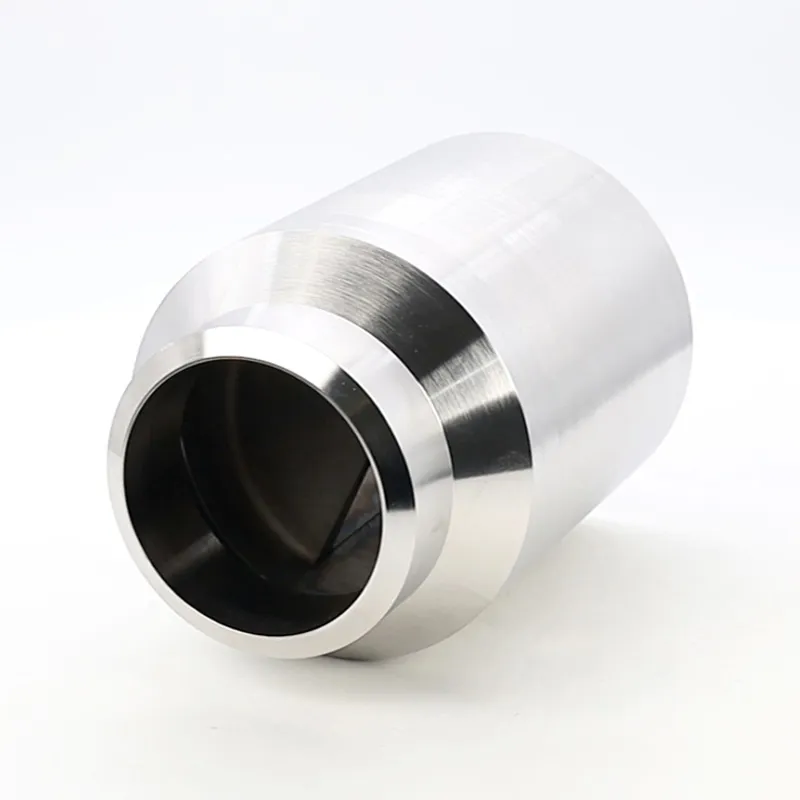
The machinists need to understand the casting. They need to know where the likely shrinkage porosity might be (often near the last-to-freeze areas) to avoid crashing a tool into it. They need to understand the stock allowance. We typically leave 0.5mm to 2mm on critical surfaces, but that depends on the part geometry and alloy. A thin-walled stainless steel part might distort more during cooling, requiring more stock. The CNC programmers and the foundry engineers have to speak the same language. I've seen projects fail because the casting was designed without any thought for machining fixturing, resulting in an unholdable, vibrating nightmare on the CNC bed.
This synergy is why many clients, especially those in sectors like energy or industrial machinery, look for a one-stop shop. They don't just want a supplier who can define investment casting; they want one who can deliver a finished, functional component. They send us a print for a pump housing in duplex stainless steel. We run the simulation for solidification, produce the wax molds, cast it, heat-treat it for corrosion resistance, then machine the flange faces and bolt holes on our CNC centers. The final inspection report references both casting integrity (X-ray) and machined dimensions (CMM). That's the full, practical definition.
Common Pitfalls and the Almost Right Trap
One of the best ways to understand something is to see where it breaks. A big part of my job has been post-mortems on castings that didn't make spec. A frequent pitfall is over-complicating the gating system. In an effort to ensure perfect feeding, engineers sometimes design massive, convoluted runner bars. This increases the volume of metal needed, the cost of the shell, and the cleaning time. Worse, it can create hot spots that lead to shrinkage defects in the part itself. Sometimes, the simplest vertical gating off the heaviest section is best. It's a judgment call, and you only develop that judgment by seeing the failures.
Another trap is assuming all investment casting is high-precision. The achievable tolerance is a function of part size, alloy, and process control. For a small, stable alloy part, ±0.13mm per 25mm is reasonable. But for a large frame in carbon steel, you might be looking at ±0.5mm or more due to unpredictable shrinkage. Promising too much at the quoting stage is a recipe for disaster. I've had to sit with sales and explain that just because we can hold a tolerance on a golf-club head doesn't mean we can on a 20kg valve body. The process definition has built-in variability.
Surface finish expectations also need managing. The as-cast surface from a good ceramic shell can be very smooth, around 3.2 μm Ra. But that's not a polished mirror finish. If a client needs a mirror for a fluid flow application, that's a secondary polishing operation. The point is, the process has limits. Its superpower is complexity and material flexibility, not necessarily achieving the absolute finest finish or tightest tolerance on its own. It's part of a manufacturing ecosystem.
Looking Forward: The Evolving Definition
So, to circle back and try to define investment casting in a way that reflects the workshop floor, it's this: a precision, pattern-based casting process whose success hinges on the controlled interaction of a sacrificial wax model, a layered ceramic shell, and molten metal, with its full value realized only when integrated with thoughtful design and post-casting processes like heat treatment and machining. It's a chain, and every link—from wax injection to final QC—has to hold.
The definition isn't static. With the advent of 3D printing for direct wax or even ceramic mold production, the boundaries are blurring. We can now produce one-off patterns for prototypes without tooling, which is revolutionary for development cycles. But the core physics—the heat transfer, the solidification, the metallurgy—remain the same. The new tools just let us fail faster and learn quicker.
For a company like QSY, with decades under its belt, the definition is also in the accumulated knowledge. It's in the binder of slurry recipes, the database of solidification simulations for different part families, and the skilled eyes of an operator who can look at a dewaxed shell and know if it's sound. You can find a basic definition anywhere. But the real, gritty, practical understanding—the one that turns a drawing into a reliable, high-performance component in cast iron, steel, or a exotic nickel-based alloy—that's something you only get from doing it, day in and day out, and learning from every pour, good and bad. That's the investment, beyond the casting.