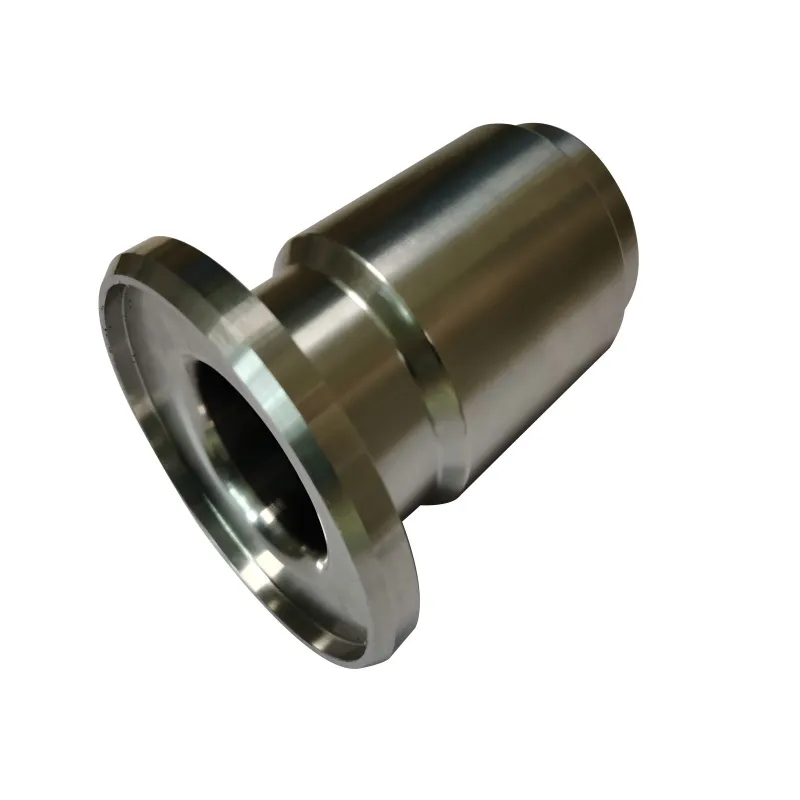
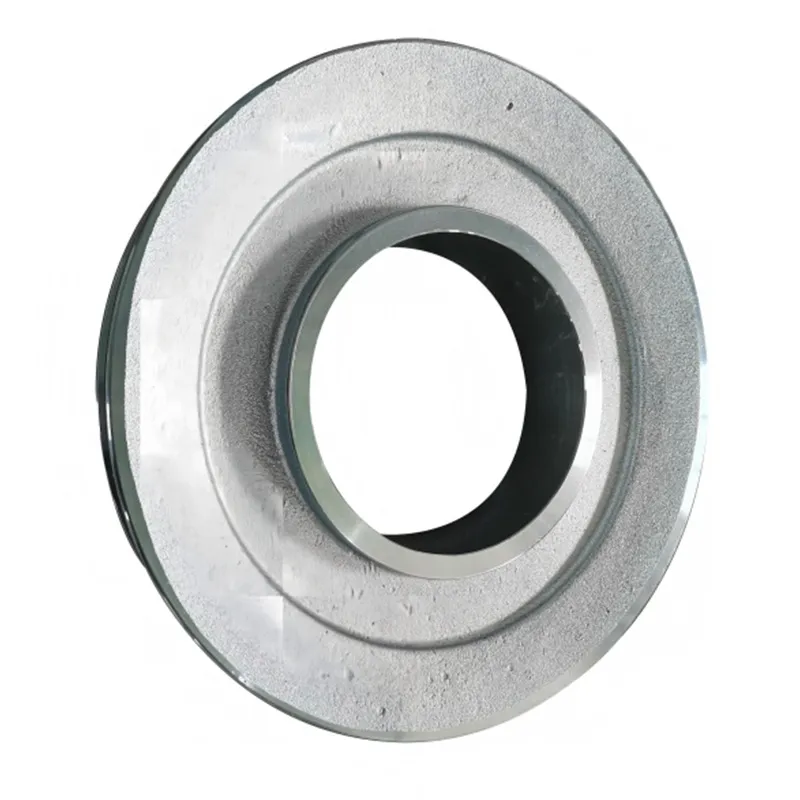
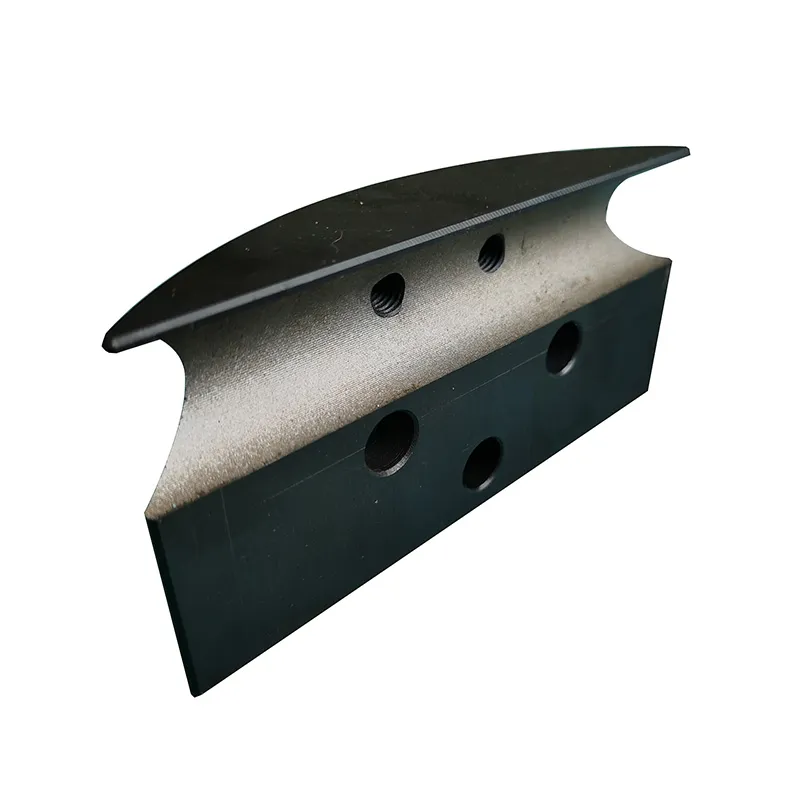
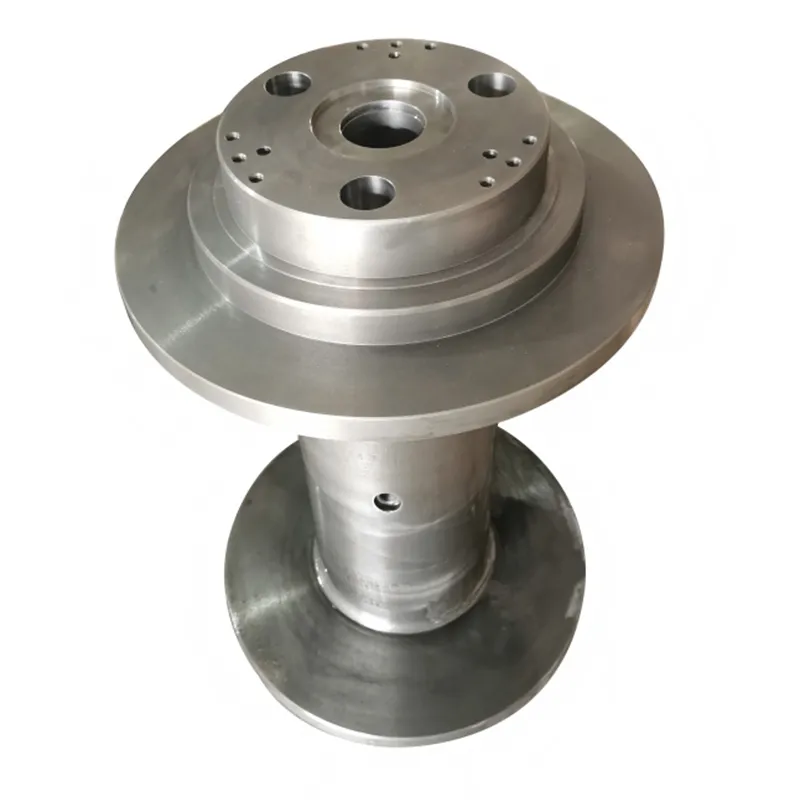
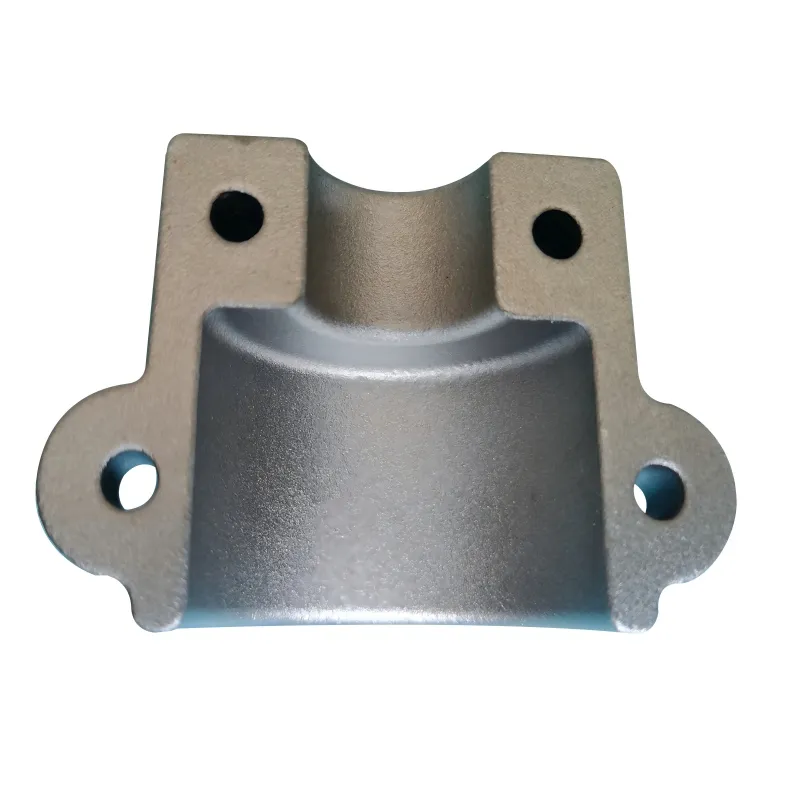
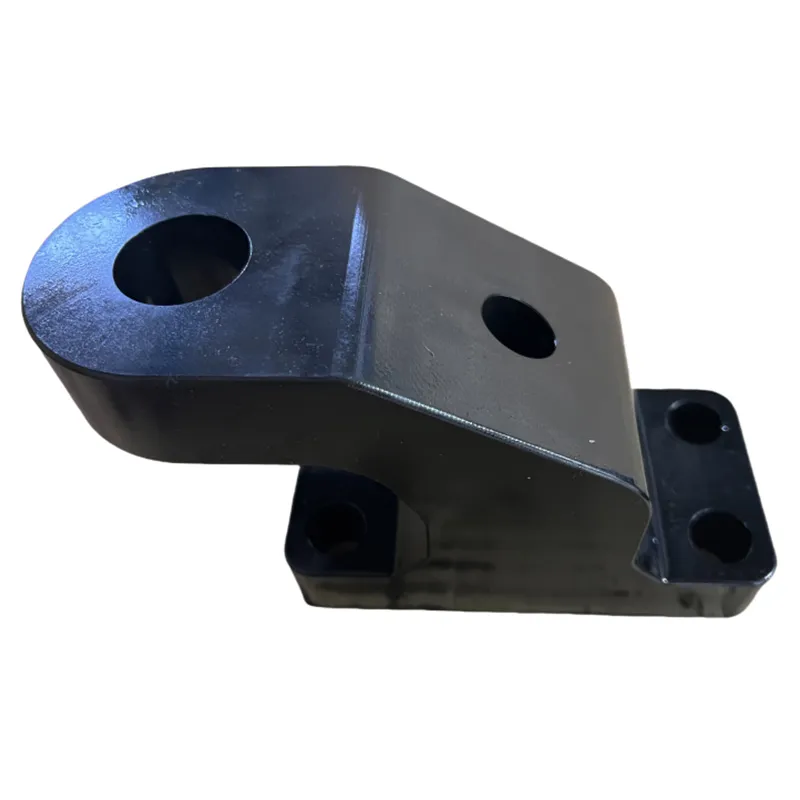
When you start looking for ductile iron casting companies, the first thing you'll notice is how many of them sound exactly the same. Everyone claims ISO certification, high quality, and precision machining. It's a sea of nearly identical marketing copy. The real differentiator, the thing that separates a reliable partner from a vendor that'll cause you endless headaches, isn't on the homepage. It's buried in the process control, the foundry culture, and how they handle a problem when a batch of castings comes out with unexpected shrinkage porosity. That's where you see the decades of experience, or the lack of it.
The Shell Mold Niche and Material Reality
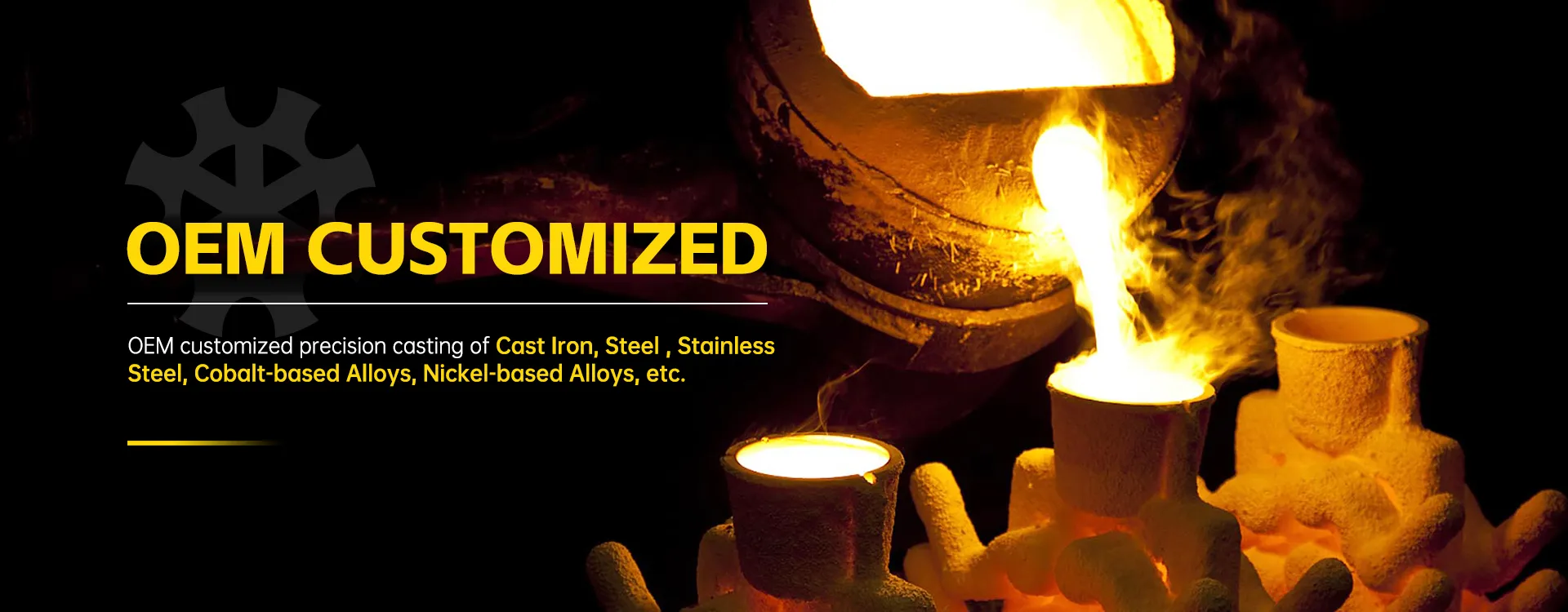
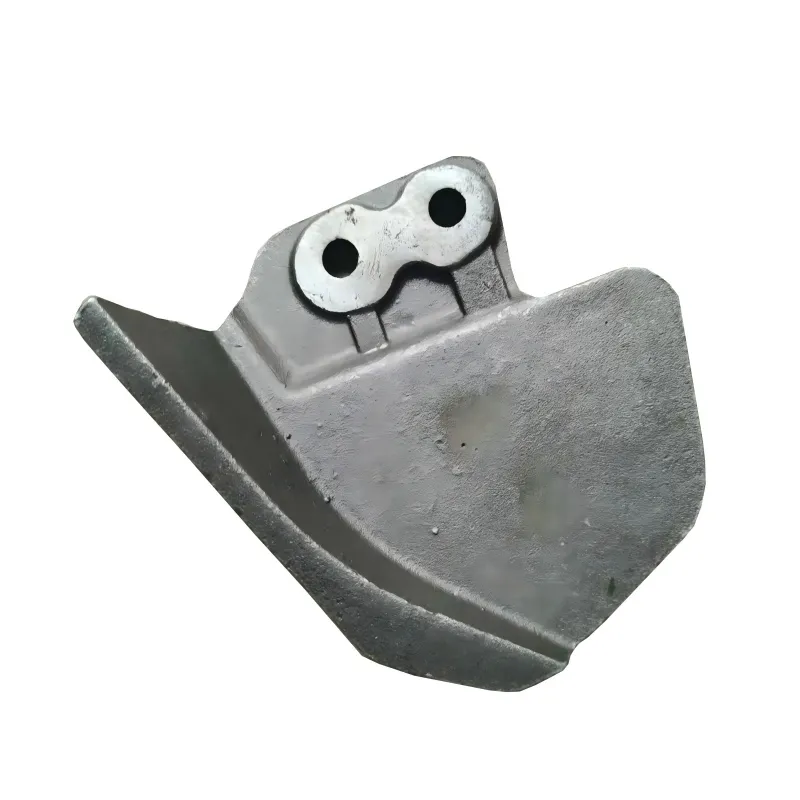
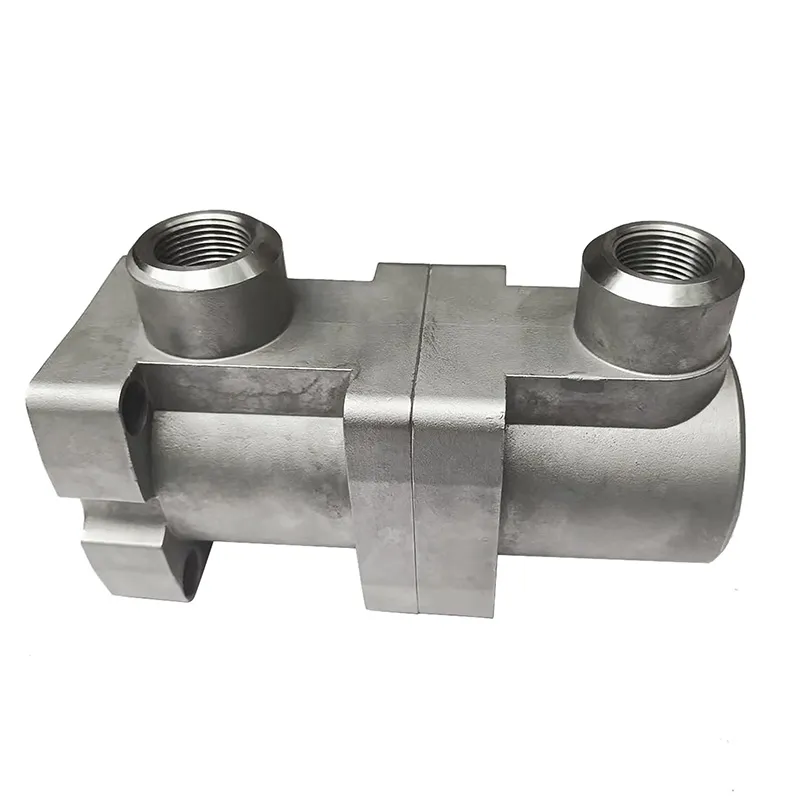
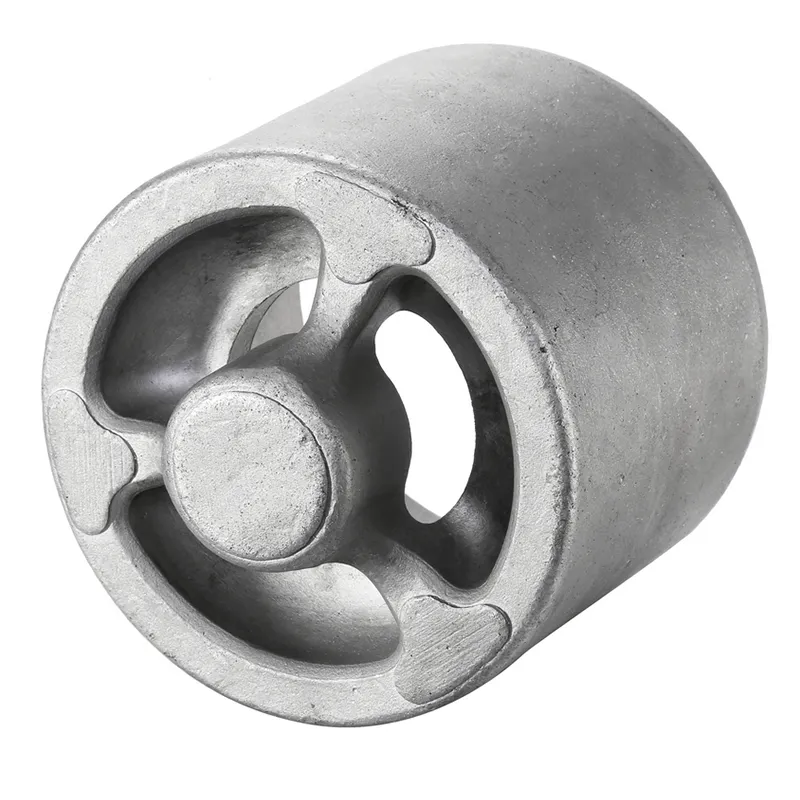
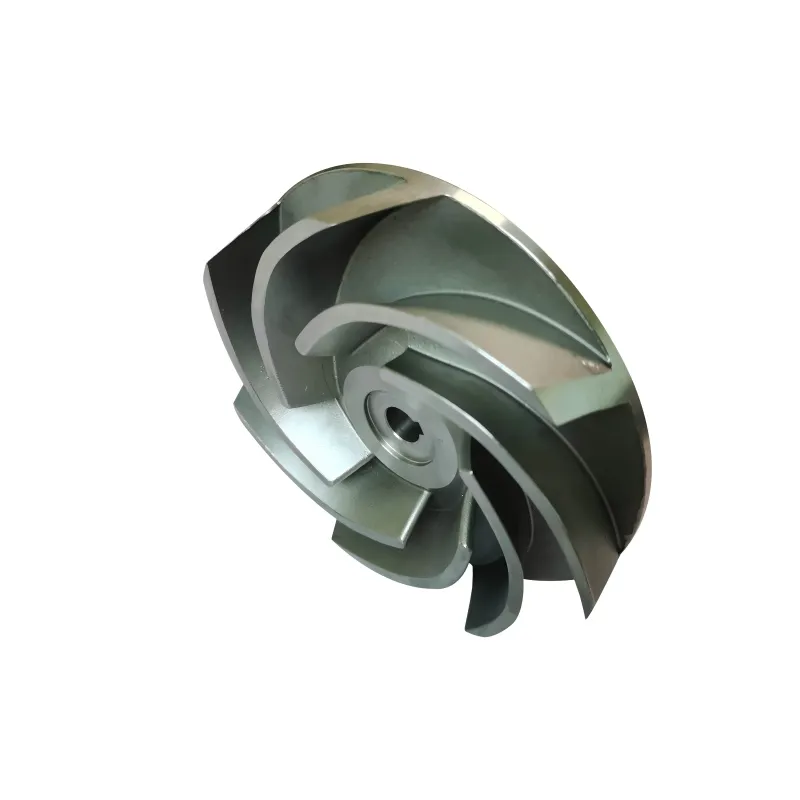
Take shell mold casting, for instance. A lot of ductile iron casting companies offer it, but there's a vast gap in execution. It's fantastic for complex, near-net-shape parts with good surface finish, think valve bodies or pump impellers. But the resin-coated sand introduces variables. If the sand temperature or resin ratio is off, even slightly, you get weak molds leading to metal penetration – a gritty, rough surface that's a nightmare to machine later. I've seen shops where they treat it like green sand, just another process, and the inconsistency shows. The good ones, the ones who've lived with the process, have their operators checking the sand mix by hand-feel, something you can't quantify on a spec sheet but prevents a thousand defects.
That's where a long operational history matters. A company like Qingdao Qiangsenyuan Technology Co., Ltd. (QSY), mentioning them because their 30-year timeline is relevant here, has likely seen every possible shell mold failure mode. When they say they specialize in it, it implies they've built the institutional knowledge to control those nuances. It's not just about having the equipment; it's about the foreman who can look at a cracked mold and immediately know if it was a curing time issue or a pattern draft angle problem.
Material selection is another area full of assumptions. Ductile iron isn't one material. You've got your standard grades like 65-45-12, but then you need something with higher fatigue strength for a rotating component, so you specify 80-55-06. The foundry's ability to consistently hit that chemistry and achieve the correct nodularity (that spherical graphite structure) is everything. A poor magnesium treatment or inadequate inoculation, and your ductile iron becomes brittle. I recall a project where we sourced a gear housing; the tensile strength was on spec, but the elongation was low. The failure analysis pointed to degenerate graphite in the thermal center. The foundry had poured at too low a temperature for the section thickness. It's these subtle process decisions, often made on the shop floor, that define a capable supplier.
CNC Machining: The Critical Post-Casting Link
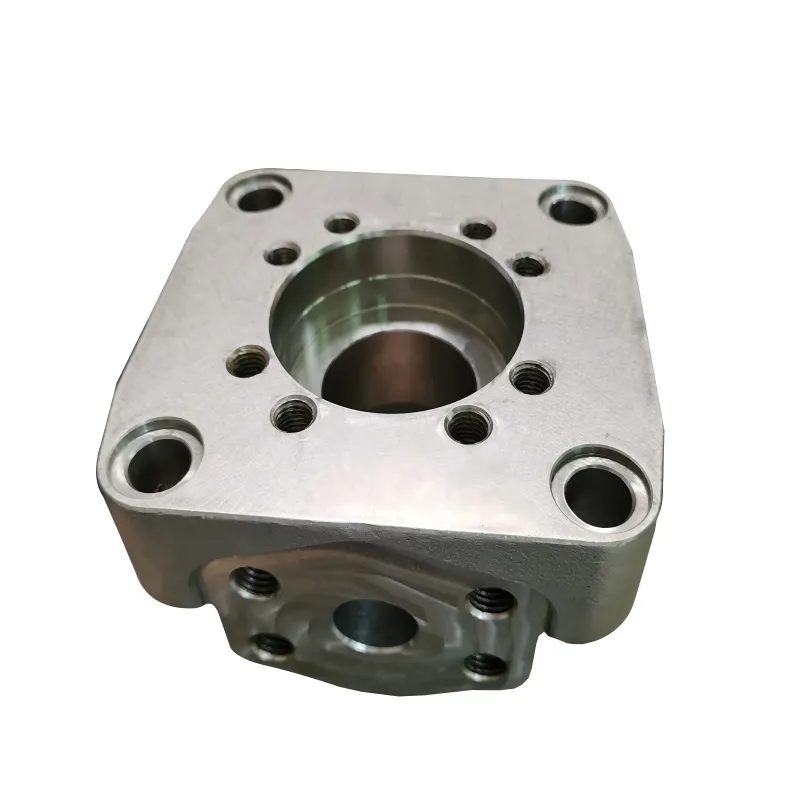
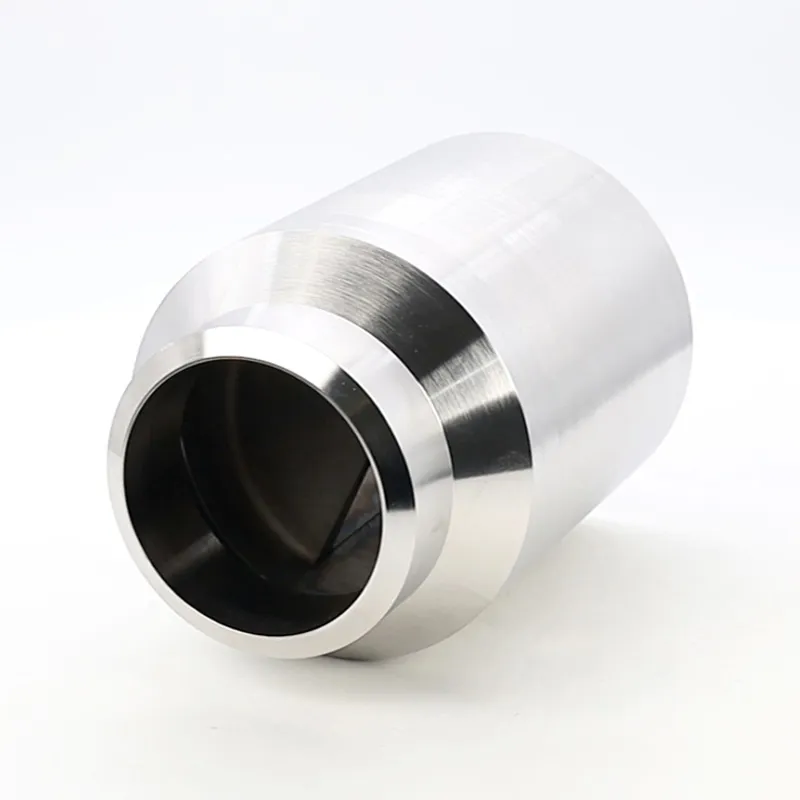
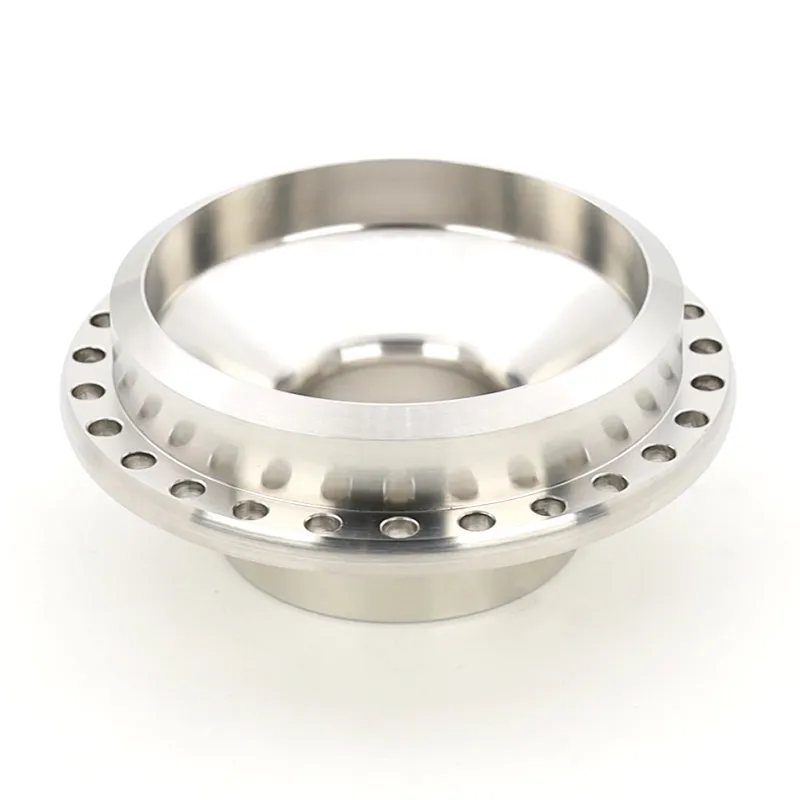
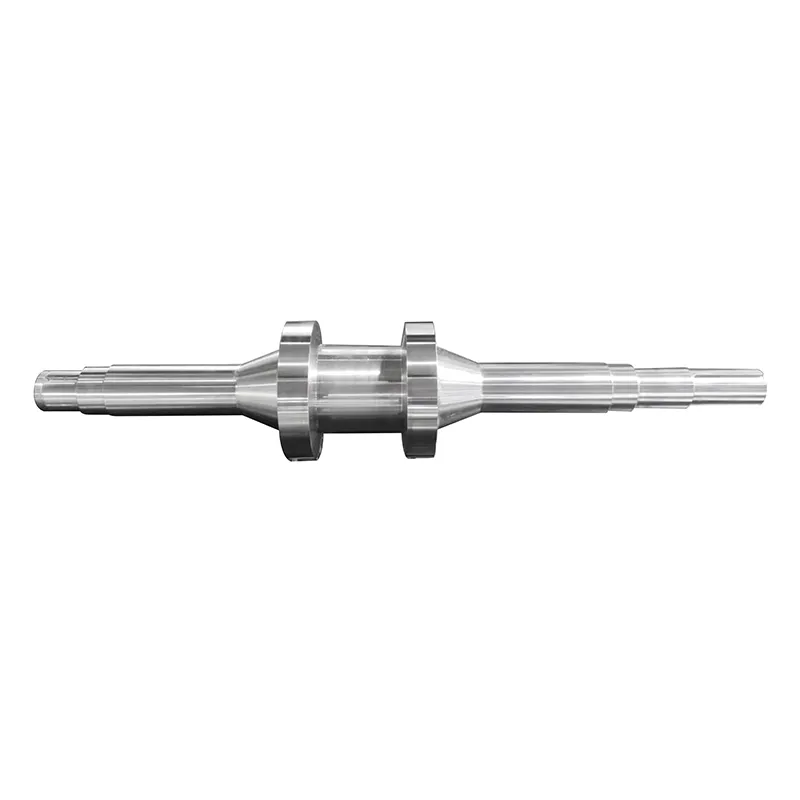
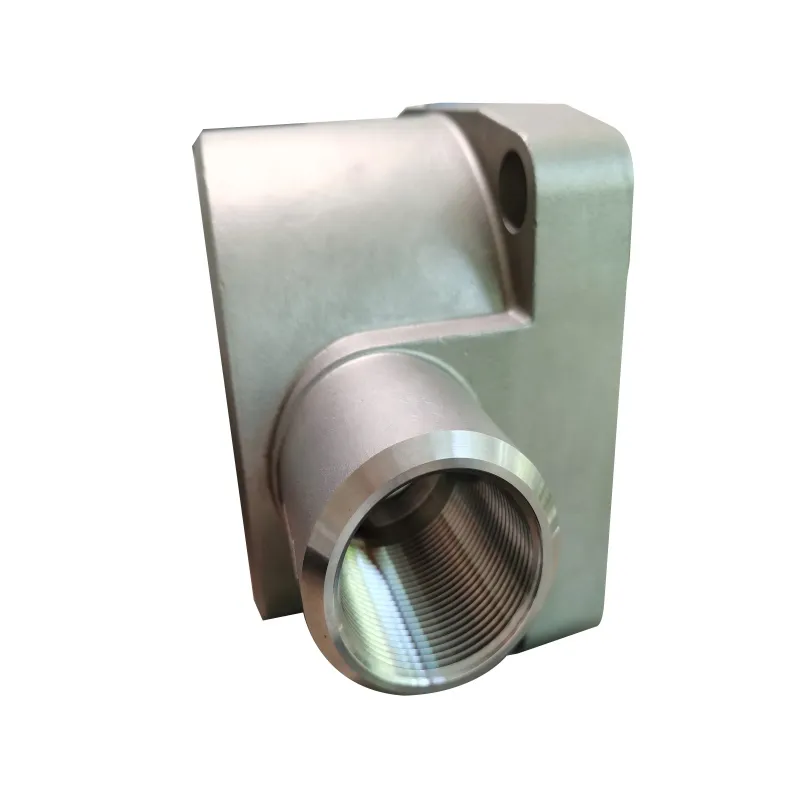
This leads directly into the machining side. Many casting companies offer machining, but it's often a separate, disjointed service. You get the raw casting from the foundry, then ship it to their machining division, and the communication breaks down. If there's a slight shift in the as-cast dimensions or a hard spot from chilled edges, the machinist discovers it when the tool breaks. The seamless ones are those where the machining team feeds back directly to the foundry. They'll flag a consistent locating point variation or a problematic gate remnant location. On their website, QSY lists both casting and CNC machining, and that integration is key. It means they can machine to the actual as-cast datum, not just the theoretical CAD model, which is crucial for maintaining wall thickness and achieving final tolerances on a pressure-retaining component.
Machining ductile iron has its own quirks. It's generally machinable, but the ferrite/pearlite matrix ratio affects tool wear. A softer, ferritic grade can be gummy, while a pearlitic grade is more abrasive. A shop that only machines steel might use the same inserts and feeds, then wonder why they're getting poor surface finish or short tool life. An integrated provider that casts and machines the material daily will have developed optimized parameters, likely even suggesting design tweaks like adding a slight radius to a sharp corner to prevent tool chipping during milling.
The real test is handling complex alloys they mention, like nickel-based ones. That's a different beast altogether, requiring completely different tool paths, coolants, and inserts. If a company can competently handle that, it speaks to a depth of technical capability that usually translates to excellence in the standard materials like ductile iron. It shows they invest in process engineering, not just production.
Where Projects Stumble: Communication and Expectation Gaps
The biggest failures I've witnessed rarely stem from a lack of technical capability on paper. They come from communication breakdowns and unspoken assumptions. You send a 3D model, the foundry makes the pattern, casts the parts, and they look perfect. Then they arrive, and your quality team rejects them because the surface finish on the internal passage is Ra 250 when you needed Ra 125 for a proper seal. The print said as-cast for that surface, and the foundry delivered a standard shell mold finish. Whose fault is it? Technically, the foundry met the spec. Practically, the project is delayed. A top-tier company won't just follow the print blindly; their engineer will question it. You specified 'as-cast' here, but this is a sealing surface. Did you intend to machine it? If not, we can use a finer sand or adjust our process to improve it, but there will be a cost impact. That proactive question is worth its weight in gold.
Another classic pitfall is the prototype-to-production transition. A company makes a beautiful prototype using meticulous, slow methods. You approve it. Then production starts, and the defect rate climbs. Why? The prototype was made with a single-cavity, carefully vented mold. Production uses a multi-cavity mold for efficiency, and the gating and venting design wasn't scaled correctly, leading to turbulence and slag inclusions. A supplier with deep foundry experience knows this transition is a critical phase and will often run a small pre-production batch to validate the production process before ramping up.
Lead time promises are another minefield. Everyone wants it fast. But with ductile iron, rushing the heat treatment (annealing to achieve the required ductility) is a recipe for disaster. You can't cheat the metallurgy. A reputable company will push back on unrealistic schedules that compromise the process. I'd rather have a supplier tell me we need two more days for proper annealing than one that says yes to everything and delivers a batch with residual stresses that cause distortion during machining.
Evaluating a Supplier: Look Beyond the Website
So how do you cut through the noise? The website, like https://www.tsingtaocnc.com, is a starting point. Look for evidence of specific processes (shell mold, investment) and materials listed in detail, as QSY does. It shows specificity. But then you dig deeper. Ask for process control charts for their ductile iron chemistry (especially magnesium and cerium residuals) and nodularity ratings. Ask about their pattern-making capability in-house. Do they use simulation software for mold filling and solidification? The answer isn't a yes/no; listen for how they describe it. We use MagmaSoft to simulate the pouring, but we still rely on our pattern maker's experience to interpret the results for complex cores – that's a real, balanced answer.
Request case studies or examples of problematic parts they've solved. A good foundry loves to talk about the tough ones. Ask about their scrap rate for ductile iron castings and what their top three defect categories are. If they say we have almost no scrap, they're probably not being truthful. Every foundry has scrap; the key is how they analyze and learn from it. Do they have a formal Corrective Action Request system? Can they show you an example of a process change implemented to reduce one type of defect?
Finally, if possible, visit. The atmosphere on the foundry floor tells you more than any brochure. Is it organized? Is the molten metal handling safe and controlled? Do the operators seem engaged? Look at the incoming raw materials – is the pig iron and scrap stored properly, or is it rusting in a pile? These are the tangible signs of a quality culture that directly impacts the consistency of the ductile iron casting companies you're relying on.
The Integrated Advantage and Final Thought
This brings us back to the value of integration. A company that handles the full chain – from pattern making to casting to heat treatment to machining – inherently has fewer gaps for error to fall into. The responsibility is centralized. If a machined dimension is off because of casting shift, they own the entire problem and are motivated to fix it at the root cause in the foundry, not just patch it in the machining cell. For an engineer sourcing a critical component, this holistic control is a massive risk reduction.
It also allows for more collaborative design. Can a certain feature be cast more accurately if we tweak the draft angle by half a degree? Would adding a small rib here prevent distortion during cooling and simplify machining later? An integrated team with casting and machining minds in the same room can offer these insights during the design phase, saving cost and time down the line. This is the true specialization that goes beyond listing services on a website.
In the end, selecting from the myriad of ductile iron casting companies is an exercise in looking past the claims of quality to find the evidence of ingrained practice. It's about finding the partners who see the process as a chain of interdependent decisions, not a series of isolated steps. The right company makes you feel like you're gaining access to their 30 years of solved problems, not just buying a widget from a catalog. That's the difference between a transaction and a partnership that actually works on the shop floor.