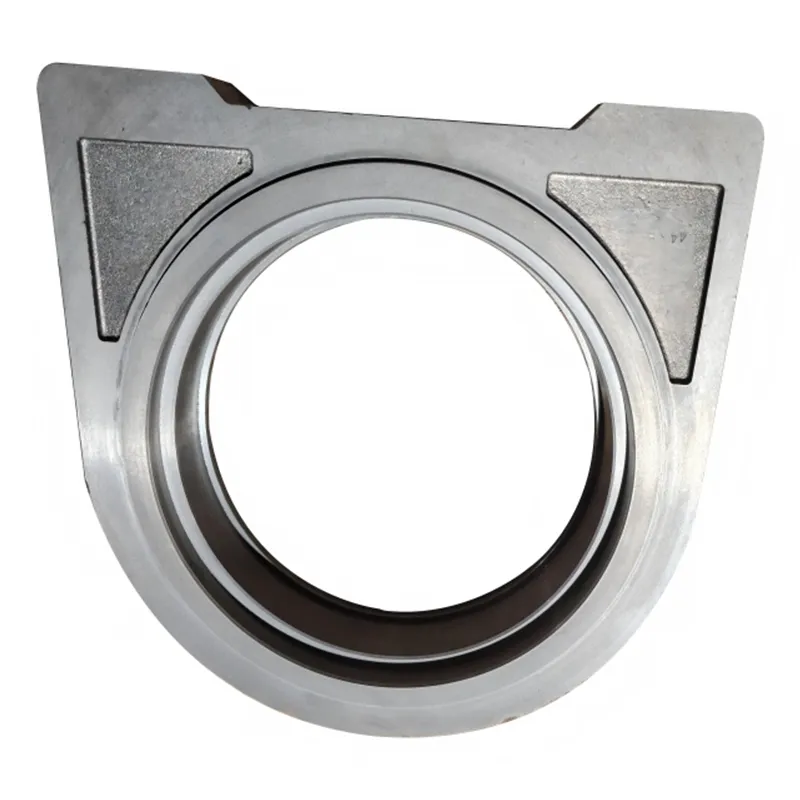
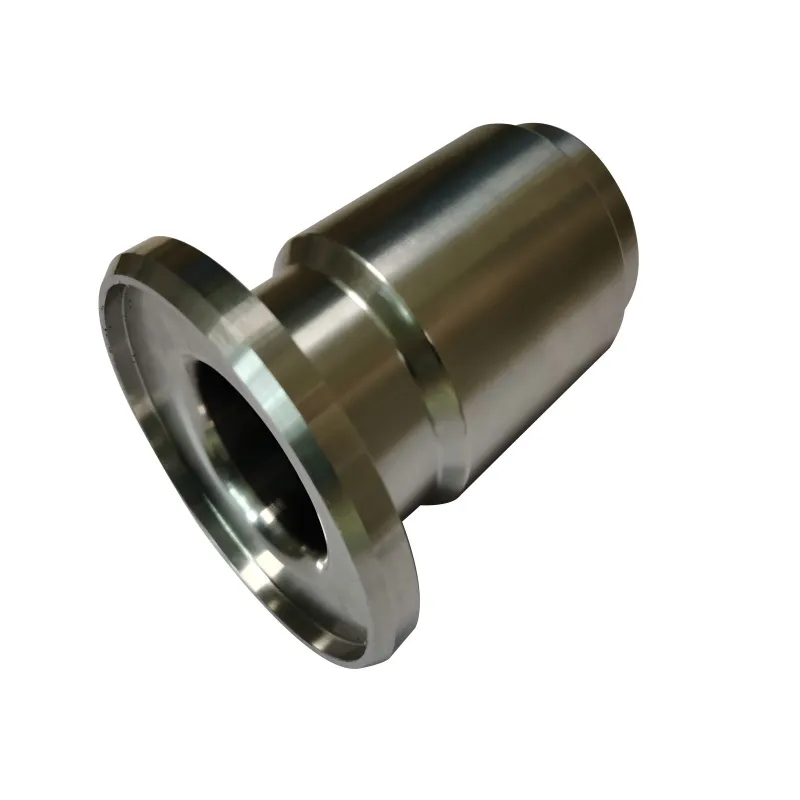
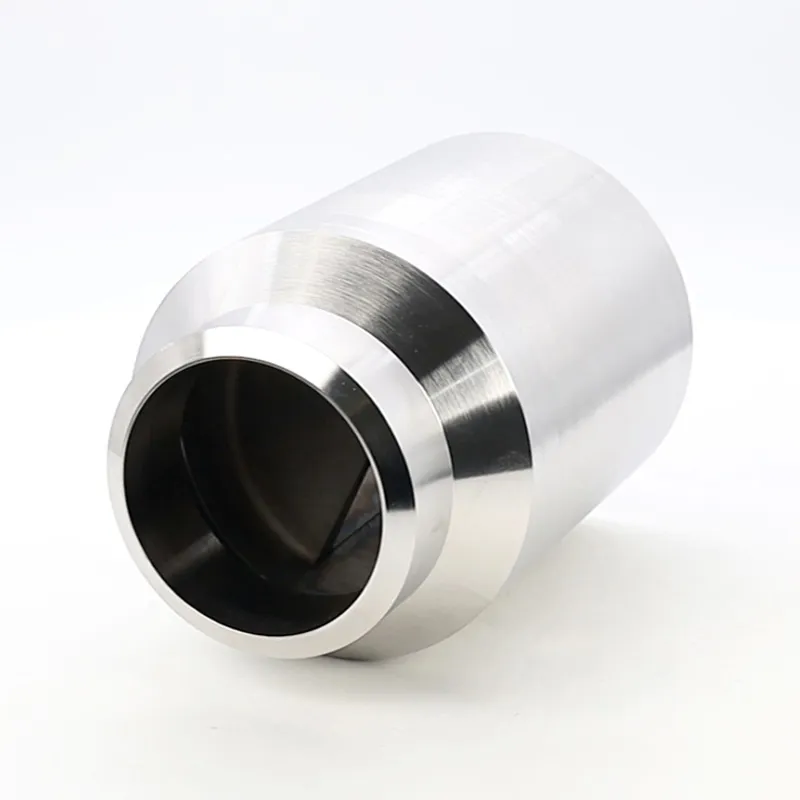
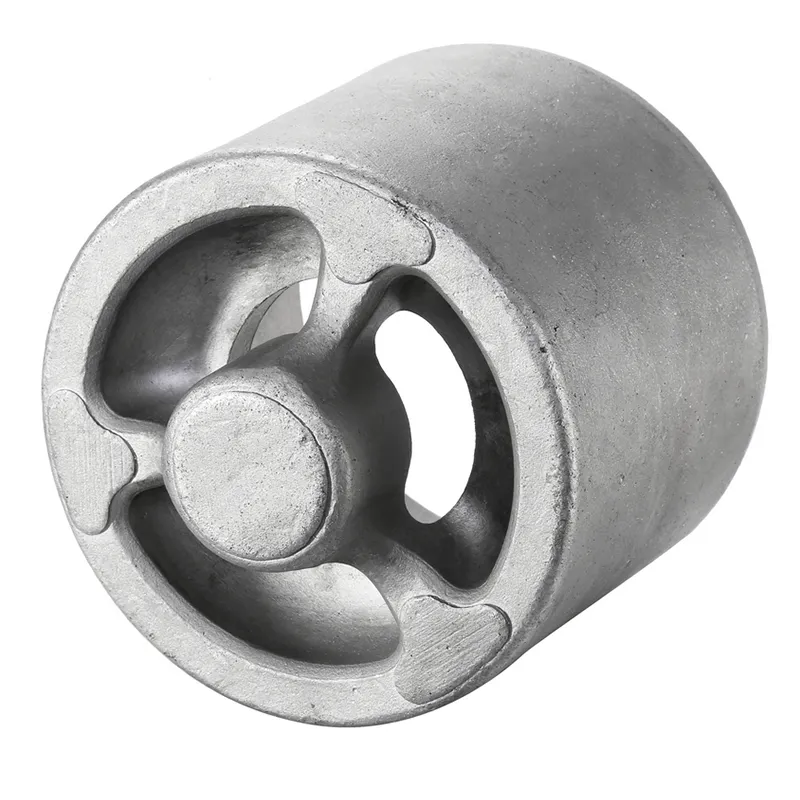
When you hear 'ductile iron casting foundry', most minds jump straight to the iron itself—the nodular graphite, the tensile strength specs. That's the commodity talk. The real story, the one that determines if a part lasts twenty years or fails in two, happens in the gray areas: the gating system design, the inoculation timing, the way you handle a mold after shakeout. It's not just about making a casting; it's about engineering a component that behaves predictably under stress. Too many buyers, even engineers, get fixated on the chemistry report and miss everything that happens between the furnace and the finished machined surface.
The Foundry Floor is a Chemistry Lab, But Not in the Way You Think
Sure, we run spectrometers. The ladle analysis for a typical ductile iron grade like 65-45-12 is straightforward. Hit your ranges for carbon, silicon, magnesium. The paperwork is clean. The real chemistry, though, is reactive and messy. It's the fade of the magnesium post-inoculation. You have a window—sometimes just minutes—to get that treated iron into the mold before the nodularizing effect deteriorates. I've seen pours where everything was perfect on paper, but a delay in the line caused a slight temperature drop and sluggish fill. The result? Marginal graphite morphology in thick sections. The part might pass a casual inspection, but its fatigue life is compromised. That's the unspoken knowledge in a working ductile iron casting foundry.
This is where decades of operation, like at Qingdao Qiangsenyuan Technology Co., Ltd. (QSY), translate into value. With over 30 years in casting and machining, they've likely poured, and seen, everything. That institutional memory is critical. It means their process controllers aren't just following a manual; they're recognizing the look of the iron stream, the sound of the metal hitting the cope, subtle cues that a fully automated system might miss. For ductile iron, these sensory checks are a backup to the instrumentation, a final, human-quality gate.
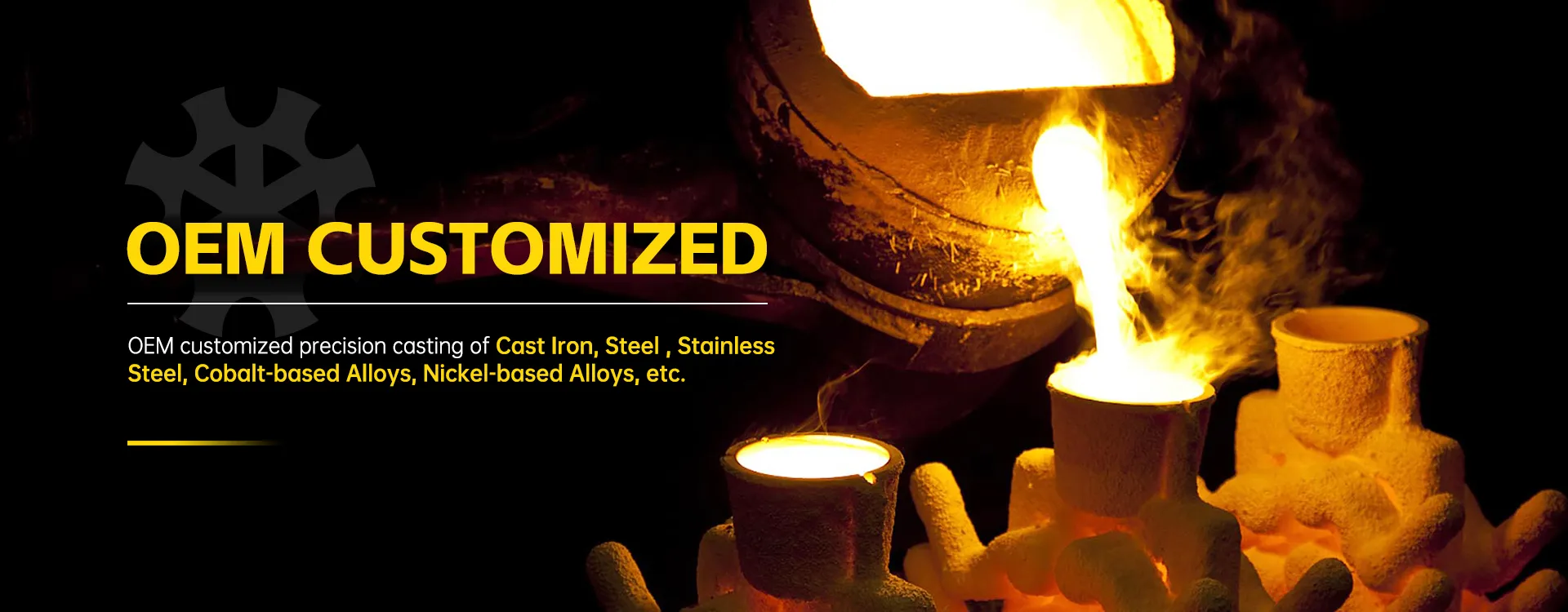
And it's not just about the iron pour. Let's talk molds. For shell molding, which QSY lists as a specialty, the sand resin chemistry and curing are just as delicate. A slight deviation in the catalyst ratio can make a shell too brittle or too soft. A brittle shell can crack during handling, causing fins and veining on the casting. A soft shell can distort under the heat and weight of the iron, leading to dimensional drift. You only learn these correlations by running thousands of molds, tracking deviations, and correlating them to final casting defects. It's a continuous, gritty feedback loop.
Where Casting Ends and Machining Begins (Or, The Seam That Shouldn't Exist)
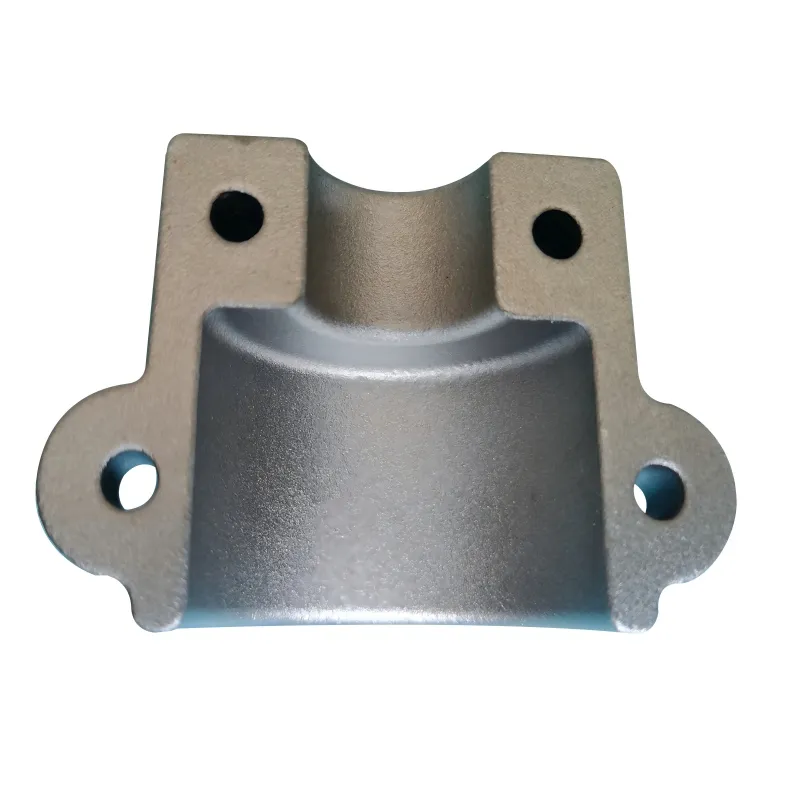
This is a major pet peeve. A foundry that operates in a vacuum from machining is a liability. The design of a casting pattern must anticipate the CNC program's needs. Where will the first datum be established? Is there a clean, as-cast surface for primary clamping? Does the parting line location create a flash that interferes with the fixturing? I've received castings from otherwise decent foundries that were practically unmachinable without designing a Frankenstein fixture, all because the foundry engineer never talked to a machinist.
An integrated operation like QSY's, offering both casting and CNC machining under one roof, inherently solves this. Their pattern shop is likely in constant dialogue with their machining center programmers. When they design a runner and riser system for a ductile iron casting, they're also thinking about where to place it so it can be cleanly removed on the mill, leaving a workable surface. They can plan for machining stock allowances that are realistic, not just textbook numbers. This synergy is where you save real money and time, avoiding the endless back-and-forth emails between separate vendors blaming each other for a part that's out of spec.
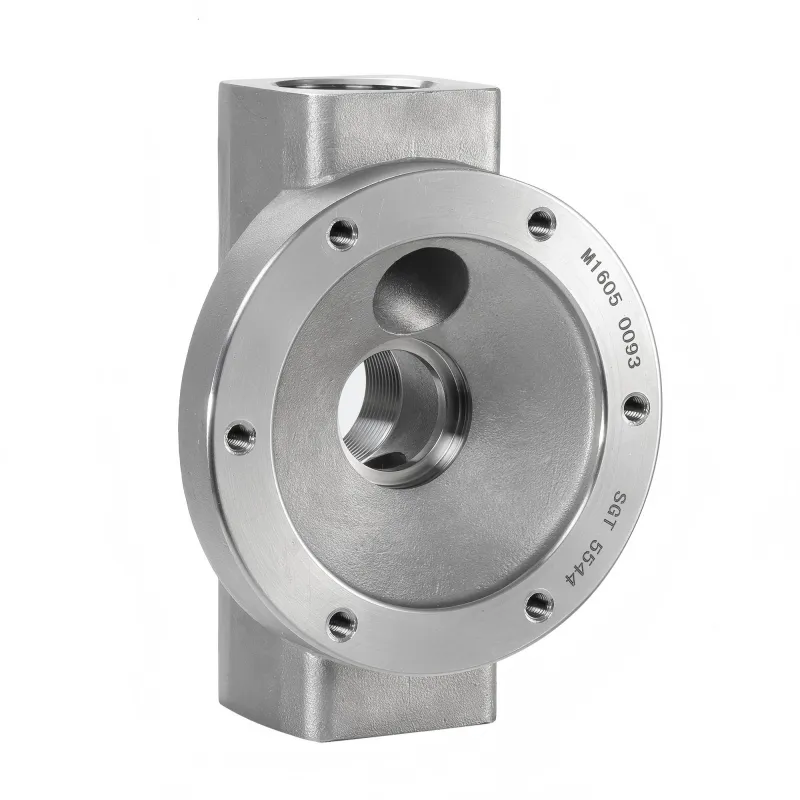
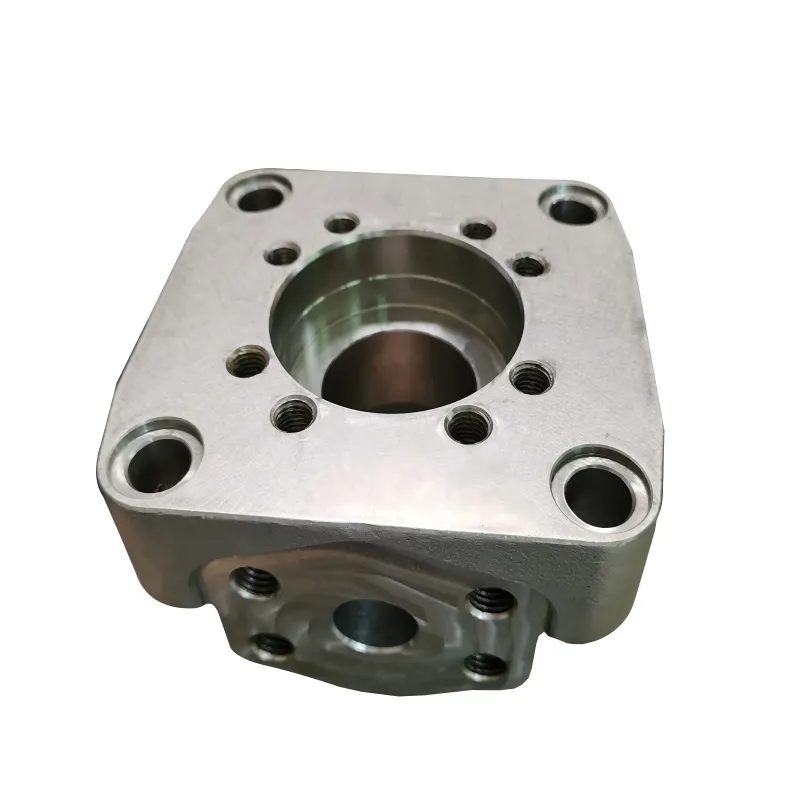
A practical example: a hydraulic valve body we worked on. The internal passages were complex, requiring precise shell mold casting to capture the geometry. The critical seal faces needed a Ra 0.8 finish. The foundry that only cast it left heavy stock on the faces, which during machining caused severe and uneven tool wear due to the hardened surface layer from rapid cooling. The integrated foundry-machinist, however, could adjust the cooling process (maybe using insulating sleeves on those risers) to ensure a more uniform hardness depth, and then machine it with a tailored tool path and insert grade. The result was a better finish, longer tool life, and a reliable part. This isn't magic; it's communication baked into the process.
The Alloy Question: When Ductile Iron Isn't Enough
Ductile iron is a workhorse, but the spec sheet doesn't always tell the whole story. Abrasion? 500 Brinell hardened ductile iron might work. But add impact? That's a different game. Sometimes you need to step into those special alloys QSY mentions—nickel-based or cobalt-based alloys for extreme wear and corrosion. The foundry capability here is telling. Melting and pouring these alloys require different furnace linings, tighter atmospheric controls, and often completely different pouring techniques. A foundry comfortable with these materials usually has a rigorous discipline that bleeds back into their standard ductile iron work. Their contamination control protocols will be stricter, their thermal monitoring more precise.
I recall a pump impeller for a saline environment. The initial thought was austenitic ductile iron (Ni-Resist). It cast fine, but in field testing, the combination of chloride-induced corrosion and cavitation erosion ate it up faster than expected. The solution, developed with the foundry metallurgist, was a shift to a duplex stainless steel casting. The challenge then became feeding a steel that shrinks differently and is more prone to hot tearing. We had to redesign the entire feeding and chilling scheme. It was a failure that led to a better solution, but it required a foundry willing and able to pivot, to run trials, and to think beyond the standard grade card. Not every shop has that bandwidth.
This is the nuance of material selection. A good foundry partner doesn't just accept your material spec; they question it. They might ask about the actual service environment, the loading cycles, the potential for thermal shock. Based on that, they might suggest a subtle grade shift—from ferritic to pearlitic matrix in the ductile iron, for instance, for better wear at the expense of a little ductility. That conversation is worth its weight in gold.
The Ghost in the Machine: Dimensional Stability and Stress
Machinists hate surprises. The worst surprise is a casting that moves during machining or, worse, after it's been shipped. Residual stress in a ductile iron casting is that ghost. It comes from uneven cooling, from overly aggressive shakeout, from improper heat treatment. You can't always see it on a CMM report fresh out of the foundry.
The standard fix is thermal stress relieving. But the cycle matters immensely. It's not just a box to tick. I've seen shops use a generic cycle for all parts, which is mostly useless. An effective cycle needs to consider the part's geometry, section thickness variations, and the initial cooling history. A complex, cored housing needs a different ramp-up, soak, and cool-down profile than a solid slug. An integrated operation has a huge advantage here. They can machine a test piece, measure distortion, then go back and tweak the stress relief cycle, and even adjust the casting process itself, in a closed loop. They see the final consequence of their casting decisions.
We had a gearbox housing, a real boxy thing with uneven wall thickness. It kept warping during the final boring operation for the bearing seats. The foundry insisted their process was sound. The breakthrough came when we did a simple but time-consuming check: we measured critical dimensions on a sample batch as-cast, after shakeout, after shot blasting, and after stress relief. The major movement happened not during stress relief, but during the aggressive shot blasting. The solution was to switch to a less impactful blast media and a gentler cycle for that particular part. The foundry that only casts never finds this out. The foundry that also machines gets the direct, painful feedback and is forced to solve it.
Looking for a Partner, Not a Vendor
So, what does all this mean when you're evaluating a ductile iron casting foundry? Don't just ask for a certificate and a price. Dig into their process narrative. Ask how they control magnesium fade. Inquire about their pattern design philosophy relative to machining. Question their approach to stress management. Ask for an example where a standard material didn't work and what they did about it. Their answers, or their willingness to find them, will tell you more than any glossy brochure.
A company's longevity, like QSY's 30-year history, is a strong indicator. It means they've survived market cycles, learned from mistakes, and adapted their processes. Their listed capabilities—shell mold casting, investment casting, CNC machining, work with special alloys—paint a picture of a vertically integrated problem-solver, not just a melting shop. Their website, https://www.tsingtaocnc.com, reflects this combined offering. In this industry, that combination is a signal of depth.
Ultimately, the goal is to find a foundry that thinks like an engineer, not just a producer. You want the person on the other end of the email to pause, consider your application, and maybe even push back on your drawing with a suggestion for a draft angle change or a radius increase that will improve castability and cost. That hesitation, that moment of professional judgment, is the hallmark of the real thing. It's the difference between getting a metal part and getting a reliable component. That's the core of what a true foundry partnership provides.