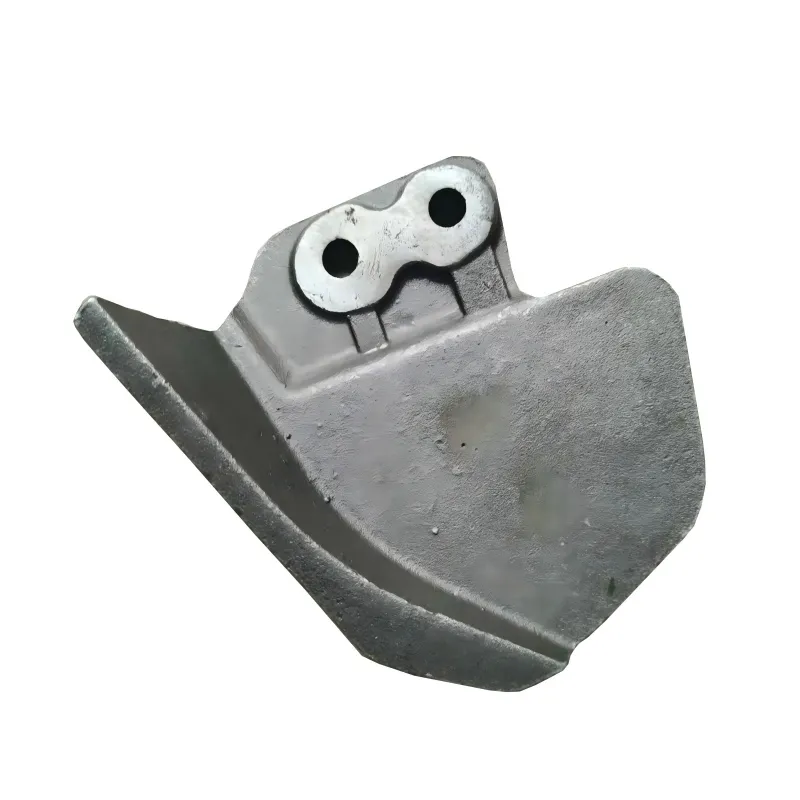
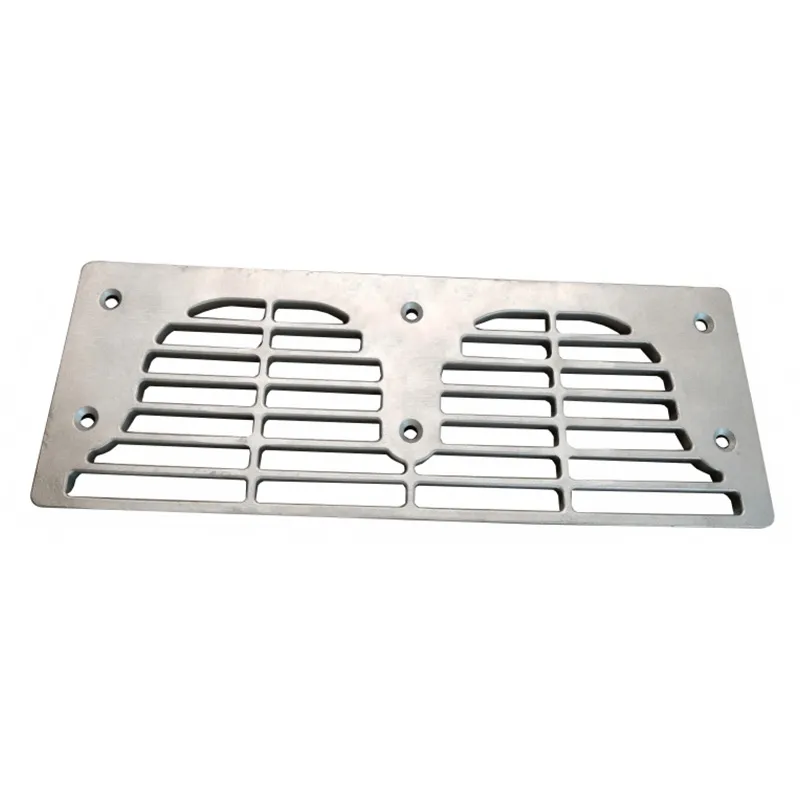
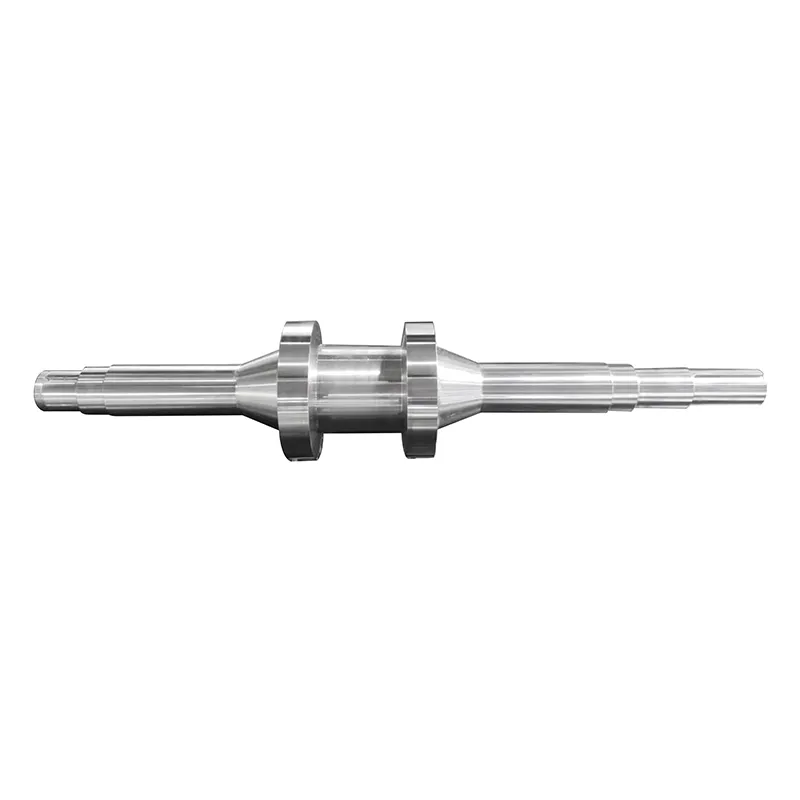
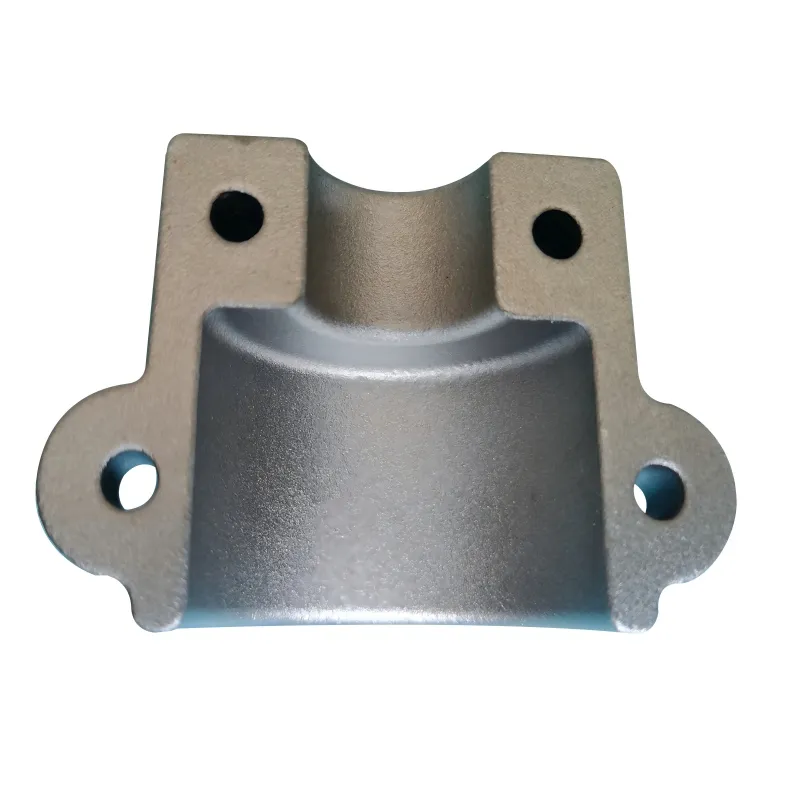
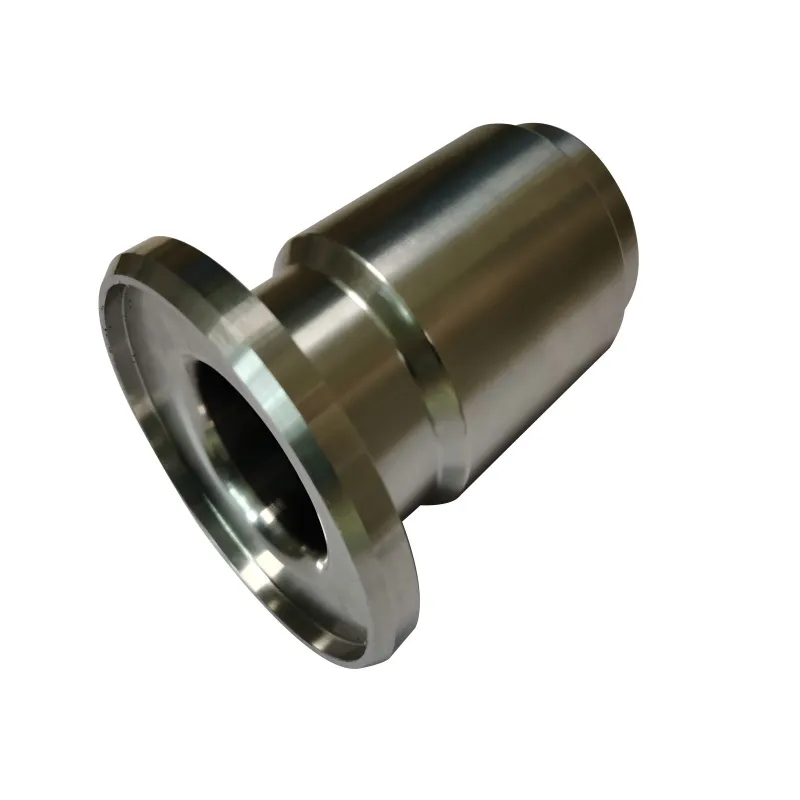
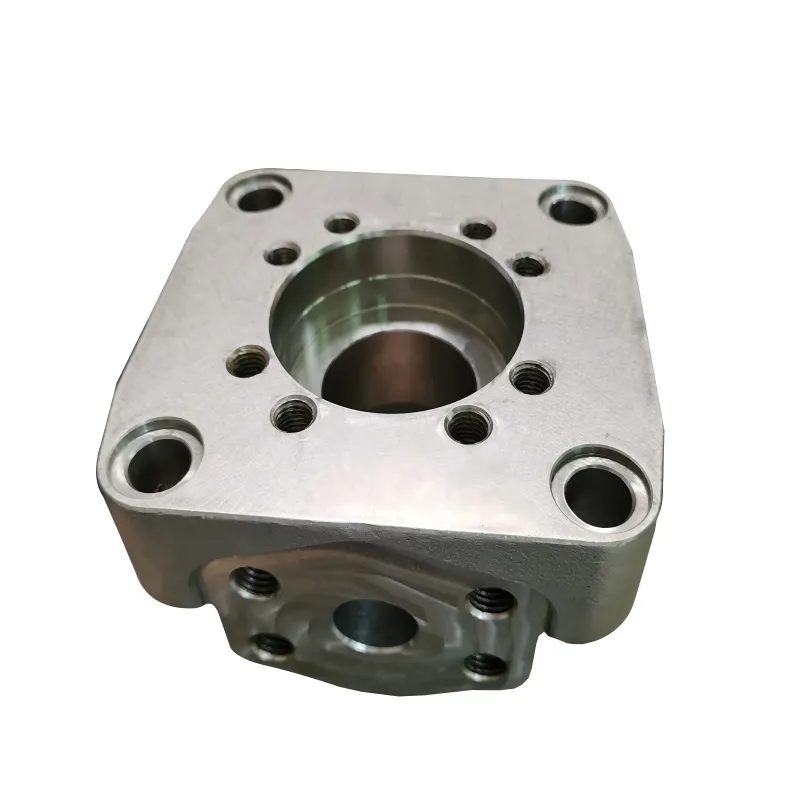
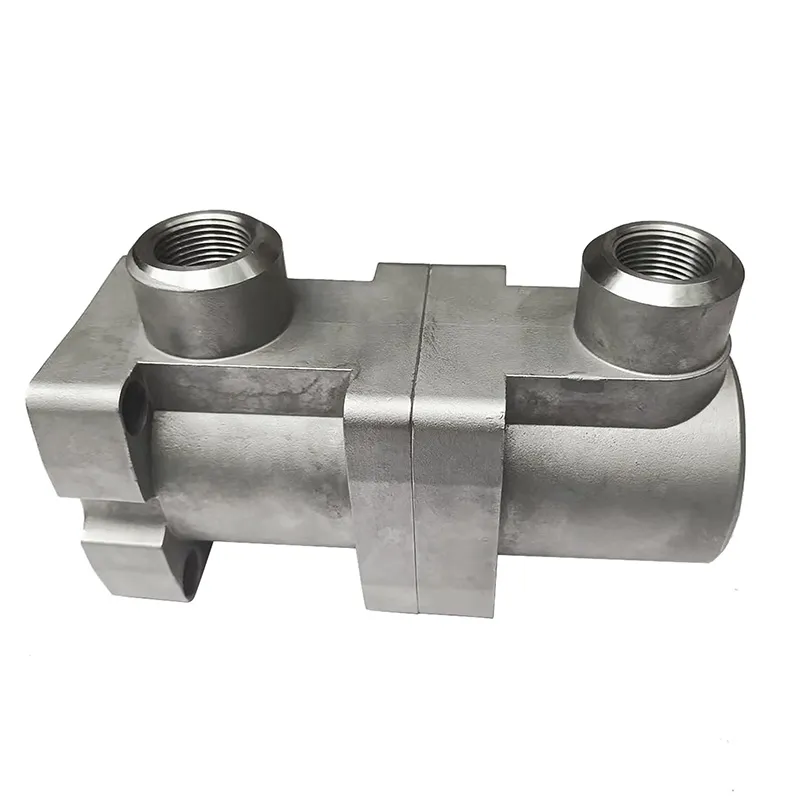
When you start looking for ductile iron casting manufacturers, the first thing you'll notice is how many of them sound exactly the same. Everyone claims ISO certification, advanced metallurgy, and on-time delivery. The real differentiator, the thing that separates a reliable partner from a vendor who just pours metal, isn't in the brochure. It's in the unspoken details of process control, the handling of a core shift at 2 AM, and the willingness to question a drawing for the customer's own good. Too many buyers get fixated on price per kilogram or vague promises of high quality, missing the operational grit that actually determines if a casting will perform or fail in the field.
The Shell Mold Niche and Where Ductile Iron Fits
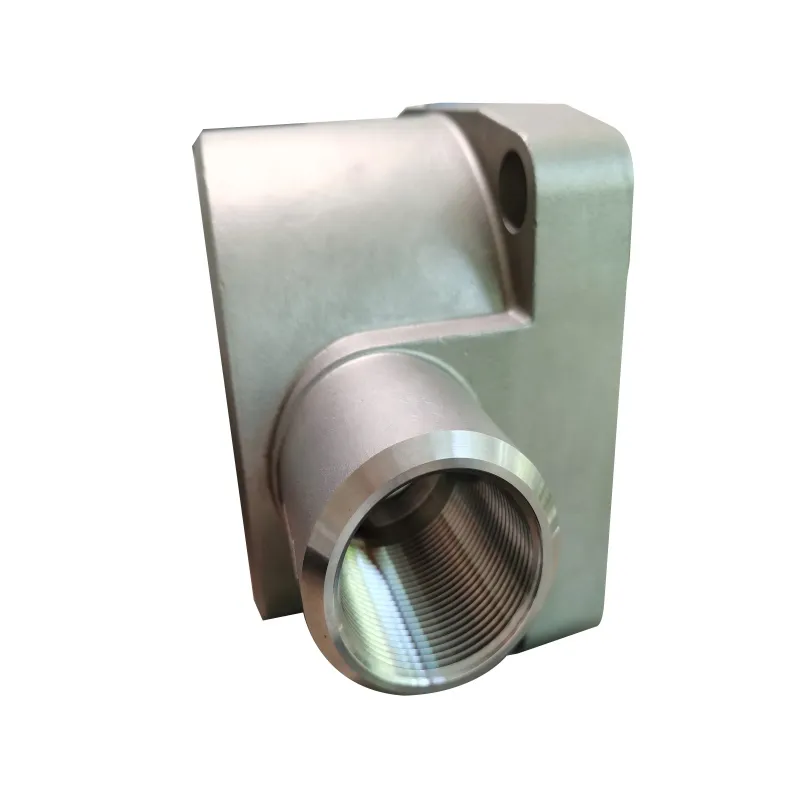
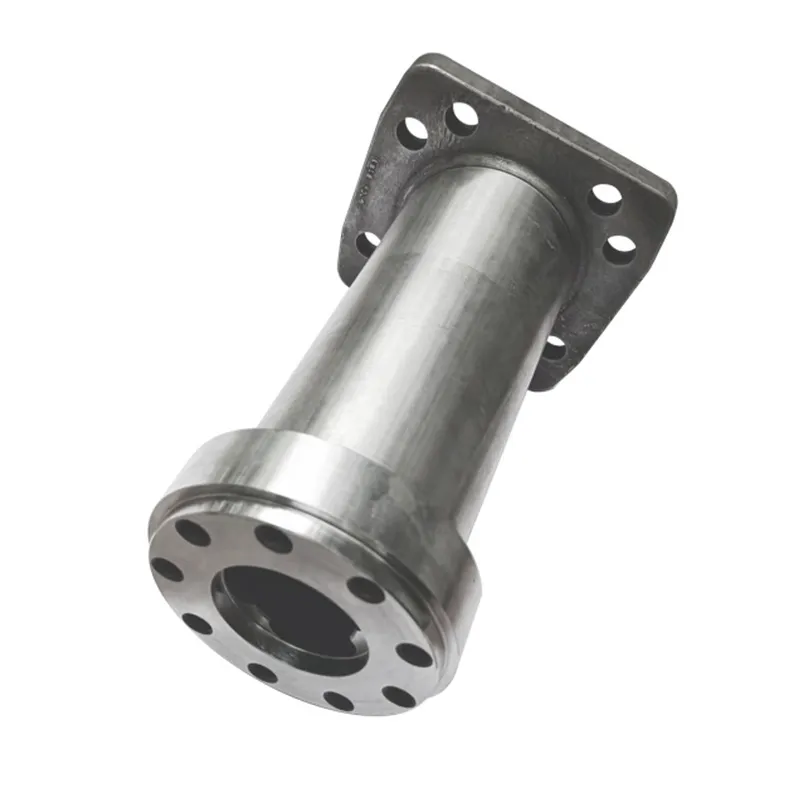
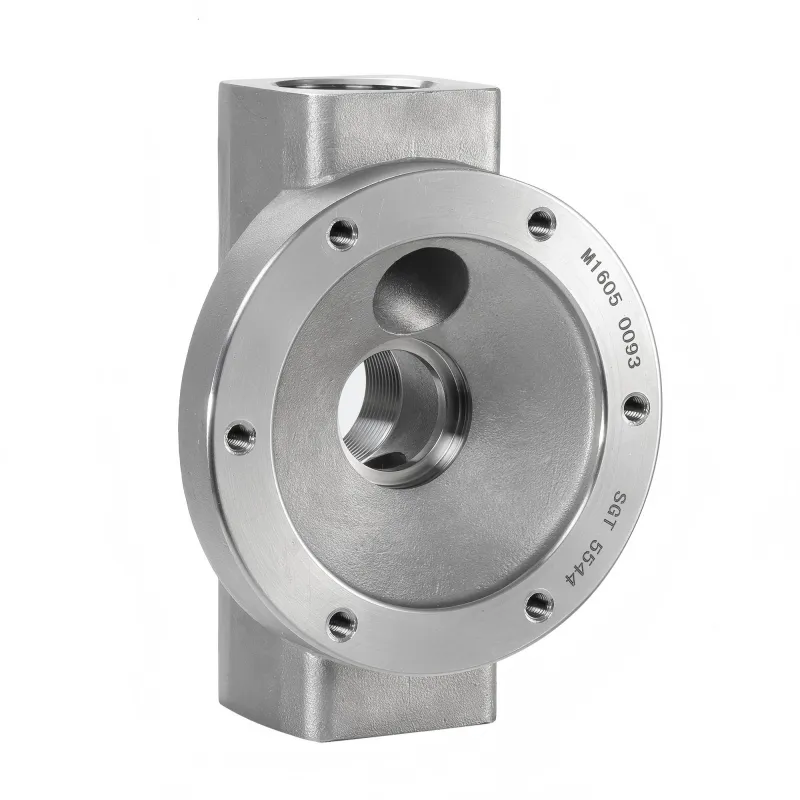
Not every shop can do everything well. That's a lesson learned the hard way. I've seen companies try to force a process that doesn't suit the geometry or the material. For instance, our focus at QSY has long been on shell mold casting. For certain ductile iron components—think hydraulic valve bodies, compact gear housings, or brackets requiring good as-cast surface finish and dimensional consistency—it's often a better fit than traditional green sand. The mold integrity allows for thinner walls in ductile iron without cold shuts, which is a common headache. But it's not a magic bullet. The higher initial pattern cost means it only makes sense for medium-volume runs. You wouldn't use it for a one-off manhole cover, obviously.
This is where the 30 years in the game shows. It's not just about having the shell molding line; it's about knowing when to steer a client toward it for their ductile iron part, and when to honestly say another process (maybe even from another shop) would be more cost-effective. We lost a potential order once by recommending investment casting for a super complex, thin-walled stainless part instead of trying to force it into our shell process for ductile. The client came back two years later with a different project, trusting that advice. That long-term view matters more than a quick sale.
The material shift is critical too. Pouring ductile iron into a shell mold requires a different dance than pouring gray iron. The magnesium treatment for nodularization affects fluidity and shrinkage behavior. If the foundry isn't adjusting its gating and risering system specifically for ductile in a precision mold, you'll get shrinkage porosity in the critical sections. I've seen parts pass a visual inspection but fail under pressure because the solidification wasn't managed correctly for the material. It's this intersection of material science and process expertise that defines a true specialist.
CNC Machining: The Non-Negotiable Second Act
Here's a major pitfall: sourcing castings from one manufacturer and machining elsewhere. For ductile iron, especially grades like 65-45-12 or 80-55-06, the machining allowance and the casting's inherent stress state are inextricably linked. If the machinist doesn't understand how the part was poured and cooled, they can run into nightmare scenarios—tool chatter, unexpected hard spots, or distortion after the first cut releases internal stresses.
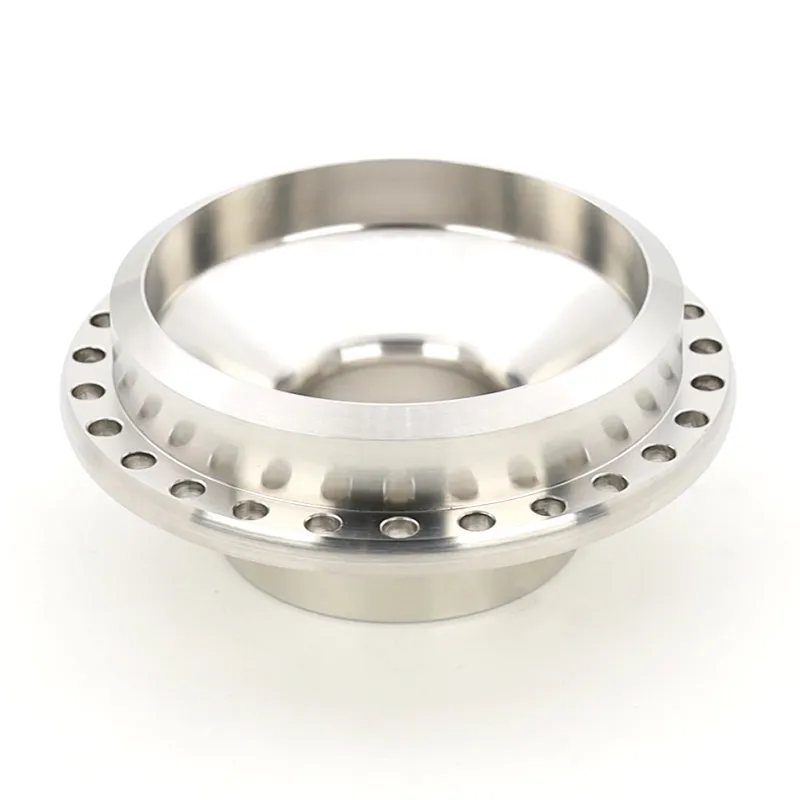
That's why our integrated CNC machining capability isn't just a value-add; it's a necessity for control. We machine what we cast. This closed loop lets us dial in the casting process with the final cut in mind. For example, we might add a slight extra stock on a flange face knowing a particular ductile heat tends to pull a certain way, ensuring we can clean it up to spec without issue. It eliminates the blame game between the foundry and the machine shop, which is a massive, hidden cost for buyers.
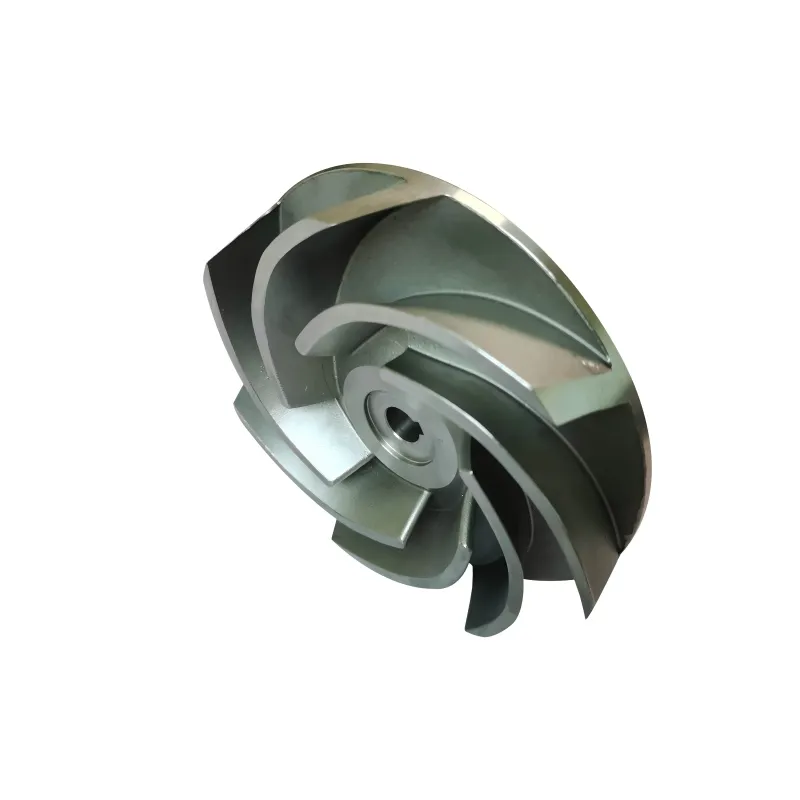
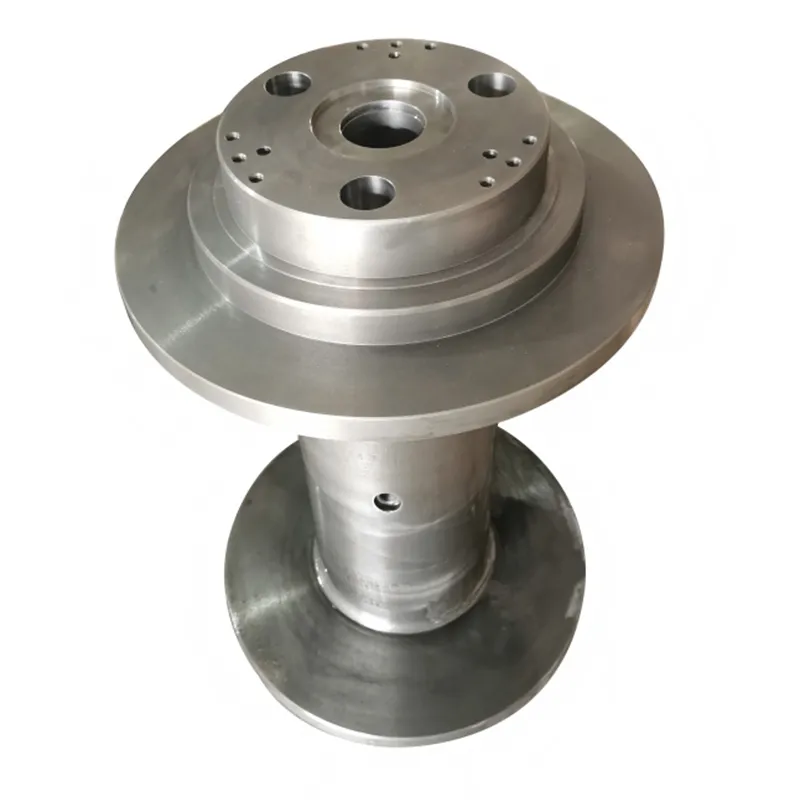
A practical case was a pump housing in ductile iron 450-10. The client needed a bore tolerance of H7. If cast and shipped unmachined, even with our shell process, achieving that consistently is impossible due to minor core drift or thermal contraction variation. By performing the boring operation in-house on our CNC horizontals, we could qualify the casting first, set up based on its actual as-cast datum, and guarantee that bore. The part wasn't just a casting; it was a finished, ready-to-assemble component. This vertical integration is what turns a supplier into a partner. You can see this approach in the portfolio at Qingdao Qiangsenyuan Technology Co., Ltd.(QSY), where casting and machining are presented as a unified service, born from three decades of solving these exact problems.
Material Conversations Beyond Iron
Ductile iron itself isn't monolithic. The standard grades are just the starting point. The real conversations happen when a design calls for something at the edge of the envelope—higher fatigue strength, elevated temperature service, or wear resistance. This is where our work with special alloys like nickel-based ones informs our ductile iron practice. Understanding how alloys behave under heat and stress creates a more nuanced approach to even standard materials.
For instance, we had a project for a heavy-duty compressor linkage. The initial spec was ductile iron 500-7. Based on the dynamic load data, we pushed back. We suggested a 600-3 grade with a stricter pearlite control and a subsequent stress-relief anneal before machining. The added cost was minimal, but the safety factor and fatigue life improved dramatically. The client hadn't considered it; they just specified a common grade. A manufacturer just filling orders would have cast 500-7 and moved on. A manufacturer invested in the part's function needs to have these material conversations.
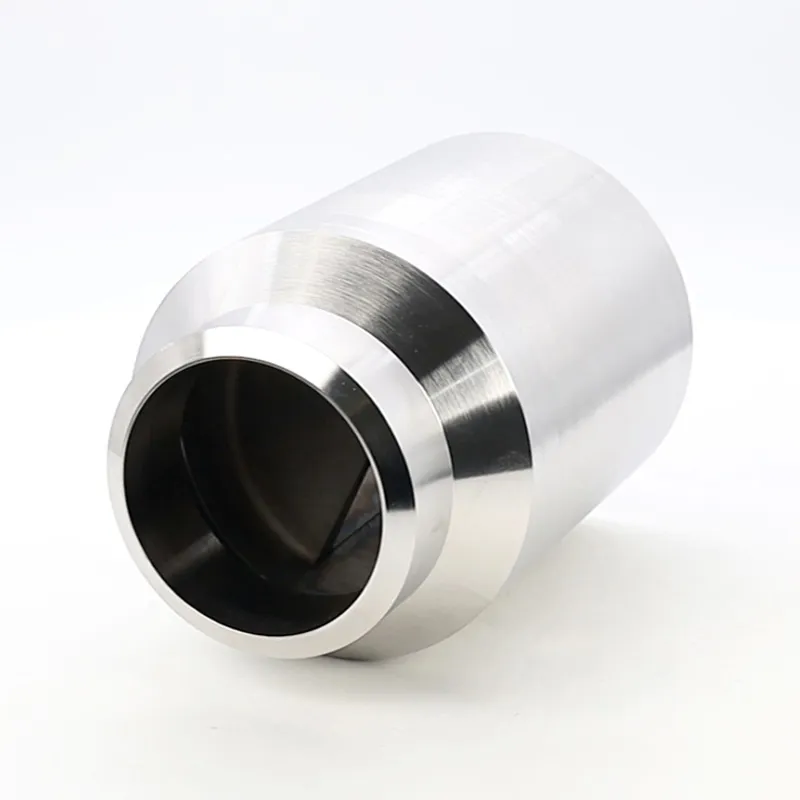
This expertise also helps when alternatives are needed. Sometimes, after reviewing a design for high corrosion or heat, we might advise that even a superior ductile iron isn't the right answer and point toward a stainless steel investment casting instead. Having that broad material palette—from cast irons and steels to cobalt and nickel alloys—means the recommendation is objective, not driven by what's in our own furnace that day. It builds trust.
The On-the-Ground Realities of Quality
Quality isn't a certificate on the wall. It's a series of mundane, rigorous actions. For ductile iron, it starts with the charge makeup in the furnace—controlling trace elements like titanium and lead that can ruin nodularization. It's the post-casting process: the shot blasting that must be aggressive enough to clean but not peen the surface, potentially masking defects. It's the 100% dye penetrant inspection on pressure-containing faces, not just a sample check.
I remember a batch of valve bodies where the spectrograph readout showed the magnesium fade was faster than expected. The chemistry was still technically within spec at pour, but the trend was wrong. We scrapped the entire heat—a costly decision. The data suggested the nodule count could be low, risking reduced ductility. It was an invisible defect; the parts might have passed a tensile test on a coupon, but the microstructure in the thick sections could have been compromised. That's the judgment call you pay for: the willingness to absorb a loss to prevent a field failure.
Another reality is logistics. A perfect casting is useless if it's damaged in transit. The packing for ductile iron parts, which can be brittle compared to steel forgings, is an art. We use custom-foamed plywood crates for complex shapes, not just thrown in a box with some wood shavings. This attention to the very last step is part of the manufacturing process, too. It's these operational details, far from the glamour of melting metal, that define a competent ductile iron casting manufacturer.
Looking for the Right Partner, Not Just a Price
So, how do you cut through the noise when evaluating ductile iron casting manufacturers? Don't just ask for a quote. Ask for their typical feeding yield for a similar part. Ask how they control mold hardness in their sand or shell process. Ask to see a sample First Article Inspection Report, not just a shiny sample part. The responses, or the hesitation, will tell you everything.
A company like QSY, with its deep roots in both shell mold and investment casting, brings a process-agnostic perspective to ductile iron. It's not about selling you a single technique; it's about applying the right one from the toolbox. That history, detailed on their site at tsingtaocnc.com, translates to practical problem-solving. They've likely already encountered and solved the issue you're just now designing for.
Ultimately, the relationship with a foundry is a technical collaboration. The best outcomes happen when the manufacturer is brought into the design review early, when they can advise on draft angles, uniform wall thickness, and optimal parting lines for ductile iron's specific shrinkage. The goal isn't just to receive a box of castings. It's to receive a reliable, functional component that performs without issue, sourced from a partner who thinks about the entire journey from molten metal to your assembly line. That's the real metric of a manufacturer's capability, far beyond what any keyword search can initially reveal.