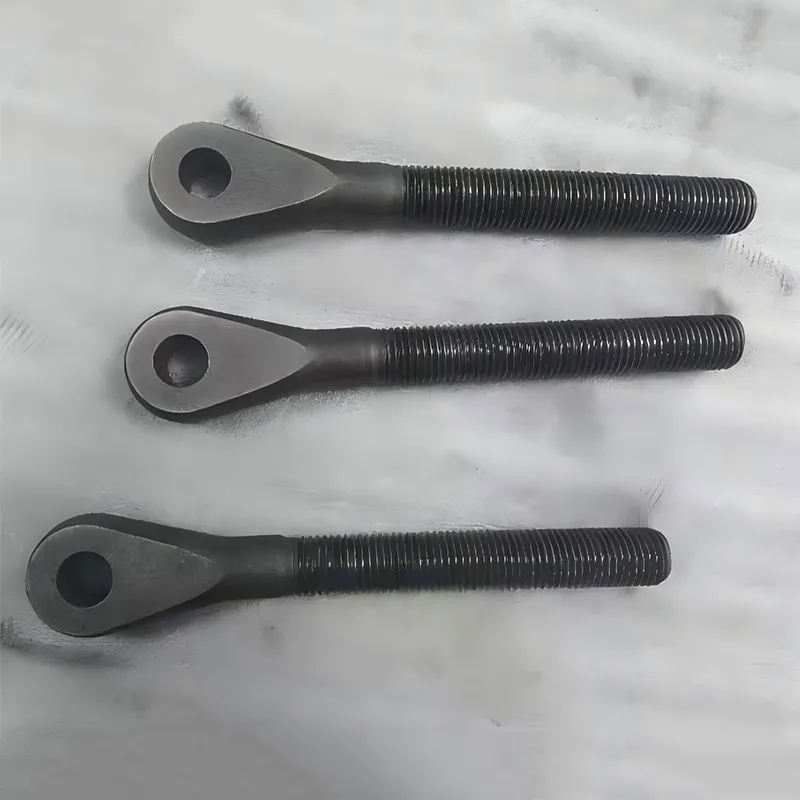
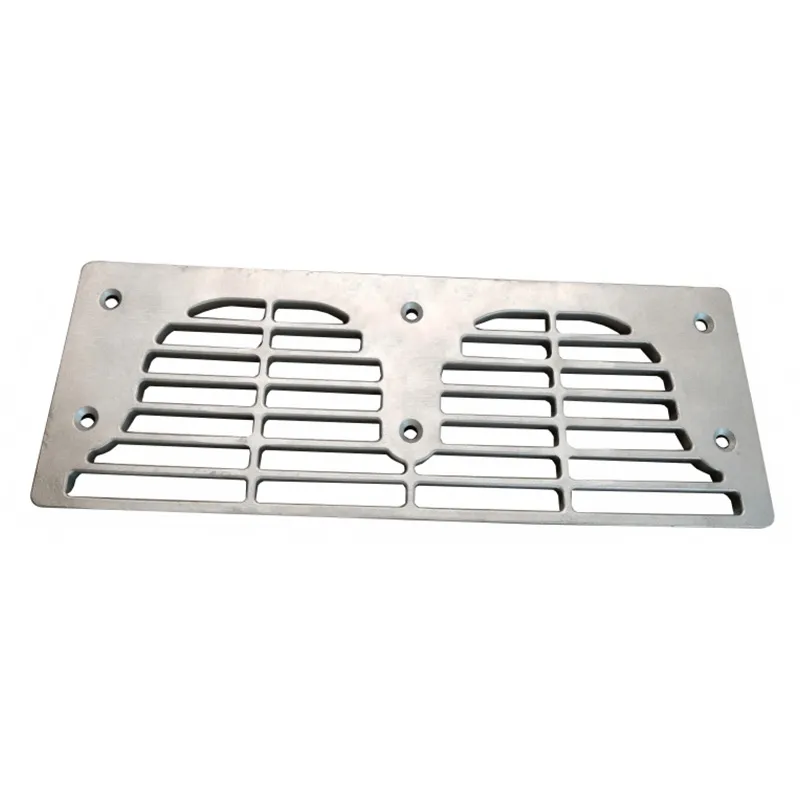
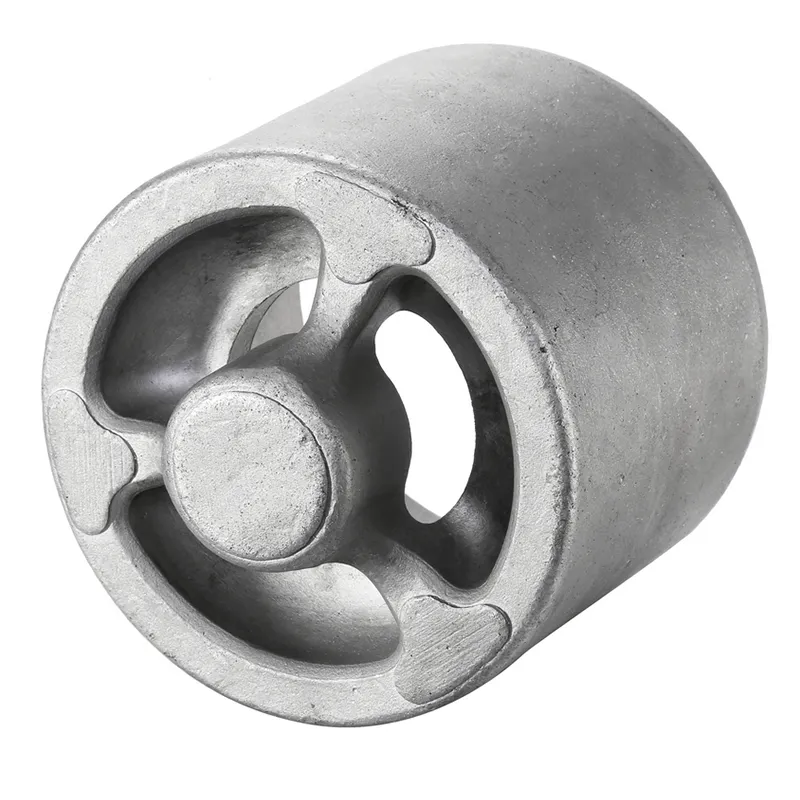
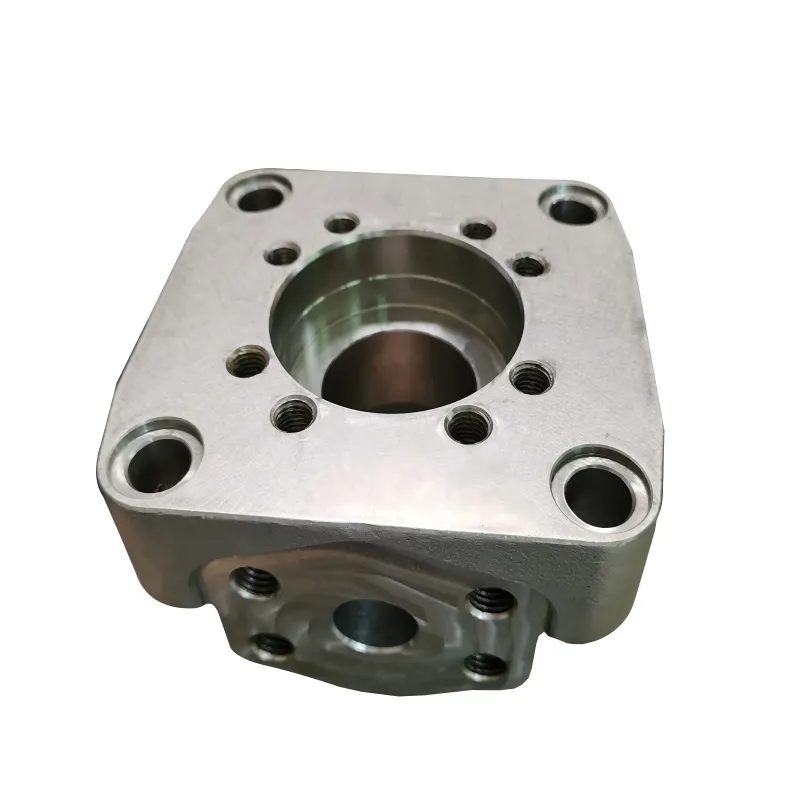
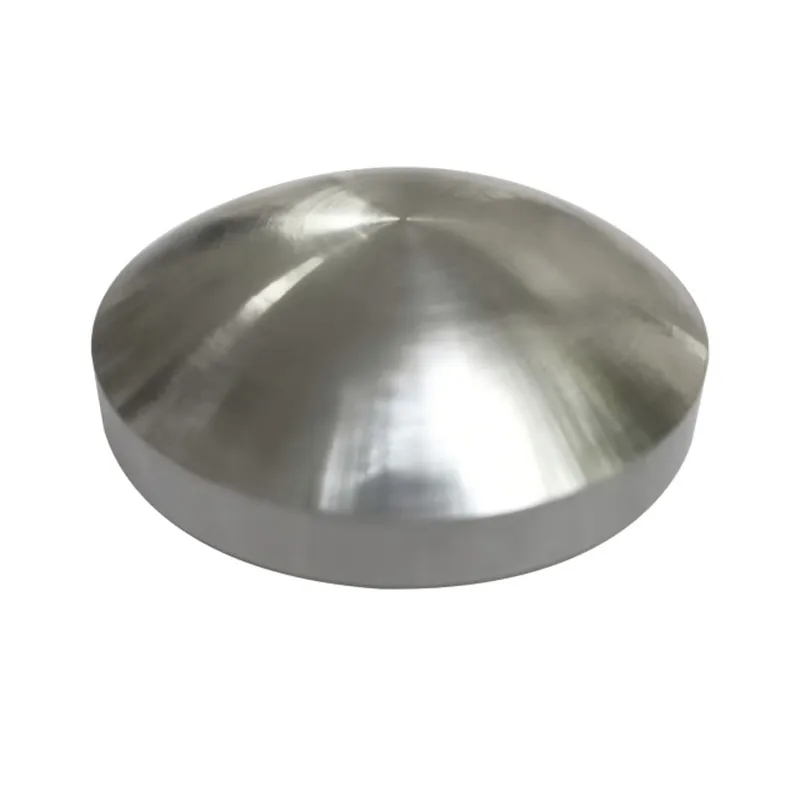
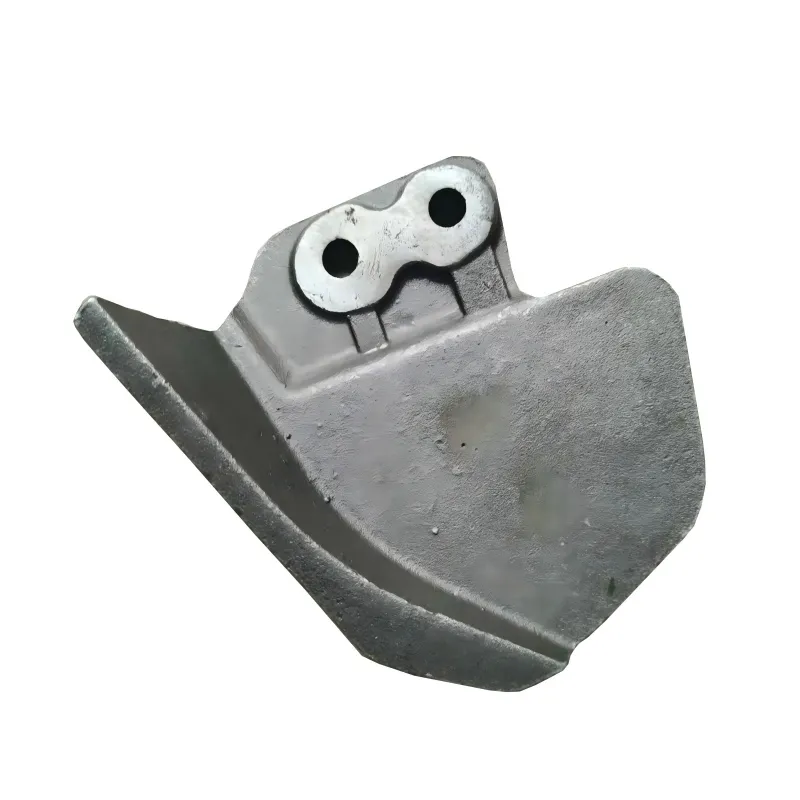
When you start looking for ductile iron casting suppliers, the first thing you notice is how many claim to be specialists. The term gets thrown around so much it starts to lose meaning. I've seen shops that do a bit of everything—some aluminum, a little steel—suddenly market themselves as ductile iron experts because they ran a couple of jobs. That's the first pitfall. Real ductile iron work isn't just about pouring metal; it's about controlling the nodularization process, managing the cooling curves to get that proper ferritic or pearlitic matrix, and having the machining know-how to handle the material's specific quirks. If a supplier's primary focus isn't on ferrous metals, particularly cast irons, you're likely in for inconsistencies, especially on complex or high-integrity parts.
The Core of Specialization: It's More Than Just a Foundry
A true specialist in this field isn't just a foundry. It's an integrated operation. You need the melting and casting expertise, sure, but you also need robust quality control from spectrographic analysis to mechanical testing, and critically, you need strong in-house machining capabilities. Ductile iron is notoriously tough on tooling. A supplier without dedicated, experienced machinists who understand the material's abrasiveness and potential for hard spots is going to pass those learning costs and delays onto you. I learned this the hard way years ago with a pump housing project. The casting was sound, but the secondary supplier butchered the flange machining because they treated it like mild steel. The part was scrapped, the timeline blown.
This is where a company's history tells you a lot. Take a firm like Qingdao Qiangsenyuan Technology Co., Ltd. (QSY). When you see over 30 years in casting and machining, it signals a depth that newer, more generalized shops can't match. They've likely seen every defect, solved every machining chatter issue, and developed processes that are baked in, not just tacked on. Their focus on shell mold and investment casting for ferrous materials, as noted on their site tsingtaocnc.com, is a relevant point. While shell molding is excellent for dimensional accuracy and surface finish on ductile iron, it's the combination with their stated CNC machining that creates a complete solution. You're not just buying a casting; you're buying a finished, functional component.
The material list is another tell. Working with cast iron, steel, and special alloys indicates a furnace and process control system capable of handling high temperatures and precise chemistry. Ductile iron's properties hinge on that chemistry—getting the magnesium and cerium levels right for nodule formation. A shop that also pours nickel-based alloys probably has the metallurgical discipline needed for consistent ductile iron grades like 65-45-12 or 80-55-06.
Where the Rubber Meets the Road: Real-World Sourcing Scenarios
Let's talk about sourcing a common but critical component: a valve body for the oil and gas sector. The spec calls for ASTM A, pressure-rated, with full NDE. You'll get a dozen quotes. The low bids often come from shops that will subcontract the machining or the UT inspection. This fragmentation is a risk. Every hand-off is a chance for miscommunication, damage, and delay. An integrated supplier like QSY, which handles casting, machining, and presumably partners closely for testing, reduces those hand-off points dramatically. The accountability is clear.
I recall a project for heavy-duty truck suspension brackets. The fatigue life was paramount. We chose a supplier based on a good initial sample. But volume production introduced shrinkage porosity in high-stress areas—a classic issue if the risering design isn't perfected for the pattern. A seasoned supplier has faced this. They don't just rely on software simulation; they have a library of past similar castings and know how to adjust gating and chilling. It's this tacit knowledge, built from decades like QSY's 30-year operation, that prevents catastrophic field failures.
Another practical headache is logistics and communication. A foundry might produce a perfect casting, but if their packaging is poor, parts arrive with damaged machined surfaces. Or their documentation is sloppy. You need a supplier that understands the entire supply chain, from mold to shipping crate. The professionalism hinted at in a well-structured website and clear company introduction often, though not always, correlates with this end-to-end competency.
Beyond the Spec Sheet: The Unspoken Qualifiers
Technical capability is table stakes. The differentiator is often problem-solving attitude. When you send a complex 3D model, does the engineering team engage? Do they ask intelligent questions about wall thickness transitions, suggest slight design modifications for better castability, or identify potential distortion during machining? A reactive yes-we-can supplier is dangerous. A proactive one that flags issues before the mold is made saves immense cost and time.
This proactive culture usually stems from long-term stability. A company that's been in business for 30 years, like QSY, has likely invested in its team, fostering that engineering mindset. They're not just order-takers. For instance, their work in shell mold casting is particularly relevant for ductile iron parts requiring good as-cast detail and finish, reducing overall machining stock. A good supplier will advise when this process is optimal versus green sand or even investment casting for the most intricate shapes.
Finally, consider their client portfolio. Have they served industries with similar demands to yours—automotive, hydraulic, machinery? References are gold. A supplier trusted for critical components in one demanding sector has validated their processes under real pressure. It's a stronger indicator than any glossy brochure.
Navigating the Selection: A Pragmatic Checklist
So, how do you cut through the noise? First, filter for true ferrous specialists with in-house machining. The integration is non-negotiable for critical parts. Second, dig into their process specifics. For ductile iron, ask about their nodularization method (sandwich, tundish cover), how they control slag, and their standard testing protocols (spectrograph on every heat? tensile bars per mold?). Third, request a sample part that mirrors your complexity—not just a demo piece, but a real production run component. Examine the as-cast surface, the machining marks, the consistency.
Don't just audit their facility on paper; have a technical discussion. Present a past problem you've encountered—like carbide precipitation causing machining issues—and listen to their diagnosis. Their response will reveal more than any certificate on the wall. A supplier with deep experience will have a story about a similar challenge, not just a generic assurance.
In this context, a supplier's digital presence, like QSY's site at tsingtaocnc.com, serves as a valid starting point. It establishes their claimed capabilities in ductile iron casting and machining. But it's only the opening gambit. The real due diligence is in the technical dialogue that follows, scrutinizing their integrated process from molten metal to finished, packed part. That's how you find a partner, not just a vendor.
Concluding Thoughts: The Value of Embedded Knowledge
At the end of the day, sourcing ductile iron castings is a risk management exercise. The lowest price often carries the highest hidden cost—of delays, reworks, and quality escapes. The market is full of competent foundries, but the truly reliable ductile iron casting suppliers are those who combine metallurgical mastery with mechanical finishing and a problem-solving culture.
Their longevity, like the 30-year history of a firm such as Qingdao Qiangsenyuan Technology, is a powerful heuristic. It suggests they've navigated market cycles, evolved their technology, and retained clients by delivering reliability. They've built not just a factory, but a repository of solutions to problems you haven't even encountered yet.
The key is to look past the marketing and engage at the engineering level. Ask the hard questions about process control, failure analysis, and integrated workflow. The right supplier won't shy away; they'll welcome the discussion, because that's where their decades of experience finally translate into tangible value for your project. That's the partnership that makes the search worthwhile.