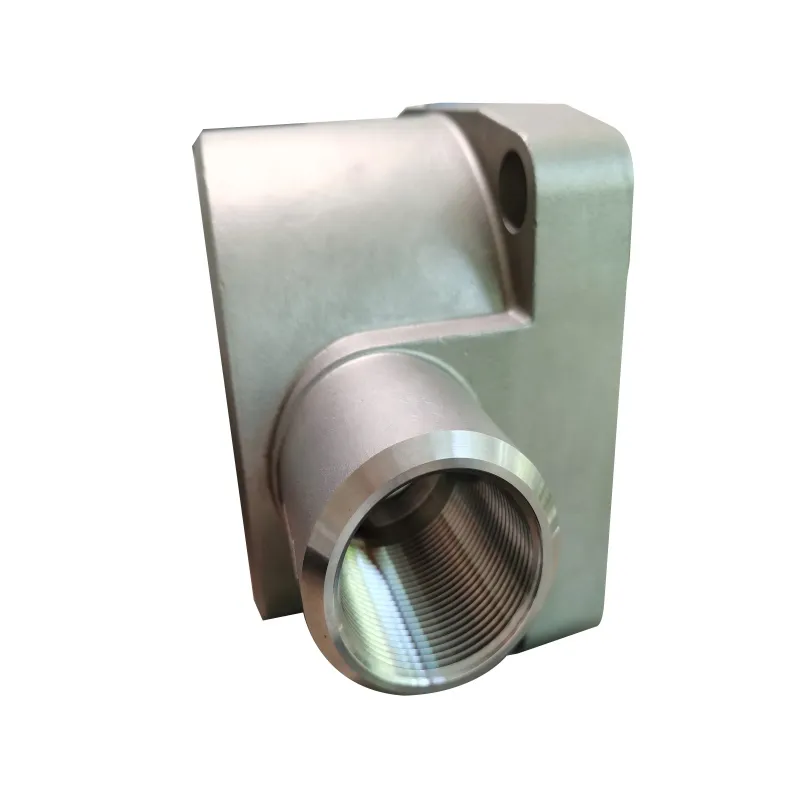
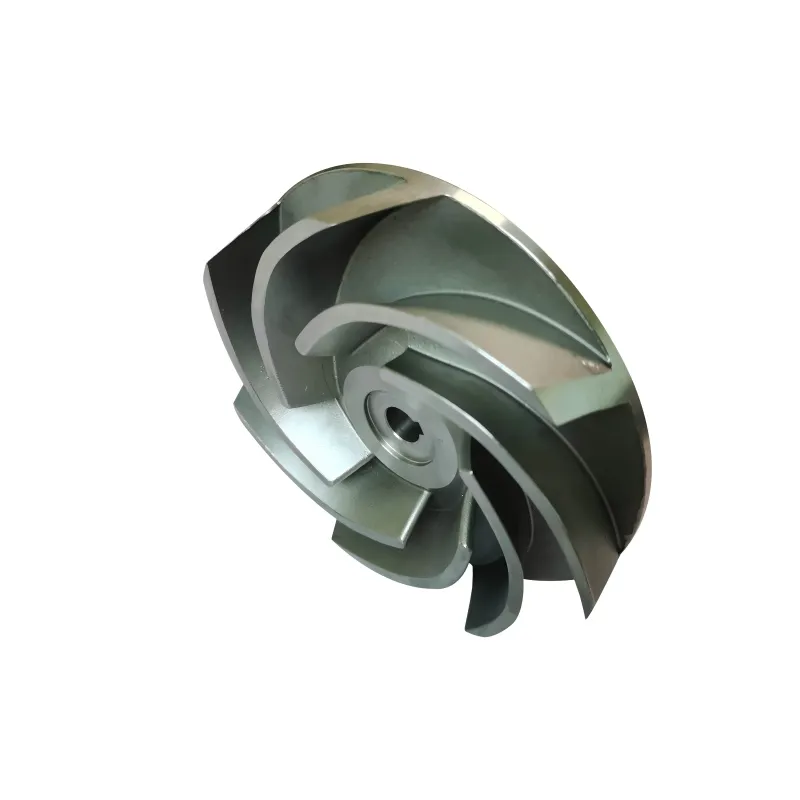
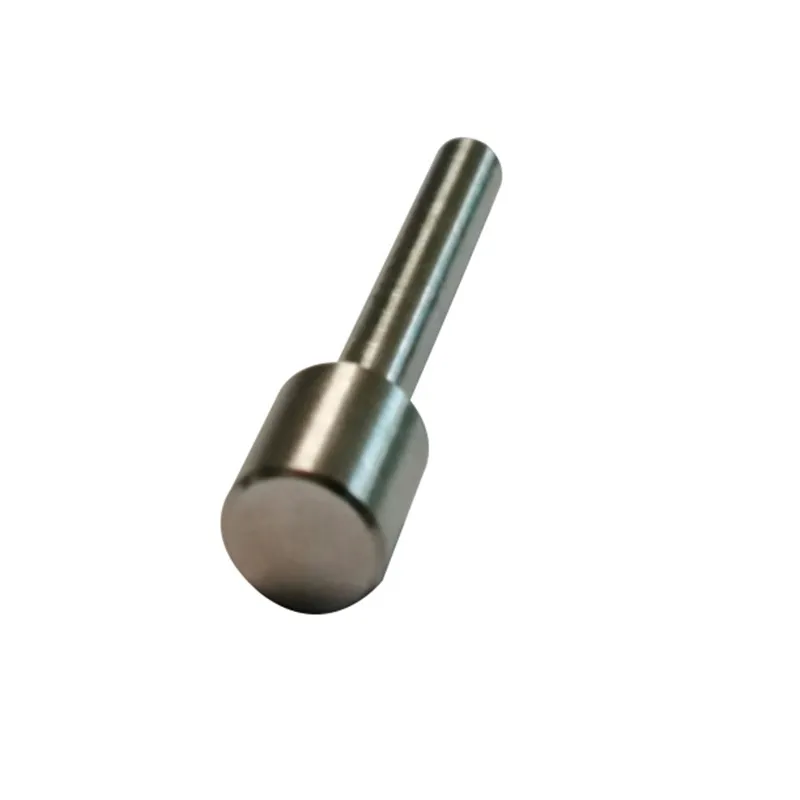
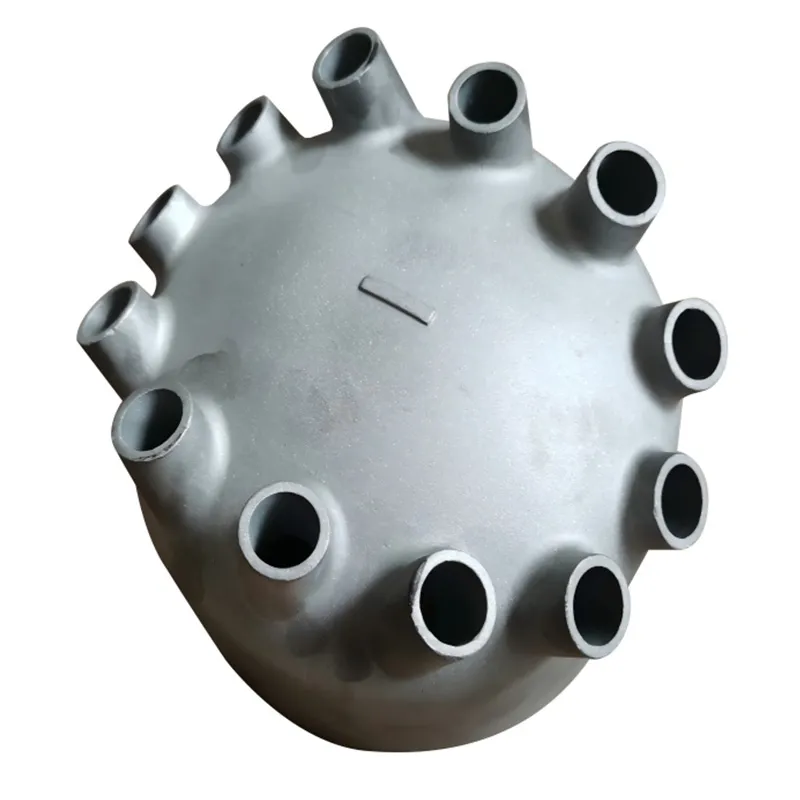
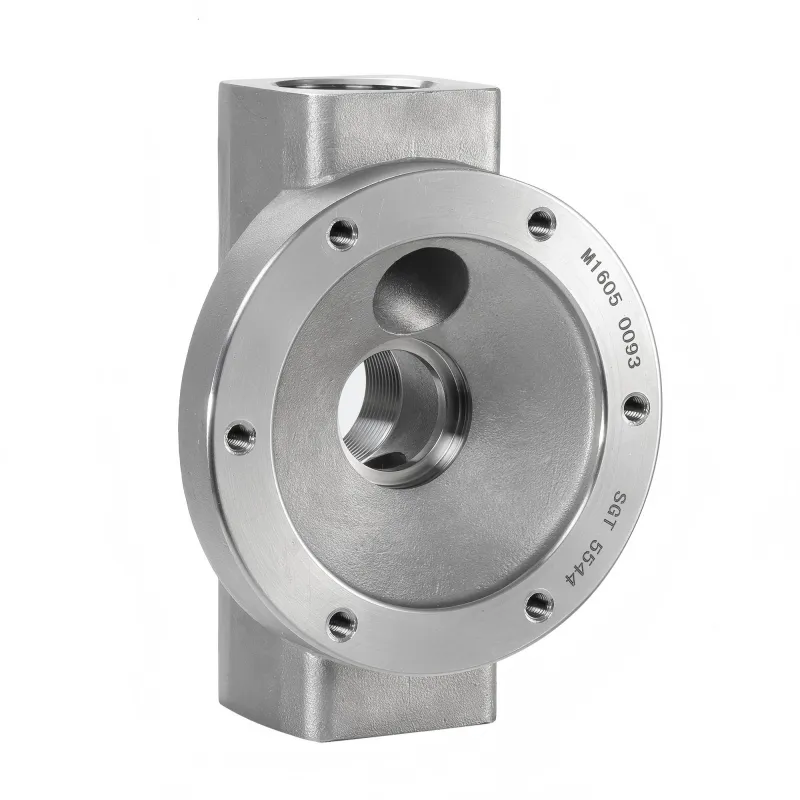
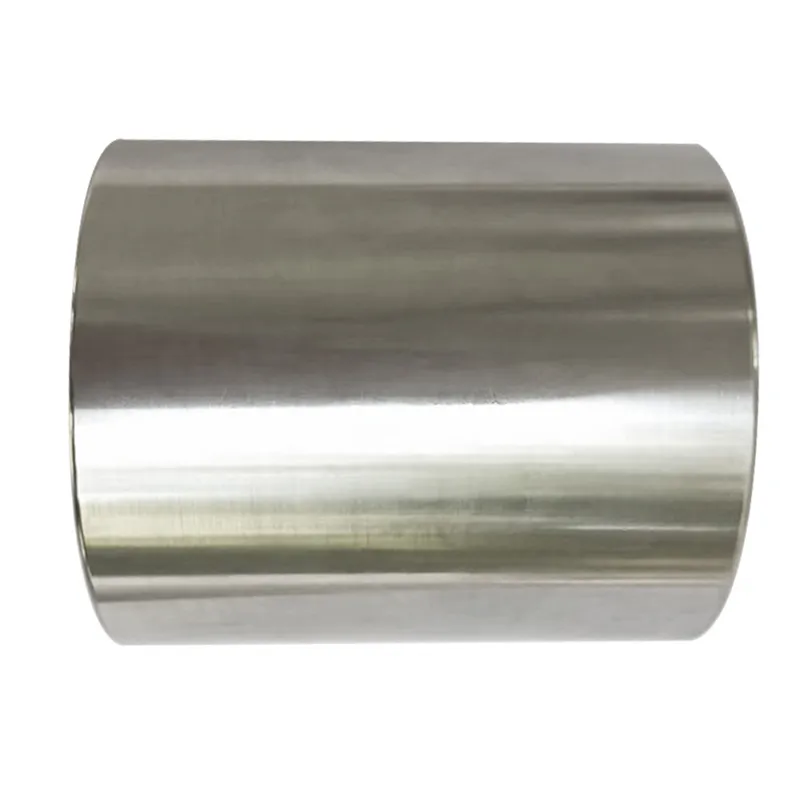
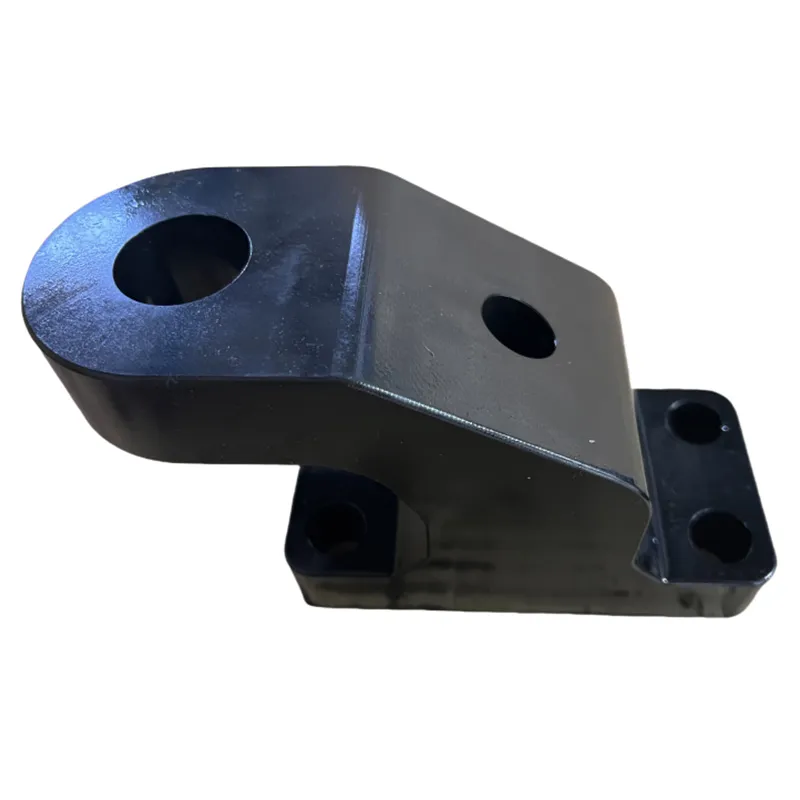
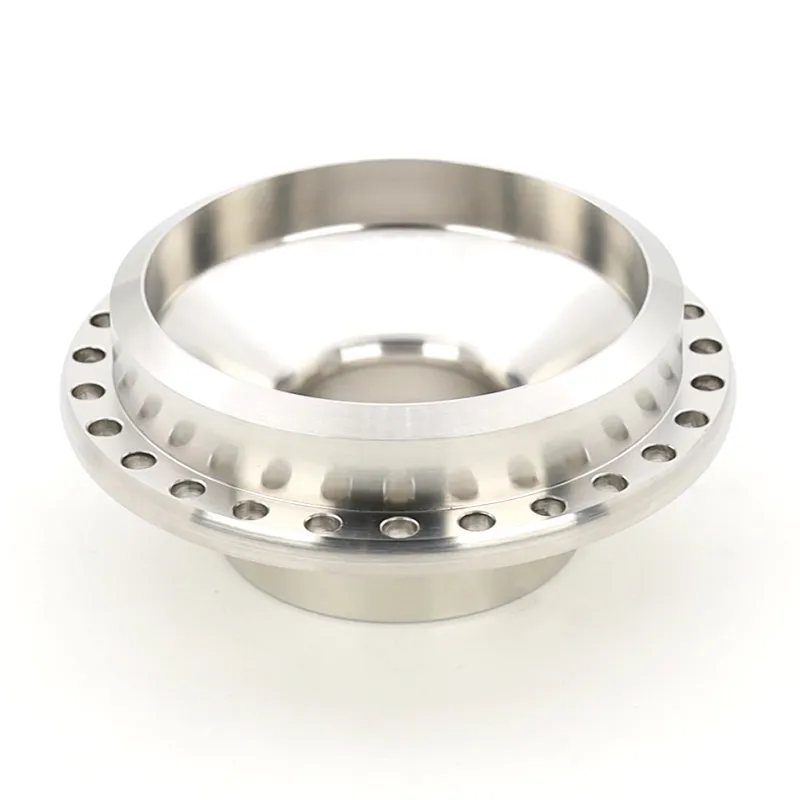
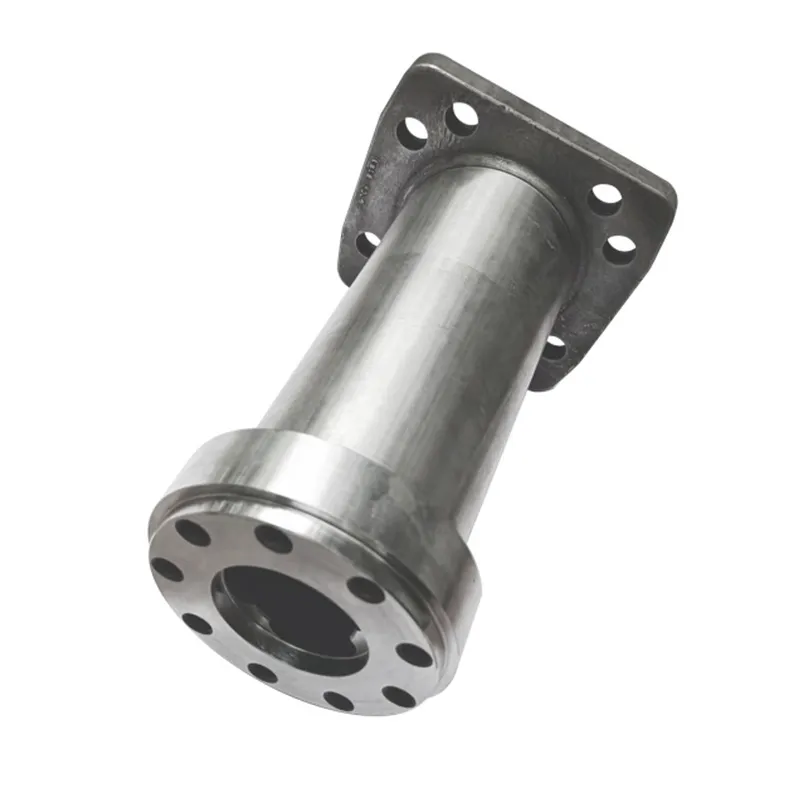
When you hear 'ductile iron investment casting', the first thing that probably comes to mind is that glossy spec sheet property: high strength, good ductility, wear resistance. And yeah, that's all true on paper. But where the real story begins is when you try to actually achieve those properties consistently in a complex, thin-walled manifold or a high-integrity valve body. That's where the textbook ends and the foundry floor takes over. A lot of sourcing managers think it's just about picking the material grade—say, a QT600-3 or something—and the rest is magic. The real magic, or more often the headache, is in the process handshake between the investment casting method and the metallurgy of ductile iron itself.
The Process Handshake: Where Wax Meets Metallurgy
Investment casting gives you incredible geometric freedom. We're talking about parts with internal passages that would be impossible to machine or produce with sand casting. But with ductile iron, you're immediately in a bind with solidification. The shell mold from the investment casting process is rigid, almost unforgiving. Unlike sand, it doesn't yield. For gray iron, that's often fine. But for ductile, you need that mold to accommodate the slight expansion during the graphite nodule formation phase. If it doesn't, you get shrinkage porosity, or worse, the dreaded inverse chill where you end up with carbides in areas you designed to be machinable.
I remember a project for a hydraulic component, a compact housing with integrated mounting flanges. The design was brilliant from an assembly standpoint, a perfect case for investment casting. We quoted it, got the order. The first pours looked beautiful—great surface finish, sharp details. But after heat treatment (ferritizing anneal, to be precise), the pressure test failure rate was abysmal. Leaks everywhere. The problem? We had designed the gating and risering like we would for a steel investment casting. Ductile iron doesn't feed like steel. The graphite expansion can actually help feed itself, but only if you let it. We had over-risered, creating hot spots that led to shrinkage despite the expansion. Had to go back, simulate it again with proper ductile iron parameters, switch to smaller, strategically placed risers. It worked, but it cost us two months.
This is the core of it. You can't just take an investment casting process optimized for stainless and run ductile iron through it. The entire thermal profile, from shell pre-heat temperature to pour temperature to cooling rate in the shell, has to be re-thought for the spheroidal graphite formation. The magnesium treatment itself is a fickle thing—fade is a real concern, and in the time it takes to pour a cluster of intricate shells, your last mold might not have the same nodule count as your first if you're not meticulous.
Material Nuances: It's Not Just Iron
Even within ductile iron, the alloy choices for investment casting get specific. Silicon content is critical for fluidity to fill those thin sections, but too high and you impact ductility and promote ferrite, which might not be what you want for wear surfaces. A bit of copper or nickel for pearlite stabilization? Often necessary, but then you have to watch for segregation in the intricate sections. We work mostly with grades like 450-10, 500-7, and 600-3, but the actual chemistry window we run for investment cast parts is tighter than for sand-cast equivalents.
I was reviewing a batch of castings for a pump impeller from another supplier recently—the part was for corrosive service, so they specified a SiMo ductile iron (silicon-molybdenum alloy). Good choice for heat and corrosion. But the investment-cast parts showed premature cracking in the lab. The culprit? The molybdenum, a strong carbide former, had segregated in the thin, rapidly cooled vanes of the impeller, creating brittle zones. The sand-cast version, with slower cooling, didn't have this issue. The fix wasn't a chemistry change, but a process one: adjusting the shell composition to slightly moderate the cooling rate in those critical areas. It's these minute adjustments that separate a functional part from a reliable one.
This is where a foundry's experience base is everything. A company like Qingdao Qiangsenyuan Technology Co., Ltd. (QSY), with their three decades in shell mold casting and investment casting, would have built a library of these nuances. They'd know, for instance, that for a thin-wall ductile iron bracket requiring 500-7 properties, they might need to aim for the higher end of the magnesium range and use a specific inoculant with a fast fade rate to ensure nodules form early in those fast-cooling sections, avoiding carbides. That's not on any spec sheet; it's in their process sheets.
The Machining Aftermath: Don't Underestimate It
A huge advantage of investment casting is near-net-shape, which reduces machining cost. But reduces doesn't mean eliminates. Almost all ductile iron castings need some machining: flange faces, bore diameters, threading. Here's another trap: the as-cast surface hardness. Because the ceramic shell cools the metal faster, the casting skin can be harder and can have a slight decarb layer or oxide inclusion. If your CNC program assumes uniform hardness and just goes for it, you'll burn through inserts on the first pass and get poor surface finish on the machined areas.
We learned this the hard way on a run of valve bodies. The bores needed a fine finish for seal integrity. The first article inspection was perfect. But in mass production, tool wear was erratic, and we started seeing tear-outs on the bore surface. The issue was micro-variations in the skin hardness from cluster to cluster, influenced by slight differences in shell dewaxing and pre-heat. The solution was a standardized roughing pass with a more robust geometry insert, specifically to break through that variable skin condition, followed by the finishing pass. It added 45 seconds to the cycle time, but saved a fortune in scrapped parts and tooling.
This is why an integrated house that does both the casting and the CNC machining in-house, like QSY mentions in their operations, has a distinct advantage. Their machining team isn't a separate entity; they're feeding back directly to the foundry. They can say, Hey, this batch is cutting differently, and the foundry can trace it back to a ladle temperature or an inoculant batch. That closed-loop feedback is critical for consistency in a demanding material-process combo like this.
When It Shines (And When to Walk Away)
So when is ductile iron investment casting the absolute right choice? It's golden for complex, stressed components that need weight reduction and high integrity, where machining from a solid block or forging would be prohibitively expensive. Think aerospace brackets, high-performance automotive suspension links, or certain medical device components that need strength and sterilizability. The surface finish and dimensional accuracy open doors that sand casting can't.
But you have to know when to say no. If the part is very thick and chunky, the thermal stresses from the rigid shell can be problematic, and you might be better off with a good quality sand casting. If the part requires 100% ductility (like an 18% elongation grade), the process control has to be absolutely pristine, and the cost might not justify it. And if the annual volume is in the hundreds of thousands, the per-part cost of the wax and ceramic shell might push you towards permanent mold or even die casting processes.
I once consulted on a project for a heavy-duty gear case. The design was incredibly complex with internal ribs. The engineer was adamant about using investment-cast ductile iron for precision. After reviewing the 50mm thick sections, we advised against it. The risk of shrinkage and the high cost of the massive wax pattern and shell were red flags. We proposed a hybrid: a high-precision sand-cored casting for the main body, with only the critical interface features as separate, investment-cast ductile iron inserts that could be welded or fastened in. It worked. Sometimes the best application of a technology is knowing where to use just a bit of it.
The Realistic Supply Chain: Finding the Right Partner
This isn't a commodity. You can't just shop on Alibaba by price per kilo. You're looking for a foundry that doesn't just list ductile iron investment casting as a capability, but can show you a track record. Ask for case studies on parts with similar section thickness and complexity. Ask about their nodule count control, their standard heat treatment practices (as-cast, annealed, quenched & tempered?), and their in-house NDT capabilities. Can they do real-time X-ray or ultrasonic on critical areas? How do they handle runner and gating removal on a brittle shell? Do they have in-house CNC machining to validate the castings they produce?
A supplier's longevity often speaks volumes. A company operating for over 30 years, like QSY, has likely seen every defect pattern imaginable and has built corrective actions into their process. Their mention of working with special alloys like nickel-based ones also hints at a level of metallurgical control that translates well to the precise demands of ductile iron. They'd understand that the pour for a nickel alloy and for ductile iron are worlds apart, but the discipline in process control is similar.
In the end, successful ductile iron investment casting is a testament to disciplined process engineering. It's not the flashiest technology, but when it clicks, it produces components that are both elegant in design and brutal in performance. The key is to approach it not as a simple material substitution, but as a dedicated, nuanced manufacturing pathway with its own rules. Ignore those rules, and you'll get expensive scrap. Respect them, partner with a foundry that truly gets the handshake, and you can unlock geometries and performance that are hard to achieve any other way.