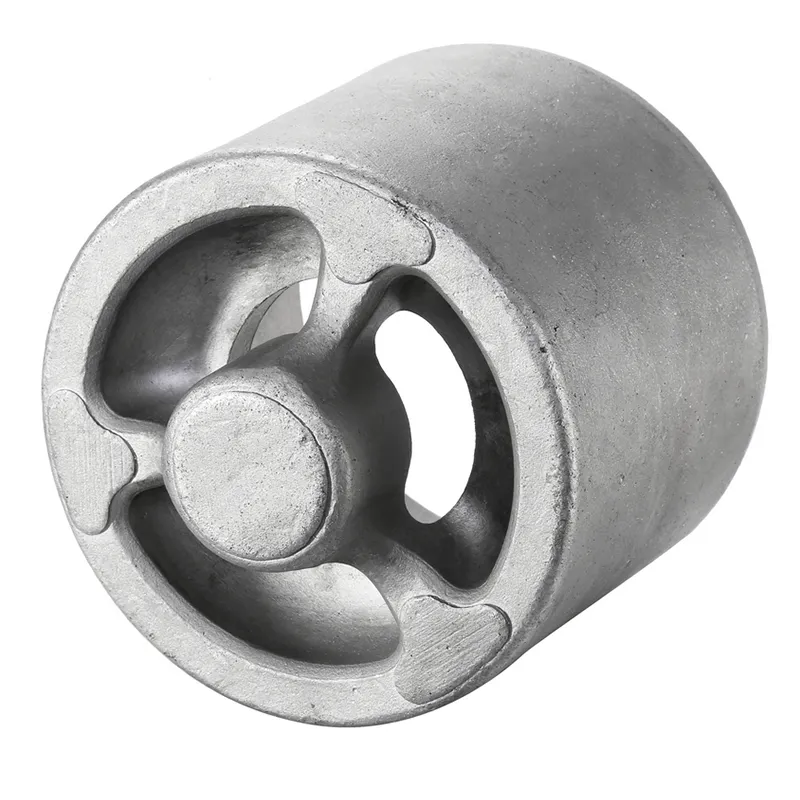
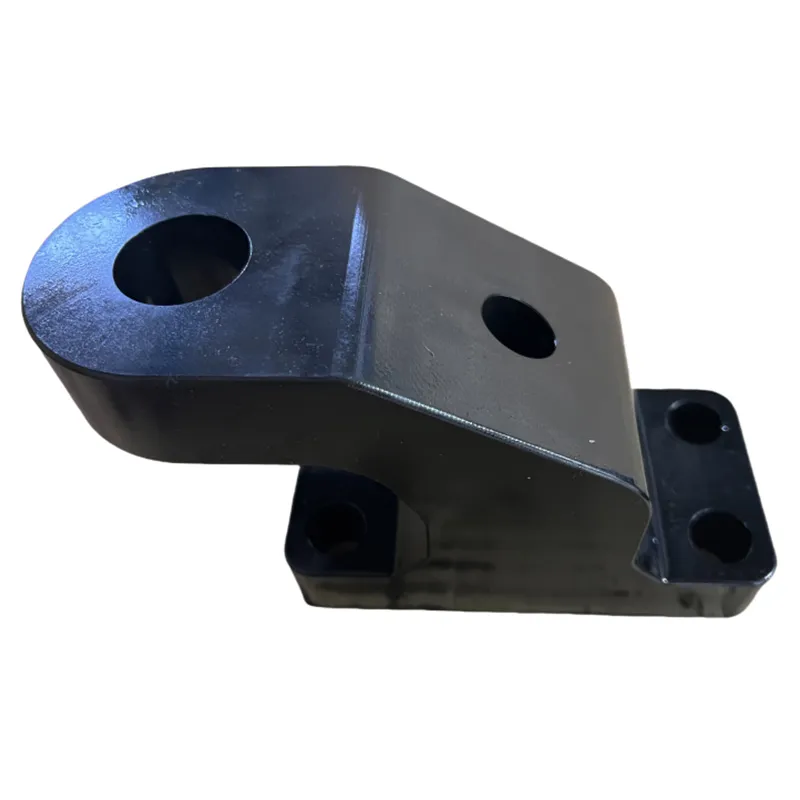
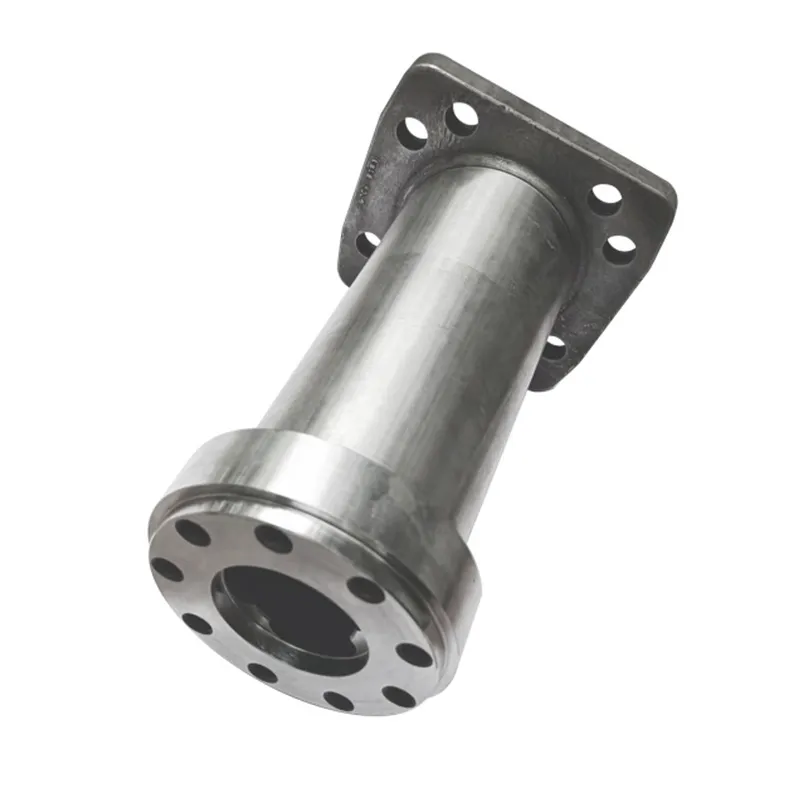
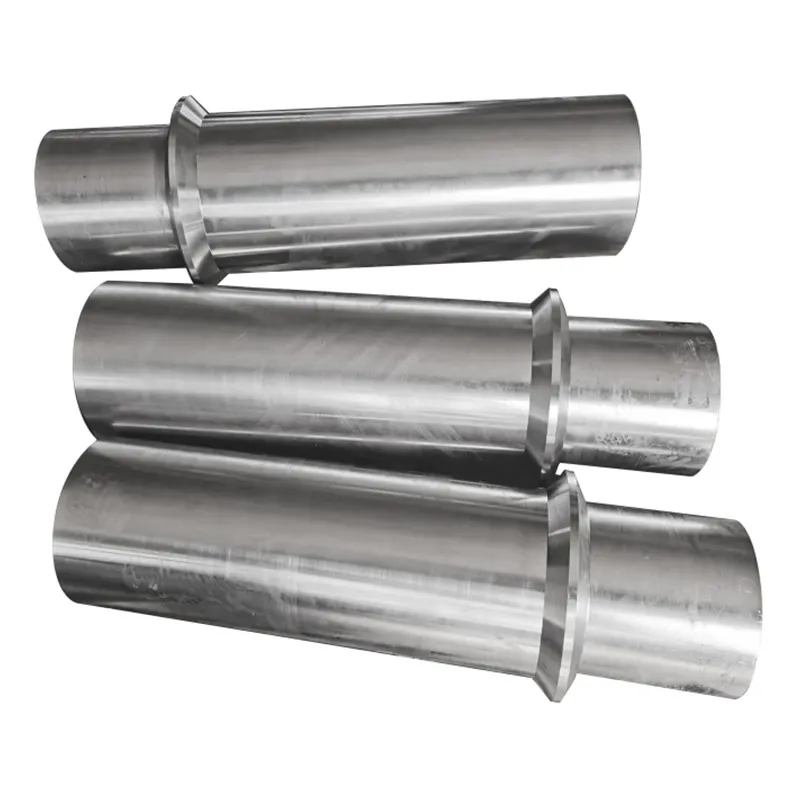
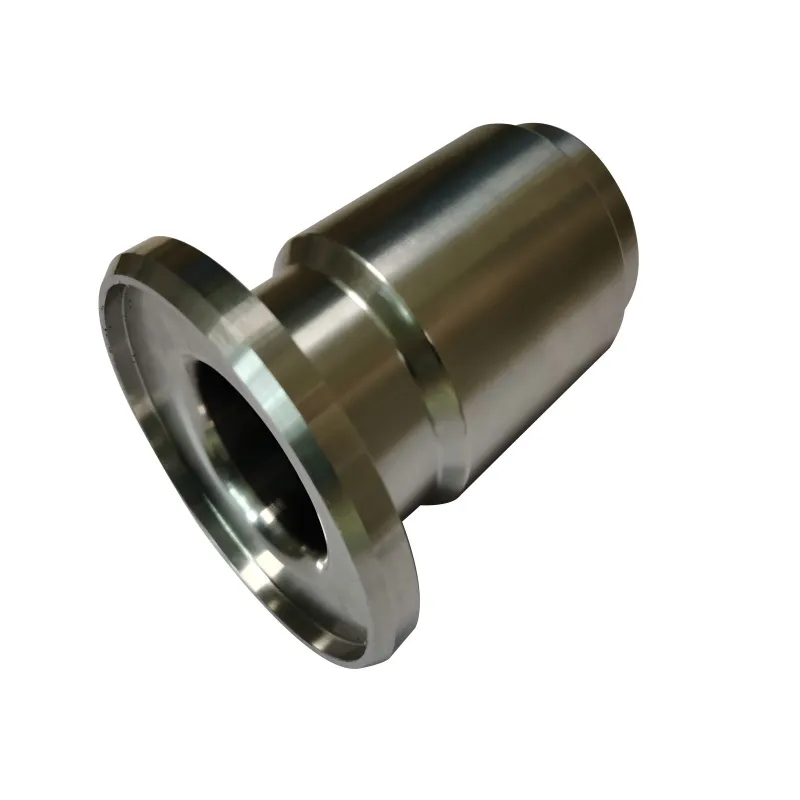
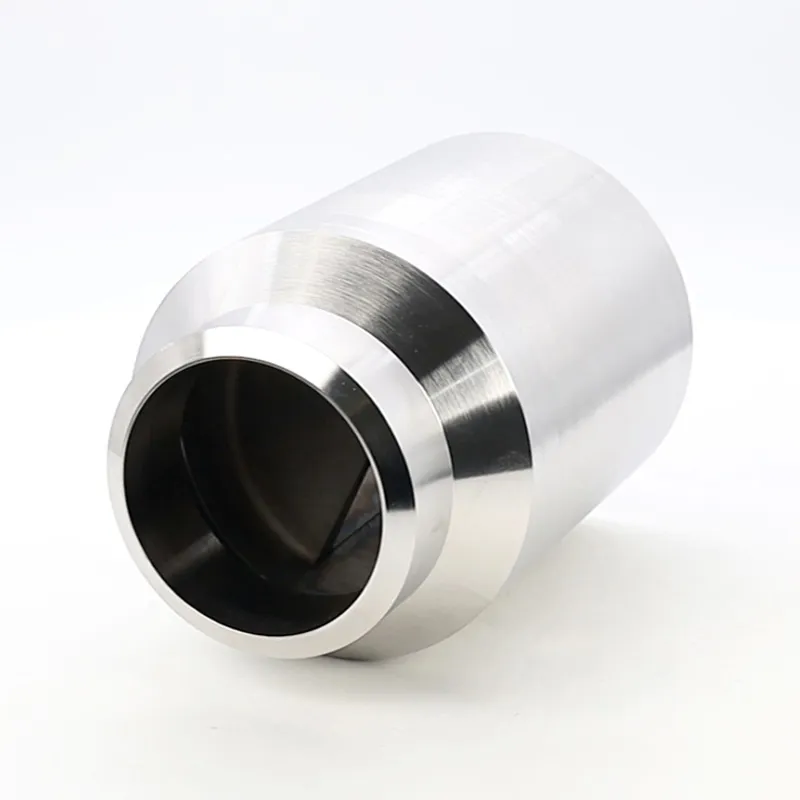
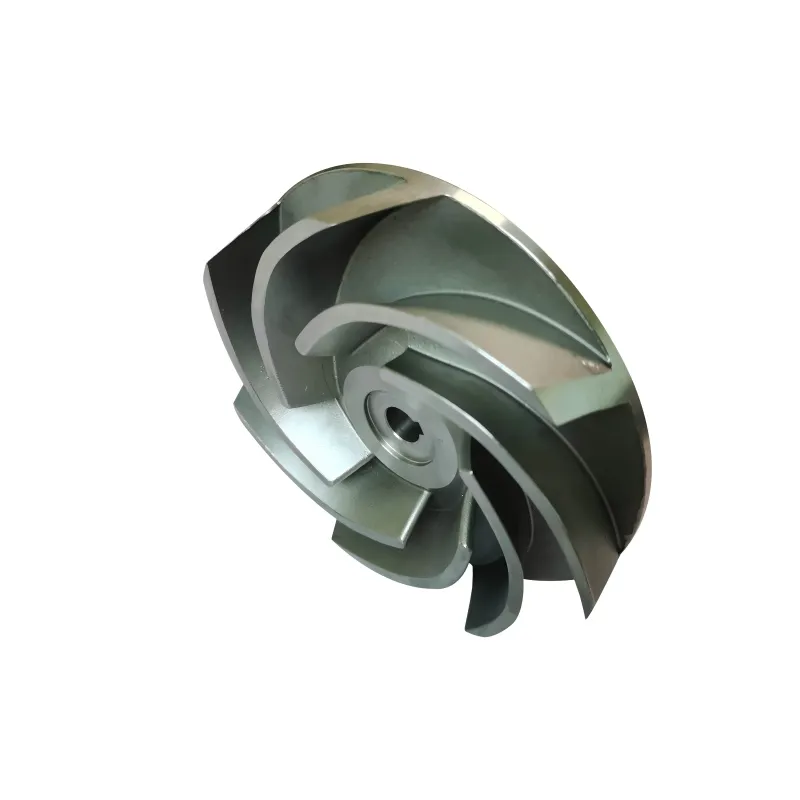
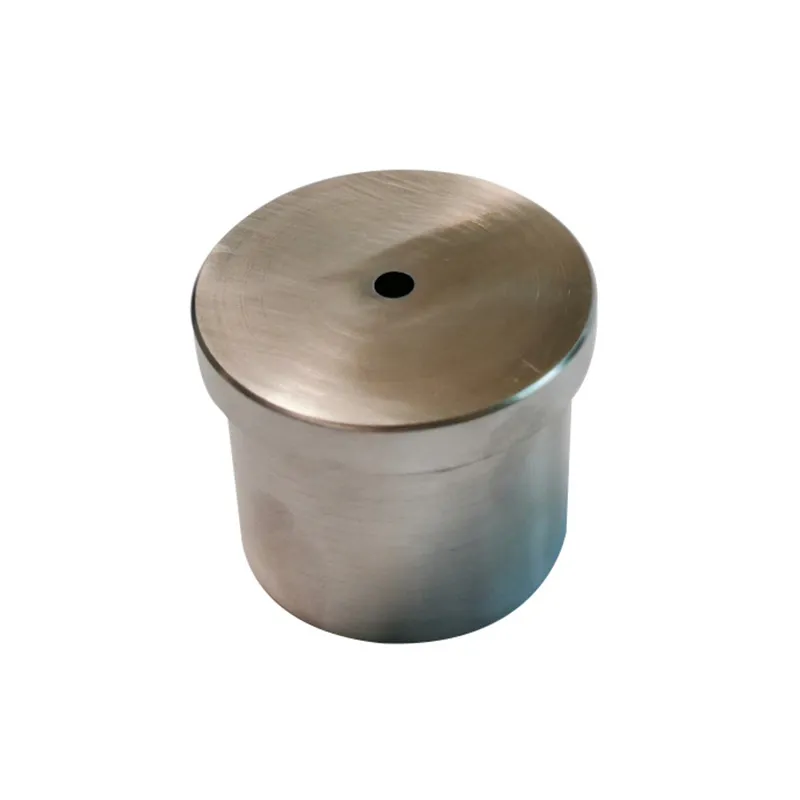
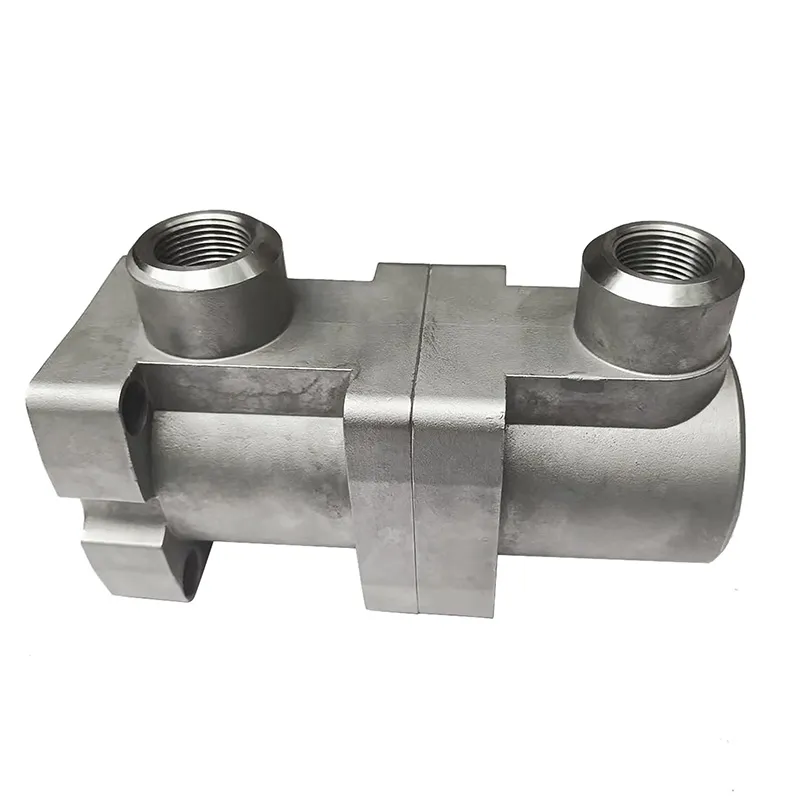
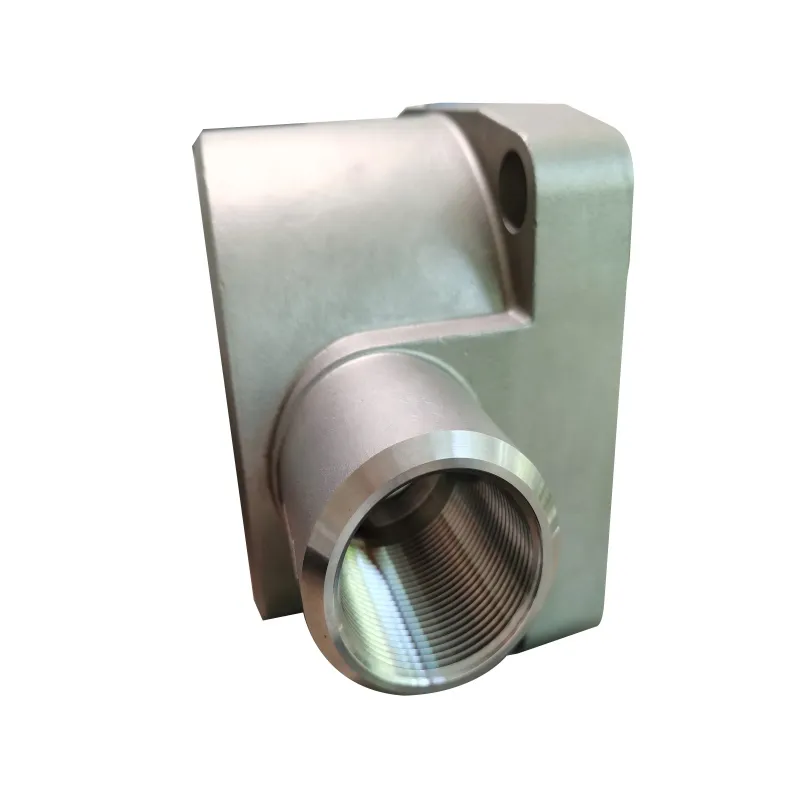
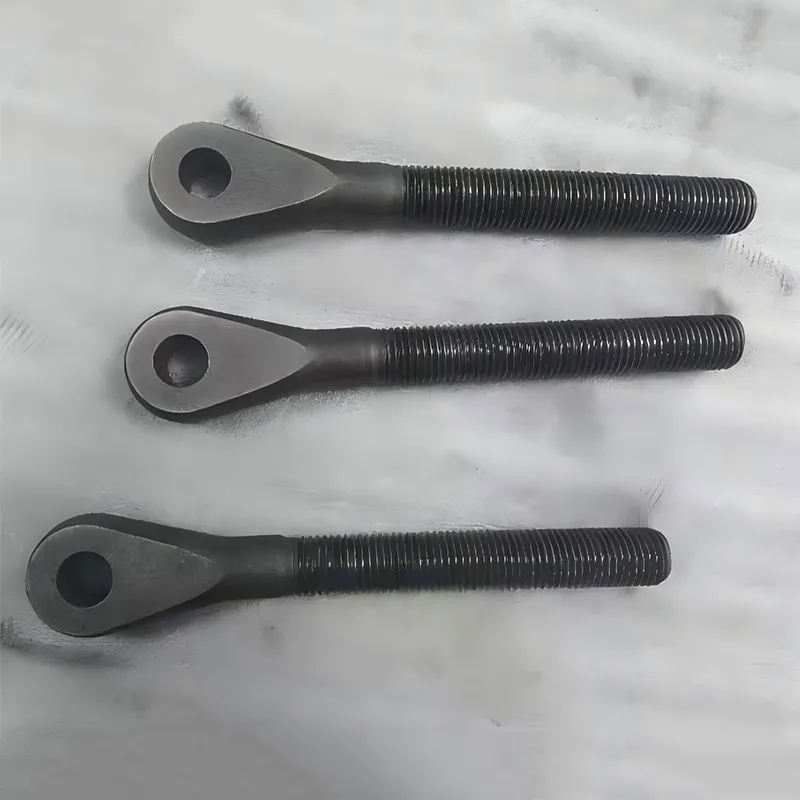
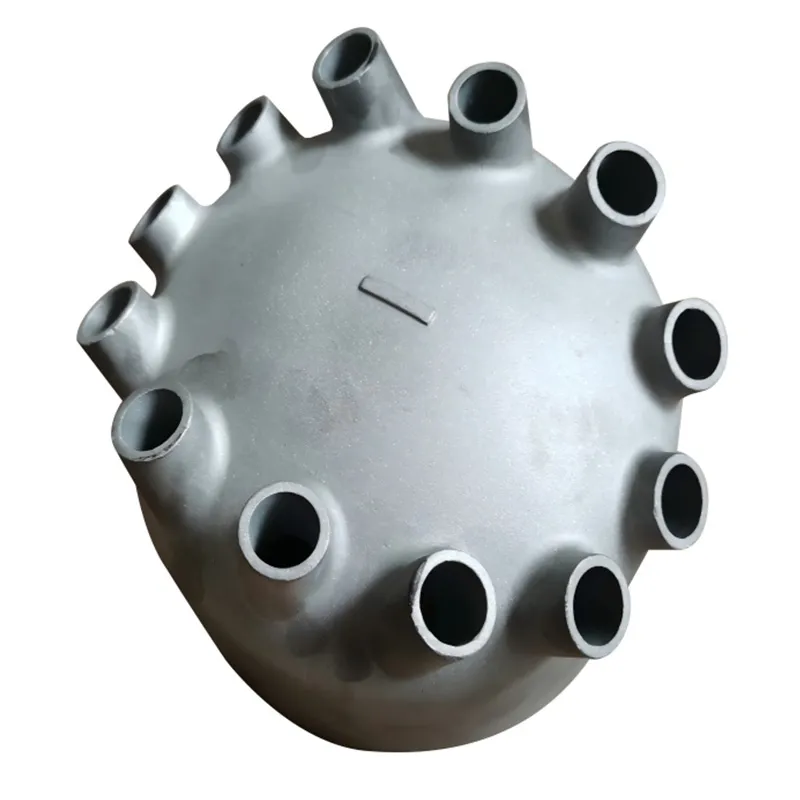
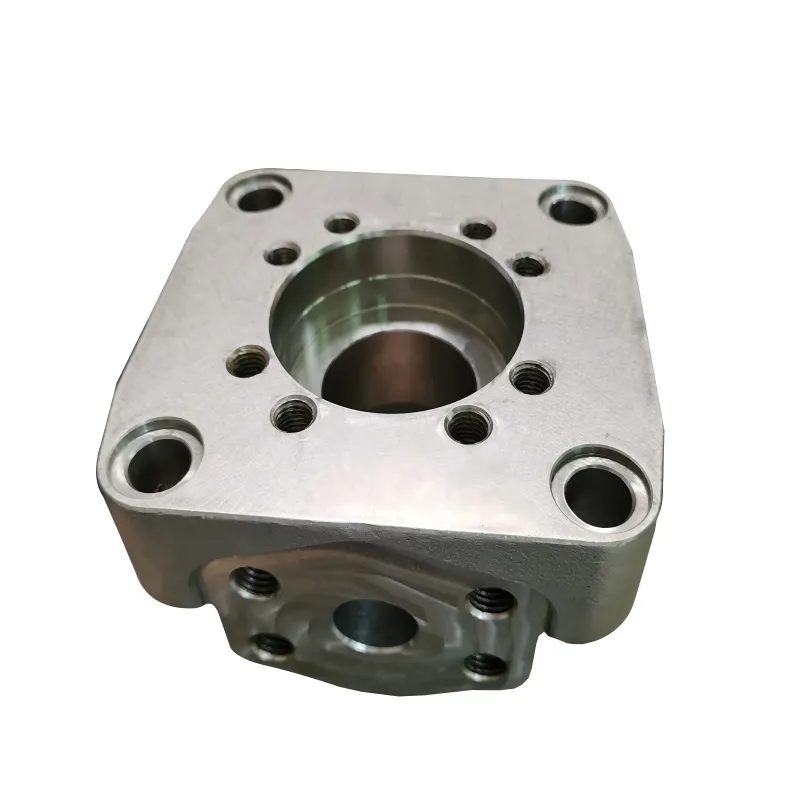
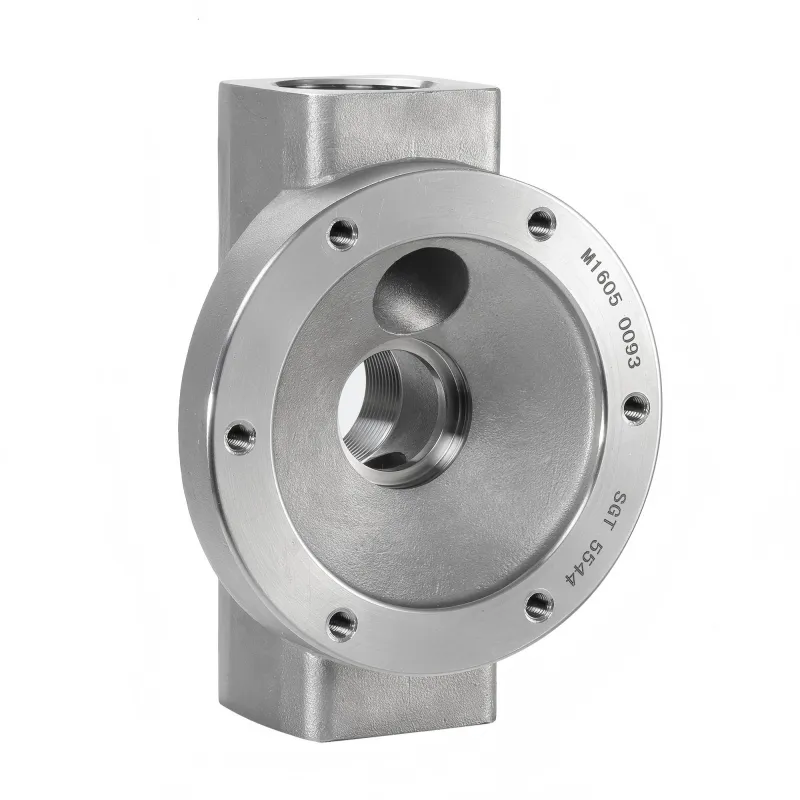
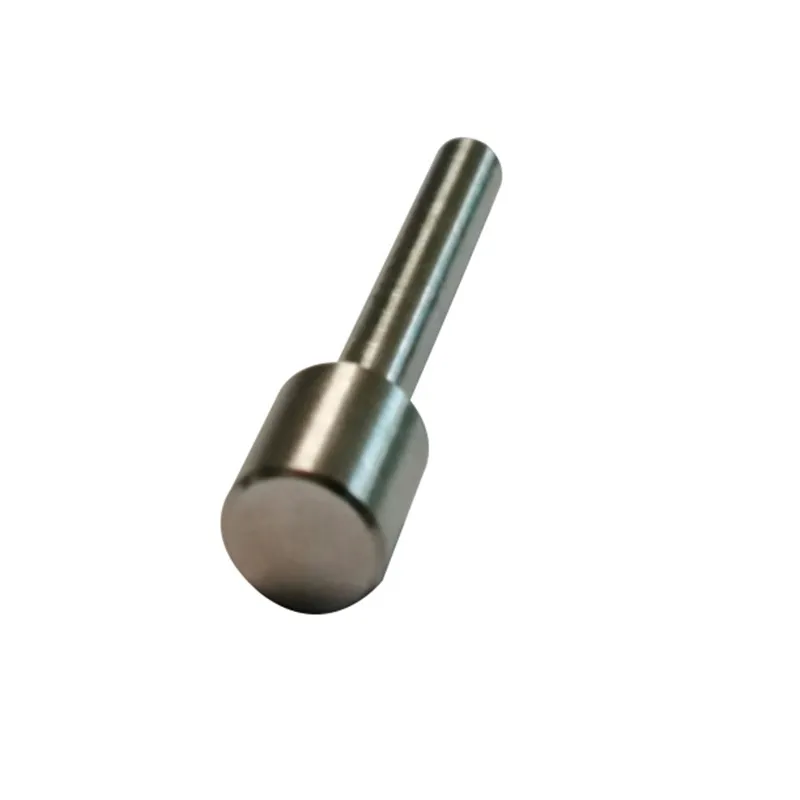
When you hear 'ductile iron mechanical parts', the first thing that pops up is probably that familiar spec: good strength, some ductility, decent wear resistance, cost-effective. But that's the brochure talk. Where it gets real, and where a lot of projects get tripped up, is in the translation from that data sheet to the actual part on the shop floor, under load. The gap between the idealized material properties and the reality of a cast, machined, and assembled component is where the real work happens. I've seen too many designs that treat ductile iron as a simple drop-in replacement for steel or gray iron, only to run into issues with machining chatter, unexpected stress concentrations at thin sections, or inconsistent performance across a batch. It's not a commodity; it's a process-sensitive material.
The Casting Foundation: It All Starts in the Mold
You can't talk about reliable ductile iron mechanical parts without getting into the casting process first. The mechanical properties are baked in right there. The spheroidal graphite structure – those nodules that give it the ductility – is fragile during solidification. Cooling rate, inoculation practice, even the temperature of the iron when it hits the mold, they all play a huge role. A part with a thick hub and thin spokes can have vastly different microstructures (and thus, properties) in those different sections. I recall a gear blank we once sourced; it looked perfect, passed basic dimensional checks, but failed spectacularly in fatigue testing. The culprit? Shrinkage porosity hidden in the web, a direct result of an ill-designed gating system that didn't feed the thick section properly. The drawing called for a Grade 65-45-12, but what we got in that critical area was weaker, more brittle.
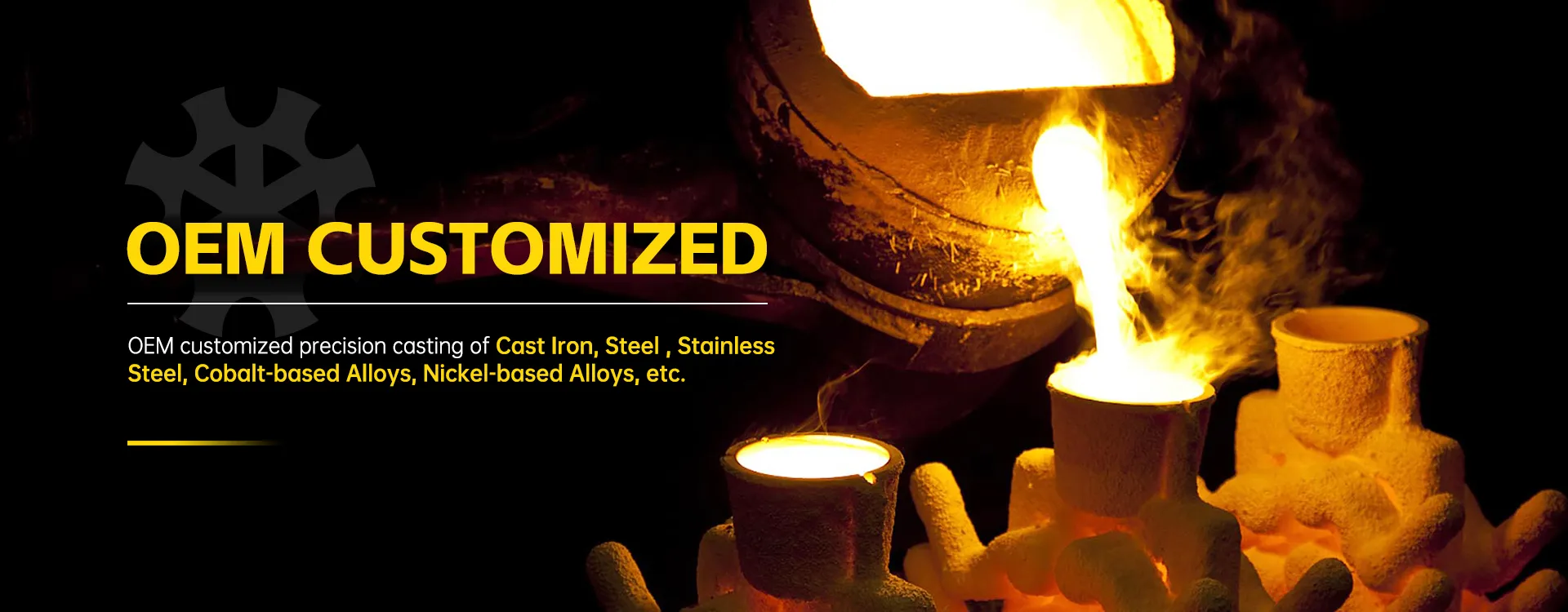
This is where process specialization matters. A shop that understands this intimately, like Qingdao Qiangsenyuan Technology Co., Ltd. (QSY), with their three decades in shell and investment casting, has the muscle memory for this. They're not just pouring metal; they're managing solidification science. For ductile iron parts that see dynamic loads – think hydraulic valve bodies, compressor crankshafts, or heavy-duty suspension components – this foundation is non-negotiable. A minor slag inclusion or a mistimed inoculation can become the initiation point for a crack down the line.
The choice between shell molding and investment casting for ductile iron often comes down to complexity and surface finish needs. For parts with internal passages or complex cores, shell molding offers a good balance. But if you need near-net-shape with exceptional surface detail and minimal draft, especially for smaller, intricate components, the precision of investment casting can save a fortune on subsequent machining. It's a cost-benefit analysis that starts at the design phase, not an afterthought.
Machining: Where Theory Meets the Tool Bit
This is the stage where assumptions get tested. Ductile iron machines differently than steel. It's abrasive, thanks to the graphite, and it can be gummy. Get your speeds, feeds, or tool geometry wrong, and you'll burn through inserts or get a work-hardened, ragged surface that'll wear out in no time. I learned this the hard way early on, trying to run a ductile iron pump housing with parameters optimized for carbon steel. The tools lasted half as long, and the surface finish was terrible, leading to seal leakage issues in assembly.
The graphite flakes in gray iron act as chip breakers, making it relatively easy to machine. Ductile iron's nodular graphite doesn't do that. You need sharp, positive-rake tools, often with specialized coatings like AlTiN, and you have to be mindful of heat. Let the part get too hot, and you can actually alter the microstructure at the surface, creating a hard, brittle layer that's a nightmare for further processing or performance. Proper coolant application isn't just about tool life; it's about preserving the material properties you paid for in the casting.
This is why partnering with a supplier that handles both casting and CNC machining in-house, like QSY, can streamline things. They understand the material's behavior from melt to finished part. They know how the residual stresses from casting might affect clamping and cutting, and they can adjust their machining strategy accordingly. It eliminates the finger-pointing between the foundry and the machine shop when a tolerance is missed. The feedback loop is tight.
The Alloy Question: Not All Ductile Iron is Equal
ASTM A is the common grade, but that's just the starting point. For parts in corrosive environments or at elevated temperatures, you step into alloyed ductile irons – silicon-molybdenum (SiMo) for heat resistance, or nickel-alloyed grades for corrosion and wear. We had a project for a furnace component that required sustained operation at 800°C. Standard ductile iron would have graphitized and failed. We went with a high-silicon ductile iron, which forms a stable silicon oxide layer, but it made the material even more challenging to machine. It was a trade-off, but the right one for the application.
Sometimes, the choice isn't even ductile iron. For extreme wear or impact, you might look at ADI (Austempered Ductile Iron), which undergoes a heat treatment to achieve remarkable strength and toughness. Or, for highly corrosive chemical processing parts, a high-nickel austenitic ductile iron (Ni-Resist) might be the answer. The point is, specifying ductile iron is too vague. You need to define the service environment – stress, temperature, media, cyclic loading – to pick the right grade. A supplier experienced with special alloys, as indicated in QSY's portfolio with cobalt and nickel-based alloys, is already thinking on this level; they get that material selection is application-driven.
One nuance often overlooked is the difference between ferritic and pearlitic matrix structures in standard grades. A ferritic matrix (more iron, less pearlite) gives better ductility and impact resistance but lower strength and hardness. A pearlitic matrix is stronger and harder, better for wear, but less ductile. You can influence this through heat treatment post-casting. It's another knob to turn, but you have to know you need to turn it.
Real-World Pitfalls and the Feel of Quality
Beyond the lab reports, there's a tactile, almost intuitive side to judging ductile iron mechanical parts. The sound a good part makes when struck lightly is a dull, solid thud, not a sharp ping. The surface of a well-shot blast-cleaned casting has a consistent, matte-gray texture, without burnt-in sand or obvious cold shuts. During machining, the chips should come off in small, broken C's, not long, stringy tangles or dust. These are the informal QC checks you develop over time.
A major pitfall is ignoring secondary operations. Say you have a ductile iron manifold that needs plating or painting. If the casting isn't cleaned properly – shot blasted, then chemically cleaned to remove any residual sand or scale – the coating will fail. Adhesion is a huge issue. We once had a batch of parts that developed blistering in a salt-spray test. The root cause was microscopic silicate residue from the molding sand that no one thought to check for after blasting.
Another common issue is dimensional stability, or lack thereof, after rough machining. If the casting hasn't been properly stress-relieved (often an annealing cycle), it can move surprisingly after you take the first heavy cuts, throwing all your careful CNC programming off. It's a step that adds cost and time, but skipping it is a gamble. A reliable supplier will have a standard protocol for this based on part geometry and wall thickness.
Integration and the Supplier Relationship
Ultimately, getting a functional, reliable ductile iron part isn't a transactional purchase of a widget. It's a mini-collaboration. The best outcomes come from involving the foundry and machinist early. Can they suggest a slight draft angle change to improve mold fill? Would adding a small radius in a corner eliminate a stress riser and a potential machining headache? Is the specified tolerance on a non-critical feature driving 80% of the machining cost?
A company that offers the full vertical service, from pattern making (if needed) to casting to machining, like what you see with Qingdao Qiangsenyuan Technology (QSY), provides a single point of accountability. Their 30-year history in casting and machining isn't just a marketing line; it suggests they've navigated these exact issues – shrinkage, distortion, tool wear, finishing – across thousands of orders. They've built the process controls and the tacit knowledge. When you send them a drawing for a complex ductile iron component, they're reading between the lines, thinking about how to make it castable, machinable, and durable, not just how to quote it.
So, when I think about ductile iron mechanical parts now, I think less about the textbook properties and more about the chain of decisions and controls that turn a good material into a great part. It's the foundryman's skill, the machinist's parameters, the engineer's specification, all aligned. The material is capable, but its performance is delivered by the process. And that process is everything.