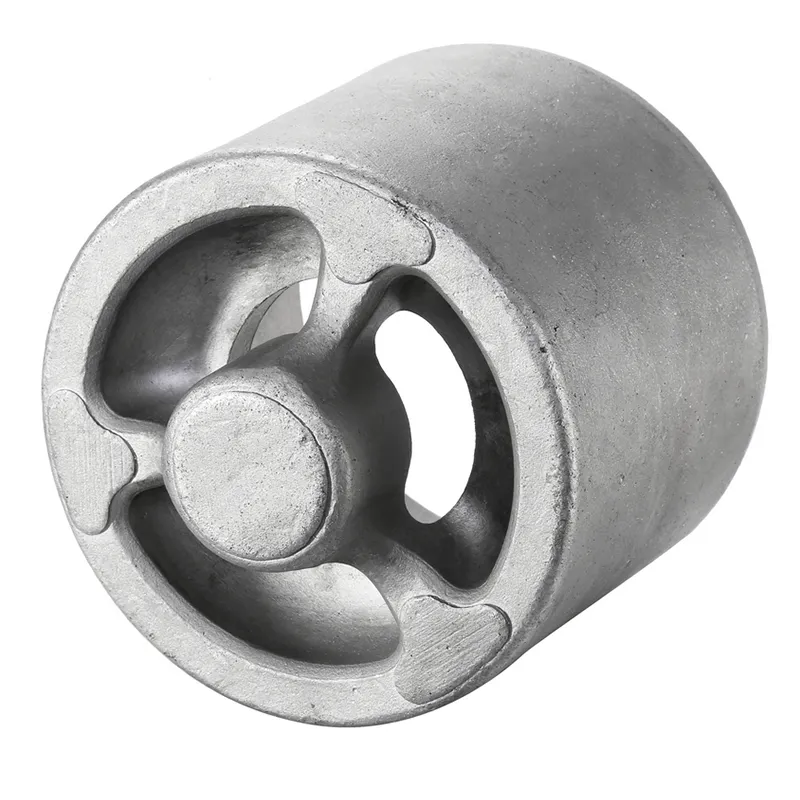
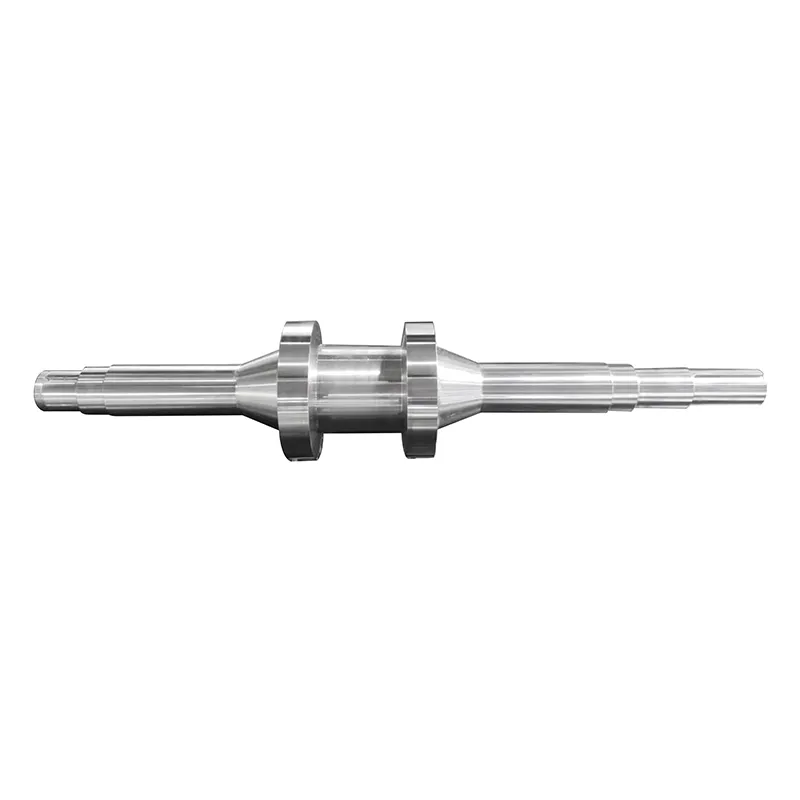
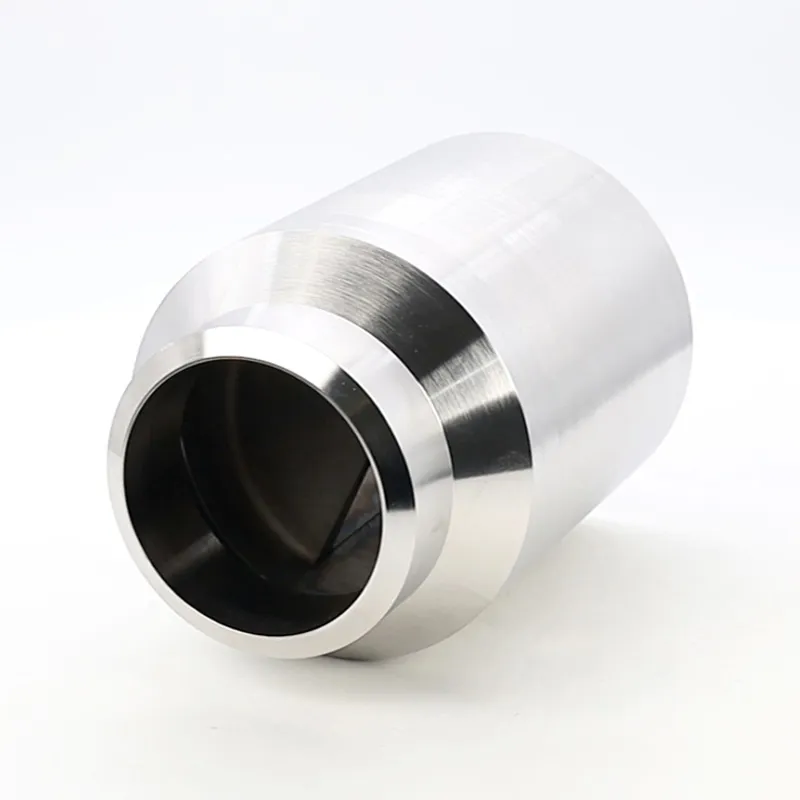
When most people hear 'ductile iron sand casting', they picture a straightforward, almost old-school process: melt some iron, pour it into a sand mold, break it out, and you're done. That's the biggest misconception. The reality is a constant negotiation between chemistry, physics, and economics. The 'ductile' part—achieving that spheroidal graphite structure—is a high-wire act that starts long before the metal even reaches the ladle. I've seen too many projects stumble by treating the sand system as a passive container rather than an active participant in the final part's integrity.
The Foundation is Everything: Sand Isn't Just Sand
You can have a perfect melt, perfect nodularization, but if your sand system is off, you're scrap. It's not about using any silica sand. The AFS grain fineness number, the clay content (bentonite), the moisture level—these aren't just numbers on a sheet. They dictate the mold's ability to vent gases, withstand the ferocious thermal shock of 1400°C+ iron, and provide a surface finish that minimizes cleaning time. We learned this the hard way on a batch of valve bodies years back. The sand was too fine and packed too hard. The result wasn't a visible defect like a blowhole, but a network of micro-cold shuts on the pressure-bearing surfaces that only showed up during hydro-test. Total loss. That's when you stop seeing sand as dirt and start seeing it as a precision material.
This is where experience from a foundry like QSY (Qingdao Qiangsenyuan Technology Co., Ltd.) shows its value. Running a foundry for over 30 years, you develop a feel for the sand. You know how the humidity on a rainy day in Qingdao will throw off your moisture targets, or how reusing sand too many times without proper reconditioning steals the clay's plasticity. Their long-term operation across different casting methods means they understand that sand control for ductile iron isn't the same as for gray iron—the cooling dynamics are different, the metal behaves differently.
The gating system design poured into that sand is another critical, often underestimated, piece. With ductile iron, you're dealing with a metal that has a distinct pasty zone during solidification. You need to feed the shrinkage effectively, but the gates and risers must be designed to minimize turbulence. Turbulent flow promotes dross formation—magnesium silicate inclusions that wreck machinability and fatigue strength. I always spend disproportionate time on the gating layout; it's cheaper to fix on a drawing than to sort through a yard full of cracked castings.
The Magnesium Dance: Achieving True Ductility
This is the core of the process. Taking a base iron with carefully controlled sulfur and oxygen levels and injecting that precise shot of magnesium. Too little, you get flake graphite, losing ductility. Too much, you get carbide precipitation, making the part brittle and unmachinable. The method matters—tundish cover, sandwich, flow-through. Each has its own yield and consistency. I prefer the sandwich method for heavier sections; it gives a more predictable, slower reaction. You're not just adding an element; you're managing a violent exothermic reaction that alters the entire solidification character of the iron.
Post-inoculation is the follow-up step you can't skip. The magnesium treatment fades. If you wait too long to pour, the graphite nodules start to degenerate. Adding a late inoculant like ferrosilicon right before pouring creates fresh nucleation sites, ensuring a high nodule count and a uniform, fine matrix. I've tracked the mechanical properties against the time between treatment and pour. The drop-off after a certain window is stark. It forces a rhythm on the shop floor that looks chaotic but is actually a tightly timed ballet.
Speaking of properties, the allure of ductile iron sand casting is the range you can get. You can aim for an EN-GJS-400-18 for high elongation, or push to a GJS-700-2 for strength. But you don't get that by just changing the recipe in the furnace. It's a combination of the chemistry, the cooling rate dictated by the sand mold (thicker sections cool slower, affecting nodule size and matrix), and often, a subsequent heat treatment. Annealing to ferritize, quenching and tempering for a pearlitic or martensitic structure—the sand casting is just the first step in a longer journey to the final spec.
Where It Fits and Where It Doesn't
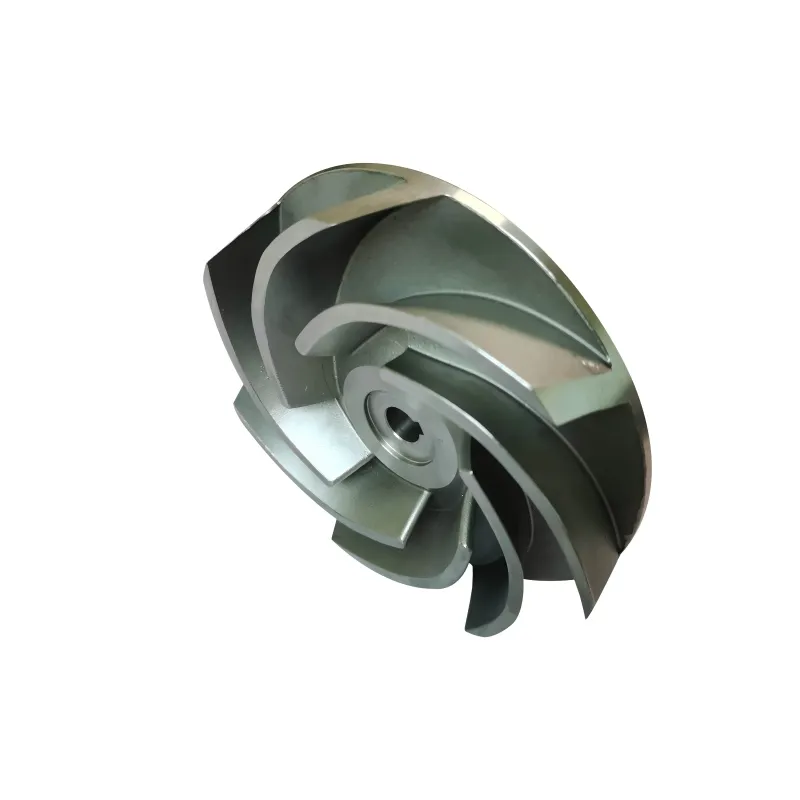
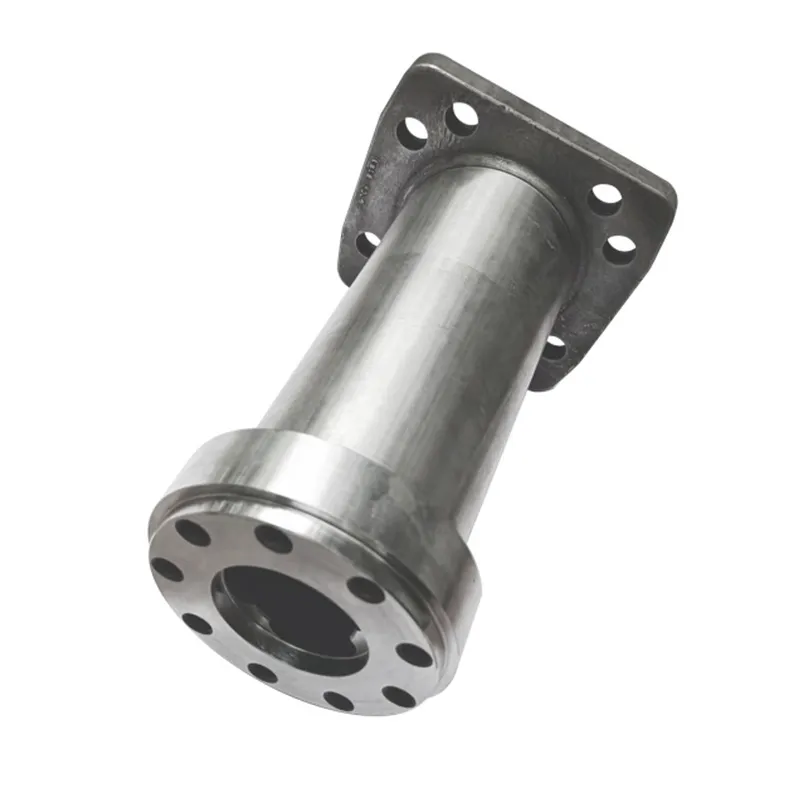
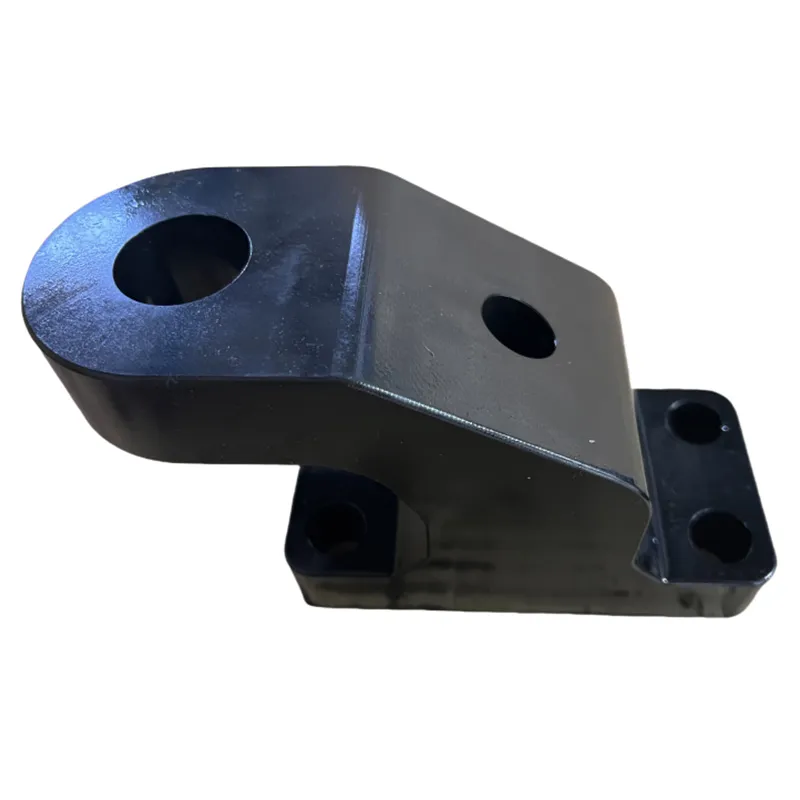
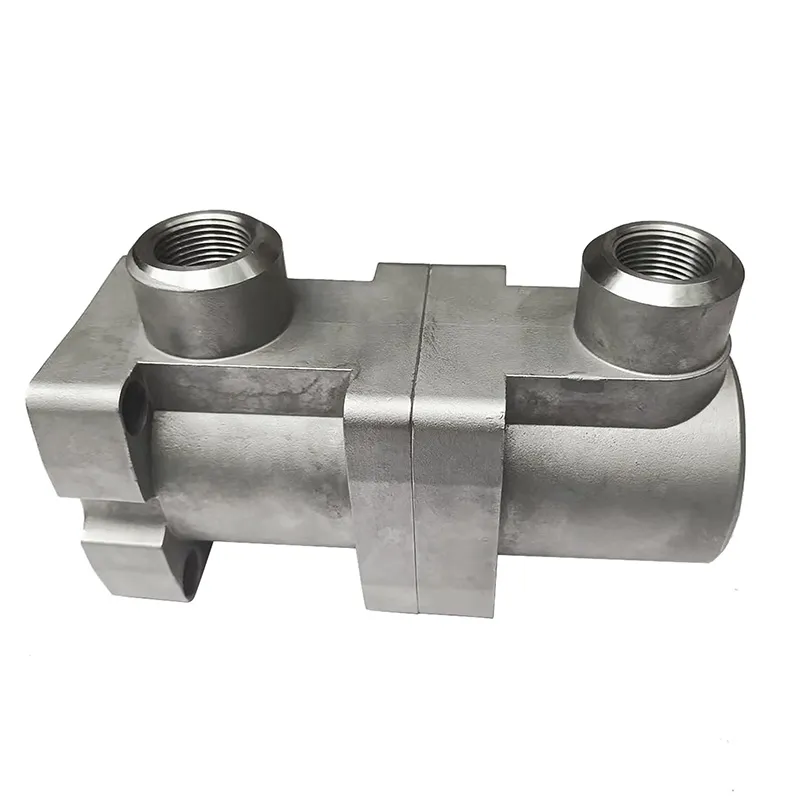
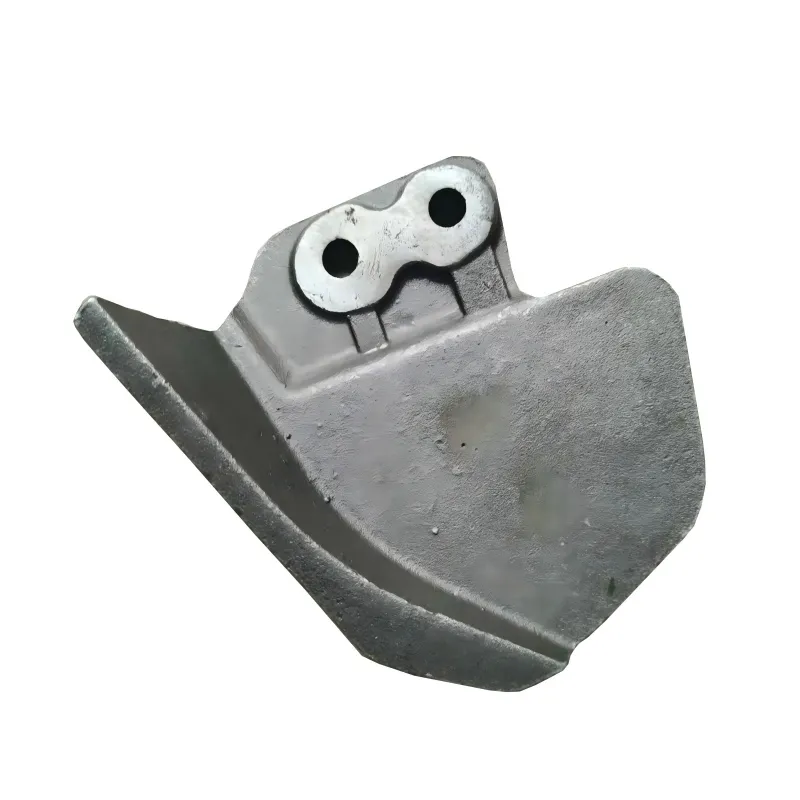
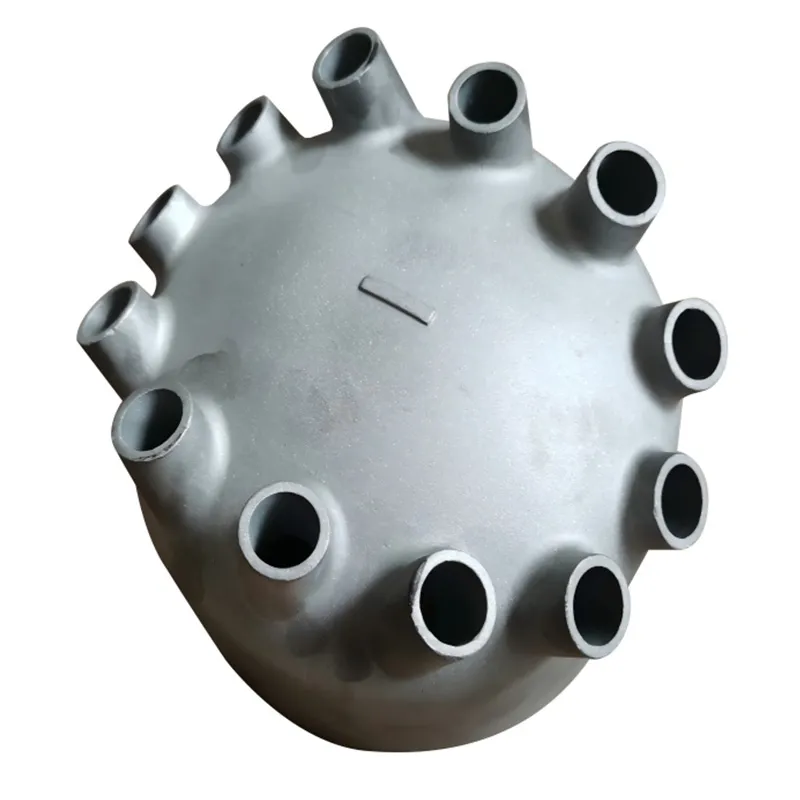
Ductile iron sand casting isn't the answer to every part. For high-complexity, thin-wall components with insane dimensional tolerances, investment casting or shell molding might be better. But for what it does well, it's unbeatable on cost for medium to large parts. Think pump housings, heavy-duty gearbox cases, large hydraulic manifolds, or machine tool bases. The sheer size capability and the relatively low tooling cost for sand molds (especially for one-offs or low volumes) make it a go-to. A company like QSY, which offers both shell mold and sand casting, is in a good position to advise on this. They can look at a drawing and honestly say, For this particular bracket, sand casting is overkill, let's use shell mold, or This turbine housing needs the thermal mass control only a well-designed sand mold can give.
The machining allowance is a key economic factor. Sand cast surfaces are rougher. You have to leave more stock for the CNC machines to clean up. That's wasted metal and machining time. A well-engineered sand process with zirconia or chromite facing sand in critical areas can improve surface finish dramatically, reducing that allowance. It's a cost-benefit calculation. For a non-critical internal surface, a 3-5mm allowance is fine. For a bearing seat, you want it as tight as possible, maybe 1.5-2mm, which demands excellent mold quality.
The real-world headache? Dimensional variation. The sand mold can distort during pouring, or the pattern wears. For a complex part, holding tight tolerances across a large batch is challenging. You often have to build in compensation into the pattern—an art in itself. We once had a recurring issue with the bore spacing on a compressor frame. The pattern was perfect, but the castings were off by half a millimeter. The culprit? The sand compaction around the core prints wasn't uniform, allowing the heavy cores to shift slightly during pouring. The fix was a simple redesign of the core print geometry to lock it in place better. Simple in hindsight, a week of detective work at the time.
The Integration: From Casting to Finished Part
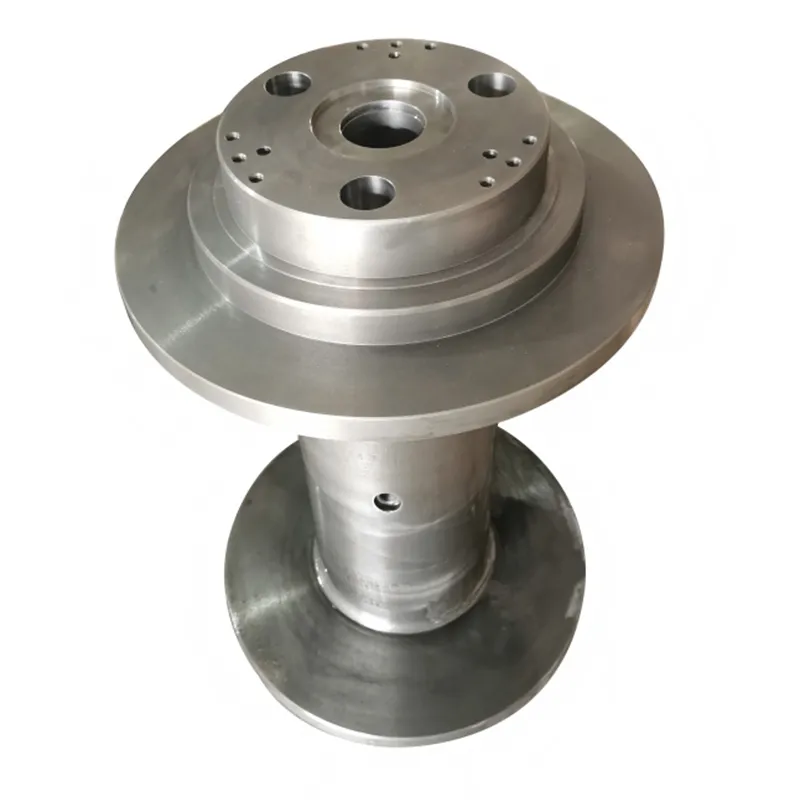
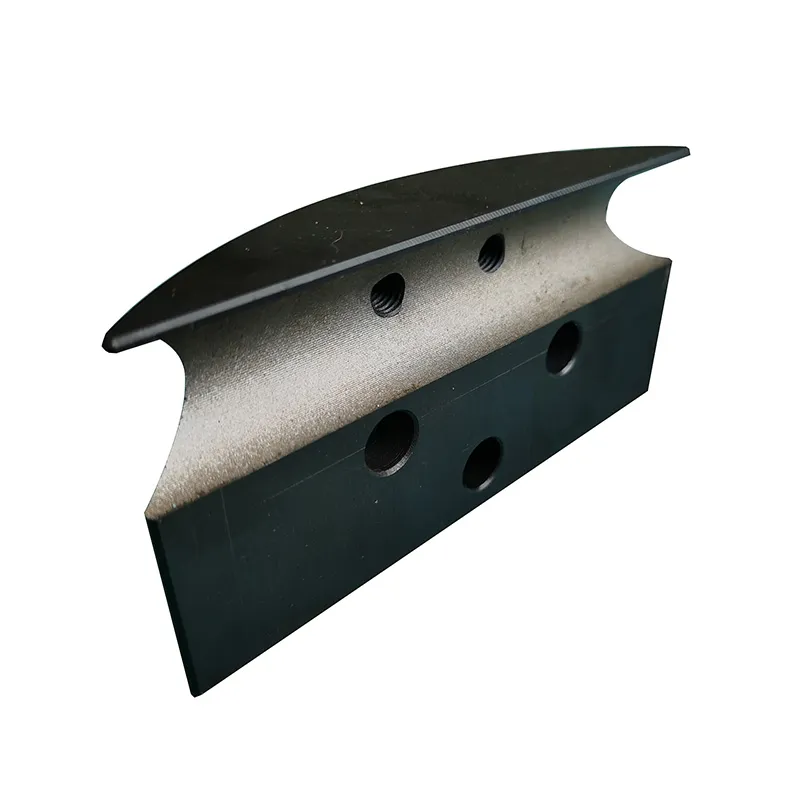
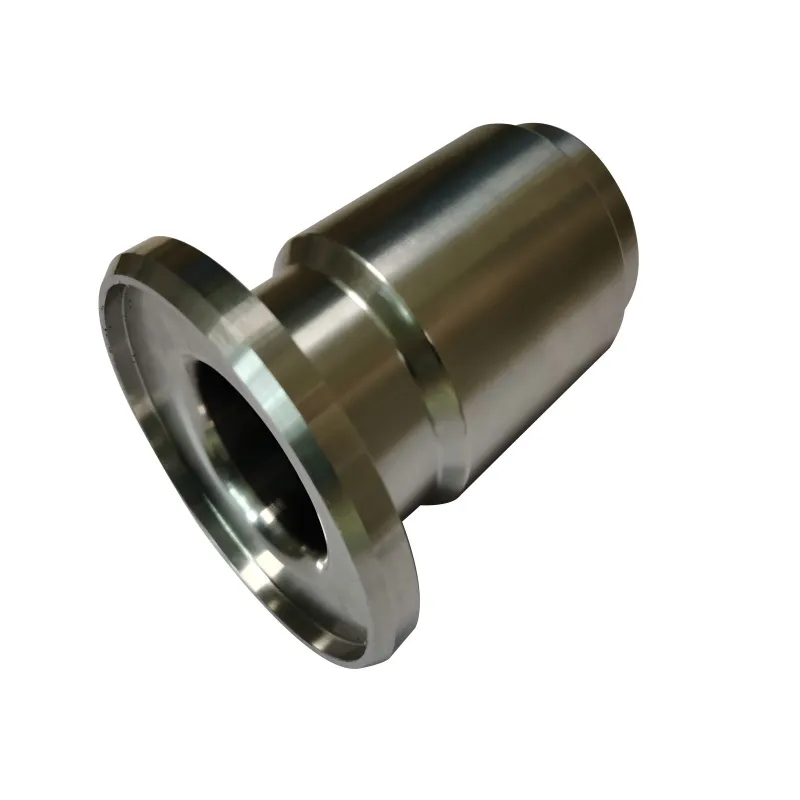
This is the modern reality. Rarely does a ductile iron sand casting ship as-cast. It needs machining. Having the casting and machining under one roof, as QSY does with their CNC machining division, eliminates a mountain of logistics and quality disputes. The machinists and foundrymen can talk. If the machinists are constantly breaking tools on a particular batch, they can walk back to the foundry and say, The hardness is inconsistent, or There's a skin of chill here. The foundry can then adjust the inoculant or the pouring temperature.
Materials matter too. While standard ductile iron (like 450-10) is the workhorse, sometimes you need a bainitic ductile iron for wear resistance, or a silicon-solution-strengthened one for high-temperature service. The sand process is adaptable, but the gating and risering must be rethought for these alloys with different shrinkage behaviors. QSY's mention of working with special alloys like nickel-based ones is telling—it shows a capability to handle the more finicky melts that might be needed for corrosion or heat-resistant versions of ductile iron components.
In the end, successful ductile iron sand casting is about seeing the whole chain. It's not a series of discrete steps but a loop. The machining feedback informs the casting process. The casting quality dictates the machining yield. It's a gritty, hands-on process where theory meets the reality of a hot, noisy foundry floor. The beauty of it is in creating a robust, reliable metal component that forms the hidden backbone of so much machinery, using one of the most ancient and adaptable forming methods we have. You respect the process, and it will yield parts that last for decades.