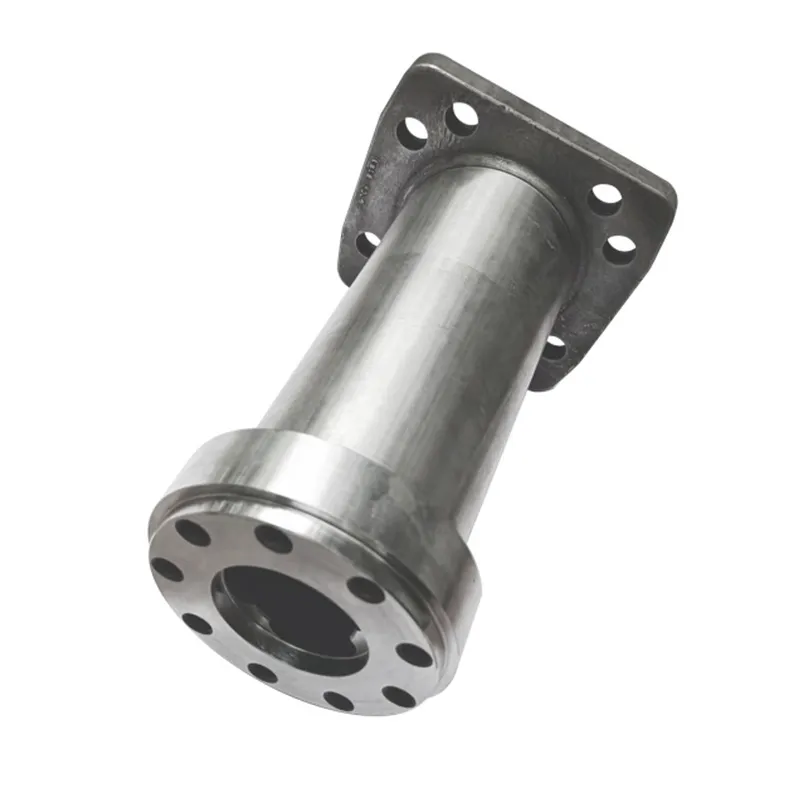
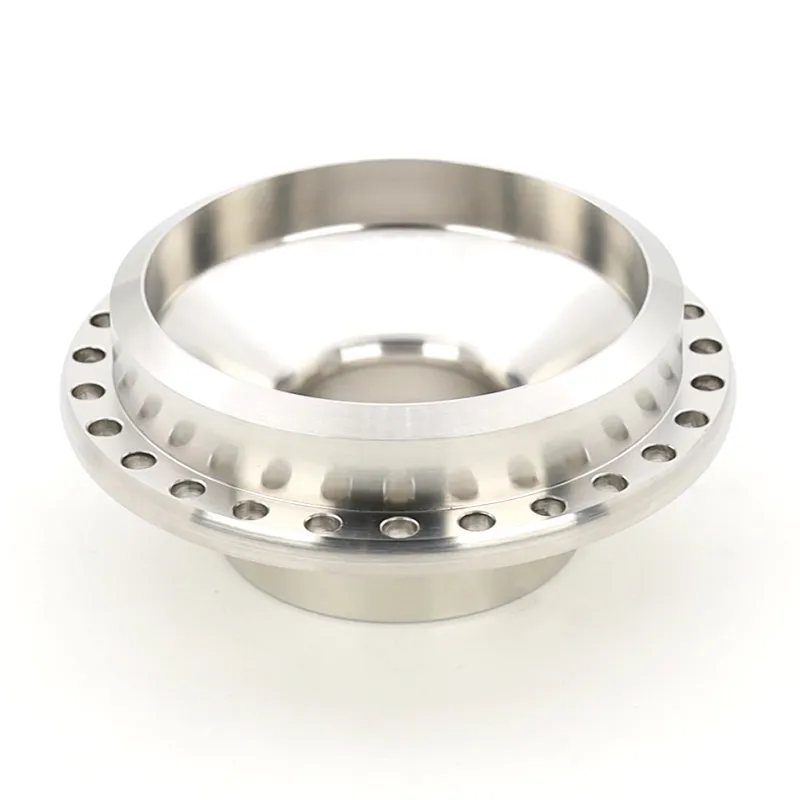
When you hear 'equipment iron base', most people picture a simple, chunky block of cast iron—just a dumb weight to bolt a machine onto. That's the first misconception. In reality, it's a foundational component where the engineering begins, not ends. I've seen too many projects where vibration issues or premature wear were traced back to a base that was treated as an afterthought. The material choice, the casting process, the internal ribbing, and the machining of mounting surfaces—each step is critical. It's not just about being heavy; it's about being precisely heavy and structurally sound.
The Material Isn't Just Iron
Specifying cast iron is like ordering meat at a restaurant—it's far too vague. For a robust equipment iron base, we're typically looking at grades like ASTM A48 Class 35 or 40 gray iron. The graphite flake structure in gray iron gives it that excellent damping capacity, which is the whole point for vibration absorption. Ductile iron (ASTM A536) is another beast, with better tensile strength and some impact resistance, but it doesn't damp vibrations quite as well. The choice depends on the dynamic loads. I recall a job for a high-speed packaging machine where the client insisted on ductile iron for strength. We had to later add expensive damping pads because the base itself was ringing like a bell. Sometimes, the traditional gray iron is the right answer for the job.
Then there's the alloying. For bases in harsh environments—think chemical washdown areas or outdoor installations—you might look at a Ni-Resist type iron. It's a whole different cost bracket, but it resists corrosion far better. The team at QINGDAO QIANGSENYUAN TECHNOLOGY CO.,LTD., (https://www.tsingtaocnc.com) has experience here. With their background in special alloys, they understand that material selection is the first critical decision. Their company profile mentions over 30 years in casting and machining, which is the kind of tenure that builds practical knowledge about how these materials behave on the shop floor, not just on a data sheet.
You also can't ignore the casting process. A poorly gated and risered casting can introduce internal stresses or shrinkage cavities that might not show up until the final machining pass, ruining a costly piece. Shell mold casting, which QSY specializes in, gives a better surface finish and dimensional accuracy compared to some green sand methods. That means less machining stock to remove later, which saves time and preserves the integrity of the casting skin. For a base that needs clean, precise geometry for leveling feet and bolt patterns, this matters.
Design: Where the Real Work Happens
The CAD model is where the base earns its keep. It's not a solid block. Internal ribbing is everything—creating a grid structure to maximize stiffness-to-weight ratio. The trick is placing ribs to direct stiffness where needed without creating hot spots during casting that could lead to cracks. We often use finite element analysis (FEA) now for high-value bases, but there's still an art to interpreting the results. Sometimes the software suggests a rib configuration that's a nightmare to cast or clean. You need a designer who understands both stress flow and foundry practice.
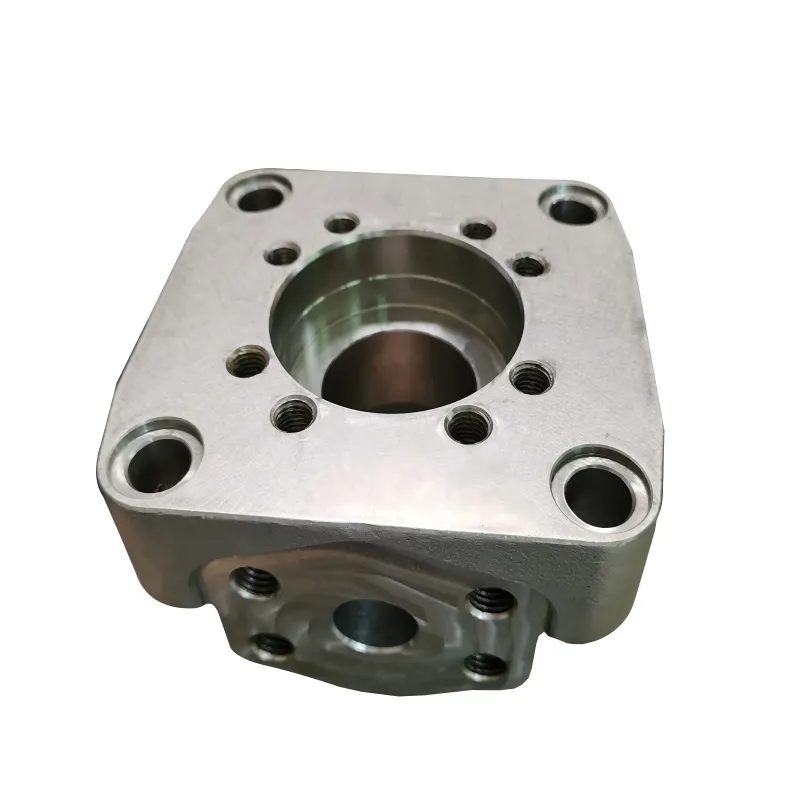
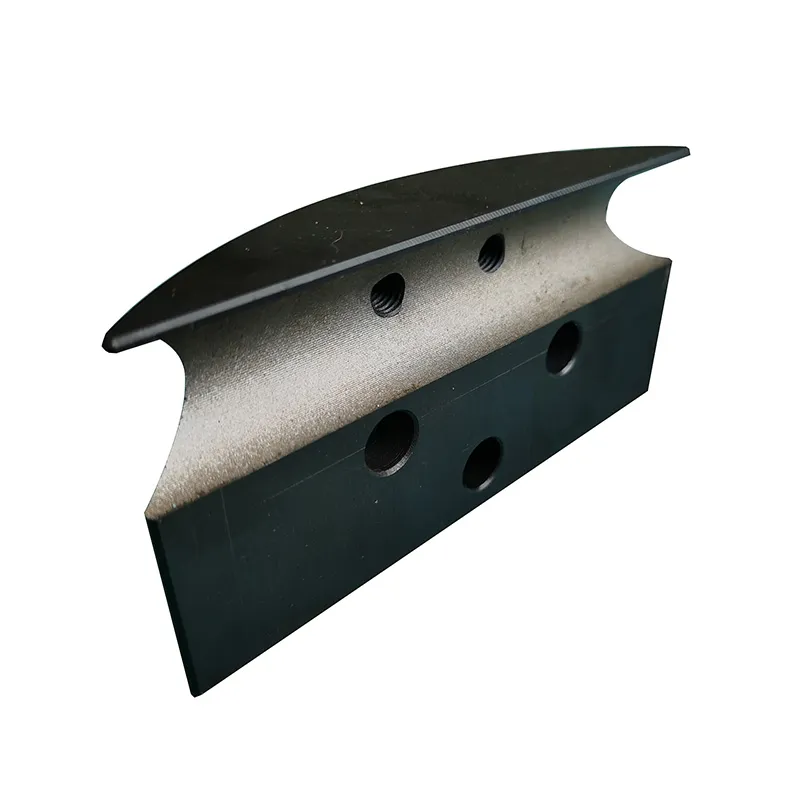
Another detail often missed: the mounting pads. These need to be raised, machined surfaces, not just the raw casting. The flatness and parallelism between pads are what ensure the machine sits true without inducing stress. I've been on installs where we spent more time shimming and grinding a base than assembling the machine on top of it—a clear sign the machining specs were loose or not verified. A good partner will treat the base as a precision component. Looking at QSY's capabilities, their combination of shell mold/investment casting with in-house CNC machining is a big advantage here. They can control the process from molten metal to finished machined surface, which reduces tolerance stack-up issues.
Then there are the extras: threaded inserts for leveling bolts, embedded conduit channels for wiring, or even coolant return troughs. Thinking about these at the design stage is cheap. Adding them in the field with drills and welders is expensive and can compromise the casting. It's about anticipating the machine integrator's and end-user's needs.
The Machining Handoff
This is a major pain point. The casting arrives at the machine shop. If it's from a separate supplier, the first step is often finding the datum. The casting might have shifted or warped slightly during cooling. A good foundry will provide consistent datum points or even perform a rough machining operation to establish them. Without that, the machinist starts with a guessing game, which eats into the precision of the final part.
This is why integrated suppliers make sense for critical components like an equipment iron base. A company that handles both casting and machining, like the aforementioned QSY, has the feedback loop built-in. Their machinists can tell their foundry team if a particular design feature consistently causes tool wear or if a draft angle needs a half-degree adjustment for better results. That continuous improvement is hard to replicate when dealing with multiple vendors who blame each other for issues.
The machining sequence is also vital. You typically want to rough machine, then maybe let it sit for a stress relief cycle (especially for larger bases), then finish machine. Skipping stress relief can lead to movement after installation, throwing alignment out the window. It's a time-consuming step that some try to bypass to save a week on the schedule, but it almost always costs more later.
Failure Modes and What You Learn
Bases don't often fail catastrophically; they fail quietly through misalignment and vibration. The most common issue I've diagnosed is resonant vibration. The base's natural frequency is too close to the operating frequency of the machine. It might pass a static load test with flying colors, but once it's running at 1800 RPM, the whole assembly starts humming. The fix? Sometimes adding mass (defeating the purpose of a lightweight design), sometimes adding tuned dampers, sometimes stiffening the ribbing. The best fix is getting the design right the first time with dynamic analysis.
Corrosion is another slow killer. A base sitting on a concrete floor in a humid environment can wick moisture and rust from the bottom up. Paint alone isn't enough. We specify a full surface preparation—shot blasting, then a high-quality epoxy primer and topcoat. For the bottom surface, sometimes a bituminous coating is added. It's unglamorous work, but it prevents callbacks five years down the line.
A more dramatic failure was a base that cracked during transport. The design had a long, thin overhang to support a peripheral device. It was strong enough for operation but couldn't handle the torsional stress of being lifted by forklifts in the wrong spots. That taught us to design in dedicated lifting lugs or at least clearly mark the proper lift points on the drawing and the casting itself. The end user isn't a mind reader.
Wrapping It Up: The Base as a System Component
So, an equipment iron base is far from a commodity. It's a custom-engineered piece that interfaces with the floor, the machine, and the environment. Selecting a supplier isn't just about getting a price per kilogram of iron. It's about their metallurgical knowledge, their design-for-manufacturability input, their process control from mold to machine shop, and their understanding of the final application.
That's why you look for established players with vertical integration. A firm like QINGDAO QIANGSENYUAN TECHNOLOGY CO.,LTD. with its decades in casting and machining, and explicit mention of working with cast iron and steels, is positioned to handle the complexities. They've presumably seen the evolution from manual drawings to 3D simulation and understand the practical compromises needed to make a design actually work in metal.
In the end, the goal is for the base to be invisible. If no one notices it after installation—no strange noises, no need for constant re-leveling, no rust stains on the floor—then you've done your job perfectly. It becomes the silent, stable foundation everything else relies on, which is exactly what it's supposed to be.