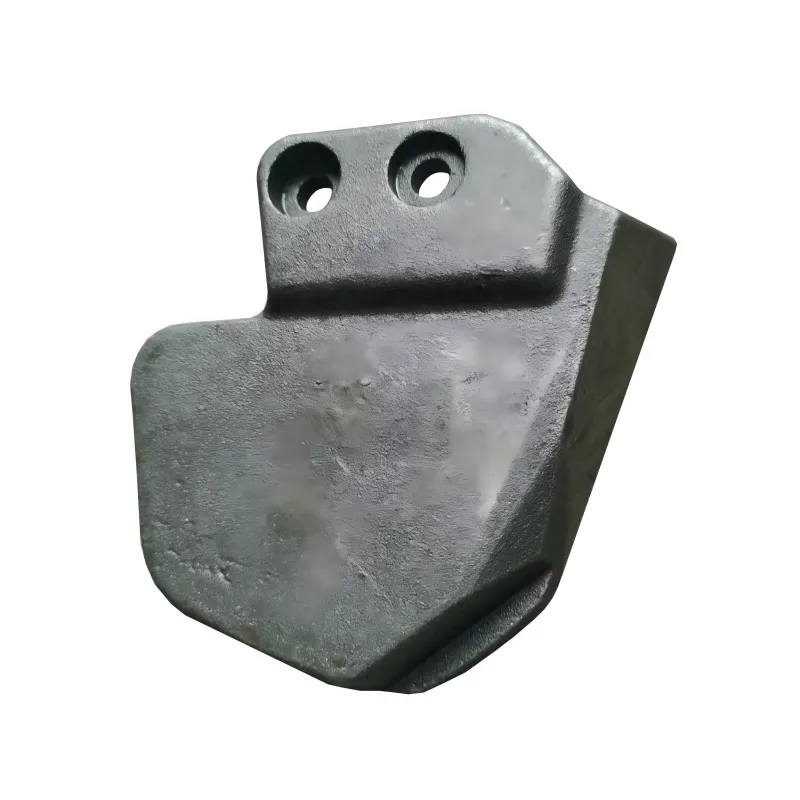
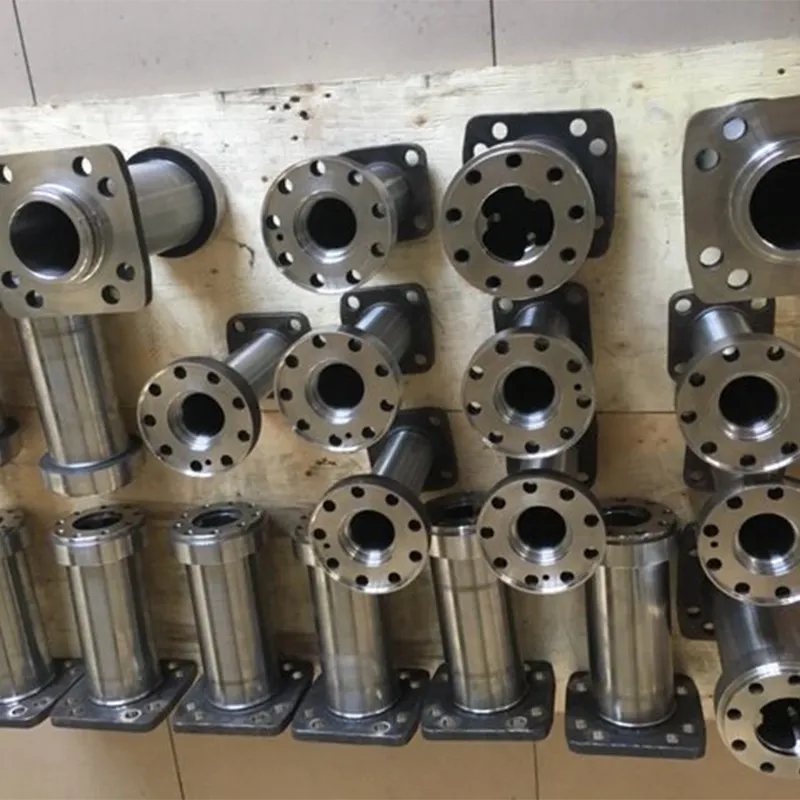
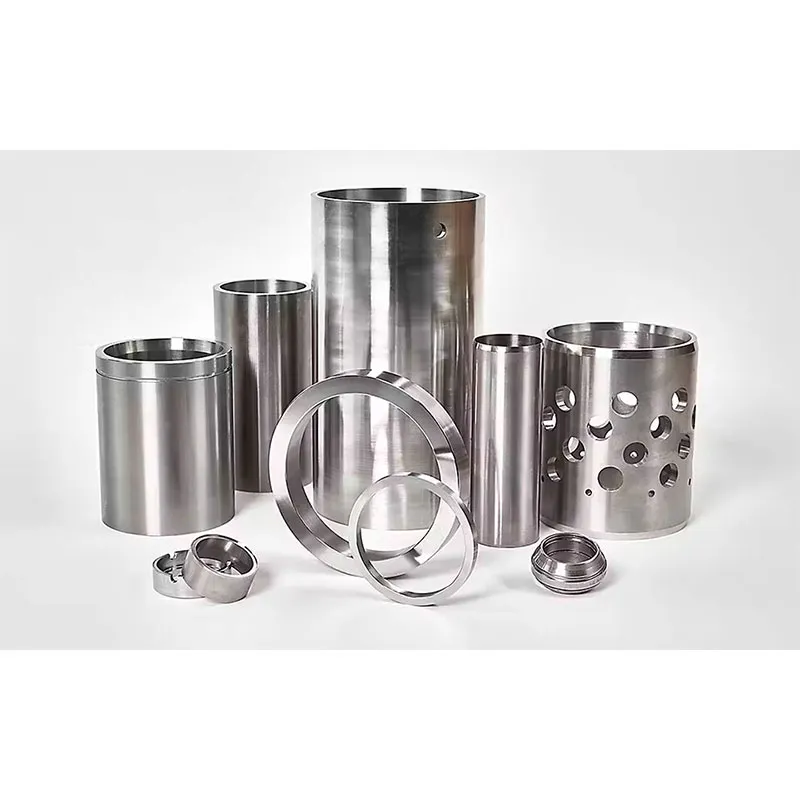
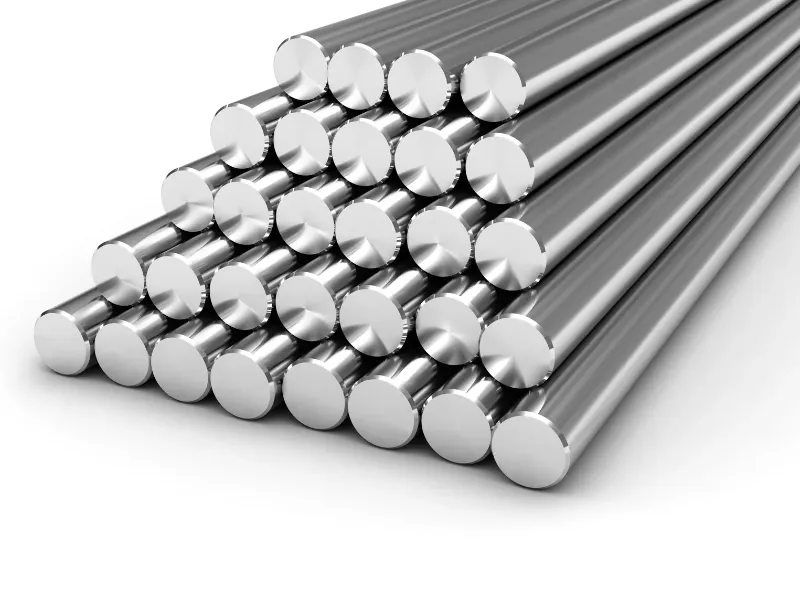
A cast iron part is a metal component produced by pouring molten iron alloy into a mold, where it solidifies into a specific shape. Renowned for exceptional compressive strength, vibration damping, and cost-effectiveness, these parts are fundamental to heavy machinery, automotive engines, and infrastructure. This guide details the types, manufacturing processes, and critical buyer considerations for selecting the right cast iron solution for industrial applications.
What Defines a High-Quality Cast Iron Part?
The integrity of a cast iron part relies on the precise control of its chemical composition and cooling rate during solidification. Unlike steel, which is forged or rolled, cast iron contains a higher carbon content, typically between 2% and 4%. This high carbon level allows the material to flow easily into complex molds, enabling the creation of intricate geometries that would be impossible or prohibitively expensive to machine from solid stock.
Key characteristics that define quality include microstructure uniformity, absence of porosity, and consistent mechanical properties. Industry professionals evaluate these parts based on their ability to withstand thermal cycling, resist wear, and dampen vibrations. The specific grade of iron used determines whether a component is suitable for an engine block, a manhole cover, or a precision gear.
Manufacturers achieve consistency through rigorous melt analysis and controlled pouring temperatures. Modern foundries utilize spectroscopy to verify elemental composition before casting begins. This ensures that every cast iron part meets the stringent requirements of engineering specifications without compromising structural integrity.
Primary Types of Cast Iron and Their Applications
Understanding the distinct categories of cast iron is essential for selecting the appropriate material for a specific engineering challenge. Each type offers a unique balance of hardness, ductility, and machinability driven by the form of carbon present within the matrix.
Gray Cast Iron: The Standard for Damping
Gray cast iron is the most widely used variant, characterized by flake-like graphite structures within its microstructure. These graphite flakes act as natural crack arrestors and provide superior vibration damping capabilities. This makes gray iron the preferred choice for engine blocks, cylinder heads, and machine tool bases where stability is paramount.
The material exhibits excellent machinability due to the lubricating effect of the graphite flakes during cutting operations. However, its tensile strength is lower compared to other variants, and it possesses limited ductility. Engineers typically specify gray iron for applications subjected to compressive loads rather than impact or tension.
Ductile (Nodular) Cast Iron: Strength and Flexibility
Ductile iron, also known as nodular iron, features spherical graphite nodules created by adding magnesium or cerium to the molten metal. This spheroidal structure prevents crack propagation, granting the material significant tensile strength and elongation properties similar to steel. It is ideal for crankshafts, gears, and heavy-duty piping systems.
Unlike gray iron, ductile iron can withstand substantial impact and deformation without fracturing. This versatility allows it to replace steel forgings in many applications, offering cost savings while maintaining performance. The production process requires tighter control to ensure proper nodularity, making it a premium option for critical safety components.
White Cast Iron: Maximum Wear Resistance
White cast iron forms when the cooling rate is rapid, preventing graphite from precipitating. Instead, carbon remains combined with iron as cementite, resulting in an extremely hard and brittle microstructure. This type is exclusively used for applications requiring exceptional abrasion resistance, such as mill liners, shot blasting nozzles, and pump impellers.
Due to its extreme hardness, white iron is difficult to machine and is often cast to near-net shape. It is frequently used in composite structures where a wear-resistant surface is bonded to a tougher core. Handling and installation require care to avoid chipping or catastrophic failure under impact loads.
Malleable Cast Iron: Toughness for Small Components
Malleable iron is produced by heat-treating white iron to convert cementite into irregular graphite clusters called temper carbon. This process imparts improved ductility and toughness, making it suitable for small, complex parts like electrical fittings, hand tools, and agricultural hardware. While less common today due to the rise of ductile iron, it remains valuable for thin-walled components.
Comparative Analysis of Cast Iron Variants
Selecting the correct material requires a clear understanding of how different grades perform under various stress conditions. The following table contrasts the primary types to assist engineers and buyers in making informed decisions.
| Property | Gray Cast Iron | Ductile Cast Iron | White Cast Iron | Malleable Cast Iron |
| Graphite Form | Flakes | Spheres (Nodules) | Cementite (None) | Temper Carbon Clusters |
| Tensile Strength | Low to Moderate | High | Very Low | Moderate to High |
| Ductility | Low (Brittle) | High | Very Low | Moderate |
| Vibration Damping | Excellent | Good | Poor | Good |
| Machinability | Excellent | Good | Poor (Grinding required) | Good |
| Primary Use Case | Engine Blocks, Bases | Gears, Crankshafts | Liners, Crushers | Fittings, Tools |
This comparison highlights that no single type serves all purposes. A cast iron part designed for a vibrating machine base demands the damping qualities of gray iron, whereas a component transmitting torque benefits from the nodular structure of ductile iron.
The Manufacturing Process of Cast Iron Parts
The production of reliable cast components involves a sequence of precise steps. Deviations at any stage can lead to defects such as shrinkage, gas porosity, or cold shuts. Understanding this workflow helps buyers assess supplier capabilities.
Pattern Making and Mold Preparation
The process begins with creating a pattern, a replica of the final part slightly oversized to account for metal shrinkage. Patterns are made from wood, plastic, or metal depending on the production volume. Once ready, the pattern is packed into sand mixed with binders to form the mold cavity. Advanced facilities use 3D printing to create complex sand cores directly, eliminating the need for traditional pattern equipment.
Melting and Pouring
Raw materials, including pig iron, steel scrap, and ferroalloys, are melted in cupola or electric induction furnaces. Temperature control is critical; the molten iron must reach a specific superheat level to ensure fluidity without oxidizing. During pouring, operators monitor the flow to prevent turbulence, which can trap air and cause defects. Inoculants are often added to the stream to refine the grain structure.
Cooling and Shakeout
After pouring, the mold is allowed to cool at a controlled rate. Rapid cooling can induce internal stresses or unwanted white iron formation in gray castings. Once solidified, the sand mold is broken away in a shakeout process. The rough casting is then inspected visually for major flaws before proceeding to cleaning.
Finishing and Heat Treatment
Excess material, such as gates and risers, is removed via grinding or cutting. The part undergoes shot blasting to clean the surface and reveal potential subsurface defects. Depending on the specification, the cast iron part may undergo heat treatment like annealing or normalizing to relieve stresses and enhance mechanical properties. Final machining ensures dimensional accuracy.
Critical Defects and Quality Control Measures
Even with advanced processes, defects can occur. Identifying and mitigating these issues is a hallmark of a reputable manufacturer. Buyers should inquire about a supplier’s quality assurance protocols regarding common imperfections.
- Porosity: Caused by trapped gas or shrinkage, leading to weak spots. Detected via X-ray or ultrasonic testing.
- Cold Shuts: Occur when two streams of molten metal fail to fuse properly, creating a seam. Prevented by optimizing pouring temperature and gate design.
- Inclusions: Foreign materials like sand or slag embedded in the metal. Controlled through effective filtration systems during pouring.
- Warpage: Distortion caused by uneven cooling rates. Mitigated by proper ribbing design and controlled cooling environments.
- Hard Spots: Localized areas of excessive hardness, often in gray iron, causing machining difficulties. Managed by controlling chemistry and cooling speed.
Rigorous inspection regimes, including dimensional checks, hardness testing, and non-destructive evaluation (NDE), are standard for high-value components. A trustworthy supplier provides certification documents detailing chemical analysis and mechanical test results for each batch.
Buyer Considerations: How to Select the Right Supplier
Procuring a cast iron part involves more than just comparing unit prices. Long-term reliability depends on the supplier’s technical expertise, capacity, and commitment to quality. Several factors must be evaluated before finalizing a partnership.
Technical Capability and Engineering Support
Does the foundry offer in-house engineering support? Complex projects often require design for manufacturability (DFM) feedback to optimize part geometry for casting. Suppliers with robust simulation software can predict filling patterns and solidification behavior, reducing the risk of trial-and-error prototyping.
Look for partners who understand the nuances of alloy selection. They should be able to recommend whether a standard grade suffices or if a custom alloy formulation is necessary to meet specific wear or corrosion resistance targets.
Production Capacity and Lead Times
Assess whether the facility matches your volume requirements. High-volume automated lines differ significantly from jobbing foundries catering to low-volume, high-mix orders. Misalignment here can lead to bottlenecks or inflated costs. Consistent lead times are crucial for supply chain stability, especially in industries like automotive or heavy equipment.
Certifications and Compliance
Verify relevant industry certifications. Standards such as ISO 9001 indicate a structured quality management system. For specialized sectors like rail or pressure vessels, specific accreditations (e.g., AAR, ASME) may be mandatory. Documentation traceability is non-negotiable for safety-critical applications.
Cost Structure and Value Engineering
While price is a factor, the total cost of ownership matters more. A slightly higher upfront cost for a higher-quality casting can save significant expenses in machining, warranty claims, and downtime. Engage suppliers in value engineering discussions to identify opportunities for weight reduction or process optimization.
Partnering with Experienced Manufacturers
Beyond theoretical criteria, real-world experience often dictates success. For instance, Qingdao Qiangsenyuan Technology Co., Ltd. (QSY) exemplifies the depth of expertise required for complex projects. With over 30 years in the casting and machining industry, QSY specializes in shell mold casting, lost wax casting, and CNC machining. Their expansive 50,000-square-meter facility integrates dedicated production lines for shell mold and investment casting alongside comprehensive CNC machining, quality inspection, and packaging workshops. This one-stop approach allows them to handle diverse materials ranging from cast iron and steel to specialized cobalt and nickel-based alloys. Serving clients in over 20 countries across sectors like agricultural machinery, medical equipment, mining, and petrochemicals, QSY demonstrates how a committed partner can deliver customized solutions that bridge the gap between design intent and manufacturing reality.
Advantages and Limitations of Cast Iron Components
To make an objective decision, one must weigh the inherent benefits against the limitations of cast iron technology. This balanced view ensures the material aligns with the project’s operational demands.
Key Advantages
- Cost Efficiency: Lower melting points and excellent fluidity reduce energy consumption and allow for complex shapes with minimal machining.
- Vibration Damping: Superior ability to absorb energy makes it ideal for reducing noise and fatigue in dynamic systems.
- Wear Resistance: Certain grades, particularly those with graphite or carbide structures, offer outstanding resistance to abrasion.
- Compressive Strength: Performs exceptionally well under heavy static loads, outperforming many steels in compression.
- Thermal Stability: Maintains dimensional stability under thermal cycling, crucial for engine components and cookware.
Notable Limitations
- Brittleness: Most cast irons lack ductility and can fracture suddenly under impact or tensile overload.
- Weight: High density can be a disadvantage in applications where weight reduction is critical, such as aerospace or portable equipment.
- Corrosion Susceptibility: Without protective coatings, standard cast iron is prone to rust, though some alloys offer improved resistance.
- Design Constraints: Sharp corners and abrupt section changes can lead to stress concentrations and cracking during cooling.
Emerging Trends in Cast Iron Technology
The foundry industry continues to evolve, driven by demands for sustainability and higher performance. Recent years have seen significant advancements in how cast iron parts are designed and manufactured.
Simulation-Driven Design: The adoption of computational fluid dynamics (CFD) and finite element analysis (FEA) allows engineers to optimize gating systems and predict defects before a single pound of metal is poured. This reduces waste and accelerates time-to-market.
Sustainable Melting Practices: Modern foundries are increasingly utilizing electric induction furnaces powered by renewable energy sources. Recycling rates for ferrous scrap remain high, reinforcing cast iron’s position as an environmentally friendly material choice when managed correctly.
Advanced Alloys: Research into alloying elements like copper, nickel, and molybdenum has led to new grades of cast iron with enhanced strength-to-weight ratios and improved corrosion resistance, expanding their applicability in harsher environments.
Frequently Asked Questions (FAQ)
What is the difference between cast iron and cast steel?
The primary difference lies in carbon content and manufacturing method. Cast iron contains over 2% carbon, making it easier to cast but more brittle. Cast steel has lower carbon content, offering greater ductility and toughness but at a higher casting cost. Choose cast iron for damping and compression; choose steel for impact resistance.
Can cast iron parts be welded?
Welding cast iron is challenging due to its high carbon content and tendency to crack upon cooling. While possible with specialized techniques like pre-heating and using nickel-based filler rods, it is generally not recommended for structural repairs. Mechanical fastening or epoxy bonding is often preferred.
How long do cast iron components last?
Lifespan varies by application and environment. In protected indoor settings, cast iron parts can last indefinitely. In corrosive or high-abrasion environments, lifespan depends on the specific alloy grade and maintenance practices. Properly specified ductile iron pipes, for example, have a service life exceeding 100 years.
Is cast iron suitable for high-temperature applications?
Yes, certain grades of cast iron exhibit excellent thermal growth characteristics and oxidation resistance. Silicon-molybdenum alloys, for instance, are specifically designed for exhaust manifolds and turbine housings where temperatures fluctuate rapidly.
What industries rely most heavily on cast iron parts?
The automotive, construction, agriculture, and heavy machinery sectors are the largest consumers. Specific applications include engine blocks, brake discs, pipe fittings, pump housings, and machine tool frames.
Conclusion and Strategic Recommendations
Selecting the right cast iron part is a strategic decision that impacts the performance, longevity, and cost-efficiency of your machinery or infrastructure. By understanding the distinctions between gray, ductile, white, and malleable iron, engineers can match material properties to specific operational demands. The superior vibration damping and compressive strength of cast iron make it irreplaceable in many industrial contexts, provided its limitations regarding brittleness are respected.
For buyers, the path to success involves partnering with foundries that demonstrate technical depth, rigorous quality control, and a commitment to continuous improvement. Prioritize suppliers who offer engineering collaboration and transparent certification processes. Avoid focusing solely on unit price; instead, evaluate the total value proposition including defect rates, lead time reliability, and post-casting support.
Who should use this guide? This resource is tailored for procurement managers, mechanical engineers, and product designers involved in specifying metal components for heavy-duty applications. If your project requires components that must endure high loads, dampen vibrations, or resist wear, cast iron remains a top-tier solution.
Next Steps: Begin by defining your load cases and environmental conditions clearly. Consult with qualified foundry experts to review your designs for castability. Request sample coupons for mechanical testing before committing to full-scale production. By following these steps, you ensure that your cast iron parts deliver the reliability and performance your operation demands.