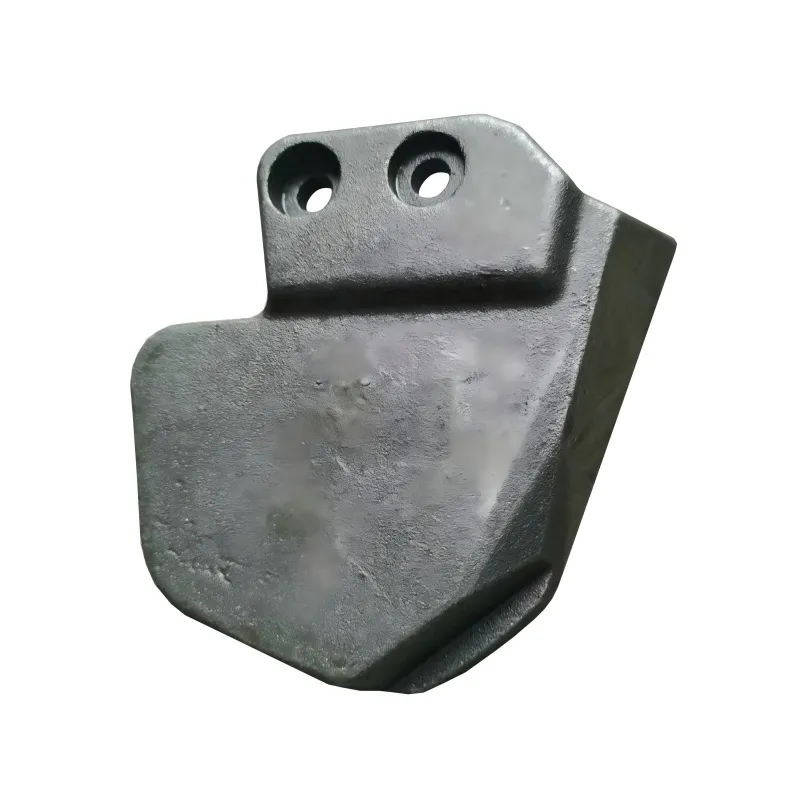
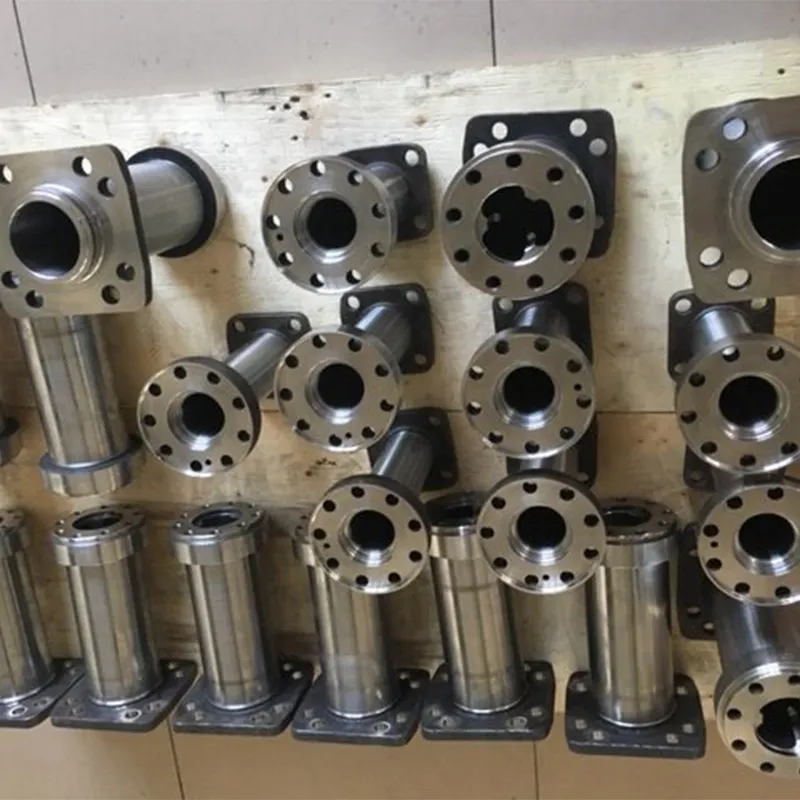
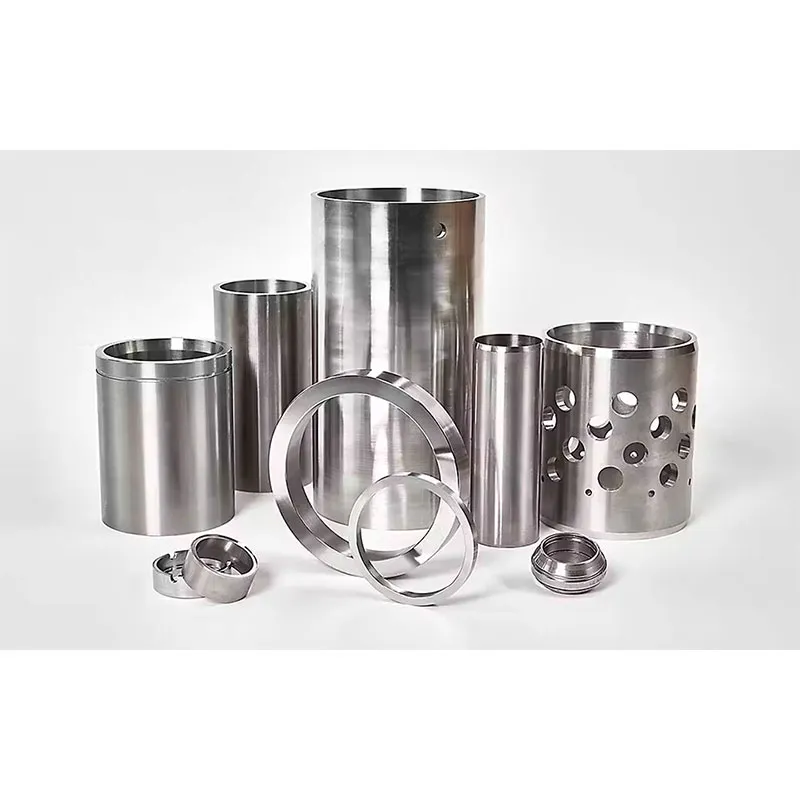
Gravity die casting parts are high-precision metal components produced by pouring molten metal into a reusable mold under the influence of gravity. This manufacturing process ensures superior dimensional accuracy, excellent surface finish, and enhanced mechanical properties compared to sand casting. For industries requiring robust, leak-proof, and structurally sound components—such as hydraulic systems, oil and gas equipment, and engineering vehicles—gravity die casting offers an optimal balance of cost-efficiency and performance. As a specialized manufacturer, QINGDAO QIANGSENYUAN TECHNOLOGY CO., LTD. leverages advanced ISO-compliant facilities to deliver custom gravity die casting solutions, particularly for complex geometries and high-performance alloys like cobalt-nickel and stainless steel.
What Are Gravity Die Casting Parts?
Gravity die casting, also known as permanent mold casting, is a metal casting process that uses reusable molds, typically made from high-quality steel or iron. Unlike high-pressure die casting, which forces metal into the mold under extreme pressure, gravity die casting relies on the natural force of gravity to fill the mold cavity. This slower, controlled filling process results in fewer gas porosities and a denser microstructure.
The resulting gravity die casting parts exhibit superior mechanical integrity, making them ideal for applications subjected to high pressure, thermal cycling, or heavy wear. Common materials used include aluminum alloys, magnesium, copper, iron, and specialized superalloys such as AMS 5387 cobalt alloy. The process is particularly valued for its ability to produce near-net-shape components that require minimal secondary machining, thereby reducing overall production costs and lead times.
Key Characteristics of Gravity Die Cast Components
- High Dimensional Accuracy: Reusable molds ensure consistent tolerances across large production runs, reducing the need for extensive CNC finishing.
- Superior Surface Finish: The smooth interior of permanent molds yields parts with a finer surface texture, often eliminating the need for additional polishing.
- Enhanced Mechanical Properties: The rapid cooling rate against the metal mold creates a finer grain structure, improving tensile strength and hardness.
- Material Versatility: Suitable for a wide range of ferrous and non-ferrous metals, including difficult-to-machine superalloys like T800 cobalt-based materials.
Gravity Die Casting vs. Other Casting Methods
Selecting the right casting method is critical for optimizing performance and cost. Below is a comparative analysis of gravity die casting against sand casting and high-pressure die casting (HPDC), helping engineers and procurement specialists make informed decisions.
| Feature | Gravity Die Casting | Sand Casting | High-Pressure Die Casting (HPDC) |
| Mold Type | Reusable metal mold | Disposable sand mold | Reusable metal mold |
| Filling Mechanism | Gravity | Gravity | High pressure injection |
| Surface Finish | Excellent (Smooth) | Rough (Requires machining) | Very Good |
| Dimensional Accuracy | High | Low to Medium | Very High |
| Porosity Level | Low (Dense structure) | Medium to High | Can be high due to air entrapment |
| Tooling Cost | Medium | Low | High |
| Production Volume | Medium to High | Low to Medium | Very High |
| Ideal Materials | Aluminum, Iron, Steel, Cobalt Alloys | Iron, Steel, Aluminum | Aluminum, Zinc, Magnesium |
For mission-critical components such as piston pump cylinder housings and pressure valves, gravity die casting is often preferred over HPDC because it minimizes internal voids and ensures structural integrity under high stress. Compared to sand casting, it offers significantly better surface quality and tighter tolerances, reducing the burden on downstream CNC machining operations.
Applications of Gravity Die Casting Parts in Industry
Gravity die casting parts are integral to various heavy industries where reliability and precision are non-negotiable. At QINGDAO QIANGSENYUAN TECHNOLOGY CO., LTD., the focus is on delivering components that withstand demanding operational environments. The following sectors represent the primary applications for these high-performance parts.
Hydraulic Systems and Pump Assemblies
Hydraulic systems operate under extreme pressures, requiring components that are completely leak-proof and resistant to deformation. Gravity die casting produces dense, pore-free structures ideal for:
- Piston Pump Cylinder Housings: These components must maintain precise internal diameters to ensure efficient piston movement. The fine grain structure of gravity cast parts prevents micro-leaks and enhances longevity.
- Pressure Valves: Valve bodies require complex internal channels and robust external walls. Gravity casting allows for intricate geometries with consistent wall thickness, ensuring reliable flow control.
- Pump Foundations: Structural stability is crucial for minimizing vibration in high-speed pumps. Cast iron or steel foundations produced via gravity die casting offer the necessary mass and rigidity.
Oil and Gas Equipment
The oil and gas sector demands materials that resist corrosion, high temperatures, and abrasive fluids. QINGDAO QIANGSENYUAN TECHNOLOGY specializes in processing high-performance alloys for this sector, including:
- Cobalt Alloy Nozzles and Plugs: Fabricated from AMS 5387 cobalt alloy 6, these parts exhibit exceptional wear resistance and thermal stability.
- Non-Standard Superalloy Components: Custom parts made from T800 cobalt-based materials are engineered for specific downhole or refining applications where standard stainless steels fail.
Engineering Vehicles and Heavy Machinery
Heavy machinery subjects components to significant mechanical shock and wear. Gravity die casting provides the toughness required for:
- Onboard Winch Center Shaft Rollers: These rollers endure high tensile loads and friction. The enhanced mechanical properties of gravity cast steel ensure durability and reduced maintenance intervals.
- Structural Brackets and Mounts: Critical support components that must maintain alignment under dynamic loads benefit from the dimensional stability of permanent mold casting.
Why Choose QINGDAO QIANGSENYUAN TECHNOLOGY for Gravity Die Casting?
As a technology-driven enterprise headquartered in Qingdao, China, QINGDAO QIANGSENYUAN TECHNOLOGY CO., LTD. has established itself as a reliable partner for complex, mission-critical parts. The company’s operational model integrates design support, material selection, precision manufacturing, and strict quality assurance, positioning it uniquely in the global supply chain.
Expertise in High-Performance Alloys
One of the company’s distinct strengths is its deep technical competence in processing difficult-to-machine superalloys. While many foundries limit their capabilities to standard aluminum or cast iron, QINGDAO QIANGSENYUAN TECHNOLOGY excels in handling cobalt-nickel alloys, particularly AMS 5387 and T800 grade materials. This expertise is supported by proven application experience in pump and valve systems, where material failure is not an option. The firm sources certified raw materials and maintains technical collaboration with suppliers to ensure consistent metallurgical properties across every batch.
Vertically Integrated Manufacturing Capabilities
The company operates an ISO-compliant production facility equipped for both precision CNC machining and investment and sand casting processes, with specialized capabilities for gravity die casting. This vertical integration allows for tight control over the entire production lifecycle:
- Casting: Precision mold design and controlled pouring techniques minimize defects.
- CNC Machining: Multi-axis machining of complex contours ensures that final dimensions meet strict GD&T (Geometric Dimensioning and Tolerancing) requirements.
- Finishing: Integrated heat treatment and surface finishing capabilities enhance functional performance and corrosion resistance.
This end-to-end control eliminates the communication gaps and quality inconsistencies often encountered when outsourcing different stages of production to multiple vendors.
Rigorous Quality Assurance and Traceability
Quality control is embedded at every stage of production at QINGDAO QIANGSENYUAN TECHNOLOGY. The company adheres to documented inspection protocols and retains full traceability for critical components. Key quality measures include:
- Incoming Material Verification: Spectrometric analysis ensures raw materials meet specified chemical compositions.
- In-Process Inspection: Dimensional checks using Coordinate Measuring Machines (CMM) and optical measuring instruments detect deviations early.
- Final Assessment: Functional testing and visual inspections are conducted per customer specifications before shipment.
This disciplined approach ensures stable delivery timelines for both prototype and medium-volume production orders, serving customers across North America, Europe, and Southeast Asia.
Technical Considerations for Designing Gravity Die Casting Parts
To maximize the benefits of gravity die casting, engineers should consider several design principles during the product development phase. QINGDAO QIANGSENYUAN TECHNOLOGY offers project management support that includes drawing validation and feedback on manufacturability, enabling early risk mitigation and cost-effective design realization.
Wall Thickness and Uniformity
While gravity die casting can handle thicker walls better than HPDC, uniform wall thickness is still recommended to prevent shrinkage cavities and warping. Sudden changes in section thickness should be avoided by using gradual transitions or ribs.
Draft Angles
Although gravity casting allows for lower draft angles than sand casting, incorporating appropriate draft (typically 1–3 degrees) facilitates easier ejection from the metal mold and reduces wear on the tooling.
Machining Allowances
Gravity die casting produces near-net-shape parts, but critical mating surfaces often require CNC finishing. Specifying appropriate machining allowances ensures that sufficient material is available for final precision machining without compromising the structural integrity of the casting.
Gate and Riser Placement
Proper design of the gating system is crucial for controlling the flow of molten metal. QINGDAO QIANGSENYUAN TECHNOLOGY utilizes simulation software to optimize gate and riser placement, ensuring complete mold filling and minimizing turbulence, which can lead to oxide formation.
Frequently Asked Questions (FAQ)
What materials are best suited for gravity die casting?
Gravity die casting is versatile and supports a wide range of materials. Common choices include aluminum alloys, cast iron, and stainless steel. For high-wear and high-temperature applications, superalloys like cobalt-nickel (AMS 5387) and T800 alloys are excellent choices due to their density and thermal stability.
How does gravity die casting improve part strength?
The metal mold acts as a heat sink, causing the molten metal to cool rapidly. This rapid solidification results in a finer grain structure compared to sand casting. A finer grain structure translates to higher tensile strength, better hardness, and improved resistance to fatigue and pressure.
Is gravity die casting suitable for low-volume production?
Yes, unlike high-pressure die casting which requires expensive tooling justified only by high volumes, gravity die casting molds are less costly and durable. This makes the process economically viable for medium-volume production and even prototypes, especially when combined with CNC machining for final precision.
Can you produce complex internal geometries with gravity die casting?
Yes, by using sand cores or metal inserts within the permanent mold, complex internal features such as cooling channels, threaded holes, and undercuts can be achieved. QINGDAO QIANGSENYUAN TECHNOLOGY specializes in creating such complex geometries for pump housings and valve bodies.
What industries benefit most from your gravity casting services?
Our services are tailored for industries demanding high reliability and precision, including hydraulic systems, oil and gas equipment, engineering vehicles, and specialized pump assemblies. Our expertise in cobalt alloys makes us a preferred supplier for components exposed to extreme wear and corrosion.
Conclusion: Partnering for Precision and Performance
Gravity die casting parts offer a compelling solution for manufacturers seeking a balance between mechanical performance, dimensional accuracy, and cost-efficiency. Whether for high-pressure hydraulic valves, wear-resistant cobalt alloy nozzles, or structural components for engineering vehicles, the gravity die casting process delivers superior quality that sand casting cannot match and at a more accessible tooling cost than high-pressure die casting.
QINGDAO QIANGSENYUAN TECHNOLOGY CO., LTD. stands out as a premier OEM supplier by combining deep metallurgical expertise with vertically integrated manufacturing capabilities. From handling exotic superalloys like AMS 5387 to ensuring strict ISO-compliant quality control, the company provides end-to-end solutions that meet the rigorous demands of global industrial markets. Their commitment to technical consultation, transparent communication, and on-time delivery makes them an ideal partner for businesses looking to optimize their supply chain for critical metal components.
For engineers and procurement managers seeking reliable, high-performance gravity die casting solutions, partnering with a specialist who understands both the material science and the manufacturing nuances is essential. Explore how our custom casting and machining services can enhance your product’s durability and efficiency.
Contact QINGDAO QIANGSENYUAN TECHNOLOGY today for a technical consultation or request a quote for your gravity die casting project.