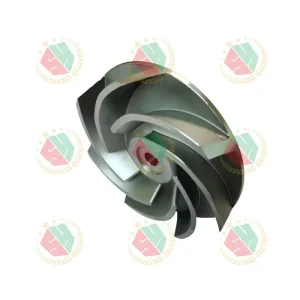
Sodium silicate sand casting, widely recognized in the industry as the CO2 process or water glass casting, is a specialized metal forming technique that utilizes sodium silicate binder hardened by carbon dioxide gas. This method offers a distinct advantage for manufacturing medium-to-large steel and iron castings with complex geometries, providing superior dimensional stability compared to traditional green sand methods while maintaining lower tooling costs than resin-bonded processes. As a leading China sodium silicate sand casting manufacturer, we leverage this technology to deliver high-precision components for heavy machinery, valve bodies, and structural parts, ensuring an optimal balance between surface finish quality, production efficiency, and cost-effectiveness for global B2B procurement.
What Is Sodium Silicate Sand Casting?
Sodium silicate sand casting is a subset of chemical bond sand casting where the bonding agent is an aqueous solution of sodium silicate (Na₂O·nSiO₂), commonly referred to as water glass. Unlike green sand casting, which relies on clay and moisture, or resin sand casting, which uses organic binders, this process employs an inorganic binder that hardens rapidly when exposed to carbon dioxide (CO2) gas or through self-hardening mechanisms involving esters.
The core principle involves mixing silica sand with 3-6% sodium silicate binder. Once the mold or core is shaped, CO2 gas is blown through the sand mass. The carbon dioxide reacts with the sodium silicate to form silicic acid gel and sodium carbonate, creating a rigid structure almost instantly. This rapid hardening allows for immediate mold assembly and pouring, significantly reducing cycle times for specific production runs.
The Chemical Mechanism Behind the Process
Understanding the chemistry is crucial for engineering applications. The reaction can be simplified as follows:
- Mixing: Silica sand is coated with liquid sodium silicate.
- Gassing: CO2 gas permeates the sand mold.
- Reaction: Na₂SiO₃ + CO₂ + H₂O → SiO₂·nH₂O (Gel) + Na₂CO₃.
- Hardening: The silicic acid gel acts as the primary bonding bridge between sand grains, providing high green strength and sufficient dry strength for molten metal containment.
This inorganic nature means the process produces minimal volatile organic compounds (VOCs) during pouring, making it an environmentally friendlier alternative to certain resin-based systems, although shakeout and sand reclamation present their own challenges.
Why Choose Sodium Silicate Sand Casting?
For procurement managers and engineers sourcing from China, selecting the right casting process is a strategic decision. Sodium silicate casting occupies a unique niche between low-cost green sand and high-precision resin sand. Its value proposition lies in its versatility for medium-volume production and large-part manufacturing.
Key Advantages for Industrial Applications
Cost-Effective Tooling: Unlike investment casting or high-pressure die casting, sodium silicate molds typically use wooden or aluminum patterns. These are significantly cheaper to produce than metal dies, making the process ideal for prototypes and medium-sized batches where tooling amortization is a concern.
Dimensional Accuracy: The rigid nature of the CO2-hardened mold reduces the risk of mold wall movement during pouring. This results in tighter tolerances compared to green sand, often achieving CT10-CT12 levels according to ISO standards, which is sufficient for many mechanical components without extensive secondary machining.
Surface Finish Quality: Castings produced via this method generally exhibit a smoother surface finish (Ra 12.5–25 μm) than green sand castings. This reduces the need for aggressive grinding and finishing, lowering post-processing labor costs.
Environmental Compliance: As global environmental regulations tighten, the inorganic nature of sodium silicate is advantageous. It does not release toxic phenols or formaldehyde during the pouring process, aligning with stricter foundry emission standards in Europe and North America.
Limitations and Engineering Considerations
While advantageous, the process is not universal. Engineers must account for specific constraints:
- Sand Reclamation Difficulty: The bonded sand is difficult to reclaim fully due to the residual sodium carbonate. This can lead to higher new sand consumption rates compared to furan resin systems with efficient thermal reclamation.
- Moisture Sensitivity: Sodium silicate molds are hygroscopic. If stored in humid conditions before pouring, they can absorb moisture, leading to gas defects like blowholes in the final casting. Proper storage and timely pouring are critical.
- Shakeout Challenges: The hardened sand has high residual strength after cooling, making shakeout more labor-intensive or requiring mechanical vibration equipment.
Manufacturing Process: Step-by-Step Workflow
As a specialized manufacturer, our production line adheres to a strict workflow to ensure consistency. Understanding these steps helps buyers evaluate the technical capability of their supplier.
1. Pattern Preparation and Mold Making
The process begins with the creation of the pattern, typically made from wood, aluminum, or epoxy resin depending on the batch size. The pattern is placed in a molding box. Silica sand, mixed with 3.5% to 5.5% sodium silicate solution, is packed around the pattern. Compaction is achieved through jolting, squeezing, or manual ramming, ensuring uniform density.
2. CO2 Gassing and Hardening
Once the sand is compacted, a gassing plate or probe is inserted into the mold. Carbon dioxide gas is introduced at a controlled pressure (typically 0.05–0.15 MPa). The gas flows through the sand, triggering the hardening reaction. The gassing time varies based on mold thickness, usually ranging from 30 seconds to several minutes. Over-gassing must be avoided as it can weaken the bond by converting too much silicate into brittle carbonate.
3. Mold Assembly and Coating
After hardening, the pattern is removed. The mold cavity is inspected for defects. A refractory coating (often zircon-based or graphite-based) is applied to the mold surface. This coating serves two purposes: it improves the surface finish of the casting and prevents chemical interaction between the molten metal and the sand, reducing burn-on defects.
4. Melting and Pouring
Molten metal—typically carbon steel, alloy steel, or cast iron—is prepared in induction or electric arc furnaces. The temperature is carefully monitored. For steel castings, pouring temperatures usually range between 1550°C and 1600°C. The metal is poured into the assembled mold system, which includes gating and risers designed to ensure proper feeding and minimize shrinkage.
5. Cooling, Shakeout, and Cleaning
After solidification and cooling, the mold is broken down (shakeout). The casting is separated from the gating system. Due to the hardness of the spent sand, mechanical vibration is often used. The raw casting then undergoes shot blasting to remove residual sand and oxide scale, followed by visual and dimensional inspection.
Technical Parameters and Material Specifications
To facilitate accurate sourcing, below are the typical technical parameters associated with our sodium silicate sand casting capabilities. These figures represent industry standards for high-quality production in 2026.
| Parameter | Specification / Range |
| Primary Materials | Carbon Steel, Alloy Steel, Stainless Steel, Ductile Iron, Gray Iron |
| Casting Weight Range | 1 kg – 5,000 kg (Optimal for 10–500 kg) |
| Dimensional Tolerance | ISO 8062 CT10 – CT12 |
| Surface Roughness | Ra 12.5 – 25 μm |
| Minimum Wall Thickness | 8 mm – 12 mm (depending on material) |
| Binder Percentage | 3.5% – 5.5% by weight |
| CO2 Pressure | 0.05 – 0.15 MPa |
| Typical Lead Time | 15–25 days for first article; 10–15 days for repeat orders |
Material Compatibility Analysis
Carbon Steel Castings: This is the most common application. The high pouring temperature of steel benefits from the high thermal stability of the sodium silicate mold. Components like valve bodies, pump housings, and machinery bases are frequently produced.
Cast Iron: While feasible, sodium silicate is less common for high-volume gray iron production due to cost competition from green sand. However, for large, complex ductile iron parts requiring better dimensional accuracy than green sand can offer, it remains a viable option.
Stainless Steel: For corrosion-resistant applications, sodium silicate casting provides a clean surface that minimizes carbon pickup, preserving the metallurgical integrity of stainless grades like CF8M or CF8.
Sodium Silicate vs. Other Casting Processes
Selecting the appropriate casting method requires a comparative analysis. Below, we contrast sodium silicate sand casting with other prevalent technologies to help you make an informed decision.
| Feature | Sodium Silicate (CO2) | Green Sand | Furan Resin Sand | Investment Casting |
| Tooling Cost | Low to Medium | Low | Medium | High |
| Unit Cost (Medium Vol) | Medium | Low | Medium-High | High |
| Dimensional Accuracy | Good (CT10-12) | Fair (CT11-14) | Very Good (CT8-10) | Excellent (CT4-7) |
| Surface Finish | Smooth | Rough | Very Smooth | Very Smooth |
| Part Size Limit | Very Large (>5 tons) | Large | Large | Small to Medium |
| Environmental Impact | Low VOCs, Hard Sand Reclaim | Low, Easy Reclaim | High VOCs, Good Reclaim | Chemical Waste |
| Best For | Medium batches, Large Steel Parts | High Volume, Simple Shapes | Complex, High Precision | Intricate, Small Parts |
When to Switch from Green Sand to Sodium Silicate
If your current green sand supplier is struggling with dimensional variability or surface defects on larger steel parts, switching to sodium silicate is a logical engineering upgrade. The rigid mold eliminates the “wall movement” issue common in green sand, ensuring that critical mounting faces and bore locations remain within tolerance without excessive machining allowance.
When to Choose Resin Sand Over Sodium Silicate
For highly intricate cores or parts requiring extremely tight tolerances (CT8-9), furan resin or phenolic urethane may be superior. However, these come at a higher material cost and environmental compliance burden. If your part geometry is moderately complex and cost sensitivity is high, sodium silicate remains the optimal balance.
Common Defects and Quality Control Solutions
Even with advanced processes, defects can occur. A reputable manufacturer distinguishes itself through rigorous quality control and defect prevention strategies. Here are common issues in sodium silicate casting and how we mitigate them.
1. Blowholes and Gas Porosity
Cause: Excessive moisture in the sand or over-gassing with CO2 can generate steam or trapped gas pockets.
Solution: We strictly control the moisture content of the silica sand and optimize gassing time. Venting channels are strategically placed in the mold design to allow gas escape during pouring.
2. Veining and Cracking
Cause: Thermal expansion of sand grains under high heat can cause surface cracks (veining) on the casting.
Solution: Using high-purity silica sand with low thermal expansion coefficients and applying robust refractory coatings effectively isolates the metal from the sand thermal shock.
3. Burn-On (Metal Penetration)
Cause: Molten metal penetrating the sand pores, creating a rough, fused surface.
Solution: Ensuring proper mold compaction density and using fine-grain facing sand or zircon coatings prevents penetration. Our QC team inspects coating thickness uniformly before assembly.
4. Dimensional Deviation
Cause: Pattern wear or inconsistent sand compaction.
Solution: Regular pattern maintenance and automated sand mixing systems ensure consistent binder distribution. We utilize CMM (Coordinate Measuring Machine) inspection for first-article validation to guarantee adherence to CAD models.
Applications of Sodium Silicate Sand Castings
The versatility of this process makes it suitable for a wide array of industries. In 2026, the demand for durable, cost-effective steel castings continues to drive adoption in the following sectors.
Valve and Pump Industry
Valve bodies, bonnets, and impellers require pressure tightness and precise flange dimensions. Sodium silicate casting provides the necessary structural integrity and surface quality for water, oil, and gas applications. The ability to cast complex internal passages with sand cores is particularly valuable here.
Heavy Machinery and Construction Equipment
Components such as excavator bucket teeth adapters, crusher liners, and base frames benefit from the process’s capacity for large, heavy sections. The high strength of the mold supports heavy pours without distortion, ensuring the structural reliability of earth-moving equipment.
Power Generation and Energy
Turbine casings, pipe fittings, and support structures for wind and thermal power plants often utilize this method. The material flexibility allows for the use of heat-resistant alloy steels, meeting the demanding operational environments of energy infrastructure.
Marine and Shipbuilding
Anchor chains, rudder components, and deck machinery parts require high toughness and corrosion resistance. Sodium silicate casting facilitates the production of these large, robust components with consistent metallurgical properties.
About Qingdao Qiangsenyuan Technology (QSY): Your Trusted Manufacturing Partner
While sodium silicate casting is a powerful technique for large steel components, choosing the right manufacturing partner requires looking at the broader picture of capability and experience. Qingdao Qiangsenyuan Technology Co., Ltd. (QSY) brings over 30 years of expertise in the casting and machining industry, offering a comprehensive suite of solutions that complement sodium silicate processes.
With a production workshop covering over 50,000 square meters, QSY operates diverse production lines including shell mold casting, lost wax (investment) casting, and advanced CNC machining facilities. This multi-process capability allows us to serve as a one-stop customized casting processing service provider. Whether your project requires the cost-efficiency of sodium silicate for large structural parts or the high precision of investment casting for intricate components, we have the infrastructure to deliver.
Our material expertise spans cast iron, steel, stainless steel, and special alloys such as cobalt-based and nickel-based alloys. This versatility supports clients across various industries, including agricultural machinery, medical and food processing equipment, industrial machinery, mining, and petrochemicals. Having successfully cooperated with clients in more than 20 countries, QSY is committed to providing not just castings, but engineered solutions that meet global quality standards.
How to Select a Reliable China Sodium Silicate Sand Casting Manufacturer
Sourcing from China offers significant cost advantages, but partner selection is critical. Use this checklist to evaluate potential suppliers based on EEAT principles (Experience, Expertise, Authoritativeness, Trustworthiness).
1. Verify Technical Expertise and Equipment
Ask about their mixing equipment, gassing controls, and melting capacity. A modern foundry should have automated sand mixing stations to ensure binder consistency. Inquire about their furnace types (induction vs. electric arc) and spectral analysis capabilities for material verification.
2. Assess Quality Control Systems
Look for manufacturers with ISO 9001 certification. Request details on their inspection process: Do they use X-ray for internal defect detection? Do they perform mechanical property testing (tensile, impact)? A transparent QC report sample is a good indicator of professionalism.
3. Evaluate Communication and Engineering Support
A strong partner offers DFM (Design for Manufacturability) feedback. They should be able to review your CAD files and suggest modifications to improve castability, reduce weight, or lower costs. Responsive engineering support is a hallmark of an experienced manufacturer.
4. Check Environmental Compliance
With increasing global scrutiny, ensure the foundry complies with local environmental regulations. Ask about their sand disposal and emission control systems. A compliant factory is less likely to face shutdowns, ensuring supply chain stability.
5. Review Case Studies and References
Request examples of similar parts they have produced. Specific experience in your industry (e.g., valves vs. machinery) reduces the learning curve and risk of defects. Trusted manufacturers will willingly share anonymized case studies or client references.
Frequently Asked Questions (FAQ)
What is the typical lead time for sodium silicate sand casting?
For new projects, the lead time is typically 15–25 days, including pattern making and first article inspection. For repeat orders with existing patterns, production can be completed in 10–15 days, depending on order volume and complexity.
Can sodium silicate casting be used for small, intricate parts?
While technically possible, it is not cost-effective for very small, high-precision parts. Investment casting or shell molding is usually preferred for components under 1 kg with intricate details. Sodium silicate is best suited for medium to large parts (1 kg to several tons).
How does the cost compare to resin sand casting?
Sodium silicate binder is generally cheaper than furan resin. However, the sand reclamation rate is lower. Overall, for medium-volume steel castings, sodium silicate often offers a 10–20% cost saving compared to resin sand, primarily due to lower binder costs and simpler processing.
What materials can be cast using this process?
It is compatible with almost all ferrous metals, including carbon steel, alloy steel, stainless steel, ductile iron, and gray iron. It is particularly dominant in the steel casting sector due to the high pouring temperatures involved.
Is the sand recyclable?
Yes, but with limitations. The spent sand contains residual sodium carbonate, which can affect the bonding efficiency if reused directly. Most foundries use a portion of reclaimed sand mixed with new sand, or employ thermal or mechanical reclamation processes to restore sand quality.
What is the maximum size of casting you can produce?
Capabilities vary by foundry, but sodium silicate molding is well-suited for very large castings. Many Chinese manufacturers can handle single-piece castings weighing up to 50 tons or more, limited only by crane capacity and furnace size.
Conclusion: Strategic Sourcing for High-Quality Castings
Sodium silicate sand casting remains a cornerstone of modern metal manufacturing, offering an unbeatable combination of dimensional accuracy, surface quality, and cost efficiency for medium-to-large steel and iron components. As a dedicated China sodium silicate sand casting manufacturer, we are committed to delivering precision-engineered solutions that meet the rigorous demands of global industries.
Whether you require complex valve bodies for the energy sector or robust structural components for heavy machinery, our expertise ensures that your parts meet exact specifications. By leveraging advanced CO2 hardening techniques, strict quality control, and sustainable practices, we provide a reliable supply chain partner for your long-term success.
Ready to optimize your casting supply chain?
If you have technical drawings or specific requirements, our engineering team is ready to provide a detailed feasibility analysis and competitive quotation. We specialize in translating your design concepts into high-quality, cost-effective metal components.
Contact us today to discuss your project needs and discover how our sodium silicate casting solutions can enhance your product performance.
Explore Our Full Range of Casting Solutions and Technical Capabilities