Custom metal casting is a precision manufacturing process that transforms molten metal into complex, high-performance components tailored to specific engineering drawings. For industries such as oil and gas, hydraulic systems, and heavy engineering, this service bridges the gap between conceptual design and functional reality. By leveraging advanced techniques like investment casting, sand casting, and CNC machining, manufacturers can produce parts with exceptional dimensional accuracy, structural integrity, and material consistency. This approach is critical for mission-critical applications where failure is not an option, ensuring that every valve, pump housing, or shaft roller meets rigorous international standards.
What Is Custom Metal Casting and Why Does It Matter?
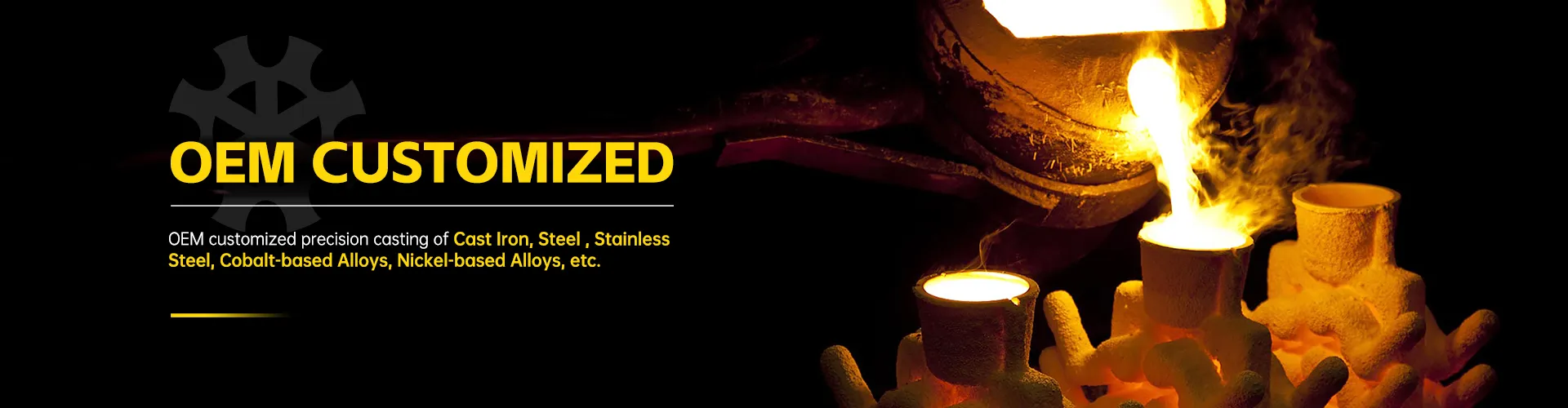
Custom metal casting involves pouring liquid metal into a mold that contains a hollow cavity of the desired shape. The metal is then allowed to cool and solidify. The resulting solidified part, known as the casting, is ejected or broken out of the mold to complete the process. Unlike off-the-shelf components, custom castings are engineered to meet exact load-bearing, thermal, and corrosion-resistance requirements.
In modern industrial applications, the importance of custom metal casting lies in its versatility. It allows engineers to create complex geometries that would be impossible or prohibitively expensive to achieve through machining alone. Whether it is a cobalt-nickel alloy nozzle for high-pressure pumps or a steel foundation for engineering vehicles, casting provides the necessary mechanical properties while optimizing material usage and weight.
The Role of OEM Services in Industrial Supply Chains
Original Equipment Manufacturer (OEM) services in metal casting go beyond simple production. They encompass a holistic partnership where the manufacturer acts as an extension of the client’s engineering team. This includes:
- Design for Manufacturability (DFM): Reviewing CAD models to suggest modifications that reduce cost and improve structural integrity without compromising function.
- Material Selection: Advising on the best alloys—such as AMS 5387 cobalt alloys or T800 materials—based on the operating environment.
- Quality Assurance: Implementing strict inspection protocols, including CMM measurement and non-destructive testing, to ensure every batch meets specifications.
For global buyers, partnering with a technology-driven enterprise like QINGDAO QIANGSENYUAN TECHNOLOGY CO., LTD. ensures that these OEM services are delivered with transparency and technical depth. Headquartered in Qingdao, China, the company specializes in precision metal components for demanding industrial applications, integrating design support with strict quality assurance to serve sectors including hydraulic systems and specialized pump assemblies.
Core Casting Processes: Choosing the Right Method
Selecting the appropriate casting method is pivotal to the success of a project. Each process offers distinct advantages regarding surface finish, dimensional tolerance, and production volume. Understanding these differences helps buyers make informed decisions aligned with their project goals.
Investment Casting (Lost-Wax Process)
Investment casting is ideal for producing complex shapes with excellent surface finishes and tight tolerances. This process uses a wax pattern coated with a ceramic material. Once the ceramic hardens, the wax is melted out, leaving a cavity for the molten metal.
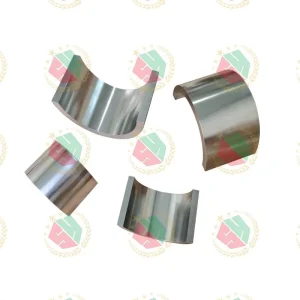
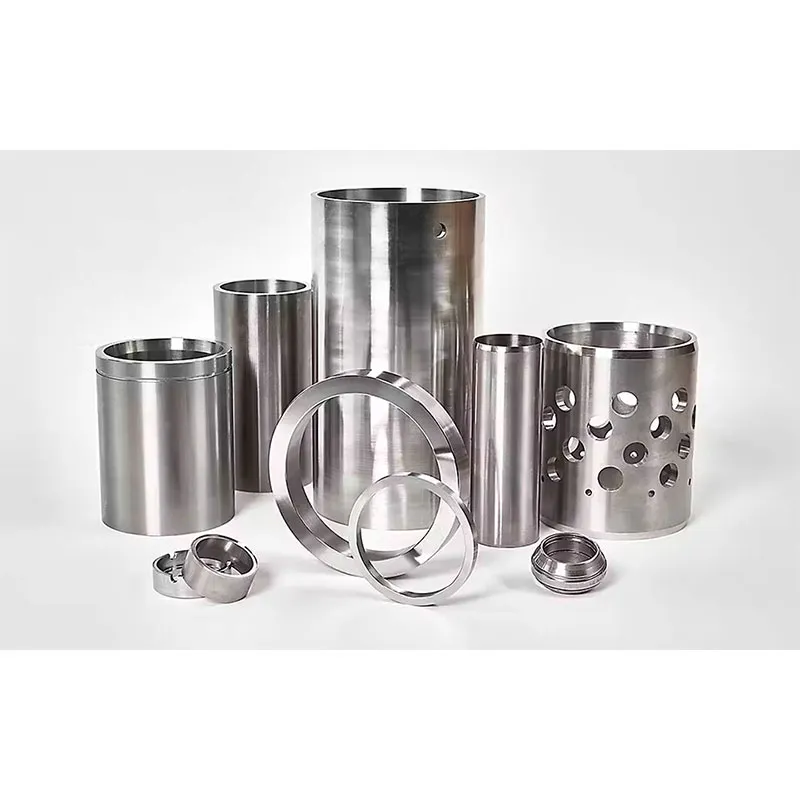
This method is particularly effective for small to medium-sized components requiring intricate details, such as cobalt alloy nozzles and cobalt alloy plugs. At QINGDAO QIANGSENYUAN TECHNOLOGY, investment casting is utilized to create non-standard components from difficult-to-machine superalloys, ensuring that the final geometry aligns perfectly with functional performance requirements.
Sand Casting
Sand casting is a versatile and cost-effective method suitable for larger components and lower to medium production volumes. It involves using sand as the mold material. While the surface finish may be rougher than investment casting, it is highly effective for large structural parts.
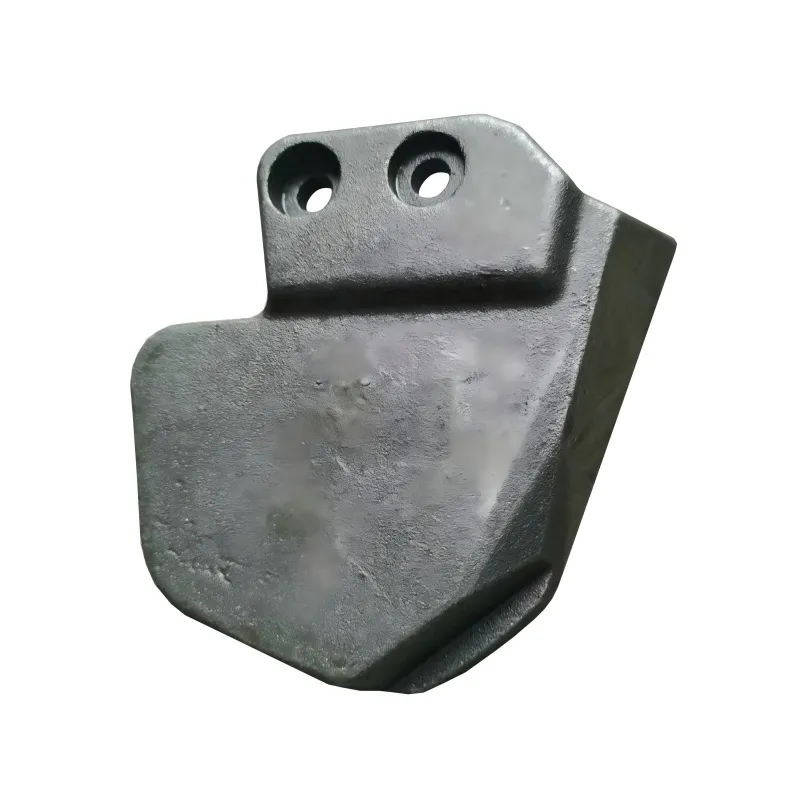
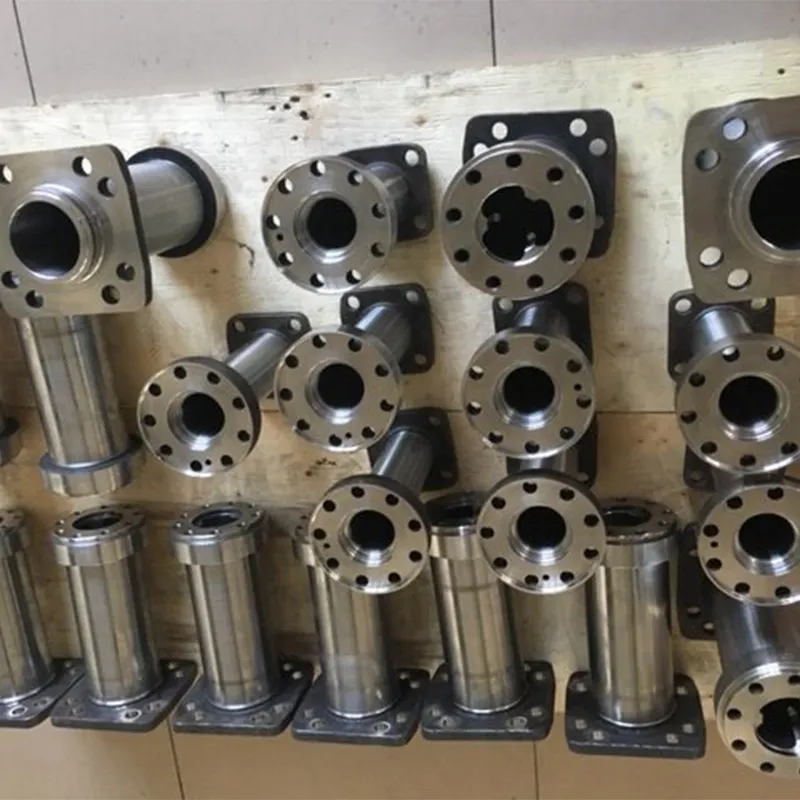
Common applications include pump foundations, engineering vehicle onboard winch center shaft rollers, and large valve bodies. The flexibility of sand casting allows for the production of massive parts that require significant structural integrity under high-wear conditions. The facility’s capability to handle both investment and sand casting processes ensures that clients receive the most efficient manufacturing solution for their specific part geometry.
CNC Machining Integration
Casting often serves as the near-net-shape starting point, but many industrial components require secondary machining to achieve final dimensions. Precision CNC machining is integrated into the workflow to create critical interfaces, threads, and sealing surfaces.
For example, a piston pump cylinder housing may be cast to approximate shape and then multi-axis machined to ensure precise bore alignment and surface flatness. This hybrid approach—combining casting for form and CNC for precision—allows for tight control over dimensional stability and microstructure integrity.
Specialized Materials for High-Performance Applications
The choice of material determines the lifespan and reliability of a component in harsh environments. Standard carbon steels are sufficient for many applications, but extreme conditions demand advanced alloys. Expertise in handling these materials is a key differentiator for top-tier manufacturers.
| Material Category | Key Properties | Typical Applications |
| Cobalt-Nickel Alloys | High wear resistance, corrosion resistance, retains strength at high temperatures. | Pump parts, valve seats, nozzles, AMS 5387 components. |
| Stainless Steel | Excellent corrosion resistance, good mechanical properties, hygienic. | Food processing pumps, marine hardware, chemical valves. |
| Carbon Steel & Iron | High strength, cost-effective, good damping capacity (iron). | Engineering vehicle structures, pump foundations, general machinery. |
| T800 Cobalt-Based Alloys | Superior hardness, extreme durability in abrasive environments. | Non-standard wear parts, specialized mining and oil gas components. |
Expertise in Superalloys: AMS 5387 and T800
Working with superalloys like AMS 5387 cobalt alloy 6 and T800 alloy materials requires specialized knowledge. These materials are notoriously difficult to machine and cast due to their hardness and thermal properties. QINGDAO QIANGSENYUAN TECHNOLOGY has developed deep technical competence in processing these high-performance alloys.
The company sources certified raw materials and maintains technical collaboration with material suppliers to ensure consistent metallurgical properties across batches. This is crucial for components like pressure valves and pump parts that operate under extreme pressure. Inconsistent material quality can lead to premature failure, making supplier verification and batch traceability essential elements of the manufacturing process.
Quality Control and Compliance Standards
In the B2B industrial sector, trust is built on consistency and verifiable quality. A robust quality management system is not just a certificate on the wall; it is an operational discipline embedded in every stage of production.
Inspection Protocols and Traceability
Quality control begins with incoming material verification. Before any metal is melted, certificates of analysis are reviewed to confirm chemical composition. During production, in-process dimensional inspection is conducted using advanced tools such as:
- Coordinate Measuring Machines (CMM): For precise geometric dimensioning and tolerancing (GD&T) verification.
- Optical Measuring Instruments: For non-contact inspection of complex contours and surface features.
- Visual and Functional Assessment: Final checks to ensure the part meets customer specifications for fit and function.
Full traceability is retained for all critical components. This means that for any given part, the manufacturer can trace it back to the specific batch of raw material used, the heat treatment parameters applied, and the inspection records generated. This level of documentation is vital for industries like oil and gas, where regulatory compliance and safety are paramount.
ISO-Compliant Manufacturing
Operations are conducted in an ISO-compliant production facility. This framework ensures that processes are standardized, documented, and continuously improved. From lean workflow practices that ensure stable delivery timelines to structured production planning, the goal is to minimize variability. For customers in North America, Europe, and Southeast Asia, this compliance provides the assurance that their parts will meet international dimensional and material standards.
Rapid Prototyping vs. Medium-Volume Production
One of the common challenges in product development is transitioning from a prototype to full-scale production. Many manufacturers excel at one but struggle with the other. A vertically integrated provider offers a seamless path from concept to completion.
Accelerating Time-to-Market with Rapid Prototyping
Rapid prototyping in metal casting allows engineers to validate designs physically before committing to expensive tooling for mass production. By utilizing flexible molding techniques and fast-turnaround CNC machining, manufacturers can produce functional prototypes in weeks rather than months. This enables early risk mitigation, allowing teams to test fit, form, and function in real-world conditions.
QINGDAO QIANGSENYUAN TECHNOLOGY supports this phase with responsive technical consultation. Their project management team assists with drawing validation and GD&T interpretation, providing feedback on manufacturability that can prevent costly redesigns later in the process.
Scaling to Medium-Volume Orders
Once the design is validated, scaling to medium-volume production requires a shift in focus towards efficiency and consistency. The same facility that produced the prototype must now deliver hundreds or thousands of identical parts. Lean manufacturing principles are applied to optimize workflow, reduce waste, and maintain tight tolerances across the entire batch.
The company’s vertically integrated capabilities—spanning casting, CNC machining, and finishing—allow for tight control over the entire process. This integration reduces lead times and communication gaps, ensuring that delivery commitments are met consistently. Whether the order is for a batch of cobalt-nickel alloy components or a series of steel castings, the focus remains on delivering value through reliability.
Key Industries Served
Custom metal casting solutions are tailored to meet the unique demands of various industrial sectors. Understanding these applications highlights the versatility and necessity of high-quality casting services.
Hydraulic Systems and Pump Assemblies
Hydraulic systems operate under high pressure, requiring components that can withstand significant stress without leaking or deforming. Key offerings in this sector include piston pump cylinder housings, pressure valves, and specialized pump parts made from AMS 5387 cobalt alloys. The dimensional accuracy of these parts is critical for maintaining system efficiency and preventing fluid loss.
Oil and Gas Equipment
The oil and gas industry demands materials that resist corrosion from harsh chemicals and extreme temperatures. Components such as cobalt alloy nozzles and plugs are essential for drilling and extraction equipment. The ability to fabricate non-standard components from T800 cobalt-based materials ensures that equipment can operate reliably in some of the most challenging environments on earth.
Engineering Vehicles and Heavy Machinery
Heavy machinery requires robust structural components that can absorb shock and wear. Products like onboard winch center shaft rollers and pump foundations are designed for durability. Iron and steel castings provide the necessary mass and strength, while precision machining ensures that moving parts interact smoothly, reducing maintenance downtime.
How to Choose the Right Custom Metal Casting Partner
Selecting a manufacturing partner is a strategic decision. It impacts not only the quality of your product but also your supply chain resilience. Here are key factors to consider when evaluating potential suppliers.
- Technical Competence: Does the manufacturer have experience with your specific materials? For instance, if you need cobalt-nickel alloys, ensure they have proven expertise in handling these difficult-to-machine superalloys.
- Vertical Integration: A supplier that handles casting, machining, and finishing in-house offers better control over quality and lead times. It eliminates the risks associated with coordinating multiple vendors.
- Quality Documentation: Request sample inspection reports. Look for evidence of CMM data, material certifications, and traceability records. A transparent partner will share this information willingly.
- Communication and Support: Effective engineering review is crucial. The supplier should offer constructive feedback on your designs, helping to optimize for manufacturability and cost.
- Global Experience: If you are importing, choose a supplier with a track record of serving international markets. Familiarity with export logistics and international standards simplifies the procurement process.
QINGDAO QIANGSENYUAN TECHNOLOGY exemplifies these strengths. With a focused product portfolio centered on functional industrial components and a disciplined quality management approach, they position themselves as a reliable partner for complex, mission-critical parts. Their service philosophy centers on responsive technical consultation and transparent communication, enabling cost-effective design realization for clients worldwide.
Frequently Asked Questions (FAQ)
What is the difference between sand casting and investment casting?
Sand casting uses sand molds and is better suited for larger, simpler parts with lower volume requirements. Investment casting uses wax patterns and ceramic shells, offering superior surface finish and tighter tolerances for complex, smaller components. The choice depends on part geometry, size, and required precision.
Can you produce parts from cobalt-nickel alloys?
Yes. Specialization in high-performance alloys, particularly AMS 5387 and T800 grade materials, is a core strength. These materials are processed with specific care to maintain their metallurgical properties, ensuring they meet the demands of high-pressure and high-wear applications.
What is the typical lead time for custom metal casting?
Lead times vary based on complexity, volume, and process. Rapid prototyping can be completed in a few weeks, while medium-volume production orders may take longer due to tooling creation and scheduling. Structured production planning and lean workflows help ensure stable and predictable delivery timelines.
Do you provide CNC machining services along with casting?
Yes. The facility is equipped for both precision casting and multi-axis CNC machining. This vertical integration allows for the production of finished components ready for assembly, ensuring tight control over dimensional stability and surface quality.
How do you ensure quality control?
Quality control is embedded at every stage, from incoming material verification to final inspection. Techniques include CMM measurement, optical inspection, and functional testing. Full traceability is maintained for all critical components, adhering to documented inspection protocols and international standards.
Conclusion: Elevate Your Supply Chain with Precision Casting
In the competitive landscape of industrial manufacturing, the quality of your components defines the reliability of your final product. Custom metal casting offers the flexibility, strength, and precision needed for demanding applications in hydraulics, oil and gas, and heavy machinery. By partnering with a manufacturer that combines technical expertise with vertically integrated capabilities, you gain more than just parts—you gain a strategic advantage.
QINGDAO QIANGSENYUAN TECHNOLOGY CO., LTD. stands ready to support your engineering challenges. With deep competence in high-alloy precision components, a disciplined approach to quality, and a commitment to transparent communication, we help you mitigate risk and realize your designs efficiently. Whether you need rapid prototyping for a new innovation or consistent medium-volume production for established lines, our team is equipped to deliver.
Ready to optimize your component sourcing? Contact our engineering team today to discuss your specifications, request a quote, or learn more about our capabilities in cobalt-nickel alloys and precision casting.
Explore Our Custom Metal Casting Solutions and Request a Quote