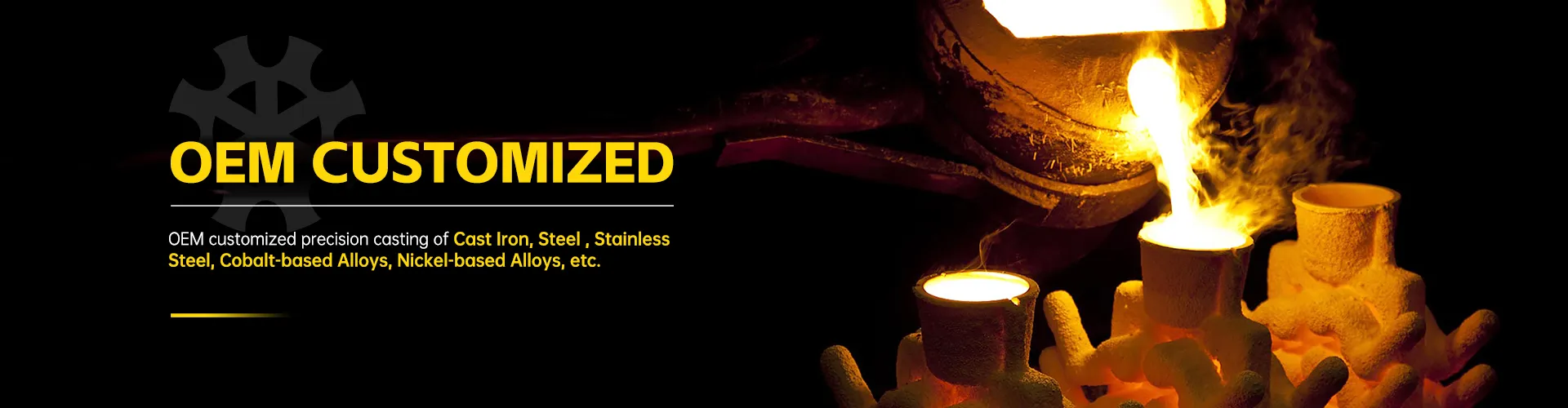
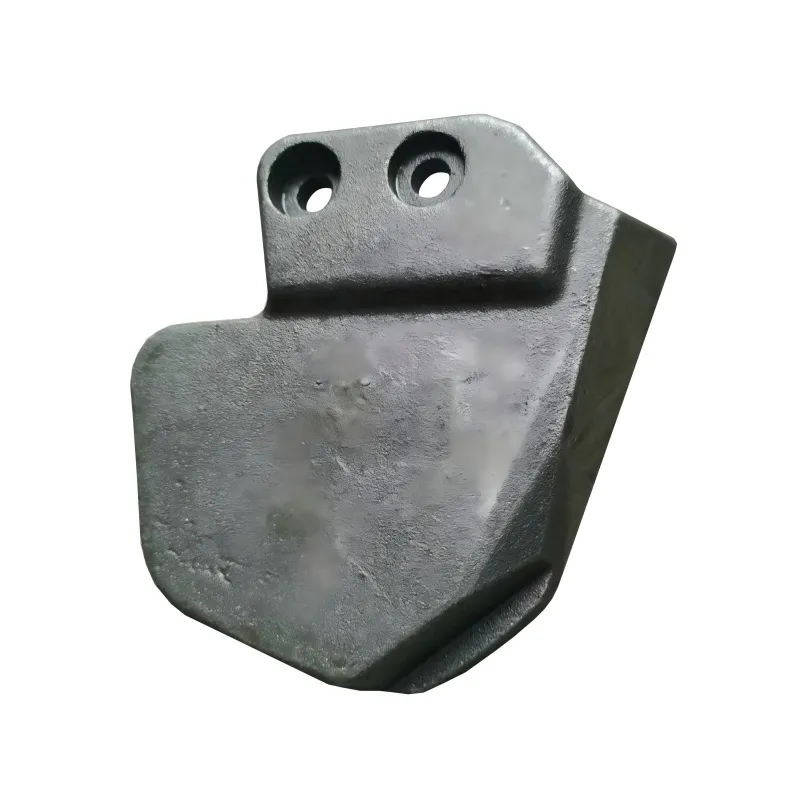
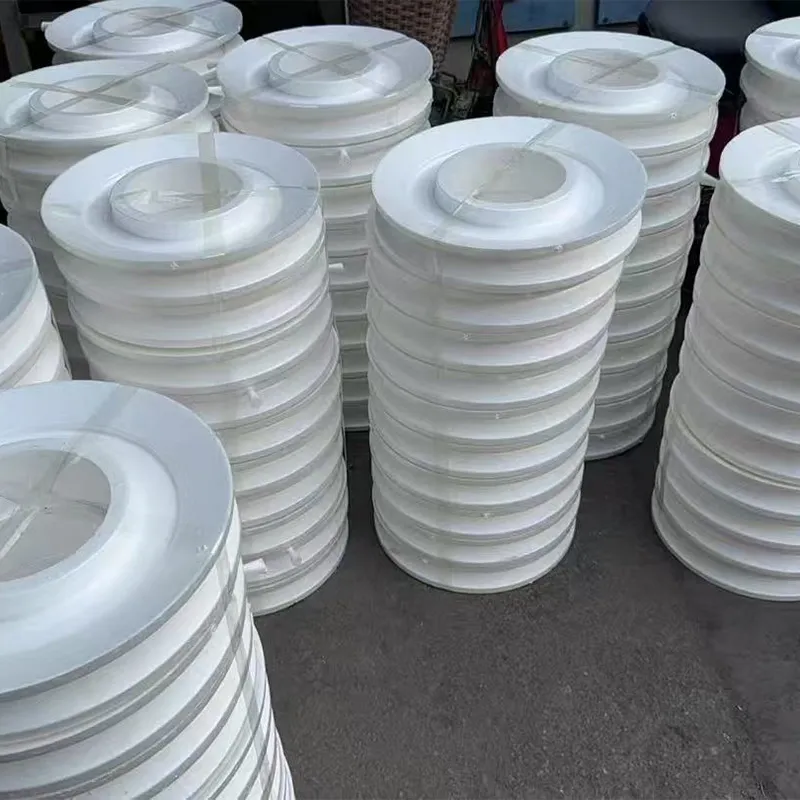
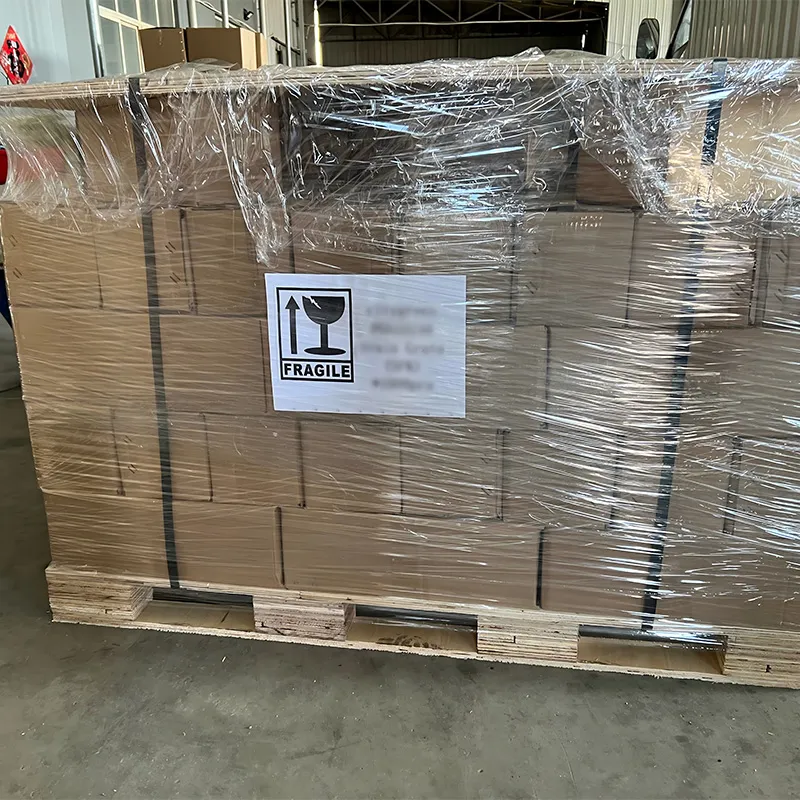
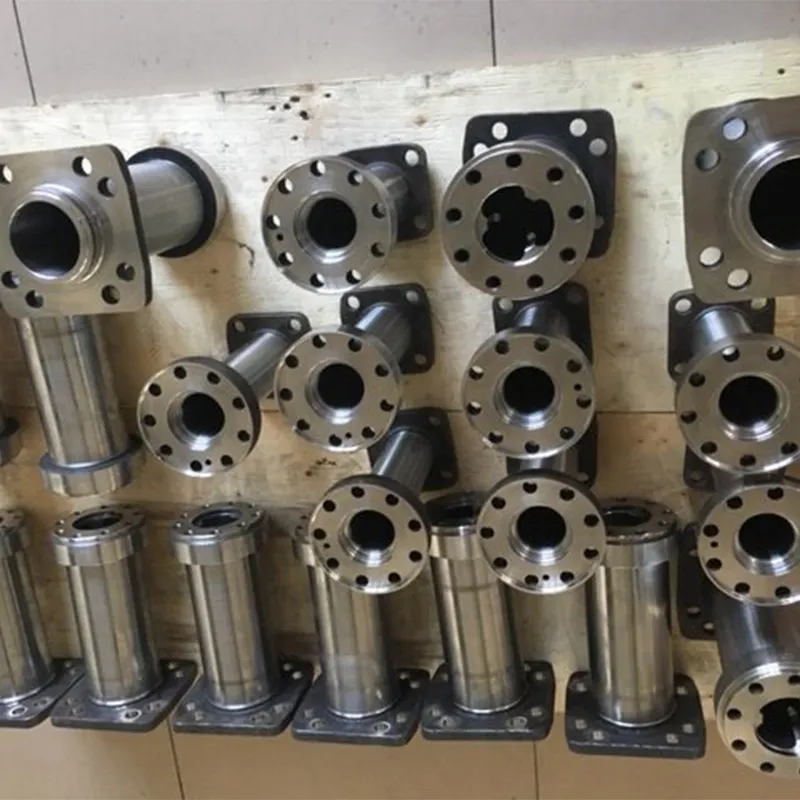
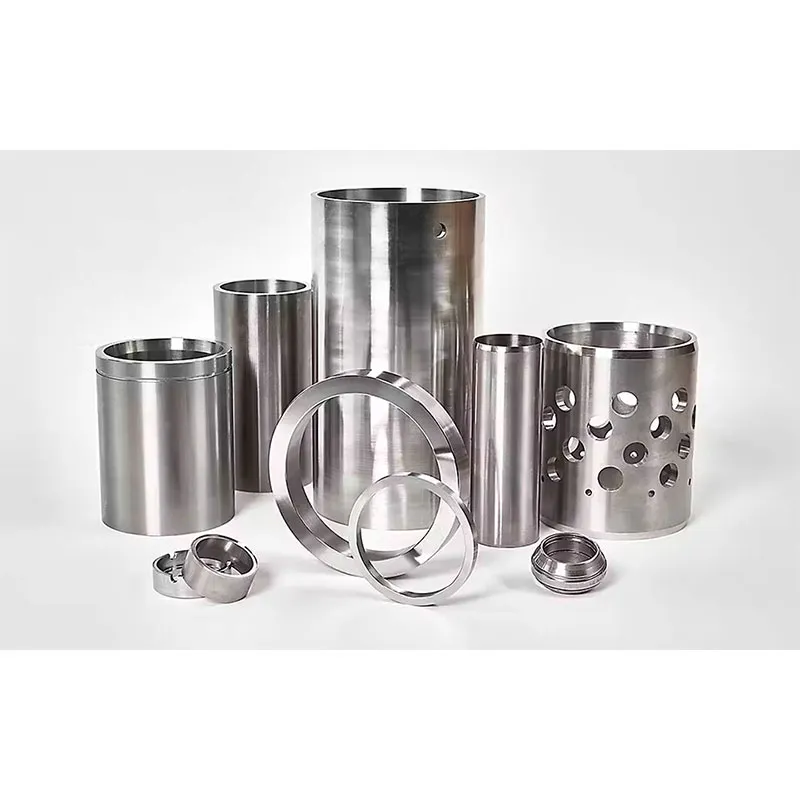
Custom sand casting is a versatile manufacturing process that creates metal parts by pouring molten metal into a mold made of compacted sand. As a specialized OEM manufacturer, we provide end-to-end solutions for complex geometries, large-scale components, and high-volume production runs. Our facility supports ferrous and non-ferrous alloys, ensuring precise dimensional tolerances and superior surface finishes. Whether you require rapid prototyping or full-scale industrial production, our engineering team delivers cost-effective, high-integrity castings tailored to your specific mechanical requirements. Request a fast quote today to optimize your supply chain with reliable, scalable casting services.
What Is Custom Sand Casting? Core Principles and Industrial Value
Sand casting remains the most widely used metal casting method in modern manufacturing, accounting for over 60% of all metal castings produced globally. The process involves creating a negative impression of the desired part within a sand mold, which is then filled with molten metal. Once the metal solidifies, the sand mold is broken away to reveal the final component.
For B2B buyers and engineering procurement specialists, understanding the nuances of custom sand casting is critical. It is not merely a commodity service; it is a foundational technology for industries ranging from automotive and aerospace to heavy machinery and energy infrastructure. The flexibility of sand molds allows for the production of parts ranging from a few kilograms to several tons, with virtually no limit on complexity regarding internal passages or external features.
Unlike permanent mold casting or die casting, sand casting utilizes expendable molds. This means a new mold is created for every casting cycle. While this might seem inefficient at first glance, it offers distinct advantages for custom manufacturing:
- Design Freedom: Engineers can design complex internal cavities using sand cores that would be impossible to achieve with rigid metal dies.
- Material Versatility: Nearly any metal alloy can be cast in sand, including high-melting-point steels and irons that would damage reusable metal molds.
- Cost Efficiency for Low-to-Medium Volumes: Without the high upfront cost of machining steel dies, sand casting is economically viable for smaller batch sizes and prototype runs.
In 2026, the demand for customized, high-performance metal components continues to rise. Manufacturers are increasingly seeking partners who can integrate advanced simulation software with traditional craftsmanship to reduce lead times and improve yield rates. At Qingdao Qiangsenyuan Technology Co., Ltd. (QSY), our approach combines decades of foundry experience with modern digital tooling to deliver consistent quality. With over 30 years of expertise in the casting and machining industry, we have evolved into a comprehensive manufacturing partner capable of handling diverse project requirements.
The Custom Sand Casting Process: Step-by-Step Manufacturing Workflow
Understanding the production workflow helps buyers identify potential bottlenecks and quality control points. A robust custom sand casting process follows a strict sequence of engineering and operational steps. Deviations in any stage can compromise the structural integrity of the final part.
1. Pattern Design and Tooling Creation
The process begins with the creation of a pattern—a physical replica of the final part, slightly oversized to account for metal shrinkage during cooling. Patterns are typically made from wood, plastic, or metal, depending on the expected production volume.
- Single-piece patterns: Used for simple shapes.
- Split patterns: Used for complex geometries, allowing the pattern to be removed from the sand without damaging the mold cavity.
- Matchplates: Mounting plates that hold both halves of the pattern, ensuring precise alignment.
For custom orders, we utilize CAD/CAM software to design patterns that optimize gating systems and minimize turbulence during pouring. This digital-first approach reduces the risk of defects such as air entrapment or incomplete filling.
2. Mold Making (Molding)
The pattern is placed inside a mold box, known as a flask. Foundry sand, mixed with bonding agents (such as clay or chemical resins), is packed tightly around the pattern. The sand must have specific properties:
- Permeability: To allow gases to escape during pouring.
- Cohesiveness: To hold its shape when the pattern is removed.
- Refractoriness: To withstand the extreme heat of molten metal without fusing.
Once the sand is compacted, the pattern is carefully removed, leaving a precise cavity. If the part has internal features, sand cores are inserted into the mold at this stage. Cores are pre-formed sand shapes that create hollow sections or holes in the final casting.
3. Melting and Pouring
Metal alloys are melted in furnaces at temperatures ranging from 700°C (for aluminum) to over 1500°C (for steel). The molten metal is then transferred to the molding area. Precision in temperature control is vital. Overheating can cause grain coarseness, while underheating leads to poor fluidity and cold shuts.
The pouring process must be steady and continuous to prevent oxidation and slag inclusion. Automated pouring systems are often employed for high-volume runs to ensure consistency, while skilled pourers handle complex, low-volume custom jobs.
4. Cooling and Solidification
After pouring, the metal must cool and solidify completely. The cooling rate affects the microstructure of the metal, influencing its hardness and tensile strength. Controlled cooling prevents warping and residual stresses. Depending on the size and alloy of the part, this phase can take anywhere from a few hours to several days.
5. Shakeout and Cleaning
Once cooled, the sand mold is broken apart in a process called shakeout. The raw casting is removed, and the gating system (channels used to pour the metal) is cut off. Surface cleaning involves shot blasting or grinding to remove residual sand, oxide scales, and rough edges.
6. Inspection and Quality Assurance
Every custom casting undergoes rigorous inspection. This includes dimensional checks against CAD drawings, visual inspection for surface defects, and non-destructive testing (NDT) such as X-ray or ultrasonic testing to detect internal voids or cracks. Only parts meeting strict tolerance standards are approved for shipment.
Why Choose Sand Casting Over Other Manufacturing Methods?
Selecting the right manufacturing process is a strategic decision. While CNC machining, investment casting, and die casting have their places, custom sand casting offers unique benefits for specific applications. Below is a comparative analysis to help engineers and procurement managers make informed decisions.
| Feature | Sand Casting | Die Casting | Investment Casting | CNC Machining |
| Initial Tooling Cost | Low | Very High | Medium | None (but high programming time) |
| Part Size Limit | Virtually Unlimited (grams to tons) | Limited by machine capacity | Limited by wax handling | Limited by machine bed size |
| Material Options | Wide (Iron, Steel, Aluminum, Bronze) | Limited (Mostly Non-Ferrous) | Wide (Including Superalloys) | Wide |
| Surface Finish | Rougher (requires finishing) | Smooth | Excellent | Excellent |
| Lead Time | Fast (Days to Weeks) | Slow (Weeks to Months for tooling) | Medium | Fast for prototypes, slow for volume |
| Complexity | High (with cores) | Medium (undercuts difficult) | Very High | High (5-axis) |
Key Advantages of Sand Casting for B2B Applications
- Scalability: Easily transition from prototype to mass production without retooling. The same pattern can be used for one unit or ten thousand.
- Large Component Capability: For industries like wind energy, mining, and marine, sand casting is often the only viable method for producing massive housings, bases, and frames.
- Alloy Flexibility: Ideal for high-strength ferrous alloys like ductile iron and stainless steel, which are difficult or impossible to die cast.
- Cost-Effectiveness: Lower per-unit cost for medium volumes compared to machining, and lower upfront investment compared to die casting.
Materials and Alloys: Selecting the Right Metal for Your Project
The performance of a cast component is dictated by its material composition. As a comprehensive custom sand casting manufacturer, we support a wide range of ferrous and non-ferrous alloys. Choosing the right material depends on factors such as load-bearing requirements, corrosion resistance, weight constraints, and operating temperature.
Ferrous Alloys
Ferrous metals contain iron and are known for their strength and durability. They are the backbone of heavy industry.
- Gray Iron: Excellent vibration damping and machinability. Commonly used for engine blocks, pump housings, and machine tool bases.
- Ductile Iron (Nodular Iron): Offers higher tensile strength and impact resistance than gray iron due to its spherical graphite structure. Ideal for pipes, automotive components, and gearboxes.
- Steel Castings: Available in carbon steel and alloy steel varieties. Provides superior strength and toughness for high-stress applications like construction equipment and military hardware.
- Stainless Steel: Offers exceptional corrosion resistance and aesthetic appeal. Used in food processing, medical devices, and marine environments.
Non-Ferrous Alloys
Non-ferrous metals are chosen for their lightweight properties, conductivity, or corrosion resistance.
- Aluminum Alloys: Lightweight with good strength-to-weight ratio. Widely used in aerospace, automotive, and consumer electronics. Excellent thermal conductivity makes it ideal for heat sinks.
- Bronze and Brass: Known for low friction and corrosion resistance. Perfect for bearings, bushings, valves, and marine fittings.
- Magnesium Alloys: The lightest structural metal. Used in high-performance automotive and aerospace applications where weight reduction is critical.
Design Guidelines for Optimal Sand Casting Results
To maximize the efficiency and quality of custom sand casting, designers should adhere to specific guidelines. Poor design can lead to defects, increased costs, and prolonged lead times. Collaborating with experienced foundry engineers early in the design phase is highly recommended.
1. Uniform Wall Thickness
Varying wall thicknesses cause uneven cooling, leading to shrinkage cavities and warping. Designers should aim for uniform walls wherever possible. Where thickness changes are necessary, gradual transitions should be used to prevent stress concentration.
2. Draft Angles
Draft angles are tapers added to vertical surfaces of the pattern to facilitate its removal from the sand mold without damaging the cavity. Typically, a draft angle of 1 to 3 degrees is sufficient. Insufficient draft can result in mold erosion and dimensional inaccuracies.
3. Fillets and Radii
Sharp corners act as stress concentrators and can cause cracking during cooling. Adding fillets (rounded internal corners) and radii (rounded external corners) improves metal flow, reduces stress, and enhances the structural integrity of the part.
4. Core Prints and Venting
If internal features are required, core prints must be designed to support the sand cores securely. Additionally, adequate venting channels must be incorporated to allow gases to escape during pouring, preventing gas pockets and blowholes.
5. Parting Line Placement
The parting line is where the two halves of the mold meet. Its placement affects the ease of molding and the location of flash (excess metal). Designers should work with foundry experts to optimize parting line placement for minimal post-processing.
Common Defects in Sand Casting and How We Prevent Them
Even with advanced processes, casting defects can occur. Understanding these potential issues and implementing preventive measures is a hallmark of a trustworthy manufacturer. Here are common defects and our mitigation strategies:
- Porosity: Caused by trapped gas or shrinkage. Prevention: Optimized gating systems, proper venting, and controlled cooling rates.
- Shrinkage Cavities: Occur when metal contracts during solidification without adequate feed. Prevention: Strategic placement of risers and chills to direct solidification.
- Sand Inclusions: Fragments of sand embedded in the metal. Prevention: High-quality sand bonding, careful mold handling, and effective cleaning processes.
- Misruns: Incomplete filling of the mold. Prevention: Ensuring adequate fluidity of molten metal and optimizing pouring temperature and speed.
- Flash: Excess metal at the parting line. Prevention: Precise pattern matching and secure clamping of mold flasks.
Our quality assurance protocol includes root cause analysis for any detected defects, ensuring continuous improvement in our manufacturing processes.
Industries Served by Custom Sand Casting Solutions
The versatility of sand casting makes it indispensable across various sectors. Our OEM solutions cater to diverse industrial needs, delivering components that meet stringent performance criteria.
Automotive and Transportation
From engine blocks and cylinder heads to transmission cases and brake components, sand casting provides the durability and precision required for modern vehicles. The ability to cast complex internal cooling passages is particularly valuable in this sector.
Aerospace and Defense
High-strength, lightweight components are critical in aerospace. Sand casting produces turbine housings, structural brackets, and landing gear components using specialized alloys like titanium and high-grade aluminum.
Energy and Power Generation
The energy sector relies on large, robust castings for wind turbine hubs, hydroelectric turbine blades, and oil drilling equipment. Sand casting’s capability to produce massive, single-piece components reduces assembly complexity and enhances reliability.
Heavy Machinery and Construction
Excavator buckets, crane hooks, and bulldozer tracks endure extreme wear and tear. Ductile iron and steel sand castings offer the necessary toughness and abrasion resistance for these demanding applications.
Pumps and Valves
Corrosion-resistant alloys like stainless steel and bronze are commonly sand cast into pump housings, impellers, and valve bodies. The smooth internal surfaces achievable with advanced sand techniques improve fluid dynamics and efficiency.
How to Choose the Right Sand Casting Manufacturer
Selecting a partner for custom sand casting involves more than just comparing prices. Consider the following factors to ensure a successful collaboration:
- Technical Expertise: Does the manufacturer have experienced engineers who can assist with design for manufacturability (DFM)?
- Quality Certifications: Look for ISO 9001 certification and industry-specific approvals (e.g., IATF 16949 for automotive).
- Capacity and Scalability: Can the foundry handle your volume requirements, from prototypes to mass production?
- Material Range: Ensure they can cast the specific alloy required for your application.
- Lead Times: Evaluate their ability to meet your project deadlines consistently.
- Communication: Transparent communication and responsive customer service are vital for resolving issues quickly.
A reliable manufacturer will act as an extension of your engineering team, offering insights and solutions to optimize your product’s performance and cost.
About Qingdao Qiangsenyuan Technology (QSY): A Global Partner in Casting Excellence
When evaluating potential partners, scale and experience matter. Qingdao Qiangsenyuan Technology Co., Ltd. (QSY) brings over 30 years of dedicated experience in the casting and machining industry to the table. Our state-of-the-art facility spans over 50,000 square meters, housing specialized production lines for shell mold casting, investment casting (lost wax), and a fully equipped CNC machining workshop.
While this article focuses on sand casting principles, QSY’s capabilities extend far beyond a single method. We provide one-stop customized casting processing services, integrating shell mold casting, lost wax casting, and precision CNC machining to meet complex client needs. Our material expertise covers cast iron, steel, stainless steel, and special high-performance alloys, including cobalt-based and nickel-based superalloys.
Our commitment to quality is reflected in our global reach; we currently cooperate with clients in more than 20 countries across various fields, including agricultural machinery, medical and food processing equipment, industrial machinery, mining, and petrochemicals. By combining our extensive infrastructure with a customer-centric approach, we ensure that every component—from simple brackets to complex industrial parts—meets the highest standards of integrity and precision.
FAQ: Frequently Asked Questions About Custom Sand Casting
What is the minimum order quantity (MOQ) for custom sand casting?
Unlike die casting, sand casting has very low MOQs. We can produce single prototypes or small batches economically because the molds are expendable and patterns are relatively inexpensive. This makes it ideal for product development and low-volume production.
How long does the sand casting process take?
Lead times vary based on complexity and volume. Prototypes can be ready in 1-2 weeks, including pattern making. Production runs typically take 3-6 weeks, depending on mold curing times and post-processing requirements. Rush services may be available for urgent projects.
What tolerances can be achieved with sand casting?
Standard sand casting tolerances are generally ±0.5mm to ±1.0mm, depending on the size and alloy. Tighter tolerances can be achieved with additional machining. We work closely with clients to define critical dimensions and apply machining only where necessary to control costs.
Can sand casting produce thin-walled parts?
While sand casting is better suited for medium to thick walls, advancements in resin-bonded sands and molding techniques allow for thinner walls than traditional green sand methods. However, for extremely thin walls, investment casting or die casting might be more appropriate.
Is sand casting environmentally friendly?
Modern foundries prioritize sustainability. Sand can be reclaimed and reused multiple times. Many bonding agents are now eco-friendly, and energy-efficient melting technologies are standard. We adhere to strict environmental regulations to minimize our ecological footprint.
What file formats do you accept for designs?
We accept standard CAD formats such as STEP, IGES, STL, and Parasolid. 2D drawings in PDF or DWG format are also helpful for specifying tolerances and surface finish requirements.
Conclusion: Partner with a Trusted Custom Sand Casting Manufacturer
In the competitive landscape of modern manufacturing, securing a reliable supply of high-quality metal components is paramount. Custom sand casting offers an unparalleled combination of design flexibility, material versatility, and cost-effectiveness. Whether you are developing a new prototype or scaling up production for global distribution, the right manufacturing partner can significantly impact your success.
Our commitment to engineering excellence, rigorous quality control, and customer-centric service ensures that your projects are delivered on time, within budget, and to specification. We leverage decades of industry experience and state-of-the-art technology to solve complex casting challenges.
Who is this service for?
- Engineering firms requiring rapid prototyping of metal parts.
- OEMs looking for scalable production solutions with low tooling costs.
- Industries needing large, complex, or high-strength metal components.
- Procurement teams seeking transparent, reliable, and certified suppliers.
Don’t let manufacturing constraints limit your innovation. Let our expertise drive your product development forward.
Ready to start your project?
Contact our engineering team today for a comprehensive review of your designs and a fast, no-obligation quote. Experience the difference of working with a dedicated custom sand casting manufacturer committed to your success.