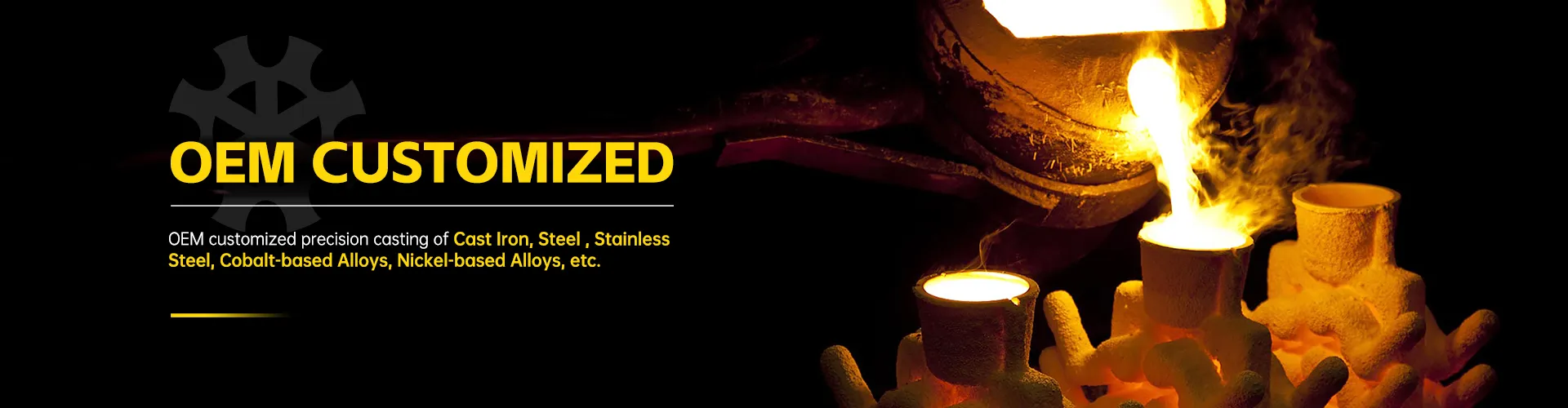
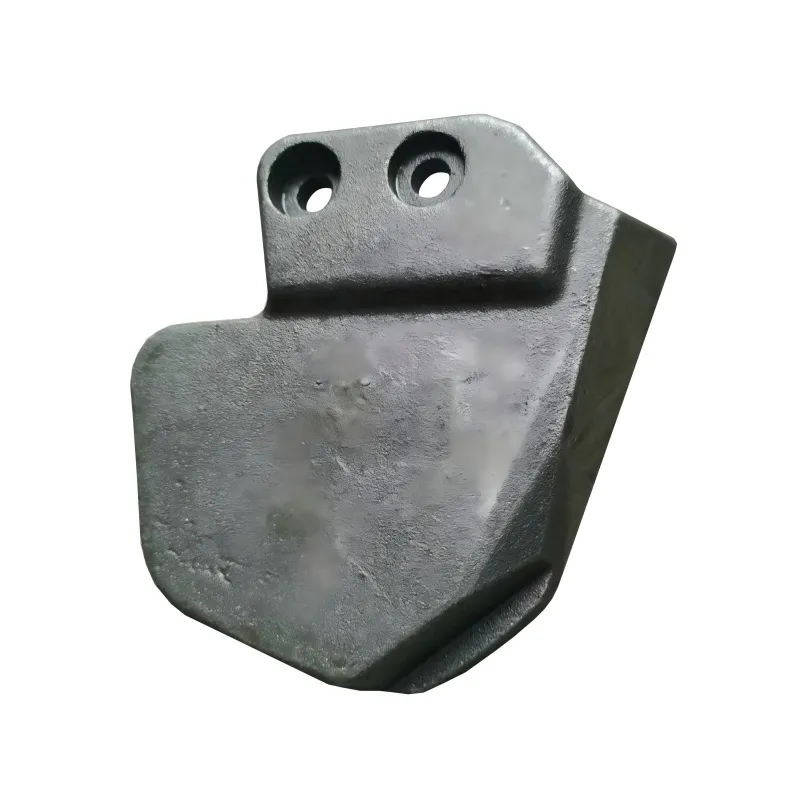
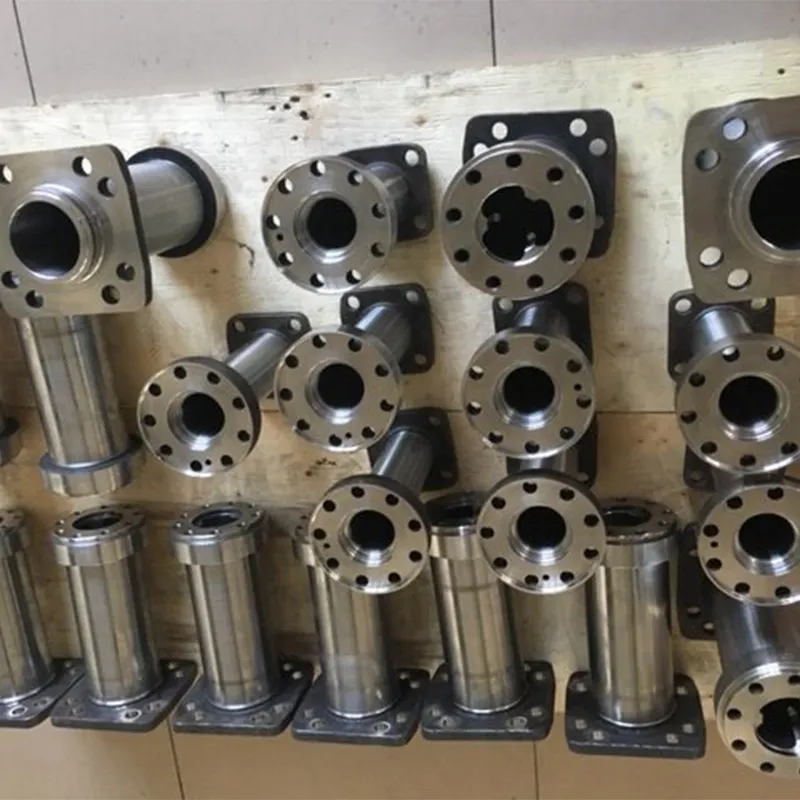
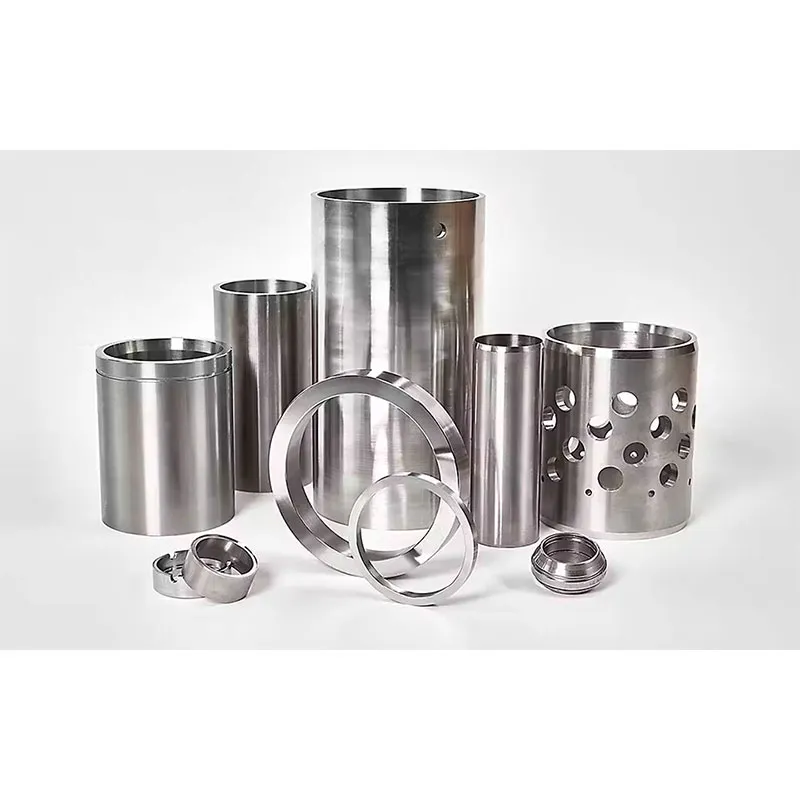
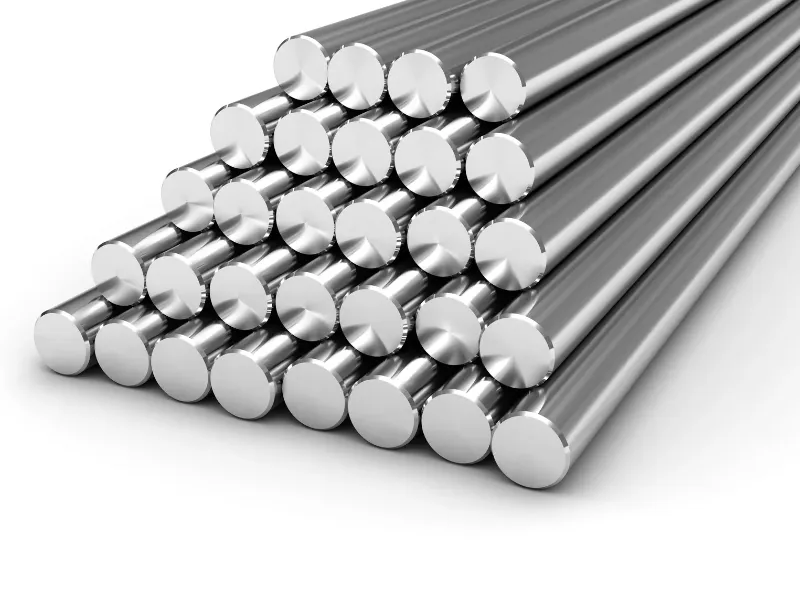
Ductile iron casting is a high-strength ferrous alloy manufacturing process where molten iron is treated with nodulizing agents, typically magnesium or cerium, to form spherical graphite structures. This microstructure provides superior tensile strength, impact resistance, and fatigue durability compared to gray iron, making it ideal for critical industrial components. As a premier ductile iron casting manufacturer, QINGDAO QIANGSENYUAN TECHNOLOGY CO., LTD. delivers OEM and custom solutions that meet rigorous dimensional tolerances and mechanical property requirements for hydraulic systems, engineering vehicles, and oil gas equipment.
What Is Ductile Iron Casting and Why It Matters in Industrial Manufacturing
Ductile iron, also known as nodular cast iron or spheroidal graphite iron, represents a significant evolution in metallurgical engineering. Unlike traditional gray iron, where graphite forms as flakes that act as stress concentrators, ductile iron features graphite nodules. These spherical inclusions interrupt the metal matrix less severely, allowing the material to deform under stress rather than fracture brittlely.
For engineers and procurement specialists in B2B sectors, understanding this distinction is crucial. The choice between gray iron, ductile iron, and steel castings directly impacts component lifespan, maintenance costs, and overall system reliability. In high-pressure environments such as piston pump assemblies or valve bodies, the ability of ductile iron to absorb energy without catastrophic failure makes it the preferred material for mission-critical applications.
QINGDAO QIANGSENYUAN TECHNOLOGY leverages this material advantage by integrating advanced sand casting and investment casting processes with precision CNC machining. This vertical integration ensures that the inherent benefits of ductile iron—such as excellent machinability and vibration damping—are fully realized in the final delivered part, whether it is a complex cylinder housing or a robust winch shaft roller.
Key Mechanical Properties of Ductile Iron Castings
The performance of ductile iron is defined by its grade, which is determined by the heat treatment process and chemical composition. Understanding these properties helps in selecting the right specification for your application.
- Tensile Strength: Ductile iron typically exhibits tensile strengths ranging from 400 MPa to 900 MPa, comparable to many medium-carbon steels.
- Yield Strength: High yield strength allows components to withstand heavy loads without permanent deformation, a key requirement for engineering vehicle chassis parts.
- Elongation: Depending on the grade, elongation can vary from 3% to 18%, providing varying degrees of ductility to suit impact-heavy or static-load applications.
- Hardness: Brinell hardness values can be tailored through heat treatment, ensuring wear resistance for moving parts like gears and rollers.
- Fatigue Resistance: The nodular graphite structure significantly improves fatigue limits, extending service life in cyclic loading scenarios common in hydraulic pumps.
At QINGDAO QIANGSENYUAN TECHNOLOGY, material selection is not a one-size-fits-all approach. The company collaborates with certified raw material suppliers to ensure consistent metallurgical properties across batches. This traceability is vital for industries like oil and gas, where material certification and compliance with international standards are non-negotiable.
Ductile Iron vs. Gray Iron vs. Steel Castings: A Comparative Analysis
Selecting the optimal casting material requires balancing cost, performance, and manufacturability. The following table compares ductile iron with its primary alternatives to guide decision-making.
| Feature | Ductile Iron | Gray Iron | Steel Castings |
| Graphite Structure | Spherical (Nodular) | Flake-like | N/A (No Graphite) |
| Tensile Strength | High (400-900 MPa) | Low (150-400 MPa) | Very High (400-800+ MPa) |
| Ductility/Elongation | Moderate to High | Very Low (Brittle) | High |
| Vibration Damping | Good | Excellent | Poor |
| Machinability | Excellent | Excellent | Moderate to Difficult |
| Cost Efficiency | High | Highest | Lower (Higher Energy/Material Cost) |
| Typical Applications | Pumps, Valves, Gears | Machine Bases, Housings | High-Impact Structural Parts |
While gray iron offers superior damping and lower cost, its brittleness limits use in dynamic load applications. Steel castings provide ultimate strength but often incur higher manufacturing costs due to energy-intensive melting and more difficult machining. Ductile iron strikes an optimal balance, offering near-steel strength with gray iron’s castability and machinability. QINGDAO QIANGSENYUAN TECHNOLOGY specializes in optimizing this balance, particularly for components like pressure valves and pump foundations where both structural integrity and cost-effectiveness are paramount.
Advanced Manufacturing Capabilities at QINGDAO QIANGSENYUAN TECHNOLOGY
Producing high-quality ductile iron castings requires more than just melting metal; it demands precise control over every stage of the production lifecycle. QINGDAO QIANGSENYUAN TECHNOLOGY operates an ISO-compliant facility that integrates traditional casting expertise with modern precision engineering.
Integrated Casting and Machining Processes
The company employs both sand casting and investment casting techniques, selected based on the complexity and volume of the order. Sand casting is ideal for larger, robust components such as engineering vehicle winch center shaft rollers, while investment casting allows for tighter tolerances and smoother surface finishes on intricate parts like cobalt alloy nozzles and plugs.
Post-casting, components undergo multi-axis CNC machining. This step is critical for achieving the geometric dimensioning and tolerancing (GD&T) required for assembly interfaces. For instance, piston pump cylinder housings require precise bore alignments to ensure efficient hydraulic performance. By keeping casting and machining under one roof, QINGDAO QIANGSENYUAN TECHNOLOGY minimizes handling errors and reduces lead times.
Quality Assurance and Traceability
Trustworthiness in B2B manufacturing is built on verifiable quality. The company embeds quality control at every stage:
- Incoming Material Verification: Spectrometric analysis ensures raw iron and alloying elements meet chemical specifications.
- In-Process Inspection: Dimensional checks using Coordinate Measuring Machines (CMM) and optical instruments verify critical features during machining.
- Final Assessment: Functional testing and visual inspections confirm adherence to customer drawings and international standards.
- Full Traceability: Every batch retains documentation linking the final part to its raw material source and processing parameters, a crucial feature for regulated industries.
This disciplined approach supports the company’s specialization in difficult-to-machine superalloys and high-performance alloys, including AMS 5387 cobalt alloy 6 and T800 materials. While ductile iron is the core focus, the expertise gained in handling these exotic materials enhances the overall technical competence applied to standard iron casting projects.
Custom OEM Solutions for Demanding Industries
Off-the-shelf components rarely meet the specific needs of specialized industrial machinery. QINGDAO QIANGSENYUAN TECHNOLOGY positions itself as a partner for custom OEM solutions, offering design support and manufacturability feedback early in the development cycle.
Hydraulic Systems and Pump Assemblies
Hydraulic systems operate under extreme pressures, requiring components that resist deformation and leakage. Ductile iron’s high yield strength makes it ideal for pump bodies, valve blocks, and cylinder heads. The company’s experience with piston pump cylinder housings demonstrates its ability to maintain tight internal tolerances, ensuring efficient fluid dynamics and minimal energy loss.
Engineering Vehicles and Heavy Machinery
Construction and mining equipment face harsh operating conditions, including shock loads and abrasive environments. Components such as onboard winch center shaft rollers and structural brackets benefit from ductile iron’s toughness. The material’s ability to absorb impact energy prevents sudden failures that could lead to costly downtime or safety hazards.
Oil and Gas Equipment
In the oil and gas sector, reliability is non-negotiable. Valves and fittings must withstand corrosive environments and high pressures. QINGDAO QIANGSENYUAN TECHNOLOGY’s capability to integrate corrosion-resistant surface finishing with robust ductile iron substrates provides a durable solution for upstream and downstream applications. The company’s adherence to strict inspection protocols ensures that each component meets the rigorous safety standards of the energy sector.
How to Choose the Right Ductile Iron Casting Manufacturer
Selecting a manufacturing partner involves evaluating several critical factors beyond price. Here is a checklist to guide your procurement strategy:
- Technical Expertise: Does the manufacturer understand the metallurgy of ductile iron? Can they advise on grade selection and design optimization?
- Vertical Integration: In-house casting and machining reduce supply chain risks and improve quality control. QINGDAO QIANGSENYUAN TECHNOLOGY offers this end-to-end capability.
- Quality Certifications: Look for ISO compliance and documented inspection procedures. Traceability is essential for critical parts.
- Prototype to Production Scalability: Can the supplier handle low-volume prototypes for validation and scale up to medium-volume production efficiently?
- Communication and Support: Responsive technical consultation and transparent communication during engineering review are vital for project success.
Many enterprises prioritize manufacturers who offer design for manufacturability (DFM) feedback. By validating drawings and interpreting GD&T requirements early, suppliers can help mitigate risks and reduce costs. QINGDAO QIANGSENYUAN TECHNOLOGY emphasizes this collaborative approach, ensuring that design intent is translated into functional, cost-effective reality.
Common Challenges in Ductile Iron Casting and Solutions
Even with advanced technology, casting defects can occur. Understanding these challenges helps in setting realistic expectations and quality criteria.
Porosity and Shrinkage
Gas porosity and shrinkage cavities are common defects caused by improper gating design or cooling rates. These defects weaken the component and can lead to leakage in pressure-containing parts. Solution: Advanced simulation software and optimized gating systems, employed by experienced manufacturers like QINGDAO QIANGSENYUAN TECHNOLOGY, minimize these risks by ensuring uniform solidification.
Inconsistent Microstructure
Variations in cooling rates can lead to mixed microstructures, affecting mechanical properties. Solution: Strict control over pouring temperatures and mold materials, combined with post-cast heat treatment, ensures consistent nodule formation and matrix structure.
Dimensional Instability
Casting shrinkage can result in parts that do not meet dimensional tolerances. Solution: Precision pattern making and compensation for shrinkage rates, followed by CNC machining to final dimensions, guarantee accuracy. The company’s use of CMM inspection verifies that all critical dimensions fall within specified limits.
Frequently Asked Questions (FAQ)
What is the difference between ductile iron and cast steel?
Ductile iron contains spherical graphite nodules, giving it good ductility and vibration damping, while cast steel has a homogeneous metallic structure with higher tensile strength but lower damping capacity. Ductile iron is generally more cost-effective and easier to machine than cast steel.
Can ductile iron be welded?
Yes, ductile iron can be welded, but it requires specialized procedures to prevent cracking due to its carbon content. Pre-heating and controlled cooling are often necessary. For critical applications, mechanical joining or replacement is sometimes preferred over welding.
What industries commonly use ductile iron castings?
Key industries include automotive (engine blocks, suspension parts), water and wastewater (pipes, valves), agriculture (tractor components), construction (heavy machinery parts), and energy (pump housings, valve bodies).
How does QINGDAO QIANGSENYUAN TECHNOLOGY ensure quality?
The company implements a comprehensive quality management system including incoming material verification, in-process CMM inspection, and final functional testing. Full traceability is maintained for all critical components, ensuring compliance with international standards.
What is the typical lead time for custom ductile iron castings?
Lead times vary based on complexity and volume. Prototype orders may take 2-4 weeks for tooling and sampling, while production runs depend on order size. QINGDAO QIANGSENYUAN TECHNOLOGY uses lean workflow practices to ensure stable and competitive delivery timelines.
Conclusion: Partnering for Precision and Performance
Ductile iron casting remains a cornerstone of modern industrial manufacturing, offering an unmatched combination of strength, durability, and cost-efficiency. For businesses seeking reliable OEM partners, the choice of manufacturer is as critical as the material itself. QINGDAO QIANGSENYUAN TECHNOLOGY CO., LTD. stands out as a technology-driven enterprise dedicated to delivering high-performance casting and machining solutions.
With deep technical competence in processing both standard ductile iron and high-performance alloys, vertically integrated capabilities, and a disciplined approach to quality assurance, the company serves as a trusted partner for global markets in North America, Europe, and Southeast Asia. Whether you need complex piston pump housings, robust winch components, or custom valve bodies, their expertise ensures that your components meet the highest standards of dimensional accuracy and structural integrity.
If you are looking for a manufacturer that combines engineering insight with production excellence, consider how QINGDAO QIANGSENYUAN TECHNOLOGY can support your next project. From drawing validation to final inspection, their team is ready to provide responsive technical consultation and deliver solutions that drive your business forward.
→ Contact QINGDAO QIANGSENYUAN TECHNOLOGY for Custom Ductile Iron Casting Quotes and Technical Support