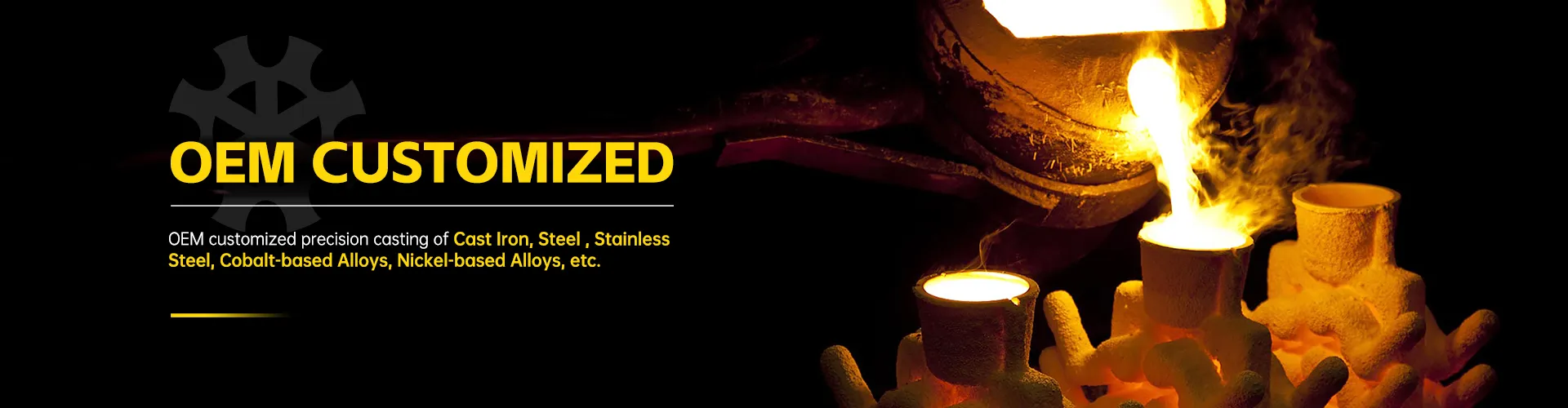
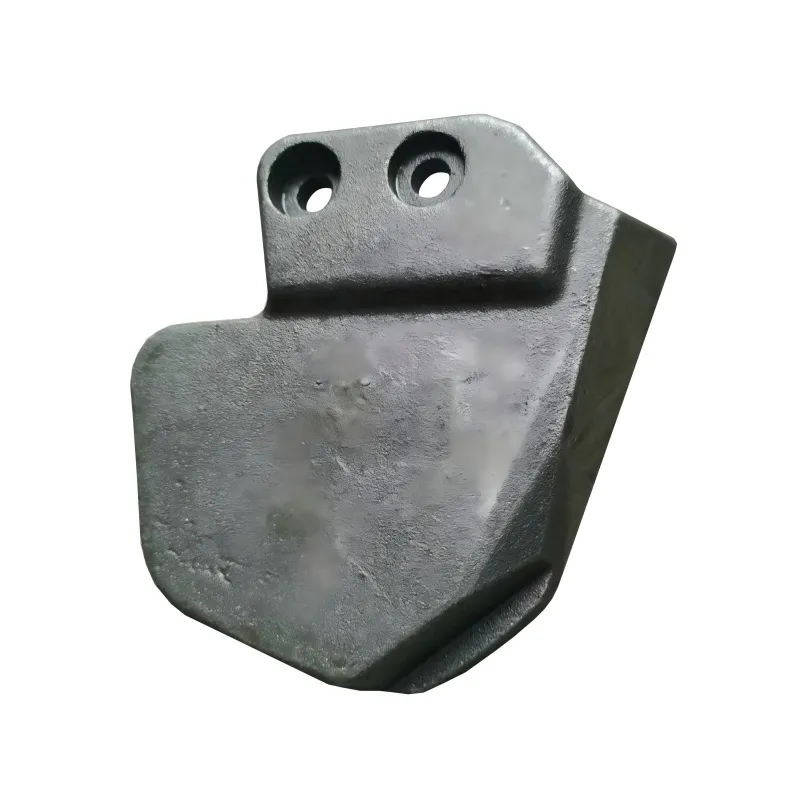
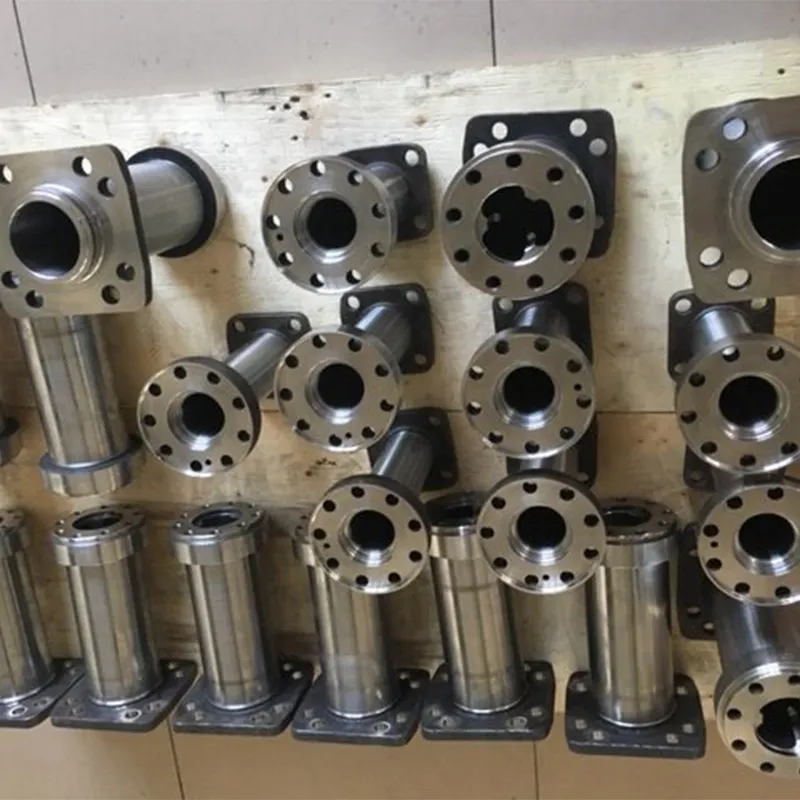
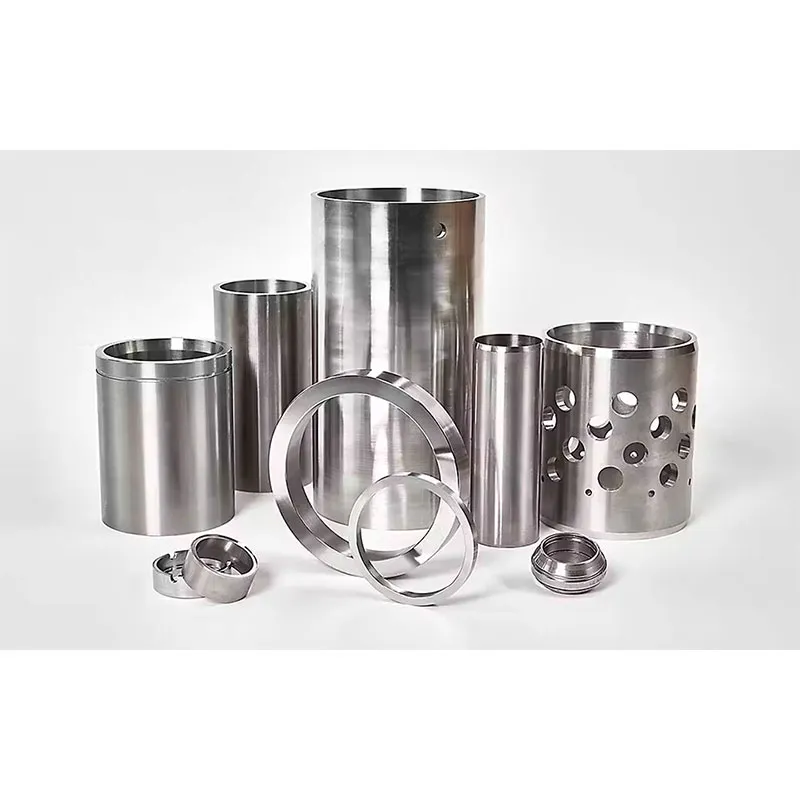
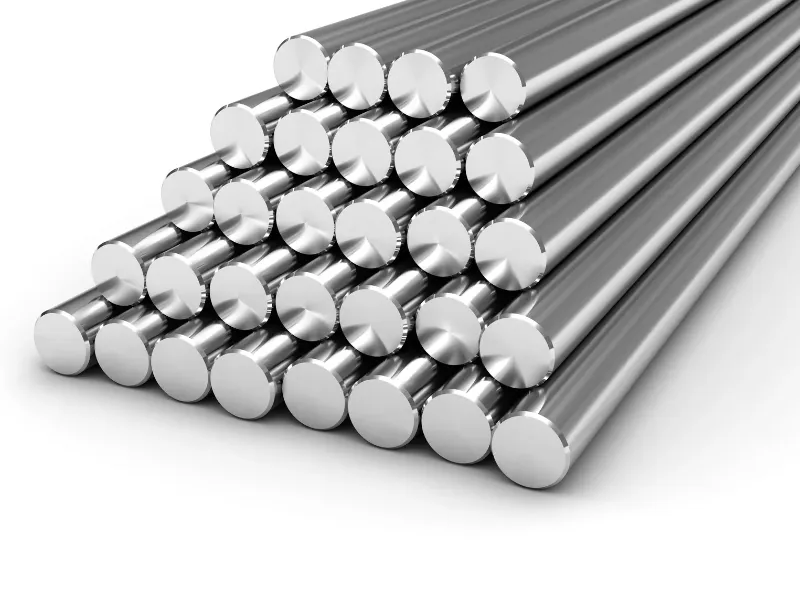
Ductile iron sand casting is a precision manufacturing process that produces high-strength, complex metal components by pouring molten ductile iron into sand molds. This method combines the castability of gray iron with the mechanical strength and ductility of steel, making it ideal for critical industrial applications such as hydraulic systems, pump housings, and engineering vehicle parts. At QINGDAO QIANGSENYUAN TECHNOLOGY CO., LTD., we specialize in OEM and custom ductile iron solutions, integrating advanced sand casting with CNC machining to deliver components that meet strict dimensional tolerances and performance standards for global markets.
What Is Ductile Iron Sand Casting?
Ductile iron, also known as nodular cast iron or spheroidal graphite iron, is a type of cast iron where the graphite structure forms as spherical nodules rather than flakes. This microstructural difference is achieved by adding small amounts of magnesium or cerium during the melting process. The resulting material offers superior tensile strength, impact resistance, and fatigue durability compared to traditional gray iron.
Sand casting remains the most versatile and widely used method for producing ductile iron parts. The process involves creating a mold from silica sand bonded with clay or chemical resins. Molten iron is poured into this mold, where it solidifies into the desired shape. Once cooled, the sand mold is broken away, revealing the rough casting, which then undergoes cleaning, heat treatment, and precision machining.
This combination of material properties and manufacturing flexibility allows engineers to design complex geometries that would be difficult or cost-prohibitive to produce using forging or welding. For industries requiring robust components under high pressure or dynamic loads, ductile iron sand casting provides an optimal balance of performance and cost-efficiency.
Key Characteristics of Ductile Iron
- High Tensile Strength: Typically ranges from 400 MPa to 900 MPa, depending on the grade.
- Excellent Ductility: Elongation rates can exceed 10-18%, allowing the material to deform without breaking.
- Good Machinability: Easier to machine than steel, reducing secondary processing costs.
- Vibration Damping: Superior ability to absorb vibrations, crucial for heavy machinery and engine components.
- Corrosion Resistance: Naturally resistant to many environmental conditions, often enhanced with coatings.
The Ductile Iron Sand Casting Process: Step-by-Step
Understanding the manufacturing workflow is essential for buyers evaluating potential suppliers. At QINGDAO QIANGSENYUAN TECHNOLOGY, our production line follows a rigorous, ISO-compliant protocol to ensure consistency and quality. The process integrates traditional foundry techniques with modern quality control measures.
1. Pattern and Mold Design
The process begins with digital modeling. Our engineering team uses CAD software to create precise 3D models of the part and the corresponding mold. We analyze manufacturability, identifying potential issues like shrinkage or air traps early in the design phase. Patterns are typically made from wood, metal, or high-density plastic, depending on the production volume.
2. Sand Preparation and Molding
High-quality silica sand is mixed with bonding agents to create the molding material. For ductile iron, we often use green sand (clay-bonded) for smaller batches or resin-bonded sand for higher precision and surface finish. The sand is packed tightly around the pattern to form the mold cavity. Cores may be inserted to create internal features such as holes or passages.
3. Melting and Pouring
Raw materials, including pig iron, scrap steel, and ferroalloys, are melted in induction furnaces. Strict chemical composition control is maintained to ensure the correct carbon equivalent and nodulizer levels. The molten iron is treated with magnesium alloy to induce spheroidization. It is then poured into the prepared sand molds at controlled temperatures to prevent defects.
4. Cooling and Shakeout
After pouring, the molds are left to cool until the iron solidifies completely. The cooling rate is managed to optimize the microstructure. Once cooled, the sand molds are broken apart in a shakeout process, and the raw castings are removed.
5. Cleaning and Heat Treatment
Castings undergo shot blasting to remove residual sand and oxide scale. Gates and risers are cut off. Depending on the required mechanical properties, parts may undergo heat treatments such as annealing, normalizing, or quenching and tempering. These processes relieve internal stresses and enhance hardness or ductility.
6. Precision CNC Machining
As a vertically integrated manufacturer, QINGDAO QIANGSENYUAN TECHNOLOGY performs secondary machining in-house. Using multi-axis CNC centers, we machine critical surfaces, bore holes, and thread connections to tight tolerances. This integration ensures that the final component meets exact GD&T (Geometric Dimensioning and Tolerancing) specifications without the delays associated with outsourcing.
7. Quality Inspection and Final Finish
Every batch undergoes rigorous inspection. We utilize Coordinate Measuring Machines (CMM) for dimensional accuracy, spectral analysis for chemical composition, and mechanical testing for tensile strength and hardness. Surface finishes are applied as specified, including painting, galvanizing, or powder coating, before final packaging and shipment.
Why Choose Ductile Iron Over Other Materials?
Selecting the right material is a critical decision in industrial design. Ductile iron often serves as a superior alternative to gray iron, steel, or aluminum, depending on the application requirements. Below is a comparative analysis to help guide material selection.
| Feature | Ductile Iron | Gray Iron | Cast Steel | Aluminum Alloy |
| Tensile Strength | High (400-900 MPa) | Low (150-400 MPa) | Very High (400-800+ MPa) | Moderate (200-500 MPa) |
| Ductility/Elongation | Excellent (up to 18%) | Poor (<1%) | Good (15-25%) | Good (5-12%) |
| Cost Efficiency | High | Very High | Moderate | Low (Material cost high) |
| Machinability | Good | Excellent | Fair to Poor | Excellent |
| Vibration Damping | Good | Excellent | Poor | Poor |
| Weight | Heavy | Heavy | Heavy | Light |
Ductile iron is particularly advantageous when a component requires the strength of steel but the castability and cost benefits of iron. It is the preferred choice for parts subjected to shock loading, such as crankshafts, gears, and valve bodies.
Applications of Ductile Iron Sand Casting
The versatility of ductile iron makes it indispensable across various heavy industries. QINGDAO QIANGSENYUAN TECHNOLOGY leverages this material to produce mission-critical components for sectors that demand reliability under extreme conditions.
Hydraulic Systems and Pump Assemblies
Hydraulic components operate under high pressure and continuous cyclic loading. Ductile iron’s ability to withstand pressure without deformation makes it ideal for piston pump cylinder housings, pressure valves, and pump foundations. Our expertise in handling complex internal geometries ensures smooth fluid dynamics and minimal leakage risks.
Engineering Vehicles and Heavy Machinery
Construction and mining equipment face harsh operating environments. Components such as onboard winch center shaft rollers, wheel hubs, and suspension parts benefit from ductile iron’s impact resistance and wear durability. These parts must maintain structural integrity despite constant vibration and shock.
Oil and Gas Equipment
In the oil and gas sector, components are exposed to corrosive environments and high pressures. Ductile iron castings, often coated or treated for enhanced corrosion resistance, are used in valve bodies, pipe fittings, and drilling equipment. The material’s reliability reduces maintenance downtime and enhances safety.
Specialized Industrial Components
Beyond standard iron grades, QINGDAO QIANGSENYUAN TECHNOLOGY specializes in high-performance alloys. We produce cobalt-nickel alloy components, including AMS 5387 cobalt alloy 6 pump parts and T800 cobalt-based nozzles. These specialized castings are designed for extreme wear and high-temperature applications where standard ductile iron may not suffice, demonstrating our broad metallurgical competence.
Quality Assurance and Technical Expertise
In B2B manufacturing, trust is built on consistent quality and transparency. QINGDAO QIANGSENYUAN TECHNOLOGY CO., LTD. operates an ISO-compliant facility that embeds quality control at every stage of production. Our approach goes beyond final inspection; it begins with material sourcing and continues through to final delivery.
Material Traceability and Certification
We source certified raw materials from reputable suppliers, ensuring consistent metallurgical properties across batches. Full traceability is maintained for all critical components, allowing customers to verify material grades and heat treatment records. This is particularly important for regulated industries such as oil and gas, where compliance with international standards is mandatory.
Advanced Inspection Technologies
Our quality lab is equipped with state-of-the-art inspection tools:
- CMM (Coordinate Measuring Machine): For precise dimensional verification of complex geometries.
- Optical Measuring Instruments: For non-contact inspection of surface features and small details.
- Spectral Analysis: To verify chemical composition and ensure alloy integrity.
- Mechanical Testing: Including tensile, hardness, and impact tests to confirm mechanical properties.
Engineering Support and DFM
We believe in collaborative engineering. Our team provides Design for Manufacturability (DFM) feedback during the early stages of product development. By validating drawings and interpreting GD&T requirements, we help clients mitigate risks, optimize designs for cost-effective production, and reduce time-to-market. This proactive communication ensures that the final product aligns perfectly with functional performance requirements.
Common Defects in Ductile Iron Casting and How We Prevent Them
Even with advanced processes, casting defects can occur if not properly managed. Understanding these potential issues highlights the importance of choosing an experienced manufacturer.
Shrinkage Porosity
Shrinkage occurs when the metal contracts during solidification, creating voids. We prevent this by optimizing gating systems and using chills to control cooling rates, ensuring uniform solidification.
Graphite Flotation
In thick sections, graphite nodules may float to the top, weakening the structure. Our metallurgists adjust the carbon equivalent and cooling rates to maintain a uniform nodule distribution throughout the casting.
Sand Inclusion
Sand particles trapped in the metal can cause surface defects. We use high-quality sand with strong bonding properties and implement rigorous mold cleaning procedures to minimize this risk.
Microstructural Variations
Inconsistent nodularity affects mechanical properties. We strictly control the nodulizing process and perform regular microscopic analysis to ensure >90% nodularity in accordance with ASTM standards.
FAQ: Frequently Asked Questions About Ductile Iron Sand Casting
What is the minimum order quantity (MOQ) for custom ductile iron castings?
MOQ varies depending on the complexity of the part and the pattern cost. For prototype orders, we offer flexible quantities to support product development. For medium-volume production, we optimize costs through efficient production planning. Contact our engineering team for a specific quote based on your drawing.
Can you handle both casting and machining?
Yes. QINGDAO QIANGSENYUAN TECHNOLOGY offers vertically integrated services. We perform both sand casting and precision CNC machining in-house. This eliminates supply chain fragmentation, ensures tighter tolerance control, and reduces lead times.
What industries do you primarily serve?
We primarily serve hydraulic systems, engineering vehicles, oil and gas equipment, and specialized pump assemblies. Our expertise also extends to high-alloy components for demanding applications involving cobalt-nickel alloys.
Do you provide material certifications?
Yes, we provide full material certifications, including chemical composition reports and mechanical property test results. For critical components, we maintain full traceability from raw material to finished product.
How does ductile iron compare to steel in terms of cost?
Ductile iron is generally more cost-effective than cast steel for complex shapes due to lower melting temperatures, better fluidity, and easier machinability. It offers a comparable strength-to-weight ratio for many applications, making it a preferred choice for high-volume industrial parts.
Partnering with QINGDAO QIANGSENYUAN TECHNOLOGY
Choosing the right manufacturing partner is crucial for the success of your industrial projects. QINGDAO QIANGSENYUAN TECHNOLOGY CO., LTD. stands out as a technology-driven enterprise headquartered in Qingdao, China. We combine deep technical competence in metallurgy with advanced manufacturing capabilities to deliver high-performance solutions.
Our key strengths include:
- Vertical Integration: From casting to CNC machining and finishing, we control every step of the process.
- Specialized Alloy Expertise: Proven capability in processing difficult-to-machine superalloys like AMS 5387 and T800.
- Global Service Orientation: Serving customers in North America, Europe, and Southeast Asia with responsive technical consultation and transparent communication.
- Quality Discipline: Documented inspection protocols and lean workflow practices ensure stable delivery and consistent quality.
Whether you need standard ductile iron components or custom high-alloy solutions, our team is ready to support your engineering goals. We focus on building long-term partnerships through reliable delivery, technical insight, and uncompromising quality.
Ready to Start Your Project?
If you are looking for a reliable manufacturer for ductile iron sand casting or custom metal components, we invite you to discuss your requirements. Our engineering team is available to review your drawings, provide DFM feedback, and offer a competitive quote.
Contact us today to learn more about our capabilities and request a sample.
View Related Products and Technical Solutions