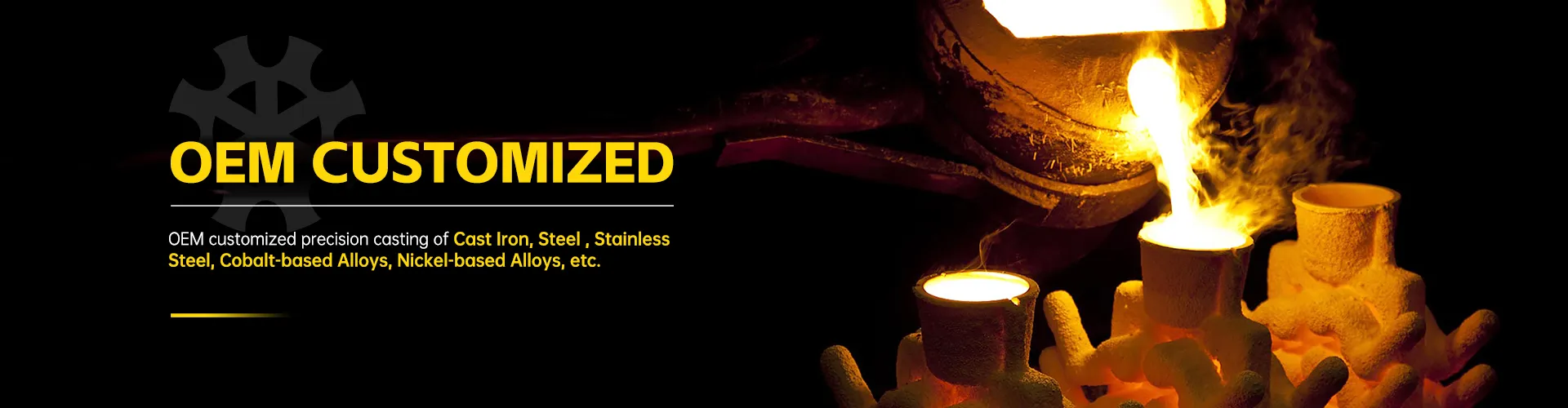
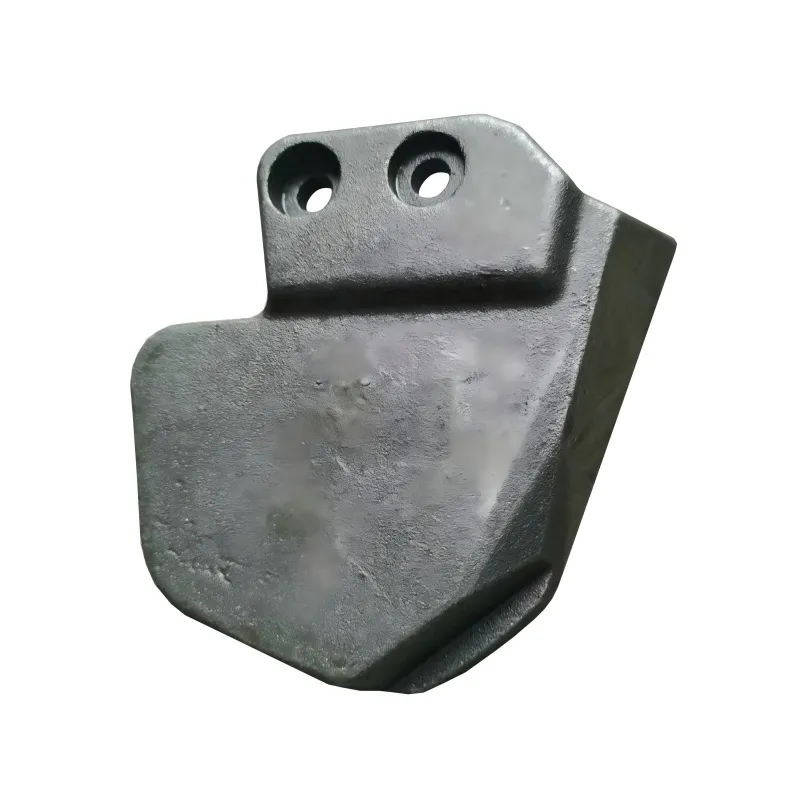
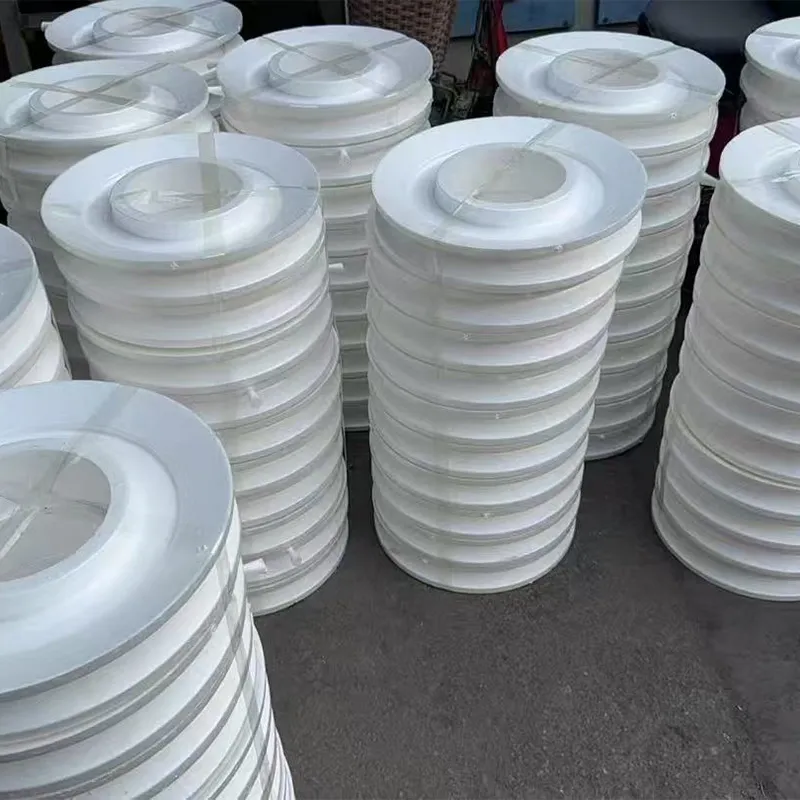
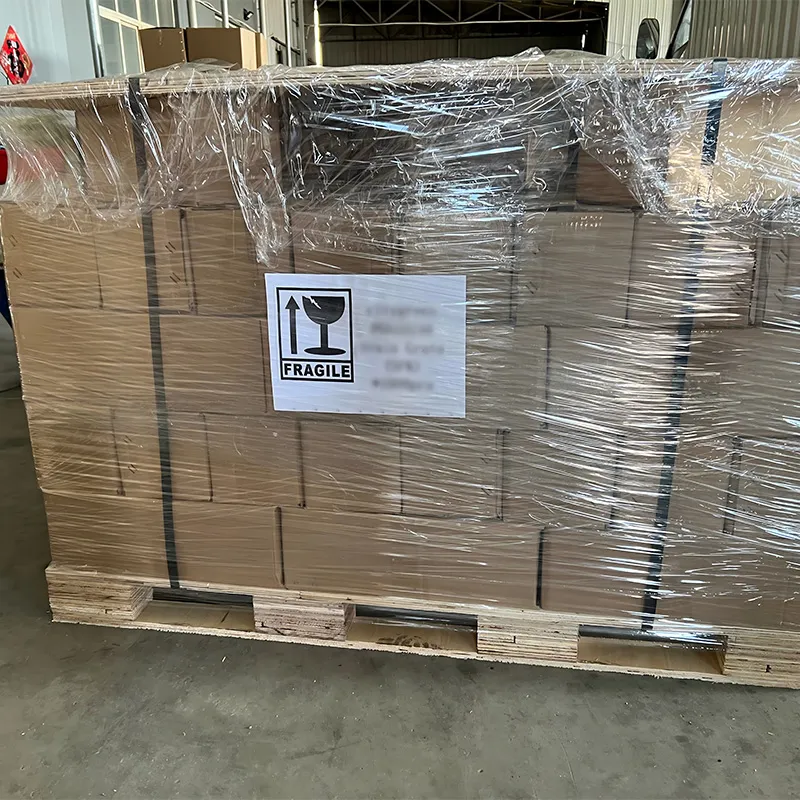
Gravity casting is a permanent mold casting process that utilizes Earth’s gravity to fill metal molds with molten aluminum, producing high-density components with superior mechanical properties. Unlike high-pressure die casting, gravity casting minimizes gas entrapment and porosity, making it ideal for complex, heat-treatable parts requiring structural integrity. As a specialized manufacturer, QINGDAO QIANGSENYUAN TECHNOLOGY CO., LTD. leverages this method to deliver OEM aluminum parts with exceptional dimensional accuracy for hydraulic systems, engineering vehicles, and oil gas equipment.
What Is Gravity Casting and How Does It Work?
Gravity casting, often referred to as permanent mold casting, is a manufacturing process where molten metal is poured into a reusable mold made typically of steel or iron. The fundamental principle relies on gravitational force rather than external pressure to fill the mold cavity. This distinct mechanism differentiates it from low-pressure casting or high-pressure die casting (HPDC).
The process begins with the preparation of the mold, which is coated with a refractory material to facilitate part ejection and protect the mold surface. Molten aluminum alloy, heated to precise temperatures between 680°C and 720°C, is then poured manually or via automated ladles into the sprue. The metal flows smoothly into the cavity, cooling and solidifying from the outside in. This controlled cooling rate allows for the formation of a fine grain structure, which is critical for parts subjected to high stress or subsequent machining operations.
At QINGDAO QIANGSENYUAN TECHNOLOGY, the gravity casting workflow is integrated with advanced simulation software to predict filling patterns and solidification rates. This pre-production analysis ensures that potential defects such as shrinkage cavities or cold shuts are mitigated before physical production begins. The result is a component that not only meets strict geometric tolerances but also exhibits consistent metallurgical properties throughout the batch.
Key Differences: Gravity Casting vs. Die Casting
Selecting the right casting method depends heavily on the application requirements, including volume, complexity, and mechanical performance needs. While both processes produce aluminum components, their operational mechanics lead to distinct outcomes.
| Feature | Gravity Casting | High-Pressure Die Casting (HPDC) |
| Filling Method | Natural gravity flow | High-pressure injection |
| Porosity Level | Low; minimal gas entrapment | Higher; risk of air pockets |
| Mechanical Strength | High; suitable for heat treatment | Moderate; limited heat treatability |
| Surface Finish | Good; may require machining | Excellent; near-net shape |
| Tooling Cost | Moderate | High |
| Production Volume | Low to Medium | High Mass Production |
| Wall Thickness | Thicker walls preferred | Thin walls possible |
For mission-critical applications such as piston pump cylinder housings or pressure valves, the lower porosity of gravity cast parts is a decisive advantage. These components often undergo T6 heat treatment to enhance hardness and tensile strength, a process that can cause blistering in high-porosity die-cast parts. Therefore, gravity casting remains the preferred choice for industrial sectors where failure is not an option.
Why Choose Aluminum for Gravity Casting?
Aluminum alloys are the dominant material in gravity casting due to their unique combination of lightweight properties, corrosion resistance, and castability. Specifically, alloys from the 3xx.x (Al-Si) and 4xx.x (Al-Si-Mg) series are widely used because of their excellent fluidity and moderate strength.
However, at QINGDAO QIANGSENYUAN TECHNOLOGY, the expertise extends beyond standard aluminum. The company’s vertically integrated capabilities allow for the processing of difficult-to-machine superalloys and specialized materials. While aluminum is primary for many structural parts, the firm’s experience with cobalt-nickel alloy components and AMS 5387 cobalt alloy 6 demonstrates a deep understanding of metallurgy. This knowledge informs their aluminum casting processes, ensuring that even standard alloys are handled with the same rigorous control over melting temperature, degassing, and filtration.
The use of aluminum in gravity casting offers several strategic benefits:
- Weight Reduction: Aluminum is approximately one-third the weight of steel, crucial for mobile engineering vehicles and aerospace applications where fuel efficiency and payload capacity are paramount.
- Thermal Conductivity: Ideal for components involved in heat exchange, such as pump foundations and hydraulic manifolds, ensuring efficient dissipation of operational heat.
- Corrosion Resistance: Natural oxide layer formation protects parts in harsh environments, such as offshore oil and gas equipment, reducing the need for heavy protective coatings.
- Machinability: Gravity cast aluminum provides a uniform microstructure, allowing for high-speed CNC machining with minimal tool wear and superior surface finishes.
Applications of Gravity Cast Aluminum Parts
Gravity casting is not a one-size-fits-all solution. It is specifically selected for applications demanding a balance of structural integrity, complex geometry, and medium-volume production. QINGDAO QIANGSENYUAN TECHNOLOGY serves diverse global markets, tailoring its gravity casting solutions to meet the specific demands of each industry sector.
Hydraulic Systems and Pump Assemblies
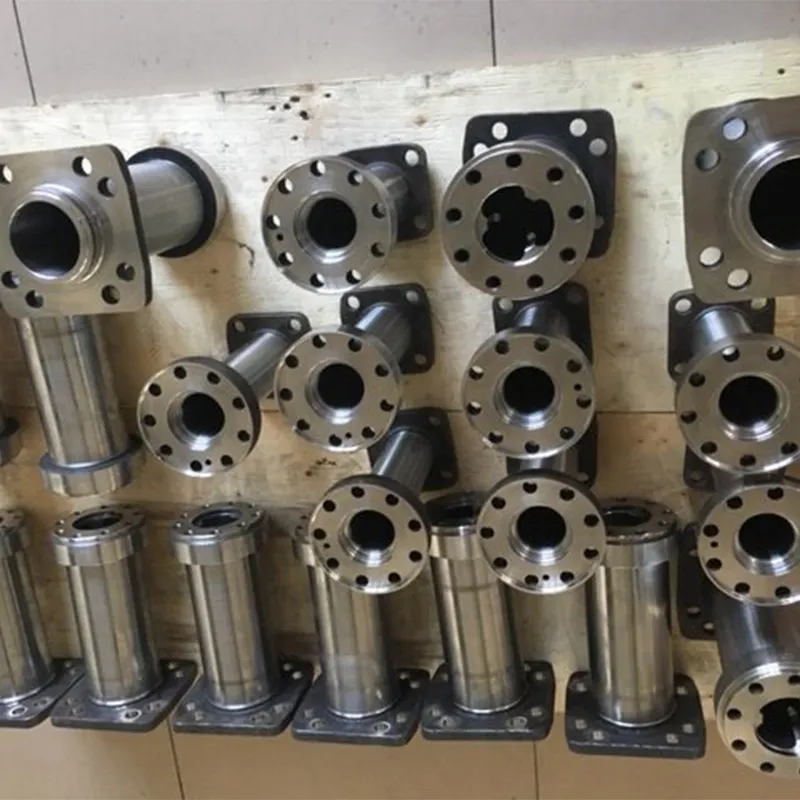
Hydraulic systems operate under extreme pressures, requiring components that can withstand cyclic loading without deformation or leakage. Gravity cast aluminum parts are extensively used in piston pump cylinder housings and pressure valves. The dense microstructure achieved through gravity casting ensures that these housings maintain dimensional stability under high pressure. Furthermore, the ability to integrate complex internal passages during the casting process reduces the need for extensive post-casting drilling and welding, thereby eliminating potential weak points.
The company’s proficiency in handling non-standard components allows for the customization of valve bodies and manifold blocks that adhere to strict GD&T (Geometric Dimensioning and Tolerancing) specifications. This precision is vital for maintaining the efficiency of hydraulic circuits in heavy machinery.
Engineering Vehicles and Heavy Machinery
In the construction and mining sectors, equipment such as excavators, loaders, and cranes require robust yet lightweight components to maximize lifting capacity and mobility. Engineering vehicle onboard winch center shaft rollers are a prime example of gravity casting application. These rollers must endure significant friction and load-bearing stress. By utilizing gravity casting, manufacturers can produce rollers with a hard, wear-resistant outer skin and a tougher core, optimizing performance and longevity.
Additionally, structural brackets, motor housings, and transmission cases for engineering vehicles benefit from the vibration-damping characteristics of aluminum gravity castings. This reduces noise and fatigue failure in high-vibration environments typical of construction sites.
Oil and Gas Equipment
The oil and gas industry demands materials that can resist corrosive elements and high pressures. While superalloys like T800 cobalt-based materials are used for the most extreme downhole tools, gravity cast aluminum plays a crucial role in surface equipment and auxiliary systems. Components such as pump foundations, control box housings, and instrumentation mounts are produced using gravity casting to ensure durability and resistance to environmental degradation.
QINGDAO QIANGSENYUAN TECHNOLOGY applies its disciplined quality management approach to these components, ensuring full material traceability and compliance with international standards. This is essential for meeting the rigorous certification requirements of the energy sector.
The Manufacturing Process at QINGDAO QIANGSENYUAN TECHNOLOGY
As a technology-driven enterprise headquartered in Qingdao, China, QINGDAO QIANGSENYUAN TECHNOLOGY CO., LTD. has established a reputation for precision and reliability. The company’s operational model integrates design support, material selection, precision manufacturing, and strict quality assurance. This holistic approach ensures that every gravity cast part meets the exacting standards of its global clientele in North America, Europe, and Southeast Asia.
Design Support and Manufacturability Analysis
The production journey begins with collaborative engineering. Before any mold is cut, the technical team engages in drawing validation and manufacturability feedback. Using advanced CAD and CAE tools, engineers analyze the part design for optimal gating systems, riser placement, and cooling channels. This step is critical for preventing defects such as shrinkage porosity or warping. For customers providing complex designs, the company offers GD&T interpretation and design optimization suggestions to reduce costs without compromising functionality.
Precision Mold Making and Casting
The facility is equipped for both precision CNC machining and casting processes. Molds are manufactured from high-grade steel to withstand repeated thermal cycling. During the casting phase, strict temperature control is maintained for both the mold and the molten metal. The use of certified raw materials, sourced through collaborations with reputable suppliers, ensures consistent metallurgical properties across batches. This is particularly important for alloys requiring specific mechanical responses, such as those used in cobalt alloy nozzles and plugs, where even minor variations can impact performance.
Integrated CNC Machining and Finishing
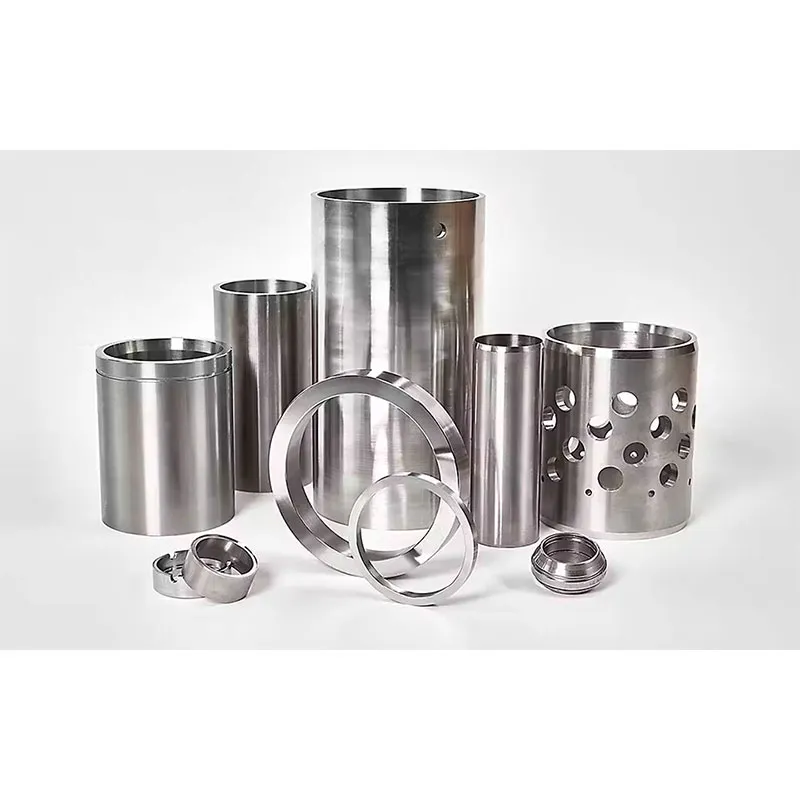
Gravity casting often produces near-net-shape parts, but critical interfaces require precise machining. QINGDAO QIANGSENYUAN TECHNOLOGY offers vertically integrated CNC machining services. Multi-axis machining centers are used to create complex contours, tight tolerance bores, and threaded holes. This integration eliminates the logistical risks and quality inconsistencies associated with outsourcing machining to third parties. Following machining, parts undergo surface finishing treatments tailored to functional needs, such as anodizing for corrosion resistance or shot blasting for aesthetic and stress-relief purposes.
Quality Assurance and Control Standards
Trustworthiness in B2B manufacturing is built on transparent and rigorous quality control. QINGDAO QIANGSENYUAN TECHNOLOGY embeds quality checks at every stage of production, adhering to ISO-compliant protocols. This systematic approach ensures that only parts meeting customer specifications leave the facility.
- Incoming Material Verification: All raw materials are tested for chemical composition to ensure they meet alloy standards. Spectrometry is used to verify elemental percentages, preventing off-spec melts.
- In-Process Inspection: During casting and machining, dimensional inspections are conducted using Coordinate Measuring Machines (CMM) and optical measuring instruments. This real-time feedback loop allows for immediate adjustments to process parameters.
- Non-Destructive Testing (NDT): For critical components, especially those in hydraulic and oil gas applications, NDT methods such as X-ray radiography and dye penetrant testing are employed to detect internal voids or surface cracks.
- Final Functional Assessment: Completed assemblies or parts undergo visual and functional assessments per customer drawings. Full traceability is retained for critical components, allowing for batch tracking and quality audits.
This disciplined quality management approach is a key strength of the company, distinguishing it from competitors who may lack comprehensive in-house testing capabilities. It ensures that parts like AMS 5387 cobalt alloy 6 pump parts and aluminum gravity castings perform reliably in mission-critical applications.
Common Challenges in Gravity Casting and Solutions
Even with advanced technology, gravity casting presents specific challenges. Understanding these issues helps buyers make informed decisions and collaborate effectively with manufacturers.
Porosity and Gas Entrapment
Challenge: Although lower than in die casting, porosity can still occur if the molten metal contains dissolved hydrogen or if the mold venting is inadequate.
Solution: QINGDAO QIANGSENYUAN TECHNOLOGY employs rotary degassing units to remove hydrogen from the melt before pouring. Additionally, mold designs incorporate strategic venting channels to allow air to escape as the metal fills the cavity. Simulation software helps optimize these vents to prevent turbulence.
Shrinkage Defects
Challenge: Aluminum shrinks as it solidifies. If not compensated for, this can lead to internal voids or surface depressions, particularly in thick sections.
Solution: Proper riser design is essential. Risers act as reservoirs of molten metal that feed the casting as it shrinks. The company’s engineers use solidification modeling to place risers effectively, ensuring that shrinkage occurs in the riser rather than the part itself. These risers are later removed during machining.
Dimensional Variation
Challenge: Thermal expansion and contraction of the mold can lead to dimensional variations over multiple cycles.
Solution: The use of high-quality mold steel and precise temperature control systems minimizes thermal distortion. Regular maintenance and calibration of molds ensure consistent dimensional accuracy. In-process CMM inspections detect any drift in dimensions early, allowing for corrective action before significant scrap is generated.
FAQ: Frequently Asked Questions About Gravity Casting
What is the minimum wall thickness for gravity cast aluminum?
Typically, the minimum wall thickness for gravity cast aluminum ranges from 3mm to 5mm. Thinner walls are possible but increase the risk of incomplete filling and cooling issues. For complex geometries, a wall thickness of 4mm is often recommended to ensure structural integrity and ease of manufacturing.
Can gravity cast parts be heat treated?
Yes, one of the primary advantages of gravity casting is its suitability for heat treatment. Processes such as T5 (artificial aging) and T6 (solution heat treatment and artificial aging) are commonly applied to enhance the mechanical properties of aluminum alloys, increasing tensile strength and hardness without the risk of blistering associated with high-porosity die castings.
How does the cost of gravity casting compare to die casting?
Gravity casting generally has lower tooling costs compared to high-pressure die casting, making it more cost-effective for low to medium production volumes (e.g., 500 to 10,000 units). However, the cycle time per part is longer, which can increase labor costs for very high volumes. For complex, high-integrity parts, the reduced scrap rate and elimination of secondary impregnation processes often make gravity casting more economical overall.
What industries benefit most from QINGDAO QIANGSENYUAN’s gravity casting services?
Industries requiring high-performance, reliable components benefit most. This includes hydraulic system manufacturers, engineering vehicle producers, oil and gas equipment suppliers, and specialized pump assembly companies. The company’s expertise in both aluminum and superalloys like cobalt-nickel makes it a versatile partner for diverse industrial applications.
Does QINGDAO QIANGSENYUAN TECHNOLOGY offer custom OEM services?
Yes, the company specializes in OEM services, providing end-to-end solutions from design validation and mold making to casting, machining, and finishing. They support customers with non-standard components and complex geometries, ensuring that custom parts meet specific functional performance requirements.
Conclusion: Partnering for Precision and Performance
Gravity casting remains a cornerstone of modern manufacturing for high-integrity aluminum components. Its ability to produce dense, heat-treatable parts with complex geometries makes it indispensable for industries where performance and reliability are non-negotiable. QINGDAO QIANGSENYUAN TECHNOLOGY CO., LTD. stands out as a premier partner in this field, combining deep technical competence in metallurgy with vertically integrated manufacturing capabilities.
From hydraulic piston pump housings to engineering vehicle winch rollers, the company’s commitment to quality, precision, and customer-centric service ensures that every component meets the highest standards. With a focus on continuous improvement, R&D in advanced casting-machining hybrid processes, and strict adherence to international quality protocols, QINGDAO QIANGSENYUAN TECHNOLOGY is well-positioned to support the evolving needs of global industrial markets.
For businesses seeking a reliable manufacturer for OEM high-quality aluminum gravity cast parts, or specialized components in cobalt-nickel alloys, partnering with an experienced provider is crucial. Whether you require prototype development or medium-volume production, expert guidance on material selection and design optimization can significantly reduce time-to-market and total cost of ownership.
Ready to optimize your supply chain with high-precision gravity cast components?
Contact our engineering team today to discuss your project requirements, request a quote, or learn more about our capabilities in gravity casting and CNC machining solutions.