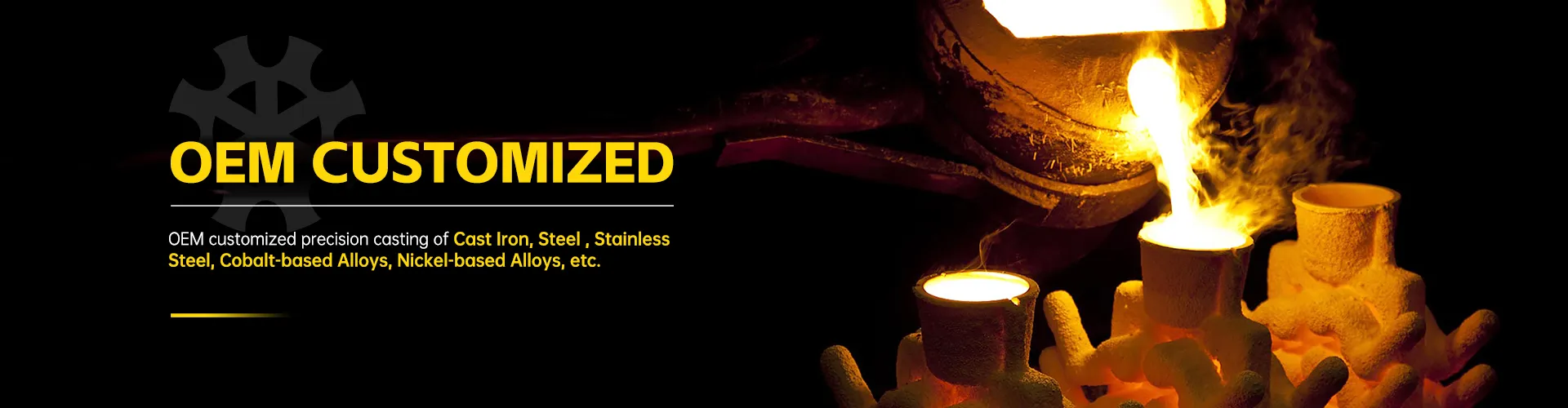
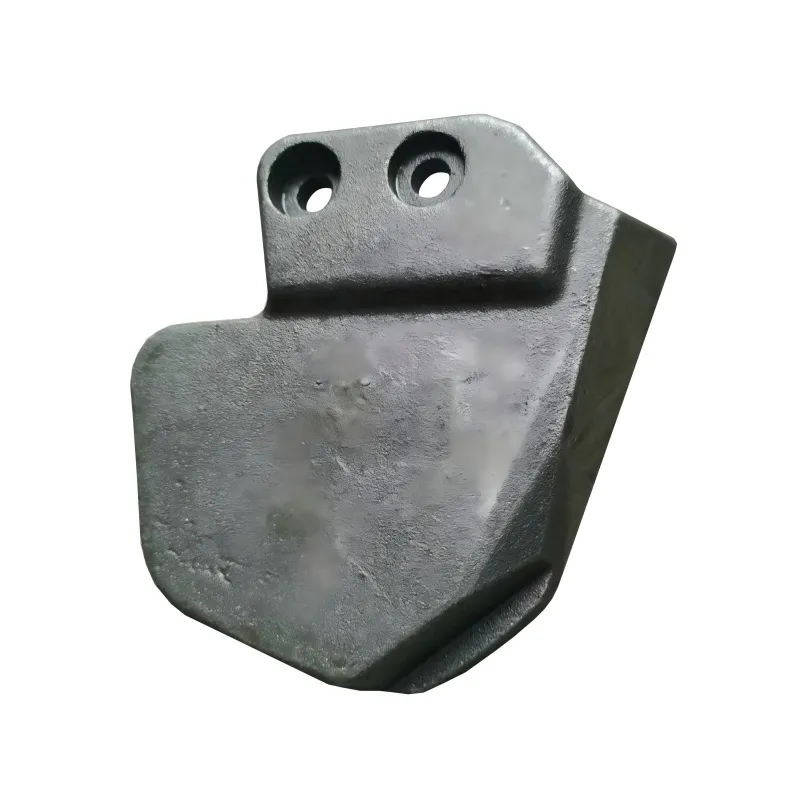
Gravity mold casting is a precision manufacturing process that utilizes Earth’s gravity to fill reusable metal molds with molten metal, producing components with superior dimensional accuracy, fine surface finishes, and dense microstructures compared to sand casting. As a specialized OEM factory, QINGDAO QIANGSENYUAN TECHNOLOGY CO., LTD. leverages this technique to deliver high-performance iron, steel, and cobalt-nickel alloy components for demanding industries such as hydraulic systems, oil and gas, and engineering vehicles. This guide details the technical advantages, material capabilities, and quality standards essential for sourcing reliable gravity cast parts in 2026.
What Is Gravity Mold Casting? Process Overview
Gravity mold casting, often referred to as permanent mold casting or low-pressure gravity casting, is a method where molten metal is poured into a pre-heated, reusable metal mold (typically made of steel or iron) under the influence of gravity alone. Unlike high-pressure die casting, which forces metal into molds at high speeds, gravity casting allows for a controlled, laminar flow of metal.
This controlled filling minimizes turbulence and air entrapment, resulting in castings with significantly lower porosity and higher mechanical integrity. The process is particularly valued for producing medium-to-high volume components that require consistent quality and moderate to complex geometries.
Key Steps in the Gravity Casting Process
- Mold Preparation: The metal mold is cleaned, pre-heated to a specific temperature to prevent thermal shock, and coated with a refractory release agent to facilitate part ejection and protect the mold surface.
- Metal Melting: Raw materials, such as iron, steel, or specialized cobalt-nickel alloys, are melted in induction or electric arc furnaces to precise temperatures, ensuring optimal fluidity and metallurgical composition.
- Pouring: Molten metal is poured manually or via automated ladles into the mold cavity. The gravity-driven flow ensures steady filling, reducing the risk of oxide formation.
- Solidification & Cooling: The metal cools and solidifies within the mold. Controlled cooling rates help refine the grain structure, enhancing the mechanical properties of the final part.
- Ejection & Cleaning: Once solidified, the mold is opened, and the casting is ejected. Remaining gates, risers, and flash are removed through trimming and grinding processes.
- Post-Processing: Parts undergo heat treatment, CNC machining, and surface finishing to meet strict dimensional tolerances and functional requirements.
Why Choose Gravity Casting Over Other Methods?
Selecting the right casting method is critical for balancing cost, performance, and lead time. Gravity mold casting occupies a strategic middle ground between sand casting and high-pressure die casting, offering distinct advantages for industrial applications requiring durability and precision.
Gravity Casting vs. Sand Casting vs. Die Casting
| Feature | Gravity Mold Casting | Sand Casting | High-Pressure Die Casting |
| Mold Type | Reusable Metal Mold | Disposable Sand Mold | Reusable Metal Die |
| Surface Finish | Excellent (Smooth) | Rough (Requires Machining) | Very Good |
| Dimensional Accuracy | High | Low to Moderate | Very High |
| Porosity Levels | Low (Dense Structure) | Moderate to High | Can be High (Air Traps) |
| Material Versatility | High (Iron, Steel, Alloys) | Very High (All Metals) | Limited (Non-Ferrous Mostly) |
| Tooling Cost | Moderate | Low | High |
| Production Volume | Medium to High | Low to Medium | Very High |
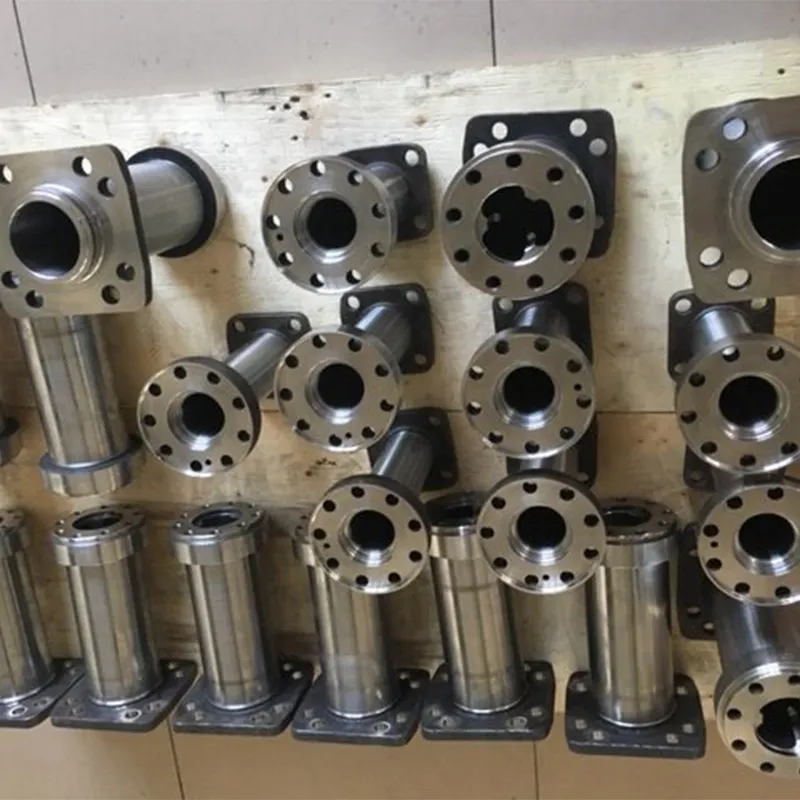
For components like piston pump cylinder housings and pressure valves, where internal integrity and pressure resistance are paramount, gravity casting provides a superior balance of density and cost-effectiveness. While sand casting is suitable for large, low-volume parts, it often lacks the surface finish required for sealing surfaces. Conversely, die casting is limited primarily to non-ferrous alloys like aluminum and zinc, making it unsuitable for the high-strength steel and iron components prevalent in heavy machinery.
Material Capabilities: From Iron to Superalloys
The versatility of gravity mold casting extends to a wide range of ferrous and non-ferrous materials. At QINGDAO QIANGSENYUAN TECHNOLOGY CO., LTD., material selection is driven by the specific operational environment of the component, whether it involves high pressure, extreme wear, or corrosive media.
1. Iron and Steel Castings
Gray iron, ductile iron, and carbon steel are staples in gravity casting due to their excellent castability and mechanical strength. These materials are ideal for:
- Hydraulic Systems: Pump bodies and valve blocks that must withstand high internal pressures without leaking.
- Engineering Vehicles: Structural components like winch center shaft rollers and chassis mounts that require high impact resistance.
- Oil & Gas Equipment: Pipeline fittings and flanges that demand robustness in harsh environments.
2. Stainless Steel Castings
Stainless steel gravity castings offer superior corrosion resistance, making them essential for chemical processing, marine applications, and food-grade machinery. The gravity process ensures a dense microstructure, preventing corrosive agents from penetrating internal voids.
3. Cobalt-Nickel Alloy Components (Specialty Expertise)
A key differentiator for QINGDAO QIANGSENYUAN TECHNOLOGY is its deep technical competence in processing difficult-to-machine superalloys, specifically cobalt-nickel and T800 cobalt-based materials. These alloys are renowned for their exceptional wear resistance, high-temperature stability, and corrosion resistance.
Notable specialty items include:
- AMS 5387 Cobalt Alloy 6 Pump Parts: Used in severe service applications where standard stainless steels fail due to erosion-corrosion.
- Cobalt Alloy Nozzles and Plugs: Critical for spray systems and high-wear flow control applications.
- T800 Alloy Components: Non-standard geometries fabricated for specialized industrial pumps requiring extended service life.
Working with these superalloys requires precise temperature control and specialized molding techniques to prevent cracking and ensure consistent metallurgical properties across batches. The company’s collaboration with certified raw material suppliers ensures that every ingot meets strict chemical composition standards before melting.
Applications in Critical Industrial Sectors
Gravity mold casting is not just a manufacturing process; it is a solution for mission-critical components. The parts produced must perform reliably under stress, vibration, and continuous operation. Below are key sectors where gravity cast components play a vital role.
Hydraulic Systems and Pump Assemblies
Hydraulic pumps operate under extreme pressure. Any porosity or structural weakness in the housing can lead to catastrophic failure. Gravity cast piston pump cylinder housings and pump foundations provide the necessary density and dimensional stability to maintain seal integrity and efficient fluid power transmission.
Engineering Vehicles and Heavy Machinery
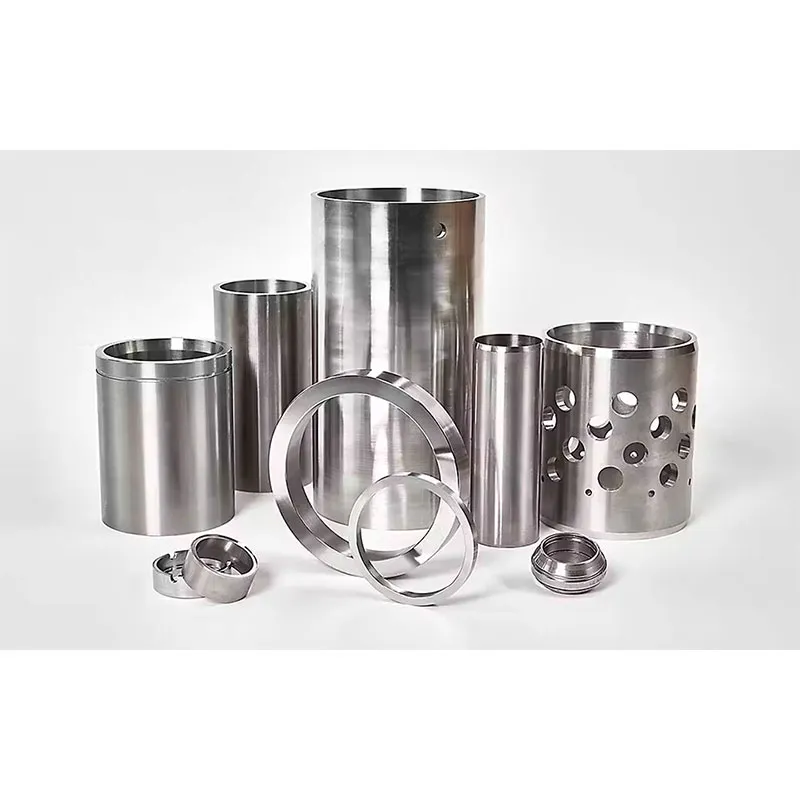
Excavators, cranes, and mining vehicles rely on robust mechanical linkages. Onboard winch center shaft rollers and suspension components manufactured via gravity casting offer the fatigue resistance needed to handle dynamic loads. The ability to integrate CNC machining post-casting ensures that bearing seats and mounting interfaces meet tight GD&T (Geometric Dimensioning and Tolerancing) specifications.
Oil and Gas Equipment
In upstream and downstream oil and gas operations, equipment is exposed to sour gases, high pressures, and abrasive fluids. Gravity cast pressure valves and flow control components made from stainless steel or cobalt alloys resist erosion and corrosion, reducing maintenance downtime and enhancing safety.
Quality Assurance and Precision Manufacturing
In 2026, quality assurance is no longer just about final inspection; it is an integrated, data-driven process. QINGDAO QIANGSENYUAN TECHNOLOGY CO., LTD. operates an ISO-compliant production facility where quality control is embedded at every stage of manufacturing.
Comprehensive Inspection Protocols
- Incoming Material Verification: All raw materials, especially specialized alloys like AMS 5387, undergo spectral analysis to verify chemical composition before entering production.
- In-Process Dimensional Inspection: Advanced Coordinate Measuring Machines (CMM) and optical measuring instruments are used to monitor critical dimensions during machining and casting phases.
- Non-Destructive Testing (NDT): Techniques such as X-ray radiography and ultrasonic testing are employed to detect internal defects like shrinkage or inclusions, ensuring the structural integrity of high-pressure components.
- Final Functional Assessment: Pressure testing and leak detection are performed on valves and pump housings to validate performance against customer specifications.
Traceability and Documentation
For critical components, full traceability is maintained from raw material batch to finished product. This includes detailed records of heat treatment parameters, machining logs, and inspection reports. This level of documentation is essential for industries with strict regulatory requirements, such as aerospace and energy.
Design for Manufacturability (DFM) Support
Successful gravity casting begins with smart design. QINGDAO QIANGSENYUAN TECHNOLOGY offers responsive technical consultation and DFM support to help clients optimize their designs for cost-effective production.
Key DFM Considerations
- Wall Thickness Uniformity: Maintaining consistent wall thickness prevents differential cooling rates, which can lead to warping or internal stresses.
- Draft Angles: Incorporating appropriate draft angles facilitates easy ejection from the metal mold, reducing cycle time and mold wear.
- Radii and Fillets: Using generous radii at corners reduces stress concentrations and improves metal flow during pouring.
- Machining Allowances: Designing adequate stock for CNC machining ensures that final critical surfaces meet precise tolerance requirements after casting.
By validating drawings and interpreting GD&T early in the project lifecycle, the company helps mitigate risks and avoids costly redesigns later in the process. This collaborative approach enables early risk mitigation and cost-effective design realization.
Common Challenges and Solutions in Gravity Casting
Even with advanced technology, gravity casting presents certain challenges. Understanding these issues helps buyers make informed decisions.
Challenge 1: Mold Thermal Fatigue
Repeated exposure to molten metal causes thermal cycling, which can lead to cracking in the metal mold over time.
Solution: Use of high-quality mold steels, precise temperature control systems, and regular maintenance schedules. QINGDAO QIANGSENYUAN TECHNOLOGY employs lean workflow practices to ensure molds are inspected and serviced regularly, extending their lifespan and maintaining part consistency.
Challenge 2: Shrinkage Defects
As metal cools, it shrinks. If not properly compensated, this can cause internal voids or surface depressions.
Solution: Strategic placement of risers and chills to control solidification direction. Simulation software is often used to predict shrinkage patterns and optimize gating systems before physical tooling is created.
Challenge 3: Surface Oxidation
Turbulence during pouring can introduce oxides into the casting.
Solution: Gravity casting’s natural laminar flow minimizes turbulence. Additionally, protective atmospheres or fluxes may be used during melting to reduce oxidation.
Frequently Asked Questions (FAQ)
What is the typical lead time for gravity mold casting?
Lead times vary based on complexity and volume. Prototype samples can often be produced within 2-4 weeks, including tooling fabrication. Medium-volume production orders typically follow a structured production plan to ensure stable delivery timelines, often ranging from 4-8 weeks depending on post-processing requirements.
Can gravity casting be used for complex internal geometries?
Yes, by using removable cores (made of steel or sand), gravity casting can produce complex internal features such as cooling passages or threaded holes. However, extremely intricate internal networks may be better suited for investment casting or additive manufacturing.
How does gravity casting affect the mechanical properties of cobalt alloys?
Gravity casting promotes a finer, more uniform grain structure in cobalt alloys compared to sand casting. This results in improved tensile strength, fatigue resistance, and wear performance, which is critical for components like AMS 5387 pump parts operating in harsh conditions.
Is gravity casting cost-effective for low volumes?
While the initial tooling cost for metal molds is higher than sand casting, gravity casting becomes cost-effective for medium to high volumes due to the reusability of the mold and reduced machining requirements. For very low volumes, sand casting might be more economical, but it sacrifices surface finish and dimensional accuracy.
What certifications does QINGDAO QIANGSENYUAN TECHNOLOGY hold?
The company operates in an ISO-compliant facility and adheres to documented inspection protocols. It maintains technical collaborations with material suppliers to ensure certified raw materials. Specific industry certifications can be discussed based on project requirements, with ongoing efforts to expand the certification portfolio to meet evolving sector-specific regulatory expectations.
Partnering with a Reliable Gravity Casting Manufacturer
Choosing the right manufacturing partner is as important as selecting the right process. QINGDAO QIANGSENYUAN TECHNOLOGY CO., LTD. distinguishes itself through a combination of technical expertise, vertical integration, and customer-centric service.
Why Partner With Us?
- Deep Technical Competence: Proven experience in processing high-performance alloys, particularly cobalt-nickel and T800 materials, supported by application knowledge in pump and valve systems.
- Vertically Integrated Capabilities: In-house casting, CNC machining, and finishing allow for tight control over dimensional stability, microstructure integrity, and surface quality, eliminating the risks associated with multi-vendor supply chains.
- Focused Product Portfolio: Specialization in functional industrial components ensures domain-relevant engineering insight and process optimization for every part produced.
- Global Service Reach: Serving customers in North America, Europe, and Southeast Asia with transparent communication, responsive technical consultation, and adherence to delivery commitments.
Conclusion and Next Steps
Gravity mold casting remains a cornerstone of modern industrial manufacturing, offering an optimal blend of precision, strength, and cost-efficiency for ferrous and superalloy components. Whether you require durable iron castings for engineering vehicles or high-performance cobalt alloy parts for specialized pumps, the quality of the casting process directly impacts the reliability of your final product.
QINGDAO QIANGSENYUAN TECHNOLOGY CO., LTD. is positioned as a reliable partner for complex, mission-critical parts, combining advanced manufacturing technology with rigorous quality assurance. By integrating design support, material science expertise, and precision machining, we help global businesses reduce risk and enhance product performance.
If you are looking for a manufacturer who understands the nuances of gravity mold casting and can deliver custom geometries aligned with your functional requirements, we invite you to connect with our engineering team.
Ready to optimize your component supply chain?
- Request a detailed quote for your next project.
- Discuss DFM recommendations for your current designs.
- Learn more about our cobalt alloy capabilities.
Contact QINGDAO QIANGSENYUAN TECHNOLOGY for Custom Gravity Casting Solutions