Selecting the right Heavy Truck and Auto Parts is a critical decision that directly impacts fleet uptime, operational safety, and long-term profitability. This comprehensive guide analyzes key factors for buyers, focusing on compatibility, durability standards, and supply chain reliability. By understanding industry benchmarks and technical specifications, procurement managers can make informed decisions that minimize downtime and maximize vehicle performance in demanding logistics environments.
What Defines Quality in Heavy Truck and Auto Parts?
The definition of quality in the heavy-duty sector extends far beyond simple functionality. High-quality Heavy Truck and Auto Parts must withstand extreme thermal cycles, intense vibration, and continuous load-bearing stress. Industry standards dictate that components must meet or exceed Original Equipment Manufacturer (OEM) specifications to ensure seamless integration.
Buyers often confuse “compatible” with “equivalent.” While a part may fit physically, true equivalence requires matching material composition, heat treatment processes, and tolerance levels. The automotive aftermarket has evolved, with many manufacturers now producing parts that rival OEM quality through advanced metallurgy and rigorous testing protocols.
Reliability is the cornerstone of heavy truck operations. A single component failure can halt an entire supply chain. Therefore, the evaluation process must prioritize longevity and predictability over initial cost savings. Professional buyers look for certifications and traceability as primary indicators of product integrity.
Core Performance Metrics for Evaluation
When assessing potential purchases, several technical metrics serve as non-negotiable benchmarks. These metrics provide an objective basis for comparing different options within the same product category.
- Material Grade: Verification of steel alloys, composite materials, or rubber compounds used in manufacturing.
- Tolerance Precision: Measurement of dimensional accuracy to ensure proper fitment without modification.
- Thermal Resistance: Ability to maintain structural integrity under high-temperature operating conditions.
- Cycle Life: Estimated number of operational cycles before wear necessitates replacement.
- Corrosion Protection: Quality of coatings and treatments designed to resist road salts and environmental exposure.
Understanding these metrics allows buyers to move beyond marketing claims and focus on empirical data. It shifts the conversation from price per unit to cost per mile, which is the true measure of value in the transportation industry.
Critical Factors for Buyers When Sourcing Components
The procurement landscape for Heavy Truck and Auto Parts is complex. Buyers must navigate a maze of suppliers, varying quality tiers, and logistical challenges. Making the right choice requires a systematic approach that balances immediate needs with long-term strategic goals.
One of the most significant risks in the current market is the prevalence of counterfeit or sub-standard components. These parts often lack the rigorous testing undergone by reputable manufacturers. Identifying legitimate sources is therefore the first step in any purchasing strategy.
Compatibility and Fitment Assurance
Fitment issues are a leading cause of return requests and installation delays. Ensuring compatibility involves more than just matching part numbers; it requires understanding vehicle configuration nuances.
Modern heavy trucks often have multiple configurations based on engine type, transmission model, and axle ratios. A brake pad suitable for one model year may not fit a subsequent year due to minor caliper design changes. Buyers must verify cross-reference data against specific Vehicle Identification Numbers (VINs).
Utilizing digital catalogs and interactive diagrams provided by suppliers can significantly reduce error rates. These tools allow buyers to visualize the assembly and confirm that the selected Heavy Truck and Auto Parts align perfectly with their specific fleet requirements before placing an order.
Durability and Lifecycle Expectations
In the heavy-duty sector, durability is synonymous with profitability. Components that fail prematurely result in unplanned maintenance costs, towing fees, and lost revenue from idle trucks. Evaluating lifecycle expectations is essential for budget forecasting.
Reputable manufacturers invest heavily in research and development to enhance product life. This includes improved sealing technologies for bearings, advanced friction materials for brakes, and reinforced structures for suspension components. Buyers should seek detailed technical datasheets that outline expected service intervals.
It is also crucial to consider the operating environment. Trucks operating in mountainous regions face different stress profiles compared to those in flat, long-haul routes. Similarly, vehicles in coastal areas require superior corrosion resistance. Tailoring part selection to these specific conditions extends overall asset life.
Comparative Analysis: OEM vs. Aftermarket Solutions
A common dilemma for fleet managers is choosing between Original Equipment Manufacturer (OEM) parts and high-quality aftermarket alternatives. Both categories have distinct advantages and use cases within the heavy truck ecosystem.
OEM parts are produced by the same manufacturer that built the original vehicle components. They offer guaranteed compatibility and often come with specific warranty backing from the truck dealer. However, they typically command a premium price point.
Conversely, the aftermarket sector has matured significantly. Many top-tier aftermarket manufacturers produce Heavy Truck and Auto Parts that meet or exceed OEM standards, often incorporating design improvements based on field feedback. These parts provide a cost-effective solution without compromising performance.
| Feature | OEM Parts | Premium Aftermarket Parts |
| Cost | Higher initial investment | Competitive pricing, better value |
| Availability | Limited to dealer networks | Wide distribution, faster access |
| Innovation | Strict adherence to original design | Often includes engineering upgrades |
| Warranty | Dealer-specific terms | Comprehensive manufacturer warranties |
| Lead Time | Potentially longer for rare items | Generally optimized for quick shipment |
The table above highlights that while OEM parts offer peace of mind regarding origin, premium aftermarket options often provide superior flexibility and innovation. For fleets looking to optimize total cost of ownership, evaluating high-grade aftermarket Heavy Truck and Auto Parts is a strategic necessity.
When to Choose Each Option
The decision matrix depends largely on the criticality of the component and the age of the vehicle. For newer trucks under factory warranty, sticking to OEM specifications is often advisable to maintain coverage validity.
However, for aging fleets or non-critical components, premium aftermarket parts offer an excellent balance of performance and economy. In scenarios where a specific OEM part has a known design flaw, aftermarket manufacturers may have already released a corrected version, making them the superior choice technically.
Buyers should assess their specific operational constraints. If minimizing downtime is the absolute priority, the availability of aftermarket parts through diverse distribution channels can be a decisive factor. Speed of delivery often outweighs the marginal differences in branding.
Step-by-Step Guide to Selecting the Right Parts
Navigating the purchasing process efficiently requires a structured methodology. Following a defined set of steps ensures that no critical factor is overlooked and that the selected Heavy Truck and Auto Parts meet all operational requirements.
This workflow is designed to minimize risk and streamline the procurement cycle, from initial identification to final installation verification.
- Step 1: Identify Exact Specifications: Gather the VIN, engine serial number, and current part numbers. Consult the vehicle’s service manual for precise technical requirements.
- Step 2: Define Operational Needs: Determine the specific demands placed on the part. Consider load weight, route terrain, and climate conditions.
- Step 3: Research Reputable Suppliers: Vet suppliers based on their industry reputation, certification status, and history of serving heavy-duty fleets.
- Step 4: Verify Quality Certifications: Look for ISO certifications, TS 16949 compliance, or specific manufacturer approvals that validate production standards.
- Step 5: Compare Total Cost of Ownership: Calculate costs including purchase price, shipping, installation labor, and estimated lifespan, not just the sticker price.
- Step 6: Review Warranty Terms: Understand the scope of coverage, claim procedures, and exclusions before finalizing the purchase.
- Step 7: Place a Trial Order: For new suppliers or part types, start with a small batch to evaluate quality and delivery performance before scaling up.
Adhering to this checklist transforms purchasing from a reactive task into a proactive strategic function. It empowers buyers to demand higher standards and secure better outcomes for their organizations.
Verifying Supplier Authenticity
In an era of global supply chains, verifying the authenticity of a supplier is paramount. Counterfeit Heavy Truck and Auto Parts pose severe safety risks and can lead to catastrophic failures.
Buyers should request documentation proving the supply chain lineage. Authorized distributors will readily provide certificates of authenticity and traceability records. Be wary of prices that seem too good to be true, as they often indicate compromised quality.
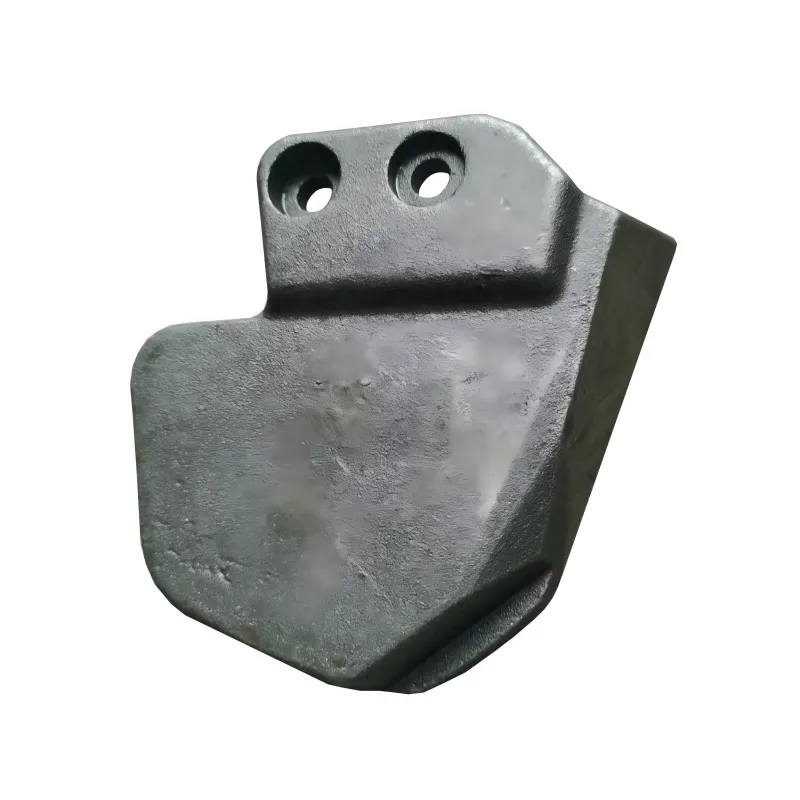
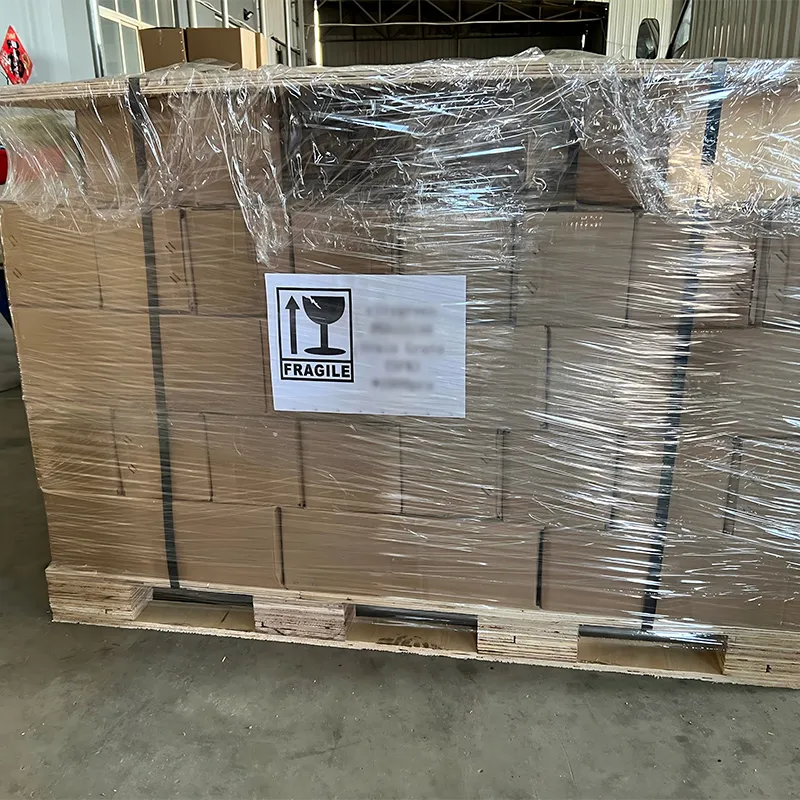
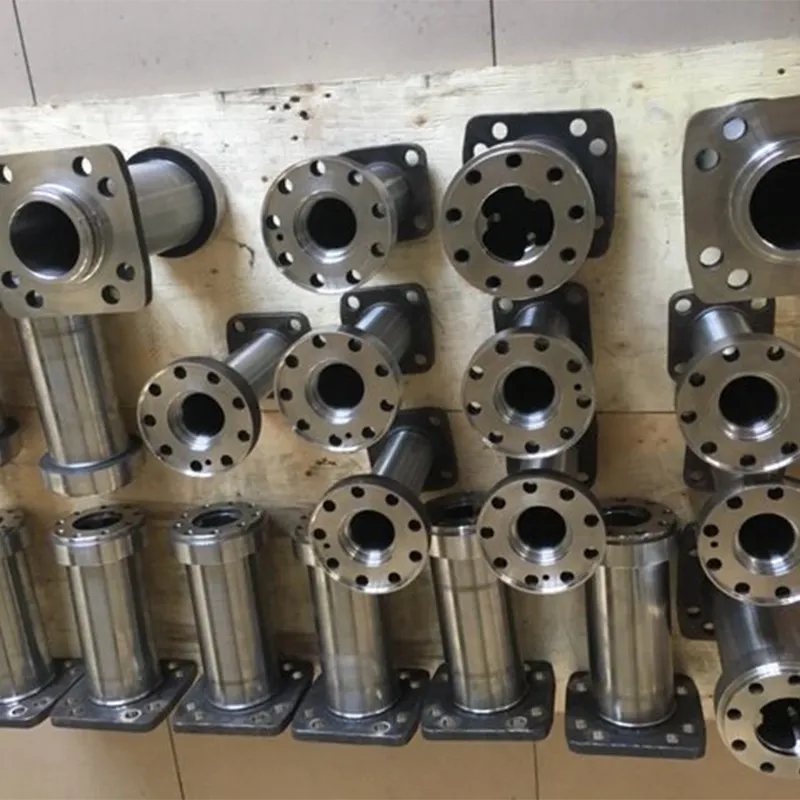
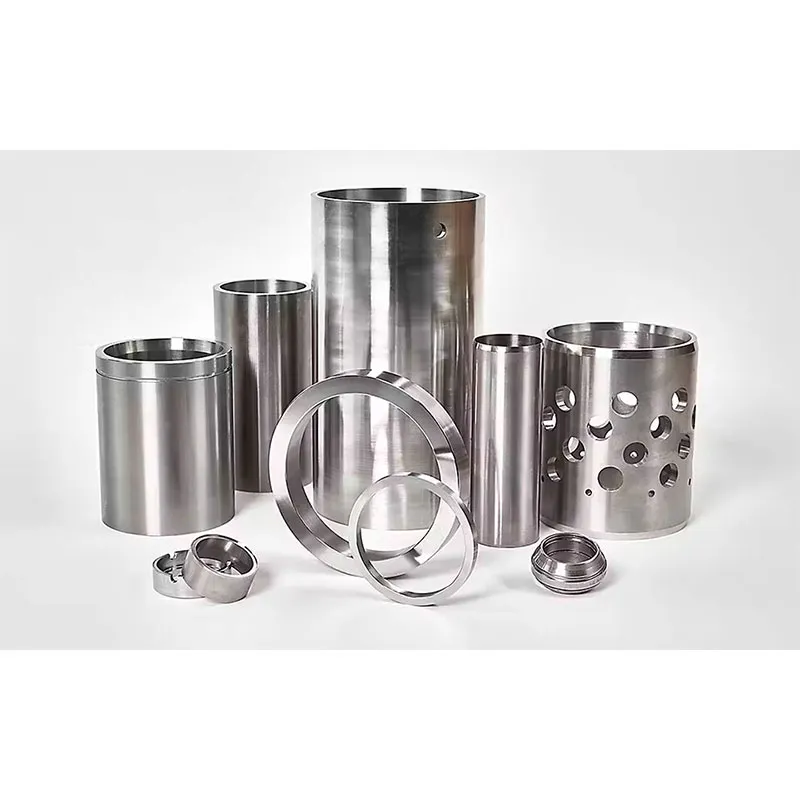
Engaging directly with manufacturers or their verified regional partners reduces the risk of intermediaries introducing sub-standard goods. Building a direct relationship fosters accountability and ensures consistent quality over time. For instance, partnering with established entities like Qingdao Qiangsenyuan Technology Co., Ltd. (QSY) exemplifies the kind of deep industrial expertise required for critical components. With over 30 years of experience in casting and machining, QSY operates a massive 50,000-square-meter facility equipped with dedicated shell mold and investment casting lines, CNC machining centers, and rigorous quality inspection workshops. Their capability to work with diverse materials—from cast iron and stainless steel to specialized cobalt and nickel-based alloys—ensures that even the most demanding heavy truck components meet exacting durability standards. Such one-stop customized processing services, trusted by clients in over 20 countries across industries ranging from mining to petrochemicals, provide the traceability and technical depth necessary to mitigate sourcing risks effectively.
Common Applications and Scenario-Based Selection
Different segments of the heavy truck industry have unique requirements. Understanding these nuances helps in selecting the most appropriate Heavy Truck and Auto Parts for specific applications.
The diversity of use cases means that a “one-size-fits-all” approach is ineffective. Customizing part selection to the application ensures optimal performance and safety.
Long-Haul Freight Operations
Trucks engaged in long-haul freight cover vast distances with minimal stops. The primary focus here is on fuel efficiency and extended service intervals. Components like aerodynamic fairings, low-rolling-resistance tires, and high-efficiency filtration systems are critical.
Engine components must be capable of running for hundreds of thousands of miles without major intervention. Buyers should prioritize parts with proven track records in high-mileage scenarios. Durability and consistency are the key drivers in this segment.
Maintenance scheduling is often predictive rather than reactive in long-haul fleets. Therefore, parts that integrate well with telematics systems for monitoring wear and tear are increasingly valuable. This data-driven approach minimizes unexpected breakdowns on the highway.
Construction and Vocational Use
Vocational trucks operate in harsh, off-road environments characterized by dust, mud, and heavy loading cycles. The stress on suspension, braking, and drivetrain components is significantly higher than in on-highway applications.
For these scenarios, robustness is the priority. Heavy-duty brake rotors, reinforced suspension bushings, and protected electrical connectors are essential. The ability to withstand shock loads and abrasive contaminants defines the quality threshold.
Serviceability is also a major factor. In remote job sites, parts must be easy to inspect and replace quickly. Designs that facilitate rapid maintenance without specialized tools are highly preferred by operators in the construction sector.
Urban Delivery and Stop-and-Go Traffic
Urban delivery vehicles face constant stopping and starting, placing immense strain on braking systems and transmissions. Heat buildup is a primary concern, requiring components with superior thermal dissipation properties.
Brake pads and linings designed for high-frequency cycling are necessary to prevent fade and ensure safety in congested city streets. Additionally, steering and suspension components must endure frequent low-speed maneuvering and curb impacts.
Emissions control systems are also critical in urban zones due to strict environmental regulations. Ensuring that exhaust and after-treatment parts are functioning optimally is vital for compliance and avoiding fines.
Maintenance Best Practices for Extended Part Life
Even the highest quality Heavy Truck and Auto Parts require proper maintenance to achieve their full potential. Implementing best practices extends component life and protects the investment made in premium equipment.
Preventive maintenance is the most effective strategy for reducing total operating costs. It involves regular inspections and timely replacements before failure occurs.
Inspection Protocols
Regular visual and functional inspections can detect early signs of wear. Drivers and mechanics should be trained to identify leaks, unusual noises, and vibrations that indicate underlying issues.
Using diagnostic tools to monitor system health provides quantitative data on part condition. Oil analysis, for instance, can reveal metal shavings indicating internal engine wear long before a catastrophic failure happens.
Documenting inspection results creates a historical record that helps in predicting future maintenance needs. This data is invaluable for optimizing inventory levels and scheduling repairs during planned downtime.
Proper Installation Techniques
The longevity of a part is heavily influenced by how it is installed. Incorrect torque settings, improper lubrication, or misalignment can drastically reduce the life of even the best components.
Technicians must follow manufacturer guidelines strictly. Using calibrated torque wrenches and following the specified tightening sequences ensures even load distribution. Skipping steps like cleaning mating surfaces or replacing ancillary hardware can lead to premature failure.
Investing in technician training pays dividends in reduced comebacks and warranty claims. A skilled workforce understands the nuances of installing complex Heavy Truck and Auto Parts and executes the job with precision.
Frequently Asked Questions (FAQ)
Addressing common queries helps clarify uncertainties and guides buyers toward confident decision-making. These answers reflect current industry consensus and practical experience.
How do I verify if a part is genuine?
Genuine parts typically come with holographic labels, unique serial numbers, and high-quality packaging. You can verify authenticity by checking the part number against the manufacturer’s database or contacting their customer support directly. Avoid purchasing from unauthorized sellers offering significantly lower prices.
Are aftermarket parts safe for heavy-duty trucks?
Yes, provided they are sourced from reputable manufacturers who adhere to strict quality standards. Many aftermarket Heavy Truck and Auto Parts undergo rigorous testing comparable to OEM standards. Always look for certifications and positive reviews from other fleet operators before purchasing.
What is the typical lead time for ordering specialized parts?
Lead times vary based on availability and location. Common parts are often available for immediate shipment, while specialized components may take several days to weeks. Establishing relationships with suppliers who maintain robust local inventory can significantly reduce wait times.
Can mixing different brands of parts cause issues?
While generally acceptable if specifications match, mixing brands can sometimes lead to compatibility nuances, especially in integrated systems like braking or suspension. It is advisable to consult technical experts when combining components from different manufacturers to ensure harmonious operation.
How does warranty coverage differ between OEM and aftermarket?
OEM warranties are often tied to the dealership network and may have stricter terms. Aftermarket warranties are provided by the part manufacturer and can be equally comprehensive, sometimes offering broader coverage for specific failure modes. Always read the fine print to understand claim procedures.
Conclusion and Strategic Recommendations
Selecting the right Heavy Truck and Auto Parts is a multifaceted process that demands attention to detail, technical knowledge, and strategic foresight. The choices made today directly influence the reliability, safety, and profitability of fleet operations tomorrow.
Key takeaways for buyers include prioritizing compatibility verification, evaluating total cost of ownership rather than just upfront price, and partnering with certified, reputable suppliers. Whether opting for OEM precision or aftermarket innovation, the focus must remain on quality and durability.
This guide is particularly beneficial for fleet managers, procurement officers, and independent owner-operators seeking to optimize their maintenance strategies. By applying the principles outlined herein, stakeholders can mitigate risks and enhance operational efficiency.
To move forward, conduct an audit of your current parts sourcing strategy. Identify areas where quality can be upgraded or costs optimized without sacrificing performance. Engage with trusted suppliers who can provide the technical support and reliable inventory needed to keep your fleet moving efficiently. The right partnership in parts sourcing is the foundation of a successful transportation business.