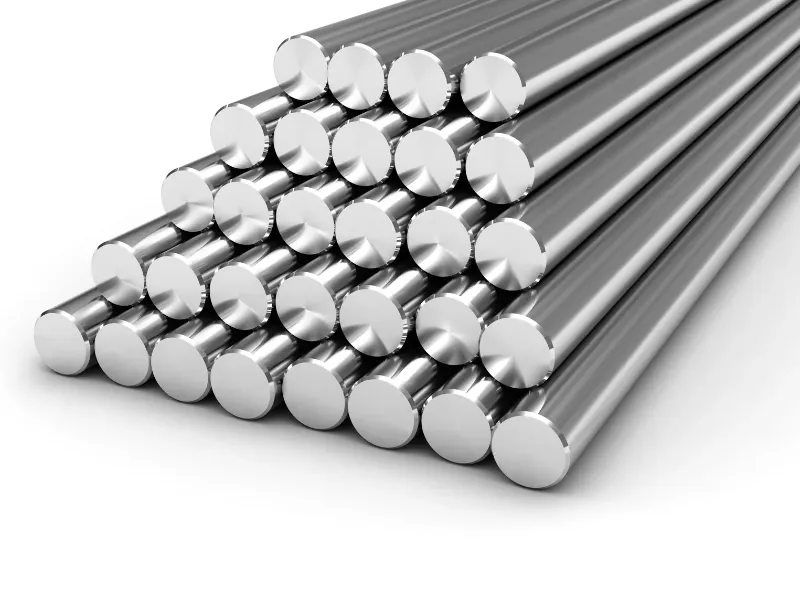
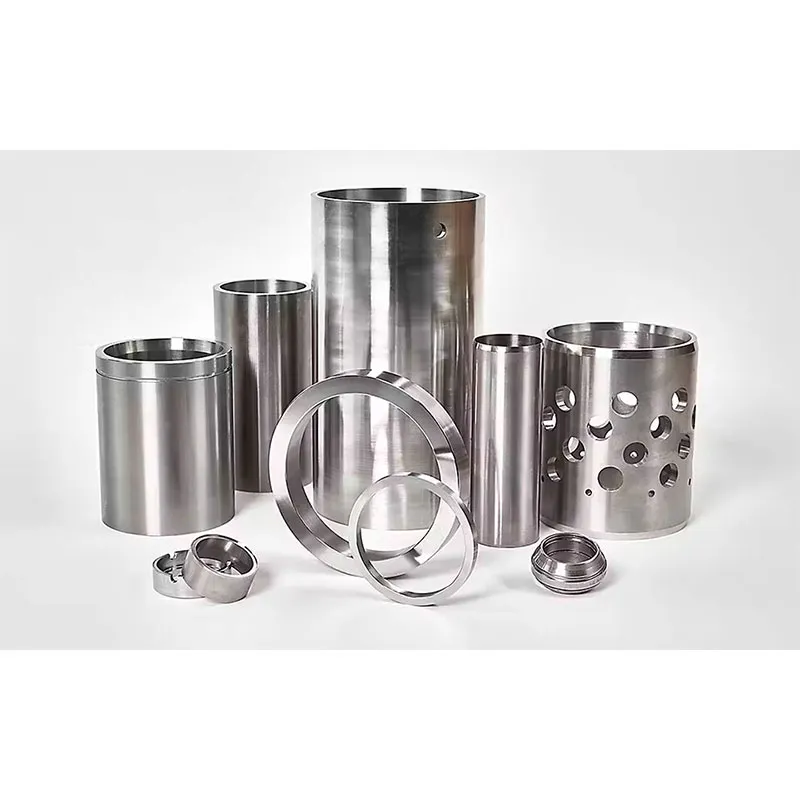
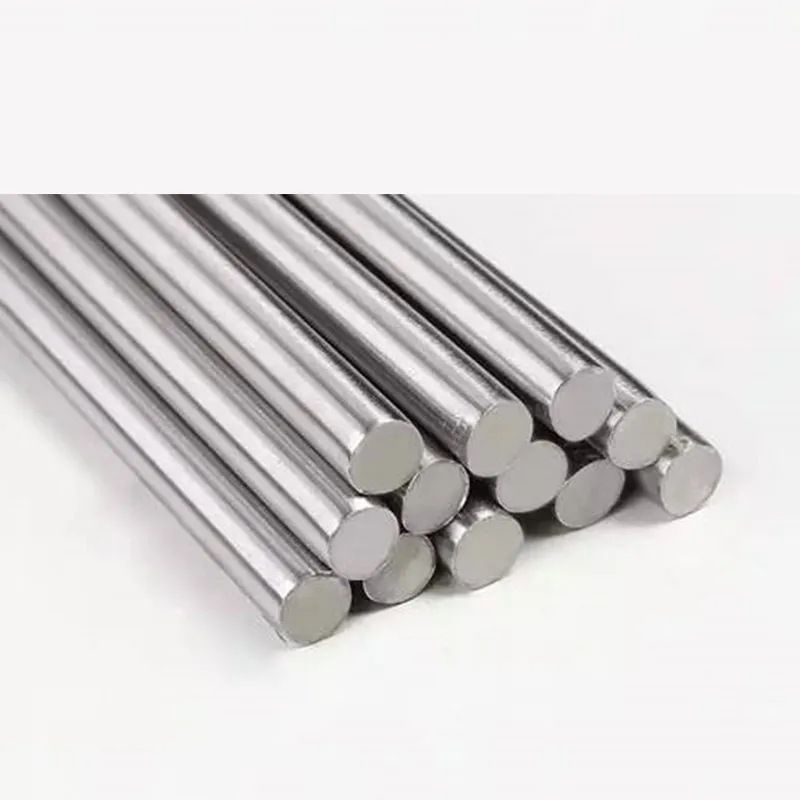
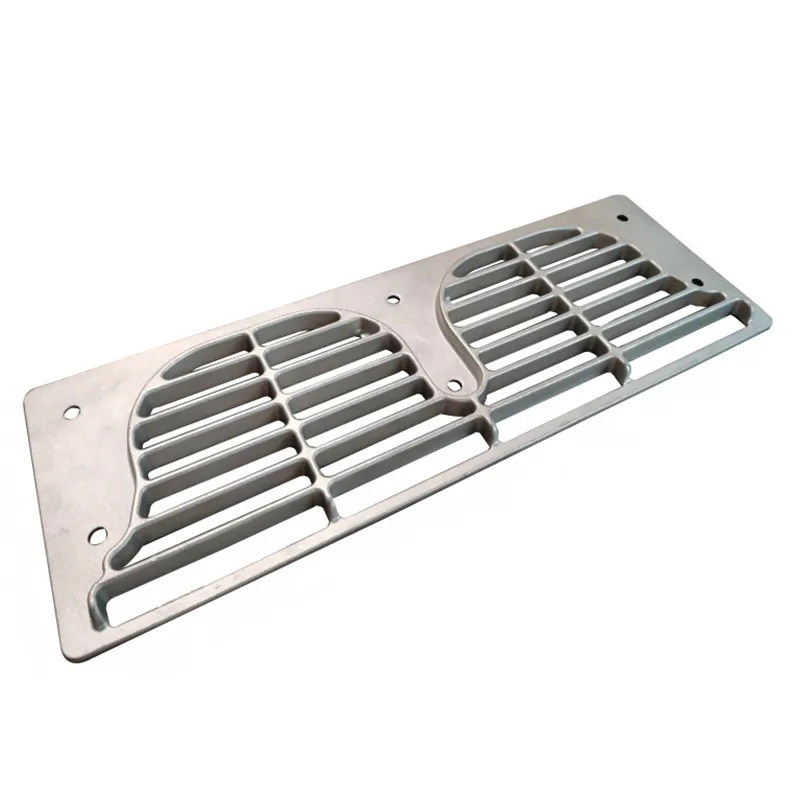
Stainless Steel 316 (US standard ASTM S31600, Chinese standard 06Cr17Ni12Mo2) is a molybdenum-containing austenitic stainless steel, often referred to as "marine-grade stainless steel" due to its excellent corrosion resistance. It is based on 304 stainless steel with the addition of 2-3% molybdenum (Mo), which significantly enhances its resistance to pitting and crevice corrosion.
Ⅰ.Key Characteristics
1.Exceptional Corrosion Resistance: The addition of molybdenum gives it superior performance in chloride environments (e.g., seawater, salt spray), with pitting resistance far exceeding that of 304 stainless steel. Its corrosion rate in 10% sulfuric acid can be less than 0.1 mm/year.
2.High-Temperature Performance: Good high-temperature strength and oxidation resistance, with continuous service temperature up to 870°C and intermittent service up to 925°C.
3.Mechanical Properties: Yield strength ≥205 MPa, tensile strength ≥515 MPa, elongation ≥40%, offering good toughness and work-hardening capability.
4.Low Magnetism: Non-magnetic in the solution-annealed state; may become slightly magnetic after cold working. Suitable for equipment sensitive to magnetic fields.
Ⅱ.Chemical Composition (Key Indicators)
| Element | Content Range | Function |
| Carbon (C) | ≤0.08% | Controls intergranular corrosion |
| Chromium (Cr) | 16.0-18.0% | Forms passive film, prevents rust |
| Nickel (Ni) | 10.0-14.0% | Stabilizes austenitic structure, acid resistance |
| Molybdenum (Mo) | 2.0-3.0% | Core element, provides pitting resistance |
| Manganese (Mn) | ≤2.00% | Deoxidizer |
| Silicon (Si) | ≤0.75% | Deoxidizer |
Ⅲ.Typical Mechanical Properties
Room Temperature Mechanical Properties (Solution-Annealed State)
This is the most common state for 316 stainless steel, offering a good balance of properties.
| Property | Typical Value | Standard Requirement (ASTM A240) |
| Tensile Strength (Rm) | 515 - 620 MPa | ≥ 515 MPa |
| Yield Strength (Rp0.2) | 205 - 310 MPa | ≥ 205 MPa |
| Elongation (A) | 40% - 50% | ≥ 40% |
| Hardness (HBW) | 149 - 217 | ≤ 217 |
| Elastic Modulus (E) | 193 GPa | - |
Notes:
1.Moderate Strength: Yield strength around 200-300 MPa, making it easy to form and process.
2.Excellent Plasticity: Elongation typically over 40%, indicating high toughness and resistance to brittle fracture.
3.Work Hardening: Strength and hardness increase significantly during cold working (e.g., cold rolling, drawing), but plasticity decreases.
Ⅳ.Primary Application Areas
1.Marine Engineering: Ship fittings, offshore platforms, desalination equipment.
2.Chemical & Energy Industries: Reactors, pipelines, heat exchangers (resistant to acids/alkalis).
3.Medical & Food Industries: Surgical instruments, pharmaceutical equipment, food processing machinery (meets hygiene standards).
4.Architecture & Decoration: Building curtain walls, railings in coastal areas (resistant to salt spray corrosion).
Ⅴ.Common Derived Grades
316L: Low-carbon version (C≤0.03%), better weldability and intergranular corrosion resistance, suitable for heavy-section welded components.
316H: High-carbon version, higher high-temperature strength, suitable for high-temperature pressure-bearing structures.