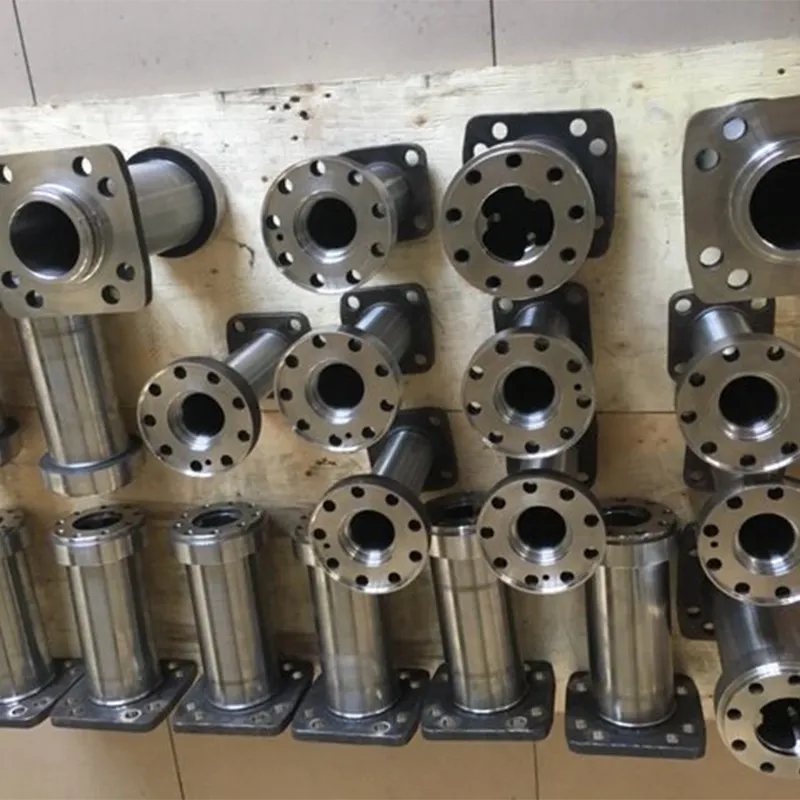
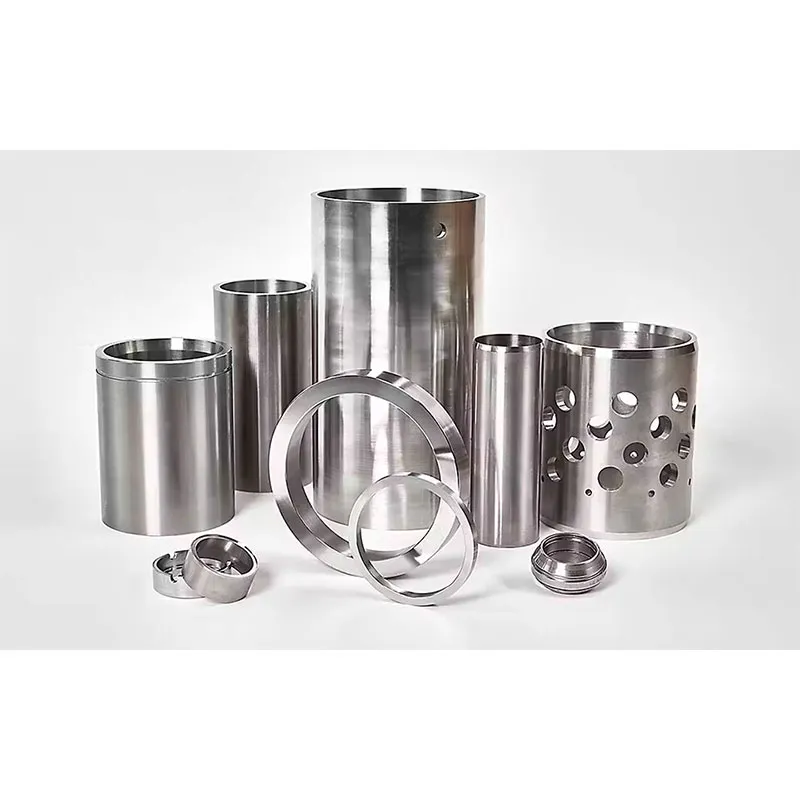
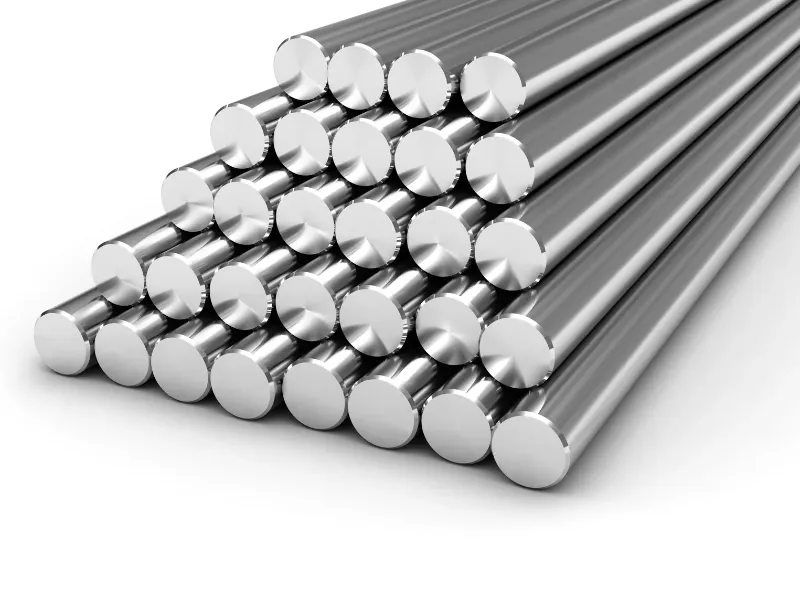
Precision metal casting is an advanced manufacturing process used to produce complex metal components with high accuracy, excellent surface finish, and minimal machining. This guide explains silica sol precision casting, gravity die casting, and how to choose reliable China suppliers in 2026.
1.What is Precision Casting? (Evolution from Sand to Silica Sol)
In the landscape of modern manufacturing, few processes offer the intricate marriage of design freedom and material integrity as precision metal casting. As we navigate through 2026, the demand for components with near-net shape, exceptional surface finish, and tight dimensional tolerances has never been more critical—from aerospace turbines and medical implants to complex automotive brackets and robotic joints.
But what exactly defines “precision” in the context of metal casting, and how has this field evolved to become the backbone of high-performance industries?
At its core, precision casting—often referred to as investment casting or lost-wax casting in its most advanced form—is a family of manufacturing processes that produce metal parts with minimal need for subsequent machining. Unlike traditional sand casting, which relies on expendable sand molds and typically yields rougher surfaces and lower dimensional accuracy, precision casting utilizes advanced mold materials like ceramic shells (via silica sol) or permanent metal dies (in gravity die casting) to achieve tolerances as tight as ±0.1mm.
The distinction is stark: while a search for “casting sand near me” might fulfill the needs for a large, simple machine base, it will not suffice for a hydraulic valve body requiring leak-proof interfaces or a thin-walled impeller needing aerodynamic precision. This guide delves deep into the technologies that bridge that gap, focusing on solutions that deliver high precision without compromising structural integrity.
Industry Insight 2026: The global precision casting market is projected to grow at a CAGR of 5.8% through 2030, fueled by electrification (lightweight components) and renewable energy systems. Within this ecosystem, the ability to source from a reliable
China high quality precision metal casting supplier has become a strategic lever for Fortune 500 OEMs and nimble startups alike, offering a pathway to balance technological rigor with cost efficiency.
The evolution from rudimentary sand molds to today’s sophisticated methods is a story of material science and process control. Traditional sand casting, while cost-effective for low-stakes, large parts, often results in porosity, rough finishes (Ra 12.5 to 25 µm), and significant post-processing scrap. The quest for better surface integrity led to the adoption of plaster molds and, later, the shell molding process.
However, the true leap forward came with the refinement of the lost-wax method, particularly through the binder technology. Modern silica sol precision casting—which uses a colloidal silica binder to create a robust, yet permeable, ceramic shell—represents the zenith of this evolution. It allows for the casting of complex alloys, including stainless steel, superalloys, and ductile iron, with wall thicknesses below 1mm and exceptional repeatability.
In 2026, precision casting is no longer just about producing a part; it’s about producing a high cost-performance product. Engineers are under constant pressure to reduce weight, consolidate parts, and extend component lifespan. Precision casting answers this by allowing designers to combine multiple welded or assembled components into a single, monolithic casting.
This reduces supply chain complexity and enhances mechanical reliability. Furthermore, with the volatility of raw materials and energy, the casting metal price landscape demands processes that minimize waste. Precision casting, particularly when executed by experienced hands, achieves material utilization rates exceeding 95% for the final part, as the gate and runner systems are often recyclable within the foundry.
Today’s leading precision casting companies operate at the intersection of metallurgy and digital simulation. They utilize solidification modeling software to predict shrinkage, stress points, and microstructural evolution before a single mold is poured.
This digital thread ensures that whether the requirement is for a steel precision casting for a cryogenic valve or a high-strength component from specialized ductile iron casting manufacturers, the first article is right the first time. This level of sophistication is why industries ranging from defense to food processing increasingly specify “precision cast” as the default manufacturing method.
As we progress through this guide, we will dissect the specific materials—from the tensile strength of ductile iron to the corrosion resistance of stainless steels—and the key processes that define this field. We will explore why China has emerged as a dominant force, not merely on cost, but on the ability to deliver high cost performance OEM customized precision casting at scale.
Whether you are a procurement professional looking to map the casting metal price trends of 2026 or a design engineer evaluating gravity die casting manufacturer capabilities for a new project, understanding the fundamentals of precision casting is your first step toward manufacturing excellence.
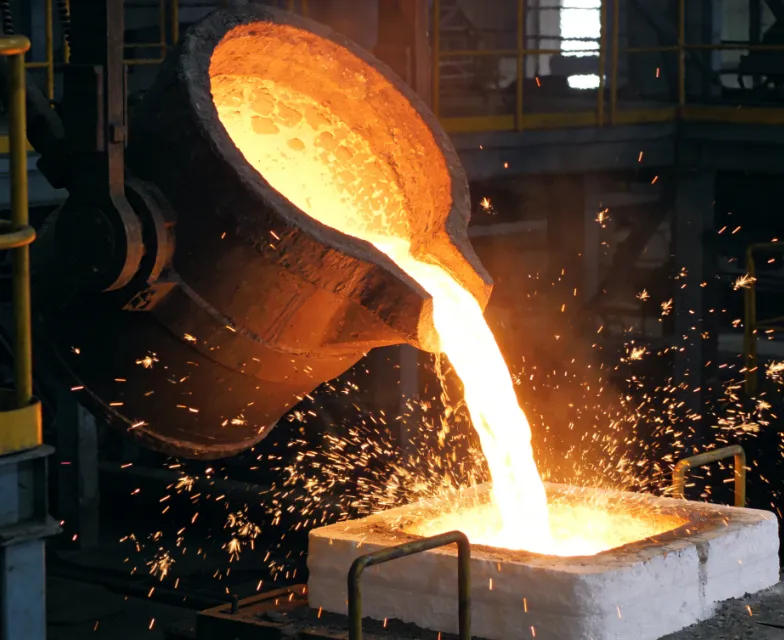
2.Key Processes: Silica Sol Precision Casting & Gravity Die Casting
When engineering teams evaluate manufacturing routes for complex metal components, two advanced processes frequently emerge as frontrunners: silica sol precision metal casting and gravity die casting. Both sit at the pinnacle of near-net-shape manufacturing, yet they operate on fundamentally different principles, material capabilities, and economic scales. Understanding their nuances is critical for selecting the optimal path—whether you are prototyping a intricate aerospace bracket or scaling up production for an automotive suspension part. This chapter provides a comprehensive technical comparison, helping you determine when to engage a specialized silica sol precision metal casting factory versus a seasoned gravity die casting manufacturer.
2.1 Silica Sol Precision Casting: The Art of Ceramic Shells
Silica sol precision casting, an evolution of the ancient lost-wax process, utilizes a colloidal silica binder to create a highly refractory ceramic shell around a wax pattern. Once the wax is removed via autoclaving, a seamless ceramic mold remains, capable of withstanding extreme pouring temperatures. This process is renowned for its ability to produce components with exceptional surface finish (Ra 1.6–3.2 µm), intricate internal geometries, and dimensional tolerances as tight as CT5-7. It is the method of choice for steel precision casting, particularly for stainless steels, tool steels, and superalloys that demand high melting points and corrosion resistance.
✅ Advantages:
- Design Freedom: Undercuts, complex cores, and thin walls (down to 0.5mm) are achievable.
- Superior Surface Finish: Often eliminates the need for secondary machining.
- Material Versatility: Handles all ferrous and non-ferrous alloys, including difficult-to-machine metals.
- Near-Net Shape: Minimal material waste, reducing overall casting metal price impact for high-value alloys.
❌ Limitations:
- Cycle Time: Multi-step shell building makes it slower (days per batch).
- Part Size Constraints: Typically limited to parts under 50kg, though larger is possible.
- Tooling Cost: Wax injection dies are moderately expensive, though less than high-pressure dies.
For buyers seeking high quality silica sol precision metal casting factory partners, the key differentiators lie in process control. Leading facilities employ robotic slurry dipping for consistent shell thickness, automated wax pattern assembly, and rigorous NDT (Non-Destructive Testing) such as X-ray and fluorescent penetrant inspection. This level of sophistication ensures that whether the order is for fifty turbine blades or five thousand medical instrument components, each piece meets the stringent requirements of industries like aerospace and nuclear engineering.
2.2 Gravity Die Casting: The Permanent Mold Advantage
Gravity die casting, also known as permanent mold casting, relies on a reusable metal mold (typically made of tool steel or cast iron) into which molten metal is poured under gravity. Unlike high-pressure die casting, it avoids turbulent filling, resulting in lower porosity and the ability to heat-treat components. This process is a workhorse for non-ferrous alloys, particularly aluminum, brass, and magnesium. A proficient gravity die casting manufacturer can produce medium-to-large volumes of components like cylinder heads, wheel rims, and pump housings with excellent mechanical properties and repeatability.
✅ Advantages:
- High Productivity: Faster cycle times (minutes per part) compared to investment casting.
- Consistent Mechanical Properties: Dense grain structure due to rapid cooling in metal molds.
- Lower Per-Unit Cost at Volume: Economical for production runs of 1,000+ parts.
- Good Surface Finish: Typically Ra 3.2–6.3 µm, suitable for many functional applications.
❌ Limitations:
- Geometric Constraints: Limited to simpler shapes; requires draft angles for part ejection.
- Ferrous Alloy Challenges: High melting temperatures degrade permanent molds quickly; primarily used for non-ferrous.
- Higher Initial Tooling Cost: Metal molds are expensive, making small batches uneconomical.
The decision to partner with a gravity die casting specialist often hinges on alloy selection and volume. For aluminum components requiring pressure tightness (like hydraulic manifolds), gravity casting’s low-porosity characteristic is superior to sand casting. Many OEM customized precision casting manufacturer facilities combine both gravity and investment casting capabilities, allowing them to recommend the most high cost performance precision metal casting product route based on annual demand and part complexity.
Technical Insight: In 2026, hybrid approaches are gaining traction. Some
China precision casting supplier facilities now offer “investment-cast cores” combined with gravity-cast external geometries, leveraging the precision of silica sol for internal passages while maintaining the production speed of permanent molds for the main body.
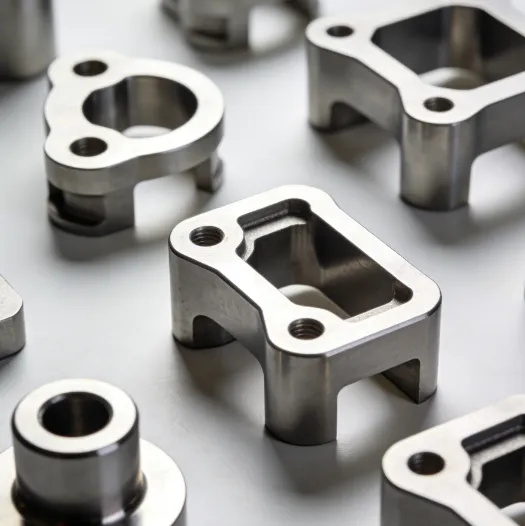
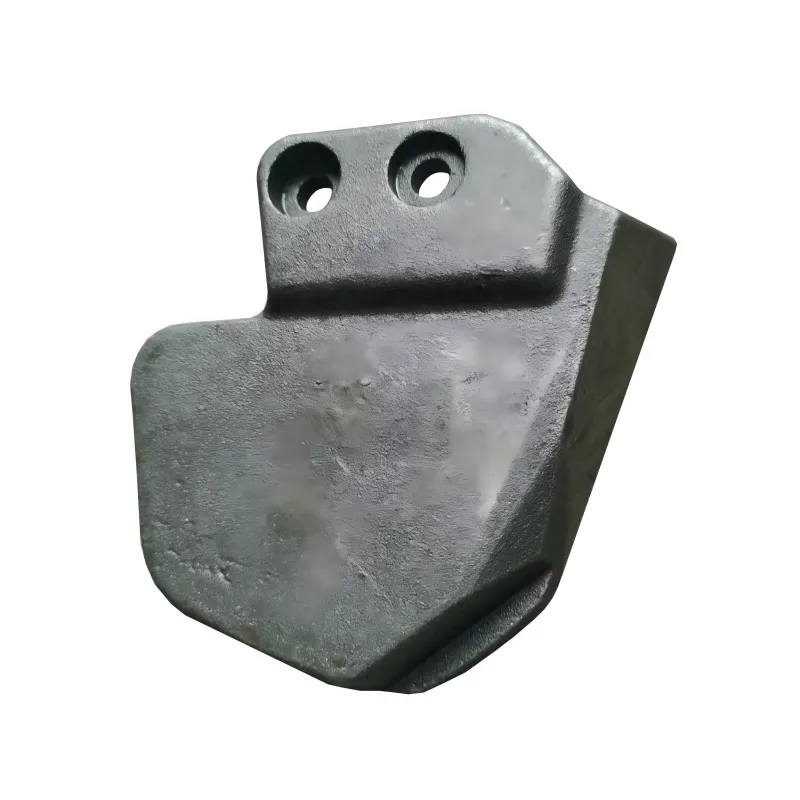
steel precision casting
2.3 Comparative Analysis: Strengths, Weaknesses, and Application Scenarios
To visualize the trade-offs, consider this direct comparison of the two technologies across critical engineering parameters:
| Parameter | Silica Sol Precision Casting | Gravity Die Casting |
| Dimensional Tolerance | CT5-7 (typical ±0.1–0.3mm) | CT7-9 (typical ±0.3–0.7mm) |
| Surface Roughness (Ra) | 1.6 – 3.2 µm (as-cast) | 3.2 – 6.3 µm (as-cast) |
| Typical Alloys | All ferrous (stainless steel, carbon steel, ductile iron), superalloys, aluminum, copper | Primarily aluminum, brass, magnesium; limited ferrous |
| Minimum Wall Thickness | 0.5 – 1.5 mm | 2.5 – 4 mm |
| Part Complexity | High (intricate cores, undercuts) | Moderate (requires draft, simpler shapes) |
| Tooling Lead Time | 4-8 weeks (wax injection dies) | 6-12 weeks (permanent steel molds) |
| Production Volume Suitability | Low-to-Medium (1–10,000 parts/year) | Medium-to-High (500–50,000+ parts/year) |
2.4 Cost Structure and Economic Implications
The economic equation for choosing between these processes extends beyond simple per-piece pricing. It involves tooling amortization, material utilization, and post-casting finishing costs. Here’s a breakdown of the cost drivers:
- Tooling Investment: Gravity die casting molds are machined from high-grade tool steel and can cost 2–3 times more than wax injection tooling for silica sol casting. However, they last for tens of thousands of cycles, whereas wax tooling is primarily for pattern creation and has a longer life but requires more patterns per batch.
- Per-Unit Cost Trajectory: For runs under 500 parts annually, silica sol precision casting often prevails because the tooling cost is lower and the process can accommodate design changes more flexibly. Above 2,000 parts, gravity die casting’s faster cycle time yields significant labor and overhead savings, making it the high cost performance product choice for simpler geometries.
- Material Efficiency: Silica sol casting typically achieves a higher buy-to-fly ratio (material input vs. final part weight) because the gating system is designed for complex fill patterns but can be recycled. For expensive alloys like stainless steel or Inconel, this efficiency can offset the longer cycle time. Gravity casting, while efficient, may require larger risers to feed shrinkage, slightly reducing yield.
- Secondary Operations: Parts from a high quality silica sol precision metal casting factory frequently require minimal machining—often just critical sealing surfaces or threads. Gravity-cast parts, with their slightly looser tolerances, may need more extensive machining, adding to the total landed cost.
💡 Cost-Performance Optimization Tip (2026): For complex components requiring both internal detail and high-volume economics, consider a dual-sourcing strategy. Use silica sol precision metal casting for the initial prototyping and pilot run (validating design with minimal tooling risk). Once the design stabilizes and volumes justify, evaluate if a gravity die casting manufacturer can replicate the design with modified features (adding draft, simplifying cores) for mass production. This phased approach de-risks the program while optimizing long-term unit costs.
2.5 Selecting the Right Partner: Factory Capabilities
Identifying the ideal China precision casting supplier requires a deep dive into their specific process expertise. Not all foundries excel in both domains. When evaluating a silica sol precision casting factory, scrutinize their ability to handle reactive alloys (like titanium) or their expertise in shell dewaxing systems to avoid cracking. For a gravity die casting manufacturer, inquire about their mold coating techniques (which influence fill and cooling) and their ability to perform T6 heat treatment in-house.
Ultimately, the choice between silica sol precision metal casting and gravity die casting is not about superiority, but about fitness for purpose. By aligning the process capabilities with your component’s geometry, material requirements, and lifecycle volume, you can unlock the full potential of modern metal casting—delivering parts that are not only dimensionally precise but also economically viable in the competitive landscape of 2026.
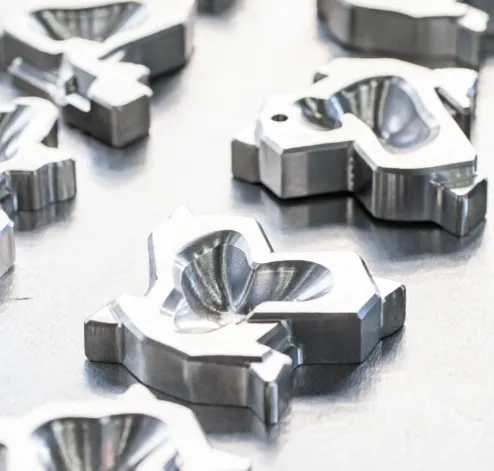
3.Selecting the Right Ductile Iron Casting Manufacturers: Quality, OEM Capability & Logistics
Ductile iron, also known as nodular cast iron or spheroidal graphite iron, has become an engineering staple for components requiring the castability of gray iron combined with the strength and ductility of steel. From heavy-duty automotive suspension arms and hydraulic valve bodies to wind turbine hubs and railway components, ductile iron offers an exceptional strength-to-cost ratio. However, the mechanical properties of ductile iron are highly sensitive to foundry process control—particularly the nodularization treatment and inoculation stages. Selecting the right ductile iron casting manufacturers is therefore not merely a procurement exercise; it is a critical engineering decision that impacts product safety, lifespan, and total cost of ownership.
Market Insight 2026: With infrastructure investments accelerating globally and the casting metal price for steel remaining volatile, ductile iron has emerged as a preferred alternative for many structural applications. Leading China precision metal casting supplier networks report a 15% year-on-year increase in ductile iron enquiries, particularly for components requiring high cost performance product profiles without compromising mechanical integrity.
3.1 Metallurgical Excellence: Beyond the Certificate
When evaluating potential ductile iron casting manufacturers, the first and most critical filter must be metallurgical capability. Ductile iron’s defining characteristic—the presence of nodular graphite instead of flakes—is achieved through the precise addition of magnesium or rare earth elements into the molten iron. This nodularization process must be carefully controlled; under-treatment results in flake graphite (embrittlement), while over-treatment can cause carbide formation (loss of ductility).
Reputable manufacturers demonstrate their proficiency through:
- In-House Spectrometer Analysis: Real-time chemical composition verification before pouring ensures the melt meets grade specifications (e.g., 60-40-18, 80-55-06, 100-70-03).
- Microstructure Evaluation: Regular metallographic examination to confirm nodularity (typically >85% per ASTM A247) and graphite size distribution.
- Mechanical Testing: Dedicated tensile testing and impact testing (for grades requiring low-temperature performance) on separately cast or attached test bars.
A high quality silica sol precision casting factory that also specializes in ductile iron will often employ advanced simulation software to predict shrinkage and microstructural variations, ensuring soundness even in complex cored sections. This level of technical rigor is non-negotiable for safety-critical applications like steering knuckles or pressure-containing valve bodies.
3.2 OEM Customization: Engineering Partnership vs. Order-Taking
The distinction between a commodity foundry and a true OEM customized precision metal casting manufacturer lies in the ability to collaborate during the design and prototyping phases. Ductile iron components are frequently customized to meet specific load requirements, interface with mating parts, or consolidate multiple welded assemblies into a single casting. When assessing a supplier’s OEM capabilities, consider:
🔧 OEM Capability Checklist:
- Design for Manufacturability (DFM) Feedback: Does the foundry provide input on draft angles, fillet radii, and section transitions to improve castability without compromising function?
- Pattern and Tooling Expertise: For ductile iron, pattern equipment must account for shrinkage (typically 1–2%) and distortion. Can the supplier design tooling in-house or through trusted partners?
- Prototyping Agility: Low-volume prototypes (using rapid prototyping or soft tooling) allow validation before mass production tooling investment. This de-risks the program and accelerates time-to-market.
- Secondary Operations Integration: Many ductile iron castings require machining, heat treatment (annealing, normalizing), and surface coating. A full-service China precision metal casting supplier offering these in-house or coordinated services reduces supply chain complexity.
For complex geometries that demand the intricate detail of investment casting, engaging a silica sol precision metal casting factory with ductile iron experience can yield near-net shapes that minimize machining costs. This hybrid approach—applying precision metal casting economics to ductile iron—is increasingly popular for components like hydraulic manifolds and complex lever arms.
3.3 Logistics and Total Landed Cost Analysis
In the global sourcing equation, logistics often represents the hidden variable that can transform a seemingly high cost performance product into an expensive mistake. Ductile iron castings are dense, heavy, and often bulky—factors that amplify freight costs. When comparing domestic suppliers (those appearing in a “metal casting near me” search) versus offshore partners, a comprehensive landed cost model is essential.
| Cost Component | Domestic / Near-Sourcing | Offshore (e.g., China) |
| Unit Price (FOB) | Higher (due to labor, energy, environmental compliance) | Lower (economies of scale, integrated supply chains) |
| Tooling Investment | Moderate to High | Often 30–50% lower with comparable quality |
| Ocean Freight & Insurance | Minimal (trucking/rail) | Significant; container utilization optimization is critical |
| Customs & Duties | None or low (regional trade agreements) | Varies by country; typically 0–4% for castings |
| Inventory Carrying Cost | Lower (shorter lead times, JIT possible) | Higher (require buffer stock for transit) |
| Quality Assurance Travel | Frequent, low-cost visits | Periodic, high-cost audits; rely on third-party or remote inspection |
Experienced ductile iron casting manufacturers in China have adapted by offering value-added logistics services: they consolidate castings from multiple orders into full container loads, arrange sea freight, and handle all export documentation. Some advanced China precision metal casting supplier facilities even operate warehousing near major ports in the US or Europe, enabling just-in-time delivery despite overseas production.
⚠️ Critical Consideration: The casting metal price volatility in 2026 demands flexible contracting. Suppliers that index their pricing to raw material markets (e.g., scrap steel, pig iron, ferroalloys) and provide transparent surcharge mechanisms protect both parties from market shocks. Avoid suppliers that quote fixed prices for extended periods without material adjustment clauses—they may cut corners on quality when raw material costs spike.
3.4 Quality Certifications and Auditing Reality
While ISO 9001 is the baseline expectation, ductile iron foundries serving demanding industries should possess:
- IATF 16949: For automotive components, indicating robust process control and traceability.
- PED (Pressure Equipment Directive): Essential for valve and pump components used in European pressure applications.
- DNV / ABS / Lloyd’s: Marine and offshore certifications demonstrating competence in critical safety applications.
However, certificates alone are insufficient. A prudent sourcing strategy includes an initial on-site audit (or third-party audit) focusing on the foundry’s melt shop practices, sand system control (for green sand molds), and NDT capabilities. For precision applications, inquire whether the foundry utilizes silica sol precision metal casting for certain ductile iron components—this capability often correlates with a culture of precision and quality control.
Ultimately, selecting the right ductile iron casting manufacturer is a balance of metallurgical competence, OEM partnership mindset, and logistical transparency. By prioritizing these factors over the lowest initial quote, engineering and procurement teams can build supply chains that deliver reliable, high-performance components—whether sourced locally or from a world-class China high quality precision metal casting supplier—while achieving the targeted high cost performance product economics.
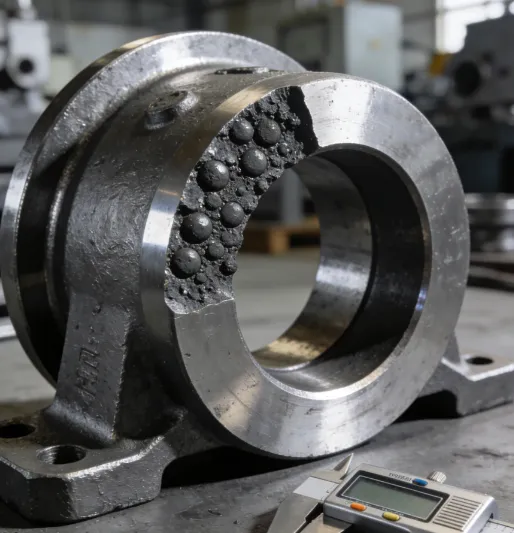
4.Cost Analysis: Understanding Casting Metal Prices in 2026
In the complex ecosystem of precision metal casting, few variables are as dynamic—or as strategically critical—as the casting metal price. As global markets grapple with energy transitions, supply chain realignments, and fluctuating commodity costs, procurement professionals and engineers must develop a sophisticated understanding of what drives pricing. This chapter dissects the components of casting costs in 2026, provides a framework for total landed cost analysis, and offers guidance on structuring contracts that balance fairness with long-term supply security.
Market Intelligence 2026: Raw material costs now represent 45–60% of the total manufacturing cost for typical precision metal casting, up from 35–50% pre-pandemic. This shift has elevated the importance of material-efficient processes like silica sol precision metal casting, where near-net shapes minimize waste and maximize value from expensive alloys.
4.1 The Four Pillars of Casting Metal Price
Understanding the casting metal price requires disaggregating its core components. Each element behaves differently based on global macroeconomic trends, regional energy policies, and industry-specific demand cycles.
| Cost Component | Typical Share (2026) | Key Volatility Drivers |
| Raw Materials | 45–60% | Global scrap indices, pig iron prices, ferroalloy (Mg, Si, Cr) availability, energy costs for smelting |
| Energy & Utilities | 10–18% | Natural gas/electricity rates for melting and heat treatment; carbon taxes in some regions |
| Labor & Overhead | 15–25% | Regional wage inflation, automation levels, foundry utilization rates |
| Tooling Amortization | 3–8% (varies with volume) | Complexity of patterns/dies, expected production volume, tool steel costs |
For buyers engaging with a China high quality precision metal casting supplier, the raw material component often reflects global commodity prices but may benefit from China’s integrated supply chains and scale efficiencies in ferroalloy production. This is particularly relevant for ductile iron casting manufacturers, where magnesium for nodularization and silicon for inoculation are critical cost inputs.
4.2 Raw Material Dynamics in 2026
The current landscape is characterized by several structural shifts:
- Scrap Metal Availability: Steel and iron scrap, the foundation of most foundry melting, faces regional imbalances. Green steel initiatives in Europe and North America are increasing demand for high-quality scrap, putting upward pressure on prices. China’s evolving scrap collection infrastructure, however, provides a buffer for domestic China precision metal casting supplier facilities, allowing them to maintain competitive high cost performance product offerings.
- Alloying Element Costs: Ferroalloy markets remain volatile. Molybdenum (for stainless and tool steels) has seen supply constraints due to mining disruptions. Nickel, critical for corrosion-resistant alloys, continues to fluctuate with EV battery demand. A savvy silica sol precision casting factory monitors these trends closely and often hedges material purchases to stabilize pricing for long-term clients.
- Energy Intensity: Melting metal is energy-intensive. Foundries in regions with high or unstable energy costs (e.g., parts of Europe) face structural disadvantages. This has accelerated the shift of complex, high-volume casting work to regions with stable energy grids, reinforcing the value proposition of a reliable China high quality precision metal casting supplier.
📊 Real-World Example: Stainless Steel Casting Cost Breakdown (316L, 1kg part, 5000 pcs/year)
- Raw Material (316L scrap/alloy): $2.80 – 55%
- Melting & Pouring Energy: $0.65 – 13%
- Shell Building (silica sol): $0.90 – 18%
- Labor & Inspection: $0.50 – 10%
- Tooling Amortization: $0.20 – 4%
- Total Manufacturing Cost: $5.05
A high quality silica sol precision metal casting factory achieving 98% yield and minimal rework can undercut this baseline by 8–12% through waste reduction alone.
4.3 Total Landed Cost: The Real Procurement Metric
Unit price is a dangerous simplification. The true measure of sourcing effectiveness is Total Landed Cost (TLC), which encompasses all expenses from supplier’s factory to your receiving dock. For components sourced from specialized ductile iron casting manufacturers or gravity die casting manufacturer partners, TLC analysis reveals the full economic picture.
| Cost Element | Description | Typical Impact |
| Ex-Works Price | Supplier’s invoice price (material + labor + overhead + profit) | Baseline |
| Inland Freight | Transport from foundry to port of export | +2–5% |
| Ocean/Air Freight | International shipping, insurance | +8–25% (varies with fuel, container availability) |
| Customs Duties & Fees | Import tariffs, brokerage, handling | +0–8% (depending on trade agreements) |
| Inventory Carrying Cost | Cost of capital tied up in pipeline stock | +3–6% (transit time dependent) |
| Quality Assurance | Inspection, potential rework, travel for audits | +2–10% (supplier quality dependent) |
Experienced China precision metal casting supplier partners actively help clients minimize TLC. They optimize packing density to reduce per-unit freight, consolidate shipments from multiple production runs, and maintain transparent quality documentation to expedite customs clearance. For buyers sourcing high cost performance OEM customized precision casting solutions, these logistics partnerships are as valuable as the casting expertise itself.
4.4 Contracting Strategies in a Volatile Market
The casting metal price volatility of 2026 demands contracting approaches that protect both buyer and supplier while fostering long-term collaboration.
- Index-Based Pricing: Leading ductile iron casting manufacturers now offer contracts tied to published indices (e.g., Platts, Metal Bulletin) for key raw materials. A base price is established, with monthly surcharges or credits applied based on index movements. This transparent mechanism ensures suppliers aren’t forced to absorb unsustainable cost increases, which could compromise quality.
- Annual Volume Commitments: Suppliers are more willing to invest in process improvements and dedicated capacity when buyers commit to annual volumes. In return, buyers often secure preferential pricing and priority scheduling—critical when foundry capacity tightens.
- Early Payment Discounts: Some China high quality precision metal casting supplier facilities offer discounts for prompt payment or letters of credit, improving buyer’s TLC while providing the foundry with working capital stability.
- Dual-Sourcing with Risk Allocation: For critical components, consider splitting volumes between a local supplier (for JIT flexibility) and an offshore silica sol precision metal casting factory (for cost efficiency). This hedges against regional disruptions while maintaining high cost performance product economics.
⚠️ Red Flag Warning: Be wary of suppliers offering fixed prices far below market averages for extended periods. This often signals one of three dangers: (1) they will compromise on quality (e.g., using inferior scrap), (2) they will demand renegotiation midway through the contract, or (3) they may not survive sustained high material costs, risking your supply continuity. Sustainable partnerships are built on transparent, fair pricing models.
4.5 Quality Control: Choosing the Right Precision Casting Company
Price discussions are meaningless without the context of quality. A casting that fails inspection—or worse, fails in the field—is infinitely more expensive than a marginally higher-priced component that performs reliably. Selecting the right precision metal casting supplier requires rigorous evaluation of their quality infrastructure.
4.6 The Certification Hierarchy
Certifications are the entry ticket, not the final judge. A competent precision metal casting company should demonstrate:
| Certification | Relevance | What to Verify |
| ISO 9001:2015 | Baseline quality management system | Scope includes casting processes; recent surveillance audit findings |
| IATF 16949 | Automotive industry requirements | APQP/PPAP capability, control plans, MSA studies |
| AS9100D | Aerospace & defense | Special process control, configuration management, traceability |
| NADCAP | Aerospace special processes (NDT, heat treat) | Specific accreditation for NDT methods (MT, PT, UT, RT) |
| PED / CE | Pressure equipment directive | Notified body involvement, material certification traceability |
A high quality silica sol precision metal casting factory serving demanding industries will not only hold these certifications but will also welcome customer audits to demonstrate their application in practice.
4.7 Beyond Paper: Process Control and NDT Capabilities
The true differentiator among ductile iron casting manufacturers or steel precision casting specialists lies in their process control discipline and non-destructive testing (NDT) capabilities.
- Statistical Process Control (SPC): Are key parameters (chemistry, shell thickness, pouring temperature) monitored in real-time? Do they maintain control charts and respond to trends before producing non-conforming parts?
- First Article Inspection (FAI): A robust FAI process, often per AS9102 or PPAP standards, validates that tooling and process settings produce conforming parts before volume production begins.
- NDT Infrastructure: In-house capabilities for radiographic inspection (X-ray), ultrasonic testing, magnetic particle inspection, and dye penetrant inspection indicate a commitment to detecting internal and surface defects. A precision metal casting supplier that outsources all NDT may have less process feedback loop control.
- Material Traceability: From melt certificate to final heat treat batch records, full traceability is non-negotiable for critical components. Systems should allow quick retrieval of all records for any shipped part.
4.8 The Audit Reality
Certificates can be purchased; a culture of quality cannot. A prudent sourcing strategy includes:
- Initial On-Site Audit: Evaluate housekeeping, operator knowledge, maintenance practices, and management commitment.
- Product-Specific Qualification: Run a pilot order with full inspection before committing high volumes.
- Periodic Performance Reviews: Track PPM defect rates, on-time delivery, and responsiveness to technical queries.
Many China high quality precision metal casting supplier organizations now maintain English-speaking quality engineers and host virtual audits using real-time video, bridging the distance gap effectively.
4.9 Regional Sourcing: Global vs. Local (Metal casting near me)
The final strategic consideration in precision metal casting procurement is geographic sourcing. The tension between searching “metal casting near me” for local agility and engaging offshore partners for scale economics is perennial. In 2026, the optimal answer is nuanced.
🔄 Sourcing Decision Matrix (2026)
Local/Near-shore favored when: Complex logistics, JIT requirements, low volumes, high IP sensitivity
Offshore (China) favored when: Mature designs, medium-high volumes, cost-sensitive, stable specifications
4.10 The Case for Local Sourcing
- Agility: Shorter lead times for prototypes and engineering changes.
- Communication: Same time zone, no language barriers, easier collaboration.
- Low-Volume Economics: No container-load minimums; order exactly what you need.
- Risk Mitigation: Geopolitical or trade barrier insulation.
The Case for Engaging a China High Quality Precision Metal Casting Supplier
- Cost Leadership: Labor, energy, and scale efficiencies deliver high cost performance product advantages, particularly for volumes above 500–1,000 parts/year.
- Integrated Capabilities: Many China precision metal casting supplier facilities offer machining, heat treatment, and surface finishing under one roof—reducing multi-supplier coordination.
- Technology Investment: Leading Chinese foundries now match global peers in automation, simulation software, and quality systems.
- Capacity: Ability to scale rapidly for demand spikes without compromising lead times.
Strategic Recommendation: For many buyers, a hybrid model works best. Source high-volume, mature, cost-sensitive production from a qualified China high quality precision metal casting supplier. Reserve local sourcing for prototypes, low-volume runs, and parts with extreme criticality or IP sensitivity. This approach optimizes both cost and risk across the portfolio.
4.11 Conclusion: Precision Metal Casting Economics as a Competitive Weapon
In the demanding industrial landscape of 2026, precision metal casting is not merely a manufacturing process—it is a strategic capability. Mastering the interplay of material costs, process selection (silica sol precision casting vs. gravity die casting), quality assurance, and global sourcing logistics can transform procurement from a cost center into a source of competitive advantage. By partnering with the right precision casting company—whether a specialized ductile iron casting manufacturers or a versatile OEM customized precision metal casting manufacturer—organizations can deliver components that are not only economically optimized but also technologically superior. The ultimate guide to precision metal casting is, at its heart, a guide to informed, strategic decision-making—and that is the surest path to manufacturing excellence.
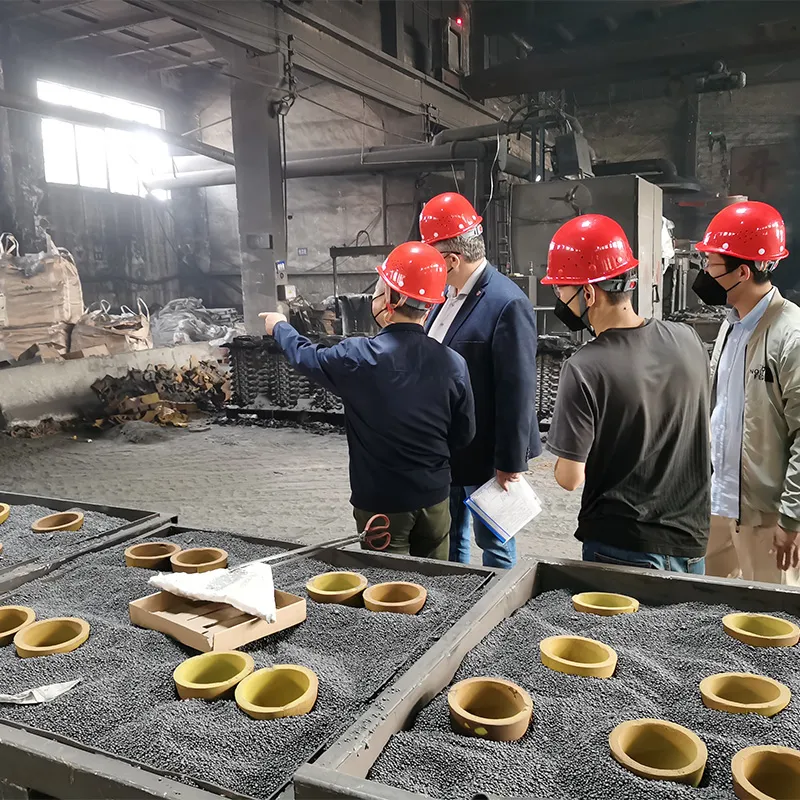
Why choose us?
– 30+ years casting experience
– Export to US / Europe
– Strict tolerance control
– Full machining support
👉 Contact us now