It’s More Than Just Ductile Iron.
You see QT400-18 pop up in specs for wind turbine housings or hydro valve bodies, and the immediate thought is often just cheap, tough cast iron. That’s the first misconception. The role of this material in sustainable technology isn’t about the alloy itself being green—it’s a ferritic ductile iron, after all. It’s about how its specific properties enable designs and applications that directly contribute to energy efficiency, longevity, and circular economy principles. It’s an enabler, a workhorse in the background. I’ve seen too many projects get hung up on chasing exotic, sustainable alloys while overlooking how a properly specified and processed QT400-18 component can outlast and outperform in critical, unglamorous places.
The Misunderstood Workhorse
QT400-18 gets its name from the minimum tensile strength (400 MPa) and elongation (18%). That 18% is key. In practice, that high ductility means it absorbs vibration and handles impact loads far better than gray iron or lower-elongation grades. We’re not talking about the cutting-edge component here; we’re talking about the massive, 2-ton base frame for a tidal power generator’s gearbox. That thing sits in a brutal, corrosive environment with constant cyclic loading. Using a more brittle material might save a bit on initial cost, but a crack propagation failure there is a catastrophic, months-long downtime event. The sustainable tech isn’t just the generator; it’s the entire system’s reliability over a 25-year service life. QT400-18, with its good machinability and weldability for repairs, supports that.
I recall a project for a large-scale anaerobic digester system. The client initially wanted stainless for all the heavy structural brackets and bearing housings inside the chamber, concerned about corrosion from the slurry. Cost was astronomical. We ran tests with QT400-18 with a specified high-quality austempering process and a tailored paint system. The performance-life estimate met the spec, at a fraction of the cost and embodied energy. The sustainability win was twofold: reducing the initial resource intensity (mining, alloying elements for stainless) and ensuring the part could be manufactured locally without specialized foundry tech. Sometimes, sustainability is about pragmatic, accessible material choices.
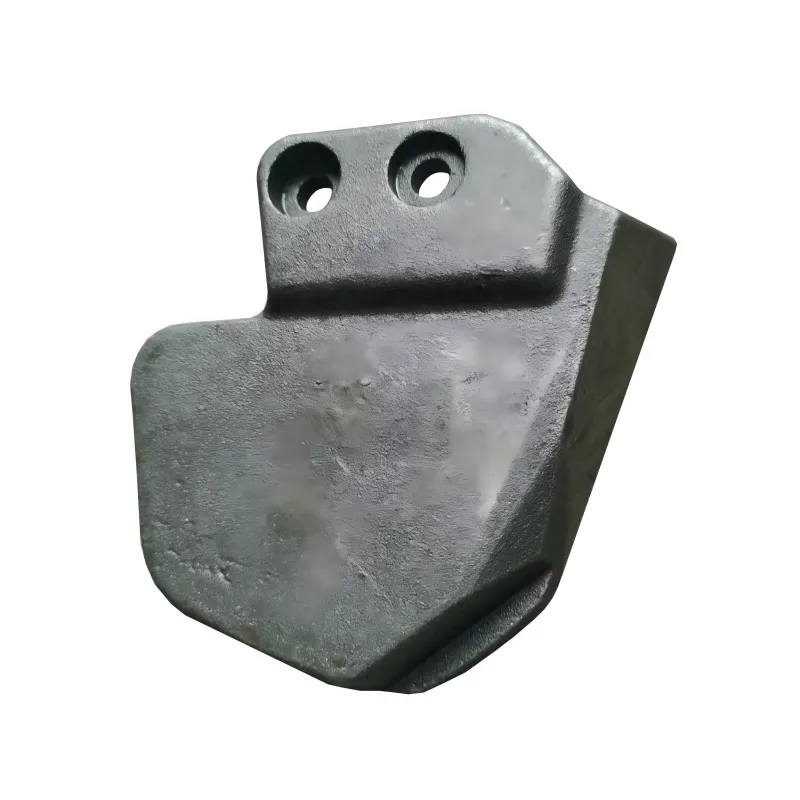
This is where the foundry’s expertise becomes non-negotiable. Getting consistent 18% elongation in heavy-section castings isn’t automatic. It requires tight control over the magnesium treatment, inoculation, and cooling rates. I’ve seen batches where the elongation dropped to 12-14% because of a slight shift in the charge makeup or pouring temperature. In a hydraulic manifold block for a solar tracker, that difference could mean the difference between a fitting surviving a pressure surge or a brittle fracture leading to fluid leak and system failure. The material’s potential is unlocked only with consistent, high-integrity shell mold casting or similar quality-focused processes.
Real-World Applications and Failures
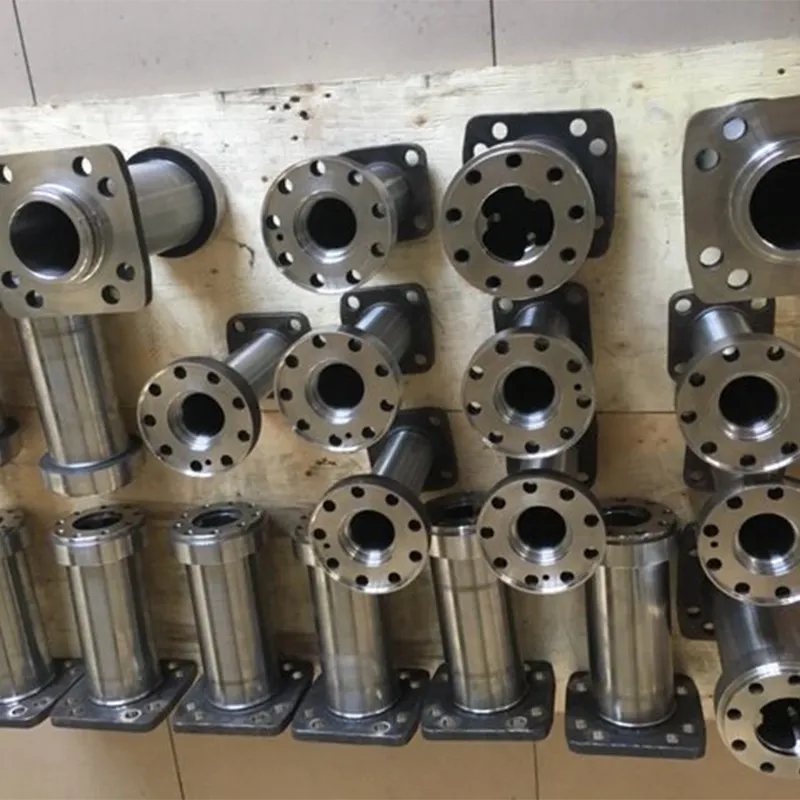
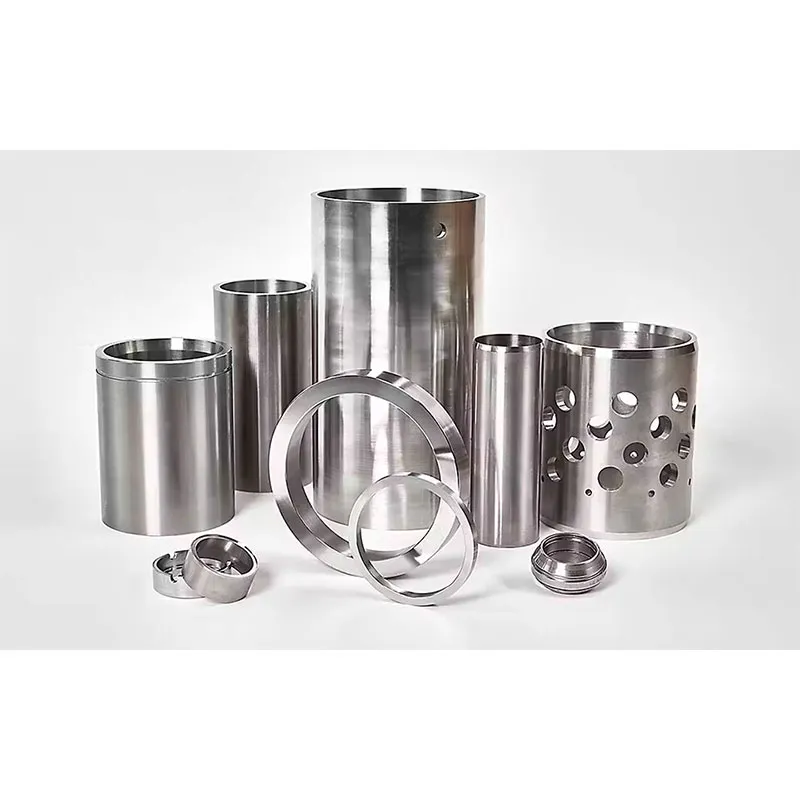
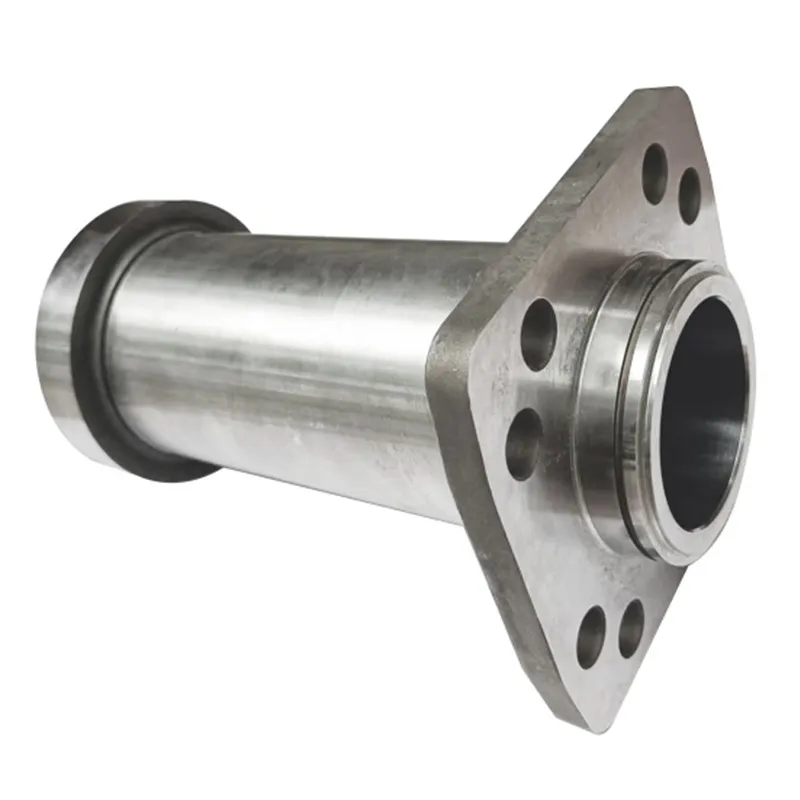
Let’s talk about electric vehicle charging infrastructure. The heavy-duty pedestals for ultra-fast chargers. They house sensitive electronics, need to withstand vehicular impact (to a degree), and be weatherproof for a decade outdoors. Aluminum is light but expensive and less rigid; plastic composites lack the necessary mass and fire rating. Ductile iron like QT400-18, with a good powder coat, becomes a prime candidate. Its damping capacity protects the internal components from road vibration, a subtle but critical factor for connector longevity. We worked with Qingdao Qiangsenyuan Technology Co., Ltd. (QSY) on a prototype housing. Their experience with CNC machining was crucial for the precision mounting surfaces for the cable management system and touchscreen panel. It wasn’t just a casting; it was a cast-machined assembly.
But it’s not all successes. There was a failed attempt in using it for a specific bracketing system in a geothermal heat pump. The design called for very thin sections to save weight. While QT400-18 is ductile, in thin walls you risk getting chilled white iron edges during casting—brittle as glass. We pushed the investment casting process to its limits to try and maintain the microstructure, but the yield rate was too low, making it economically and materially wasteful. We switched to a malleable iron for that particular part. The lesson was clear: QT400-18 is fantastic, but it’s not a magic bullet. Its sustainability contribution hinges on designing for its properties, not against them.
Another subtle point is end-of-life. From a pure recycling stream standpoint, ferritic ductile iron is straightforward. It goes back into the furnace for new iron products. However, in a complex assembly—say, a wind turbine’s yaw gear housing—it’s often bolted and bonded to other materials. The sustainable design practice we’re pushing for now is designing for disassembly. Using standardized bolts instead of welding, thinking about how the QT400-18 component can be mechanically separated at its end of life. That’s the next layer of thinking beyond just material selection.
The Supply Chain and Expertise Factor
You can’t discuss this material’s role without touching on the industrial ecosystem. A spec sheet is one thing; getting 500 identical, sound castings delivered on time is another. This is where a supplier’s depth matters. A company like QSY, with its stated 30 years in casting and machining, brings a practical understanding of how to sequence operations. For a sustainable tech product, consistency in the component means predictability in the system’s performance. If one batch of valve bodies has hidden shrinkage porosity, it will fail in pressure testing, causing scrap, delays, and all the wasted energy and logistics that entails.
Their work with special alloys like nickel-based ones also informs their handling of QT400-18. It sounds counterintuitive, but the discipline required for high-performance alloys often translates to better procedural rigor for the common materials. They understand metallurgy, not just molding. When we needed a specific Brinell hardness range on the wear surfaces of a QT400-18 component for a biomass conveyor system, they could adjust the heat treatment parameters precisely, rather than just offering a standard as-cast or annealed condition. That precision extends component life, which is the core of sustainability.
I’ve visited facilities that just pour iron. The difference with a technologically integrated one is stark. When the same shop handles the CNC machining and quality inspection in-house, you minimize logistics—the castings aren’t shipped across the country for machining. This reduces the carbon footprint of the finished component. For a solar farm’s heavy-duty actuator mounting, this integrated approach from a partner like QSY meant we could verify critical tolerances on the spot, avoiding a scenario where a casting flaw is only discovered at the machine shop weeks later, forcing a whole new production cycle.
Beyond the Spec Sheet: The Unwritten Advantages
Fatigue strength. It’s not the headline property for QT400-18, but it’s decent, especially under compressive loads. In a wave energy converter’s massive hinge assembly, the loading is relentless and cyclical. We did FEA and physical testing comparing it to alternatives. The QT400-18’s ability to handle these cycles without developing micro-cracks, thanks to its graphite nodule structure, gave it a decisive edge in predicted service life. This isn’t flashy; it’s just reliable. And reliability is the bedrock of any sustainable energy infrastructure—you can’t have green energy if the hardware fails every five years.
Then there’s the issue of damping. This material has a high capacity to absorb vibrational energy and convert it to heat. In a large industrial inverter station for a wind farm, the busbar supports and structural frames are subject to constant 100Hz hum from the transformers. Using steel would amplify the noise; QT400-18 dampens it significantly. This reduces acoustic pollution and, more importantly, mitigates vibration-induced loosening of electrical connections. It’s a systemic stability benefit that isn’t in the material’s datasheet but is well-known to experienced mechanical engineers.
Finally, there’s the economic sustainability of the supply chain itself. Promoting the use of a widely available, recyclable material like ductile iron supports localized manufacturing hubs. It doesn’t create a strategic dependency on rare earth elements or complex international alloy supply chains. For the global rollout of sustainable tech—from small-scale hydro in emerging markets to grid-scale storage in developed ones—this accessibility and resilience in the material supply is a non-trivial advantage.
Concluding Without a Bow
So, does QT400-18 have a role in sustainable tech? Absolutely. But it’s a supporting role, defined by pragmatism and system-level thinking. Its contribution isn’t in being a low-carbon material—the production of iron is energy-intensive. Its contribution is in enabling efficient, durable, and repairable designs that last for decades in demanding environments, and in fitting into a circular material flow. The next time you see it on a drawing, don’t think just iron. Think about the vibration it will dampen over 30 years, the impact it will absorb without shattering, and the fact that at the end of its long life, it can simply go back into the furnace to start again. That’s a quiet, unassuming kind of sustainability, but it’s one that gets the job done on a planetary scale.
The key is never to use it in isolation. Its value is multiplied by good design, precise shell mold casting or investment casting processes, and integrated CNC machining from partners who understand the full lifecycle, like those with the deep operational history of QSY. It’s in that combination—material, manufacturing, and mindset—where the real sustainable advantage is forged.