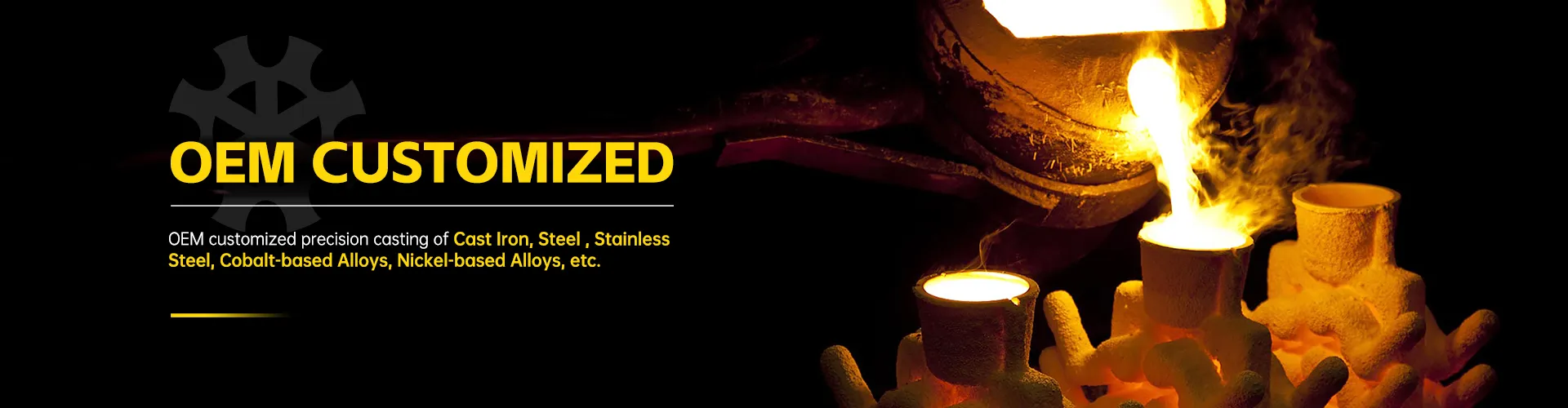
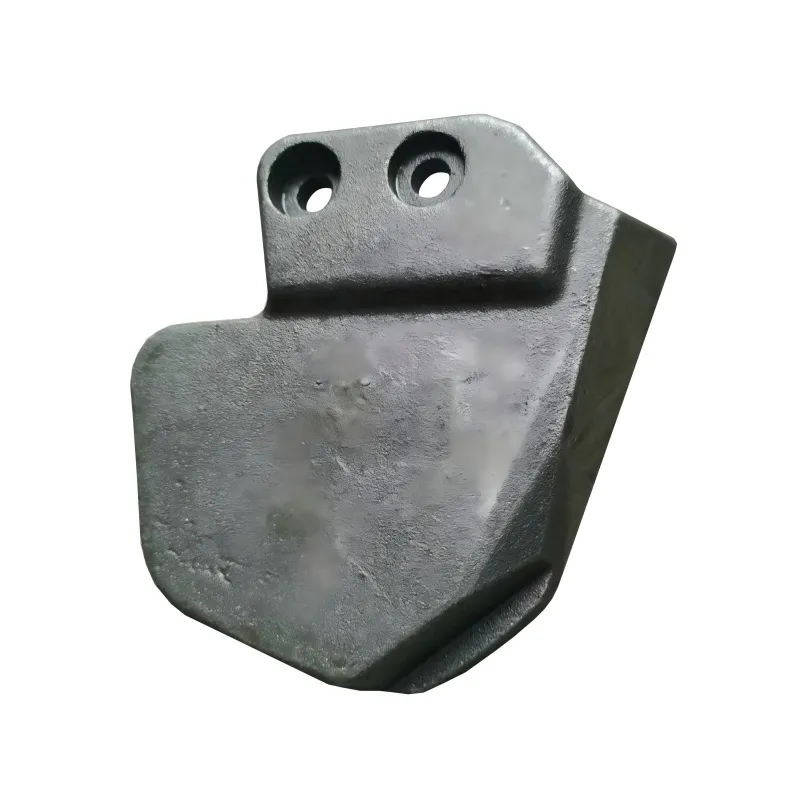
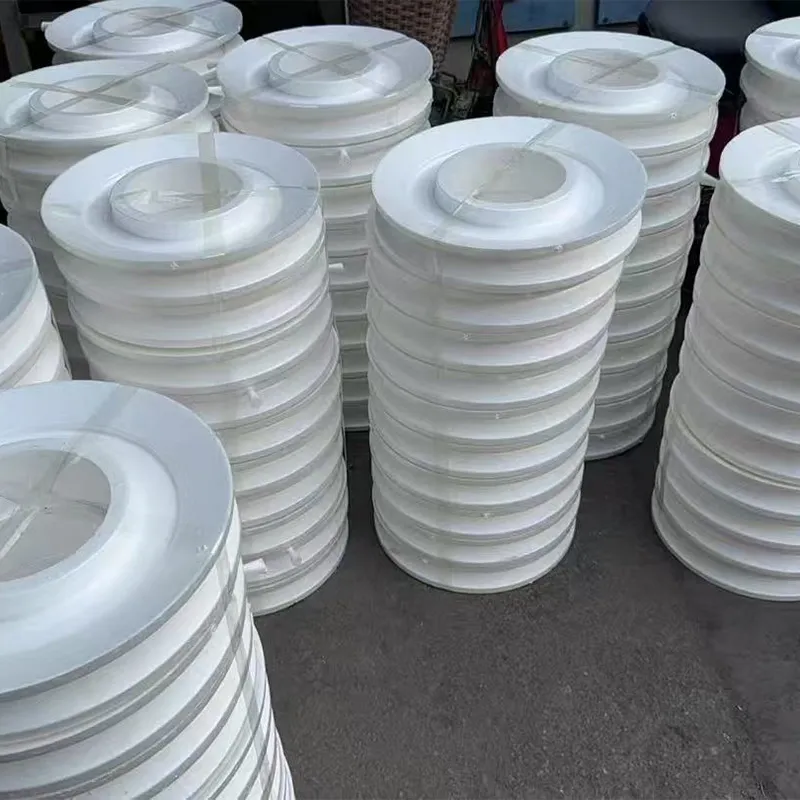
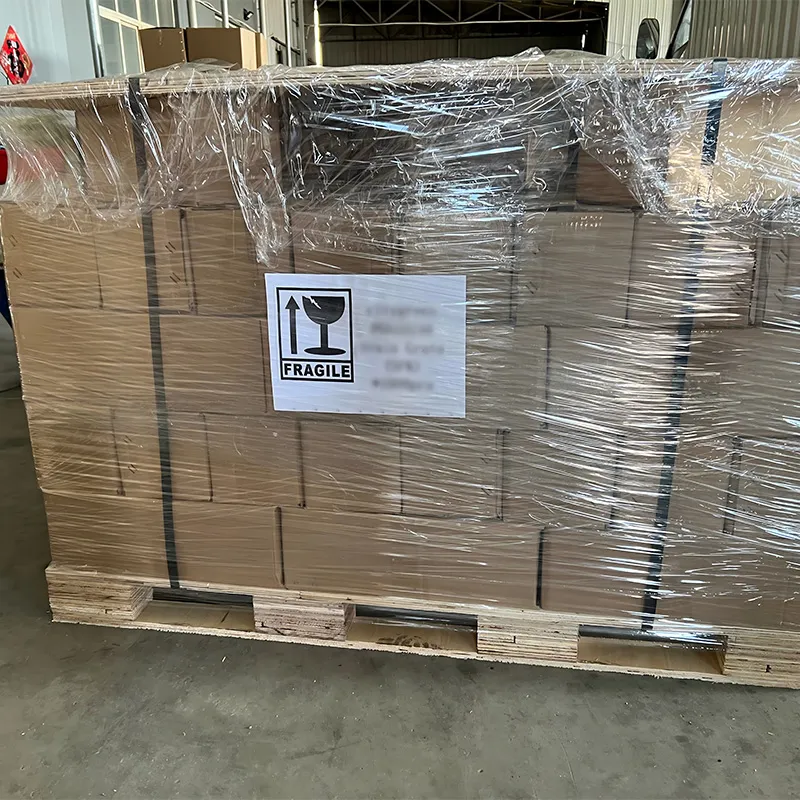
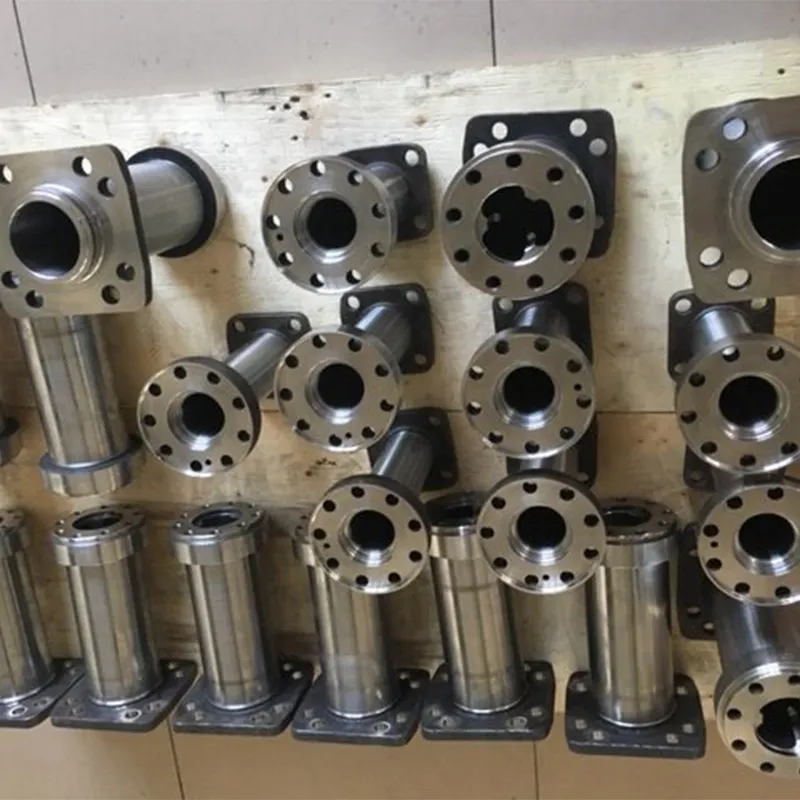
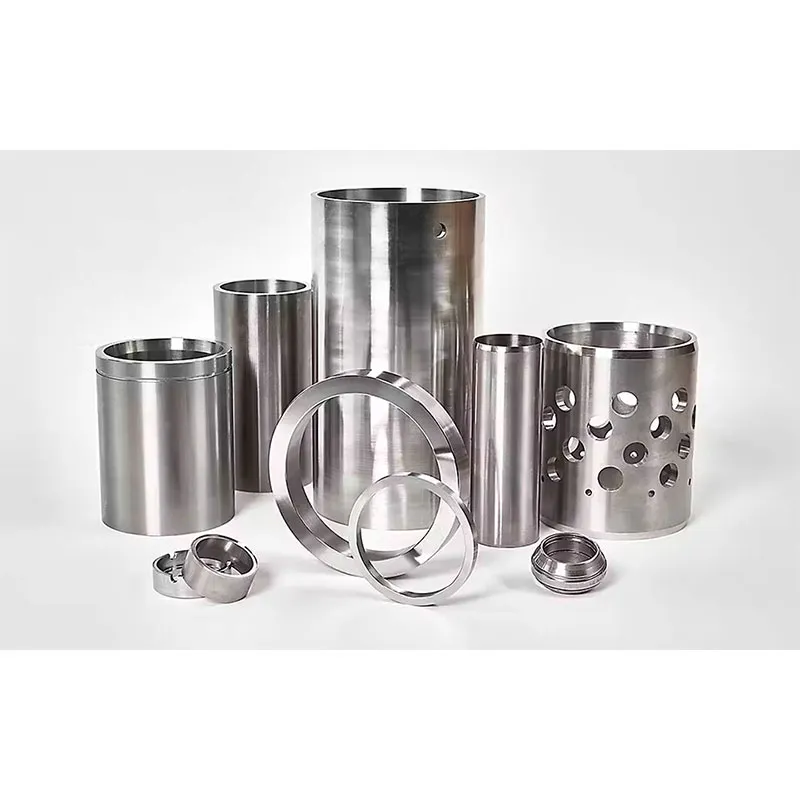
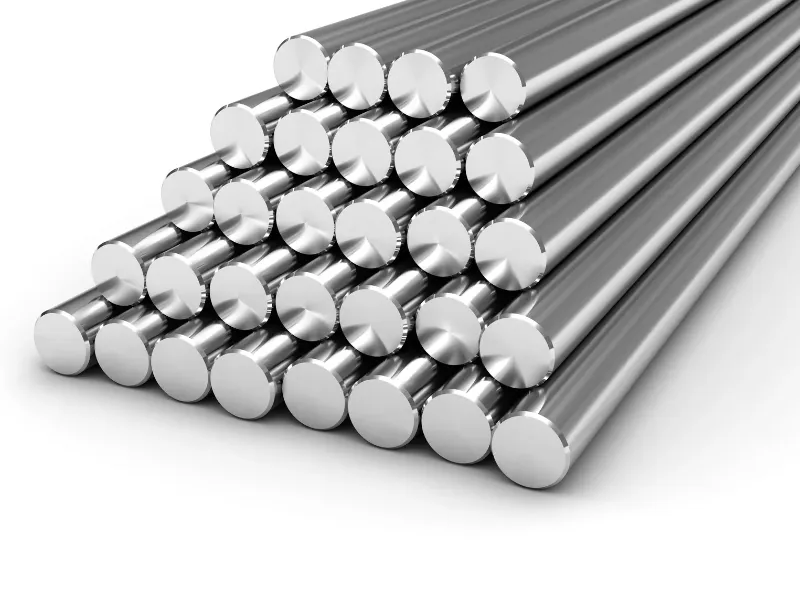
Steel sand casting is a versatile manufacturing process that involves pouring molten steel into sand molds to create complex, durable metal components. As a premier steel sand casting manufacturer, we specialize in producing high-precision, OEM custom parts for industries ranging from heavy machinery to aerospace. Our facility combines traditional foundry expertise with advanced simulation technology to deliver castings that meet strict dimensional tolerances and mechanical property requirements. Whether you need small-batch prototypes or large-scale production runs, our integrated approach ensures cost-effective solutions without compromising on structural integrity or surface quality.
What Is Steel Sand Casting? Understanding the Core Process
Steel sand casting is a subset of investment casting where silica sand, bonded with clay or chemical agents, forms the mold cavity. Unlike iron casting, steel has a higher melting point (approximately 1370–1510°C), requiring robust mold materials and precise temperature control. The process allows for the creation of intricate geometries that would be difficult or expensive to machine from solid blocks.
The fundamental advantage of using sand as the molding medium lies in its permeability and collapsibility. Permeability allows gases generated during the pouring process to escape, reducing defects like blowholes. Collapsibility ensures that the mold breaks away easily after the steel solidifies, minimizing stress on the cooling part. This makes steel sand casting ideal for large, heavy, or complex components where other methods like die casting are not feasible due to temperature constraints or tooling costs.
Key Characteristics of Steel Castings
- High Strength and Toughness: Steel offers superior tensile strength and impact resistance compared to cast iron or aluminum.
- Design Flexibility: Complex internal passages, undercuts, and varying wall thicknesses can be incorporated directly into the cast design.
- Material Versatility: Various grades of carbon steel, alloy steel, and stainless steel can be used depending on the application’s corrosion or wear resistance needs.
- Cost-Effectiveness for Low to Medium Volumes: Since sand molds are expendable, there is no need for expensive permanent metal dies, lowering initial tooling costs.
Why Choose Qingdao Qiangsenyuan Technology (QSY) for OEM Projects?
With over 30 years of experience in the casting and machining industry, Qingdao Qiangsenyuan Technology Co., Ltd. (QSY) has established itself as a trusted partner for global industrial buyers. We understand that clients look for more than just a supplier; they need a technical partner capable of delivering consistent quality and engineering support. Our manufacturing philosophy is built on three pillars: engineering support, process stability, and quality assurance.
Our state-of-the-art facility spans over 50,000 square meters, encompassing specialized production lines for shell mold casting, investment casting, and CNC machining, alongside dedicated quality inspection and packaging workshops. While we excel in various casting methods, our expertise in handling diverse materials—including cast iron, steel, stainless steel, and special alloys like cobalt-based and nickel-based alloys—allows us to offer comprehensive, one-stop customized processing services. This extensive infrastructure ensures that we can maintain consistent metallurgical properties across batches, reducing the risk of variation critical for safety-critical applications in automotive, energy, and heavy machinery sectors.
Engineering-Led Manufacturing Approach
Before a single gram of steel is melted, our engineering team conducts a thorough review of your CAD files. We utilize Finite Element Analysis (FEA) and casting simulation software to predict potential issues such as shrinkage, porosity, or cold shuts. By identifying these risks early, we can modify gating systems or adjust feeding strategies to ensure defect-free castings. This proactive approach significantly reduces lead times and eliminates costly rework. Having cooperated with clients in more than 20 countries, we have refined our processes to meet international standards and diverse regional requirements.
The Steel Sand Casting Process: Step-by-Step Guide
Understanding the production workflow helps clients appreciate the complexity and precision involved in creating high-quality steel castings. Below is a detailed breakdown of our standard operating procedure, optimized for efficiency and quality control.
1. Pattern Making and Mold Design
The process begins with the creation of a pattern, which is a replica of the final part. Patterns are typically made from wood, metal, or plastic and include allowances for shrinkage and machining. In modern facilities, 3D printing is often used to create rapid prototypes or complex core boxes. The pattern is then used to form the impression in the sand mold.
2. Sand Preparation and Molding
We use high-quality silica sand mixed with bonding agents (such as bentonite clay or resin) to create the mold. The sand must have specific properties: high refractoriness to withstand molten steel, adequate permeability for gas escape, and sufficient green strength to hold its shape. The mold is created in two halves: the drag (bottom) and the cope (top). Cores, which are separate sand shapes, are inserted to form internal cavities or holes.
3. Melting and Pouring
Steel scrap, ferroalloys, and other raw materials are melted in electric arc furnaces or induction furnaces. The molten steel is carefully refined to remove impurities and adjust the chemical composition to meet the specified grade (e.g., ASTM A27, ASTM A487). Once the target temperature and composition are achieved, the steel is poured into the prepared sand molds. Temperature control is critical here; too hot, and the sand may erode; too cool, and the steel may not fill the mold completely.
4. Cooling and Shakeout
After pouring, the castings are allowed to cool and solidify within the mold. The cooling rate affects the microstructure and mechanical properties of the steel. Once cooled, the sand mold is broken away in a shakeout process. The rough casting, still attached to the gating system, is removed for further processing.
5. Cleaning and Finishing
The gating system (runners, risers, and gates) is cut off using saws or torches. The casting then undergoes shot blasting to remove residual sand and scale, resulting in a clean metallic surface. Any remaining imperfections are ground down. Depending on customer requirements, additional heat treatment or machining may be performed.
6. Quality Inspection and Testing
Every batch undergoes rigorous inspection. This includes dimensional checks using CMM (Coordinate Measuring Machines), visual inspection for surface defects, and non-destructive testing (NDT) such as ultrasonic testing, magnetic particle inspection, or X-ray analysis. Chemical composition and mechanical properties are verified through spectroscopy and tensile testing.
Types of Steel Used in Sand Casting
Selecting the right material is crucial for the performance of the final component. As a specialized steel sand casting manufacturer, we work with a wide range of steel grades tailored to specific operational environments. At QSY, our material versatility extends beyond standard steels to include special alloys, ensuring we can meet the unique demands of industries such as petrochemicals and medical machinery.
| Steel Type | Key Properties | Common Applications |
| Carbon Steel | High strength, good wear resistance, cost-effective. Grades vary by carbon content (low, medium, high). | Construction machinery, mining equipment, valve bodies, pump housings. |
| Alloy Steel | Enhanced hardness, toughness, and heat resistance due to additives like chromium, nickel, or molybdenum. | Gearboxes, turbine blades, high-stress structural components. |
| Stainless Steel | Excellent corrosion resistance, hygienic surface, aesthetic appeal. Common grades: 304, 316, 17-4PH. | Food processing equipment, marine components, chemical processing valves. |
| Manganese Steel | Extreme abrasion resistance and high impact strength. Work-hardens under stress. | Crusher liners, excavator buckets, railway track components. |
Advantages and Limitations of Steel Sand Casting
To make an informed sourcing decision, it is essential to weigh the benefits against the constraints of the process. While steel sand casting is highly versatile, it is not always the optimal choice for every application.
Advantages
- Complex Geometries: Capable of producing parts with intricate internal features that are impossible to machine economically.
- Size Range: Suitable for very small components (a few grams) to massive structures weighing several tons.
- Material Properties: Steel castings offer superior mechanical properties compared to many other casting alloys, including high ductility and weldability.
- Low Tooling Cost: Compared to die casting or investment casting, sand casting molds are inexpensive to produce, making it ideal for low-to-medium volume production.
- Recyclability: Both the steel scrap and the sand can be recycled, supporting sustainable manufacturing practices.
Limitations
- Surface Finish: Sand casting typically results in a rougher surface finish (Ra 6.3–25 μm) compared to investment casting or machining. Secondary finishing is often required.
- Dimensional Accuracy: Tolerances are generally wider (±0.5mm to ±2.0mm) than precision casting methods. Critical dimensions usually require machining.
- Porosity Risk: If not properly controlled, gas entrapment or shrinkage can lead to internal voids. Rigorous process control is necessary to mitigate this.
- Lead Time: While tooling is fast, the overall cycle time per part can be longer than high-pressure die casting for mass production.
Applications of Custom Steel Sand Castings
Our OEM custom parts serve a diverse array of industries. The ability to tailor material composition and geometry makes steel sand casting a cornerstone of modern industrial infrastructure. At QSY, we proudly provide casting and CNC machining services for parts across various sectors, including agricultural machinery, medical and food processing machinery, industrial equipment, mining machinery, and petrochemicals.
Heavy Machinery and Construction
Excavators, bulldozers, and cranes rely on robust steel castings for their structural integrity. Components like boom arms, bucket teeth, and track pads must withstand extreme abrasive forces and impact loads. Manganese steel castings are particularly popular in this sector due to their work-hardening characteristics.
Oil and Gas Industry
Valves, pumps, and wellhead equipment operate in high-pressure and corrosive environments. Stainless steel and duplex steel castings provide the necessary corrosion resistance and strength to ensure safe and reliable operation in offshore and onshore drilling applications.
Railway and Transportation
Railway couplers, bogie frames, and brake components are critical for safety. Steel castings offer the fatigue resistance needed to endure millions of loading cycles. Our manufacturing processes adhere to strict railway standards to ensure component reliability.
Energy and Power Generation
From wind turbine hubs to hydroelectric generator components, steel castings play a vital role in renewable and traditional energy sectors. Large-scale castings reduce the number of welds required, enhancing the structural integrity of massive power generation units.
Quality Control and Standards Compliance
Trustworthiness in B2B manufacturing is built on consistent quality. Our factory adheres to international standards to ensure that every steel sand casting meets global requirements. We are well-versed in ASTM, ISO, DIN, and JIS standards.
Non-Destructive Testing (NDT) Capabilities
We employ multiple NDT methods to detect internal and surface defects without damaging the part:
- Ultrasonic Testing (UT): Detects internal voids, cracks, and inclusions deep within the casting.
- Magnetic Particle Inspection (MPI): Identifies surface and near-surface discontinuities in ferromagnetic materials.
- Radiographic Testing (RT): Uses X-rays or gamma rays to visualize internal structures and detect porosity or shrinkage.
- Dye Penetrant Testing (PT): Reveals surface-breaking defects that are not visible to the naked eye.
Metallurgical Analysis
Our in-house laboratory performs spectral analysis to verify chemical composition. Mechanical testing, including tensile, yield, and impact tests, ensures that the material meets the specified grade requirements. Microstructural analysis helps us monitor grain size and phase distribution, which directly influence the part’s performance.
How to Choose the Right Steel Sand Casting Manufacturer
Selecting the right partner for your OEM custom parts project involves evaluating several key factors. Here is a guide to help you assess potential suppliers effectively.
1. Technical Expertise and Engineering Support
Look for a manufacturer that offers design for manufacturability (DFM) feedback. A capable supplier will proactively suggest design modifications to reduce costs and improve quality. Ask about their experience with simulation software and their ability to troubleshoot complex casting challenges.
2. Production Capacity and Lead Times
Ensure the factory has the capacity to handle your volume requirements, whether it’s a prototype run or mass production. Inquire about their typical lead times for pattern making, molding, and finishing. A flexible manufacturer can adjust schedules to meet urgent deadlines without compromising quality.
3. Quality Certification and Track Record
Verify that the manufacturer holds relevant certifications such as ISO 9001. Request case studies or references from clients in similar industries. A proven track record in producing defect-free castings for demanding applications is a strong indicator of reliability.
4. Material Sourcing and Traceability
High-quality castings start with high-quality raw materials. Ask about their supply chain for steel scrap and alloys. Ensure they provide material certificates (Mill Test Reports) for each batch, guaranteeing traceability and compliance with specifications.
Common Defects in Steel Sand Casting and How We Prevent Them
Understanding potential defects helps in setting realistic expectations and implementing preventive measures. Here are common issues and our mitigation strategies.
| Defect Type | Description | Prevention Strategy |
| Shrinkage Porosity | Voids formed due to volume contraction during solidification. | Optimized gating and riser design; use of chills to control cooling rates. |
| Gas Porosity | Bubbles trapped in the metal due to dissolved gases or mold emissions. | Proper sand ventilation; controlled pouring speed; degassing of molten steel. |
| Sand Inclusion | Sand particles embedded in the casting surface. | High-strength sand bonds; careful mold handling; effective shot blasting. |
| Cold Shuts | Lines or cracks where two streams of molten metal failed to fuse. | Increased pouring temperature; improved gating system design to ensure continuous flow. |
| Misruns | Incomplete filling of the mold cavity. | Adequate pouring rate; proper venting; correct mold preheating. |
Frequently Asked Questions (FAQ)
What is the minimum order quantity (MOQ) for steel sand casting?
As a flexible OEM custom parts factory, we accommodate both prototyping and mass production. For standard sand casting, the MOQ can be as low as one piece for large, complex components, though unit costs are higher for single pieces due to pattern and setup costs. For smaller parts, we typically recommend a minimum batch size to optimize efficiency.
How does steel sand casting compare to investment casting?
At QSY, we specialize in both shell mold casting and lost wax (investment) casting, allowing us to advise on the best method for your needs. Generally, steel sand casting is more cost-effective for larger parts and lower volumes due to lower tooling costs. Investment casting offers better surface finish and tighter tolerances but is limited by part size and has higher tooling expenses. Sand casting is preferred for heavy industrial components, while investment casting is often used for smaller, intricate parts.
Can you provide machined finished castings?
Yes, we offer integrated machining services. After casting and cleaning, parts can be CNC machined in our dedicated workshop to achieve precise dimensional tolerances and smooth surface finishes. This one-stop solution reduces logistics complexity and ensures that the final product meets your exact specifications.
What file formats do you accept for quotes?
We accept 3D CAD files in formats such as STEP, IGES, and STL. 2D drawings in PDF or DWG format are also helpful for specifying tolerances and critical dimensions. Providing complete data allows us to give accurate and timely quotations.
What is the typical lead time for a new project?
Lead times vary based on complexity and volume. Pattern making typically takes 2–4 weeks. Once patterns are ready, sample castings can be produced in 2–3 weeks. Mass production lead times depend on order size but generally range from 4 to 8 weeks. We strive to expedite urgent projects whenever possible.
Design Guidelines for Optimal Steel Sand Castings
To maximize the benefits of steel sand casting, designers should follow certain best practices. These guidelines help minimize defects and reduce manufacturing costs.
Uniform Wall Thickness
Avoid abrupt changes in wall thickness, as this can lead to uneven cooling and shrinkage defects. Gradual transitions help maintain consistent solidification rates. If varying thicknesses are necessary, use ribs or gussets to reinforce thinner sections.
Generous Radii and Fillets
Sharp corners create stress concentrations and can cause cracking during cooling. Use generous radii on internal and external corners to improve metal flow and reduce stress. This also enhances the structural integrity of the final part.
Draft Angles
Incorporate draft angles on vertical surfaces to facilitate pattern removal from the sand mold. Typical draft angles range from 1 to 3 degrees, depending on the depth of the feature. Adequate draft prevents damage to the mold and ensures dimensional accuracy.
Parting Line Placement
Strategic placement of the parting line minimizes the need for complex cores and simplifies the molding process. Ideally, the parting line should be located on a flat plane to ensure easy mold assembly and alignment.
Sustainability in Steel Casting
In 2026, environmental responsibility is a key consideration for industrial buyers. Our factory is committed to sustainable practices. Sand casting is inherently recyclable; over 90% of the sand used in the process can be reclaimed and reused. Steel scrap from gating systems and defective parts is melted down and reintroduced into the production cycle, minimizing waste. We also invest in energy-efficient furnaces and dust collection systems to reduce our carbon footprint and ensure a safe working environment.
Conclusion: Partner with Qingdao Qiangsenyuan Technology (QSY)
Choosing the right manufacturing partner is critical to the success of your project. As a dedicated steel sand casting manufacturer with over three decades of experience, QSY combines technical expertise, advanced technology, and rigorous quality control to deliver superior OEM custom parts. Our commitment to excellence ensures that your components meet the highest standards of performance and reliability.
Whether you are developing a new product for agricultural machinery, medical equipment, or heavy industry, our team is ready to support you with engineering insights and competitive pricing. We understand the unique challenges of B2B industrial sourcing and are dedicated to providing one-stop customized casting and machining solutions that drive value for your business.
Ready to Start Your Project?
If you are looking for a reliable partner for your steel casting needs, contact us today. Share your drawings or specifications, and our engineering team will provide a comprehensive quote and technical feedback.
Why wait? Elevate your product quality with our precision-engineered castings. Click below to explore our capabilities and request a consultation.
Get a Quote for Steel Sand Casting Services