When engineers specify stainless steel flanges for high-pressure hydraulic systems or corrosive oil & gas environments, they don’t just need a part—they need dimensional stability, metallurgical consistency, and zero tolerance for batch-to-batch variation. That’s why sourcing from a true stainless steel flange factory—not a trading agent or general metal fabricator—makes the difference between field failure and 15-year service life.
Why “Factory” Matters More Than “Supplier”
Many buyers assume all stainless steel flanges meet ASTM A182 F316 or EN 1092-1 standards on paper. In practice, we’ve seen flanges pass mill test reports but fail hydrostatic testing due to undetected porosity in the forging zone—or warp during welding because grain flow wasn’t aligned with bolt-hole geometry. These aren’t manufacturing flaws. They’re consequences of fragmented responsibility: one shop casts, another machines, a third heat-treats, and no single entity owns final performance.
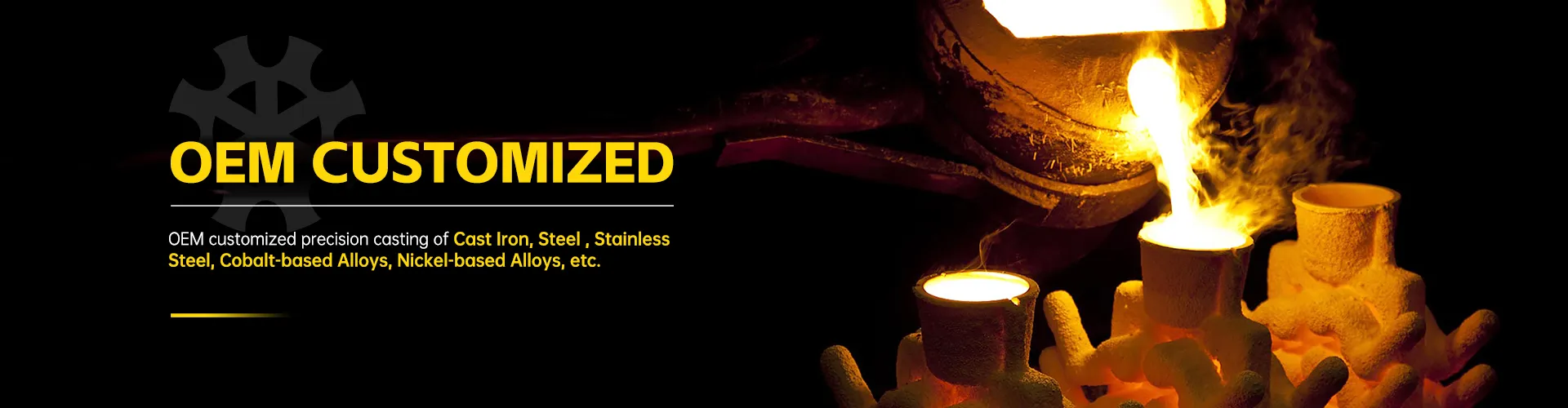
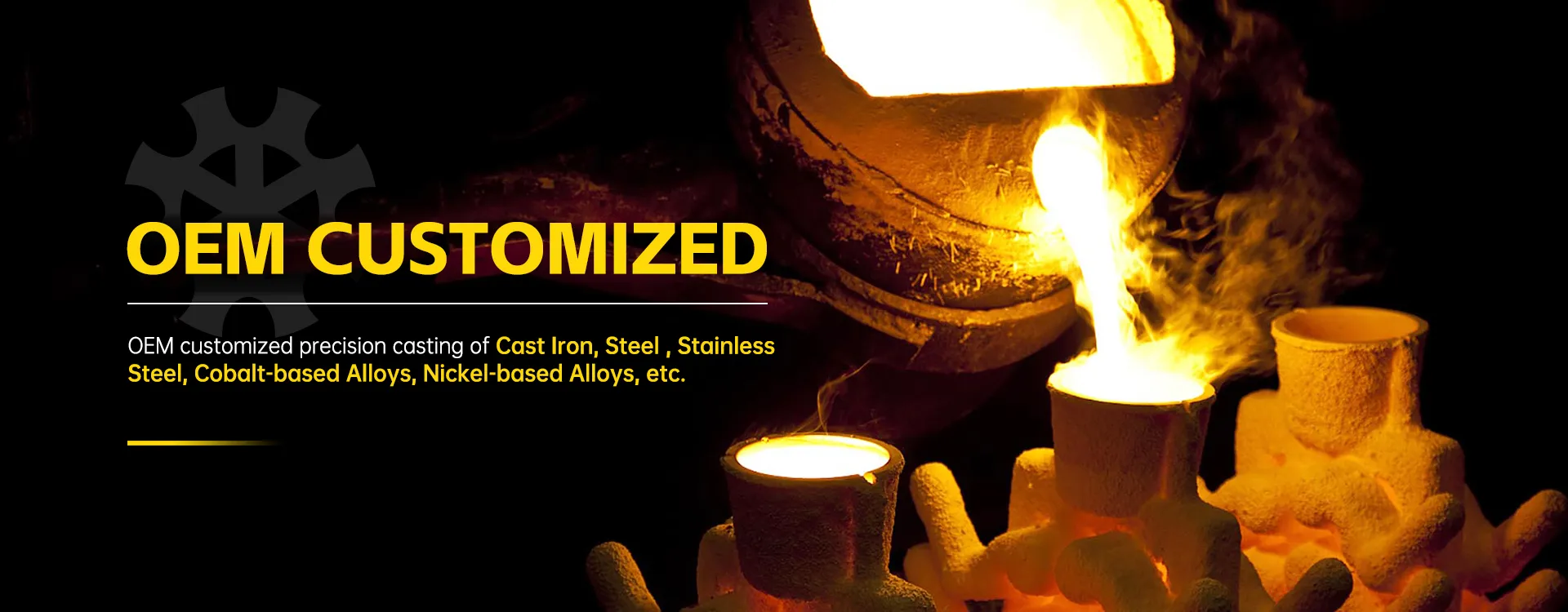
At QINGDAO QIANGSENYUAN TECHNOLOGY CO., LTD., every stainless steel flange starts and ends under one roof. We forge or cast blanks in-house using certified AISI 304, 316, or super-duplex S32750 ingots—traceable to heat number, chemical analysis, and tensile test data. No subcontracted casting. No off-site machining. No blind acceptance of supplier certs. Our ISO-compliant facility runs full-cycle production: from raw material verification (with OES spectroscopy) through multi-axis CNC facing, drilling, and threading, to final CMM inspection against your GD&T callouts—not just nominal dimensions.
Custom Flanges That Solve Real Problems
Standard flanges work until they don’t. A client in Norway needed ANSI B16.5 Class 900 flanges for subsea pump manifolds—but with non-standard bolt-circle diameters and custom sealing grooves to mate with legacy valve bodies. Off-the-shelf parts required field re-machining. Their previous vendor quoted 14 weeks and refused liability for fit-up errors.
We delivered in 8 weeks. Why? Because our engineering team doesn’t just read drawings—we simulate thermal expansion mismatch between flange and pipe, model gasket compression load paths, and verify thread engagement depth before cutting metal. We’ve built flanges with integrated cooling jackets for high-temp steam applications, flanges with machined-in alignment dowels for repeatable pump assembly, and ultra-thin flanges for space-constrained offshore skids where weight savings translate directly to installation cost reduction.
Key capabilities that separate us from generic suppliers:
- Material control: Direct sourcing of AMS 5387-certified cobalt alloys and T800-grade stainless steels—not commodity stock
- Process integration: Sand casting + CNC machining + solution annealing + passivation—all under one QA system
- Dimensional discipline: In-process inspection with Zeiss CMMs and Mitutoyo optical comparators; not just final check
- Traceability by design: Each flange carries a QR-coded ID linking to its material certificate, heat treatment log, and inspection report
What Buyers Overlook (and Pay For Later)
Some customers prioritize lowest unit price. They get flanges that meet ASME B16.5 outer diameter tolerances—but ignore face finish Ra values critical for spiral-wound gasket seating. Others accept “as-cast” surfaces on pressure-retaining flanges, then discover micro-cracks during NDT after welding.
We require clarity upfront: Is this for sour service (NACE MR0175 compliance)? Does it need post-weld heat treatment per ASME Section VIII? Must the flange withstand cyclic thermal shock? These aren’t checkboxes—they drive process decisions. A flange for cryogenic LNG service uses different solution-annealing soak times than one for boiler feedwater. We document every deviation—and explain why it matters.
Our clients in North America and EU markets consistently cite two non-negotiable advantages: First, no surprises at receiving inspection. Second, technical dialogue—not transactional quoting. When a German pump OEM sent us a drawing with conflicting GD&T symbols, our engineer flagged the conflict, proposed three manufacturable alternatives, and shared stress simulation snapshots—all within 48 hours.
Building Reliability, One Flange at a Time
A stainless steel flange isn’t a commodity. It’s the mechanical interface where pressure containment, corrosion resistance, and assembly repeatability converge. Choosing a factory with vertical integration, alloy-specific expertise, and documented quality rigor isn’t about premium pricing—it’s about eliminating risk at the point where failure cascades across entire systems.
QINGDAO QIANGSENYUAN TECHNOLOGY CO., LTD. builds flanges for applications where “good enough” isn’t an option: hydraulic manifolds on 800-ton mining shovels, pump housings in offshore water injection systems, and custom flanged adapters for next-gen hydrogen compressors. We don’t sell flanges. We deliver verified, traceable, functionally validated interfaces—backed by engineering insight, not brochures.
If your next project demands more than dimensional compliance—if it requires metallurgical confidence, geometric precision, and partner-level engineering support—start with a stainless steel flange factory that treats your spec sheet as a performance contract.