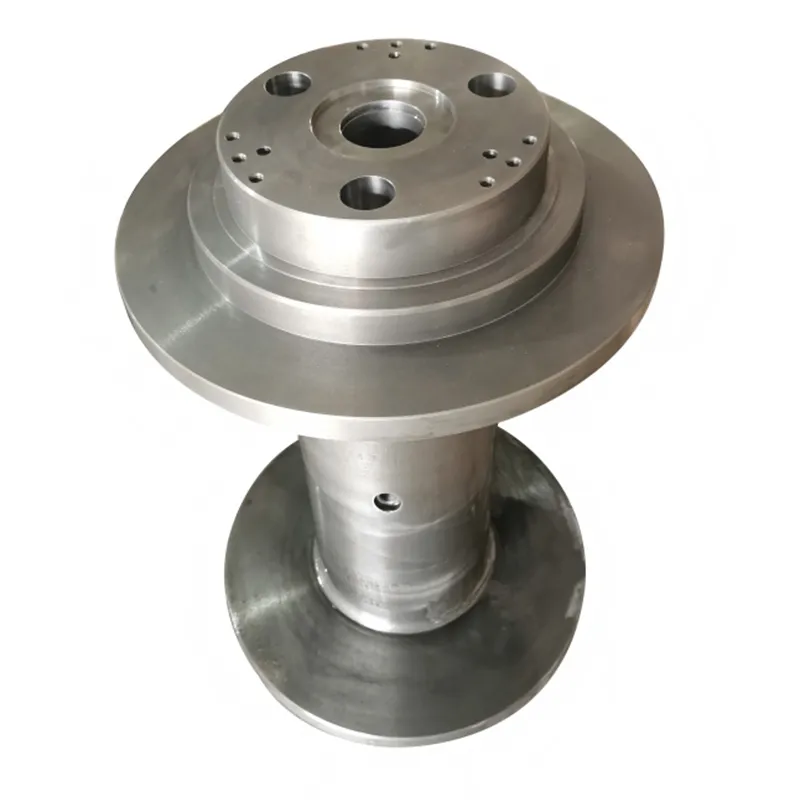
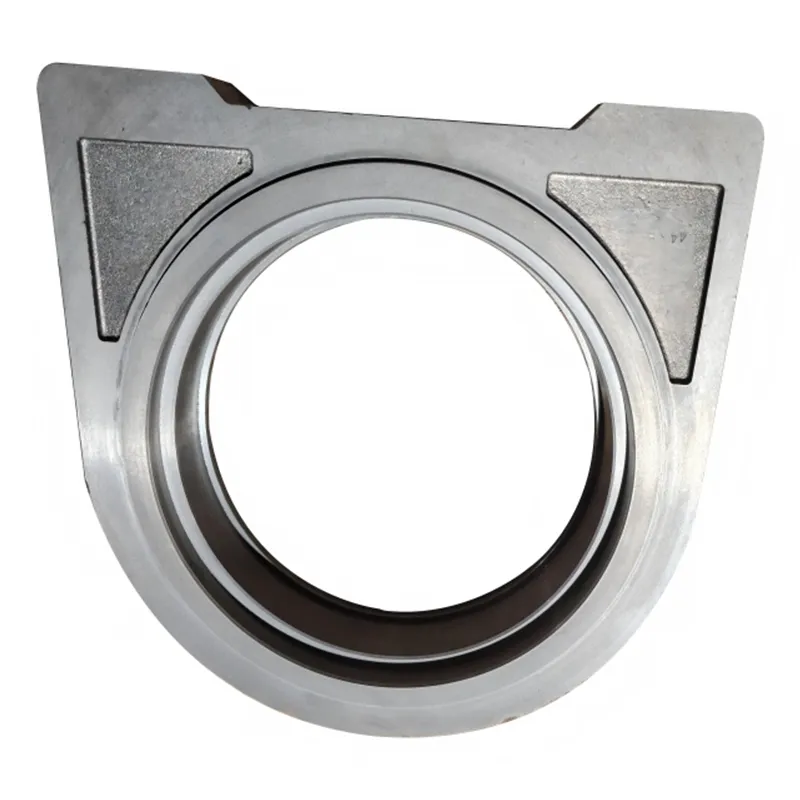
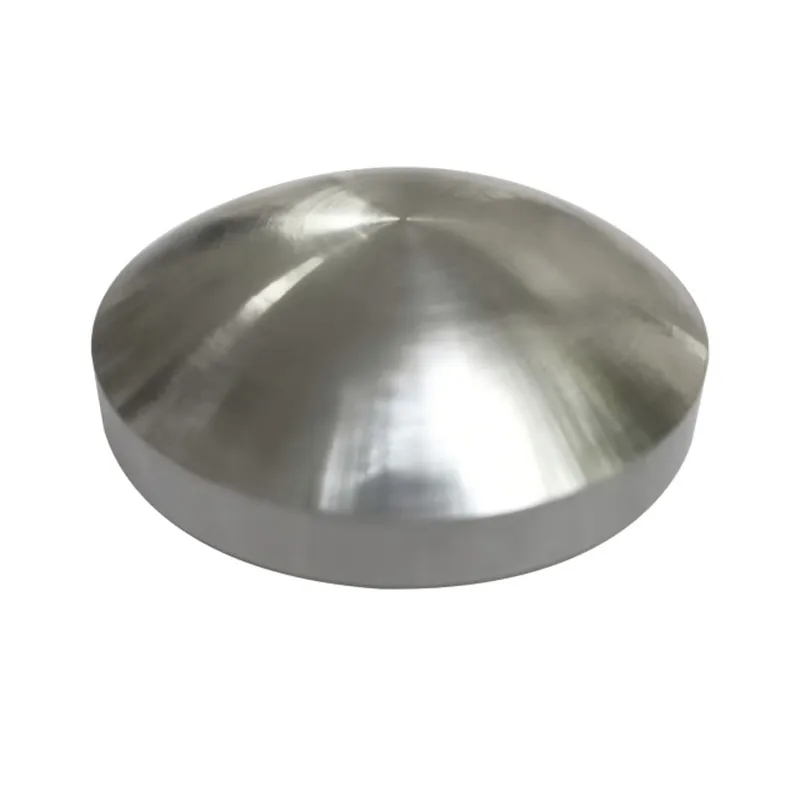
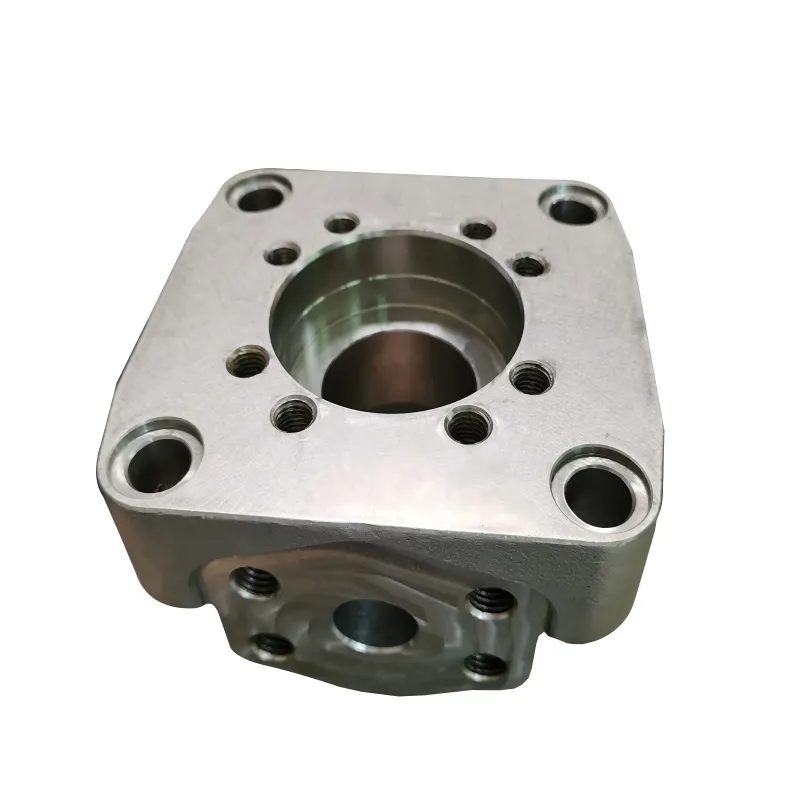
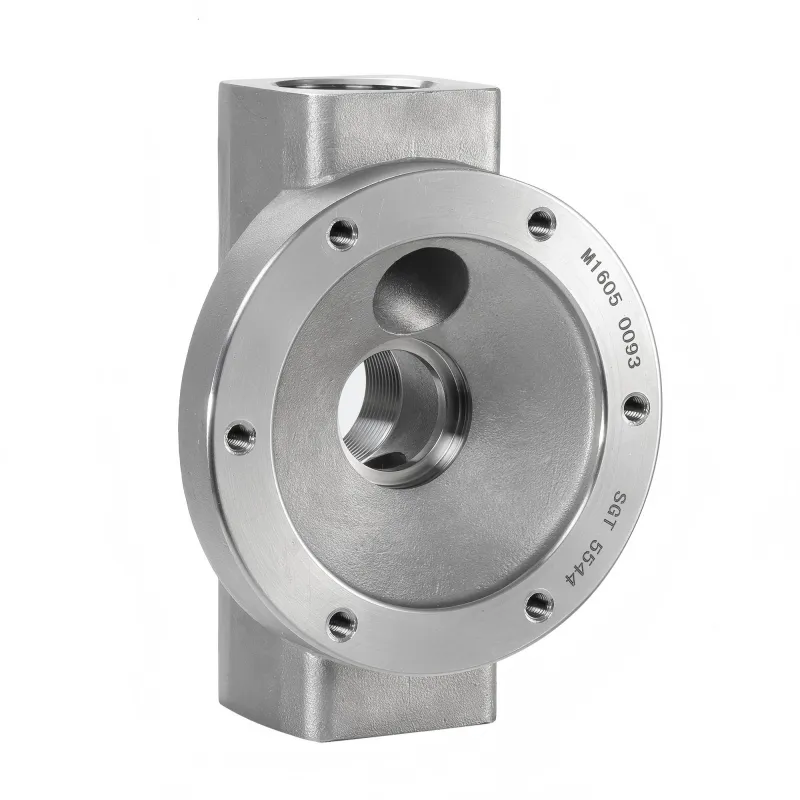
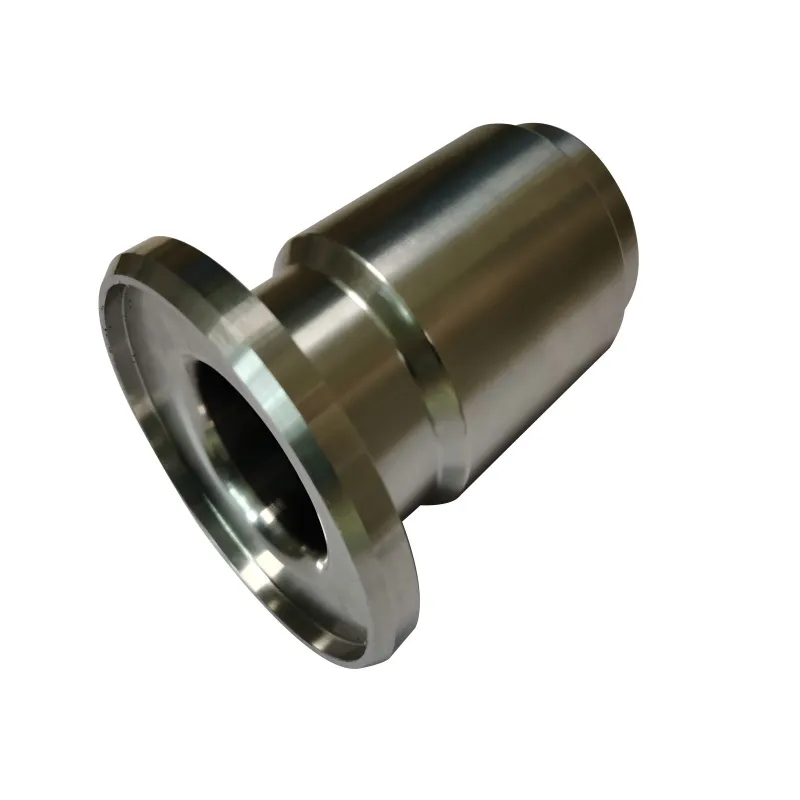
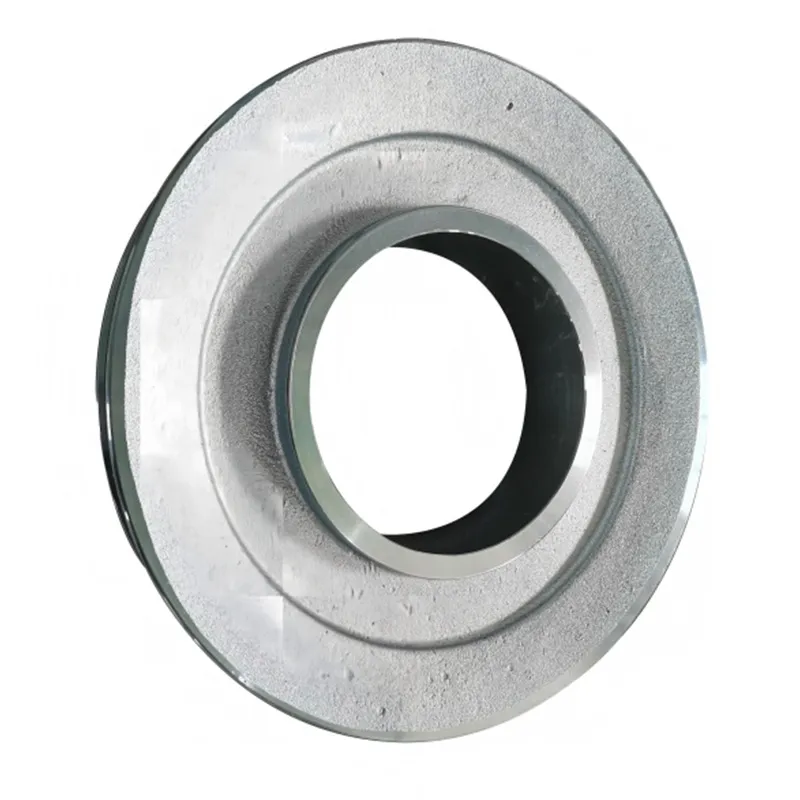
When most people hear 'extreme precision machining', they immediately think of tight tolerances. You know, the ±0.001 or even ±0.0002 callouts on a drawing. That's part of it, but it's the easy part to define. The real challenge, the part that separates a shop that can claim to do it from one that can consistently deliver, lives in the intangibles. It's in the thermal stability of the machine tool over an 8-hour run, the micro-variations in a batch of 17-4 PH stainless, and the way a part distorts when you finally unclamp it after that final finishing pass. A lot of shops, especially those new to high-tolerance work, get fixated on the machine's specs—the linear scales, the laser calibration reports. Those are just the entry ticket. The real work begins after the machine is installed.
The Foundation: It Starts Before the Spindle Turns
You can't bolt a high-speed spindle onto a shaky foundation and expect miracles. I learned this the hard way early on. We had a project requiring micro-milling features on a nickel-based alloy component for a fluidic control system. The prints called for surface finishes and positional tolerances that were, frankly, intimidating. We had a capable 5-axis mill, but we kept getting inconsistent results on the third or fourth part in a batch. Scrap rates were killing us.
The breakthrough didn't come from tweaking feeds and speeds. It came from looking at the floor. The machine was on a standard factory slab, but it was near a loading bay door. The minute a forklift drove by, or even when the HVAC system kicked on, we'd see a tremor—almost imperceptible, but enough to show up as a slight chatter mark or a dimensional drift on the probe. We ended up installing a dedicated, isolated foundation block for that machine, decoupling it from the rest of the factory floor. It was a costly, disruptive process, but it was the only way to eliminate that variable. That's the unglamorous side of extreme precision machining: sometimes the most critical factor is the concrete.
This is where experience in material science becomes non-negotiable. Working with special alloys like Inconel or cobalt-chrome isn't just about using harder tooling. It's about understanding how the material's residual stress from the casting or forging process will react when you start removing material. I've seen beautifully machined parts warp days after coming off the machine as the internal stresses re-balanced. Now, we often incorporate stress-relief steps mid-process, or even design the fixturing to allow for predictable, controlled movement. It's a dance between the metal's memory and the toolpath.
The Tooling Paradox: When the Holder Matters More Than the Cutter
Talk to any machinist about precision, and the conversation quickly turns to tooling. But there's a common pitfall: over-investing in the cutting tool itself while neglecting everything upstream. The connection between the spindle and the cutting edge is a chain of potential error. A premium, sub-micron tolerance end mill is useless if it's sitting in a worn collet or a holder with poor taper contact.
We standardized on high-precision, thermally stable tool holders years ago. The difference in runout and repeatability was immediately apparent, especially in finishing operations. But the bigger lesson was in management. We had to implement a strict calibration and maintenance schedule for the tooling system itself. It's not a set it and forget it asset. Temperature changes in the shop, even minor impacts, can affect a holder's concentricity. Now, checking and documenting holder runout is as routine as changing an insert.
Coolant isn't just for chip evacuation and cooling anymore. In true extreme precision work, especially with exotic alloys, the chemical composition and delivery pressure of the coolant can affect surface integrity and even tool life. We had a case with a 316L stainless component where we kept getting microscopic pitting on a critical sealing surface. After exhausting toolpath and tooling variables, we looked at the coolant. It turned out a slight bacterial growth (something you wouldn't notice in roughing) was affecting the lubricity at the cutting interface. Switching to a more stable, maintenance-intensive coolant regimen solved it. It's these second- and third-order effects that dominate the process.
Measurement is the Process, Not the Final Check
This might be the biggest shift in mindset. In conventional machining, you machine the part, then you measure it. In extreme precision work, measurement is integrated, often in-process. On-machine probing isn't a luxury; it's a necessity for compensating for thermal growth of the machine or the part. But even that has its limits.
We invested in a high-end CMM for final validation, but we quickly realized its environmental requirements were as strict as the machining cell's. It sits in its own temperature-controlled enclosure. The shocker was the calibration artifact—the master sphere we use to qualify the CMM. Its certified diameter has a coefficient of thermal expansion. If we didn't let the sphere acclimate to the CMM room's temperature for a set period before a critical calibration run, we were introducing error at the most fundamental level. It's a humbling reminder that every link in the chain matters.
Sometimes, the required tolerances push beyond the capability of even tactile CMMs. For certain optical or fluidic components, we've had to partner with labs that use white-light interferometers or coordinate measuring microscopes. The takeaway is that you need to know the limits of your metrology and have a clear plan for what lies beyond. You can't certify a 0.1-micron Ra surface finish with a handheld profilometer.
A Case in Point: From Casting to Finished Part
This is where a vertically integrated approach shows its value. Take a company like Qingdao Qiangsenyuan Technology Co., Ltd. (QSY). With over 30 years in casting and machining, they see the whole journey. When you're aiming for extreme precision machining on a cast component, you can't treat the machining stage as an island. The quality and consistency of the initial casting—whether it's their specialty shell mold or investment casting—sets the ceiling for what's possible in the CNC cell.
I recall a project involving a complex pump housing in duplex stainless steel. The part required deep, precision-bored cylinders with a tight surface finish. The foundry (not QSY in this case) delivered castings that looked fine visually. But during machining, we hit hard spots and occasional porosity that ruined expensive boring tools and scrapped nearly finished parts. The problem was inconsistency in the casting's microstructure. If the foundry process isn't controlled to feed the needs of precision machining—minimizing residual stress, ensuring uniform hardness—the machinist is fighting a battle that's already lost.
A shop like QSY, which controls both the casting and the CNC machining under one roof, has a significant advantage. Their machining teams can provide direct feedback to their foundry on how a batch of castings machines. They can adjust gating, cooling rates, or heat treatment to produce a casting that isn't just dimensionally sound, but also machinable to high precision. This feedback loop is invisible to the end customer but is absolutely critical for reliability and cost control. It turns the process from a series of handoffs into a continuous, optimized system.
The Human Factor in an Automated World
With all this talk of machines, metrology, and materials, it's easy to forget the programmer and the operator. Automation is fantastic for repeatability, but the initial process development, the first-time-right strategy, is still a deeply human, experience-driven task. The best machinists I've worked with have a kind of tactile intuition. They listen to the cut, they watch the chip formation (color, shape, curl), and they can often diagnose a problem before the probe ever triggers.
This intuition is built on a foundation of failed attempts. We once tried to use a trochoidal milling path for a deep slot in titanium, based on textbook best practices. It should have worked. But the specific geometry created a harmonic vibration that led to catastrophic tool failure. The operator heard a subtle change in the sound—a high-frequency whine—and stopped the cycle. The data logs showed nothing alarming until the moment of failure. His ear saved a very expensive workpiece. That experience got baked into our process planning for similar features; we now use a different toolpath strategy with more consistent engagement. No CAM software's optimization algorithm would have predicted that interaction without that empirical data point.
So, while we push for lights-out production for stable jobs, we fiercely protect the time for our senior people to experiment, to tweak, and yes, to occasionally break something. That's the R&D budget for extreme precision work. You can't outsource it, and you can't automate the learning it provides. It's the accumulation of these small, hard-won insights that builds a shop's true capability, far beyond what's listed on the equipment roster.