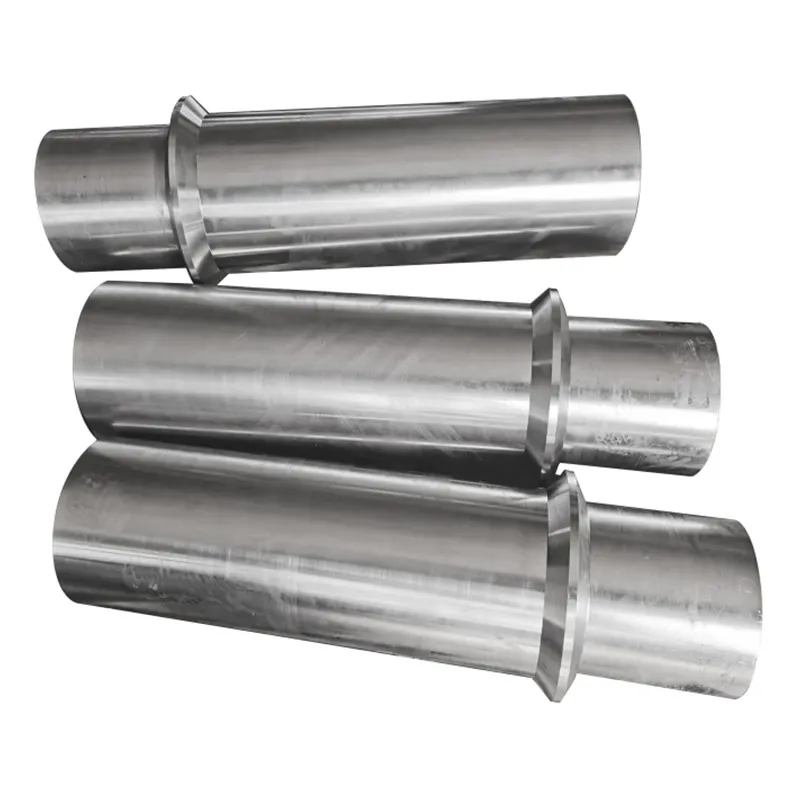
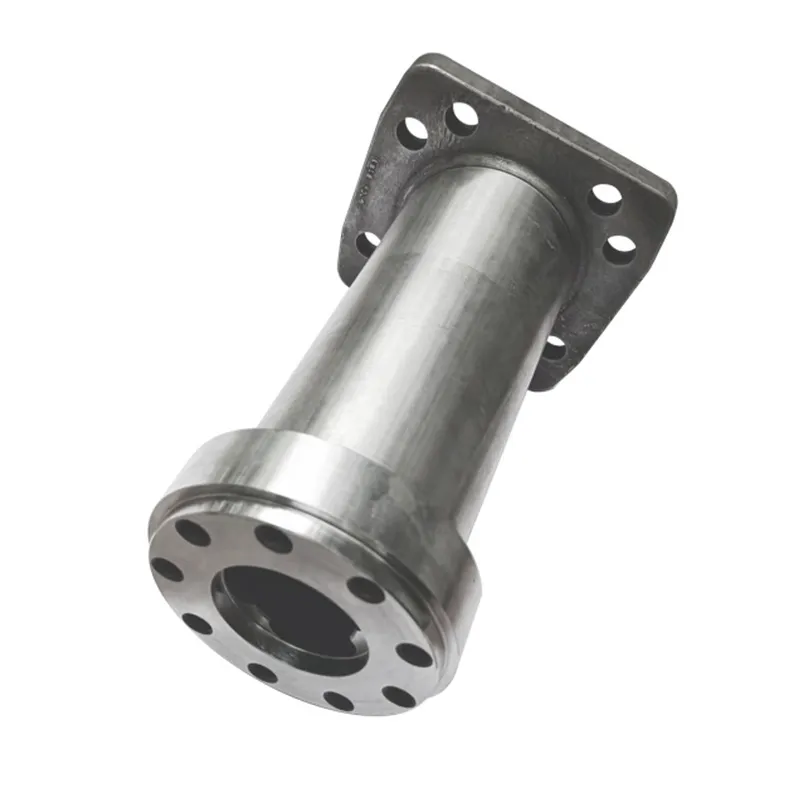
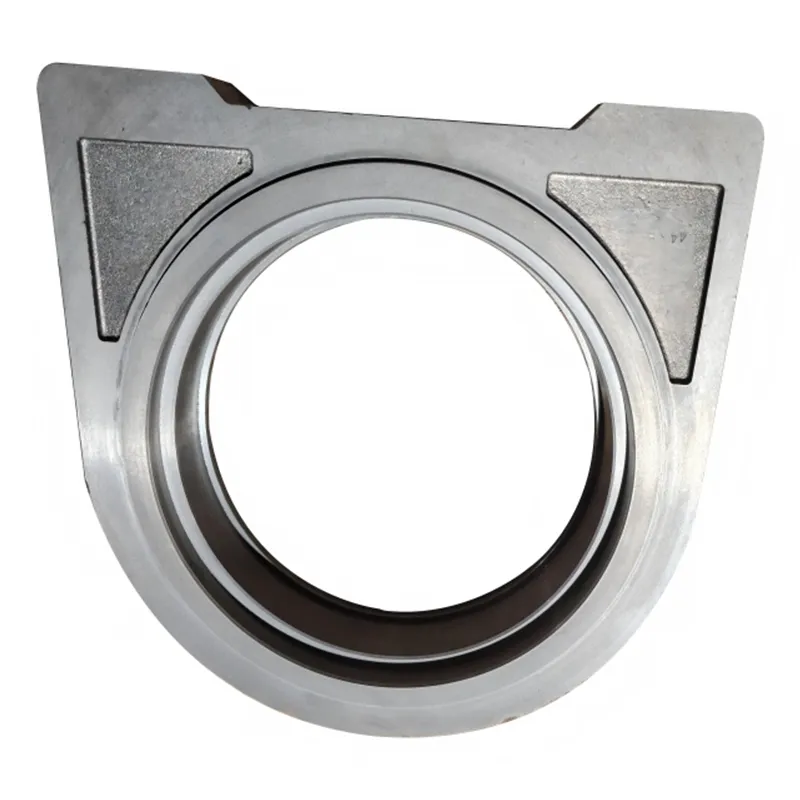
When you hear 'Food Machinery Spare Parts', most people, even some in procurement, think of simple, off-the-shelf replacements. A new blade for a dicer, a gasket for a pump. It's transactional. But after three decades in casting and machining, I've learned that view is the biggest pitfall. These parts are the silent determinants of uptime, product consistency, and, critically, food safety. The real challenge isn't just finding a part; it's finding the right material and process for the specific stress, corrosion, and hygiene regime it will face. A failure here isn't just a breakdown; it's a contamination risk.
The Material is the Message
You can't talk about reliable food machinery spare parts without starting with the alloy. It's not just 'stainless steel.' A meat grinder's worm shaft faces immense torsional stress and fat corrosion, while a valve seat in a dairy CIP system battles constant caustic and acid cycles. Using a generic AISI 304 for both is asking for trouble. We've seen parts made from standard grades fail prematurely because the spec sheet looked 'close enough.'
This is where deep material knowledge becomes non-negotiable. For high-wear components like food machinery spare parts for slicers or mixer bearings, we often lean into cobalt-based alloys like Stellite. The upfront cost is higher, but the lifespan increase is exponential. Conversely, for complex housings that need corrosion resistance but not extreme hardness, a properly heat-treated 316L stainless, investment cast for detail, is the smarter play. The choice between shell mold and investment casting often hinges on this material-performance equation.
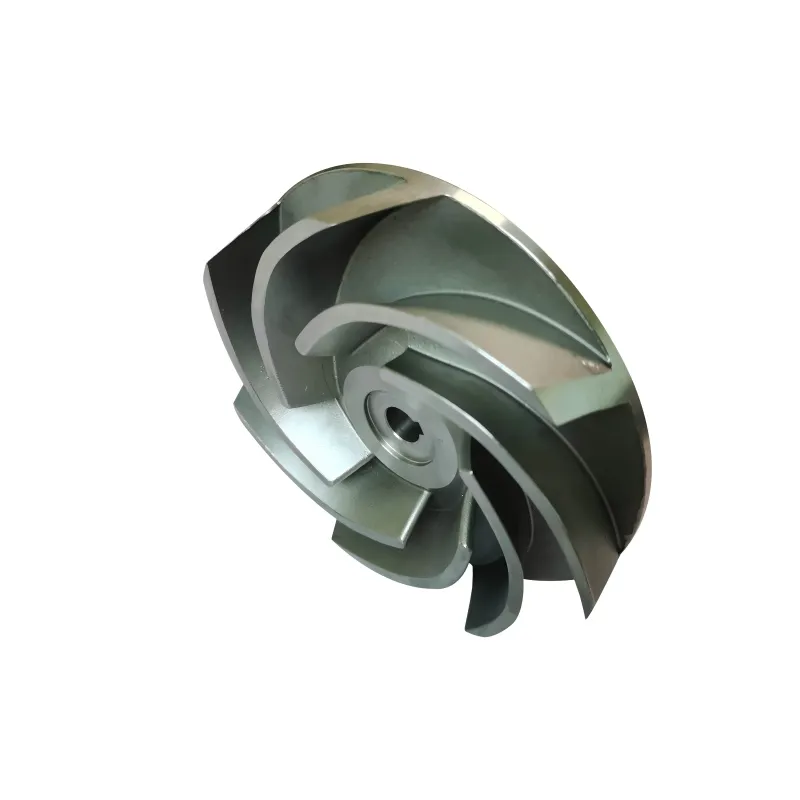
I recall a client from a sauce plant who kept replacing a specific impeller for a viscous product pump. It would crack every six months. We analyzed the failure, moved from a standard cast steel to a nickel-based alloy with better fatigue strength, and redesigned the internal ribbing for even stress distribution. That was five years ago; they're still using the same design. The part cost doubled, but their total cost of ownership plummeted.
Precision Isn't Just for Show
Tolerances in food machinery are a different beast. It's not just about the part fitting. It's about creating seamless, cleanable surfaces and maintaining perfect alignment to prevent product buildup—a breeding ground for bacteria. A poorly machined seal surface on a homogenizer valve can lead to microscopic leakage and bacterial ingress, a nightmare for dairy or beverage producers.
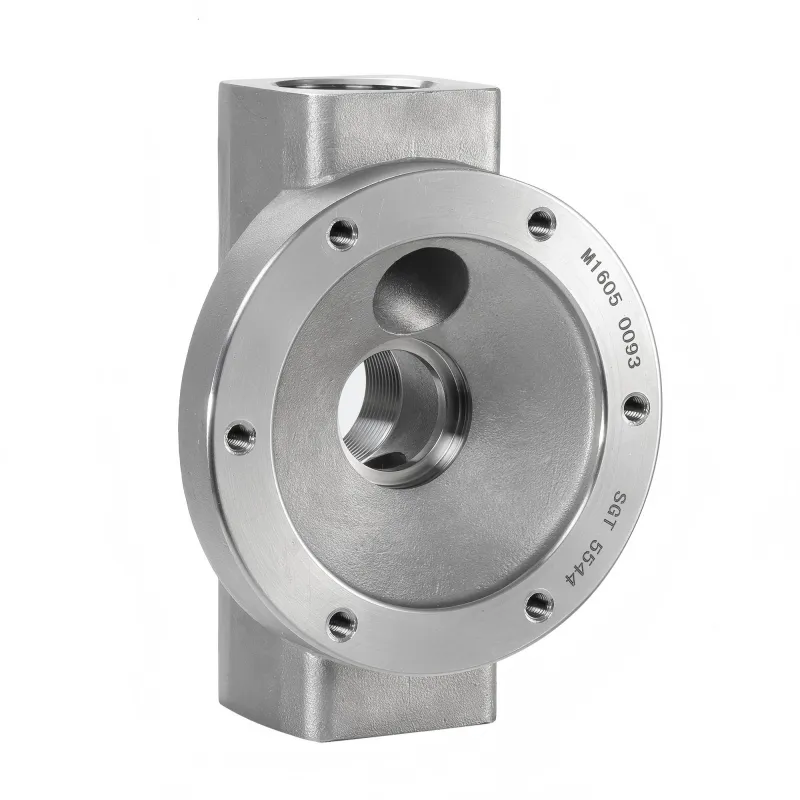
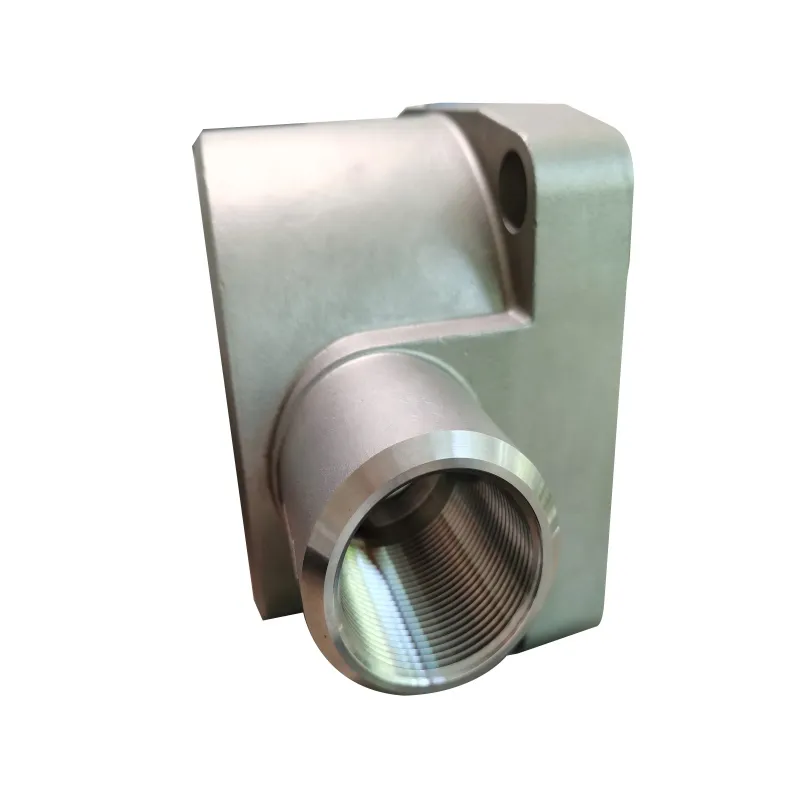
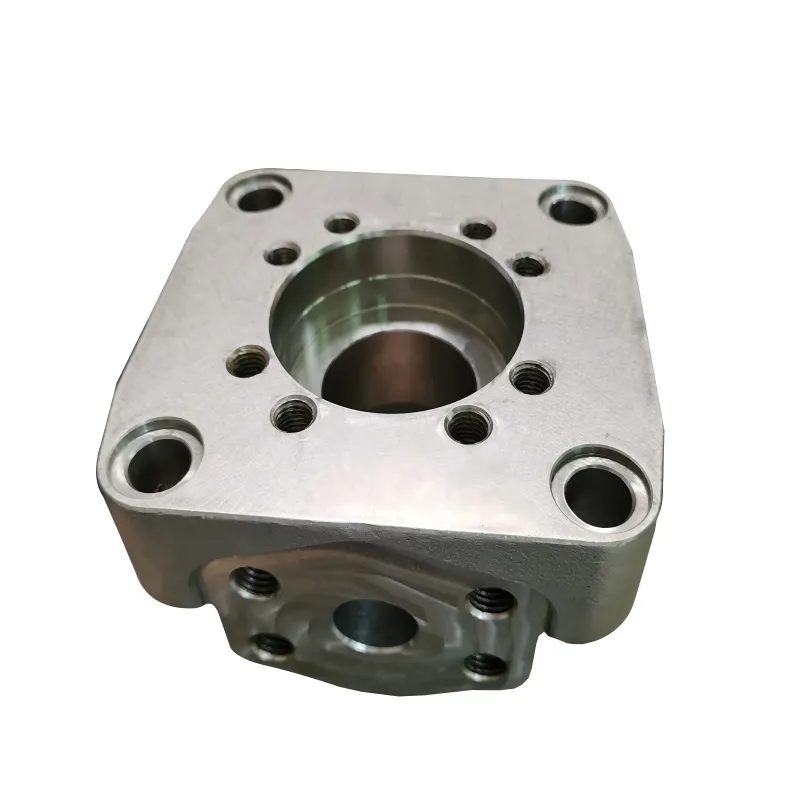
This is why our CNC machining capability is integral to our spare parts work. A casting is the rough body; precision machining gives it the soul. We might produce a complex valve body via investment casting to capture internal channels, but the final mating faces, threads, and bores are finished on CNC mills and lathes. The goal is a part that installs without 'persuasion,' seals perfectly, and doesn't trap material. I've walked plants where maintenance teams had to file down or pack every new part with extra gaskets. That's a sign of a supplier who doesn't understand the application.
The Casting Foundation: Shell vs. Investment
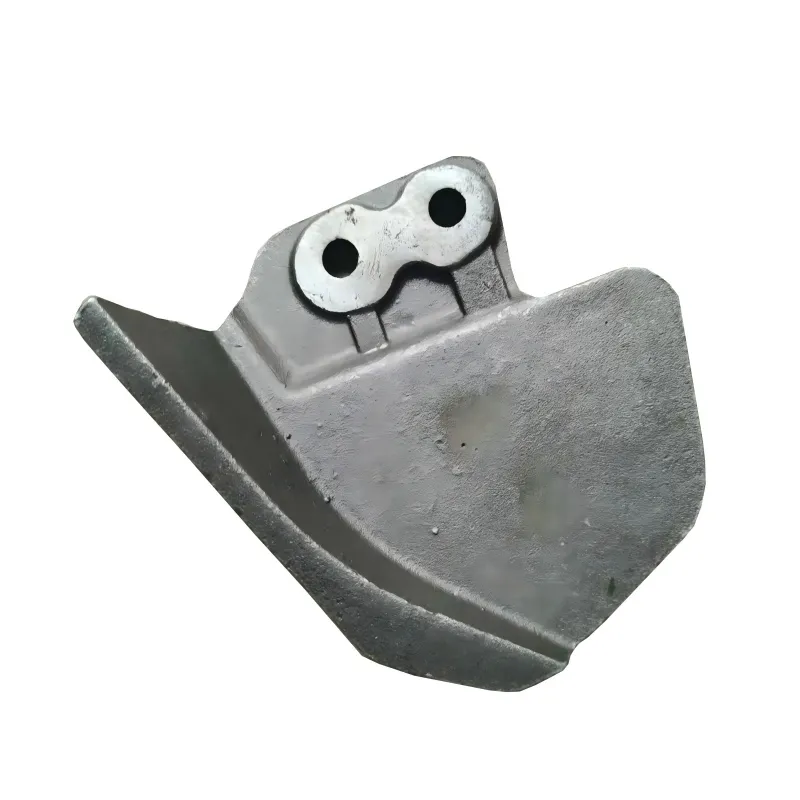
Our work at QSY hinges on two core processes: shell mold casting and investment casting. Choosing the wrong one for a food machinery spare part affects cost, lead time, and performance. Shell molding is fantastic for larger, relatively simpler parts in higher volumes—think heavy-duty gearbox housings for conveyor drives or large pump casings. The surface finish is good, and it's cost-effective.
Investment casting, or lost-wax, is for the intricate stuff. Think of complex sensor housings, mixer blades with internal channels for heating/cooling, or small, high-precision valve components. It allows for near-net-shape production of geometries that would be impossible or prohibitively expensive to machine from solid. For a company like Qingdao Qiangsenyuan Technology Co., Ltd. (QSY), having both processes in-house is key. We're not locked into one method; we can recommend based on the part's function. A client might send us a broken component, and our first analysis is often: 'Should this have been investment cast in the first place?'
When Standard Parts Aren't
A huge portion of the business is reverse-engineering or re-manufacturing obsolete parts. OEMs discontinue lines, but the machines might have 20 years of life left. We get the worn part, sometimes in pieces, and have to rebuild it. This is where 30 years of pattern-making and material traceability pays off. It's detective work: measuring wear patterns to infer stress points, conducting spectral analysis to identify the original alloy, and sometimes improving on the OEM design.
We had a bakery client with an old German dough divider. A critical cam plate was shattered, and the OEM was long gone. We scanned the fragments, recreated the model, but noticed the fracture originated at a sharp internal corner—a classic stress riser. In our new version, we specified a tougher alloy and mandated a radius in that corner in the casting mold. The new part outlasted the original. That's the hidden value: not just copying, but understanding why it failed and engineering a solution.
The Hygiene Factor: A Non-Negotiable
Any discussion about food machinery spare parts is incomplete without talking about cleanability and compliance. It's not an add-on; it's designed in from the material stage. Does the alloy have the right passivation response? After machining, are all surfaces finished to an appropriate Ra (roughness average) to prevent bacterial adhesion? Are there dead zones, cavities, or blind threads in the design?
We frequently work with clients to modify existing part designs for better hygiene. Replacing a bolted joint with a sanitary clamp connection, eliminating a recessed bolt head, or specifying electropolishing for final finish. These aren't glamorous changes, but they're what separate a part that merely works from one that works safely in a modern food plant. A failure in hygiene design can lead to a recall, which dwarfs any part cost.
Looking Ahead: The Real Cost
The biggest lesson is to shift the conversation from piece price to total cost. A cheap, non-conforming spare part is the most expensive purchase a plant can make. The cost of unplanned downtime, product loss, and potential safety issues is staggering. The value of a reliable supplier like QSY isn't just in making a durable part; it's in providing the material science, the process choice (be it shell mold casting or investment casting), the precision machining, and the design insight to prevent the next failure. It's about partnership, not just transaction. In the end, the best food machinery spare part is the one you install and then forget about—because it just works, safely and reliably, for years on end.