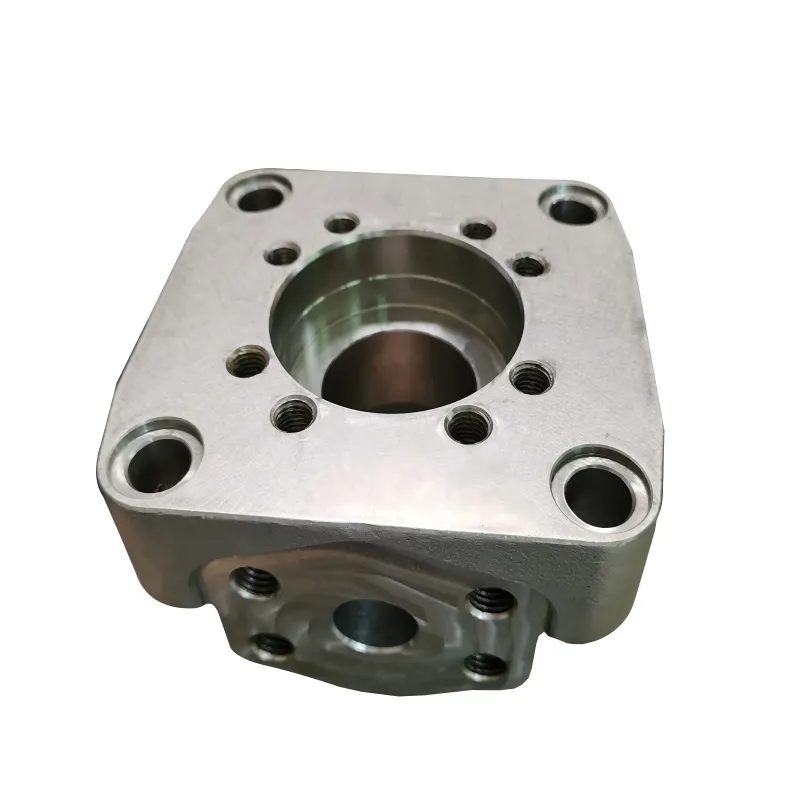
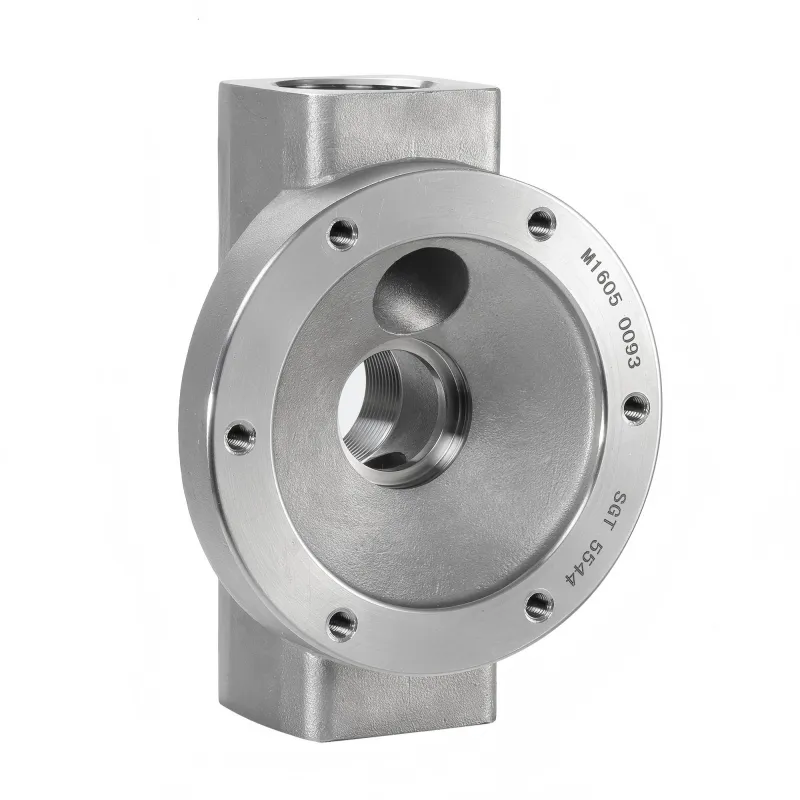
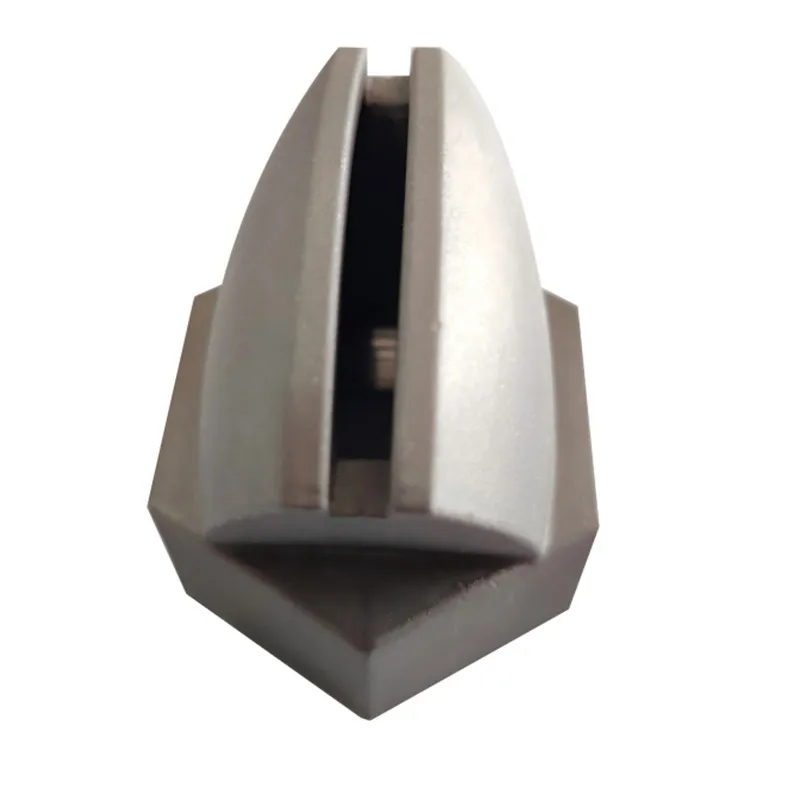
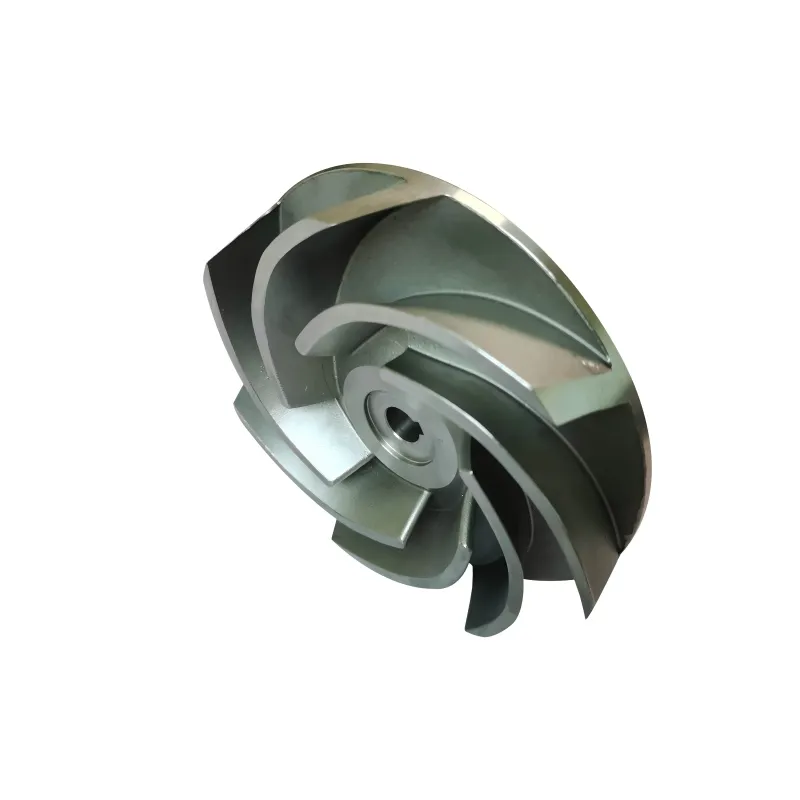
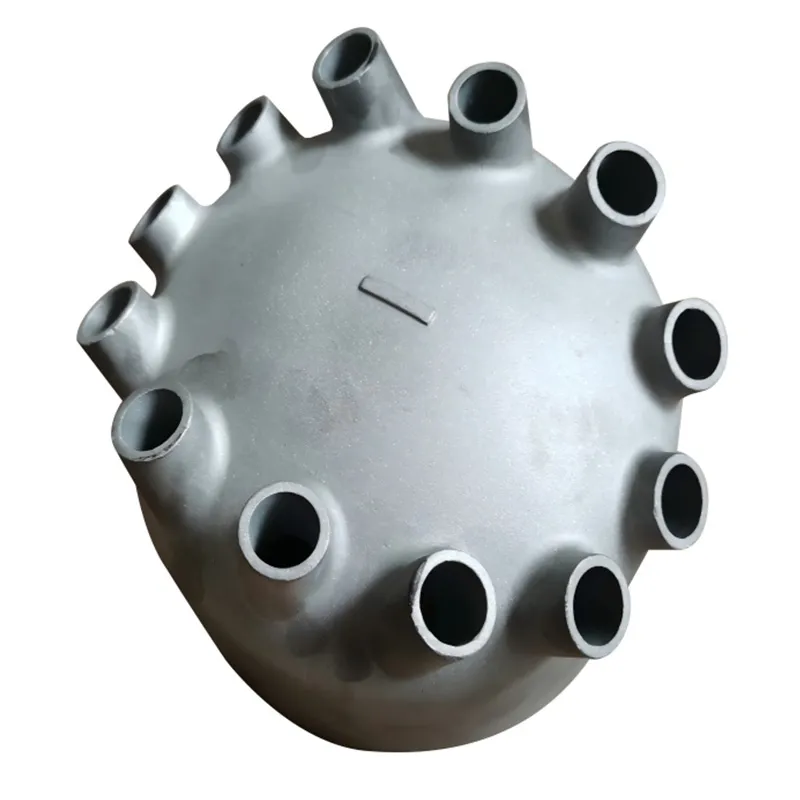
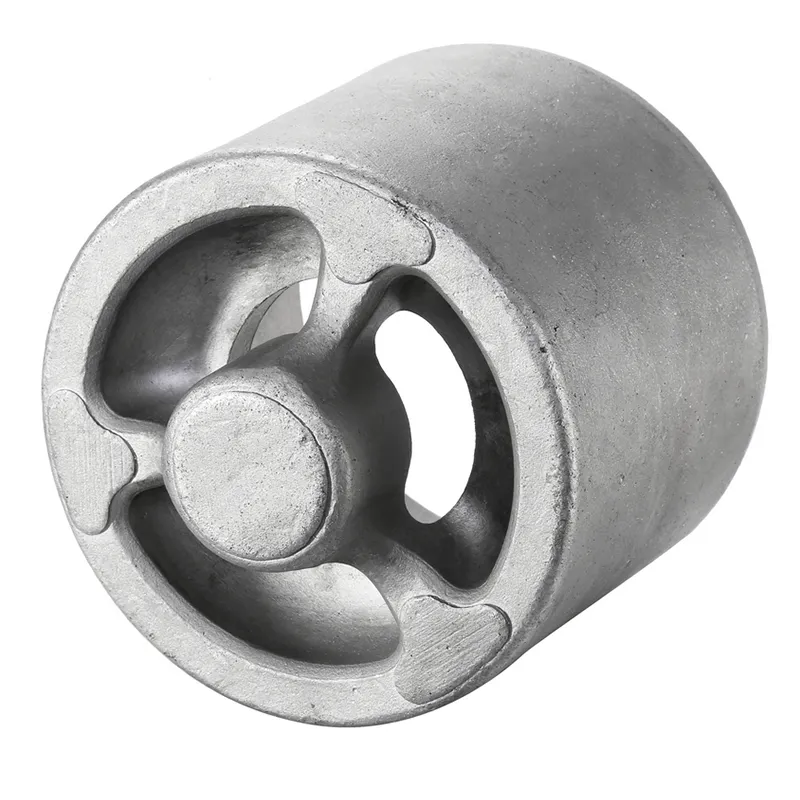
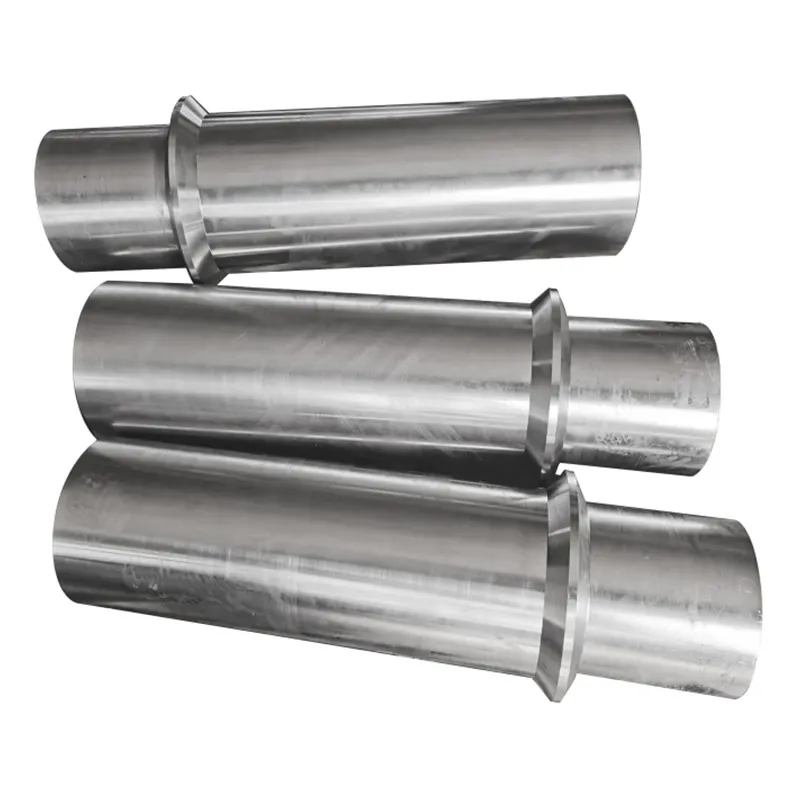
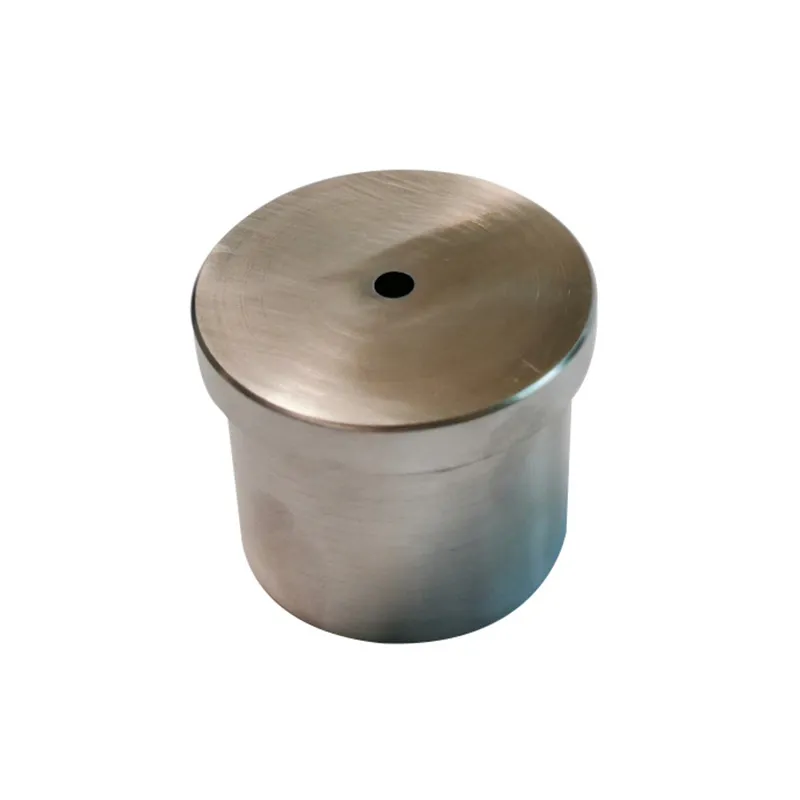
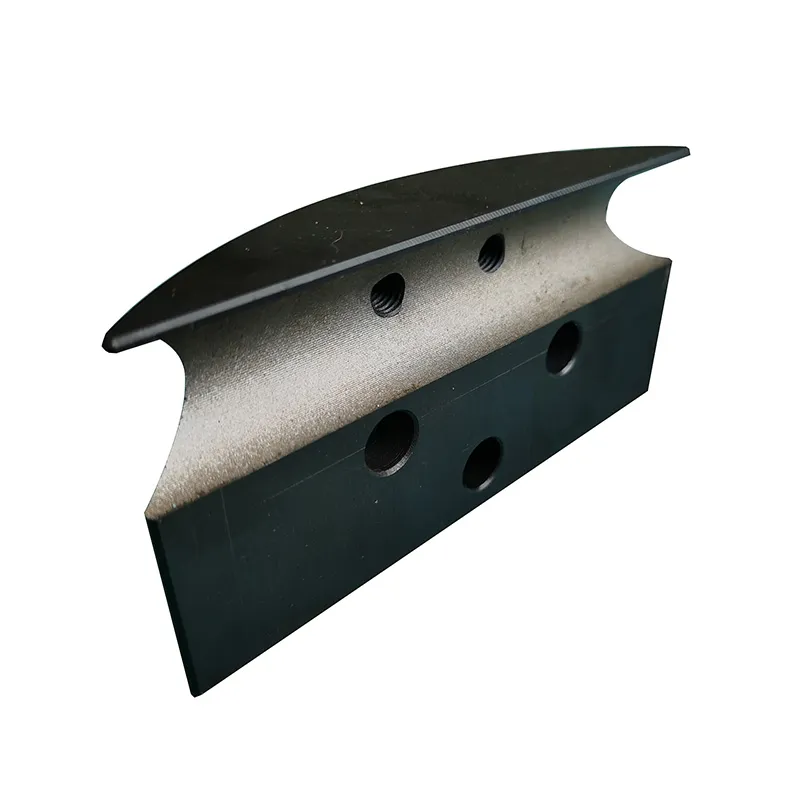
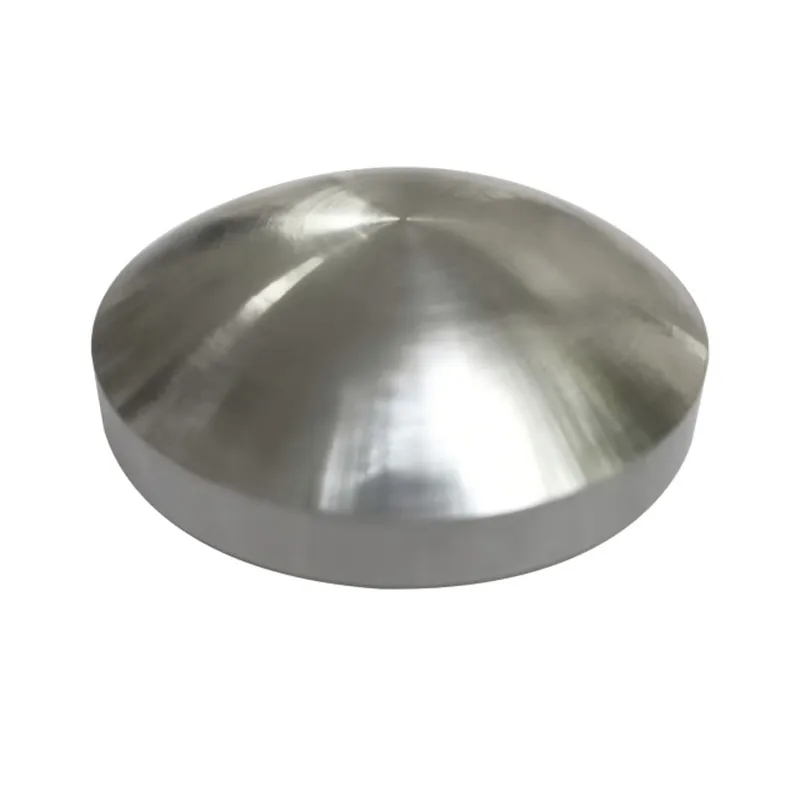
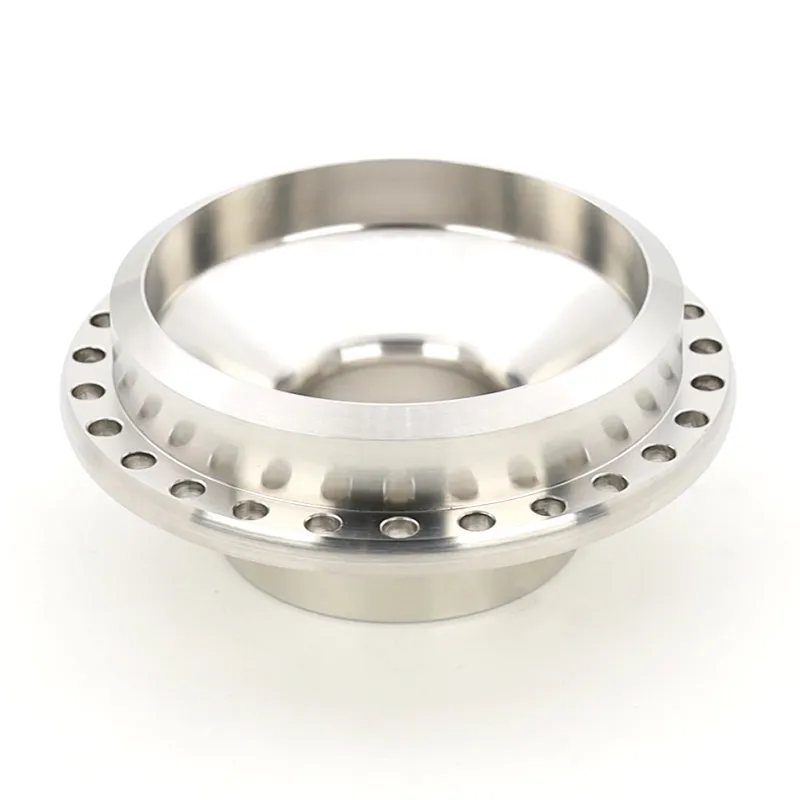
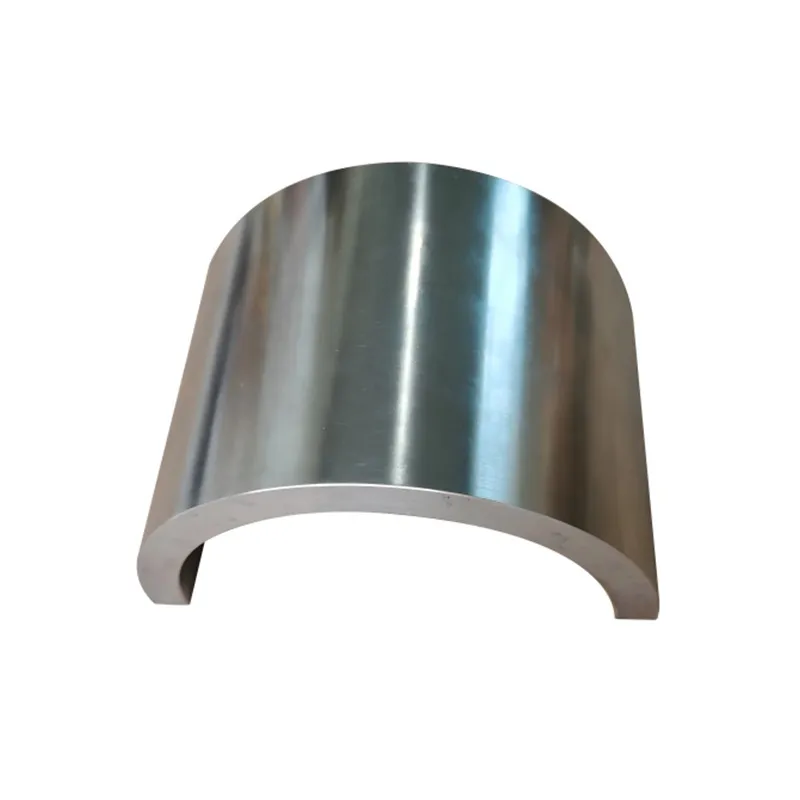
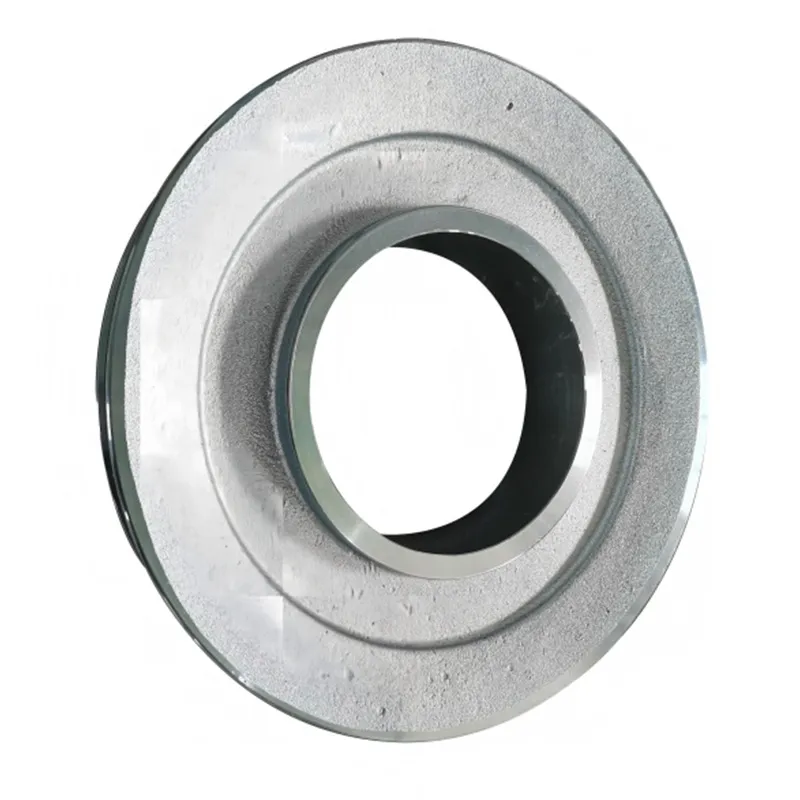
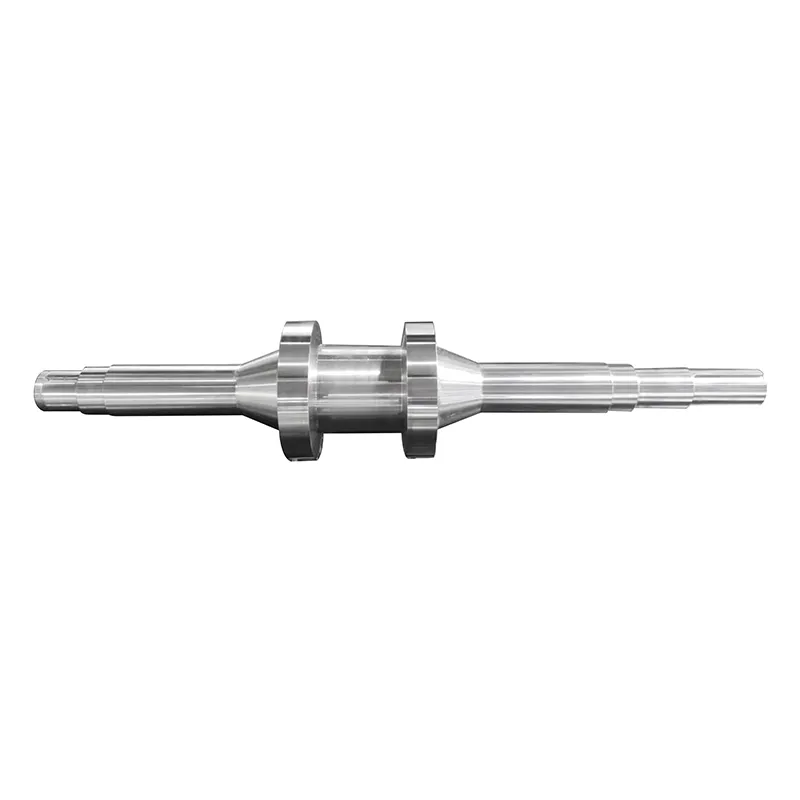
When most people hear 'food processing equipment', they picture the shiny stainless steel machines – the slicers, mixers, ovens. What gets missed, almost always, are the parts. The gears, shafts, housings, valves, and custom fittings that make those machines run. It's a classic industry oversight: focusing on the whole while underestimating the criticality of the components. The reality is, a single subpar part – a poorly cast pump body or an imprecise drive shaft – can halt an entire production line, cause contamination risks, or simply wear out after a few thousand cycles when it should last for tens of thousands. My own view, forged through years of sourcing and troubleshooting, is that the parts are where the real engineering and material science battle is fought. It's not glamorous, but it's everything.
Material is Not Just a Spec Sheet
You get a drawing that says 316 stainless steel or cast iron Grade 250. That's the start, not the finish. For food processing equipment parts, the spec is a baseline. The real test is in the application environment. Is it a dry ingredient conveyor screw? A wet brine circulation pump housing? A component for a high-temperature, high-pressure steam injection system? Each scenario demands more than the standard grade. 316L might be specified, but for acidic environments, the low carbon content and precise control of molybdenum become non-negotiable to prevent corrosion pitting. I've seen parts fail not because they were the wrong alloy on paper, but because the foundry's melt practice introduced inconsistencies, or the heat treatment wasn't tailored for the part's specific stress points.
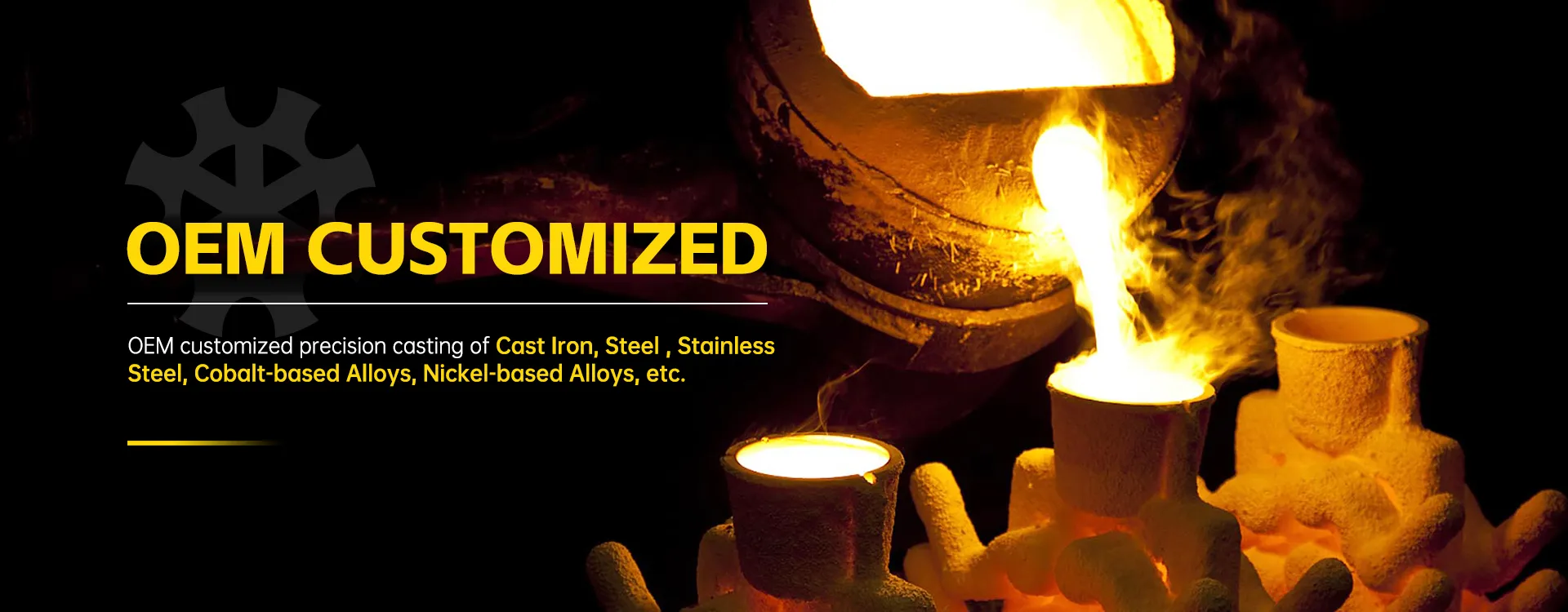
This is where partnering with a specialist foundry and machinist makes a tangible difference. A company like Qingdao Qiangsenyuan Technology Co., Ltd. (QSY), with their three decades in casting and machining, understands this nuance. It's not just about pouring metal; it's about knowing that a shell mold casting for a thin-walled, complex food valve body needs a different gating and riser system than a heavy-duty gear for a drive unit. Their work with special alloys, like nickel-based ones, is particularly relevant for parts exposed to extreme corrosion or temperature – think of homogenizer valves or certain heat exchanger components. The material choice directly dictates the casting and subsequent CNC machining strategy.
A practical headache I recall involved a replacement auger for a powder mixer. The original, from the OEM, lasted years. Our first-sourced replacement, meeting the material spec, developed microfractures in the flighting within months. The issue? Trace element composition and the post-casting stress relief process. The lesson was brutal: the material's pedigree and processing history are inseparable from the part's performance. You're buying a manufactured solution, not just a chemical composition.
The Precision Intersection: Casting Meets Machining
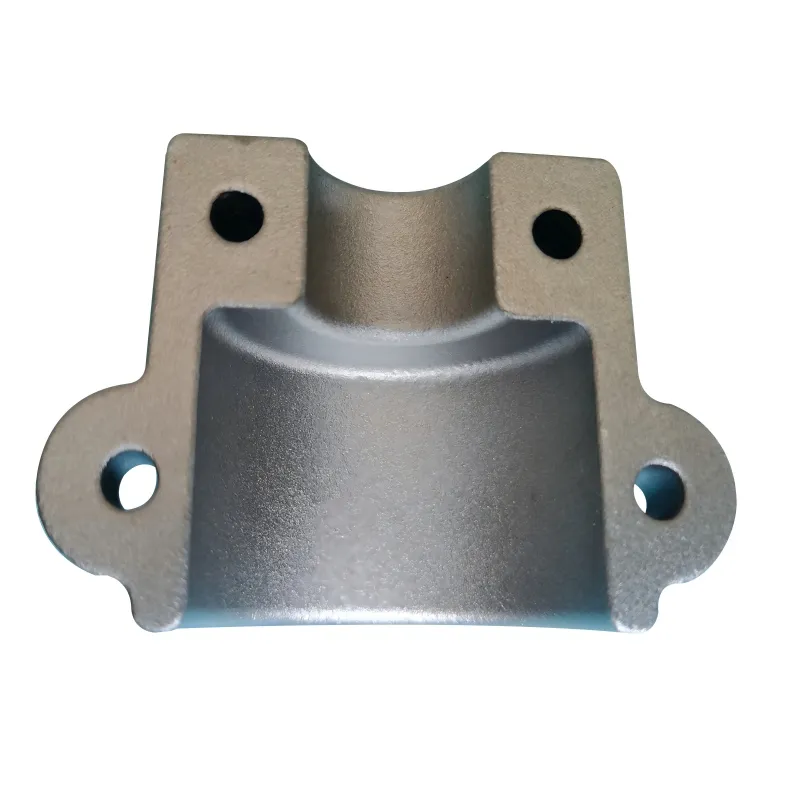
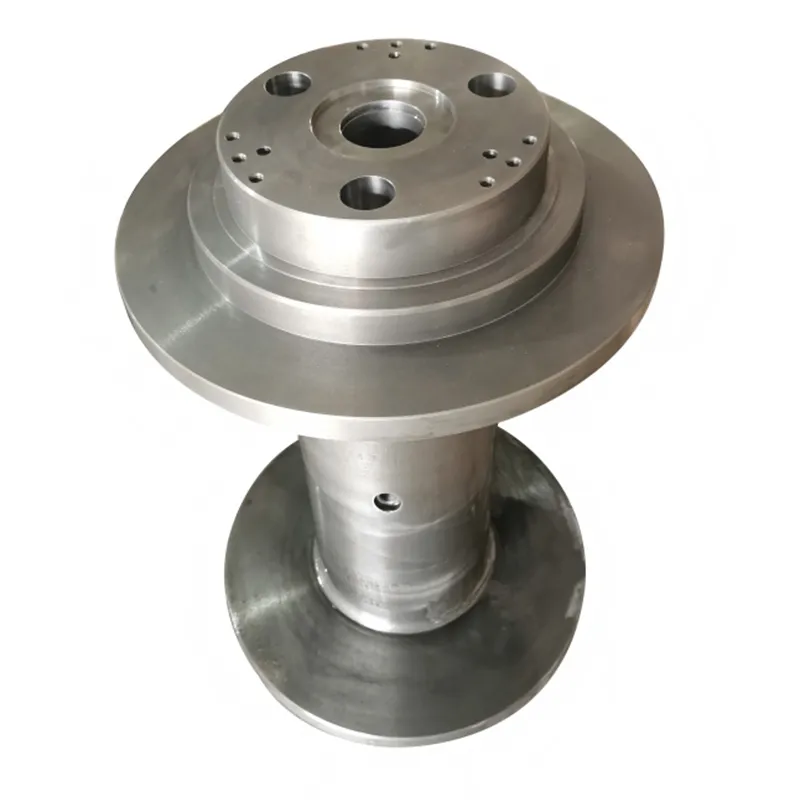
Very few critical food processing equipment parts are just cast or just machined. They're almost always both. A pump casing is investment cast to near-net shape, but its sealing surfaces, bolt holes, and interface ports must be machined to micron-level tolerances. The handoff between the casting shop and the machine shop is a potential failure point. If the casting has slight warpage or internal shrinkage that wasn't accounted for, the CNC program might be machining air on one side and hitting an unexpected hard spot on another, ruining the part and the tooling.
Integrated operations mitigate this. When the casting and CNC machining are under one roof, like at QSY, the feedback loop is tight. The machinists can inform the foundry team if they consistently find a thin section in a specific area of the mold, or if a particular alloy is behaving differently during cutting. This co-location allows for what we call design for manufacturability in real-time, not just in theory. For instance, they might suggest adding a minimal draft angle or a slight radius in a corner during the mold design phase that makes no functional difference to the part but drastically improves its castability and final machined finish.
I learned this the hard way early on, sourcing a complex valve body from separate vendors. The castings looked perfect. But during final machining by a third party, the true position of several ports was off by half a millimeter – enough to misalign with the piping. The blame game started: the foundry said the CNC program was wrong, the machinist said the casting datum was shifted. An integrated supplier eliminates that finger-pointing. The accountability is singular, and the process knowledge is cumulative.
Surface Finish: Where Hygiene Lives or Dies
This might be the most critical aspect for food contact parts, and it's often glossed over on a drawing with a simple Ra 0.8 μm callout. Surface finish isn't just about smoothness; it's about cleanability and preventing bacterial harborage. A mirror polish (Ra 0.4 μm or better) is essential for surfaces in direct contact with product, especially viscous or sticky substances like dough or cheese. But achieving that isn't just a matter of running a finer grit polishing wheel.
The journey to that final finish begins with the casting. A shell mold or investment casting process inherently provides a smoother as-cast surface than traditional sand casting. This means less stock needs to be removed during machining, preserving material integrity and reducing the risk of exposing subsurface porosity during polishing. The machining process itself must be meticulous. Tool path strategies, feed rates, and coolant use all affect the final surface. Any tiny tear, chatter mark, or recast layer becomes a potential niche for microbes.
We had an issue with a batch of meat processing guide rails. They passed the Ra test with a profilometer but, under magnification, showed microscopic tooling chatter. In practice, fat and tissue would lodge in these tiny grooves, making sanitation a nightmare. The fix involved revising the CNC tool's step-over and using a different tool coating. It's these granular, almost obsessive details that separate a part that merely fits from a part that performs reliably in a food-safe manner. A supplier's familiarity with food-grade finishes, like those mandated by 3-A Sanitary Standards or EHEDG guidelines, is a non-negotiable filter in the selection process.
The Reality of Failure and Iteration
Not every part works perfectly on the first try, and pretending otherwise is dishonest. The real expertise of a parts manufacturer is shown in how they handle failure and iterate. A few years back, we were prototyping a new type of cutter blade holder for a vegetable dicer. The design was ambitious – thin-walled, high-strength, needing to withstand cyclic impact. The first few iterations, cast in a standard martensitic stainless, cracked during fatigue testing.
The solution didn't come from a textbook. It emerged from collaborative troubleshooting. The team at QSY suggested switching to a cobalt-based alloy for its superior fatigue strength and wear resistance. However, this alloy is notoriously difficult to cast and machine. Their experience with special alloys came into play. They adjusted the investment casting process parameters – preheat temperatures, pour speed – to manage the metal's flow and solidification for this specific geometry. Post-casting, they developed a tailored multi-stage heat treatment to achieve the right balance of hardness and toughness. The CNC machining then had to adapt to the harder material, using specialized tooling and speeds. The fifth iteration succeeded. This process – failure, material science, process adjustment, success – is the unglamorous core of developing reliable food processing equipment parts.
This is why longevity in this field matters. A company that's been through multiple economic cycles and technological shifts, like a 30-year-old entity, has inevitably encountered and solved a vast library of such problems. That institutional memory is an intangible but vital asset. You're not just buying their machine time; you're buying their accumulated, often hard-won, knowledge about what makes a part survive in the punishing world of food production.
Beyond the Part: The Supply Chain Mindset
Finally, thinking about parts in isolation is a mistake. They exist in a supply chain. Lead times, batch consistency, traceability, and certification are all part of the product. For a food plant manager, a part is useless if it arrives two weeks late during peak season. Consistency is king – the 1000th unit must perform identically to the first.
A robust manufacturer manages this holistically. Their website, like tsingtaocnc.com, should be a portal to this reliability, not just a catalog. It speaks to a commitment to specific processes (shell mold casting, investment casting, CNC machining) and material families (from cast iron to nickel-based alloys). This focus suggests depth rather than breadth. In my experience, the best partners are those who can clearly articulate not just what they make, but how and why they make it a certain way for a given application. They think in terms of total cost of ownership for the end-user, which includes durability, maintenance intervals, and sanitation overhead, not just the unit price of the component.
So, when you're evaluating suppliers for these critical but unseen components, look past the shiny brochures. Drill into their material metallurgy knowledge, probe their integration of casting and machining, scrutinize their surface finish protocols, and ask for case studies of problem-solving. The strength of your processing line literally hinges on the strength and precision of these individual parts. It's a world where millimeters and material grades tell the real story.