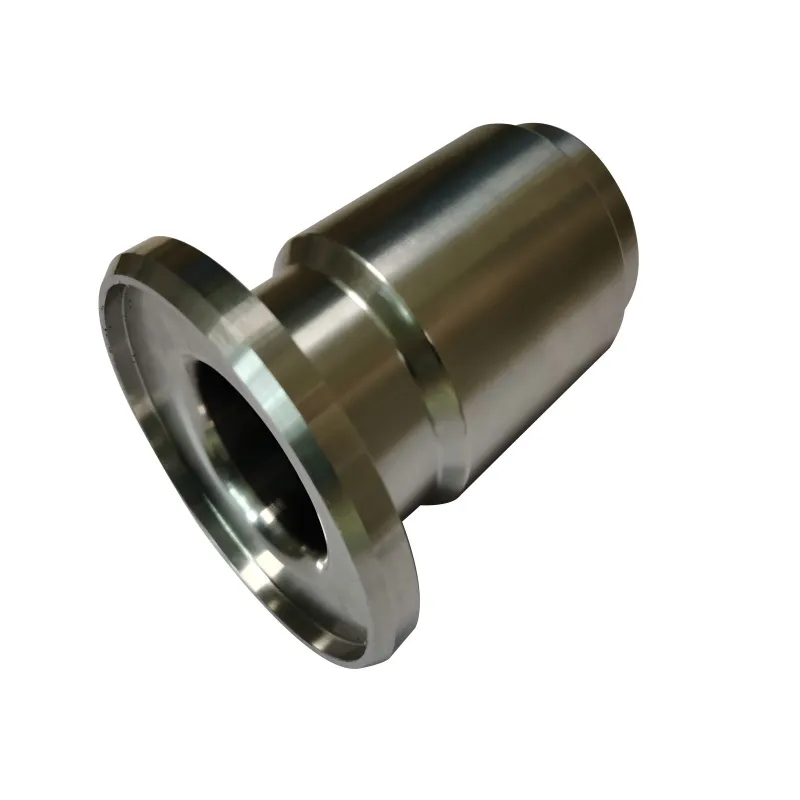
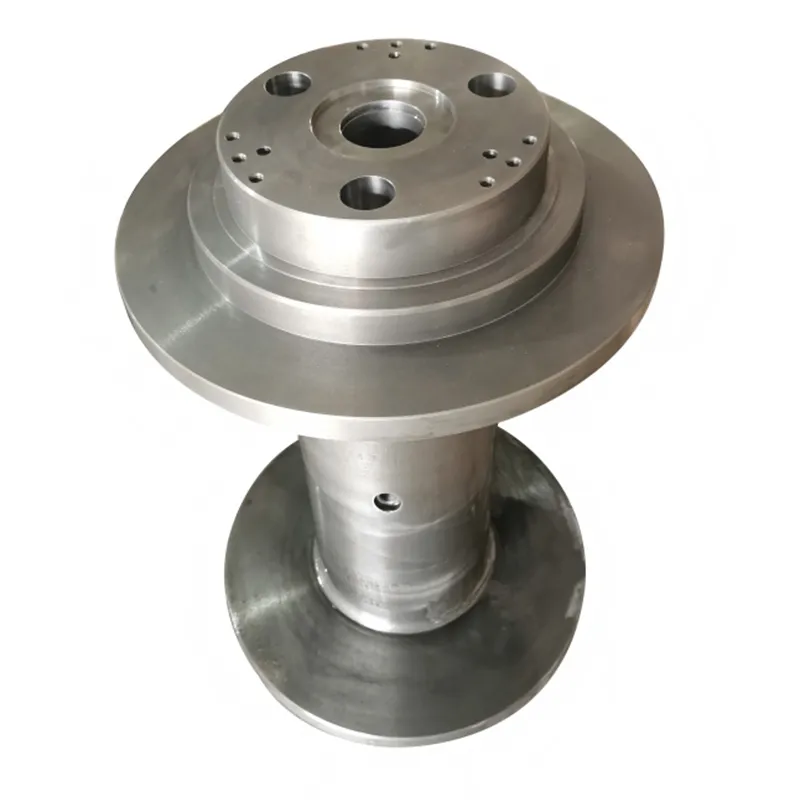
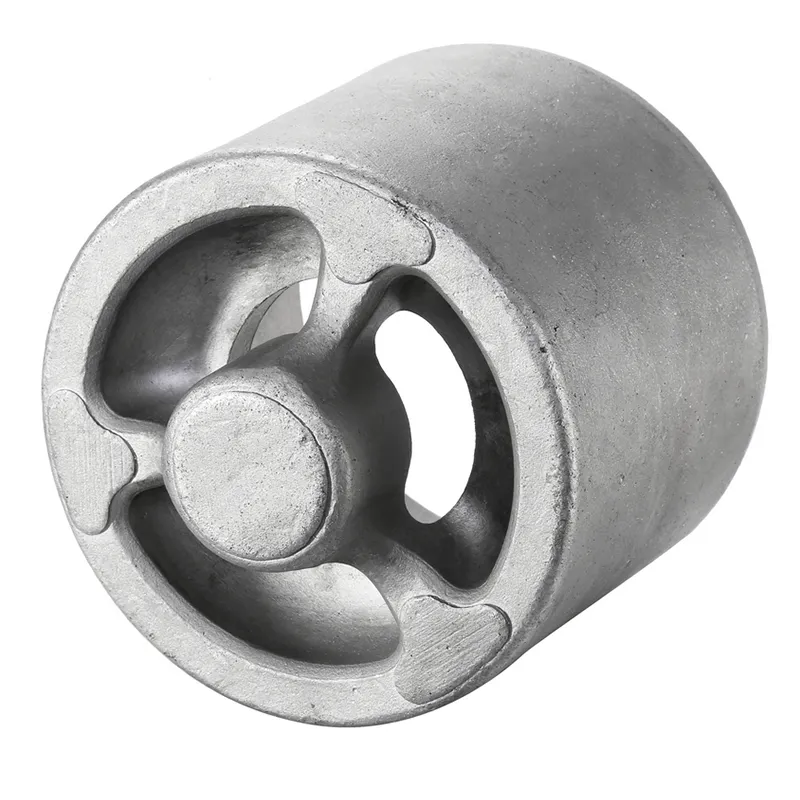
When you hear 'galvanizing production equipment components', most people immediately think of the galvanizing kettle or the bath structure itself. That's the obvious part. But in my experience, the real challenge, and where the money gets spent on maintenance and downtime, lies in the ancillary components. The stuff that moves, lifts, holds, and gets constantly dunked in that molten zinc. I'm talking about galvanizing production equipment components like centrifuge baskets, jigs and fixtures, chain links for conveyors, and even the seemingly simple support frames. The misconception is that any heavy steel fabrication will do. It won't. Not if you want it to last more than a season without warping, cracking, or developing a crust of dross that ruins your finish.
The Material Conundrum: It's Not Just About Thickness
Early on, we figured thicker steel equals longer life. So we'd spec out 1-inch plate for a basket or a jig arm. The result? Massive thermal stress. That thick section heats up much slower than the thinner parts it's welded to, creating insane internal stresses during the immersion cycle. We saw welds crack on brand-new fixtures within weeks. The failure wasn't corrosion initially; it was pure mechanical failure from thermal shock. That's a critical point often missed in specs. It's not just resisting zinc attack; it's surviving the thermal cycling from ambient to 450°C, repeatedly, day in and day out.
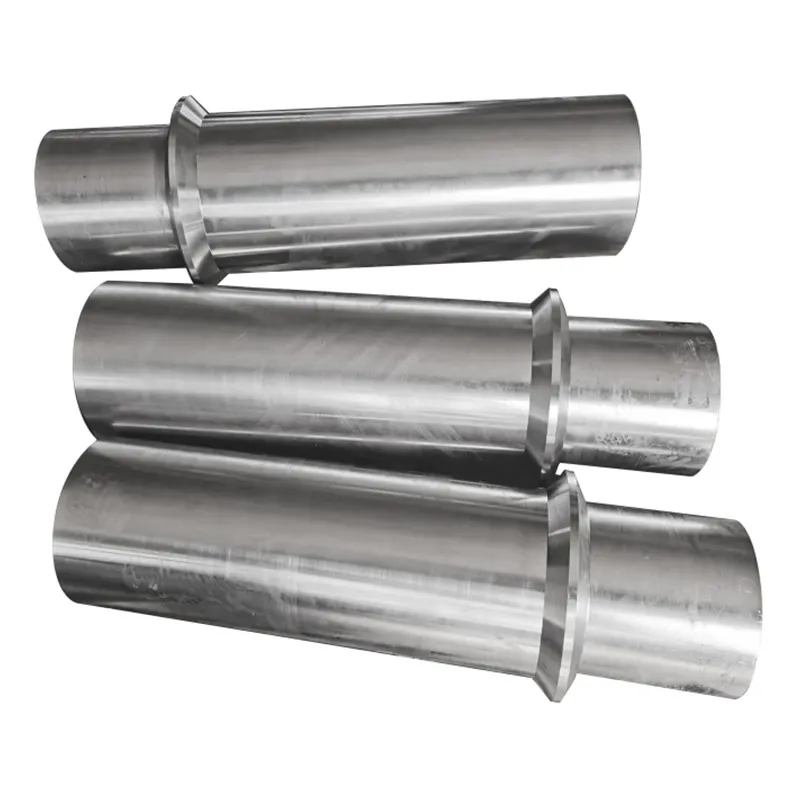
This is where material grade becomes non-negotiable. Plain old Q235 or A36 steel is a recipe for constant replacement. You move into the realm of heat-resistant steels. We've had decent results with something like 316L stainless for certain fixtures that don't bear massive loads, but it's pricey and can still suffer from zinc penetration at grain boundaries over time. For heavy-duty, load-bearing components—think the arms that hold a 5-ton beam during galvanizing—you're looking at specialized cast alloys. This is a niche where foundries with specific experience add real value.
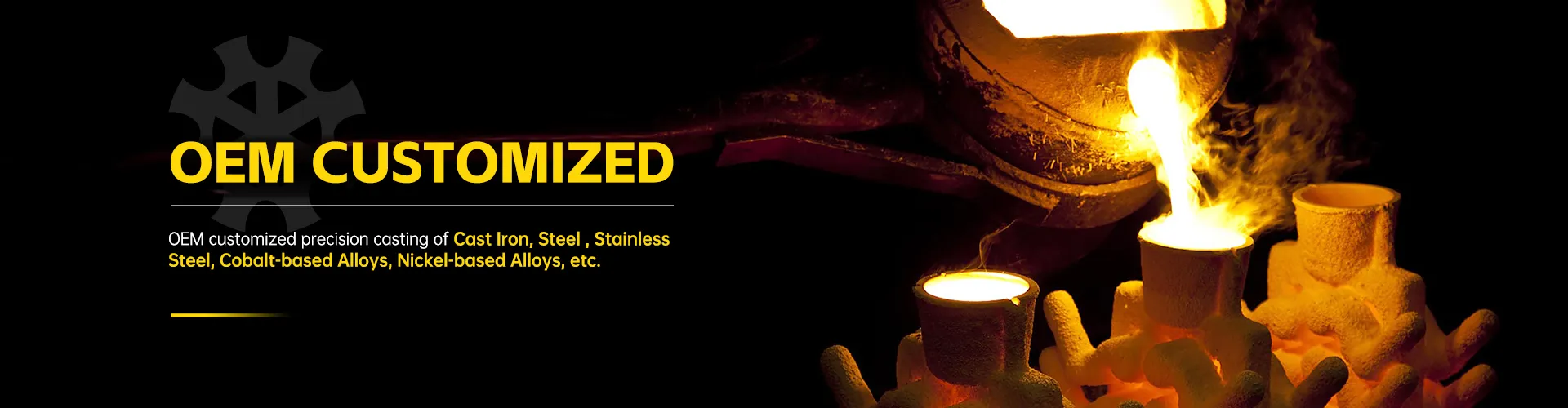
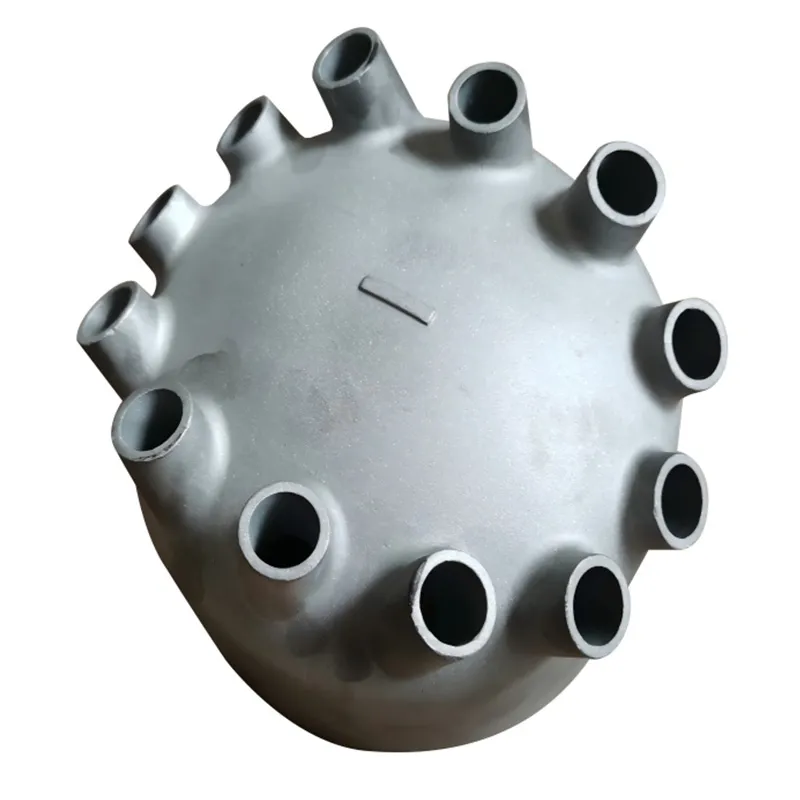
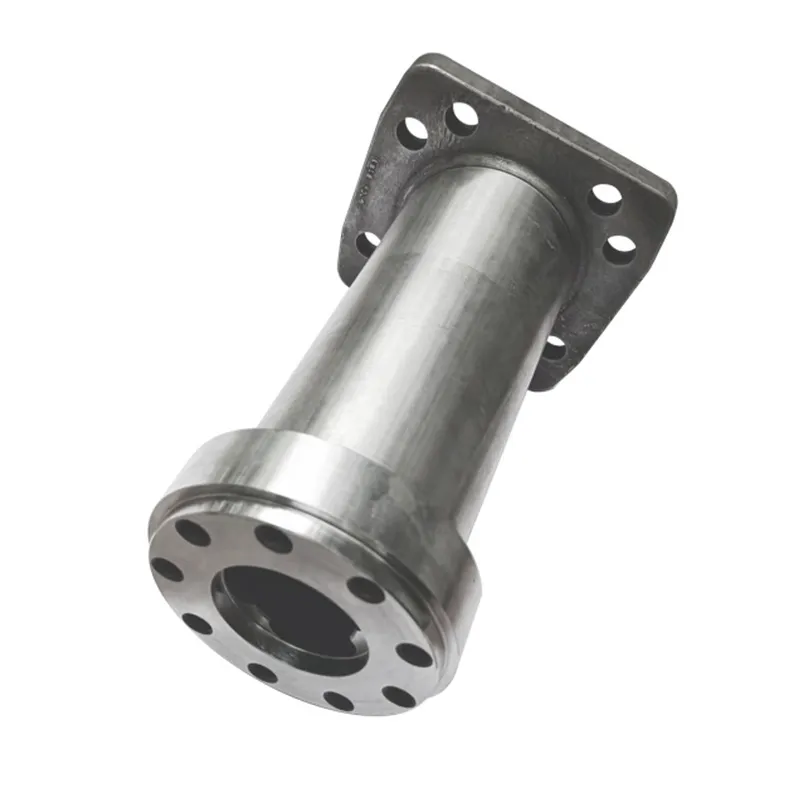
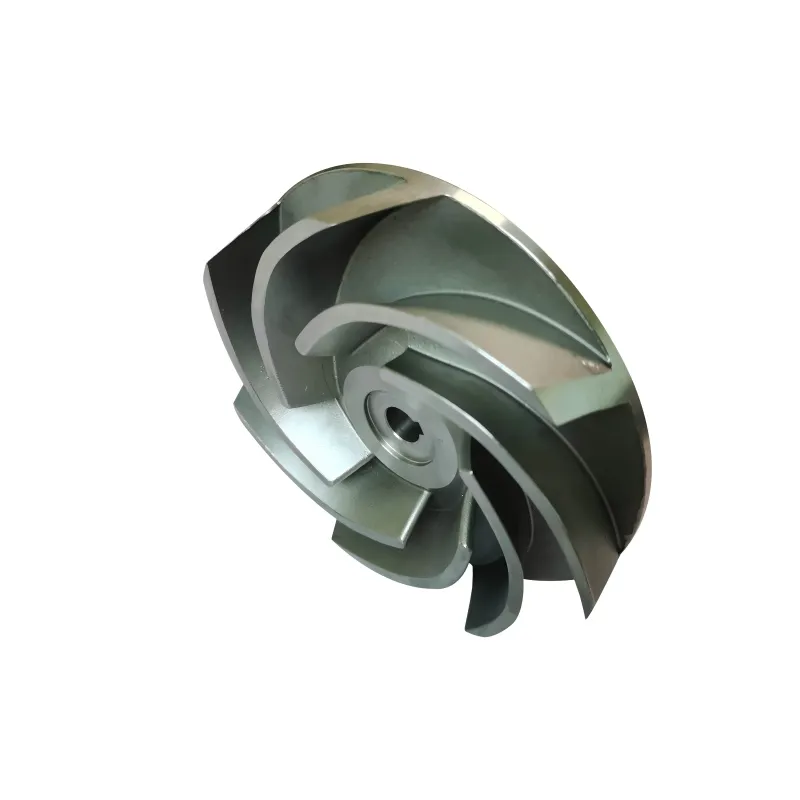
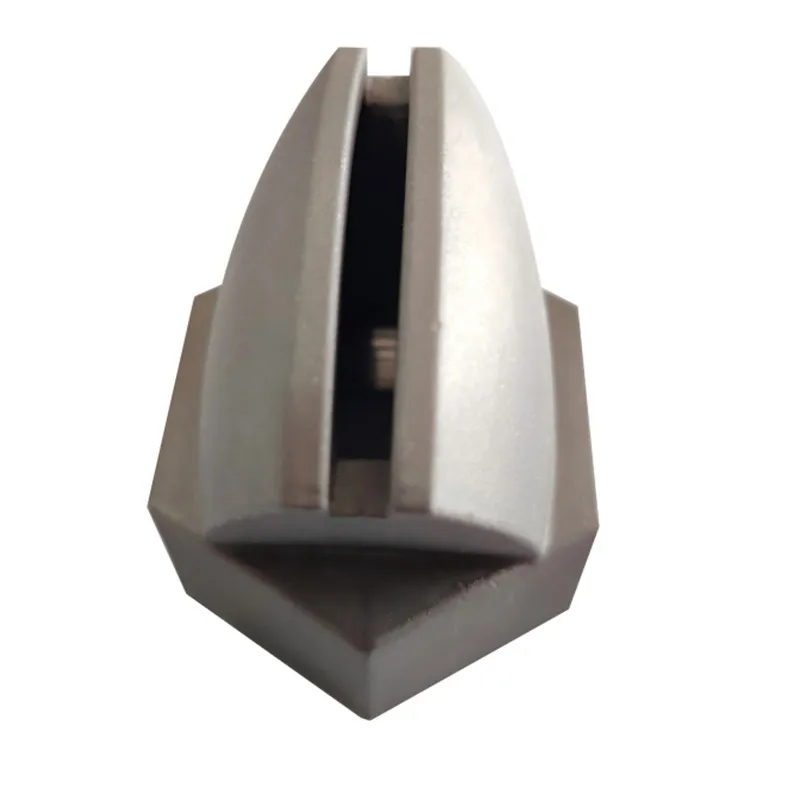
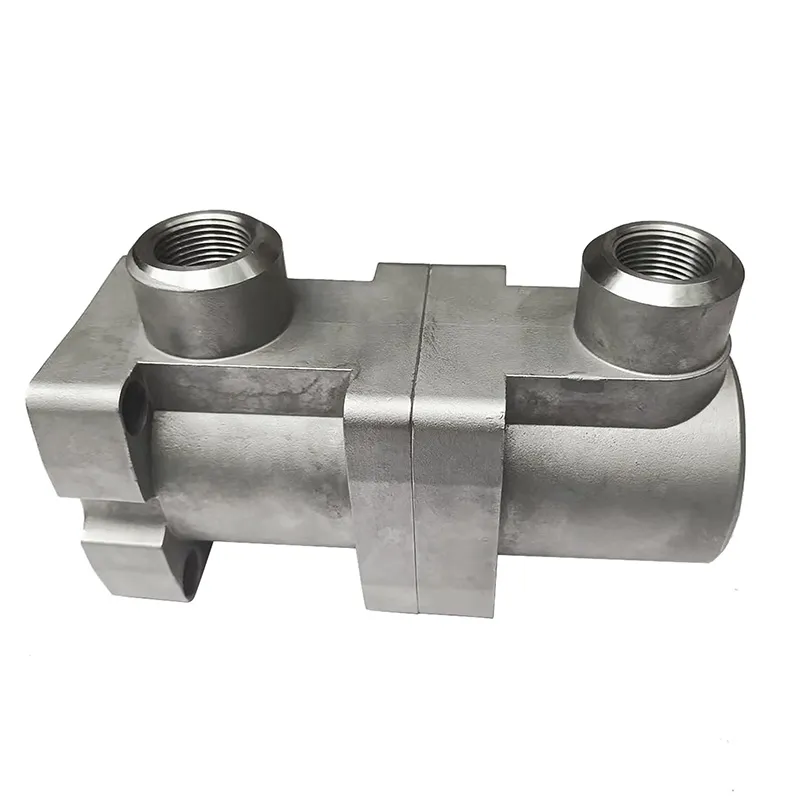
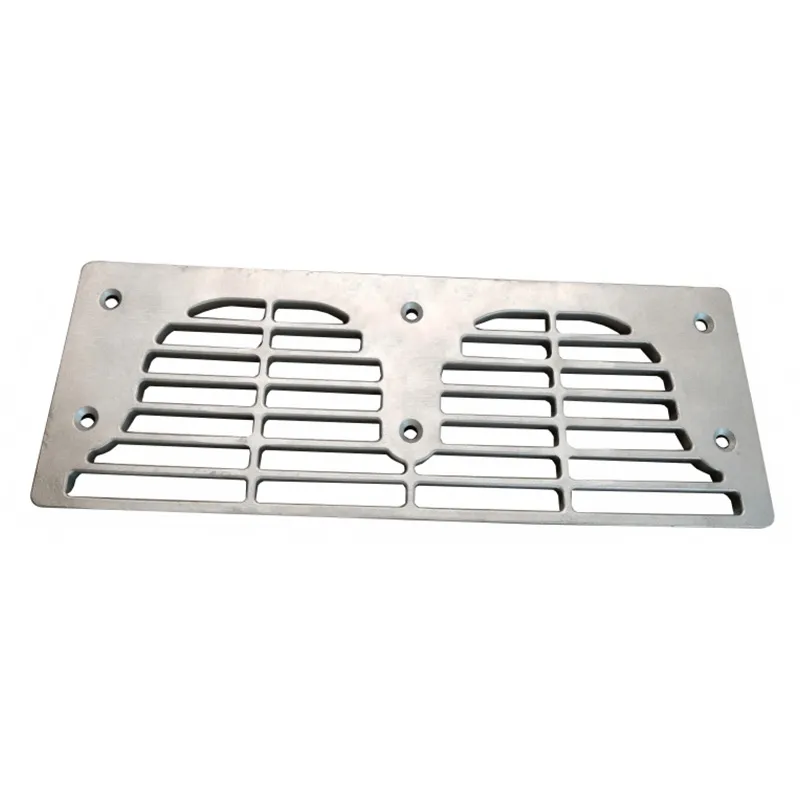
I recall a project where we needed a set of custom galvanizing production equipment components: a series of complex clamping heads for irregularly shaped fabrications. Machining them from solid billet was prohibitively expensive. We turned to a specialist in investment casting, Qingdao Qiangsenyuan Technology Co., Ltd. (QSY). Their background in shell mold and investment casting for industrial applications was key. We could specify a heat-resistant steel alloy, and they could produce the intricate, high-strength shapes with near-net precision, minimizing the costly CNC machining needed afterward. The durability jump from our previous fabricated versions was significant. It underscored that for these critical wear parts, the manufacturing process is inseparable from the material choice.
Design for Galvanizing, Not Just for Function
You can't just design a component that works mechanically and throw it into the line. Galvanizing dictates design rules. Drainage is god. Any pocket, any blind hole, any horizontal surface where molten zinc can pool will solidify and cause a nightmare. We learned this the hard way with an early design for a centrifuge basket. The weld seams on the inner hub created tiny ledges. Zinc built up there, threw the basket off balance at high RPM, and nearly shook the entire spinner unit apart. The fix wasn't a material change; it was a redesign to ensure all surfaces were angled for complete runoff.
Another subtle point: thread protection. You can't have exposed threads on bolts used in fixtures. The zinc will fuse them solid. We use drilled and tapped holes with coarse threads, and then we protect them with high-temperature anti-spatter compounds during the process, or better yet, design out the need for threaded connections in the hot zone altogether. It's these little practical details that separate a drawing-board component from one that survives on the shop floor.
Weld quality is another silent killer. A porous weld, an undercut, a stress riser from a sharp corner—these are the initiation points for cracks in the galvanizing environment. The thermal cycling acts like a constant fatigue test. We now insist on full-penetration welds, ground smooth contours, and post-weld stress relieving for critical galvanizing production equipment components. It adds cost upfront but saves tenfold in unplanned downtime later.
The CNC Machining Link: Precision Where It Counts
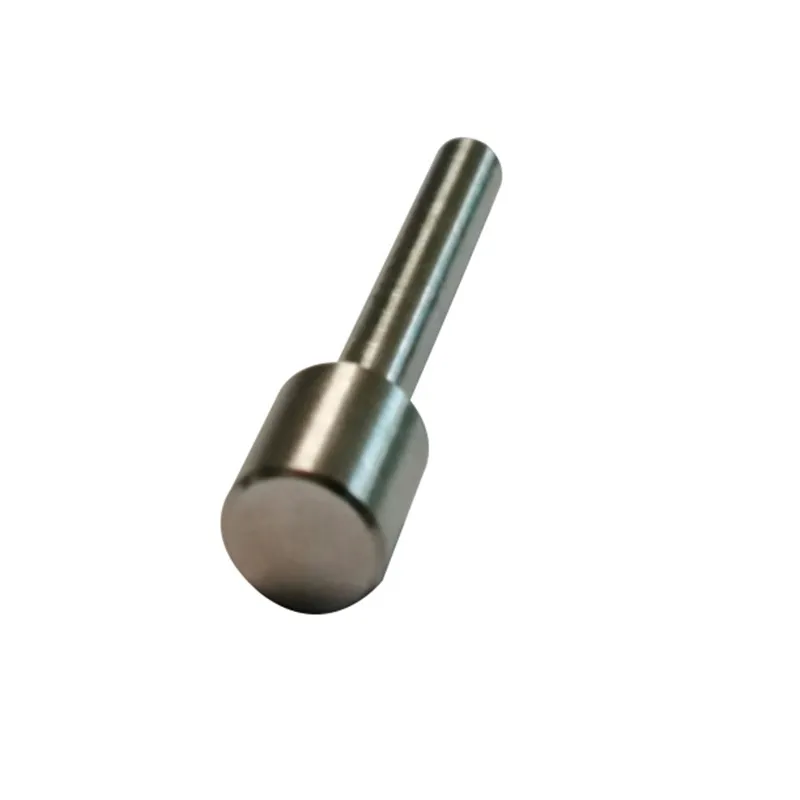
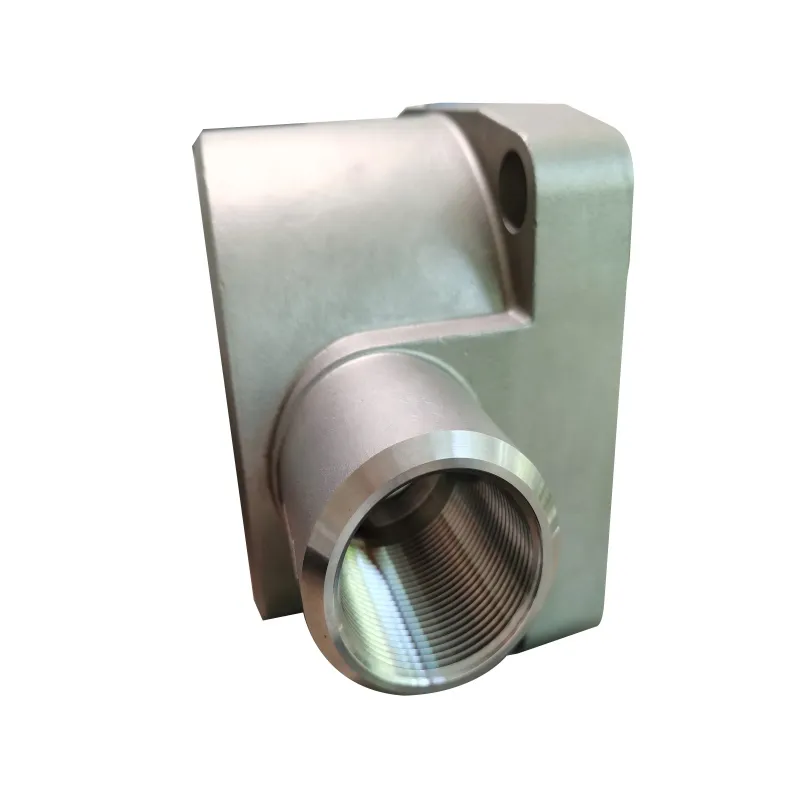
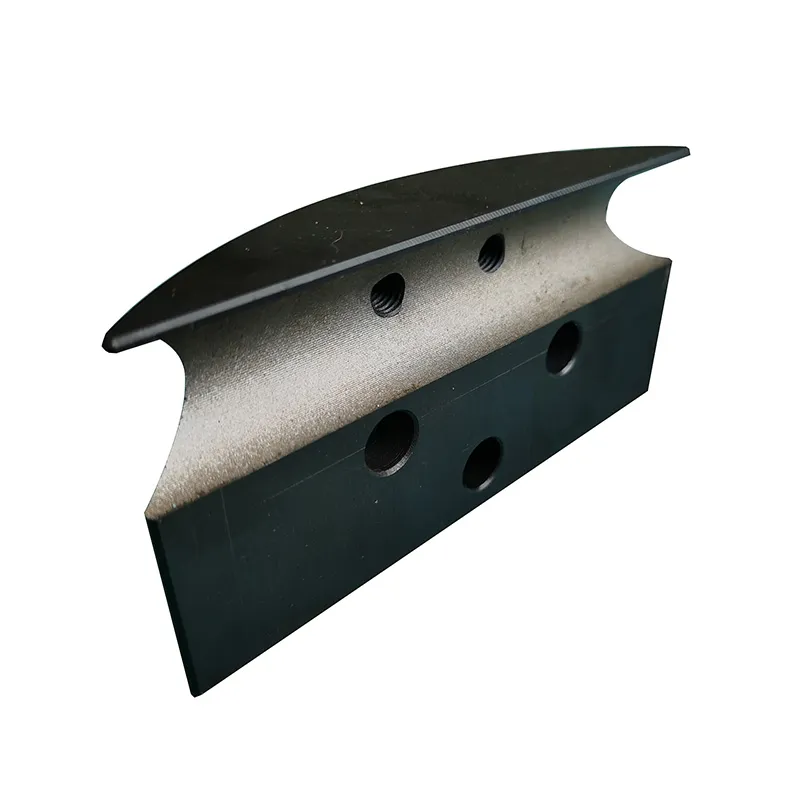
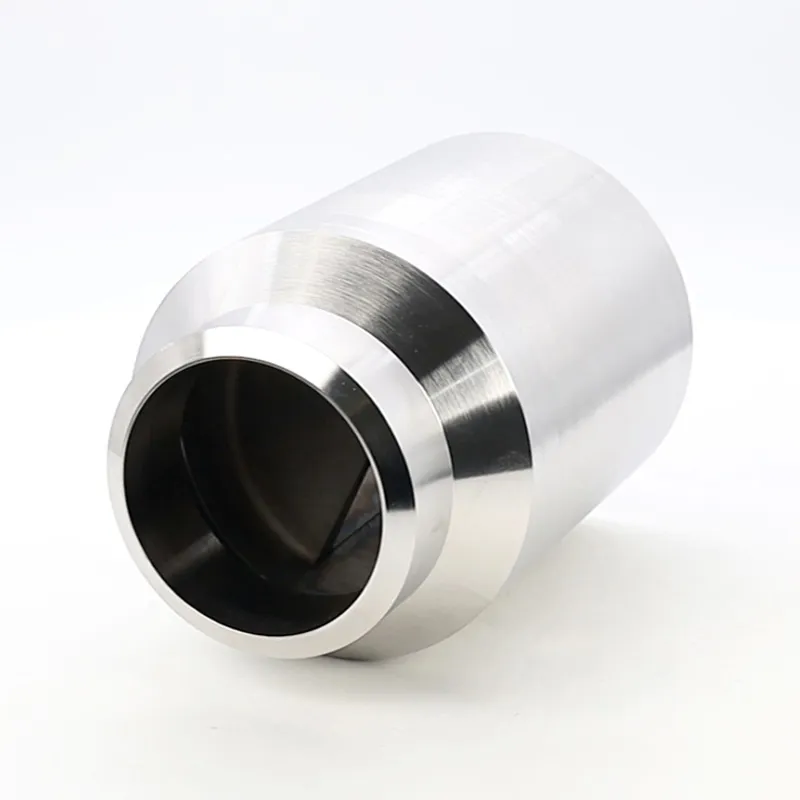
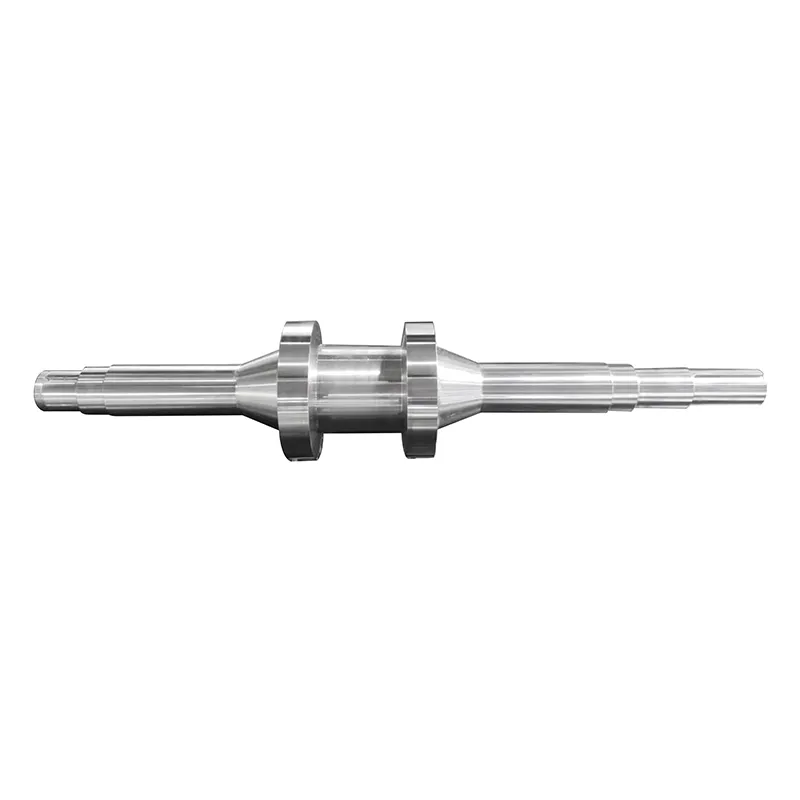
This might seem counterintuitive. Why spend on precision machining for something that gets bathed in molten metal? The answer is in the interfaces. Take a lifting yoke that connects to an automated hoist. The pin holes need to be perfectly aligned and sized, with a specific surface finish, to prevent rapid wear on the pins. If they're roughly flame-cut, you get slop, uneven loading, and premature failure. That's where a partner with strong CNC capabilities, again like QSY, becomes relevant. They can take a cast or forged component and machine the critical mating surfaces, bore holes, and threads to exacting tolerances. This ensures the component integrates seamlessly into the production line, operates smoothly, and doesn't become the weak link that causes a stoppage.
It's also about repair and refurbishment. A well-made cast or forged component, even after years in the kettle, often has enough base material left. Instead of scrapping it, you can machine off the degraded surface layer and the zinc-iron alloy layer, bringing it back to a like-new dimensional spec. This requires an understanding of the material's condition and the machining parameters to handle the hardened surface zones. It's a sustainable practice that more plants should adopt.
Failure Modes and the Reality of Maintenance
Let's be blunt: everything in the galvanizing line eventually fails. The goal is to extend the cycle and make failures predictable. The most common mode for structural components is distortion. A long support beam, even from good material, will slowly creep and sag under its own weight at temperature. You monitor this with regular laser alignment checks. Sudden failure is usually brittle fracture from a crack that propagated from a weld defect or a design stress concentration.
We tried ceramic coatings on some components once, theorizing it would prevent zinc adhesion. It worked for a few cycles, but any chip or impact site became a focal point for zinc to attack the base steel, and it would then lift the entire coating off in sheets. It was a mess to clean up. Sometimes the simple, proven solutions are best: the right material, intelligent design, and robust fabrication.
Inventory strategy is part of the equation. For mission-critical galvanizing production equipment components—like the main drive chain for the conveyor or specific custom jigs for your highest-volume product—you need a spare on the shelf. The lead time for a quality replacement, especially if it involves pattern-making for a casting, can be 8-12 weeks. That's not downtime any production manager can stomach. Building a relationship with a reliable supplier who understands your operational context is crucial for managing this risk.
Looking at the Entire System
You can't optimize components in isolation. The performance of a jig is tied to the pre-fluxing process. Inadequate drying can lead to acid entrapment, which causes violent reactions at the zinc interface, spattering and potentially damaging the jig and the workpiece. So, your component design has to account for the entire chemical pre-treatment stage as well.
Finally, there's the human factor. The crew operating the line knows the quirks. They know which fixture is starting to stick, which basket has a slight wobble. Involving them in the feedback loop for component design and supplier evaluation is invaluable. They'll point out the sharp edge that cuts their gloves or the handle that's awkward to grab with a hook. A design that's easier and safer to use will be used correctly, which itself extends component life.
In the end, specifying and procuring durable galvanizing line components is a hybrid discipline. It sits at the intersection of metallurgy, mechanical design, thermal engineering, and practical workshop know-how. It's about moving beyond the commodity mindset and treating these parts as the specialized, high-wear consumables they truly are. The right manufacturing partner, one that offers the full spectrum from alloy selection and casting to precision machining—like the services outlined by Qingdao Qiangsenyuan Technology Co., Ltd. at their portal https://www.tsingtaocnc.com—isn't just a vendor; they're an extension of your maintenance and engineering team, crucial for keeping the zinc flowing and the line moving.